
REVIEW · TOURS
10 Days Enchanting Tour
Big sights, smooth pacing across four cities. This 10-day China route connects Beijing, Xi’an, Hangzhou, and Shanghai, with guided time at major icons like the Great Wall, the Terracotta Warriors, West Lake, and the Bund.
I especially like the built-in flow. Airport pickup, hotel transfers, and intercity high-speed trains help you spend less time figuring things out and more time looking around. I also like that many of the headline stops come with admission included, so your days are packed with less downtime.
The main drawback is pace. Ten days across four large cities means long days and plenty of walking, with crowds likely at Tiananmen Square, the Forbidden City, and Badaling.
In This Review
- Key points to know before you go
- First Full Beijing Days: Temple of Heaven, Tiananmen, Forbidden City, Wangfujing
- Great Wall at Badaling and Beijing Olympic Park After Dark-Aged Power
- High-Speed Train to Xi’an: Why the “travel day” isn’t wasted
- Xi’an’s Terracotta Warriors and Lishan Beacon: Qin Meets the Hills
- Xi’an City Wall, Bell and Drum Towers, and the Muslim Quarter Food Loop
- Hangzhou Without Rush: West Lake and Hefang Street
- Longjing Tea Fields and Shanghai Skyline: From Tea Hills to the Oriental Pearl
- Shanghai Old Meets New: Wukang Road, Sinan Mansions, Nanjing Road, Chenghuang Miao, The Bund
- Departure Day From Pudong: Keeping Your Last Morning Easy
- Price and Included Value: When $1,588 Actually Makes Sense
- Should You Book This 10-Day Beijing-Xi’an-Hangzhou-Shanghai Tour?
- FAQ
- How much does the 10 Days Enchanting Tour cost?
- How long is the tour, and when does it start?
- Which cities are included in this tour?
- Do you include intercity transportation like high-speed trains?
- What meals are included during the trip?
- Are tickets to major attractions included?
- Is airport pickup offered?
- What is the cancellation timeline for a full refund?
Key points to know before you go
- Badaling Great Wall with a full guided window (about 3 hours) for real views, not a drive-by stop
- Terracotta Warriors plus Lishan Beacon gives you both the Qin story and hilltop scenery in one Xi’an stretch
- Two high-speed train rides that save energy (about 5-6 hours to Xi’an, then about 7 hours to Hangzhou)
- West Lake and Hefang Street balance iconic scenery with classic street life
- Longjing tea fields add a calmer, countryside-feeling pause between cities
- Service focus shows up in strong feedback, including responsive planning and care for specific needs, like dietary reminders
Still weighing it up? These Beijing bookings scored well when we went through them.
- From Beijing: Mutianyu Great Wall Tours with Options★ 4.9 · 9,216 reviews
- Beijing: Forbidden City Tour(Group/Private)-Tickets Included★ 4.8 · 7,974 reviews
- Beijing: T-Square & Forbidden City Group or Private Tour★ 4.8 · 4,446 reviews
- All-Inclusive Tour: Tiananmen Square, Forbidden City, Great Wall★ 5.0 · 2,873 reviews
First Full Beijing Days: Temple of Heaven, Tiananmen, Forbidden City, Wangfujing
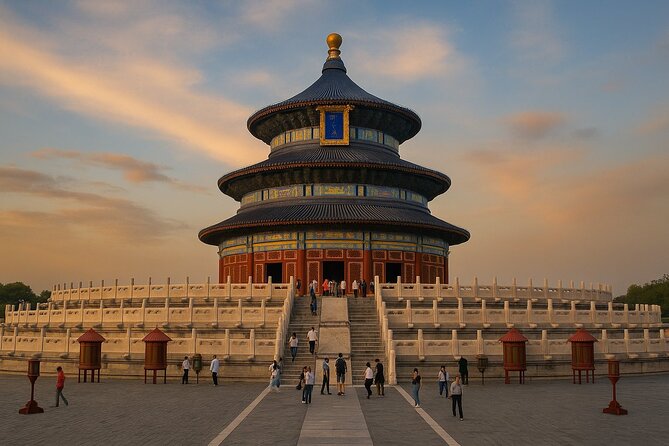
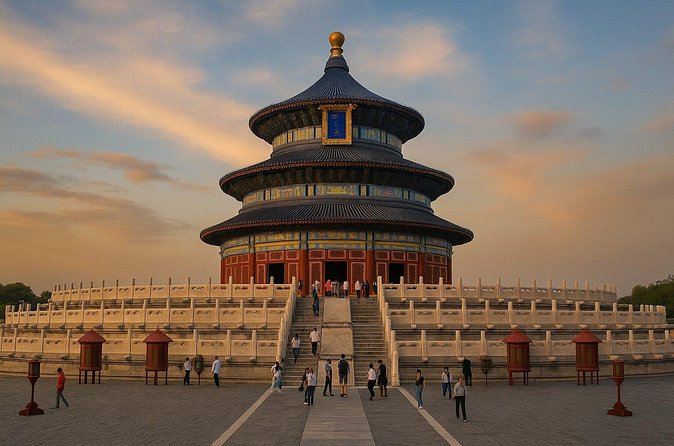
Beijing starts with the kind of day that helps you understand the city fast. One morning you’re at Temple of Heaven, where Ming-era architecture and symbolic layout connect to ancient cosmology. It’s also a good spot to notice local life, since you’ll see people practicing tai chi and moving at a slower rhythm than the tour pace.
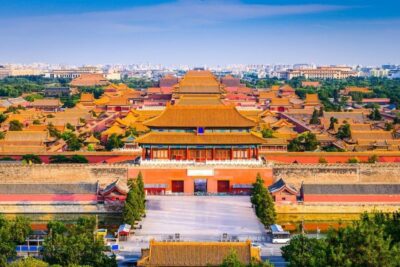
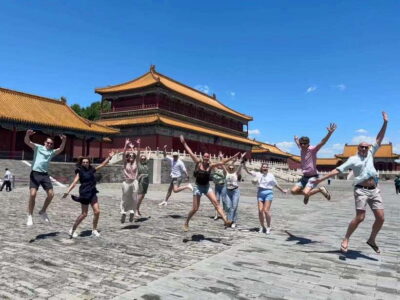
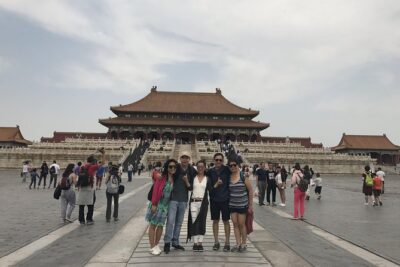
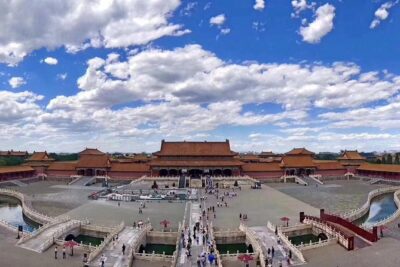
Later comes the “scale shock” combo. Tiananmen Square is immense and historically loaded, then you step into the Palace Museum, aka the Forbidden City, where the imperial layout hits you immediately. You’ll walk grand courtyards and long halls, and even with crowds, the size helps you grasp why emperors needed an entire world to rule from.
To finish the day, Wangfujing Street is a practical choice. You get an easy evening stroll with shops and food stalls, which is handy after two very structured landmark blocks. Tip: wear shoes you can stand in for hours, and bring a water bottle you can refill when you spot a shop.
Great Wall at Badaling and Beijing Olympic Park After Dark-Aged Power
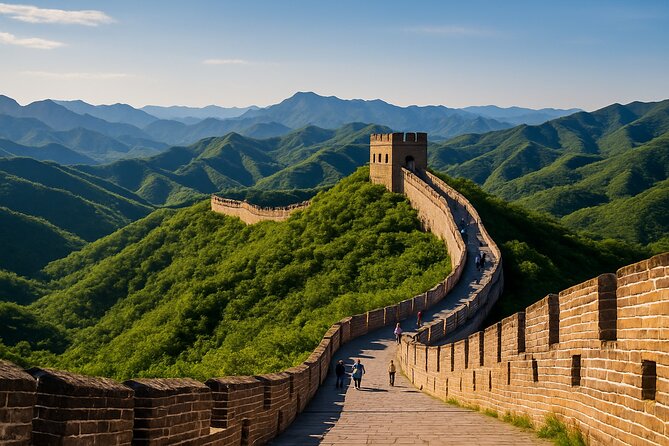
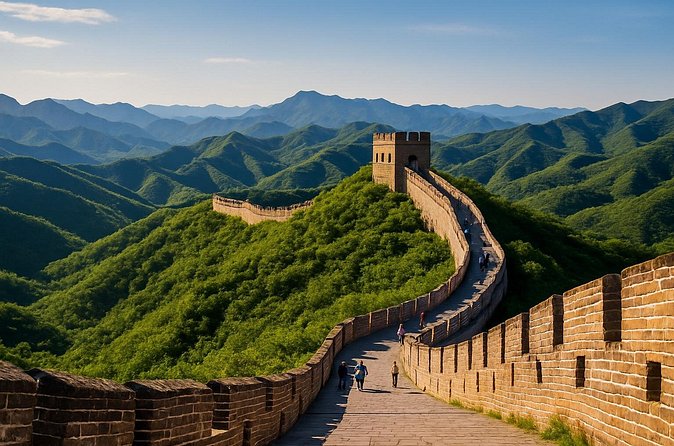
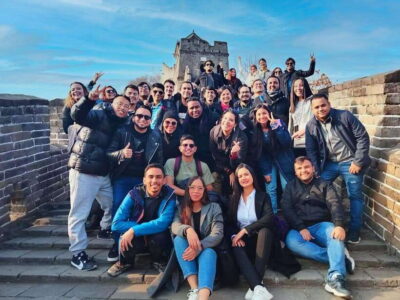
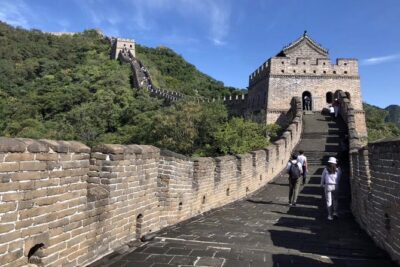
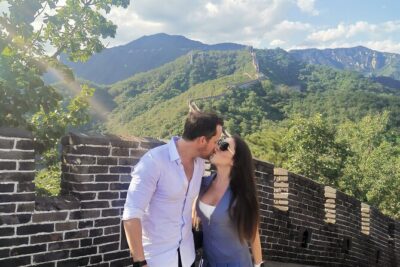
Badaling is the Great Wall stop for a reason: it’s accessible and iconic. You get about 3 hours on the wall, which is long enough to climb, pause for viewpoints, and not feel like you’re racing. It’s also where you’ll notice the Wall isn’t just one wall, it’s a whole network of towers and ridges that repeats into the distance.
Then you shift gears to modern Beijing at the Olympic Park. The Bird’s Nest Stadium and Water Cube area is photogenic and easy to walk through. Even if you don’t care much about sports, the architecture changes the mood of the day. It’s like seeing two Beijings in one afternoon, the imperial and the future-facing.
Consider timing and weather. The Great Wall can be bright and windy. Bring a light layer, and expect crowds, especially if you prefer clear photos. If visibility is rough, focus on tower-to-tower shots where the wall still creates strong lines.
High-Speed Train to Xi’an: Why the “travel day” isn’t wasted
After breakfast, the tour moves you from Beijing to Xi’an by high-speed bullet train. The ride is about 5-6 hours, long enough to relax, but short enough that you still arrive with energy for the evening.
This matters because it protects your trip budget of attention. Instead of losing half a day to traffic or slow connections, you arrive with momentum. Once in Xi’an, you meet your local guide, transfer to your hotel for check-in, then you have a lighter day segment built in. That open time is useful because Xi’an is a great city for casual wandering and trying food right away.
If you’re the type who likes to plan less and walk more, this structure works. You’re not just transported, you’re given a chance to reset after the train and still enjoy your first Xi’an evening.
Xi’an’s Terracotta Warriors and Lishan Beacon: Qin Meets the Hills
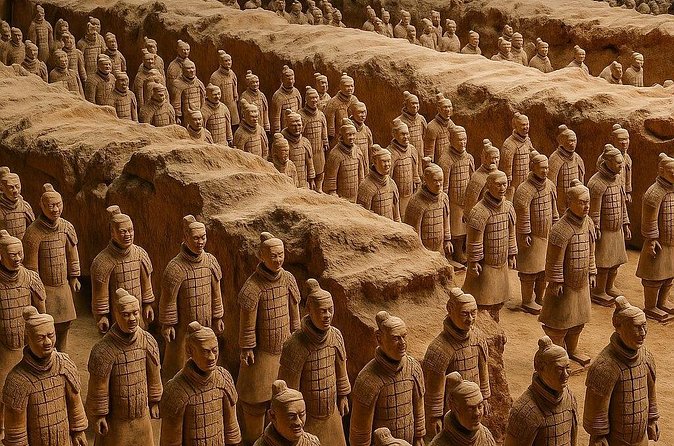
Xi’an’s big day is a two-part hit: the Terracotta Warriors and Lishan Beacon. The Terracotta Warriors visit is about 2 hours and it’s one of those sights that changes your sense of scale. The underground army of life-sized figures feels both detailed and eerie, because each soldier has its own features, but the whole thing is undeniably mass. You don’t just see artifacts, you see a system built to project power.
Then you head toward Lishan Beacon, a scenic and historic area tied to the Qin Dynasty. The stop links natural views with landmarks like the Huaqing Hot Springs area. Even if legends vary, the key travel value is the combination: you get hilltop panoramas plus context for why this region mattered.
Practical note: wear a light daypack. This day blends indoor museum time with outdoor walking. If it’s hot or chilly, you’ll appreciate having a layer you can manage without digging through your bag.
Xi’an City Wall, Bell and Drum Towers, and the Muslim Quarter Food Loop
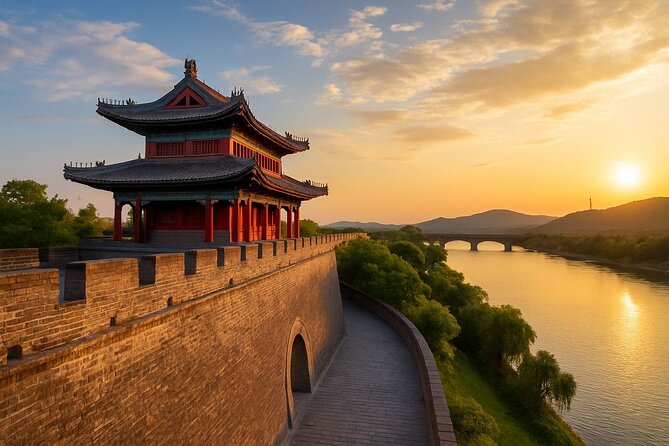
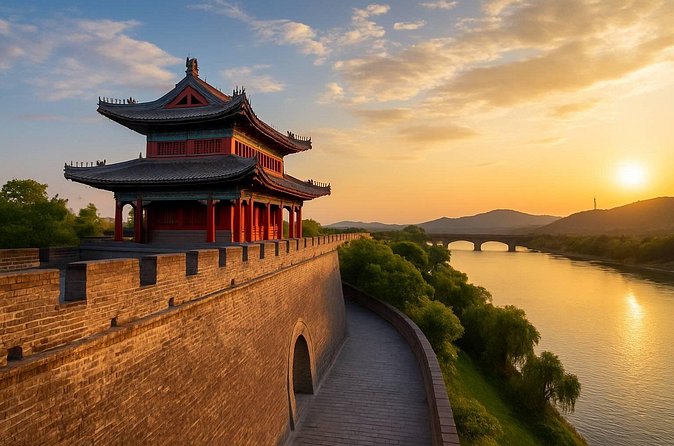
On day six, you get Xi’an from the top down and the street level up. The Xi’an City Wall is about 14 kilometers in total, and you’ll have options for walking or biking along the loop. A wall walk changes everything compared to ground-level sightseeing because you start seeing the city as a planned grid surrounding ancient fortifications. Even if you don’t bike, walking a section is a great way to feel the breadth.
Next come the Bell Tower and Drum Tower. The Bell Tower area gives you a central landmark and climbing access for sweeping views. The Drum Tower adds that old rhythm, plus you can catch traditional performances when scheduled, and get another look over the city.
Finally, the Muslim Quarter is the payoff for people who like food. You’ll have time to browse lively alleys and try local favorites like lamb skewers and roujiamo. It’s a smart cultural add-on because it’s not just monuments, it’s daily life plus flavors. If you’re sensitive to spicy food, you’ll want to ask before ordering or go for milder items.
Hangzhou Without Rush: West Lake and Hefang Street
After the long train ride to Hangzhou (about 7 hours), the plan slows down. You go straight to West Lake, a UNESCO World Heritage Site known for a calmer blend of scenery and cultural landmarks. Pagodas and temples dot the water’s edges, and you get views that feel less “big city” and more like a place people visit to breathe.
Then you head to Hefang Street, a pedestrian area tied to older eras of Hangzhou. The main benefit here is variety. You can snack, shop, and wander at your own speed while still staying within a guided structure. It also helps you understand that Hangzhou is not only lakes and tea, it’s also street culture and everyday commerce.
Tip for West Lake: go with comfortable shoes even if you think you’ll do only light walking. The lakeside paths and viewpoints add up, and you’ll want freedom to stop whenever a photo angle looks right.
Longjing Tea Fields and Shanghai Skyline: From Tea Hills to the Oriental Pearl
The Hangzhou-to-Shanghai transition starts with Longjing tea fields. These terraced plantations west of West Lake are closely associated with Longjing tea, often called Dragon Well tea. The travel value is the change of scenery. Instead of more city time, you get countryside views and a hands-on feel for why tea is so tied to the region’s identity.
Then you move to Shanghai. The Oriental Pearl Tower is your first big skyline landmark, and the stop gives you an easy “Shanghai introduction” moment before you get into neighborhoods. The tower’s distinctive spheres also make for quick, clear photos.
That evening or later timing typically works well with a Huangpu River cruise, which is included. Cruising between the Bund and Pudong lets you see how Shanghai contrasts itself, old riverfront buildings facing futuristic towers across the water.
If you can choose a moment during the cruise, aim for the period when light starts shifting. City reflections turn the river into a mirror, and it’s easier to get photos without squinting.
Shanghai Old Meets New: Wukang Road, Sinan Mansions, Nanjing Road, Chenghuang Miao, The Bund
Shanghai day nine mixes neighborhoods, architecture, and a final riverside finish. Wukang Road in the French Concession is a great walking start, lined with tree cover and historic buildings. It’s a calmer prelude before you hit the bigger commercial street energy.
Then you visit Sinan Mansions, a restored enclave of 1920s garden villas. The point isn’t just the facades. It helps you understand Shanghai’s layers, when European-style planning and Chinese urban life overlap.
Next comes Nanjing Road, Shanghai’s famous shopping boulevard. The value is convenience. You get a long stretch of shops and streetscape in one controlled stop, so you’re not stuck wandering without direction.
The day also includes Chenghuang Miao (Yuyuan Garden area), centered on the old Taoist temple complex. Even with crowds, it adds spiritual and architectural texture to the shopping-heavy side of the day.
And then you finish at The Bund. This waterfront promenade is the classic Shanghai scene, with colonial-era buildings opposite Pudong’s skyline. For photos and just taking it in, you’ll be glad this is placed at the end of the day.
Departure Day From Pudong: Keeping Your Last Morning Easy
Your final day is intentionally light. After breakfast, you have free time before transfer to Pudong International Airport. That open window matters because it reduces stress, especially after a week of structured days.
Use the free time for practical things. Pick up last-minute snacks, do a quick refresh stop near where your hotel is, or simply rest if you’ve hit your walking limit. Then you’re on your way out without a final rushed sightseeing sprint.
Price and Included Value: When $1,588 Actually Makes Sense
At $1,588 per person, the headline question is: what are you buying beyond “places to see”? You’re buying a plan that stacks transport, hotels, and a lot of ticket costs into one package. This is crucial across Beijing, Xi’an, Hangzhou, and Shanghai, where intercity travel is usually the biggest headache to coordinate on your own.
The tour also includes 4-star hotels, guided experiences, and high-speed trains for the long legs between cities. On top of that, meals are built in: 9 breakfasts, 7 lunches, and 7 dinners. That’s not just comfort. It helps keep your daily schedule on track, and it reduces the number of meals where you’d otherwise gamble on places near your route.
Many major admissions are also included, including big names like the Temple of Heaven, the Palace Museum, the Great Wall at Badaling, the Terracotta Warriors, and West Lake. In practice, that means you’re paying more up front, but you’re spending less of your trip time solving logistics.
One more value point from strong past feedback: service appears to be a priority. People have praised responsive trip planning, smooth transfers, and thoughtful touches for special needs, including dietary reminders for diabetes, plus small gifts. That kind of care matters most when plans shift or you need clarity fast.
Should You Book This 10-Day Beijing-Xi’an-Hangzhou-Shanghai Tour?
Book it if you want a smart first-time China route that hits the biggest icons, with guided context and intercity transport handled for you. It’s a great match for people who like a balance: imperial power in Beijing, Qin-era awe in Xi’an, calmer pauses in Hangzhou, then Shanghai’s modern mix by the water.
Skip it if you want a slow travel rhythm or you’re sensitive to crowds and long walking days. Even with guides and admissions handled, the landmarks on this route are popular. You should be comfortable standing in lines, climbing steps in towers, and doing a lot of walking in compact city centers.
If that sounds like you, this is an efficient, high-value way to see four distinct sides of China without turning your trip into a scheduling project.
FAQ
How much does the 10 Days Enchanting Tour cost?
The price is $1,588.00 per person.
How long is the tour, and when does it start?
The tour is approximately 10 days. It starts at 8:00 am from the meeting point at Capital Airport, Shunyi, Beijing 101300 China.
Which cities are included in this tour?
The tour covers Beijing, Xi’an, Hangzhou, and Shanghai.
Do you include intercity transportation like high-speed trains?
Yes. The tour includes high-speed train travel from Beijing to Xi’an (about 5 to 6 hours) and from Xi’an to Hangzhou (about 7 hours).
What meals are included during the trip?
Breakfast is included 9 times, lunch is included 7 times, and dinner is included 7 times.
Are tickets to major attractions included?
Many attraction admissions are included, including stops like the Temple of Heaven, Tiananmen Square, the Palace Museum, the Great Wall at Badaling, the Terracotta Warriors, and West Lake. Some other stops are listed as free entry.
Is airport pickup offered?
Yes, pickup is offered.
What is the cancellation timeline for a full refund?
You can cancel up to 6 days in advance of the experience for a full refund. This means you must cancel at least 6 full days before the experience’s start time.
More Tours in Beijing
More Tour Reviews in Beijing
Beijing, reviewed one booking at a time
- Xian: Must see Eternal Love or Camel Bell Legend show Ticket
★ 5.0 · 3 reviews - One day tour to downtown Tianjin from Beijing by high speed train
★ 5.0 · 3 reviews - Ming Tombs Sacred Way & Underground Palace & Water Wall P Tour
★ 5.0 · 3 reviews - Beijing Mutianyu Great Wall Small Group Tour
★ 4.5 · 3 reviews - Return Bus to Badaling Great Wall
★ 3.0 · 3 reviews - Private Tour to Lama Temple, Tian’anmen Square and Forbidden City
★ 5.0 · 3 reviews
Tours, compared.
 ★ 4.9From Beijing: Mutianyu Great Wall Tours with OptionsFrom $199,216 reviews
 ★ 4.8Beijing: Forbidden City Tour(Group/Private)-Tickets IncludedFrom $47,974 reviews
 ★ 4.8Beijing: T-Square & Forbidden City Group or Private TourFrom $174,446 reviews
 ★ 5.0Beijing: Mutianyu Great Wall Daily Tour with Ticket & LunchFrom $183,056 reviews
 ★ 5.0All-Inclusive Tour: Tiananmen Square, Forbidden City, Great WallFrom $1282,873 reviews
 ★ 5.0MuBus: Mutianyu Great Wall ENG/ESP/RUS Guided Bus TourFrom $202,361 reviews
 ★ 5.04-Hour Small Group Tour to Forbidden City with Entry TicketsFrom $151,863 reviews
 ★ 5.0Beijing Full Day Tours: Tiananmen Sq, Forbidden City, Great WallFrom $991,634 reviews