
REVIEW · PRIVATE
8-Day All-inclusive Private Tour to Beijing, Xi’an and Shanghai
Big China icons, packed into 8 days. This private tour of Beijing, Xi’an, and Shanghai is built around fast, low-friction transfers and a real guide, so you spend less time figuring things out and more time seeing the big stuff, including 5-star hotel comfort for eight nights.
I especially like how the days combine top monuments with practical pacing, like Tiananmen and the Forbidden City in Beijing, then the Great Wall experience at Mutianyu with a cable car. I also love that Xian includes the full Terracotta Army visit plus an extra hands-on moment with a mini clay warrior.
One possible drawback: the schedule is full, and lunch is only included on select days, so you’ll want a plan for meals on the other stops so you never feel rushed or stuck.
In This Review
- Key highlights that make this tour a smart pick
- Why this 8-day private route feels easier than DIY
- Beijing’s Tiananmen Square and the Forbidden City, without the guesswork
- Yonghegong, Temple of Heaven, and why religious sites feel different with context
- Mutianyu Great Wall, plus Hutong rickshaws and Bird’s Nest photos
- Summer Palace day, then the high-speed train to Xi’an
- Terracotta Warriors, beyond the photo run
- Big Wild Goose Pagoda and the Tang Dynasty Ever Bright City stroll
- Xi’an City Wall by bike, then the Great Mosque and Muslim Quarter
- Shanghai Museum, Yu Garden, and using time wisely in a huge city
- Huangpu River cruise and the Bund, then Tianzifang for texture
- The final morning: smooth airport transfer out of Shanghai
- Price, value, and what is actually included
- Who this tour suits best
- Should you book this 8-day private China package?
- FAQ
- What cities are included in the tour?
- Is pickup included?
- How do you travel between Beijing and Xi’an and then to Shanghai?
- What meals are included?
- Are entrance fees included?
- Which major sights are included in Beijing?
- What is included in the Great Wall visit?
- What is included in the Xi’an Terracotta Army day?
- What is included in the Shanghai sightseeing?
- What is not included, and can the tour be changed or refunded?
Key highlights that make this tour a smart pick
- Private guidance in three cities: A dedicated guide helps you move efficiently and understand what you’re seeing.
- Great Wall time at Mutianyu: Cable car round-trip is arranged, which makes the visit feel smoother.
- Terracotta Warriors with add-ons: Museum pits plus extra activities, not just a quick photo stop.
- Smart intercity travel: High-speed train (Beijing to Xi’an) and a flight (Xi’an to Shanghai) reduce long road days.
- Shanghai views beyond the postcards: Huangpu River cruise plus time for the Bund and Tianzifang.
- Value in included entrances and meals: Entrance fees are covered at listed sites, with breakfast daily and several lunches.
Other Beijing trips our reviewers kept returning to
- Beijing: Forbidden City Tour(Group/Private)-Tickets Included★ 4.8 · 7,974 reviews
- Beijing: T-Square & Forbidden City Group or Private Tour★ 4.8 · 4,446 reviews
- Beijing:Mutianyu Great Wall Private Trip with English Driver★ 5.0 · 1,263 reviews
- Private Mutianyu Great Wall Trip with English-Speaking Driver★ 5.0 · 927 reviews
Why this 8-day private route feels easier than DIY
Trying to stitch Beijing, Xi’an, and Shanghai together on your own sounds simple until you hit the real-world stuff: timed tickets, museum hours, airport transfers, and long-distance travel that eats your sightseeing time. This tour is designed to handle the heavy lifting for you, with a mix of coach, high-speed train, and flying between cities. That matters because these cities are not small, and travel friction is what usually turns a dream trip into a stressful checklist.
You also get the upside of “private” without the chaos of making decisions at every step. Your guide is there to help you interpret big monuments and keep the day moving. Even the hotel side is covered with breakfast included and five-star style accommodations for eight nights, which is a nice stabilizer after long travel days.
Price wise, $2,169 per person is not a bargain bargain, but it can be good value if you’d otherwise pay separately for a guide, key entrance fees, and intercity transport. A lot of tours sell the same attractions, then make you pay on top for the basics. Here, entrance fees are included for the listed sites, and meals are partially covered, which helps you avoid surprise spending.
Beijing’s Tiananmen Square and the Forbidden City, without the guesswork
Beijing opens with a straightforward arrival day. Your guide meets you at the airport and transfers you to your hotel, then you can either rest or do light self-exploration with guidance. This is a small thing, but it’s the difference between feeling like Beijing is already winning and feeling like you can breathe.
Daytime Beijing starts at Tiananmen Square. The square is famous for a reason, and standing there gives you instant scale for the city. The best part of having a guide here is context: what you’re looking at is more than a photo backdrop. It’s a stage that explains how power and public life used to connect in imperial China.
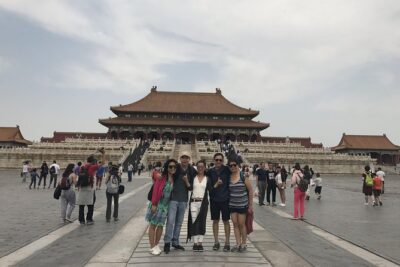
From there, you move into the Forbidden City, also known as the Palace Museum. This is the main event, and the tour approach helps you get through it with better direction. Instead of wandering, you’ll see halls and pavilions built around how the emperor handled political affairs and lived day to day. The art treasures are also a big part of why this place feels different from other palaces. You’re not just seeing buildings, you’re seeing the layers of what the imperial court valued.
Practical tip for the Forbidden City: wear shoes you can walk in for a while. Even when your time is well organized, this is still a lot of stone to cover.
Yonghegong, Temple of Heaven, and why religious sites feel different with context
Beijing’s second half of sightseeing slows things down just enough to feel human. Lama Temple, or Yonghegong, is one of those places where architectural mix matters. The tour description highlights Han, Mongolian, and Tibetan influences, and that blend is exactly what you want to notice. With a guide, it’s easier to understand why a lamasery has that look, and what the different traditions contribute to the overall feeling.
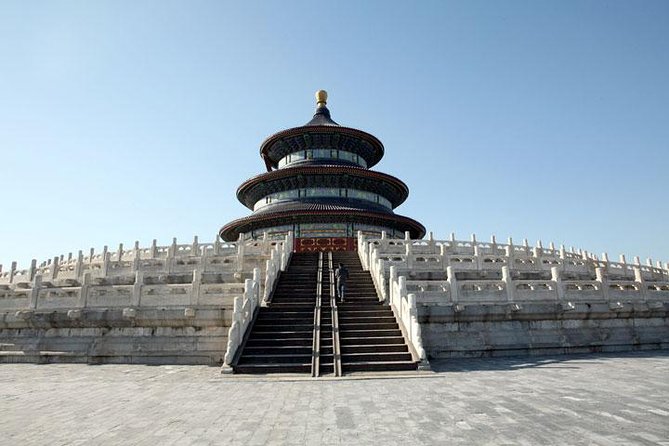
Then comes the Temple of Heaven, where emperors worshiped the heavens in hopes of good harvests. This site can feel surprisingly personal even though it’s grand. It’s not just a pretty complex, it’s built around rituals tied to agriculture and seasonal survival. The guide makes it easier to connect the architecture to the purpose, instead of treating it like another stop on a map.
Admission is included for both of these, so you’re not juggling little ticket decisions in the middle of a busy day. That’s one of those “small” conveniences that adds up.
Mutianyu Great Wall, plus Hutong rickshaws and Bird’s Nest photos
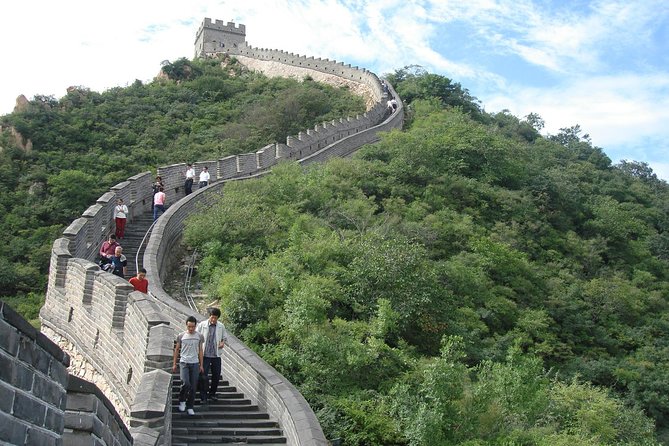
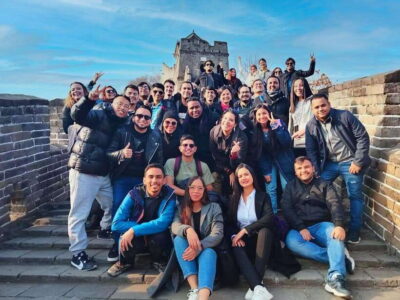
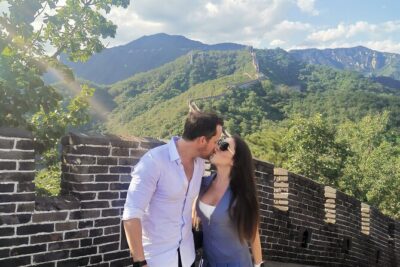
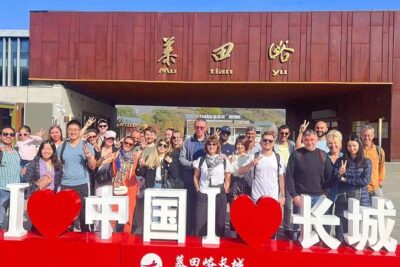
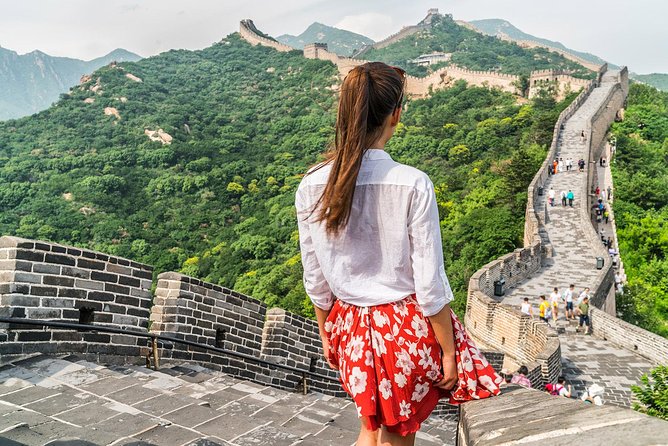
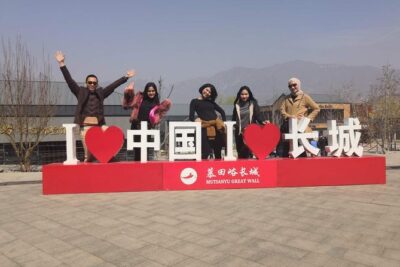
Mutianyu is a Great Wall choice that tends to feel more manageable than the most crowded sections. Your visit includes a round-trip cable car, which is a huge practical win if you want the views without spending your whole day on a steep climb.
Standing on the wall and looking out over the long stretch is what makes people keep talking about it. What I like about this version of the Great Wall day is that it doesn’t stop at spectacle. You’re given enough time to take in the scale, and your guide can help with where to walk for good sight lines.
After the wall, you get a photo stop drive-by at the Bird’s Nest. You won’t spend hours there, but it gives you an easy Olympic-era contrast against the imperial and ancient sights from earlier days.
Then you shift into something very Beijing in feel: a Hutong tour by rickshaw. You’ll ride through older alley areas and you even have the chance to visit a local family. That part of the day is valuable because it brings you closer to daily life than you’d get from only visiting monuments. It also helps break up the intensity of the wall and palace sightseeing.
Note on timing: lunch on the Great Wall day is on your own. The guide will assist with options near the site, but you should still expect to budget for at least one meal that day.
Summer Palace day, then the high-speed train to Xi’an
A lot of Beijing trips hit one palace and call it a day. This one gives you Summer Palace (Yiheyuan), described as the largest existing imperial garden. That’s the right order in spirit, because after standing in heavy history at the Forbidden City, a garden and water-based scenery adds balance.
You’ll spend about two hours exploring, and this is one of those stops where pace really matters. If you rush, you miss the reason it’s famous. The value is in noticing how the garden and constructions were designed for leisure and reflection, not just display.
In the afternoon, the tour switches gears with a five-hour high-speed train from Beijing to Xi’an. This is one of the biggest practical advantages of the whole package. Long-distance travel is where many multi-city trips lose momentum, but a fast train helps you keep the day structured.
Once you arrive at Xi’an North Railway Station, your local guide and driver meet you and drive you to your hotel. That means you’re not left figuring out transport after a train day.
Terracotta Warriors, beyond the photo run
If you only saw one thing in Xi’an, you’d still probably pick the Terracotta Army. This tour takes that seriously and builds a full, layered day.
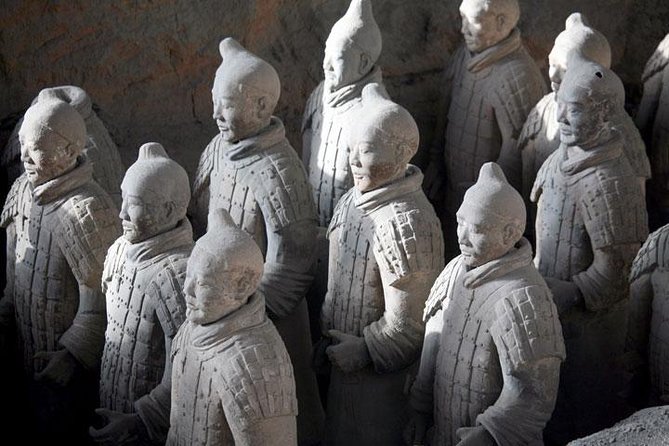
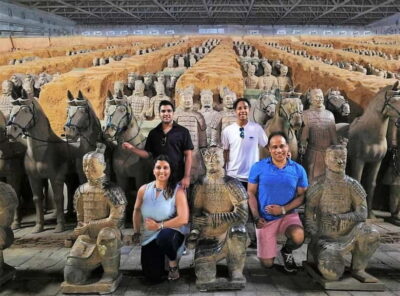
At the Museum of Qin Terra-cotta Warriors and Horses, you’ll see multiple excavated pits showcasing warrior figures and ancient weapons. The time you’re given matters because this is not a single-view attraction. Pits are different, details vary, and seeing it in a planned order makes the experience click.
What I like is that the day includes more than the museum viewing. You also visit the home of the first discoverer of the Terracotta Army, which adds a human story to the discovery. Then there’s a mini clay warrior workshop where you make your own small version with help from a local artisan. That hands-on piece turns the day from passive sightseeing into a memory you carry home in your hands, even if it’s small.
Lunch is on your own here, but your guide recommends restaurants near the site based on your preferences. That takes away the stress of searching in a place where you might not know what’s good.
Practical footwear note: the museum area can involve walking and time on your feet. Comfortable shoes help.
Big Wild Goose Pagoda and the Tang Dynasty Ever Bright City stroll
After the intensity of the Terracotta Warriors day, Xi’an’s follow-up gives you a mix of culture and atmosphere.
The Big Wild Goose Pagoda (Dayanta) visit focuses on Tang Dynasty history, built to store Buddhist scriptures brought from ancient India. Even if you don’t know the full background, a guide makes it easier to connect the pagoda to the bigger movement of ideas and texts across regions. It’s a quieter, more contemplative stop than the museum pits.
Then you have time near the Grand Tang Dynasty Ever-Bright City, a pedestrian street known for people dressed in traditional-style costumes. This isn’t a “must” for everyone, but it’s useful because it gives you a sense of how the past is being performed and experienced today. Your time here is short and free, so you can browse without feeling locked into a long shopping detour.
Xi’an City Wall by bike, then the Great Mosque and Muslim Quarter
The Xi’an day begins with City Wall Park and then the wall itself, described as the most complete existing urban fortification in China. You get a view of how locals live around the wall area, then you pay attention to the wall as an object. If you want to add energy, cycling on the wall is an option. Bike rental fee is not included, but you’ll know your costs ahead of time.
After the wall, you switch religious and architectural gears with the Great Mosque of Xi’an. The tour calls out its blend of Chinese and Islamic architectural styles, and that mix is one of the reasons this stop feels worth slowing down for. It’s not only about religion, it’s about how cultures adapt to local forms.
Next is the Muslim Quarter, described as a lively bazaar around the mosque. Here you can explore for local snacks and handicrafts. Admission is included for the listed stops, but food is up to you, so this is a good day to use your instincts. If you have a low tolerance for spicy food, you might want to test small before committing.
This part of the trip is a great example of why a guide helps. You’ll have an easier time deciding what’s worth trying and where not to get stuck in tourist-heavy traps.
Shanghai Museum, Yu Garden, and using time wisely in a huge city
By the time you reach Shanghai, you’ve already covered a huge amount of ancient history. The route helps you transition with a flight from Xi’an to Shanghai, then a hotel check-in handled for you.
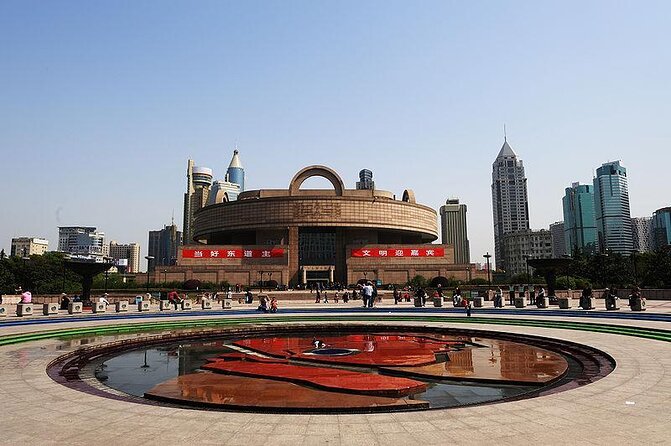
Shanghai day begins at the Shanghai Museum, one of China’s largest museums, specializing in ancient artworks. The point of scheduling a museum early is simple: it’s easier to focus when you aren’t already tired. Your time there is about two hours, and admission is included.
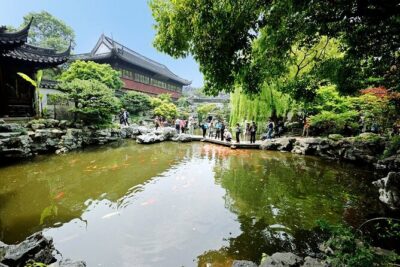
Then comes Yu Garden (Yuyuan), a classic Shanghai sight. The highlight mentioned is the Nine Zigzag Bridge and the mid-lake pavilion. Yu Garden is a smart counterpoint to the museum because it’s more sensory. You can look, walk, and take in the design choices without needing a deep knowledge background first.
Lunch is included on this day as an a la carte welcome or farewell style meal, valued at CNY150 per person. That’s a useful included cost, especially in Shanghai where meals add up quickly.
Huangpu River cruise and the Bund, then Tianzifang for texture
After garden and museum time, you get a one-hour cruise along the Huangpu River. The tour frames the river as Shanghai’s mother river and microcosm of the city’s glory and struggles. Even if you only take that as a storytelling guide, you’ll understand the point when you’re on the water. Shanghai looks different from boats, because you’re not stuck with street-level angles.
Then you hit the Bund (Wai Tan) area with free time. This is where you can decide your own pace for photos and strolling. The value here is that the tour doesn’t cram you into a scripted sequence. You’re given time to see what you want, and you still have a guide back at the hotel for any quick wrap-up.
The day ends with Tianzifang, described as a traditional street full of culture and arts. This is the kind of place that feels like Shanghai rather than a single landmark. Short time is probably enough unless you plan to shop a bit.
The final morning: smooth airport transfer out of Shanghai
On the last day, you have breakfast and then a private guide and driver transfer you to the airport. That closing structure matters more than people think. After eight days of structured sightseeing, it’s a relief to leave with transport handled, and you don’t lose your final hours in transit planning.
If you’re the type who hates last-minute chaos at airports, this portion of the tour design is a big win.
Price, value, and what is actually included
At $2,169 per person, the big question is what you’d otherwise pay for on your own. Here’s what the tour includes based on the provided details:
- Hotel accommodation with breakfast
- One-way high-speed train from Beijing to Xi’an
- One-way economy-class airfare from Xi’an to Shanghai
- Entrance fees to listed tourist sites
- Professional guide and experienced driver
- Air-conditioned vehicle
- Two bottled waters per person per day
- 7 breakfasts and 3 lunches (the lunches are specifically listed as included and valued)
What’s not included: China visa fees, international airfare, and personal expenses. So this is still a “pay as you go” trip for things like extra meals, shopping, and any optional add-ons like bike rental at the Xi’an wall.
Group discounts are noted, and the tour is private for your group, but it does require a minimum of 2 people per booking. If you’re traveling solo, this is a deal-breaker unless you can pair up.
Who this tour suits best
This package fits travelers who want the big-name China sights without building an itinerary from scratch. It’s especially good for couples and small groups who value private guidance, predictable logistics, and included entrance fees.
It’s also a good match if you’re short on vacation days but still want variety: imperial Beijing, Qin-era history in Xi’an, and modern Shanghai culture and views.
If you’re the style who likes long free wandering every day with no structure, you might find the schedule tight, because it is built for hitting major stops across three cities.
Should you book this 8-day private China package?
I’d book it if you want a single, organized way to see Beijing, Xi’an, and Shanghai with key attractions like the Forbidden City, Terracotta Warriors, and the Bund, while keeping travel time efficient with a high-speed train and a flight. The best value is in the mix of included entrances, daily breakfast, and the hands-on Terracotta Army clay workshop, plus the river cruise in Shanghai.
I’d pause before booking if you strongly prefer total freedom with meals and pacing, because not every lunch is included and some days are packed with multiple stops. If you’re okay with that tradeoff, this is a solid way to get a lot of China done without the usual DIY headaches.
FAQ
What cities are included in the tour?
The tour covers Beijing, Xi’an, and Shanghai.
Is pickup included?
Pickup is offered, and the meeting point is the Capital Airport Shunyi, Beijing 101300 China, with a 9:00 am start time.
How do you travel between Beijing and Xi’an and then to Shanghai?
You travel by one-way high-speed train from Beijing to Xi’an, and then by one-way economy-class airfare from Xi’an to Shanghai.
What meals are included?
Breakfast is included for 7 days, and 3 lunches are included.
Are entrance fees included?
Yes. Entrance fees to the tourist sites listed in the itinerary are included.
Which major sights are included in Beijing?
Key Beijing stops include Tiananmen Square, the Forbidden City (Palace Museum), Lama Temple (Yonghegong), Temple of Heaven, and the Summer Palace. The Great Wall visit is at Mutianyu.
What is included in the Great Wall visit?
The visit includes Mutianyu Great Wall with round-trip cable car arranged, and the Great Wall admission ticket is included.
What is included in the Xi’an Terracotta Army day?
You’ll visit the Museum of Qin Terra-cotta Warriors and Horses, plus a visit to the home of the first discoverer, and you can make a mini clay warrior with a local artisan.
What is included in the Shanghai sightseeing?
Shanghai includes the Shanghai Museum, Yu Garden, a one-hour Huangpu River cruise, and time at the Bund and Tianzifang.
What is not included, and can the tour be changed or refunded?
Not included are China visa fees, international airfare, and personal expenses. The experience is non-refundable and cannot be changed for any reason.
More Private in Beijing
More Tours in Beijing
More Tour Reviews in Beijing
Beijing, reviewed one booking at a time
- Xian: Must see Eternal Love or Camel Bell Legend show Ticket
★ 5.0 · 3 reviews - One day tour to downtown Tianjin from Beijing by high speed train
★ 5.0 · 3 reviews - Ming Tombs Sacred Way & Underground Palace & Water Wall P Tour
★ 5.0 · 3 reviews - Beijing Mutianyu Great Wall Small Group Tour
★ 4.5 · 3 reviews - Return Bus to Badaling Great Wall
★ 3.0 · 3 reviews - Private Tour to Lama Temple, Tian’anmen Square and Forbidden City
★ 5.0 · 3 reviews
Private, compared.
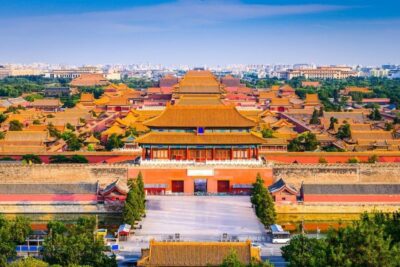 ★ 4.8Beijing: Forbidden City Tour(Group/Private)-Tickets IncludedFrom $47,974 reviews
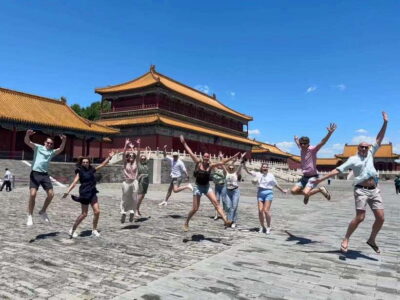 ★ 4.8Beijing: T-Square & Forbidden City Group or Private TourFrom $174,446 reviews
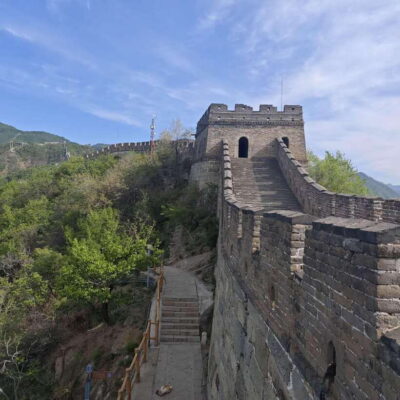 ★ 5.0Beijing:Mutianyu Great Wall Private Trip with English DriverFrom $841,263 reviews
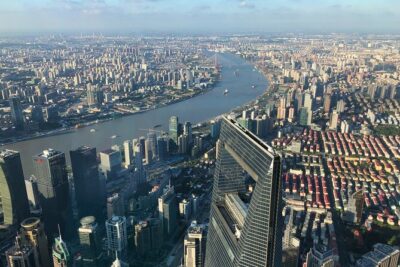 ★ 5.0Zhujiajiao Water Town and Shanghai City Private Day TourFrom $2461,016 reviews
 ★ 5.0Private Shanghai Full Day City Tour with Old and New HighlightsFrom $115995 reviews
 ★ 5.0Private Mutianyu Great Wall Trip with English-Speaking DriverFrom $78927 reviews
 ★ 5.0Xi’an: Terracotta Army Mini Group or Private TourFrom $36926 reviews
★ 5.0Private Mutianyu Great Wall Trip With English-Speaking DriverFrom $92899 reviews
★ 5.0Xi’an: Terracotta Army Mini Group or Private TourFrom $36926 reviews
★ 5.0Private Mutianyu Great Wall Trip With English-Speaking DriverFrom $92899 reviews