
REVIEW · GUIDED
Beijing Lama Temple Entrance Ticket with Optional Guided Service
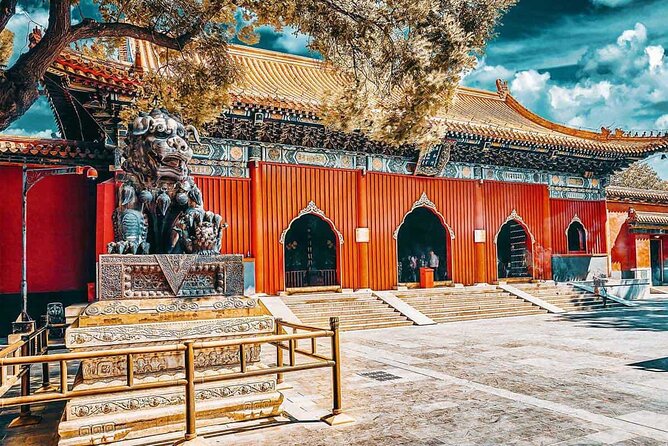
One ticket can unlock Tibet in Beijing. The Beijing Lama Temple, also known as Yonghegong, is both a place of prayer and a big Tibetan Buddhist temple complex, originally shaped from a royal palace. This experience is built around a prepaid entry ticket, with an optional guided service if you want the stories behind what you are looking at.
I like that this is not just sightseeing. It is a functioning temple, so you may catch real religious moments, including the incense ritual flow once you pass the portals. I also like the chance to get an English-speaking guide, because the better guides translate the meaning of the buildings and objects, like the Maitreya Buddha details, into plain language.
One drawback to watch: your day can hinge on your QR code working smoothly. A few past customers reported problems when the code was missing or did not scan, so I recommend you verify the QR code well before you leave.
In This Review
- Key Highlights You’ll Feel Right Away
- Lama Temple Yonghegong: What Makes This Visit Special
- Price and Value: Why $7 Can Be a Great Deal
- The One-Place Itinerary: What You Should Expect at Yonghegong
- Incense Ritual and Prayer Moments: How to Time Your Experience
- Optional English Guide: When It’s Worth Paying Extra
- Crowd Reality: Lines, Timing, and Staying Calm
- Entrance and QR Code Logistics: The Part That Can Make or Break Your Day
- Getting There: Public Transit Friendly, Easy to Build Into a Day
- Group Experience: Private, but Not Claustrophobic
- Who This Tour Fits Best
- Should You Book This Tour for Yonghegong?
- FAQ
- How much does the Beijing Lama Temple entrance ticket cost?
- How long is the experience?
- What is included with the booking?
- Will I receive confirmation after I book?
- When will I receive my ticket or QR code?
- Is this a private tour?
- Is the location easy to reach using public transportation?
- Can most travelers participate?
- What happens if I cancel?
- What if the visit is cancelled due to weather?
Key Highlights You’ll Feel Right Away
- Prepaid entrance ticket for Yonghegong, sent ahead so you can focus on the visit
- Incense ritual timing after you enter, with incense sticks offered to visitors
- Optional English guides who explain Tibetan Buddhist details in clear terms
- Private group format, only your group participates, plus group discounts
- Crowds can be real, but many people say the lines tend to move fast
Other Beijing trips our reviewers kept returning to
- Beijing: Forbidden City Tour(Group/Private)-Tickets Included★ 4.8 · 7,974 reviews
- 4-Hour Small Group Tour to Forbidden City with Entry Tickets★ 5.0 · 1,863 reviews
- Beijing: Tiananmen Square Registration Service(Ticket)★ 4.5 · 1,704 reviews
- Beijing: The Temple of Heaven or Summer Palace Entry Ticket★ 4.6 · 1,286 reviews
Lama Temple Yonghegong: What Makes This Visit Special
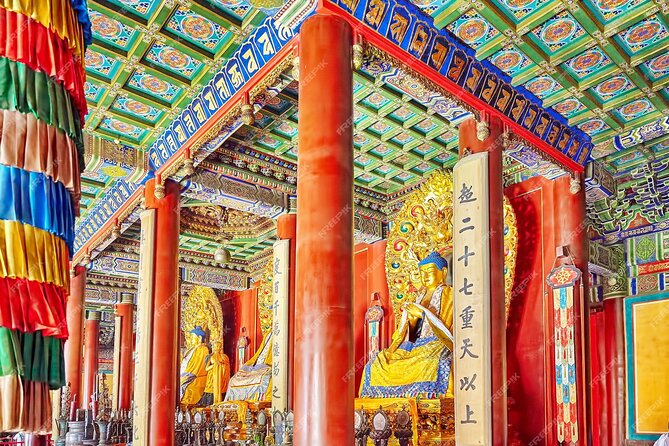
Beijing’s Lama Temple is famous because it is not a single-room attraction. It is a temple complex where Tibetan Buddhism has been practiced for centuries, and it still functions as a place of prayer today. It also carries a very Beijing twist, since the Qing Dynasty ruler Qianlong converted a royal palace into a Tibetan Buddhist temple.
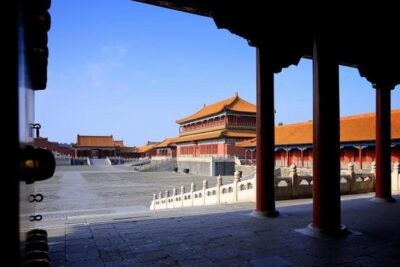
That palace-to-temple origin matters for what you will notice. You’ll see grand courtyards and halls that feel more imperial than remote, yet they are arranged and decorated for Buddhist worship. If you’re the type who likes understanding why spaces are built the way they are, this site rewards you.
Price and Value: Why $7 Can Be a Great Deal
At $7 per person, this is priced like an entry-ticket convenience service more than a full-day tour package. That can be a bargain if your QR code arrives on time and your group enters without friction. If your main goal is to see Yonghegong and you’re comfortable navigating on your own, you are basically paying to swap ticket-office hassle for a smoother entry.
Where the value can wobble is also pretty clear from real-world pain points. Some people have had to buy another ticket on site when their QR code did not work. When that happens, the savings disappear fast, and the trip feels less worth it.
My practical takeaway: book for convenience, not for guaranteed magic. If your QR code is correct and ready, $7 feels like a smart buy. If it is not, you want enough time and support to fix it before you get to the gates.
The One-Place Itinerary: What You Should Expect at Yonghegong
This experience is focused on a single stop: Lama Temple, or Yonghegong. That sounds simple because it is, but it is also one of the reasons this works well for travelers who do not want to cram three or four sites into one day.
Inside, you are walking through a sequence of courtyards and halls that each carry religious meaning. With a guide, you’re less likely to feel lost in a sea of statues, plaques, and architectural details. Without a guide, you can still enjoy it, but you’ll probably want to read a bit as you go or rely on your own curiosity.
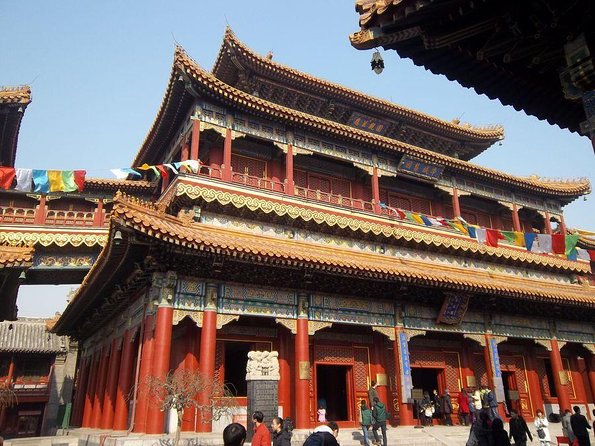
One of the strongest reasons to consider the optional guide is what guides tend to focus on. At Yonghegong, it is not just about seeing the objects. It is about understanding how different buildings function and what you are looking at. Guides described everything from the purpose of major structures to subtle notes about key devotional statues, including a large sandalwood Maitreya statue.
Incense Ritual and Prayer Moments: How to Time Your Experience
Even if you come for the architecture, Yonghegong has a sensory side. When incense is part of the flow, you will notice how people move, where they pause, and how they treat certain spaces as active worship areas, not just photo spots.
A useful tip based on the experience of prior visitors: after you pass the portals, don’t forget to take the incense sticks that are offered to visitors. Then watch how others participate and follow that rhythm. It can make the whole place feel more alive, and less like a museum walk.
If you are trying to catch prayer moments, keep your pace flexible. Some parts of the complex can be more crowded at certain times. If you feel the crowd surge, step aside for a minute, then rejoin when it flows again.
Other Beijing trips our reviewers kept returning to
Optional English Guide: When It’s Worth Paying Extra
The guided option is not mandatory, but it can change your whole level of understanding. You’re buying an English-speaking guide, and the best ones do more than translate. They explain what different buildings are for and why Tibetan Buddhist details show up where they do.
One name that came up in past experiences is Mina, who described the history and usage of buildings inside the temple and explained religious details in good English. Other guide names mentioned include Mike, Kevin, and Jack, with strong focus on clear explanations and making Tibetan Buddhism feel less abstract.
Here is the practical way to decide if you need the guide:
- If you like context, symbolism, and structure, the guide is worth it.
- If you mainly want the atmosphere and your own pace, the entry ticket alone may be enough.
Either way, you still benefit from good timing and staying observant. The incense ritual moment is easier to understand when someone points out what is happening and why.
Crowd Reality: Lines, Timing, and Staying Calm
Beijing temple sites can attract steady foot traffic. For Yonghegong, many visitors report there is a queue, but it often moves quickly, so the wait is not always the main problem. Still, one practical warning: sometimes the temple closing time can run earlier than you expect, and that can shorten your time inside.
My best advice is to plan like you might need extra time at the gates. Even if your group is small, entry procedures and crowd flow can affect how fast you start walking.
Once inside, don’t treat every room as a photo mission. Choose a few key stops you care about, then let the rest be supporting scenes. That way, even if crowds swell, you still leave feeling satisfied.
Entrance and QR Code Logistics: The Part That Can Make or Break Your Day
This ticket experience lives and dies by one thing: your QR code. The service notes that tickets are sent about 5 days before your travel date, and you should plan around that timeline.
From real issues reported by customers, the most common problems look like this:
- QR codes not arriving or arriving too late
- QR/barcodes that do not scan at the entrance
- Confusion about whether something received is actually the valid entry code
So do yourself a favor:
- Look for your QR code email as soon as it is sent.
- Download it and test access on your phone before you leave.
- If you are relying on an app file, be ready that some entries may require a working QR screen.
The provider responses also stress that tickets are issued directly by the scenic spot, and they provide contact details if there is an issue with receiving or using the QR code. They also note that WhatsApp may not work well in China and that you can call if you need help.
If your QR code is the only thing between you and entering, start troubleshooting early. Waiting until you reach the ticket gates is where people end up scrambling.
Getting There: Public Transit Friendly, Easy to Build Into a Day
The site is described as being near public transportation. That matters because Yonghegong is not isolated in the countryside. You can slot it into a Beijing day without needing private car logistics.
One extra bonus from a previous visitor’s experience: Yonghegong is near the Confucius Temple and also near Chengxian Street. If you like pairing a religious site with a historic or street-food stop, this area is a natural cluster.
My suggestion is simple: pick one anchor activity, like Lama Temple, then leave space for a slow wander after. When you rush, you tend to miss the best moments, especially the quiet prayer pockets where crowds thin out.
Group Experience: Private, but Not Claustrophobic
Even though this is a private tour/activity, it does not mean it will feel like a big production. The key point is that only your group participates, which usually helps with pacing and how easily you can ask questions.
Group discounts are included, which could make this a better deal if you are traveling with friends or a small group. If you prefer your own pace, this still works because the stop is one complex, not a multi-stop marathon.
Who This Tour Fits Best
This experience fits best if you are:
- Visiting Beijing Lama Temple and want a prepaid entrance ticket
- The type who appreciates Tibetan Buddhist context, especially if you choose the English guide
- Traveling in a small group and want a more controlled experience than a large bus tour
It is also a good option for travelers who hate standing around buying tickets when they could be walking the courtyards instead. That convenience factor is the real win here.
Should You Book This Tour for Yonghegong?
Book it if you want a smooth ticket plan for a single, high-impact temple visit. The price is low enough that even with a guide upgrade, you’re still likely to feel you got your money’s worth if your QR code arrives and the guide helps you connect the dots.
I would hesitate only if you are the kind of traveler who cannot handle last-minute tech issues. If your phone access is unreliable, you are traveling with a dead battery risk, or you are leaving too little time for QR code problems, you may want a backup plan for entry.
If you do book, take one step that pays off immediately: check that QR code before you go, download it, and save a screenshot. Then enjoy the real reason to come, a temple where prayer and architecture meet, and where the incense moment can make the whole experience feel much more than a sightseeing stop.
FAQ
How much does the Beijing Lama Temple entrance ticket cost?
It is listed at $7.00 per person.
How long is the experience?
The duration is approximately 1 day.
What is included with the booking?
You get the entrance ticket included. If you select the related option, you also get an English speaking tour guide.
Will I receive confirmation after I book?
Yes. Confirmation is received at the time of booking.
When will I receive my ticket or QR code?
The tickets are sent about 5 days before the travel date.
Is this a private tour?
Yes. It is a private tour or activity, and only your group participates.
Is the location easy to reach using public transportation?
Yes. The meeting area is described as being near public transportation.
Can most travelers participate?
Most travelers can participate.
What happens if I cancel?
Free cancellation is available. You can cancel up to 24 hours in advance for a full refund.
What if the visit is cancelled due to weather?
If weather causes the attraction to close, the provider response indicates you can get a full refund from the platform.
More Guided in Beijing

More Tickets in Beijing
More Tour Reviews in Beijing

Beijing, reviewed one booking at a time
- Xian: Must see Eternal Love or Camel Bell Legend show Ticket
★ 5.0 · 3 reviews - One day tour to downtown Tianjin from Beijing by high speed train
★ 5.0 · 3 reviews - Ming Tombs Sacred Way & Underground Palace & Water Wall P Tour
★ 5.0 · 3 reviews - Beijing Mutianyu Great Wall Small Group Tour
★ 4.5 · 3 reviews - Return Bus to Badaling Great Wall
★ 3.0 · 3 reviews - Private Tour to Lama Temple, Tian’anmen Square and Forbidden City
★ 5.0 · 3 reviews
Guided, compared.
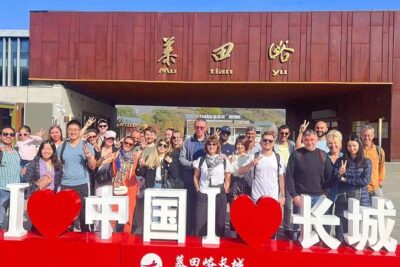 ★ 5.0MuBus: Mutianyu Great Wall ENG/ESP/RUS Guided Bus TourFrom $202,361 reviews
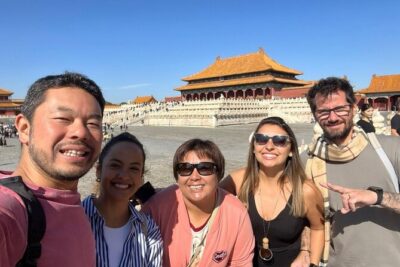 ★ 5.0Forbidden City&T-Square Small GroupTours w/ ticket(Eng/Esp Guide)From $11995 reviews
 ★ 4.7Beijing: Summer Palace Entry Ticket and Optional Guided TourFrom $12810 reviews
 ★ 4.6Xian: Terracotta Army Ticket & Guided Bus Tour with OptionsFrom $28579 reviews
 ★ 4.9Beijing: Hidden Gems Guided Food Tour with Beer and TastingsFrom $75306 reviews
 ★ 5.0Shanghai City Guided Walking Tour | China’s 1st and Best RatedFrom $5285 reviews
 ★ 4.9Shanghai: Private and Personalized Guided TourFrom $150268 reviews
 ★ 5.0Full-Day Private Guided Tour of ShanghaiFrom $99211 reviews