
REVIEW · TICKETS
Beijing Lama temple ticket; #1 efficacious; limited Discount
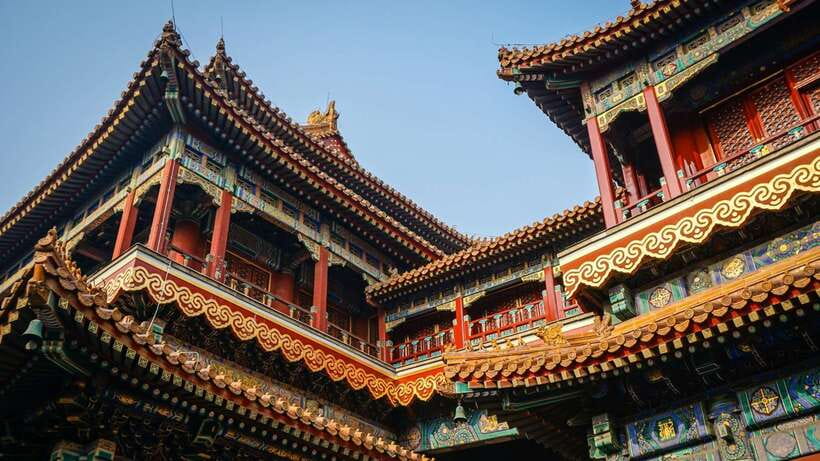
The first time you see the Maitreya Buddha size. Walking into Beijing’s Lama Temple (Yonghe Temple) is a fast shift in mood, incense in the air and prayer in motion, with Han and Tibetan temple design right in front of you. Two things I especially like are the 18m Maitreya Buddha carved from a single piece of sandalwood, and the way the whole site works as a real cultural and spiritual hub for wishes, blessings, and quiet reflection.
You also get a strong sense of place, since it is one of China’s major Tibetan Buddhist sites, drawing well over three million visitors each year. A fair heads up: because this is an active worship site, you should expect to share the space with locals praying, so plan for a more respectful, quieter visit than you might get at a typical monument.
In This Review
- Key Highlights You Should Not Miss
- Yonghe Temple Is More Than a Photo Stop
- Finding the Han and Tibetan Details Without Overthinking It
- The 18m Maitreya Buddha, Why It Hits So Hard
- How to Structure a Calm One-Day Visit (No Special Itinerary Needed)
- Hutongs After Your Temple Visit, a Smart Two-Part Day
- The $10 Main Entrance Ticket, and When It’s Good Value
- Timing, Crowds, and the One Thing to Get Right
- Should You Book This Beijing Lama Temple Ticket?
- FAQ
- What is the duration of the Beijing Lama Temple ticket?
- How much does the ticket cost?
- What is included with the ticket?
- Where is the Lama Temple experience located?
- How far in advance should I book?
- Is there free cancellation?
- Is the experience wheelchair accessible?
- Are there different starting times?
- Can I reserve now and pay later?
- What company provides the experience?
Key Highlights You Should Not Miss
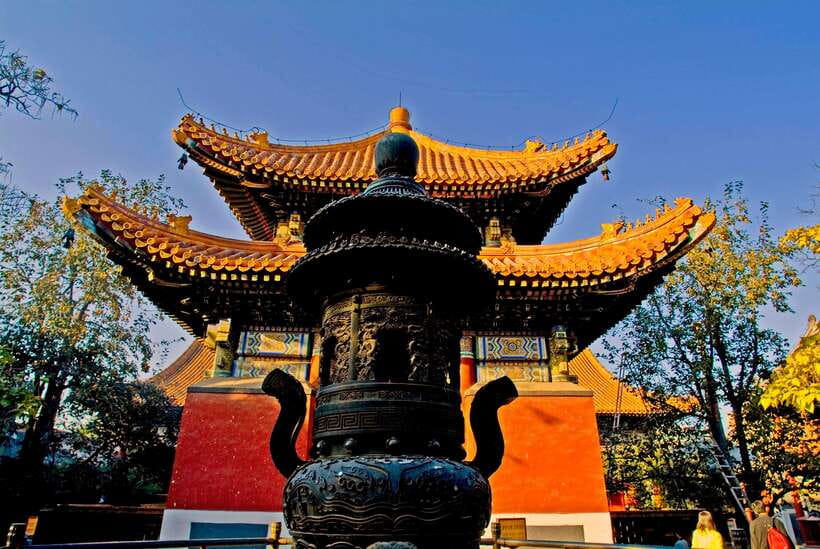
- The Maitreya Buddha (18m, single sandalwood piece): This scale is hard to understand until you’re staring up close.
- Han Chinese meets Tibetan styles: Look for the mixed design language in carvings, colors, and details.
- A living prayer center: You are not only sightseeing, you are stepping into a place people come to for blessings.
- Rich incense and chanting atmosphere: Even if you do not know the prayers, the mood is unmistakable.
- Main entrance access: You can move through the main temple areas at your own pace for a one-day visit.
- Close pairing with Hutongs nearby: One simple win is adding a short neighborhood wander after your temple time.
Other Beijing trips our reviewers kept returning to
- Beijing: Forbidden City Tour(Group/Private)-Tickets Included★ 4.8 · 7,974 reviews
- 4-Hour Small Group Tour to Forbidden City with Entry Tickets★ 5.0 · 1,863 reviews
- Beijing: Tiananmen Square Registration Service(Ticket)★ 4.5 · 1,704 reviews
- Beijing: The Temple of Heaven or Summer Palace Entry Ticket★ 4.6 · 1,286 reviews
Yonghe Temple Is More Than a Photo Stop
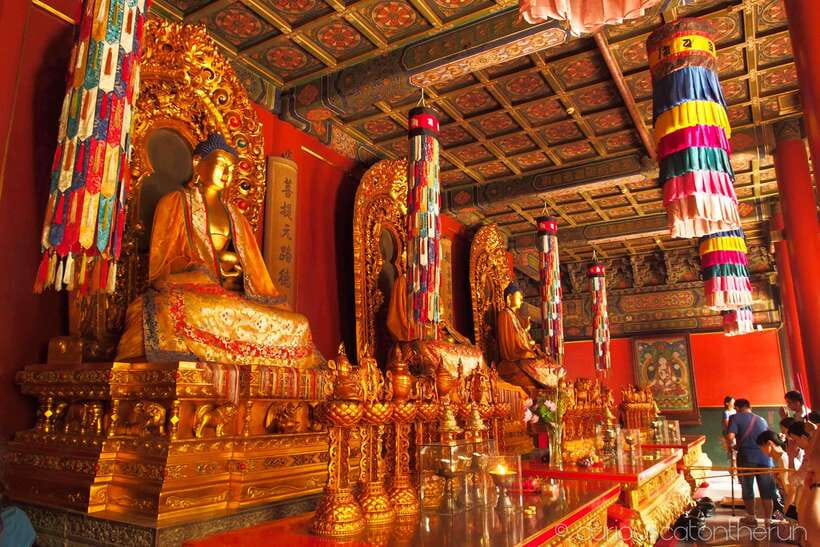
Beijing has plenty of temples, but Lama Temple (Yonghe Temple) feels different because it is tied to daily intention. You come for architecture, sure, yet what stays with you is the everyday spiritual rhythm. The air is typically scented with incense, and you may hear monks chanting in the halls. That mix makes the visit feel meaningful in a way that fast museum stops rarely do.
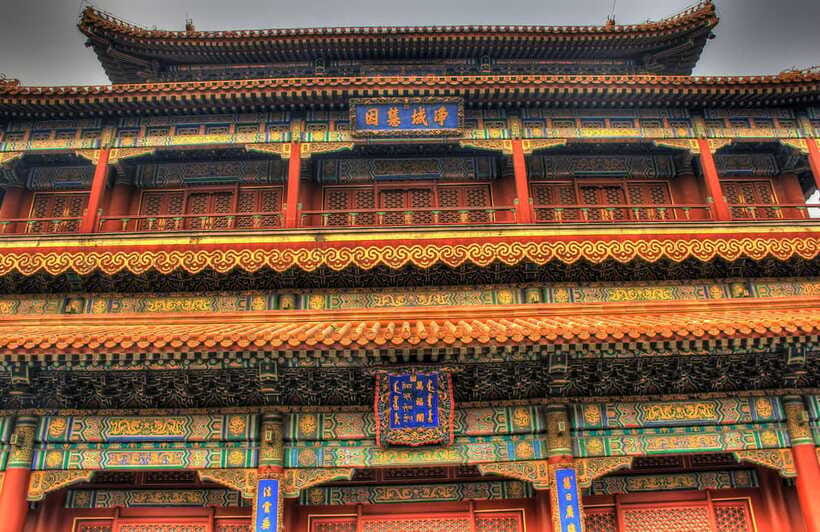
The design also pulls its weight. The temple is known for a blend of Han Chinese and Tibetan Buddhist styles, and you can see that not just in big shapes, but in the layers of decoration and carving. This is a place where you notice more the slower you go.
That leads to the one big thing to respect: locals use the space for prayer and wishes. So set your mindset as quiet observation. If you come treating it like a stage set, you will feel out of place. If you come prepared to be calm and considerate, the experience becomes much more rewarding.
Finding the Han and Tibetan Details Without Overthinking It
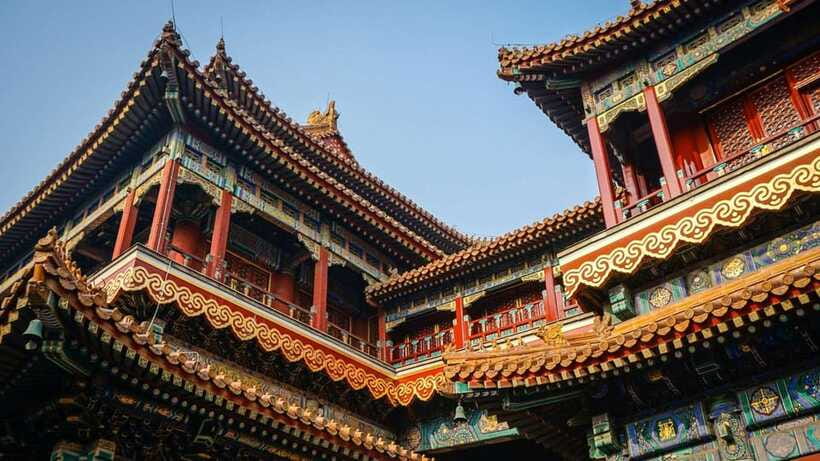
You do not need a guide to start appreciating the Lama Temple look. The key is to train your eyes on transitions, how the design language changes from element to element. The temple blends Han Chinese temple traditions with Tibetan Buddhist influences, and that shows up in decoration patterns, sculpted surfaces, and the overall visual density of the site.
Here’s how I suggest you approach it on the ground:
- Pause at the main entrance area, then scan upward first. Temple architecture often rewards your vertical glance.
- Shift from wide views to carvings. Step close enough to see the work, then step back to understand how it fits together.
- Move slowly along the sides of halls, not only straight down the center. Many of the most interesting detail zones are in the edges and layered facades.
This kind of design matters because it is not just pretty. It is visual proof of cultural exchange. At Lama Temple, you are looking at how faith traveled and settled, using artistic style as the bridge.
Also, the temple atmosphere adds to the effect. When incense is burning and people are performing their prayers, the colors and textures feel more alive. Even your photos look different, less like a stock landmark shot and more like you captured a real place with real use.
The 18m Maitreya Buddha, Why It Hits So Hard
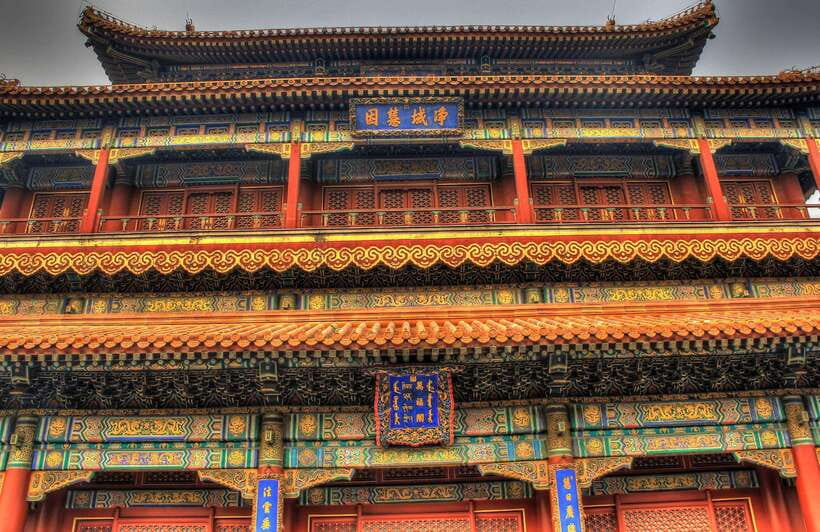
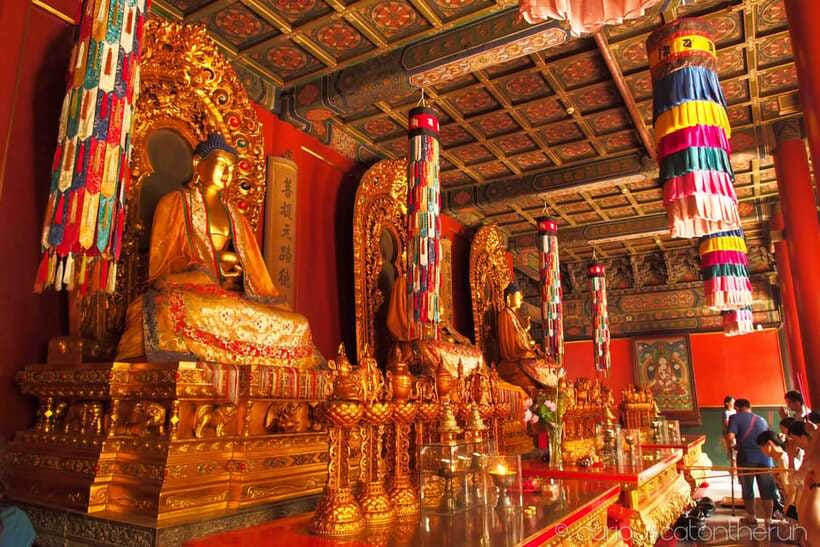
The headline is the Maitreya Buddha, an 18m tall statue carved from a single piece of sandalwood. That single-material detail is not a trivia line. It changes how you experience the statue, because it signals extraordinary workmanship and patience. You can feel that effort when you’re close, even if you cannot read the carvings.
What to do when you face it:
- Give yourself time to stand still. This statue is the main gravitational point of the visit.
- Look at how people behave around it. When a site centers on worship like this, your best experience usually comes from slowing down, not rushing to the next spot.
- Don’t only stare straight at the face from far away. If you can adjust your position comfortably, alternate between wide viewing and closer glances.
I also love the psychological trick of going in with curiosity instead of expectations. Many people think a Buddha statue is impressive in theory, then they find the real scale underwhelming. Here, it usually lands. The height, the craftsmanship, and the worship setting work together.
How to Structure a Calm One-Day Visit (No Special Itinerary Needed)
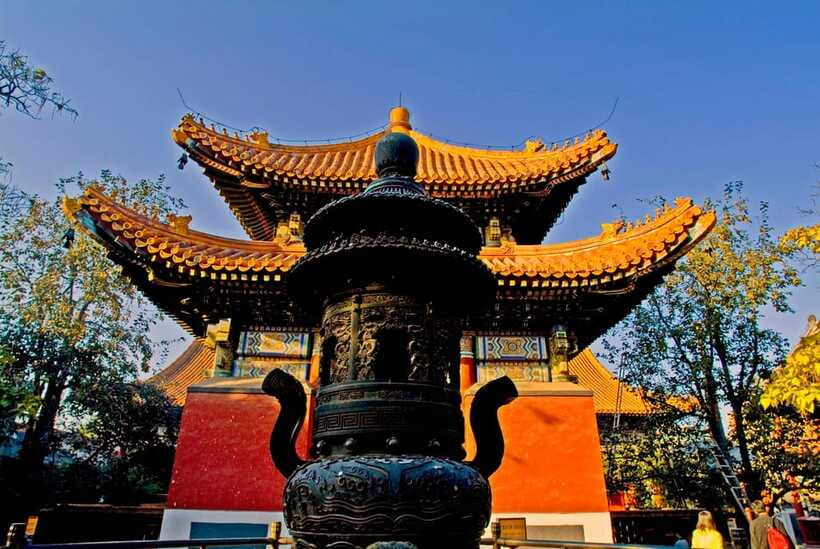
This ticket is a main entrance pass valid for one day, so you’re really building your own flow. You do not need to sprint from hall to hall. Instead, use a simple rhythm that keeps you engaged.
A practical approach for a 1-day visit:
- Arrive with a buffer: Lama Temple is one of the major Tibetan Buddhist sites in Beijing, and it attracts huge visitor numbers across the year. More people means more patience needed.
- Start with the overall layout: Walk the main paths first so you understand where the focus points are, especially the statue area.
- Then slow down for the details: Return to the most visually complex areas and carvings. This is where your first pass pays off.
- Finish with the prayer mood: Spend a final segment just watching how people pray and move through the space. It helps you leave with more than sightseeing memories.
You should also plan for incense and chanting as part of the experience, not a distraction. If you try to treat it like a quiet art gallery, you will feel tense. If you let it be what it is, your visit becomes easier.
One more note: it is wheelchair accessible. If you need step-free routes, plan on moving slower than you would for a normal stroll, since religious spaces can have uneven zones.
Hutongs After Your Temple Visit, a Smart Two-Part Day
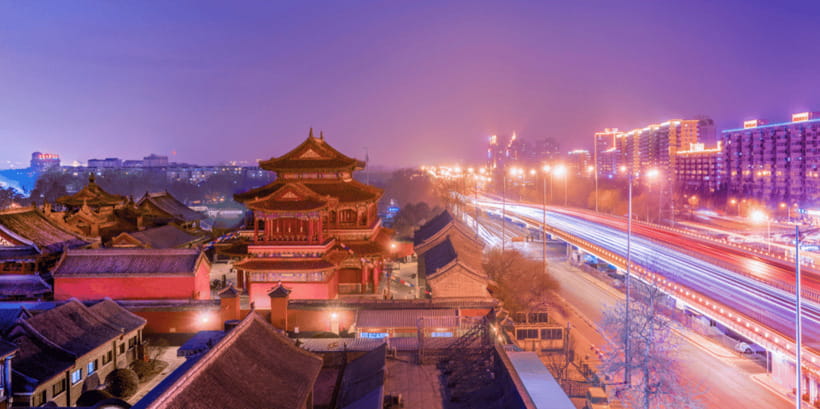
One of the easiest upgrades to your Lama Temple day is what comes around it. The area includes Hutongs, those traditional lane neighborhoods where Beijing life has a more local feel. You do not need a tour to make this pairing work. After temple time, you can take a low-stakes walk, grab a snack, and see how city rhythm changes just a few blocks from a major shrine.
This is valuable because it turns your visit into a fuller Beijing story. Temples can be powerful, but they can also feel like isolated bubbles if you go straight to the next “must see.” A Hutong stroll adds everyday texture. It also helps you reset, since incense-filled spaces and crowds can fatigue your senses.
If you are short on time, even 30 to 60 minutes in the lanes nearby can add a lot. Think of it as a mental decompression break, not a second attraction that must be mastered.
The $10 Main Entrance Ticket, and When It’s Good Value
For about $10 per person for a one-day main entrance ticket, the value is strong if you care about religious architecture and cultural atmosphere. You are not paying for a show. You are paying for access to an important working spiritual site and one of Beijing’s best-known Tibetan Buddhist highlights.
Why that matters for value:
- If you enjoy architecture, the Han and Tibetan blend makes the ticket feel “useful,” not just “something to do.”
- If you like standout artworks, the 18m Maitreya Buddha gives you a clear anchor for the whole visit.
- If you want a cultural experience that is not only buildings, the prayer and blessing aspect pulls you in.
It may not be perfect value if you only want a quick photo and no patience for shared space. This is a place with active worship. If you go in expecting emptiness and silence, you may leave slightly annoyed.
If you do go, I think the ticket works best when you:
- have at least a couple of hours on site,
- enjoy slow looking,
- and plan to keep your voice low and your movements considerate.
Also, the provider is Fun China, so make sure your confirmation and ticket details are ready before you head out. With any busy attraction, having everything prepared saves stress.
Timing, Crowds, and the One Thing to Get Right
Lama Temple draws massive attention, with three million plus visitors annually. That means your success often comes down to timing and attitude, not tactics.
Here’s the reality you should plan for:
- You will likely share space with many people at key points.
- You should expect lines or bottlenecks around the most popular viewing zones.
- The atmosphere may be loud or busy depending on the hour and what prayers are happening.
To keep the experience smooth, do two things:
- Arrive earlier in your day if possible. It reduces the crush and helps you actually see the details.
- Respect the worship flow. This is the big one. When locals are praying, step aside where needed, avoid blocking sightlines, and keep your focus on observing rather than interrupting.
This is the only real drawback I’d highlight upfront. It is not a problem of the temple, it is a feature of the temple. When you treat it like a real religious place, you get the best of it.
Should You Book This Beijing Lama Temple Ticket?
I’d book it if you want a one-day visit that combines standout design with real spiritual atmosphere. The 18m Maitreya Buddha plus the Han and Tibetan style blend are exactly the kind of experience that feels worth your time in Beijing, especially if you like cultural stops that are active and lived-in.
Skip it or change your approach if you want a fast, low-effort sightseeing mission. This is an active prayer center, so you should expect crowds and a shared space. If you can accept that and travel with respect, you will probably come away impressed.
FAQ
What is the duration of the Beijing Lama Temple ticket?
The activity is valid for 1 day.
How much does the ticket cost?
The price listed is $10 per person.
What is included with the ticket?
The main entrance ticket is included.
Where is the Lama Temple experience located?
It is in Beijing, at the Lama Temple (Yonghe Temple).
How far in advance should I book?
You should book at least 24 hours in advance.
Is there free cancellation?
Yes. You can cancel up to 24 hours in advance for a full refund.
Is the experience wheelchair accessible?
Yes, it is wheelchair accessible.
Are there different starting times?
The ticket is valid for 1 day, and you can check availability to see starting times.
Can I reserve now and pay later?
Yes, the option to reserve now and pay later is available.
What company provides the experience?
The experience provider listed is Fun China.
More Tickets in Beijing
More Tour Reviews in Beijing

Beijing, reviewed one booking at a time
- Xian: Must see Eternal Love or Camel Bell Legend show Ticket
★ 5.0 · 3 reviews - One day tour to downtown Tianjin from Beijing by high speed train
★ 5.0 · 3 reviews - Ming Tombs Sacred Way & Underground Palace & Water Wall P Tour
★ 5.0 · 3 reviews - Beijing Mutianyu Great Wall Small Group Tour
★ 4.5 · 3 reviews - Return Bus to Badaling Great Wall
★ 3.0 · 3 reviews - Private Tour to Lama Temple, Tian’anmen Square and Forbidden City
★ 5.0 · 3 reviews
Tickets, compared.
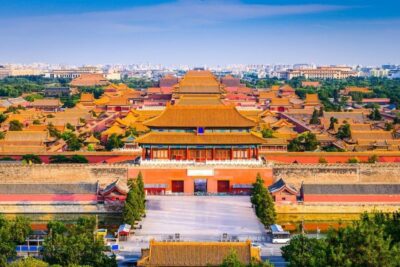 ★ 4.8Beijing: Forbidden City Tour(Group/Private)-Tickets IncludedFrom $47,974 reviews
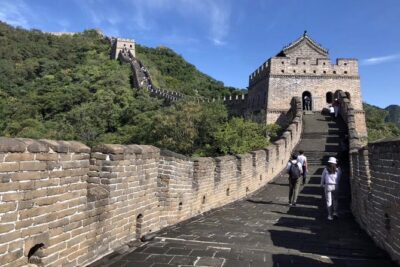 ★ 5.0Beijing: Mutianyu Great Wall Daily Tour with Ticket & LunchFrom $183,056 reviews
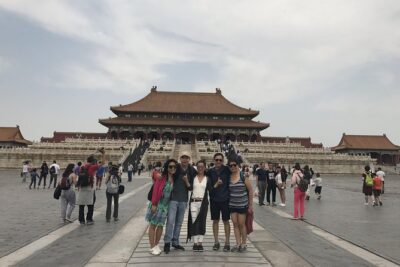 ★ 5.04-Hour Small Group Tour to Forbidden City with Entry TicketsFrom $151,863 reviews
 ★ 4.5Beijing: Tiananmen Square Registration Service(Ticket)From $31,704 reviews
 ★ 4.6Beijing: The Temple of Heaven or Summer Palace Entry TicketFrom $71,286 reviews
 ★ 4.9Beijing: Mutianyu Gt Wall Trip, Depart 8-10am Bus w/ TicketsFrom $181,256 reviews
 ★ 5.0Forbidden City&T-Square Small GroupTours w/ ticket(Eng/Esp Guide)From $11995 reviews
 ★ 4.3Beijing: The Forbidden City or Tiananmen Square Entry TicketFrom $4836 reviews