
REVIEW · CHINA
Beijing Royal Dinning Experience with cultural performance
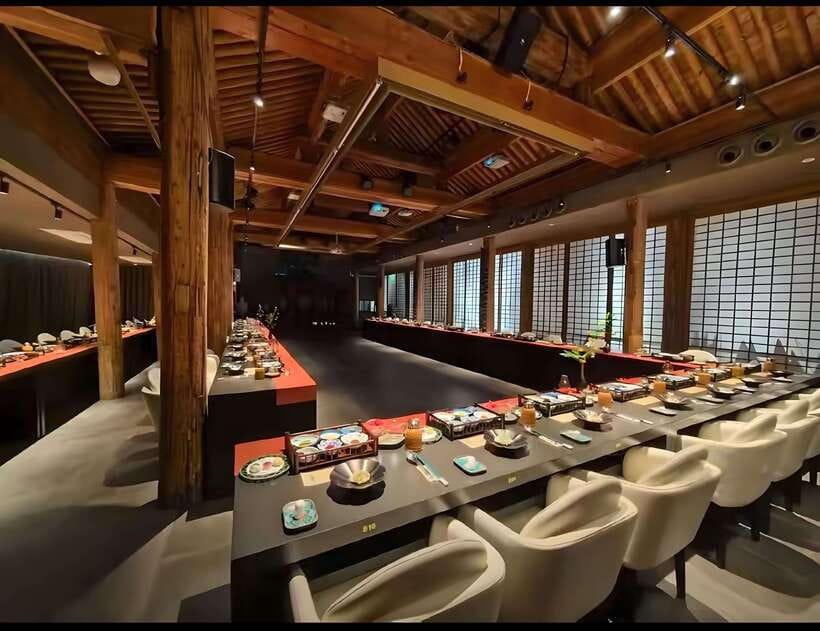
A royal show happens 2 kilometers from the Forbidden City. I love the combo of a luxurious courtyard and a royal dining experience that unfolds like a timeline, course by course. The big potential drawback is that the cultural performance and experience run in Mandarin, so you may not get much English guidance on what you’re eating.
You also get a setting with actual imperial connections. The courtyard traces back to Tan Zongjun, a major Qing Dynasty figure tied to the rise of official cuisine, which makes the meal feel more grounded than a generic dinner show. If you are hoping for a super detailed, explained menu in English, plan on doing a little extra work yourself to understand the dishes.
In This Review
- Key things to know before you go
- Entering a royal courtyard near the Forbidden City
- The dining format: royal courses paired with a dish-by-dish performance
- Timing: lunch at 12:00 and dinner at 6:30
- What the courses feel like in the real flow
- The cultural performance: classical drama, high effort, clear structure
- Price and value: what you are paying for at $99 per person
- Where this fits best, and who might not enjoy it
- Finding the venue without getting lost
- Should you book the Beijing Royal Dining Experience with cultural performance?
- FAQ
- What is the duration of the Beijing Royal Dining Experience?
- Is there a lunch and dinner option?
- What time should I arrive?
- How much does it cost?
- What is included in the experience?
- What language is the performance in?
- Is the venue wheelchair accessible?
- Does it include a skip-the-line benefit?
- Do children need a child ticket?
- Can I cancel and get a full refund?
Key things to know before you go
- 2 kilometers from the Forbidden City: close enough that this feels like a cultural add-on, not a remote detour
- Royal courtyard dining in a preserved traditional compound, with views and seasonal changes
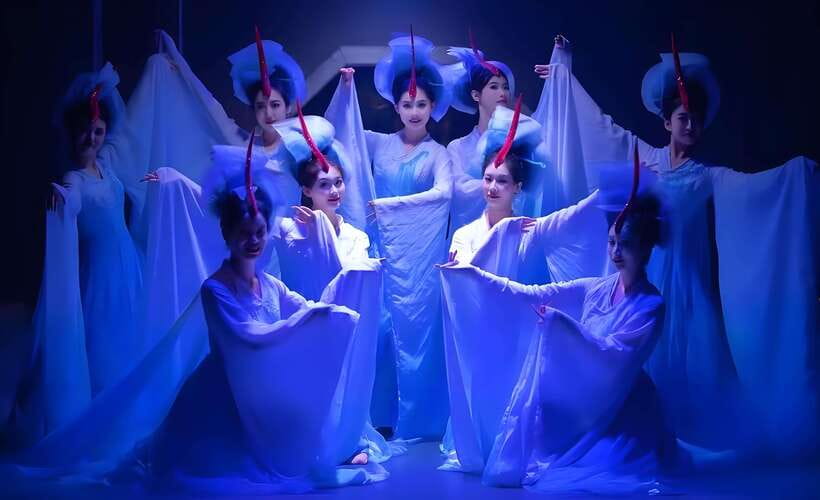
- Classical drama, chronological order tied to the dishes, not a separate act
- Main dishes include sea cucumber and abalone, plus appetizers, desserts, tea, and wine
- All in Mandarin: the story structure helps, but it is not an English-narrated show
- Arrive 30 minutes early to get seated and ready for a 2-hour experience
Still weighing it up? These Beijing bookings scored well when we went through them.
- From Beijing: Mutianyu Great Wall Tours with Options★ 4.9 · 9,216 reviews
- Beijing: Forbidden City Tour(Group/Private)-Tickets Included★ 4.8 · 7,974 reviews
- Beijing: T-Square & Forbidden City Group or Private Tour★ 4.8 · 4,446 reviews
- All-Inclusive Tour: Tiananmen Square, Forbidden City, Great Wall★ 5.0 · 2,873 reviews
Entering a royal courtyard near the Forbidden City
This experience takes place in a preserved courtyard in central Beijing, and the location is a real plus: it is about 2 kilometers from the Forbidden City. Even if you plan to see the big sights that day, this dinner show works well because you are not fighting a long commute before you even sit down.
The courtyard itself is the star before the first course arrives. You get the full traditional compound feel, not just a small stage and chairs crammed into a modern room. One of the coolest practical perks is that the courtyard scenery shifts by season, so the place can feel slightly different each time you return to Beijing, or even compared with photos you might see online.
Then there are the top-floor views. On an upper level you can look out to the White Pagoda Temple and the Temple of Emperors of All Dynasties. That matters because it gives you something to do besides just waiting indoors. It also makes the whole evening feel more like you are stepping into an old neighborhood pocket rather than arriving for a single performance slot.
Historically, the venue ties into something more specific than the usual dinner-show story. The courtyard was originally associated with Tan Zongjun, noted for being the second place in the Qing imperial examination, and it later developed into the birthplace of official cuisine known as Tan’s cuisine. That connection is why the format feels intentional: the show is designed to make the meal part of a cultural narrative, not just a dinner service.
The dining format: royal courses paired with a dish-by-dish performance
The core idea here is simple: you are not watching a stage show and then eating. The performance is synchronized with the dishes, and it follows a chronological order. Each dish comes with a story element, so the evening moves like a timeline rather than a random sequence.
I like this approach because it turns the meal into an experience you can track. Even if you miss exact words in Mandarin, you usually catch the rhythm: a dish lands, the performance shifts, then another course comes. Your attention has something to follow, which makes the full 2 hours feel more structured.
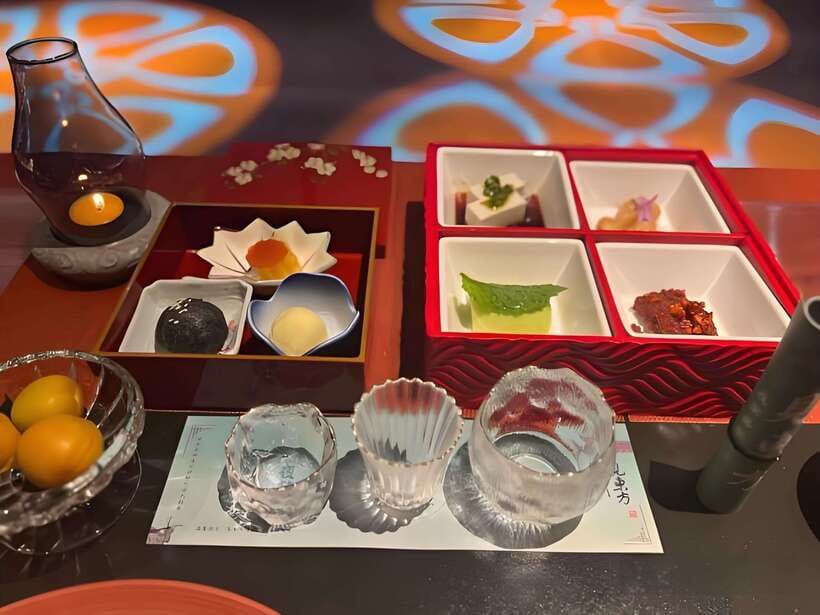
What you can expect as part of the meal is clearly outlined. You get appetizers, desserts, tea, and a drink described as meaningful wine. The main meal highlights sea cucumber and abalone, which are often treated as “special occasion” ingredients in Chinese cuisine. If you like trying ingredients with a strong cultural reputation, this is a good fit.
One more detail that affects your enjoyment: the food presentation is described as beautiful, and the variety is meant to feel diverse. That matters because dinner shows sometimes cut corners by serving standard buffet-style dishes. Here, the intent is more like a curated sequence where plating and timing are part of the show.
Timing: lunch at 12:00 and dinner at 6:30
You have two options: the lunch performance starts at 12:00 PM, and the dinner performance starts at 6:30 PM. The total experience length is 2 hours, so this is a focused, half-evening commitment, not an all-day outing.
The schedule detail I would not skip is the arrival time. You should plan to arrive 30 minutes before the start. That buffer matters because you will want time to get settled, find your way around the courtyard, and be seated before the performance locks into rhythm. If you show up late, you risk missing the early parts of the storytelling setup.
Also, the experience can change with the season in the courtyard setting, so if you are visiting in a time of year with nicer outdoor light, plan around dinner or whatever slot gives you better photo conditions for the compound.
What the courses feel like in the real flow
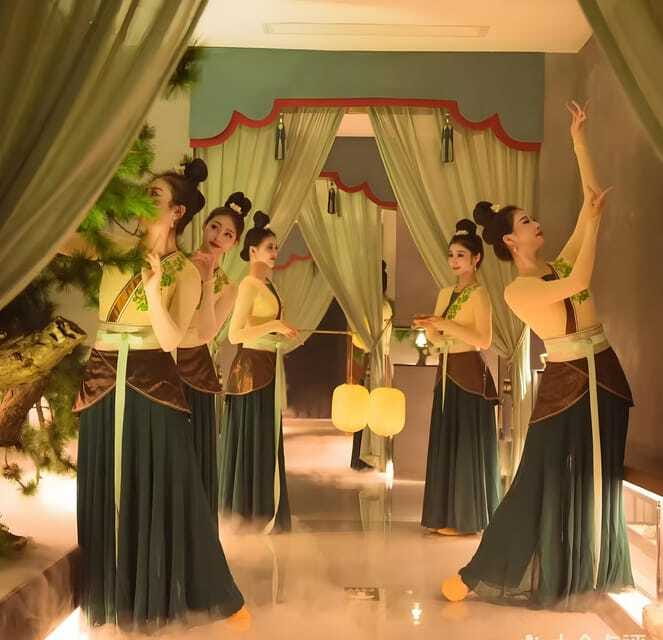
Here is how to think about the evening from your seat. The night is built around a course sequence, with each course matched to a story moment. That means your meal progresses in tandem with the performance, so you are constantly alternating between watching and tasting.
The big centerpieces are the main dish elements, especially sea cucumber and abalone. These are not mild, everyday ingredients. If you like rich, complex textures and you are willing to try something a bit outside Western expectations, you are likely to enjoy the overall arc of the meal. If you are sensitive to seafood flavors or you avoid chewy textures, I would treat the main course as a potential deciding factor before booking.
Beyond the mains, you also get the standard rhythm of a full experience: appetizers to start, then the story-driven transition into the main, followed by desserts. Tea shows up as part of the pacing, and the meaningful wine adds to the sense of occasion.
One practical consideration: the experience can be hard to interpret if you do not speak Mandarin. There is a risk you will not get much detailed explanation about what you are eating. In my view, that is the main reason this show can land differently for different people. If you are comfortable eating with a little mystery, you may love it anyway. If you need step-by-step English commentary to enjoy the meal, you might find the experience frustrating.

The cultural performance: classical drama, high effort, clear structure
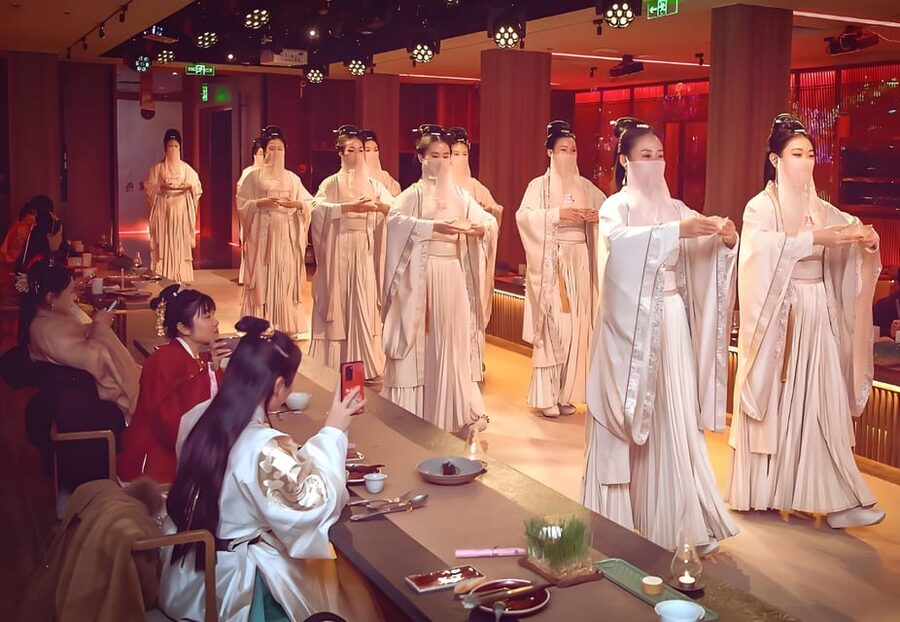
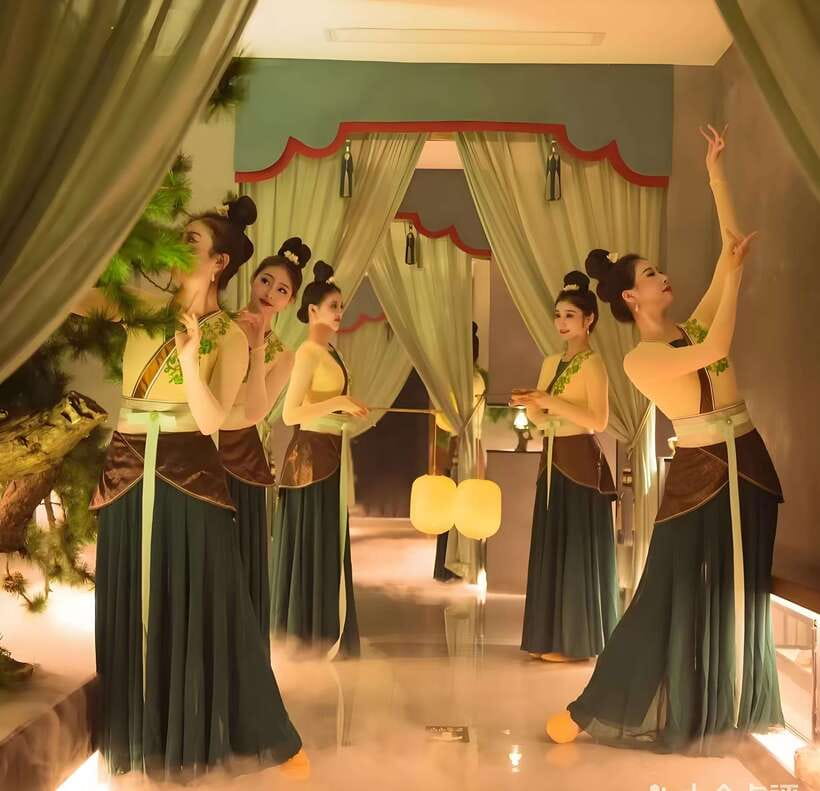
The cultural program is described as classical drama and it is treated as a proper performance, not background music. Actors appear dedicated, and the choreography and pacing are tied directly to the dishes. The show’s chronological order is a key point because it gives you an understandable scaffold, even if the exact dialogue is not in your language.
For non-Mandarin speakers, this is where expectations matter. Some people find Mandarin-heavy storytelling easy enough to follow because the timing and course changes provide structure. Others feel the lack of translation makes it harder to connect with the story content.
So what is the practical takeaway? Treat it like a performance you watch for form, timing, and emotional movement, while you use the food itself as a guide. You do not need to catch every spoken word to enjoy what is happening on stage and how it matches the meal.
Price and value: what you are paying for at $99 per person
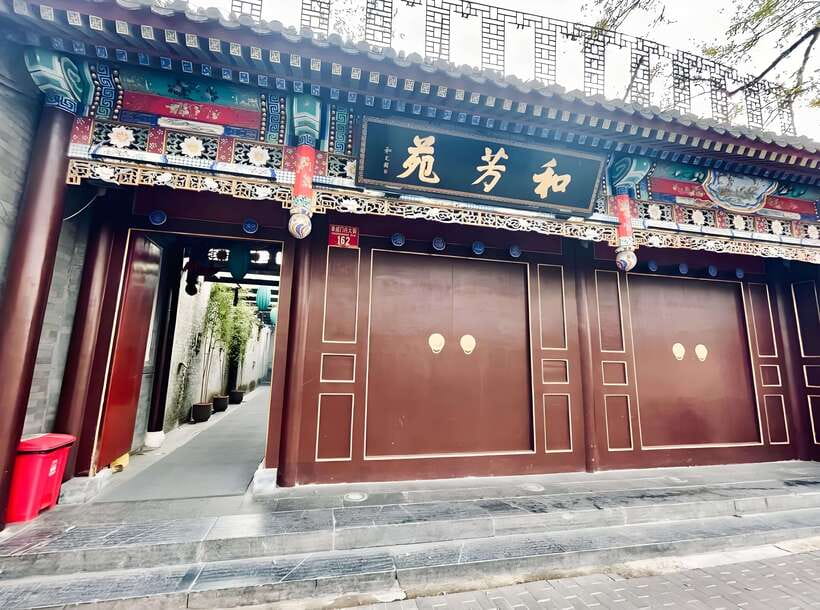
At $99 per person, you are paying for a package, not just a ticket to a show. You get:
- a royal dining format with a multi-part meal
- a cultural performance integrated with the courses
- a setting with a preserved courtyard atmosphere
- and key convenience elements like skip the ticket line
Whether that feels like value depends on what you want from Beijing. If you like food, performance, and a staged cultural narrative all in one slot, the price can make sense because you are not separating the meal from the entertainment. You are effectively getting two experiences braided together.
If you primarily want an English-narrated museum-style explanation, the pricing may feel steep because language support is not indicated here. You may also want to consider that the main dishes emphasize sea cucumber and abalone. If those ingredients do not appeal to you, the value math shifts quickly, since they are central to the meal.
In short, this is good value when you are flexible and curious. It is less good value if you need heavy translation to understand the full meaning of the show and courses.
Where this fits best, and who might not enjoy it
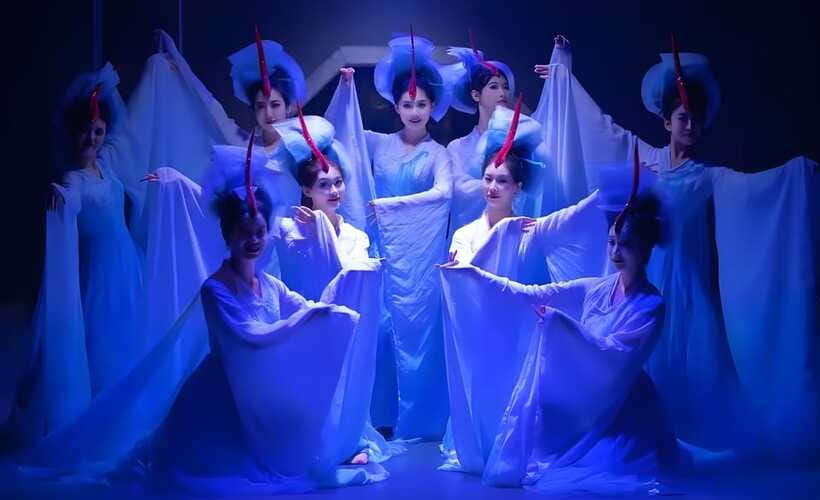
This experience fits well if you check most of these boxes:
- you enjoy cultural performance format dinners
- you are curious about Chinese ingredients and ceremonial dining
- you are okay with a show that is mostly in Mandarin
- you like traditional spaces and photo opportunities in a preserved courtyard
It may not fit as well if:
- you need English explanations for every course
- you strongly dislike sea cucumber or abalone
- you want a very transparent menu with detailed descriptions in your language
For families, there is a clear rule tied to height. Children under 120 centimeters need a child ticket, and children over 120 centimeters need an adult ticket. If you are bringing kids, pick the time slot that matches their attention span, because the whole experience is part performance, part meal, and it lasts 2 hours.
Also note, it is wheelchair accessible, which is useful for visitors who need step-free access and a more stable setting.
Finding the venue without getting lost
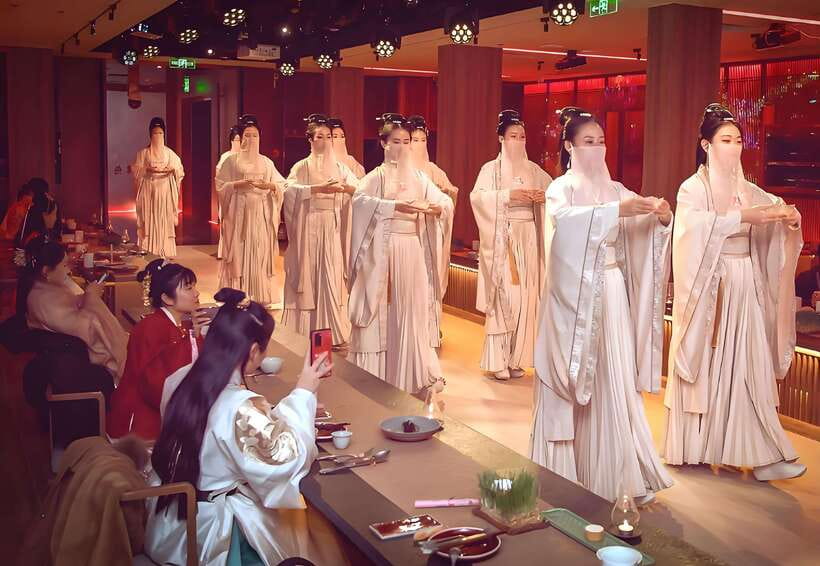
Location is close to big landmarks, but getting the correct entrance can still be tricky in Beijing because mapping can sometimes point you somewhere off by a bit. One of the most practical tips I can give you is to use the exact address the operator provides, then use a ride-hailing app like DiDi rather than trusting one map pin alone. If you feel confused while you arrive, asking locals can also help you confirm the right courtyard quickly.
And because you are instructed to arrive 30 minutes early, you will have enough time to fix minor navigation problems without stressing out right when the performance starts.
Should you book the Beijing Royal Dining Experience with cultural performance?
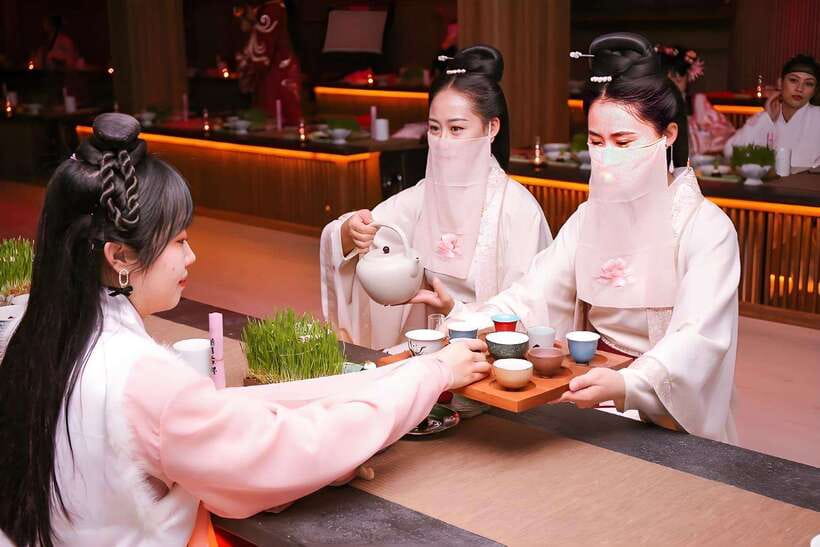
I think you should book if you want a single, tidy evening that mixes courtly dining, classical drama, and a historic courtyard atmosphere close to the Forbidden City. The best reasons to go are the synchronized storytelling format, the preserved compound setting, and the chance to try sea cucumber and abalone in a structured, “course as story” way.
I would hold off if you need English narration to enjoy the show, or if you dislike the highlighted ingredients. Also, if your top priority is learning exactly what every dish is and why it matters, be prepared that the experience may not spell everything out in your language.
If you are flexible, curious, and okay with Mandarin-led storytelling, this can be a fun, memorable way to spend 2 hours in Beijing without turning the evening into a logistics headache.
FAQ
What is the duration of the Beijing Royal Dining Experience?
The experience lasts 2 hours.
Is there a lunch and dinner option?
Yes. Lunch starts at 12:00 PM, and dinner starts at 6:30 PM.
What time should I arrive?
You should arrive 30 minutes before the performance starts.
How much does it cost?
The price is $99 per person.
What is included in the experience?
It includes royal dining and a cultural performance.
What language is the performance in?
The performance is in Mandarin.
Is the venue wheelchair accessible?
Yes, it is wheelchair accessible.
Does it include a skip-the-line benefit?
Yes, it includes skip the ticket line.
Do children need a child ticket?
Yes. Children under 120 centimeters need a child ticket, and children over 120 centimeters need an adult ticket.
Can I cancel and get a full refund?
You can cancel up to 24 hours in advance for a full refund. You can also use reserve now, pay later, which lets you book and pay nothing today.
More Tour Reviews in Beijing


Beijing, reviewed one booking at a time
- Xian: Must see Eternal Love or Camel Bell Legend show Ticket
★ 5.0 · 3 reviews - One day tour to downtown Tianjin from Beijing by high speed train
★ 5.0 · 3 reviews - Ming Tombs Sacred Way & Underground Palace & Water Wall P Tour
★ 5.0 · 3 reviews - Beijing Mutianyu Great Wall Small Group Tour
★ 4.5 · 3 reviews - Return Bus to Badaling Great Wall
★ 3.0 · 3 reviews - Private Tour to Lama Temple, Tian’anmen Square and Forbidden City
★ 5.0 · 3 reviews