
REVIEW · PRIVATE
Customized Private Wuhan Day Tour (10 attractions to choose / Not group tour)
One day can feel like three cities. This private Wuhan tour lets you pick 4 major stops from iconic sights like Yellow Crane Tower and East Lake, then fill the rest of your day around local food and tea, with Rafiq’s storytelling. I especially like the mix of big views, real neighborhoods, and cultural stops, and I like that it stays private instead of being tied to a group pace. The main drawback is that lunch is not included, so you will want a meal plan.
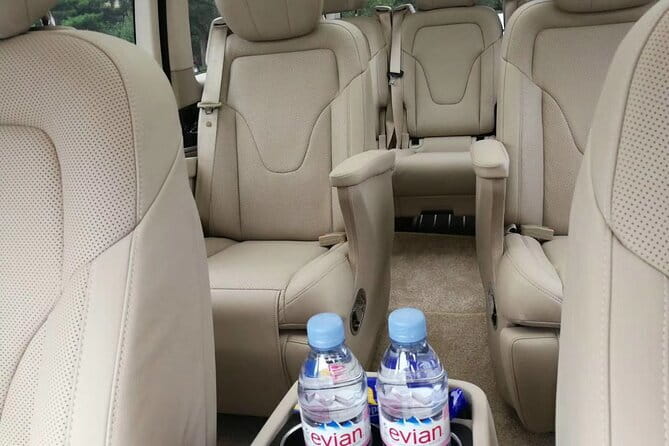
What makes it work in practice is the logistics: a private car with a driver and a bilingual guide, plus hotel pickup in central areas and a day that runs about 6 to 8 hours. You also get bottled water and a cup of Chinese tea with free tasting, which helps when your day includes a museum, temples, and waterfront walking. If your hotel is outside the pickup zone, you may have to meet the tour elsewhere.
In This Review
- Key highlights to plan around
- How the Custom Wuhan Day Plan Lets You Skip the Stuff You Do Not Need
- Meet Rafiq: Local Stories, Driver Plus Guide, and Photo Help
- Yellow Crane Tower Views Over Wuhan’s Three Districts
- East Lake Walks for Willows, Lotus Ponds, and Sunset Moments
- Hubei Provincial Museum and the Chime of Marquis Yi
- Wuhan Yangtze River Bridge, a Rail and Highway Icon for Panoramic Photos
- Yangtze River Ferry Charm at Beach Park, Watching Wuhan Move
- Wuhan University Grounds: Chinese-Western Architecture by East Lake
- Guiyuan Temple for Lunar New Year Traditions and the 500 Golden Arhats
- Gude Temple of Hankou: Hidden Downtown, Mixed Faith Architecture
- Hubu Alley or Jiqing Street: Your Wuhan Snack Street Finish
- Tea Stop: A Small Included Break That Makes the Day Easier
- Price and Logistics: Is $280 Per Person Good Value?
- Who This Private Wuhan Day Tour Fits Best
- Should You Book This Private Tour? My Decision Help
- FAQ
- How long is the Wuhan private day tour?
- What does the $280 per person include?
- Can I choose which sights to see?
- Do I need a separate ticket for attractions?
- Is hotel pickup available everywhere in Wuhan?
- Is lunch included?
- Can I bring a service animal?
Key highlights to plan around
- Choose your 4 sightseeing anchors. Pick from eight top options and avoid wasting time on what does not fit you.
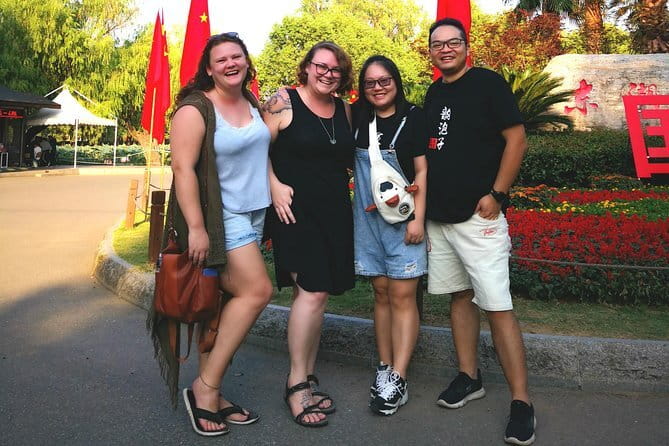
- Rafiq is your driver-guide. He has lived in Wuhan for 30+ years and shares local stories while getting you to each stop efficiently.
- Museum depth plus photo stops. You get Hubei Provincial Museum artifacts and practical viewpoints like Wuhan Yangtze River Bridge.
- A real ferry moment. Instead of only looking at the river, you can ride a Yangtze River ferry and watch everyday Wuhan life.
- Tea plus snack street walking. One cup of tea with free tasting, then either Hubu Alley or Jiqing Street for the food-and-stroll payoff.
- Admissions are built in. The listed stops include admission tickets, so your budget is easier to control.
How the Custom Wuhan Day Plan Lets You Skip the Stuff You Do Not Need
This is not a group tour. It is a private day with your own vehicle and driver, and you can customize what you see. Among the eight headline sights, you select four. In addition, Hubu Alley or Jiqing Street is arranged as part of the day, so your plan usually ends with food walking after the bigger monuments.
That choice matters. A one-day visit to Wuhan can go sideways if you try to cover too much. By letting you pick your mix, the day can fit your travel style, whether you want more scenery, more history, or more street life.
You can also expect your itinerary to be explained and confirmed with the guide before departure. Rafiq reaches out in advance and helps refine the flow, which is a big deal in a city with spread-out attractions.
Meet Rafiq: Local Stories, Driver Plus Guide, and Photo Help
Rafiq is listed as your driver and guide, and he has lived in Wuhan for more than 30 years. That local grounding is what turns a checklist day into a story day. You are not only going from place to place, you get context for what you see as the car moves between neighborhoods.
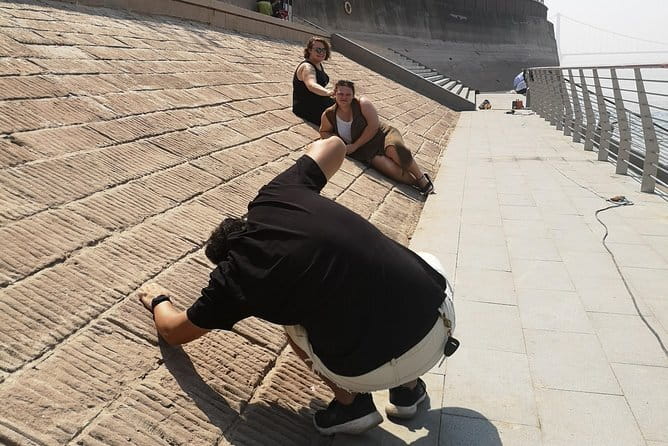
He is also good at taking photos. That sounds small, but it changes how the viewpoints feel. Instead of hunting for the right angle yourself, you can focus on the view and let your guide help with shots at the key moments.
A practical bonus is pacing. In a private setup, you can linger where you care and shorten the parts you do not. The tour runs about 6 to 8 hours, so even small adjustments to time allocation make the day feel less rushed.
Yellow Crane Tower Views Over Wuhan’s Three Districts
Yellow Crane Tower is a classic Wuhan landmark, tied to childhood memory for many locals. If you choose it, you can expect big panoramic views that show Hanyang district, Hankou district, and Wuchang district in the same frame. Climbing up here is part of the experience, but the payoff is the way Wuhan looks like a set of layers rather than a single skyline.
The park area also matters. You can wander winding paths and find quieter pockets away from the main flow. If you like photo moments, this stop is designed for it, and your guide can help you capture the scene without turning it into a marathon.
The main consideration is time and stamina. A tower visit can mean stair-heavy walking, plus park wandering. If you want this stop, it is wise to build the rest of your day with some calmer choices after.
East Lake Walks for Willows, Lotus Ponds, and Sunset Moments

East Lake is the nature and scenery choice. Walking along the lakeside, you pass willows, a lotus pond scene, and small stone bridges that break up the view. On the water, you may spot wild ducks, which is one of those details that makes the whole walk feel less staged.
One of the best parts here is the slower rhythm. If you get tired, you can rest on a stone bench by the lake and watch the light change. That kind of pause is rare in busy sightseeing days, and it is one reason East Lake works so well as a balance after temples or museums.
If you are sensitive to weather, plan accordingly. Lakeside walking can feel cool or breezy depending on the season, even when the city itself is warm. Bring a light layer if you have one.
Hubei Provincial Museum and the Chime of Marquis Yi
If you want history that you can actually see, Hubei Provincial Museum is one of the best picks. The museum’s highlights include bamboo slips from the Qin dynasty, the Sword of Goujian, the chime bells from the Tomb of Marquis Yi of the Zeng State, and a Blue and White plum vase from the Yuan dynasty.
The chime of Marquis Yi is described as the most complete one in China. That detail matters because it signals rarity and preservation, not just fame. Even if you do not read every label, standing in front of objects like these is a fast route to understanding how old craftsmanship shaped the region.
The tradeoff is that museum time can expand if you get pulled into reading. With a 6 to 8 hour day and only four scenic anchors, you will want to decide how deep you want to go here. Your guide can help you prioritize the key objects so the rest of the day stays enjoyable.
Wuhan Yangtze River Bridge, a Rail and Highway Icon for Panoramic Photos

Wuhan Yangtze River Bridge is both a highway and a railway bridge, and it has been operating for over 60 years since it opened in 1957. If you like city engineering as much as city views, this stop gives you both. The bridge flies north and south, and the river perspective is wide enough to feel like you are photographing the city’s backbone.
You also get options for walking. Along the river beach under the bridge, you can feel local life in a more human scale than a far-off viewpoint. This is a good place for photos because the sightlines are strong and the scenery is layered.
The only caution is that riverfront areas can be windy, especially when you are moving from platform to platform. Plan for a bit of walking and wear comfortable shoes.
Yangtze River Ferry Charm at Beach Park, Watching Wuhan Move
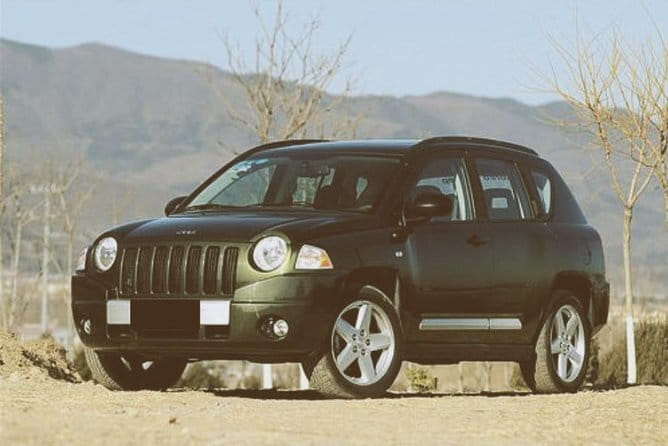
Choosing the Yangtze River ferry experience, often described as Beach Park area ferry time, is a change of pace from standing still. You cross the Yangtze River by ferry, and the wind on your face plus the river scenery makes the whole trip feel like a moving picture.
What makes this stop more than just a ride is the people watching. You can meet romantic lovers, college students, and small vendors working their daily rounds. You get a snapshot of Wuhan life that you do not get from a tower viewpoint.
The practical consideration is that ferry time adds motion and exposure to the elements. If you are very heat-sensitive or wind-sensitive, this is still doable, just plan clothing accordingly and do not expect it to be fully sheltered.
Wuhan University Grounds: Chinese-Western Architecture by East Lake
Wuhan University, founded in 1893, is a strong choice if you want architecture and a sense of academic Wuhan. The buildings mix Chinese and Western characteristics, which makes the campus feel unusual in a good way, especially against the lake and mountain background.
The campus sits around East Lake and Luojia mountain, so you get that sense of space that city center streets rarely offer. Your guide can point out how the campus layout changes the view as you walk.
The timing detail is important. In mid March, cherry blossoms bring huge seasonal crowds. If you are traveling in that window, you might want to start earlier in your day to avoid wasting time waiting. If you travel outside cherry season, the campus still works as a calm architectural break.
Guiyuan Temple for Lunar New Year Traditions and the 500 Golden Arhats
Guiyuan Temple is a major temple stop with clear local customs attached. Founded in 1658, it is a place where many Wuhan citizens come for blessings. On the fifth day of the lunar new year, hundreds of thousands of pilgrims visit to pray and a famous tradition includes robbing the head of incense.
If you are not there during that peak period, the atmosphere is still worth it because the temple architecture and rituals give you a sense of living tradition, not just museum culture. The standout feature is the arhat hall with 500 golden Arhats. The playful idea here is to try counting them and see what your luck feels like.
The main consideration is crowd and timing. During lunar new year peaks, it can be very busy. Your guide can help you choose the right timing within your day so it does not dominate your schedule.
Gude Temple of Hankou: Hidden Downtown, Mixed Faith Architecture
Gude Temple of Hankou offers a very different vibe. Founded in 1877, it blends Eurasian religious architecture and integrates three major Buddhist sects, including Mahayana and Tibetan lines as described. That mix is part of why the temple feels distinct compared with simpler, more uniform styles.
It is also described as hidden in plain sight. It sits in residential buildings and has been tucked into downtown for more than 100 years. Without local knowledge, it can be hard to find, which means your guide’s familiarity is genuinely useful here.
The emotional payoff is that it can feel less crowded and more contemplative. The experience is framed as a sense of time and space shifting, not a high-energy pilgrimage route. If you want one calmer spiritual stop, this is often the best fit.
Hubu Alley or Jiqing Street: Your Wuhan Snack Street Finish
Most days feel more complete when you end with food walking. In this tour, you typically get one snack street choice: Hubu Alley or Jiqing Street.
Hubu Alley is known for over 400 years of history and a short 150 meter stretch packed with snack stalls. You can try classic Wuhan comfort foods like Re Gan Mian, hot-and-dry noodles, and Hu Tang Fen, soup noodles with fish paste. This is great when you want easy sampling, photo-friendly streets, and the kind of casual energy you can taste.
Jiqing Street shifts the mood toward time-honored brands and evening lights. You can find Si Jimei and Lao Tongcheng among other long-standing food shops, plus folk craftsmen stalls. In the evening, the lights turn the area into a glowing street of aromas, sounds, and quick bites.
The practical consideration is that street snacks can turn into heavy eating fast. If you plan to do a museum or temple earlier, keep your dinner expectations light, then let snack portions be your final meal.
Tea Stop: A Small Included Break That Makes the Day Easier
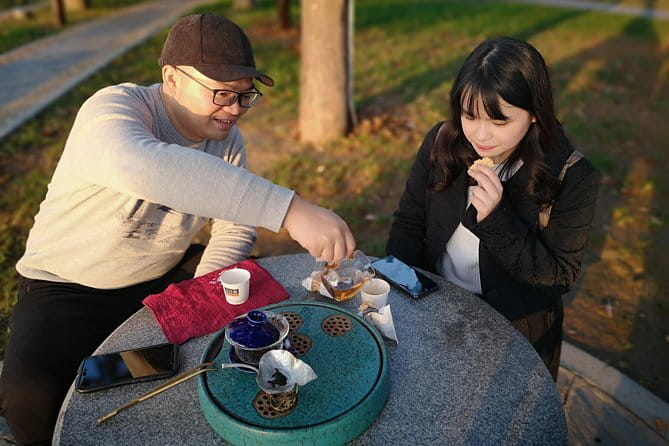
Chinese tea is included as one cup per person, with free tasting. You can choose between green tea or black tea. This is one of those simple inclusions that helps on a day full of walking, waiting, and indoor time.
It also gives you a small cultural pause. Instead of rushing from one ticketed site to another, you get a reset moment in the middle, which helps your energy hold up through the last stops.
Price and Logistics: Is $280 Per Person Good Value?
At $280 per person for a 6 to 8 hour private experience, this is not a budget group tour. The value comes from what you get for that money: private transport, bilingual guide, admission tickets for the chosen stops, water, and tea, plus hotel pickup and drop-off in central Wuhan hotels.
You also get a structure that saves time. The day is built around four selected scenic anchors plus one snack street, and Rafiq coordinates the flow. That reduces the risk of spending your Wuhan day stuck in transit or chasing the wrong priorities.
There are a couple of tradeoffs to note. Lunch or dinner is not included, so the effective day budget should include at least a planned meal. Pickup and drop-off do not include locations outside Wuhan Third Ring Road, so your exact hotel location matters.
If you are traveling as a couple or a small family, the private format can be a smart way to keep the day efficient. If you love flexibility and hate rigid group schedules, the price is easier to justify.
Who This Private Wuhan Day Tour Fits Best
This tour fits best when you want control. If you are visiting Wuhan for the first time and you want a curated mix, the pick-four format is ideal. It works for couples who want scenic viewpoints and a relaxed ferry moment, and it works for history fans who can build around the museum and temples.
It is also a good fit for photographers. Bridges, lake promenades, temple halls, and snack streets give you visual variety in one day, and Rafiq is used to helping with photos.
If you prefer zero walking or you need very strict accessibility pacing, this may require careful stop selection. Some of the major sights involve climbing, and the day includes both indoor and outdoor time. Your best strategy is to choose fewer high-stair stops if that matters to you.
Should You Book This Private Tour? My Decision Help
Book it if you want a Wuhan day that feels personal, not packaged. The combination of Rafiq as a driver-guide, admission tickets included, and the freedom to choose four of eight major sights is the core reason this works.
I would also book it if you care about balance. You can mix tower views and bridge photos with a museum stop and at least one cultural temple, then cap it with tea and a snack street.
Skip it or adjust expectations if your hotel is outside the pickup zone or if you want lunch included. Since meals are not included, you will get the best experience if you treat food as part of your plan, not an afterthought.
FAQ
How long is the Wuhan private day tour?
It runs about 6 to 8 hours.
What does the $280 per person include?
The tour includes a private guide and driver, private air-conditioned vehicle, bottled water, one cup of Chinese tea with free tasting, hotel pickup and drop-off within Wuhan downtown hotels, and admission tickets for the listed stops.
Can I choose which sights to see?
Yes. From the eight scenic options (Yellow Crane Tower, East Lake, Hubei Provincial Museum, Wuhan Yangtze River Bridge, Yangtze River Ferry, Wuhan University, Guiyuan Temple, Gude Temple), you choose four. The tour also arranges one of the two snack streets, Hubu Alley or Jiqing Street.
Do I need a separate ticket for attractions?
Mobile tickets are offered, and admission tickets are included for the stops listed in the itinerary.
Is hotel pickup available everywhere in Wuhan?
Pickup and drop-off are offered for Wuhan downtown hotels, and do not include locations outside Wuhan Third Ring Road.
Is lunch included?
No. Lunch or dinner is not included.
Can I bring a service animal?
Yes. Service animals are allowed.
Private, compared.
 ★ 4.8Beijing: Forbidden City Tour(Group/Private)-Tickets IncludedFrom $47,974 reviews
 ★ 4.8Beijing: T-Square & Forbidden City Group or Private TourFrom $174,446 reviews
 ★ 5.0Beijing:Mutianyu Great Wall Private Trip with English DriverFrom $841,263 reviews
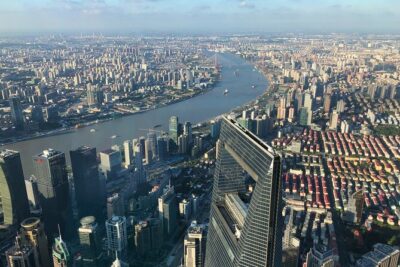 ★ 5.0Zhujiajiao Water Town and Shanghai City Private Day TourFrom $2461,016 reviews
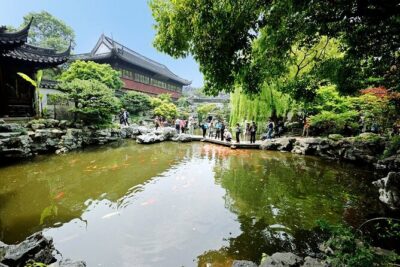 ★ 5.0Private Shanghai Full Day City Tour with Old and New HighlightsFrom $115995 reviews
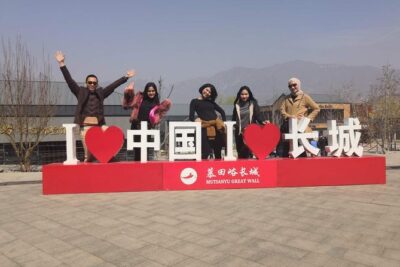 ★ 5.0Private Mutianyu Great Wall Trip with English-Speaking DriverFrom $78927 reviews
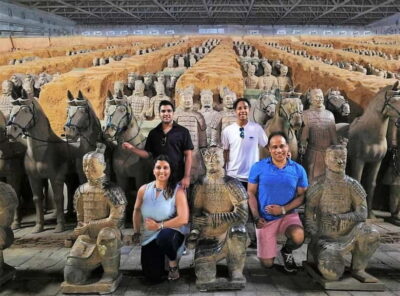 ★ 5.0Xi’an: Terracotta Army Mini Group or Private TourFrom $36926 reviews
★ 5.0Private Mutianyu Great Wall Trip With English-Speaking DriverFrom $92899 reviews
★ 5.0Xi’an: Terracotta Army Mini Group or Private TourFrom $36926 reviews
★ 5.0Private Mutianyu Great Wall Trip With English-Speaking DriverFrom $92899 reviews