
REVIEW · FOOD & DRINK
Explore Shanghai Ancient Downtown with Authentic Local Food
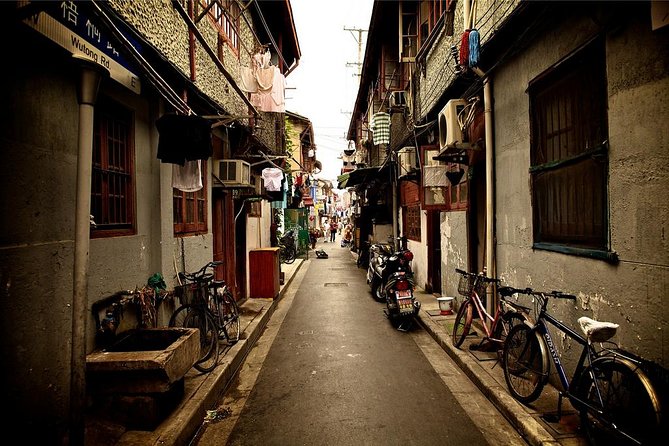
Shikumen lanes feel like time travel. This bike tour threads Shanghai’s older neighborhoods on quiet-feeling side streets, then opens up to major landmarks like Yu Garden and the Bund, all with local stories about housing, community life, and food culture. You get a structured route that still feels like wandering, plus the freedom of moving under your own power.
Two things I like a lot: the focus on Shikumen-style nongtang housing and its laneway layout, and the fact that the essentials are handled for you with bicycle, helmet, bottled water, and snacks included. One possible drawback to plan around is that you should be comfortable riding in areas with street traffic and busier lanes, since the tour moves through active historic streets.
In This Review
- Key Highlights You’ll Notice Right Away
- Why This Bike Route Works for Shanghai’s Ancient Downtown
- Getting Started at Dabaishu Station and the Ride Setup That Matters
- Shikumen Nongtang Housing, Seen Up Close on Real Laneways
- Tianzifang and the Concession-Era Shop Streets
- Yu Garden (Yuyuan): A Landmark With a Marketplace Feel
- Former French Concession: Old Neighborhoods, Different Streetscapes
- Duolun Road Cultural Celebrities Street: Japanese Concession Core
- The Bund Across the Huangpu: Skyline Views With Both-Side Perspective
- The Role of the Guide, Especially If You Want Meaning, Not Just Motion
- Value for $58: What You Get, What You Still Need to Budget
- Who This Tour Suits Best
- Should You Book This Shanghai Shikumen and Ancient Downtown Bike Tour?
Key Highlights You’ll Notice Right Away
- Small group cap (max 8) for a more personal pace and easier photo stops
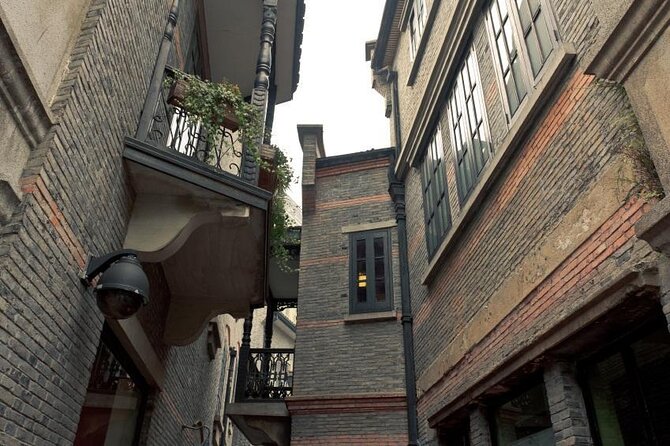
- Shikumen architecture on a bicycle, so you see how these laneways actually work
- Choice of morning or afternoon departure, so you can match your Shanghai schedule
- Classic stops that stack well, from Yu Garden to former concessions to the Bund
- Guide-led context on food and community life, not just buildings
Other Shanghai trips our reviewers kept returning to
- Eat Like A Local: Shanghai Night Food Tour★ 5.0 · 616 reviews
- Half-Day Bike Tour of Shanghai Old Town with Food Tasting★ 5.0 · 306 reviews
- Late Night Food Tour in the Shanghai’s French Concession★ 5.0 · 260 reviews
- Shanghai: Half-Day Biking and Local Food Tour★ 4.9 · 170 reviews
Why This Bike Route Works for Shanghai’s Ancient Downtown
Shanghai can be big, busy, and a little disorienting, especially when you want the older layers of the city rather than just modern skyline photos. This tour is designed to solve that, using a bicycle to connect neighborhoods that would take too long to hop between by foot, or feel rushed in a car.
I like that the route tells a clear story as you move: first the residential world of Shikumen, then the layers of foreign influence through concession-era streets, and finally the big visual payoff of the Bund across the Huangpu River. The ride format also changes how you experience laneways. Walking can make narrow alleys feel like a corridor. Cycling makes them feel like a route, with sightlines that unfold as you turn corners.
Getting Started at Dabaishu Station and the Ride Setup That Matters
Your day begins at Dabaishu Station near Luxun Park, where you meet your guide and group. You’ll get fitted for a bicycle and helmet, then you’re rolling. This matters more than it sounds, because good gear changes your comfort fast. You also get bottled water, and snacks are included, so you do not have to build your own plan around refueling.
The group stays small, with a maximum of 8 people per booking. That usually translates into less waiting around at intersections and more time to ask questions. Also, the tour is offered with morning or afternoon departures, which helps you pick a time when you’ll feel good enough to ride for about 3 hours.
Shikumen Nongtang Housing, Seen Up Close on Real Laneways
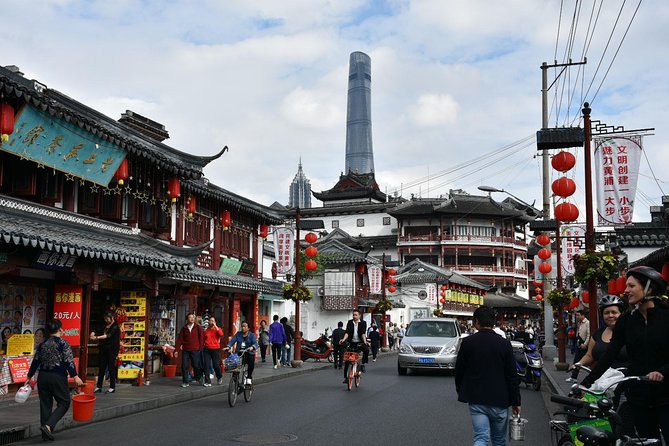
The star of this experience is the Shikumen-style “nontang” laneway housing. Shikumen homes are known for their layout and street-facing design, and the tour is built so you can understand why the neighborhood works the way it does. Instead of seeing these buildings from a distance, you cycle along the lanes where residents would move day to day.
As you pedal, your guide points out classic architectural features and shares how the community’s spaces shaped everyday life. You also pass specific residential complexes in the route, including places such as the General Zhou Enlai and Xichengli residential areas. Even if you do not study architecture at home, the ride format makes it easier to connect the “why” to what you’re looking at.
One practical note for your comfort: Shikumen streets can feel tight and active. You’ll want to keep a steady pace, stay aware at crossings, and treat the ride breaks as your reset moments for photos and questions.
Tianzifang and the Concession-Era Shop Streets
After the residential-focus segment, the tour shifts toward the French Concession area vibe, including cycling through Tianzifang. Tianzifang is a shopping district, so the atmosphere changes. You go from community lanes to streets with storefronts and browsing energy.
This is a useful transition because it shows how Shanghai’s older spaces can be layered with newer commercial life. The guide also helps you read the streets, so you don’t just see shops. You notice how the neighborhood rhythm changes street by street, and how the architecture acts as a backdrop for modern activity.
In the same general stretch, you cycle past busy Old Street as you move toward your next major stop. This part is fun if you like urban texture, but keep expectations realistic: you are riding through active areas, so you might find some sections more hectic than others.
Other Shanghai trips our reviewers kept returning to

Yu Garden (Yuyuan): A Landmark With a Marketplace Feel
Yu Garden is a major stop on the route. It’s described as over 900 years old, and it’s the kind of place where the architecture and the shopping atmosphere overlap. You’ll spend about 20 minutes here, and that short time is intentional. It’s enough to get the visual highlights without turning the visit into a long detour.
Even in a quick window, you can see why Yu Garden is famous: classical Chinese architecture, pools, and pavilions. Think of it as a carefully shaped landscape space inside the city, not just a monument. It gives you a change of pace from laneway cycling and concession-era shop streets.
If you love photo stops, this is one of the places where you can actually make photos feel like “a whole scene,” not just a single landmark. The main caution is simple: because the time is limited, decide early what you want to photograph most. Otherwise, you can end up drifting and missing your preferred angles.
Former French Concession: Old Neighborhoods, Different Streetscapes
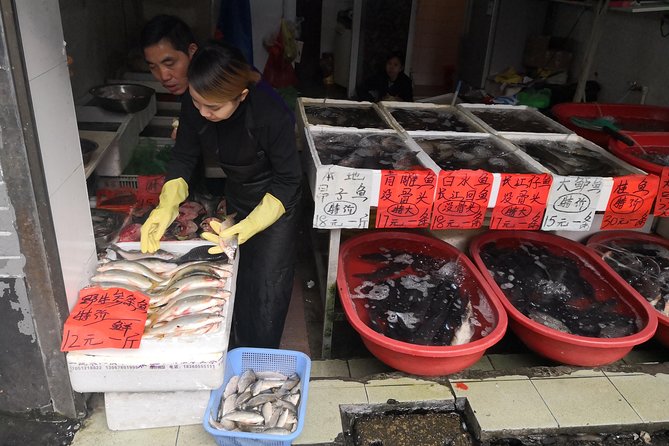
Next comes the former French Concession area, with about 1 hour set aside. This is where the city’s layered past becomes obvious. The streets and neighborhood feel come from that concession era, and the tour gives you time to understand what “foreign community” meant in the day-to-day structure of Shanghai.
For me, this segment is valuable because it balances the big visual moments with the human scale of neighborhood life. You’re not only looking at famous sites. You’re seeing how people lived in distinct communities, then watching how those spaces continue to function in modern Shanghai.
The stop time is also long enough that you are not just moving through. You can pause, ask questions, and get oriented if the city feels overwhelming.
Duolun Road Cultural Celebrities Street: Japanese Concession Core
Then you roll into Shanghai Duolun Road Cultural Celebrities Street. This is positioned as the center core area of the Japanese concession, and you get about 30 minutes here. The tour route takes you through areas lined with boutique shops and specialties such as jewelry shops, galleries, antique shops, and old book stores.
This stop works well for anyone who likes browsing with a purpose. The architecture context from earlier in the ride makes the shopping-street details more interesting, because you’re not just shopping. You’re walking through a historical streetscape where commerce and cultural identity overlap.
If your goal is food culture, this is a good “in-between” stop rather than a full food tasting. The tour overall does promise education about food and culture, and at this point you’ll feel how concession history shaped what kinds of shops and lifestyle spaces developed.
The Bund Across the Huangpu: Skyline Views With Both-Side Perspective
No Shanghai trip feels complete without a stop at the Bund. Here, it’s paired with the timing and pacing of a bike tour, so you get around efficiently and still get meaningful time. You’ll spend about 30 minutes at the Bund area, with the highlight being skyline views from both sides of the Huangpu River.
Even if you’ve seen skyline photos online, the in-person angle changes everything. The Bund is one of those places where your eyes keep bouncing between buildings and the waterline. You’ll likely spend your best minutes finding a spot that gives you the best mix of skyline and riverfront perspective.
One consideration: if it’s crowded, your best viewpoint might require a little patience. Build in a bit of flexibility with your photo timing.
The Role of the Guide, Especially If You Want Meaning, Not Just Motion
The guide is a big part of why this tour feels special. In the feedback, the guide named Mayfer stands out for excellent preparation and for making the tour feel smooth and easy to follow. That kind of leadership matters on a bike route, where you want clear pacing and confident handling of stop points.
Your guide also shares the classic features of Shikumen architecture and the history behind what you’re seeing. That turns the ride into more than scenic movement. You start connecting buildings to community layout, and you see how streets and housing influence how people live.
This matters for value. A lower-priced tour can still be worth it, but only if it delivers context. Here, the guide-led explanation is central, and it helps you get more out of every stop.
Value for $58: What You Get, What You Still Need to Budget
At $58 per person for about 3 hours, the pricing feels fair for what’s included. You’re not just paying for bike time. You get a professional guide, bicycle and helmet, bottled water, snacks, and a route that hits multiple historic districts and major landmarks.
Where value can differ for different people is food expectations. Food and drinks are not included beyond snacks. If you want a full meal out during the tour, you’ll need to plan it for before or after.
Also, don’t treat this as a “slow wander with long museum stops.” The timing is structured: quick but meaningful windows at key sites, then cycling connections between them. If you prefer deep, unhurried time in one place, you might want additional solo time afterward.
Who This Tour Suits Best
This tour is a strong fit if you want:
- A practical way to see a lot of Shanghai in a short half-day window
- Architecture and neighborhood stories that connect to everyday life
- A small group pace, not a large, chaotic scramble
It’s also ideal if you’re comfortable riding a bike in busy urban areas. The excitement level in feedback strongly points to this being for confident riders. If you’re new to cycling or nervous about traffic, you might still enjoy it, but you should think carefully about whether you can stay relaxed and steady for the duration.
For families, children must be accompanied by an adult, and child seats are available on request if you advise in advance.
Should You Book This Shanghai Shikumen and Ancient Downtown Bike Tour?
I’d book it if your idea of a great Shanghai day includes older neighborhoods, concession-era street texture, and a guide who ties it together with clear context about architecture and culture. The route hits real landmarks like Yu Garden and the Bund, but it also spends real time on the neighborhoods that make the city feel like a place, not just a list.
I wouldn’t book it if you want long, slow museum-style time in a single site, or if you strongly prefer public transit over street cycling. Also, because food and drinks are not included (beyond snacks), plan your meals around the tour.
If you like the sound of a small-group ride with bicycle gear included and stops that actually map to Shanghai’s layered past, this is a smart way to spend a few hours in the ancient downtown.
More Food in Shanghai





More Food & Drink in Shanghai

More Tour Reviews in Shanghai


Shanghai, reviewed one booking at a time
- Zhujiajiao Water Town and Shanghai City Highlights Private Day Tour
★ 5.0 · 3 reviews - Zhujiajiao Water Town Private Tour with Local Farm Visit and Fruit Picking
★ 5.0 · 3 reviews - Tongli Water Town Self-Guided Tour with Private Transfer from Shanghai
★ 5.0 · 3 reviews - Shanghai by Night with Fine Local Dinner and VIP River Cruise Experiences
★ 5.0 · 3 reviews - Shanghai Acrobatic Show Tickets
★ 5.0 · 3 reviews - Private Shanghai Layover Tour to Zhaojialou Water Town with Lunch or Dinner
★ 5.0 · 3 reviews
Food & Drink, compared.
 ★ 5.0Authentic Local Food Tour in Central ShanghaiFrom $791,382 reviews
 ★ 5.0Beijing Hutong Walking Food and Beer Tour at Hidden RestaurantsFrom $801,132 reviews
 ★ 5.0Xi’an Evening Food Tour by TukTukFrom $73715 reviews
 ★ 5.0Eat Like A Local: Shanghai Night Food TourFrom $90616 reviews
 ★ 5.0Tuktuk Food Tour Through Chengdu’s Local EatsFrom $73435 reviews
 ★ 4.9Beijing: Hidden Gems Guided Food Tour with Beer and TastingsFrom $75306 reviews
 ★ 5.0Half-Day Bike Tour of Shanghai Old Town with Food TastingFrom $100306 reviews
 ★ 5.0Beijing Private Hutong Food Walking TourFrom $82299 reviews
Browse the lists this tour appears in