
REVIEW · TOURS
From Chengdu: Tibetan Village Live as a Tibetan Day Tour
A Tibetan day can feel real fast. I really love the butter tea workshop and the night’s Guozhuang dance with a bonfire. One thing to factor in, the day is long and you may pay extra for some items like the private car option or optional craft classes.
Ganbao Tibetan Village gives you up-close village details, from Mani stone walls to prayer flags on a hill. I also like that the pace is guided by an English-speaking host, and names like Mua or Wang have shown up in past bookings, so you can expect a friendly, organized day. If you do not enjoy walking on uneven village paths, you will want to keep expectations realistic.
You’ll also eat well, with a Tibetan lunch and a warm yak meat hotpot dinner. Just note that parts of the plan can shift depending on conditions, so build in patience and wear comfortable shoes.
In This Review
- Key highlights worth your time
- Ganbao Tibetan Village: stone streets, prayer flags, and a slow village walk
- Lungta blessing on the hill: why this ritual is more than a photo op
- Tibetan lunch and butter-milk tea: the daily-life taste test
- Hiking time with prayer flags: a gentle climb that adds meaning
- Crafts you can do yourself: paper-cutting plus optional art classes
- Dressing up in traditional Tibetan attire: fun photos with real context
- Yak hotpot, Guozhuang dance, Hada greeting, and bonfire barbecue
- Price and value: how $159 fits a full 12-hour culture day
- Who should book this day tour, and who might not love it
- Should you book the Ganbao Tibetan Village live day tour from Chengdu?
- FAQ
- How long is the Tibetan Village Live as a Tibetan Day Tour?
- How much does the tour cost?
- Where does pickup and drop-off happen?
- What language is the tour guide?
- What activities are included during the day?
- Is there time for hiking?
- Are Thangka painting or Tibetan embroidery included?
- What should I bring?
- Is transportation included?
- Can I cancel or pay later?
Key highlights worth your time
- Stone houses and Mani walls: see the village’s carved stone details up close.
- Lungta hill ritual: scatter Lungta rice paper as a blessing for good fortune and wellbeing.
- Hands-on butter tea: learn how yak butter and tea become a daily staple drink.
- Crafts you can take part in: Tibetan paper-cutting included, with optional Thangka and embroidery.
- Traditional attire photos: dress up in Tibetan clothing for a simple, fun photo moment.
- Evening celebration: yak hotpot, Hada greeting, Guozhuang dance, and a bonfire party with barbecue.
Still weighing it up? These Chengdu bookings scored well when we went through them.
- Chengdu: Giant Panda Breeding Research Base Ticket★ 4.5 · 580 reviews
- Half-Day Chengdu Cooking Class with a Local Market Visit★ 5.0 · 465 reviews
- Tuktuk Food Tour Through Chengdu’s Local Eats★ 5.0 · 435 reviews
- Private Half-Day Chengdu Panda Breeding Center Tour with Optional Volunteer★ 5.0 · 353 reviews
Ganbao Tibetan Village: stone streets, prayer flags, and a slow village walk
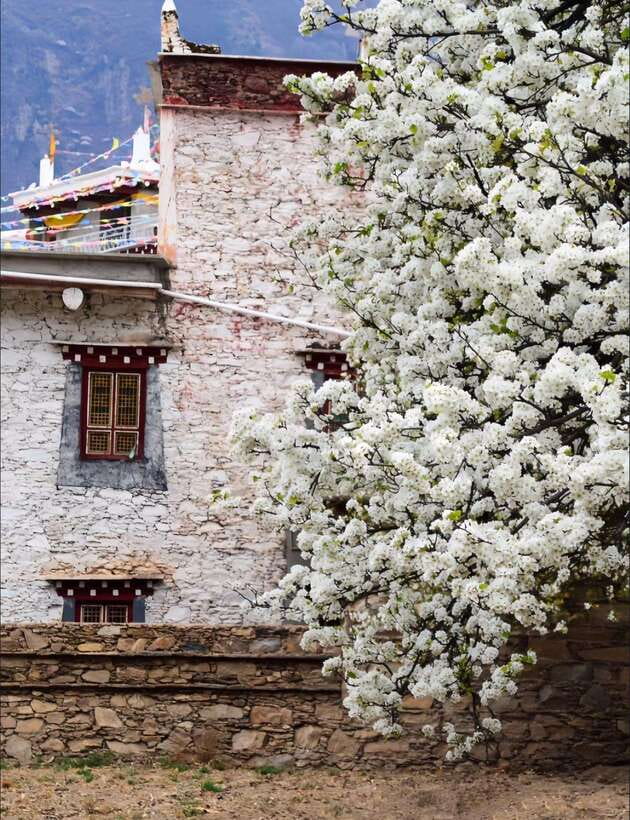
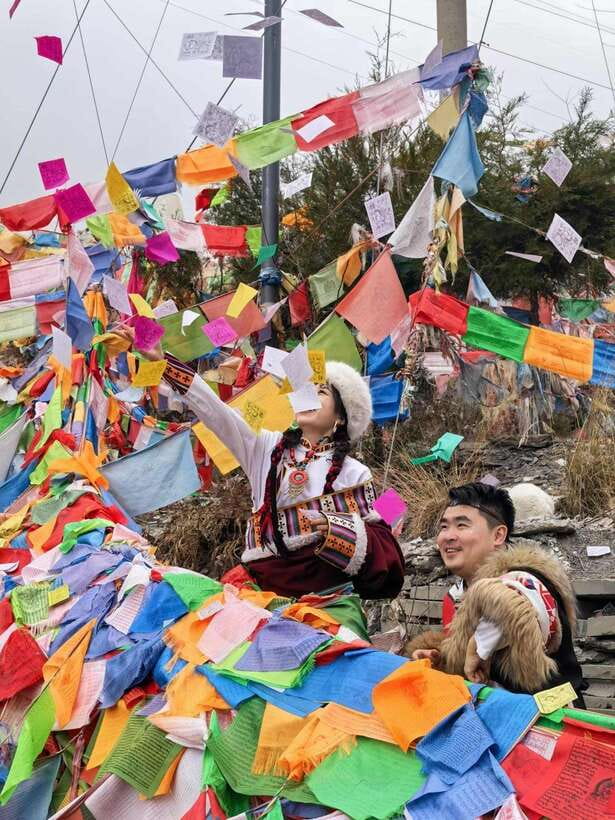
The first stretch of the day is spent getting your bearings inside Ganbao Tibetan Village. You walk narrow cobblestone lanes and take in the look of the place, especially the old stone houses with carved details. Prayer flags fluttering on building corners and along the paths add movement to what would otherwise be a quiet, still scene.
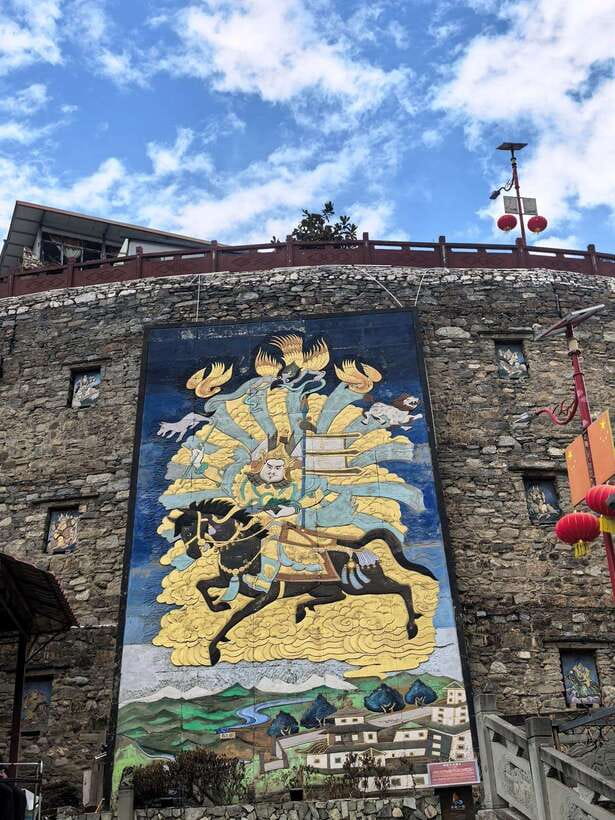
A big part of the appeal is that this is not a quick drive-by. You get time to wander and notice the everyday symbols of Tibetan Buddhism. The guide points out Mani stone walls with Buddhist scriptures, which makes the architecture feel more functional than decorative. It’s one of those details that can easily be missed on a short tour, but it lands when you’re actually standing there, looking at the stonework.
If you like photography, this is also a strong window. Morning light tends to make carvings and stone texture easier to read, and the prayer flags help add color without forcing a pose. The visit time is about 1.5 hours, so it’s long enough to feel like you explored, not just passed through.
Lungta blessing on the hill: why this ritual is more than a photo op
After your initial village stroll, you hike up to a nearby hill decorated with colorful prayer flags. The point is not just the view, it’s the ritual moment tied to the location. You’ll participate in the Lungta blessing ritual by scattering Lungta rice paper into the wind. In Tibetan tradition, it symbolizes prayers lifting into the sky for good fortune and wellbeing.
This is the kind of activity that changes how you experience the village. Instead of treating the day like a checklist of sights, you take part in a short practice that connects people, place, and intention. Even if you do not know every detail of the symbolism, you can still follow along and treat it with respect.
One practical detail: Lungta paper is not listed as included, so you may need to bring or purchase it depending on what the day’s plan allows. The guide can usually clarify what you’ll need once you’re there, so ask early if you are not sure.
Also, if you’re sensitive to outdoor elements, remember that you’ll be on the hill during daylight and wind. Dress for comfort, not just for photos.
Tibetan lunch and butter-milk tea: the daily-life taste test
Lunch comes next, and it’s not just a basic meal stop. You’re served a Tibetan lunch for about an hour, built around local ingredients and traditional flavors. This part matters because Tibetan food is often about staying warm and fueled, especially when the day involves walking and climbing.
After lunch, the day shifts into something more hands-on: butter-milk tea making. You learn the process of blending yak butter with tea, and you get a chance to understand why this drink is such a daily cornerstone. Butter tea isn’t everyone’s first choice at home, but when you see how it’s made and why it’s valued for warmth, the whole thing feels more grounded.
This workshop runs about 2 hours, so it’s not a quick demo. You’re guided step-by-step, and the learning feels practical, like you could follow it if you ever tried it again. If you’re a food person, this is one of the best-value blocks of the day because you’re doing something with your hands, not just watching.
A small note: you’ll likely be sampling or tasting the tea you make. If you have dietary restrictions, plan ahead and tell the guide in advance, since Tibetan meals can include yak-based ingredients.
Hiking time with prayer flags: a gentle climb that adds meaning
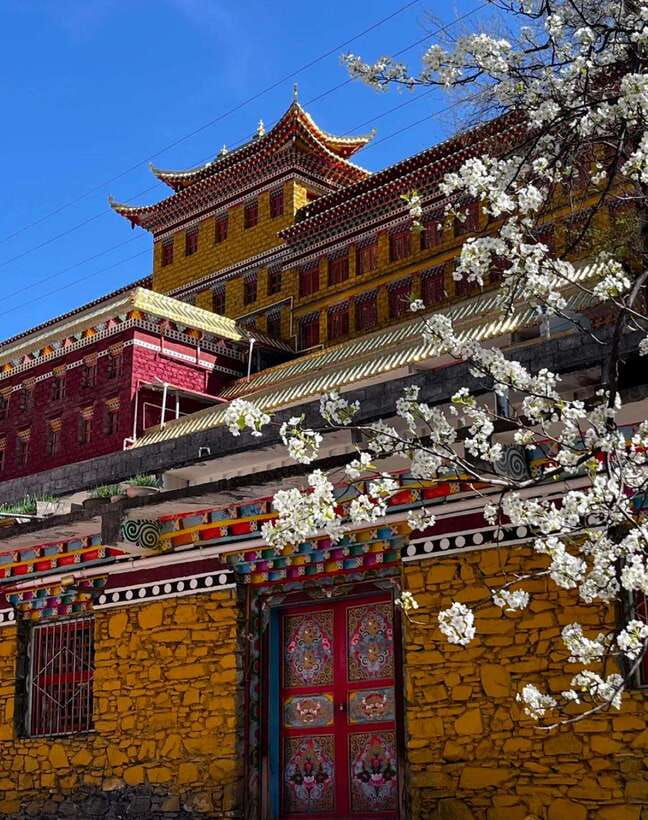
Later, you’ll go hiking for about 1.5 hours. This is the moment where the village stops being only architecture and becomes a lived-in mountain setting. The paths are tied to the surrounding prayer-flag scenery, so the hike is part of the cultural storytelling, not just exercise.
Comfort shoes are a must. Even if the hike is manageable, village paths can be uneven, and you’ll want stable footing. If it’s your first time doing a hike in this kind of terrain, keep your pace steady and don’t rush the stops for photos.
What I like most about adding a hike is the reset it gives you. After crafting and tea, you get a change of rhythm, plus a bit of fresh air. You also end up seeing the village from different angles, and the prayer flags framing the routes make it feel like the landscape is part of the tradition.


Crafts you can do yourself: paper-cutting plus optional art classes
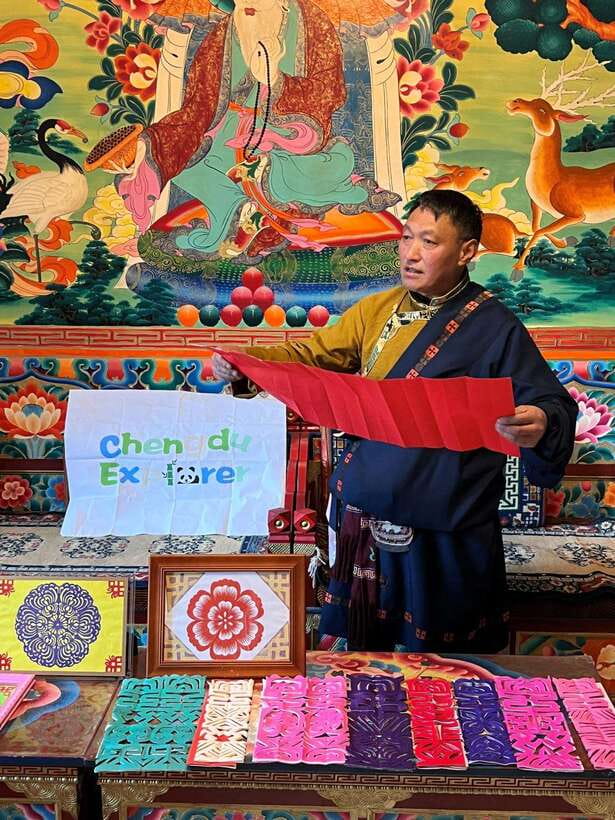
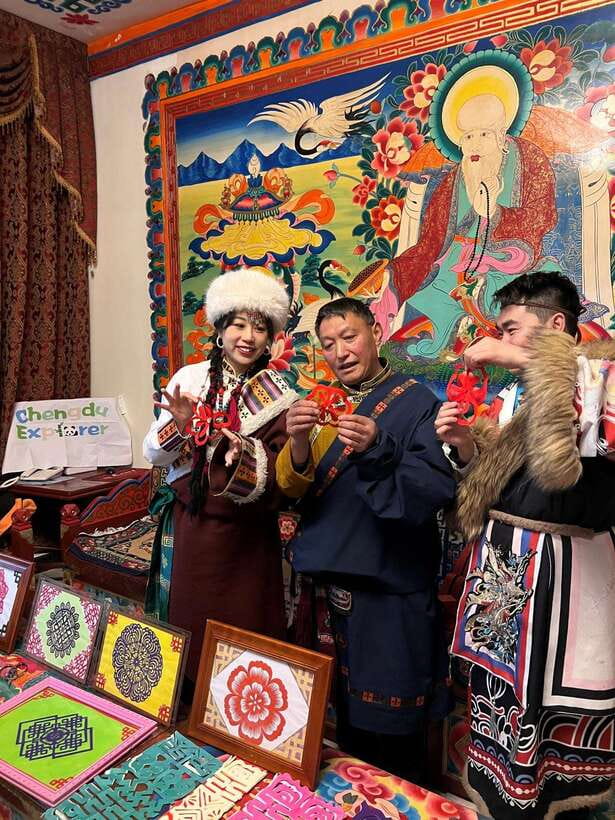
The day includes Tibetan paper-cutting as a course. This is one of the most rewarding activities because it’s small, close-up, and learnable even if you’re not an art expert. You’ll spend time creating cut designs using the traditional technique. It’s detailed work, so it helps you slow down, pay attention, and actually concentrate for a bit.
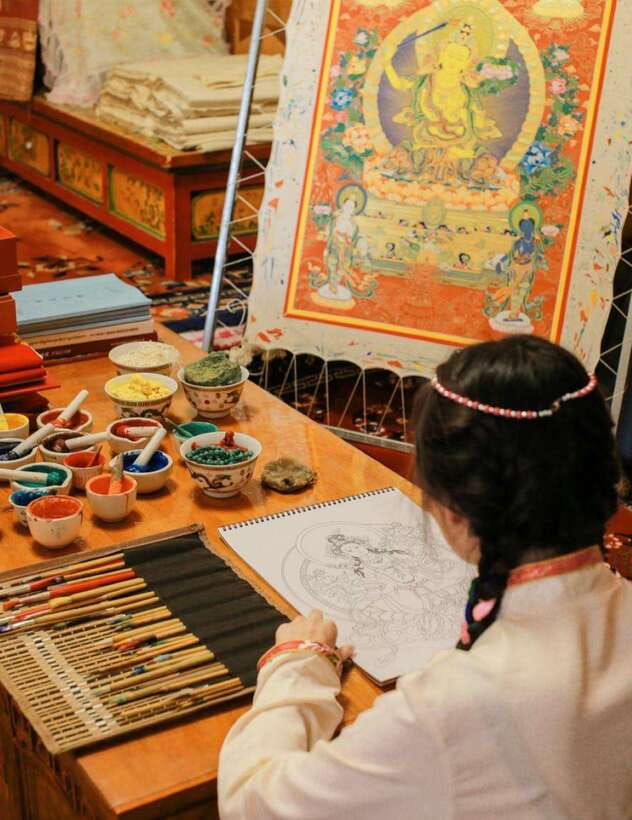
If you want to go further, you may have optional opportunities such as Thangka painting and Tibetan embroidery. Those options are not included by default, so treat them as add-ons if they sound like your thing. There’s also mention of traditional paper-cutting as part of the included plan, so you should still get at least one hands-on craft even if you skip the extras.
Another optional element mentioned is costume photography. That can be useful if you want portraits that look more polished, but since it’s not included, you’ll need to decide if you want that extra cost for your photos.
If you prefer experiences over souvenirs, paper-cutting is your best bet. You leave with something tangible and a clear memory of how much effort goes into the craft.
Dressing up in traditional Tibetan attire: fun photos with real context
You’ll get traditional Tibetan attire for a photo session. This is included, so you can plan to dress up for pictures without needing to track down anything yourself. The clothing colors and details help you connect with the visuals of Tibetan culture in a way that pure sightseeing cannot.
The practical question is always the same: will it feel awkward? In this kind of setting, it tends to feel more like participating than posing. The guide’s role is important here, because they help you dress appropriately and move through the session smoothly.
Costume photography itself is not included, so if you want someone to shoot your photos in a more formal way, you might need to pay extra. If you’re happy with phone photos, bring a charged phone or camera and you’re set.
This section is also a good mental break. After hiking and crafts, dressing up is a lighter activity that gives the day a satisfying visual finish before evening festivities.
Yak hotpot, Guozhuang dance, Hada greeting, and bonfire barbecue
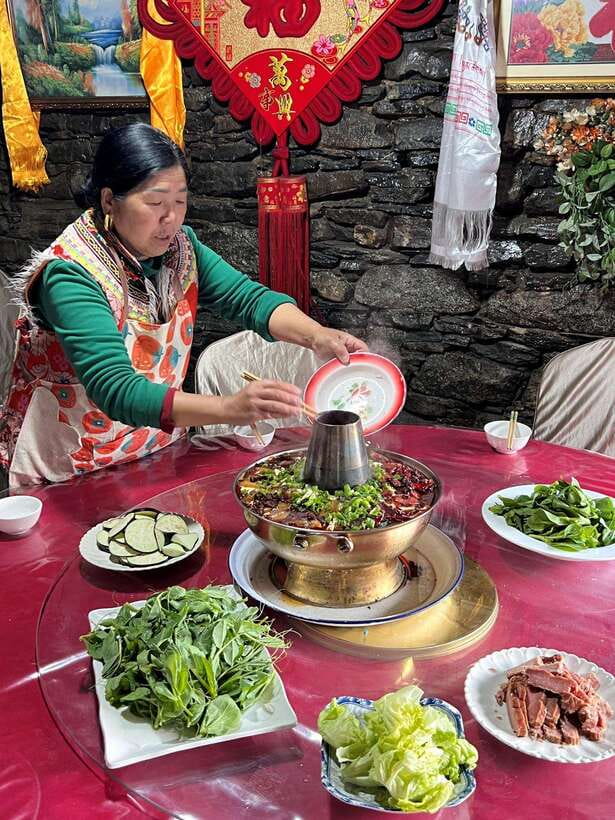
Dinner is a Tibetan yak meat hotpot for about an hour. Even if you’re not sure about hotpot styles, it’s a warm, communal meal that fits the mood of the evening. Hot food also makes sense after a day that includes walking and outdoor time.
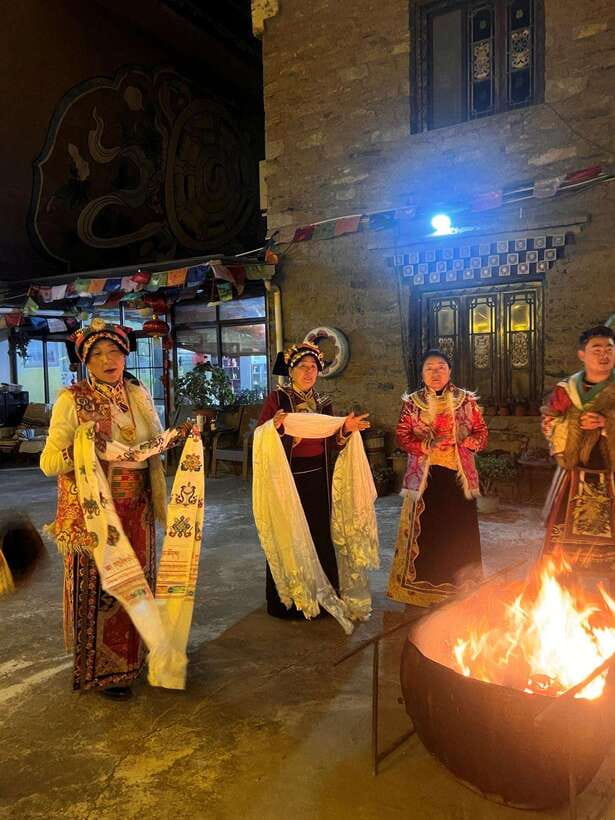
Then comes the social part, and it’s one of the most praised elements. You’ll join in the Guozhuang dance with local Tibetan residents, and you’ll also do the customary Hada exchange, a gesture of respect and goodwill. Even if you don’t dance well, you’re usually guided and included rather than put on display.
The day closes with a bonfire party and barbecue. This is where the atmosphere shifts from activity to celebration. The bonfire creates that simple, human gathering feeling, like everyone is sharing warmth and time together. If you like cultural performances with actual participation, this is the section to look forward to.
One realistic note: dancing around a bonfire means you should be comfortable in the evening outdoors. Bring a layer if you run cold.
Price and value: how $159 fits a full 12-hour culture day
At $159 per person for a 12-hour day, the value hinges on what you want from the experience. You get a long, structured cultural day with a live English-speaking guide, village walking time, hands-on butter tea making, paper-cutting, traditional attire, plus evening food and celebration activities.
Here’s where costs can change:
- Private car round-trip transportation to Ganbao Village is not included at $60 per person. If the day you book offers a transport option, ask clearly what’s covered versus what you’d pay extra for.
- Optional activities like Thangka painting, Tibetan embroidery, and costume photography are not included.
- Lungta paper is also listed as not included.
- Personal expenses are on you.
So the tour is already packed with included activities, but the final total can go up if you add the optional art classes or decide you want extra photo services.
Where this tour feels like a good deal is the balance. You do not just watch cultural items, you learn and participate in key parts of daily-life tradition, especially butter tea and paper-cutting.
Who should book this day tour, and who might not love it
This tour is a great fit if you want cultural contact with a real village setting and you enjoy doing things yourself. You’ll likely like it if you care about:
- Food as culture, especially yak butter tea and Tibetan meals
- Participatory events like dancing and Hada greetings
- Hands-on crafts such as paper-cutting
You might want to skip it if:
- You strongly prefer “sit and observe” sightseeing only.
- You do not want to hike on uneven paths, even if the hike is part of the day’s route.
- You get tired from a full 12-hour schedule.
It’s also listed as wheelchair accessible, and the group is private. That combination can make the day feel more comfortable and flexible than a big bus group.
Should you book the Ganbao Tibetan Village live day tour from Chengdu?
I’d book this if you want a full cultural day with real participation, not just a checklist of sights. The strongest reasons are the hands-on butter tea making, the included paper-cutting, and the evening combination of hotpot, Guozhuang dance, Hada greeting, and bonfire.
If you’re budget-conscious, double-check what’s included versus what costs extra, especially the private car option, Lungta paper, and optional art classes. Once you’re clear on that, the $159 price can feel fair for a full-day, guide-led experience with a lot of moving parts.
FAQ
How long is the Tibetan Village Live as a Tibetan Day Tour?
The tour runs for 12 hours.
How much does the tour cost?
It costs $159 per person.
Where does pickup and drop-off happen?
Pickup and drop-off are listed in Chengdu at Ganbaoxiang.
What language is the tour guide?
The live tour guide speaks English.
What activities are included during the day?
Included activities cover Tibetan lunch, butter-milk tea making experience, Tibetan paper-cutting course, traditional Tibetan attire, yak meat hotpot dinner, bonfire party and barbecue, and Guozhuang dance with local Tibetan residents, plus guide service and fees and tickets.
Is there time for hiking?
Yes. There is a hiking segment of about 1.5 hours.
Are Thangka painting or Tibetan embroidery included?
Thangka painting and Tibetan embroidery courses are listed as not included. They appear as optional activities.
What should I bring?
You should bring comfortable shoes and a passport (a copy is accepted).
Is transportation included?
Private car round-trip transportation to Ganbao Village is not included and is listed as $60 per person. The tour does provide pickup and drop-off in Chengdu.
Can I cancel or pay later?
You can cancel up to 24 hours in advance for a full refund. The tour also offers reserve now and pay later options.
More Tours in Chengdu




More Tour Reviews in Chengdu

Chengdu, reviewed one booking at a time
- Wolong Panda Base Volunteering Program from Chengdu
★ 5.0 · 3 reviews - Mt Emei and Giant Buddha 2 Days Tour
★ 4.5 · 3 reviews - Half-Day Private Hot-Pot Cooking Class with a Local Market Visit
★ 5.0 · 3 reviews - Private 1-Day: Panda and Chengdu Local Life (Make Vlog for you)
★ 5.0 · 3 reviews - Ticket reservation for Chengdu Giant Panda Breeding Base
★ 5.0 · 3 reviews - Sanxingdui Museum Small Group Tour with Optional Panda Base
★ 5.0 · 3 reviews
Tours, compared.
 ★ 4.9From Beijing: Mutianyu Great Wall Tours with OptionsFrom $199,216 reviews
 ★ 4.8Beijing: Forbidden City Tour(Group/Private)-Tickets IncludedFrom $47,974 reviews
 ★ 4.8Beijing: T-Square & Forbidden City Group or Private TourFrom $174,446 reviews
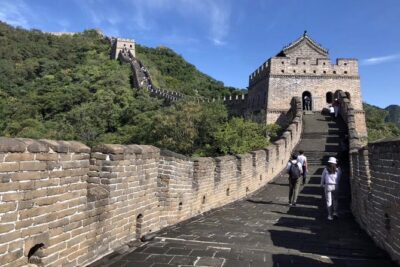 ★ 5.0Beijing: Mutianyu Great Wall Daily Tour with Ticket & LunchFrom $183,056 reviews
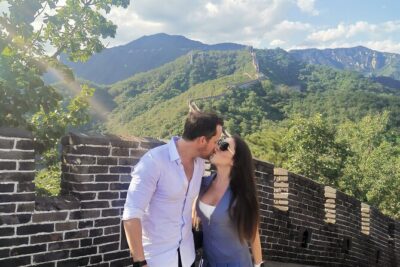 ★ 5.0All-Inclusive Tour: Tiananmen Square, Forbidden City, Great WallFrom $1282,873 reviews
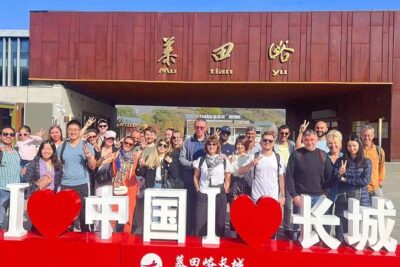 ★ 5.0MuBus: Mutianyu Great Wall ENG/ESP/RUS Guided Bus TourFrom $202,361 reviews
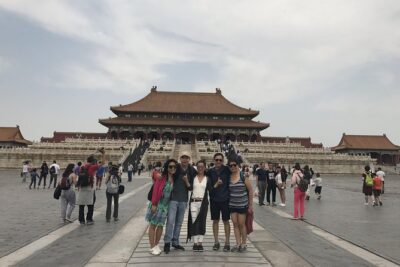 ★ 5.04-Hour Small Group Tour to Forbidden City with Entry TicketsFrom $151,863 reviews
 ★ 5.0Beijing Full Day Tours: Tiananmen Sq, Forbidden City, Great WallFrom $991,634 reviews