
REVIEW · CHINA
Learn cold noodle and wolf-teeth potato at local home
Zigong snacks taste better when you cook them. I love the chance to make cold noodle and wolf-teeth potato the way they’re done back in Zigong, using well salt and the same kind of chili flavor you remember. I also love the calm, step-by-step teaching from Karen, so you always know what comes next. One possible drawback: this is a home-kitchen class, so you’ll be working hands-on in a tight space and moving at the kitchen’s pace.
This experience runs about 1 hour 40 minutes to 2 hours and keeps the group small, with a maximum of 6 people. You start at Zhongxin Road (Zhong Xin Lu, Jin Niu Qu) and end back at the meeting point, and you get a mobile ticket for easy entry.
If you’re worried about spice, tell Karen ahead of time. The class is designed so if you can’t eat spicy food, you won’t be put in a chili situation. Most people can join, and children just need to come with an adult.
In This Review
- Key things that make this class special
- Zigong snacks that belong on your Chengdu food list
- Meeting on Zhongxin Road and getting into the kitchen rhythm
- Cold noodle in a home format, not a restaurant shortcut
- Wolf-teeth potato: learn the frying logic behind the flavor
- Chili oil workshop using a home recipe
- Eating what you made and understanding Sichuan-Zigong flavor
- What you take home: recipes, technique, and confidence
- Price and value for a 2-hour home-style cooking session
- Who should book this cooking lesson
- Should you book this Zigong cold noodle and wolf-teeth potato class?
- FAQ
- How long is the experience?
- What does the $31 price include?
- Where do I meet the host in Chengdu?
- Is transportation included?
- Will I get to actually cook, or just watch?
- Is the group size small?
- Do I need to worry about mobile tickets?
- Can I request less or no chili if I do not eat spicy food?
- What if I have allergies or dietary restrictions?
- Is there an age requirement?
- What is the cancellation policy?
Key things that make this class special
- Zigong techniques at a real home kitchen, taught by someone with deep local roots
- Two popular Zigong snacks, cooked start to finish, not just tasted
- Karen’s hands-on guidance, with clear, practical instruction each step of the way
- Chili oil from a home recipe, plus the option to reduce or skip chili
- All ingredients, snacks, and equipment included, so you can show up and cook
Still weighing it up? These Chengdu bookings scored well when we went through them.
- Chengdu: Giant Panda Breeding Research Base Ticket★ 4.5 · 580 reviews
- Half-Day Chengdu Cooking Class with a Local Market Visit★ 5.0 · 465 reviews
- Tuktuk Food Tour Through Chengdu’s Local Eats★ 5.0 · 435 reviews
- Private Half-Day Chengdu Panda Breeding Center Tour with Optional Volunteer★ 5.0 · 353 reviews
Zigong snacks that belong on your Chengdu food list
Chengdu gets all the attention for Sichuan pepper heat, but I love the angle of Zigong snacks. Zigong is known for well salt, and you can feel how that base flavor changes everything. When salt tastes right, it becomes the backbone under noodles and potatoes, not just background seasoning.
Cold noodle and wolf-teeth potato are both street-food staples in Zigong. They’re the kind of after-school snack you could grab fast, eat quickly, then head home. In this class, you get that same idea, except you do the work yourself, and you learn what makes the flavor click.
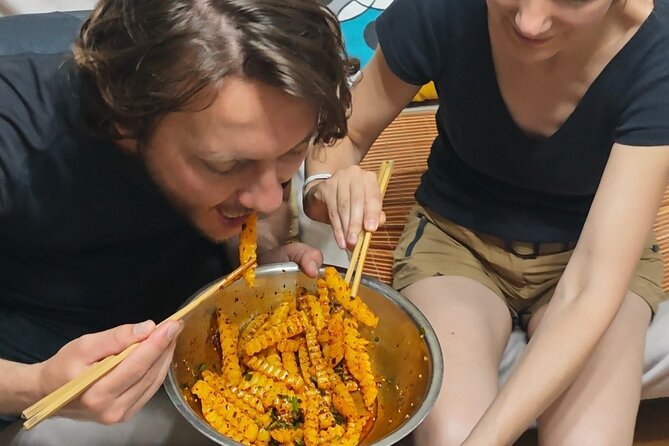
What I think makes this experience worth your time is that it’s not a lecture. You’re chopping, cooking, steaming, cooling, and seasoning in a guided flow. You also get a recipe you can use later. That’s the real win: you’re leaving with something you can reproduce, not just a memory of a tasty bite.
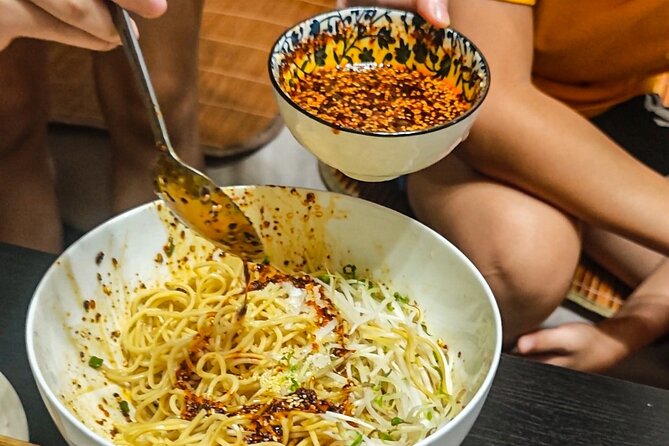
And yes, the chili matters. You’ll learn how to make chili oil using a home recipe. If you’re a spice fan, you’ll understand why the oil tastes the way it does. If you’re not, you can keep it mild and still enjoy the snack.
Meeting on Zhongxin Road and getting into the kitchen rhythm
The meeting point is Zhongxin Road, in Jin Niu Qu area of Chengdu. It’s near public transportation, so you’re not locked into taxi time. The session lasts roughly 1 hour 40 minutes to 2 hours, and you return to the same spot at the end.
Since this is a small group class with a maximum of 6 people, you should expect more attention than you’d get in a large workshop. You’ll also feel the kitchen logic: things happen in order, and you’ll follow along step by step. Show up on time so you don’t slow the flow.
What’s included is practical, not vague. You get snacks, all the ingredients, cooking equipment, an apron, and water. A recipe is included too, which matters because chili oil and seasoning are hard to guess later if you only rely on taste.
If you have any food allergy or dietary restrictions, tell Karen. The instructions are clear that you should let the host know ahead of time. If spicy food is a problem for you, say so early and the class won’t add chili for you.
Cold noodle in a home format, not a restaurant shortcut
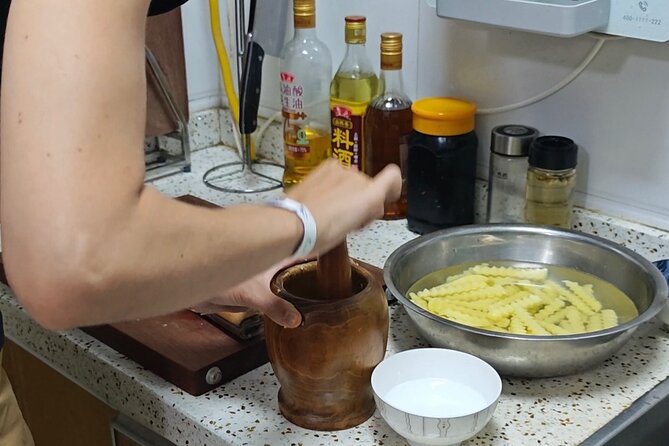
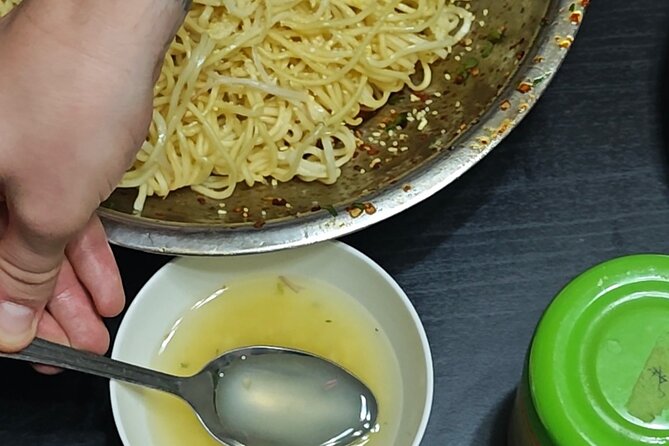
Cold noodle sounds simple, but the details are where Zigong style shows up. In this class, you’ll learn the ingredient basics and the process for making cold noodle, then you’ll cook it under Karen’s instruction.
A key part is the steaming and cooling steps. Cooling is not just a timing trick, it changes the texture and how the noodle holds onto seasoning. You’ll follow the method Karen teaches, and you’ll see how the noodle stays smooth and ready for the cold, seasoned final bite.
You’ll also be working with well salt, which is a signature theme of Zigong cuisine. That salt taste is different from generic table salt, and it affects the whole flavor chain. Instead of relying on heavy sauce, the seasoning feels balanced and built-in.
This is also a good class if you like learning by doing. You’re not waiting for someone else to cook while you watch. You cut, cook, steam, cool, and then taste what you made.
The drawback here is also the most normal one: if you’re expecting a hands-off experience, this is not it. You’ll be active the whole time. If you’re okay with that, you’ll have a much better outcome.
Wolf-teeth potato: learn the frying logic behind the flavor
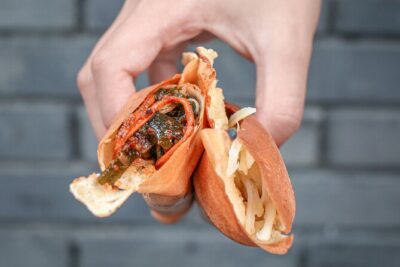
Wolf-teeth potato is the other half of the Zigong snack duo. Karen introduces the ingredients and then guides you through how to cut and fry the potato using the authentic method.
Frying is where snacks become addictive. The goal is a crispy exterior with a texture that still feels satisfying once you bite into it. What I like about learning this at home is that you understand the timing and handling, not just the final result.
Since the class focuses on your instruction, you’ll get a chance to do the key work steps, not only observe. That includes cutting and frying under guidance. If you’ve never cooked this type of snack before, don’t panic. Karen’s style is described as very clear, and the kitchen steps are quick once you understand the rhythm.
After frying, you’ll taste what you made. That tasting moment matters because it tells you what seasoning level works for you. You’ll also learn how Sichuan and Zigong cuisine characters show up through salt, chili, and balance, so your next attempt at home feels less like guessing.
If you’re sensitive to spice, you’re covered. The class notes that if you can’t eat spicy food, you won’t be put into chili. That means you can still learn the frying method without forcing your comfort level.



Chili oil workshop using a home recipe
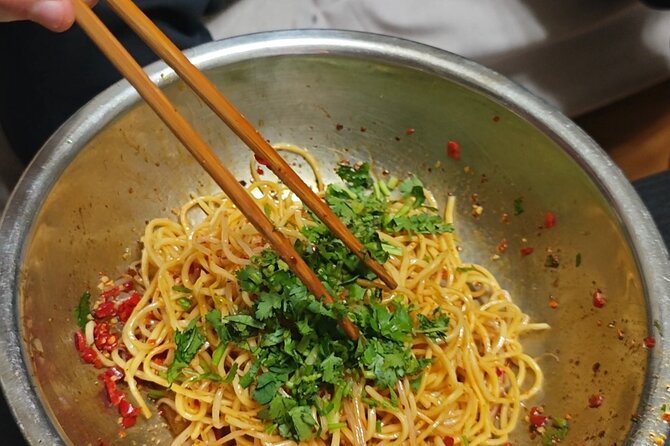
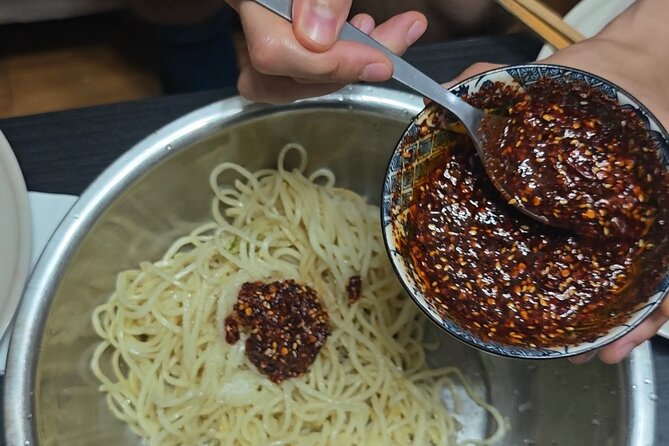
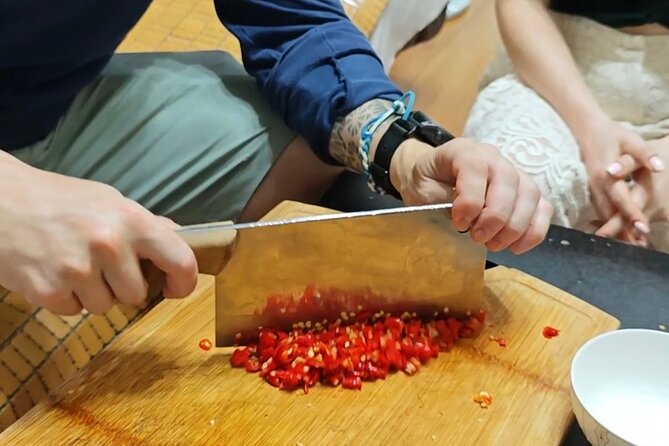
One of the most useful parts of the class is chili oil. Karen teaches how to make chili oil using a home recipe, so you’re not just adding bottled sauce and calling it done.
Chili oil is a flavor shortcut, but it’s also a control panel. Make it, and you can decide heat level, oil intensity, and how chili aroma carries into the snacks. That’s why this lesson sticks. After one class, you can build sauces for noodles, potatoes, and even simple stir-fries.
The class also gives you a safety valve: if you can’t eat spicy food, you won’t get chili added. That’s important because chili oil can easily become overpowering if you’re not ready for it. Tell Karen early, and you’ll cook at a pace that fits you.
What I love is that you learn the process alongside the snacks. If you only learn the noodles and potatoes, chili still feels like an add-on. Here, it’s part of the cooking workflow.
Eating what you made and understanding Sichuan-Zigong flavor
After you finish cooking each dish, you taste your work. That’s not a tiny detail. Tasting is where you learn. You’ll notice how salt and chili oil affect the noodle texture and how the fried potato holds flavor.
Karen also shares characteristics of Sichuan and Zigong cuisine during the class. You’ll get context that helps you make sense of what you’re tasting. For example, Sichuan cooking often emphasizes layered seasoning and that mix of heat and savory. Zigong brings well salt into the mix, which can make the flavor feel rounder and more anchored.
This is also one of the reasons the experience feels authentic. The story behind the snacks is personal. The host was born in Zigong, with family connections to the salt industry, and her family learned cooking methods at home. That background matters, because you can feel the difference between a generic cooking class and a true family method.
If you’re homesick for Sichuan-style comfort food, this is a direct path back. And if you’re new to Sichuan, it’s a friendly introduction through two snack favorites instead of a complicated multi-course meal.
What you take home: recipes, technique, and confidence
This class gives you more than tasting. You leave with a recipe, so you can recreate cold noodle and wolf-teeth potato at home. That alone is a value booster, because it turns your time into a skill you can repeat.
You also get practical tools for success. An apron and cooking equipment are included, so you don’t need to guess what you’ll need. Water is included too, which sounds basic until you realize you’re actively cooking and working in a kitchen setting.
The ingredient quality matters as well. The class includes all food ingredients, so you don’t need to shop for specialized items. You cook with what the host uses for this home-style method.
And then there’s the confidence factor. Because Karen guides you step by step, you’re not just following a blur. The teaching style is meant to keep you oriented at every stage, from ingredient prep to cooking steps and final tasting.
If you’ve tried other cooking classes and felt lost after, this one is structured to prevent that. You end with technique and flavor control, not only a plate of food.
Price and value for a 2-hour home-style cooking session
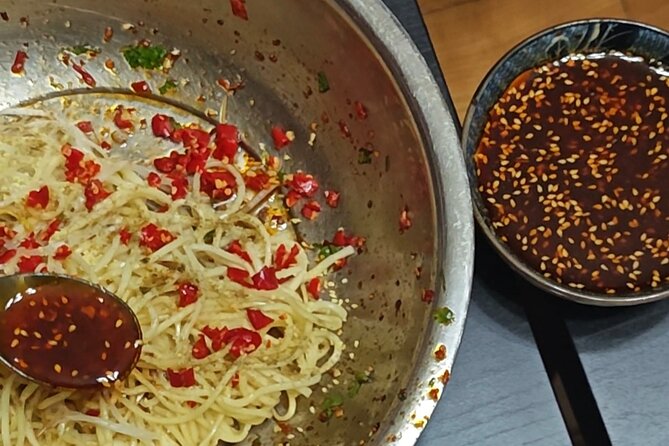
At $31 for about 1 hour 40 minutes to 2 hours, this class feels like strong value if you measure it by what’s included. You’re paying for:
- Snacks that come from the dishes you make
- All ingredients
- A full recipe you can use later
- Equipment and an apron
- Water during the class
- Guided instruction from Karen, with time to cook and taste
A restaurant meal in Chengdu can cost more than that, and it won’t give you a recipe you can reproduce at home. Even if you account for the fact that you’re cooking in a class setting, you’re still getting a complete experience: hands-on work, explanation, and food.
The biggest value piece is repeatability. Cold noodle and wolf-teeth potato are not just “one time foods.” Once you understand the method and the chili oil logic, you can make them for friends or for your own snack cravings.
So the cost makes sense if you like food projects. If you only want a quick bite with no cooking, the value drops. But if you enjoy cooking, learning, and tasting what you produced, it’s a fair price.
Who should book this cooking lesson
This is a best fit if you want authentic Zigong flavors without complicated planning. You’ll like it if you enjoy hands-on cooking and want a practical, repeatable method for two snack classics.
It’s also a good choice if you like small group interaction. With up to 6 people, you get enough attention to ask questions while you work.
If you travel with children, note that children must be accompanied by an adult. The class also states a minimum drinking age of 18 years, which you may or may not care about depending on whether beverages are part of your plan.
Spice sensitivity is handled thoughtfully. If you can’t eat spicy food, you won’t have chili added. If you have allergies or dietary restrictions, you should inform the host before you go.
Should you book this Zigong cold noodle and wolf-teeth potato class?
I’d book it if you want more than “try a snack.” This experience is built around making the snacks yourself, learning the Zigong approach, and getting chili oil skills you can actually use again.
It’s also ideal when Chengdu feels like too much spice overload and you want a snack that’s rooted in salt, flavor balance, and comfort. You’ll walk away with two finished dishes, a recipe, and a method mindset.
Skip it only if you hate hands-on cooking or you want a purely passive tasting session. In a home kitchen, you’ll be involved. If that’s your style, you’ll enjoy the process and the results.
FAQ
How long is the experience?
It lasts about 1 hour 40 minutes to 2 hours.
What does the $31 price include?
The price includes snacks, all cooking ingredients, recipe, apron, water, and cooking equipment.
Where do I meet the host in Chengdu?
You meet at Zhongxin Road (Zhong Xin Lu, Jin Niu Qu, Cheng Du Shi, Si Chuan Sheng, China, 610032).
Is transportation included?
No. Transportation to and from attractions is not included.
Will I get to actually cook, or just watch?
You cook cold noodle and wolf-teeth potato under the host’s instruction, and you also learn chili oil.
Is the group size small?
Yes. The class has a maximum of 6 travelers.
Do I need to worry about mobile tickets?
A mobile ticket is used for admission.
Can I request less or no chili if I do not eat spicy food?
Yes. If you cannot eat spicy food, the host won’t put any chili for you.
What if I have allergies or dietary restrictions?
Let the host know about any food allergy or dietary restrictions.
Is there an age requirement?
The minimum drinking age is 18 years, and children must be accompanied by an adult.
What is the cancellation policy?
You can cancel for free up to 24 hours before the experience. Within 24 hours, the amount paid is not refunded.
More Tour Reviews in Chengdu



Chengdu, reviewed one booking at a time
- Wolong Panda Base Volunteering Program from Chengdu
★ 5.0 · 3 reviews - Mt Emei and Giant Buddha 2 Days Tour
★ 4.5 · 3 reviews - Half-Day Private Hot-Pot Cooking Class with a Local Market Visit
★ 5.0 · 3 reviews - Private 1-Day: Panda and Chengdu Local Life (Make Vlog for you)
★ 5.0 · 3 reviews - Ticket reservation for Chengdu Giant Panda Breeding Base
★ 5.0 · 3 reviews - Sanxingdui Museum Small Group Tour with Optional Panda Base
★ 5.0 · 3 reviews