
REVIEW · NANJING & QINHUAI RIVER TOURS
Nanjing Private Day Tour of The Republic Era with Lunch
A day like this turns Nanjing into a storybook of politics and memory. You get a private guide and a comfortable car, plus built-in lunch, so you can focus on the sites instead of logistics. I like how the plan strings together the Republic-era power centers in a sensible order, then lands on the Nanjing Massacre memorial for context you cannot get from a guidebook.
What I’d call the top strength is the ability to tailor stops. Since it’s private, you can talk through what you want to see and adjust along the way, instead of being stuck with a fixed checklist. I also like that the pacing is realistic for a full day of walking, with comfortable-shoes advice built in.
One thing to keep in mind: two of the major visits are emotionally heavy. If you prefer lighter sightseeing, balance this day with time for quiet breaks and a slower lunch pace, and wear shoes you can stand in for a while.
In This Review
- Key things to know before you go
- Why Nanjing’s Republic-Era Sites Feel Like a Time Machine
- Private Pickup and a Plan That Fits Your Pace
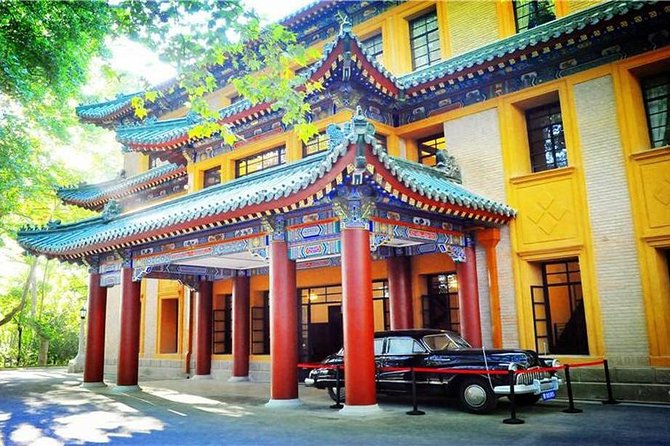
- Sun Yat-sen Mausoleum (Zhongshan Ling): The Morning Anchor
- Meiling Palace and Soong Mei-ling: Power Meets Personal Narrative
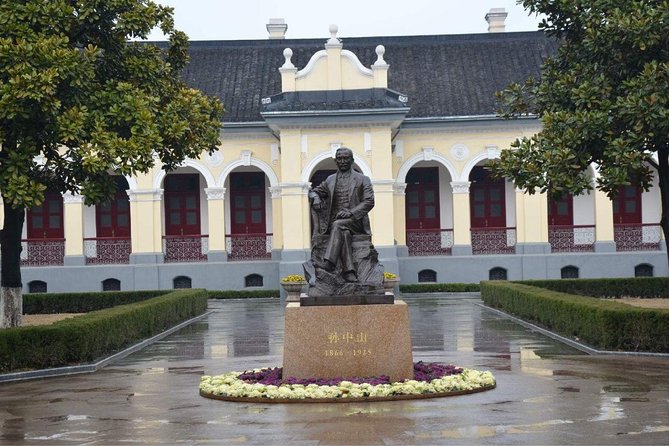
- Presidential Palace of Nanjing: Where the Republic Story Lands
- Memorial Hall of the Victims in Nanjing Massacre: A Heavy Stop With Context
- Lunch and Timing for an 8-Hour Private Day
- Price and Value: What $181 Gets You
- Practical Tips: Shoes, Weather, and Choosing the Right Focus
- Should You Book This Republic-Era Nanjing Private Tour?
Key things to know before you go
- Private guide, just for your group: no crowd herding, you set the pace.
- Hotel or railway station pickup and drop-off: saves time in a big city.
- Sun Yat-sen Mausoleum in the morning: a clean starting point before the city’s power sites.
- Meiling Palace and the Presidential Palace: two consecutive stops that connect the story of the era.
- Nanjing Massacre memorial: a difficult visit that benefits from a guide’s context.
- Lunch included: helps keep energy steady across an 8-hour day.
Nanjing along the Qinhuai
- Flexible Private Nanjing City Highlights Day Tour★ 5.0 · 59 reviews
- Half-Day Private Customized Nanjing City Tour★ 5.0 · 17 reviews
- All Inclusive Nanjing City Private Day Tour with Tailor-Made Highlights★ 5.0 · 17 reviews
- Nanjing Private English Tour Guide Service★ 5.0 · 10 reviews
Why Nanjing’s Republic-Era Sites Feel Like a Time Machine
Nanjing has a way of mixing government history, personal stories, and national trauma in the same neighborhoods. This tour is designed to follow that thread, starting with a foundational figure and moving through the places where leadership decisions played out. If you want your Nanjing day to feel purposeful, this is the structure.
You’ll also get a guide who can connect the dots. Standing in front of formal buildings and memorial spaces is one thing, but hearing how the pieces fit together is what makes it stick. And because this is private, you can ask the questions that matter to you.
The day is built for comfort, but it still expects you to walk. You’ll want to plan for a full 8 hours, not a quick stroll.
Private Pickup and a Plan That Fits Your Pace
Meeting your guide is straightforward: you connect at your hotel lobby or at Nanjing Railway Station. From there, your private driver moves you between stops in a private air-conditioned car, which is a big deal in a city where traffic and distances can eat up your day.
Here’s the real value of the private setup: you can discuss what you want to focus on. On a day like this, interests can vary. Some people want the Republic-era government story in detail, others want more museums, and others need time to absorb the memorial. Your guide can help you make that happen.
One more practical note: the tour provides entrance fees and includes lunch, so you are not constantly juggling tickets, cash, or decision fatigue. That matters when you only have one full day.
Sun Yat-sen Mausoleum (Zhongshan Ling): The Morning Anchor
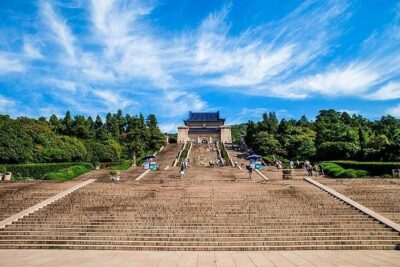
You start with the Sun Yat-sen Mausoleum (Zhongshan Ling), and it’s scheduled for about an hour. This is a strong opener because Sun Yat-sen is treated as the father of modern China, and his legacy becomes the backdrop for the rest of the Republic-era sites.
The mausoleum is listed with admission ticket as free for this tour, which is a nice bonus. More importantly, it sets the tone. Even if you only know a basic timeline, the place encourages you to think in terms of founding ideals and political change.
What to watch for as you go: look for the formal layout and how the site’s scale communicates importance. Places like this tend to be more about symbolism than quick photo stops. Give it your attention, then you’ll be better equipped to follow the story at the next stops.
Potential drawback: it’s easiest to enjoy this part when you’re not rushed. If you start your day late or skip breakfast, you may feel it once walking starts.
Meiling Palace and Soong Mei-ling: Power Meets Personal Narrative
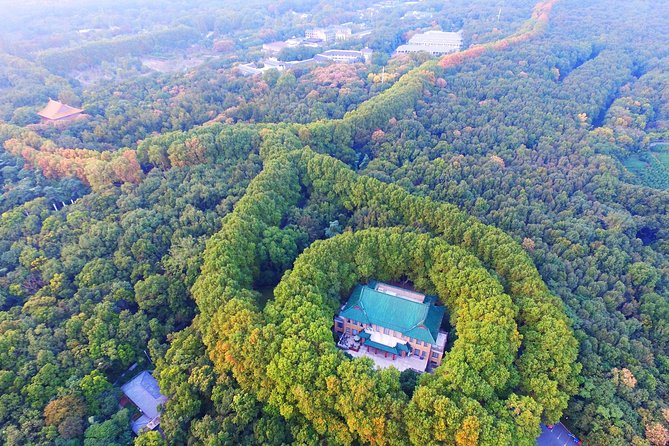
Next up is Meiling Palace, the former residence of Chiang Kai-shek and Soong Mei-ling. This stop also runs about an hour, with admission included.
This is where the tour’s “Republic-era” theme gets more human. Government history can feel distant, but a residence like this makes it tangible. You’ll learn about personal relationships tied to political leadership, including the well-known story around Soong Mei-ling. The palace setting also gives you a calmer contrast after the mausoleum’s solemn scale.
What makes this stop worth your time is the combination of setting plus explanation. Even if you’ve seen photos, being on site helps you understand how domestic space can still reflect power and status.
A practical tip: take a moment to slow down on the grounds and take in the environment. You’ll be walking again soon, so this is a good place to reset your body while your brain absorbs the story.
Potential drawback: if you’re only interested in strictly political buildings, a residence may feel like a detour. Still, it connects because leadership and public life overlap here.
Other Nanjing trips our reviewers kept returning to
Presidential Palace of Nanjing: Where the Republic Story Lands
After Meiling Palace, you move to the Presidential Palace of Nanjing for another hour. Admission is included.
This is one of the key “structure for understanding” stops of the day. The tour frames the building as central to the period when the first Chinese republic was founded by Sun Yat-sen. In other words, you’re not just seeing an old landmark, you’re walking into the political setting that shaped the era’s direction.
Think of it like this: by the time you reach the Presidential Palace, you’ve already met the founder figure at Zhongshan Ling, and you’ve heard about the leadership around Chiang Kai-shek and Soong Mei-ling. Now the Presidential Palace helps stitch those threads into a more coherent picture.
What to look for: focus on the building’s layout and the sense of official space. These places are built to communicate authority, order, and decision-making. A guide can point out what matters, rather than letting you wander through facts without a thread.
Potential drawback: if you prefer short visits to interior-heavy sites, you might want to pace yourself and ask your guide what’s most important to see in the limited time.
Memorial Hall of the Victims in Nanjing Massacre: A Heavy Stop With Context
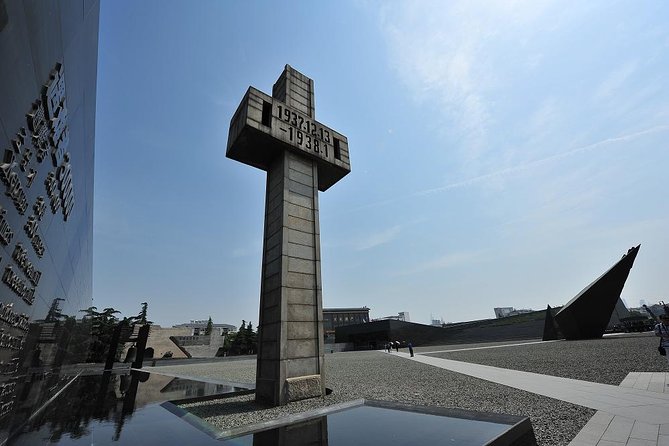
The final major stop is the Memorial Hall of the Victims in the Nanjing Massacre, about an hour, with admission included. This is tied to the Second Sino-Japanese War and is designed to ensure the story is remembered with clarity.
I’m going to be direct here: this stop can be emotionally intense. That does not mean you should avoid it. It means you should handle it intentionally. If you’re prone to overwhelm, plan a small buffer after the memorial, even if it’s just quiet time on your way back to the car.
A guided visit helps because the memorial is not only about “what happened,” but also about how the tragedy fits into the broader historical context. Without context, memorials can feel like they’re asking you to process too much too fast.
Practical advice: bring water and go at a comfortable pace. This is one of those times when “fast photos” can feel disrespectful. Give yourself enough time to read and absorb.
Potential drawback: if your group is exhausted from earlier walking, this may feel like the hardest hour. Comfortable shoes and a calm lunch help a lot.
Lunch and Timing for an 8-Hour Private Day
Lunch is included, and it’s a smart inclusion. With four major stops and travel between them, you’ll want energy that doesn’t come from vending machines and quick snacks.
Because you’re traveling privately with a guide, you can also ask for restaurant suggestions. In one experience linked to this tour style, the guide Savor was praised for helpful restaurant recommendations and even making reservations. Even if your guide is different, it’s worth asking what nearby options are practical and not overly touristy.
Here’s how to plan the day around lunch:
- Eat early enough that the post-lunch phase doesn’t feel like a sleep slide.
- Tell your guide any dietary needs in advance, because the tour asks you to advise specific dietary requirements at booking time.
- Keep it simple. A heavy meal can make the memorial stop harder.
Timing note: the tour is approximately 8 hours. You’ll feel that full day, so treat it like one cohesive outing rather than a “half-day plus errands” plan.
Price and Value: What $181 Gets You
At $181 per person for an 8-hour private tour, the big question is value. For me, the value comes from what’s included and what’s avoided.
You’re not paying separately for:
- Private guide
- Private air-conditioned car
- Hotel or railway station pickup and drop-off
- Lunch
- Entrance fees
You’re also paying for the flexibility that only a private setup provides. With a normal guided group tour, you often have to compromise. Here, you can discuss what sites you’d like to prioritize, and your day can bend to match your interests.
If you’re traveling as a couple or small group, private transport plus guided context can start to feel like money well spent. If you’re solo and price-sensitive, it might be less attractive than a cheaper group option. But given the number of major stops in a single day, this is priced like a “get it done properly” experience.
The real test: can you use the guide time well? If you enjoy asking questions and want context for both the political landmarks and the memorial, you’ll get your money’s worth.
Practical Tips: Shoes, Weather, and Choosing the Right Focus
This tour operates in all weather conditions, so dress appropriately. In practice, that means your comfort matters more than usual. Wear shoes you trust for long standing and uneven walking surfaces.
Also, the tour makes site selection part of the experience. If you’ve already been to a particular attraction, you may be able to choose another option, since the private format lets you decide what to visit.
Here’s how to get the most out of that flexibility:
- Pick one “must-know” theme for your day. For example, the story of the founding era, or the way leadership spaces shaped modern China.
- Decide how heavy you want the memorial portion to feel. If you need extra space, ask for a slower pace and time to absorb.
- Ask your guide what order makes the most sense based on your interests and energy level.
One last thing: since pickup can be from either your hotel or the railway station, confirm your meeting location clearly. It keeps the morning smooth, and you’ll lose less time to uncertainty.
Should You Book This Republic-Era Nanjing Private Tour?
Yes, if you want a single, well-organized full day that ties together major Republic-era sites and ends with the Nanjing Massacre memorial with proper context. You’re paying for a private guide, car, lunch, and entrance fees, and you’re getting the chance to adjust your focus instead of following a rigid group script.
I’d skip it or rethink it only if you dislike emotional memorial stops or if you’re looking for a light, fast sightseeing day. This is meant to be meaningful. If that matches your travel style, book it and wear comfortable shoes.
More Tours in Nanjing
More Tour Reviews in Nanjing
Nanjing On The Qinhuai
Nanjing, reviewed one booking at a time
- Nanjing Private Flexible Day Tour with Professional Guide and Driver Service
★ 5.0 · 4 reviews - Nanjing Self-Guided Day Tour with Private Car and Driver Service
★ 5.0 · 4 reviews - All Inclusive Amazing Nanjing City Highlights Private Day Tour
★ 5.0 · 4 reviews - Private Nanjing China Tours
★ 4.6 · 4 reviews - Nanjing: Night Cruise on Outer Qinhuai River for Adults
★ 4.0 · 4 reviews - Nanjing City Private Customized Day Tour with Lunch
★ 5.0 · 6 reviews
Nanjing & Qinhuai River Tours, compared.
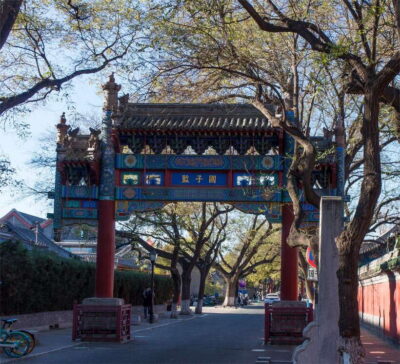 ★ 4.4Beijing: Confucius Temple and the Impercial College E-ticketFrom $792 reviews
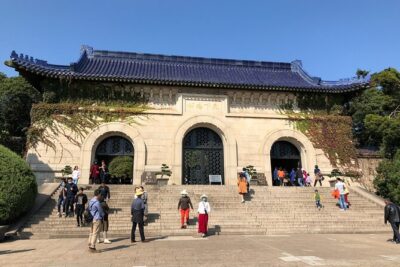 ★ 5.0Flexible Private Nanjing City Highlights Day TourFrom $15059 reviews
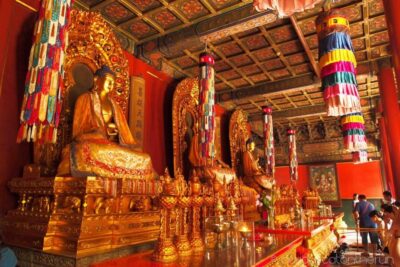 ★ 5.0Beijing: Lama Temple, Confucius Temple and Guozijian MuseumFrom $8023 reviews
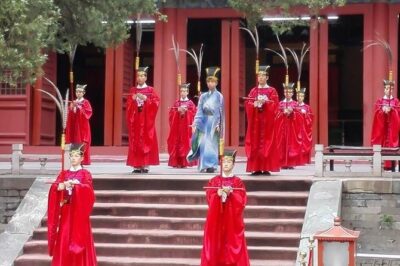 ★ 5.04-Hour Private Tour: Lama Temple, Confucius Temple, Guozijian Museum with Dim SumFrom $9721 reviews
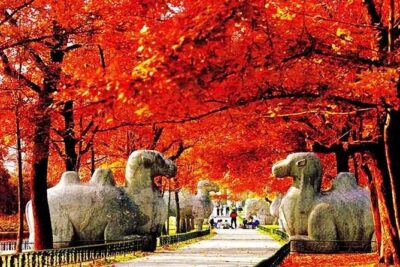 ★ 5.0All Inclusive Nanjing City Private Day Tour with Tailor-Made HighlightsFrom $21217 reviews
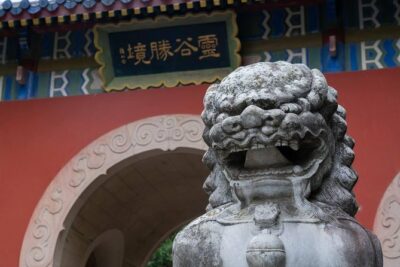 ★ 5.0Half-Day Private Customized Nanjing City TourFrom $12217 reviews
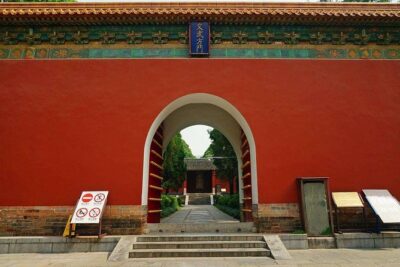 ★ 5.0Nanjing Private English Tour Guide ServiceFrom $7510 reviews
 ★ 5.0Private Flexible Nanjing City Day Trip from Shanghai by Bullet TrainFrom $29810 reviews
Browse the lists this tour appears in