
REVIEW · DINNER EXPERIENCES
Old Beijing Dinner Tour
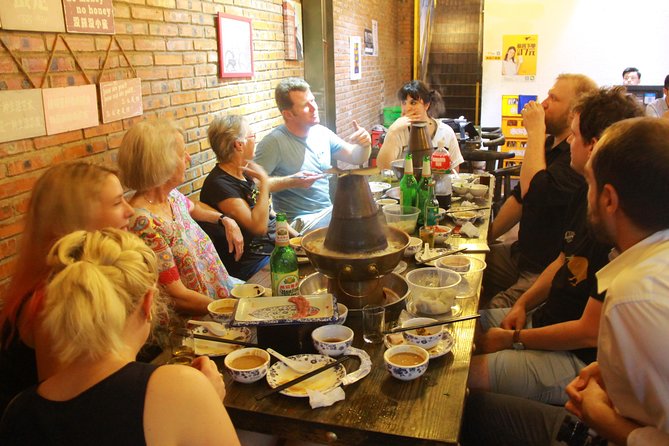
Dinner in hutongs feels like a time machine. This Old Beijing dinner tour takes you off the main streets, down narrow lanes in a remaining hutong neighborhood, and into local, family-run places where ordering is half the skill and the food is the payoff. You’ll also end with a quick stop near Gui Jie (Ghost Street) and a tasting at a rice wine producer.
I really like the small-group format. It keeps things relaxed, and it gives your guide room to explain what you’re eating and why it matters in northern Chinese food culture.
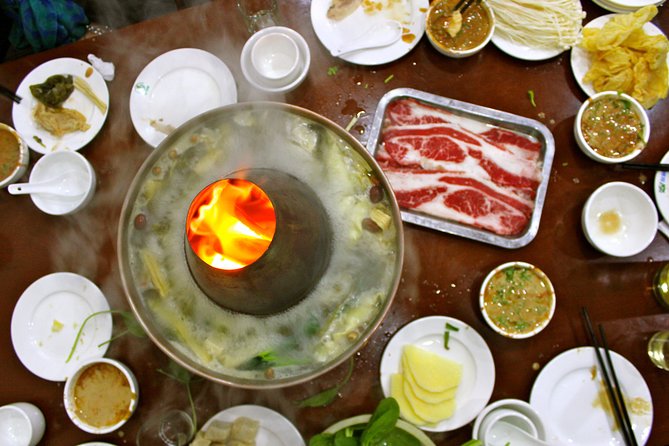
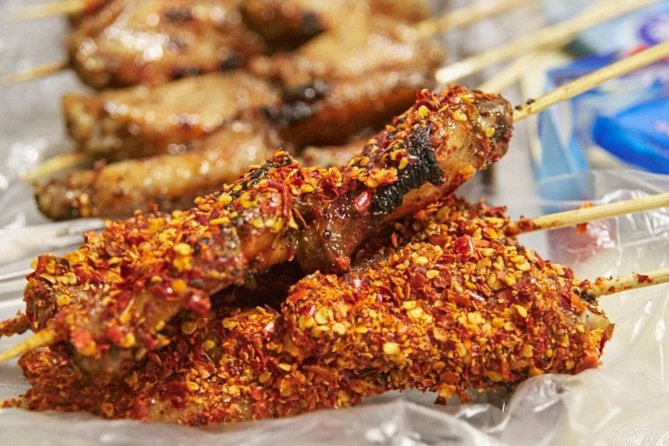
I also like that you don’t leave hungry. The route stacks multiple dinner tastings, including stand-out dishes like Mongolian-style hotpot, hand-stuffed boiled dumplings, and sauced meats, plus a bottle of local beer. One caution: this is a “big dinner,” so if you’re a light eater (or you plan to drink a lot), you may feel food-heavy by the end of the night.
In This Review
- Key Highlights That Make This Tour Worth Your Time
- Old Beijing at Night: Why This Hutong Dinner Feels Different
- Price and Value: What $75 Gets You (And How It Adds Up)
- Meeting at Beixinqiao Station: Timing, Group Size, and How the Night Flows
- Hutong Tour Food Stops: The Northern Dishes That You Can’t Fake at Home
- Why the guide’s route matters in hutongs
- What could slow you down
- How Much You’ll Eat: Portions, Drinks, and the Smart Way to Pace Yourself
- Nuoyan Rice Wine Shop: Mijiu Basics and a Tasting Flight
- What you should look for in this stop
- Gui Jie (Ghost Street) Finish: A Short Snack-Sense of Beijing
- What’s Included Beyond Food: Water, Help, and the Welcome Packet
- Who This Tour Suits Best (And Who Might Skip It)
- Should You Book This Old Beijing Dinner Tour?
- FAQ
- Where does the tour start?
- How long is the Old Beijing Dinner Tour?
- How much does it cost?
- What group size should I expect?
- Is hotel pickup included?
- What food and drinks are included?
- What are some of the dishes you may taste?
- Is there a rice wine stop?
- What is Gui Jie (Ghost Street) in this tour?
- What if I have dietary restrictions or need alcohol-free options?
- What happens if the weather is bad or I need to cancel?
Key Highlights That Make This Tour Worth Your Time
- A hutong route designed for you to actually find the food spots (instead of wandering until your phone battery quits).
- Tastings that add up to a full meal, not a couple of bites and a photo op.
- Beer plus multiple courses during the walking dinner portion.
- A rice wine stop for mijiu basics and a tasting flight at a boutique producer.
- Gui Jie (Ghost Street) at night, known for snacks and evening energy.
- Guides get praised for history and practical ordering tips, with named hosts like Shan, Garth, Kelly, Katie, Eric, Zeben, Julia, and Jesus showing up in different groups.
Other Beijing trips our reviewers kept returning to
- 4-Hour Private Illuminated Beijing Tour with Authentic Chinese Dinner on Hutong Street★ 5.0 · 34 reviews
- Din Tai Fung Dinner and VIP Class River Cruise Experience in Shanghai★ 5.0 · 31 reviews
- Beijing:Temple of Heaven Private Tour w/Option Show & Dinner★ 4.8 · 18 reviews
- Beijing Imperial Dining Experience at Bai Jia Da Yuan Restaurant with Houhai Lake Bar Tour★ 5.0 · 16 reviews
Old Beijing at Night: Why This Hutong Dinner Feels Different
Beijing after dark is a different city than Beijing at noon. The main sights pull you toward wide avenues, big signs, and crowds. This tour aims at the opposite: narrow hutong lanes, smaller local restaurants, and food that locals treat as everyday comfort.
What makes it work is the structure. You’re not just walking. You’re walking with a guide, stopping at multiple places so you taste a range of northern flavors in one evening. Then you add two culture touchpoints, the rice wine producer and a quick look at Gui Jie, which ties the snacks together into a fuller food-and-drink story.
Price and Value: What $75 Gets You (And How It Adds Up)
At $75 per person for about 3 hours, this tour isn’t trying to be the cheapest thing in Beijing. But the value comes from what’s included and how much food you get.
You’re paying for:
- Multiple dinner tastings across local restaurants and stalls
- A bottle of local beer paired with the meal stops
- Bottled water, soft drinks, and local alcoholic beverages
- A guide, plus a welcome packet with restaurant recommendations and local travel tips
The key detail is the amount of food. The dinner tasting stops are described as adding up to a very large meal, and you’ll likely not need to plan another meal for hours afterward. Some people also note it can be more than enough, which is a good sign for value, as long as you manage your portions.
So the smart way to think about it is not $75 for “a walk and a snack.” It’s $75 for a guided night of eating and learning, with enough calories to replace a full dinner.
Meeting at Beixinqiao Station: Timing, Group Size, and How the Night Flows
You start at 7:00 pm near Beixinqiao station in Dongcheng, Beijing. That timing is ideal for hutong evenings, when families and locals are out doing their daily rhythms. You also get a clear meeting anchor, which matters in a city where landmarks can blur fast.
Expect a small group. The standard group size is 8, and in some cases it can go up to 12 with a second guide. That size usually means you can ask questions, learn the order tricks, and get food served without feeling like you’re in a factory line.
The tour ends near the intersection of Dongsi North Street and Dongsi 10th Alley, close to Zhangzizhong Rd Metro (Line 5). After the tour, your guide is happy to help with directions back to your hotel. That matters because hutong neighborhoods can be a little maze-like if you’re doing it alone.
Practical pacing note: you’ll be walking through narrow lanes. Wear comfortable shoes. Keep your phone charged. This is a “move between spots” style evening.
Hutong Tour Food Stops: The Northern Dishes That You Can’t Fake at Home
The heart of the tour is the hutong walking dinner. The idea is simple: Beijing’s food culture is big, but the meals locals actually repeat are usually not lined up on the main tourist strips. Your guide takes you into remaining hutong lanes and into local, family-run spots where residents know the routines.
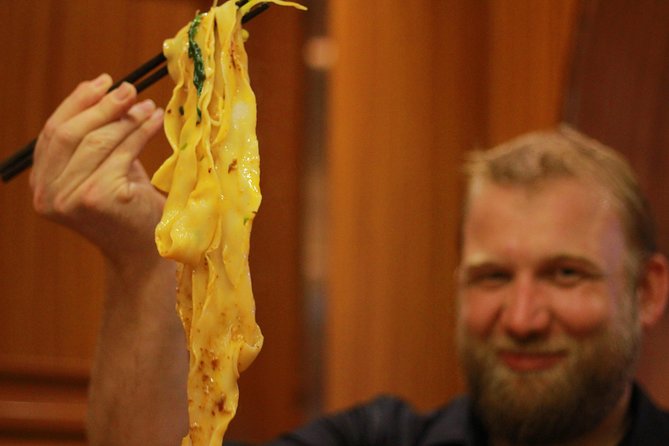
During the hutong portion, you’ll sample a variety of northern Chinese cuisine. The tour description specifically mentions:
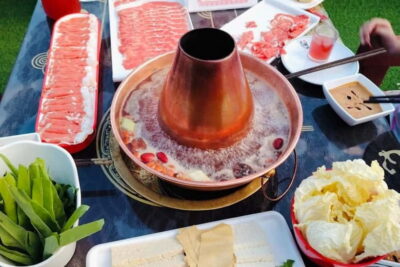
- Mongolian-style hotpot
- Hand-stuffed boiled dumplings
- Beijing’s sauced meats
And in practice, some guides lead with even more variety than you might expect in a single evening. In different groups, you might see favorites like jianbing crepes and noodle dishes showing up as part of the tasting mix. The consistent theme is that you’re not guessing, or translating, or trying to figure out what’s popular to order. Your guide handles the route and the ordering.
Other Beijing trips our reviewers kept returning to


Why the guide’s route matters in hutongs
In hutong neighborhoods, good food can be one small turn away, then another. But those turns are hard to “hunt” on your own, especially when the streets are narrow and the storefronts look similar. With insider knowledge, you spend your time eating instead of walking in circles.
What could slow you down
The only real catch with any hutong-style tour is weather and walking comfort. The tour notes it requires good weather. Also, if you’re sensitive to crowds, narrow spaces, or a faster walking pace, you may want to take it easy and go with a calmer dinner plan another night. For most people, though, this is manageable and fun.
How Much You’ll Eat: Portions, Drinks, and the Smart Way to Pace Yourself
This tour is built around tastings at multiple locations. That means the biggest “planning” choice is how you pace your appetite.
Because it’s a large meal, I’d treat the evening like your main dinner. If you’re the type who wants to squeeze in dessert afterward, you may be fighting your stomach by the end. Some people specifically warn that the food can be too much, so learn from that: don’t slam the first stop.
A practical strategy:
- Start with curiosity, not a full plate on bite one
- Take water between tastings
- If beer is included for you, sip and save the last taste for the last shop
Drinks are part of the experience here. The meal is paired with a bottle of local beer, and you’ll also have bottled water, soft drinks, and local alcoholic beverages included. That combo is why the tour can feel like a full night, not just a food stop.
If you don’t drink alcohol, tell your guide in advance when you book. The tour does ask for dietary requirements in advance notice, and that kind of message helps the team set you up well.
Nuoyan Rice Wine Shop: Mijiu Basics and a Tasting Flight
After you’ve eaten your way through hutongs, you switch from savory to something older and slower. The tour’s next stop is a boutique rice wine producer, where you’ll sample a small tasting flight.
The tour description includes a historical framing. Historians believe rice wine, mijiu, was first brewed by the Chinese around 1,000 BC. It later spread across East Asia, and in Japan it became something similar to sake, while Korea has its own styles such as cheongju.
You’re not going to become a wine professor in 30 minutes. But you will get the context, and you’ll get a taste. That matters because rice wine can be a “wait, is this for me?” moment if you’ve never tried it. A tasting flight keeps it approachable and lets you learn your preferences instead of committing to one pour.
What you should look for in this stop
The most valuable part is what your guide explains while you’re tasting. You’re learning how it’s made and why it shows up in Chinese food culture. If you like learning through small, low-pressure sampling, you’ll enjoy this segment.
Gui Jie (Ghost Street) Finish: A Short Snack-Sense of Beijing
The final named stop is Ghost Street (Gui Jie). You meet your guide at the end of Guijie, and you get to see why it’s one of the most popular streets for coming for snacks.
This part is shorter, about 10 minutes, and it’s listed as free at that point. Think of it as a nighttime food vibe check, not another full course. You’re already full, which makes this a good ending. It’s a gentle “finish line” where you can soak in the atmosphere and maybe pick up ideas for what you want to try later on your own.
Also, ending near the Line 5 metro area makes it easier to get moving again. If you’re tired, you can head out quickly.
What’s Included Beyond Food: Water, Help, and the Welcome Packet
It’s easy to focus on the tastings and forget the supporting details. Here, those details help your night go smoother.
Included items:
- Bottled water
- Soft drinks
- Local alcoholic beverages (along with beer during the meal pairing)
- Guide fee
- A post-tour welcome packet with restaurant recommendations and local travel tips
That welcome packet is useful when you’re trying to extend the trip beyond the tour night. Even if you don’t remember every dish, you’ll have a list of where to go next and how to do it in Beijing.
One more practical perk: after the tour, your guide helps with directions back to your hotel. That can save time and stress, especially if your hotel is not near a major metro line.
Who This Tour Suits Best (And Who Might Skip It)
This tour fits best if you want:
- An off-the-tourist-streets hutong walk
- A guided way to order and sample northern Chinese favorites
- A night that combines food, drink, and cultural context
- A small-group experience, not a big group scramble
It’s also a strong choice if you’re new to Beijing food. The guide role is a big deal here. You’re not just eating, you’re learning what the dishes are and why they show up in everyday Beijing life.
Consider skipping or switching plans if:
- You hate walking or don’t do well in narrow, busy street spaces
- You’re extremely picky and want only one type of food
- You have dietary needs that you’re not planning to share when booking
- You want a light, early meal rather than a full dinner-sized tasting route
The tour does say most travelers can participate, so it’s generally approachable. Still, your comfort matters.
Should You Book This Old Beijing Dinner Tour?
I’d book it if you want a guided way to eat your way through Old Beijing without guessing. The biggest selling point is that the tastings add up to a real dinner, and the route is designed to take you where you likely would not find on your own. Add the rice wine tasting flight and the quick Gui Jie finish, and you get more than just food. You get a food night with context.
I’d think twice if you’re sensitive to lots of food and drink. Go in hungry, sure, but also go in ready to pace yourself. And if weather is unreliable, keep an eye on the tour’s weather requirement, since it does require good weather.
If you want one practical pick for your Beijing schedule, this is it for a night when you’d rather eat locally than hunt for menus alone.
FAQ
Where does the tour start?
It starts near Beixinqiao station in Dongcheng, Beijing, with the listed address at Dongzhimen, Dongcheng, Beijing, China 100009. Start time is 7:00 pm.
How long is the Old Beijing Dinner Tour?
The duration is listed as about 3 hours.
How much does it cost?
The price is $75.00 per person.
What group size should I expect?
The standard group size is 8 people, and some groups can be up to 12 people with a second guide.
Is hotel pickup included?
No. Hotel pickup and drop-off are not included.
What food and drinks are included?
You’ll have dinner tastings at multiple local spots, plus bottled water. The meal is paired with a bottle of local beer, and soft drinks and local alcoholic beverages are included.
What are some of the dishes you may taste?
The tour description mentions Mongolian-style hotpot, hand-stuffed boiled dumplings, and Beijing’s sauced meats. You’ll also likely taste a variety of northern Chinese dishes during the walking dinner stops.
Is there a rice wine stop?
Yes. The tour includes a stop at a Nuoyan rice wine shop, where you sample a small tasting flight and learn about rice wine (mijiu).
What is Gui Jie (Ghost Street) in this tour?
Gui Jie (Ghost Street) is a short 10 minute stop where you meet your guide and see why it is popular for snacks. That portion is listed as free.
What if I have dietary restrictions or need alcohol-free options?
You’re asked to advise dietary requirements at time of booking with advanced notice so the team can cater to restrictions. The tour includes local alcoholic beverages, including beer, so mention your needs early.
What happens if the weather is bad or I need to cancel?
The tour requires good weather. If it’s canceled due to poor weather, you’ll be offered a different date or a full refund. You can cancel up to 24 hours in advance for a full refund.
More Dining Experiences in Beijing

More Tours in Beijing
More Tour Reviews in Beijing
Beijing, reviewed one booking at a time
- Xian: Must see Eternal Love or Camel Bell Legend show Ticket
★ 5.0 · 3 reviews - One day tour to downtown Tianjin from Beijing by high speed train
★ 5.0 · 3 reviews - Ming Tombs Sacred Way & Underground Palace & Water Wall P Tour
★ 5.0 · 3 reviews - Beijing Mutianyu Great Wall Small Group Tour
★ 4.5 · 3 reviews - Return Bus to Badaling Great Wall
★ 3.0 · 3 reviews - Private Tour to Lama Temple, Tian’anmen Square and Forbidden City
★ 5.0 · 3 reviews
Dinner Experiences, compared.
 ★ 5.0Shanghai Night River Cruise Tour with Xinjiang Style Dining ExperienceFrom $155324 reviews
 ★ 5.0Shanghai: Night River Cruise Tour with Xinjiang Style DiningFrom $153210 reviews
 ★ 4.9Xi’An: Tang Dynasty Show Ticket w/ Transfer or DinnerFrom $3384 reviews
 ★ 4.5Xi’an Tang Dynasty Show Ticket Optional Dumplings or Royal DinnerFrom $3775 reviews
 ★ 5.0Shanghai Night River Cruise VIP Seating with Private Transfer and Dinner OptionFrom $13964 reviews
 ★ 5.0Wuzhen and Xitang Water Town Private Full Day Trip from Shanghai with Lunch and DinnerFrom $28460 reviews
 ★ 5.0Shanghai Night River Cruise VIP Seat with Authentic DinnerFrom $16855 reviews
 ★ 3.8Shanghai Tower: Lunch or Dinner on the 119th FloorFrom $8545 reviews
Browse the lists this tour appears in