
REVIEW · CHINA
Shanghai: Dragon Beard Candy Making with a Chef
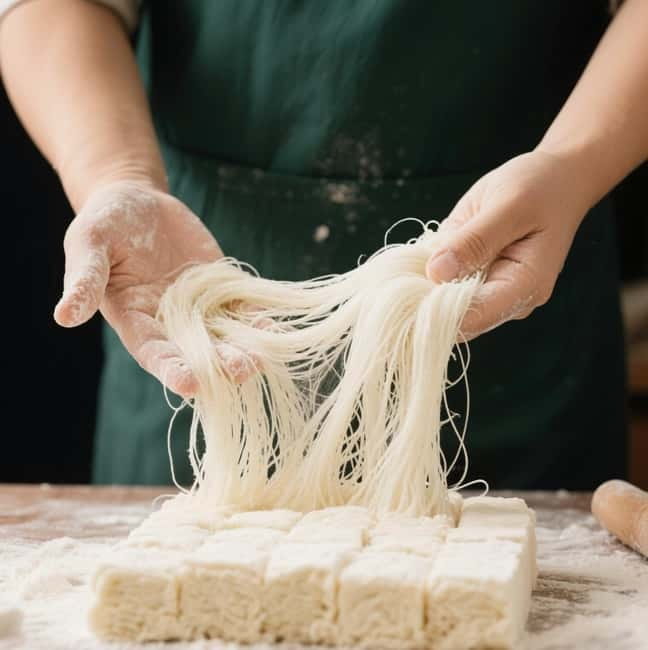
Dragon beard candy starts with silk-thin sugar. This hands-on Shanghai workshop turns a 2,000-year royal treat into something you can actually make, led by a pastry chef trained in both Chinese pastry and classical French patisserie from Le Cordon Bleu. I like that the host is Shanghai born and raised, so the candy story and the technique feel grounded in real local know-how.
I love the step-by-step process, especially the part where you stretch and fold the sugar dough 10,000 times until it becomes hair-thin threads. I also like the mix of oriental and western pastry technique, so you get old-school Chinese candy craft plus a cleaner, more precise coaching style from a chef with French training.
One possible drawback: this is true hands-on work with molten sugar, so you should expect it to get a bit messy and delicate at times, not like a purely watch-and-leave show.
In This Review
- Key Things I’d Chase in This Workshop
- Why Dragon Beard Candy Feels Like a Small Magic Trick
- Meet Your Chef Host, and What That Training Means for You
- Inside the 2-Hour Flow: From Royal Legend to Your First Threads
- 1) A quick story about a royal sweet
- 2) A live demonstration with molten sugar
- 3) Your turn, with hands-on coaching and 10,000 folds
- 4) Wrap your threads around crushed peanut, sesame, and coconut filling
- 5) Take-home time, plus extra pastries and a recipe
- Price and What You’re Really Paying For
- The Best Parts to Look Forward To
- Technique you can explain later
- Clear teaching in English
- Local insights from a Shanghai-born host
- A cultural story that sets the mood
- What to Know Before You Go (So You Enjoy It More)
- Meeting Point and How to Plan Your Time
- Who This Workshop Suits Best
- Book It or Skip It? My Practical Recommendation
- FAQ
- How long is the Dragon Beard Candy making workshop?
- How much does the class cost?
- Is the instructor available in English?
- What do I make and what can I take home?
- Where do I meet the instructor?
- Is the workshop wheelchair accessible?
Key Things I’d Chase in This Workshop
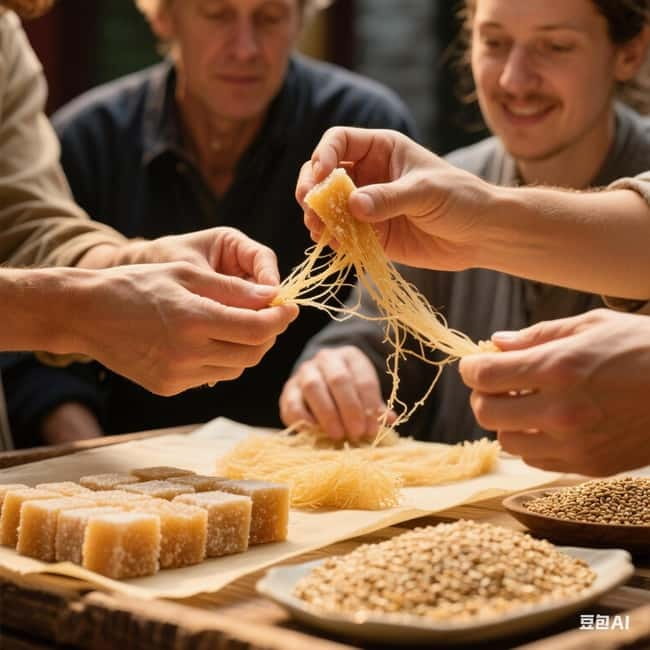
- Le Cordon Bleu-trained instruction with a Chinese pastry base, for technique you can repeat
- 10,000 folds to learn the texture you need for real dragon beard candy strands
- A live molten sugar demo before you start, so you know what success looks like
- Cultural context first, including a quick 2,000-year history story of the candy
- Peanut, sesame, and coconut filling, wrapped into threads you made by hand
- Take-home value, including additional pastries plus a recipe to recreate it
Still weighing it up? These Shanghai bookings scored well when we went through them.
- Authentic Local Food Tour in Central Shanghai★ 5.0 · 1,382 reviews
- Zhujiajiao Water Town and Shanghai City Private Day Tour★ 5.0 · 1,016 reviews
- Private Shanghai Full Day City Tour with Old and New Highlights★ 5.0 · 995 reviews
- Shanghai: Hop-on Hop-off Bus Ticket and Optional Attractions★ 3.4 · 692 reviews
Why Dragon Beard Candy Feels Like a Small Magic Trick
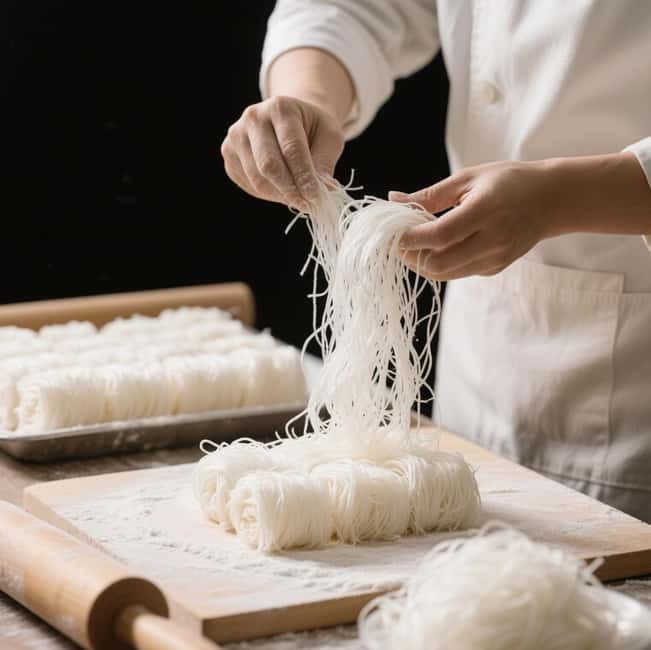
Dragon beard candy is one of those foods that sounds almost impossible until you see the sugar move. In this class, the process is simple to describe, but hard to master on the first try. That tension is part of the fun. You watch molten sugar become fine strands, then you do the stretching and folding that turns that sugary mass into something thin enough to pull like thread.
What makes this workshop especially appealing is how it’s taught. You’re not just getting a recipe. You’re learning a technique: how the sugar changes with heat and handling, and how the dough needs to be stretched and folded to reach the right texture. Then you add the finishing step, wrapping it around a filling made from crushed peanuts, sesame, and coconut. The result is a treat that’s both playful and satisfying, because it’s clearly handmade.
And yes, it’s sweet. The class also builds in a practical rhythm: a story and demo, then your turn at the hands-on part, then take-home time. If you’re the kind of person who likes making something you can eat while it’s still warm from effort, this fits.
Meet Your Chef Host, and What That Training Means for You
The instructor is not a random sweets enthusiast. This is a professionally trained pastry chef, with classical French patisserie experience from Le Cordon Bleu and a background in traditional Chinese pastry technique. That combo matters, because dragon beard candy is all about precision. The sugar needs the right consistency, and the stretching needs patience and control.
One of the best practical signals is language and clarity. The workshop is taught in English, and the host explains the steps in a way that’s easy to follow. In the feedback you might find from past participants, Luc is mentioned by name for explaining clearly and answering questions. If you tend to worry about classes when you don’t speak the language, this is exactly the setup you want: you can ask, you can adjust, and you can keep up.
Inside the 2-Hour Flow: From Royal Legend to Your First Threads
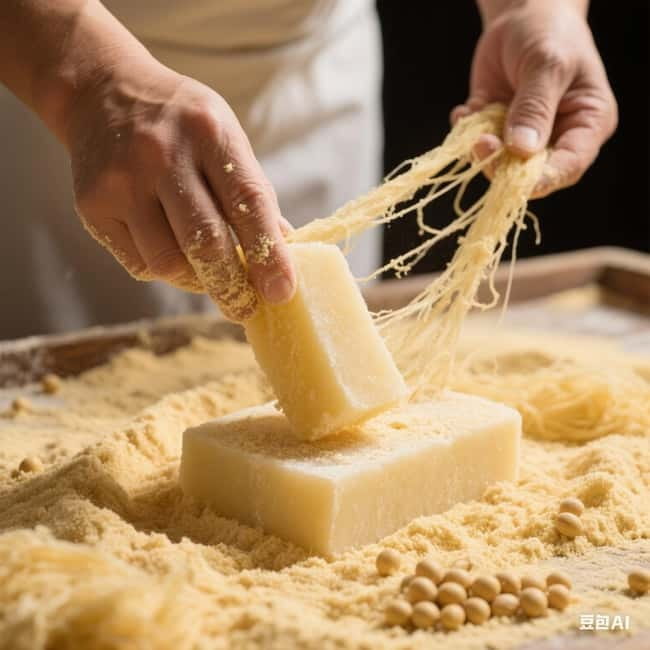
This is a tight 2-hour session. That’s a plus if your Shanghai days are packed. It’s also a sign that the workshop is organized, because dragon beard candy takes real time and attention, especially once you start stretching the strands yourself.
Here’s how the experience usually moves, in the order you’ll feel it:
1) A quick story about a royal sweet
You start with a storytelling session about dragon beard candy’s 2,000-year history. It was once reserved for Chinese royalty, which frames the candy as more than a snack. That context isn’t just trivia. It makes the technique feel purposeful. When you understand where the candy fits historically, you pay closer attention to the steps because you’re treating it like craft, not just sugar work.




2) A live demonstration with molten sugar
Next comes the demonstration. You’ll watch the chef transform molten sugar into silky strands that resemble a dragon’s beard. This step is key because you get a visual target. Before you stretch anything, you see how the sugar should flow and how the strands look when they’re ready.
A good demo also helps you avoid one common mistake: trying to rush the stretching before the texture is right. Even if you don’t know what “right” feels like yet, you’ll recognize it when you see it.
3) Your turn, with hands-on coaching and 10,000 folds
Now the class turns into practice. You stretch and fold the sugar dough over 10,000 times. That number isn’t just dramatic marketing. It’s the process required to develop the thin thread consistency.
Expect the chef’s guidance to matter here. You’re learning how to handle a delicate, changeable sugar dough. This is where professional teaching helps: you’re not left to guess. You’re coached step-by-step on the traditional Chinese pastry technique, then guided through the motions until your sugar behaves like the strands you saw in the demo.
4) Wrap your threads around crushed peanut, sesame, and coconut filling
Once you have the strands, you wrap them around a filling made from crushed peanuts, sesame, and coconut. This step turns the “technique” part into the “food” part. It also gives you a satisfying moment: the candy starts to look finished, not just stretched sugar.
Because the filling is already prepared, you’re not juggling extra tasks. That keeps the focus where it belongs, on the candy’s texture and structure.
5) Take-home time, plus extra pastries and a recipe
By the end, you take your handmade dragon beard candy. You also get additional pastries to take home, and you receive a recipe to recreate the candy at home. Optional photos are included too, if you want proof that your hands did the work.
That take-home package is one of the strongest reasons this class can be good value. You’re not paying just for an hour of entertainment. You leave with food, materials to try again later, and instructions you can reference when you want a second attempt.
Price and What You’re Really Paying For
At $38 per person for a 2-hour class, this isn’t cheap like a casual food stall stop. It’s priced like an actual skills workshop. The value comes from three things you can’t easily DIY from home without time, tools, and coaching:
- Pro instruction from a Le Cordon Bleu-trained chef, plus guidance on traditional Chinese pastry technique
- All high-end ingredients and baking equipment provided
- A structured lesson, not just a casual tasting, including a recipe to recreate at home
Also, the class includes free drinking water. It’s small, but it matters when you’re doing sticky, sugar-heavy work and you don’t want to worry about refreshments.
If your goal is to eat Shanghai food by hopping from shop to shop, this is a different type of experience. You’re paying for hands-on creation and technique training. For many people, that’s exactly what makes it worth it.
The Best Parts to Look Forward To
This workshop has a few standout strengths that are very easy to feel while you’re doing it.
Technique you can explain later
Dragon beard candy is famous for being tricky. The stretching and folding are distinctive enough that you’ll be able to talk about what you did, not just what you ate. That’s a travel memory that stays with you.
Clear teaching in English
Because the instructor teaches in English and answers questions, you can focus on the task instead of translating everything in your head. If you like learning while you travel, this is a sweet spot.
Local insights from a Shanghai-born host
In feedback, the host’s Shanghai background is highlighted, including recommendations for places to visit. That means the class isn’t sealed off from the rest of your day. It can be a useful anchor for planning your next neighborhood wander.
A cultural story that sets the mood
The 2,000-year history lesson gives your candy-making a reason to care. It’s one of those small touches that turns an activity into something more thoughtful.
What to Know Before You Go (So You Enjoy It More)
This is a hands-on class with molten sugar and stretching. That means a few practical mindset tweaks help:
- Expect a slightly messy, tactile session. If you prefer clean, hands-off experiences, this might test your patience.
- Keep your focus on the process, not perfection. The goal is to learn the method and make candy you can take home.
- Wear clothes that you don’t mind getting a little sticky during the stretching and wrapping portion.
One other practical tip: this is a 2-hour format. Bring hunger, but also plan for it to be sweet. You’ll be working with candy flavors and textures from start to finish.
Meeting Point and How to Plan Your Time
The meeting point is 4th flour, Makerhub. Since the session is only 2 hours, it’s worth planning to arrive early enough to find the right spot without rushing. Makerhub is your key reference point, so take a moment to confirm you have the correct level and entrance before you go.
If your Shanghai day includes other food stops, consider scheduling this class when you’re not already committed to a heavy meal right before it. Your hands will be busy and your taste buds will already be in “sweet mode.”
Who This Workshop Suits Best
This class is a strong match if you:
- Want a cultural, hands-on food experience in Shanghai, not just a tasting
- Enjoy learning technique, especially something with a clear visual result
- Like workshops led by instructors who can explain steps in English
- Want take-home value, including additional pastries and a recipe
It’s also a good fit for couples or solo travelers who want a shared activity that creates a memorable, edible souvenir.
If you hate messy cooking or you’re hoping for a mostly observational experience, you might find it too hands-on.
Book It or Skip It? My Practical Recommendation
I’d book this workshop if you want more than a snack and you’re excited by the idea of learning a distinctive candy technique. The combination of 10,000 folds, a demo of molten sugar strands, and a chef with both Chinese pastry knowledge and Le Cordon Bleu training is the real draw. Plus, you’re not leaving empty-handed, with handmade candy, additional pastries, and a recipe.
Skip it if you’re looking for a low-effort, sit-back activity, or if you strongly dislike sticky, hands-on cooking. In that case, there are plenty of Shanghai food experiences that are more relaxed.
If you’re somewhere in the middle, leaning toward “I want to try making something unusual,” this is one of those classes that makes the city feel personal.
FAQ
How long is the Dragon Beard Candy making workshop?
The workshop lasts 2 hours.
How much does the class cost?
It costs $38 per person.
Is the instructor available in English?
Yes, the instructor teaches in English.
What do I make and what can I take home?
You make dragon beard candy with a filling made from crushed peanuts, sesame, and coconut. You can take home your handmade candy plus additional pastries, and you receive a recipe to recreate it at home.
Where do I meet the instructor?
The meeting point is 4th flour, Makerhub.
Is the workshop wheelchair accessible?
Yes, it is wheelchair accessible.
More Tour Reviews in Shanghai





Shanghai, reviewed one booking at a time
- Zhujiajiao Water Town and Shanghai City Highlights Private Day Tour
★ 5.0 · 3 reviews - Zhujiajiao Water Town Private Tour with Local Farm Visit and Fruit Picking
★ 5.0 · 3 reviews - Tongli Water Town Self-Guided Tour with Private Transfer from Shanghai
★ 5.0 · 3 reviews - Shanghai by Night with Fine Local Dinner and VIP River Cruise Experiences
★ 5.0 · 3 reviews - Shanghai Acrobatic Show Tickets
★ 5.0 · 3 reviews - Private Shanghai Layover Tour to Zhaojialou Water Town with Lunch or Dinner
★ 5.0 · 3 reviews