
REVIEW · THE BUND & SHANGHAI SKYLINE TOURS
Shanghai Hidden Histories Walking Tour: Suzhou Creek to The Bund
One sentence hook: Shanghai makes sense at walking pace. This Suzhou Creek to The Bund walk trades the usual photo stops for real explanation, starting with the Sihang Warehouse Memorial Museum and moving through industrial-era bridges and treaty-port clues. I especially liked how the stories feel grounded, not dramatic, and how the guide connects places to what Shanghai became and why you should care.
The second big win for me is the pace, it is designed for noticing details, not just checking boxes. The one thing to plan for is that the walk is a half-day length and includes optional stops where a museum ticket is not included, so wear comfortable shoes and be ready to pay entrance if you want to go in.
In This Review
- Key highlights at a glance
- Suzhou Creek first, because the city starts there
- Getting oriented at the Sihang Warehouse Memorial Museum
- Yanqingli, where preservation meets everyday life
- A treaty-port story hinted at an international communication hub
- Zhapulu Bridge, 1907 steel and the logic of connection
- Waibaidu Bridge, Shanghai’s early steel threshold
- The Bund, a better way to see colonial facades
- What you get for $120, and why it might be worth it
- Coffee, snacks, and the local food pointers you will like
- Pace and group size: calm enough to think, structured enough to learn
- How to get the most out of your photos, without turning the tour into a selfie sprint
- Who should book this walking tour, and who might skip it
- Should you book? My take
- FAQ
- FAQ
- How long is the Shanghai Hidden Histories walking tour?
- What is the meeting point address?
- Where does the tour end?
- When does the tour start?
- How much does the tour cost?
- Is the museum admission included?
- Are coffee or drinks included?
- Is there a digital map or ticket?
- How big is the group?
- Is transportation included?
- What is the cancellation window?
Key highlights at a glance
- A local licensed English-speaking guide who tells the city in a way that actually sticks
- Suzhou Creek’s wartime and industrial legacy, from 1937 through early 1900s infrastructure
- Steel bridge history you can see, including the oldest surviving steel bridge in Shanghai
- The Bund with better context, beyond postcard views of colonial facades
- Small group size (max 6) for easier questions and a calmer rhythm
- A digital citywalk map plus a coffee or tea add-on if you want it
Suzhou gardens, a few more ways in
- Suzhou and Zhouzhuang Water Village Day Trip from Shanghai★ 4.0 · 426 reviews
- Suzhou Private Day Trip from Shanghai with Bullet Train Option★ 5.0 · 366 reviews
- Private Suzhou Day Trip from Shanghai by Bullet Train with All Inclusive Option★ 5.0 · 283 reviews
- Shanghai: All-Inclusive Suzhou Day Trip by Bullet Train★ 5.0 · 137 reviews
Suzhou Creek first, because the city starts there
Most first-time Shanghai itineraries start with the skyline and work backward. This one does the reverse, and I think that is the smartest way to get oriented. Suzhou Creek is not just a waterway. It is a timeline, wartime defense, industrial work, and the practical links that shaped trade along the Huangpu River.
What I like about this approach is that it turns a simple riverside walk into something you can interpret as you go. You stop at places that show how Shanghai shifted from local river town rhythms to a global port city. And instead of rushing to the next viewpoint, you spend time reading what you are looking at.
One more plus, your guide uses a storytelling tone that stays respectful and grounded. Even when the material is heavy, it feels like understanding, not theater.
Getting oriented at the Sihang Warehouse Memorial Museum
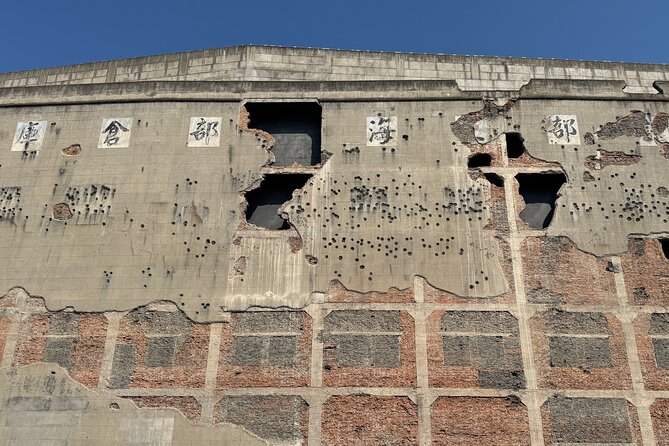
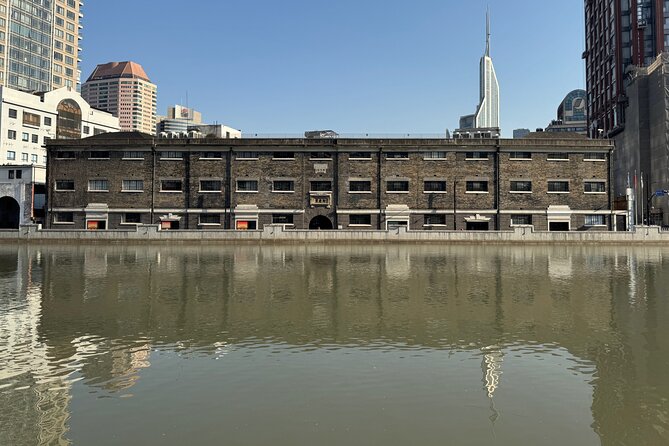
Your walk begins at 245 Xin Zha Lu in Huangpu, and the tone is immediately serious. The first stop is the Sihang Warehouse Memorial Museum, a solemn riverside landmark tied to the 1937 battle scene where 400 Chinese soldiers held their ground.
This stop is short, about 20 minutes, and museum entry is not included. That matters. If you choose to go in, you will pay the admission yourself. If you only do the exterior viewing, you still get the core story and the emotional context for what comes next.
Why this works in a walking tour format: it gives you a reference point before the route turns toward infrastructure and architecture. When you later see bridges and treaty-port-era clues, you will understand the stakes behind why this river corridor mattered.
Practical tip: if you plan to enter, build a little extra time. Even 20 minutes can feel faster than you expect once you are reading memorial plaques and looking at bullet-scarred walls.
Yanqingli, where preservation meets everyday life
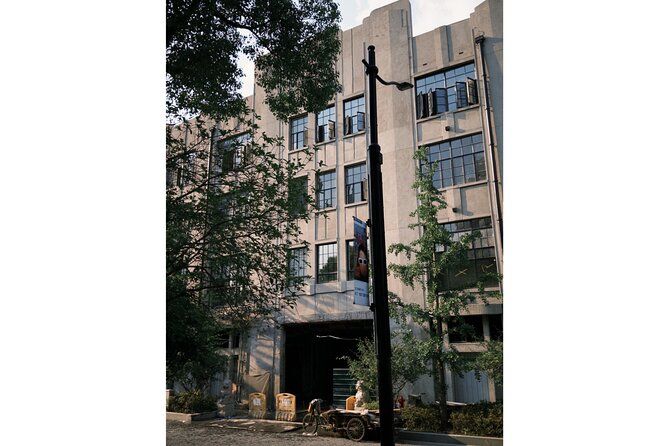
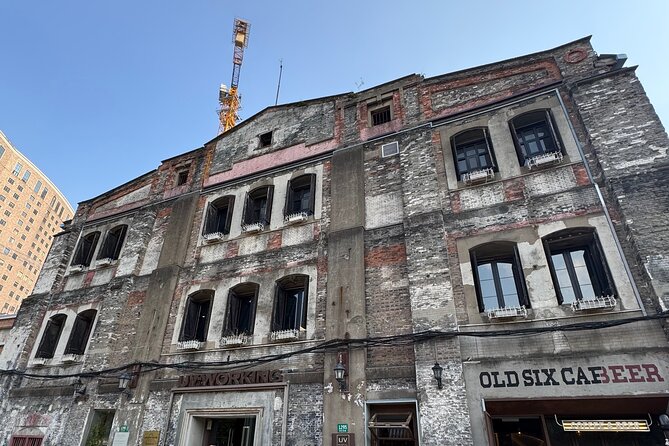
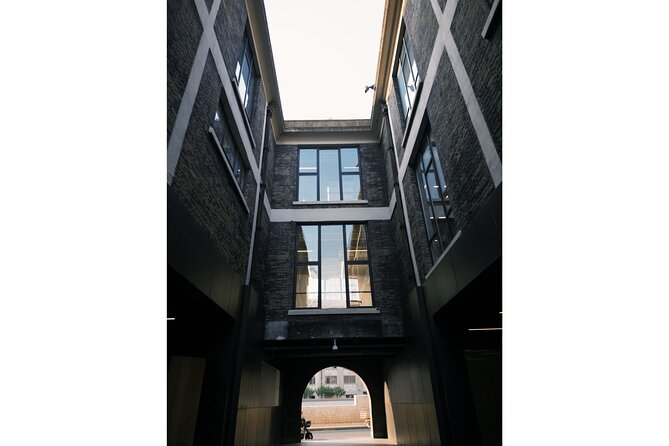
After the memorial tone, the tour softens in a useful way. Stop two is Yanqingli, a preserved area where renovated interiors now host cafes, galleries, and studios.
Even though the stop is only around five minutes, it is valuable because it shows a Shanghai pattern you will keep seeing: preservation is not always about freezing a place in time. Sometimes it is about letting new uses take over so the structures stay alive.
For you, this kind of stop changes how you view the city. Instead of thinking of history as something behind glass, you start noticing how old spaces are being reused. That sets you up nicely for the architectural cues later in the walk.
If you like design details or interior spaces, this stop is also a quick warm-up. You are training your eye for materials, layout, and how building interiors shape what people do inside.
A treaty-port story hinted at an international communication hub
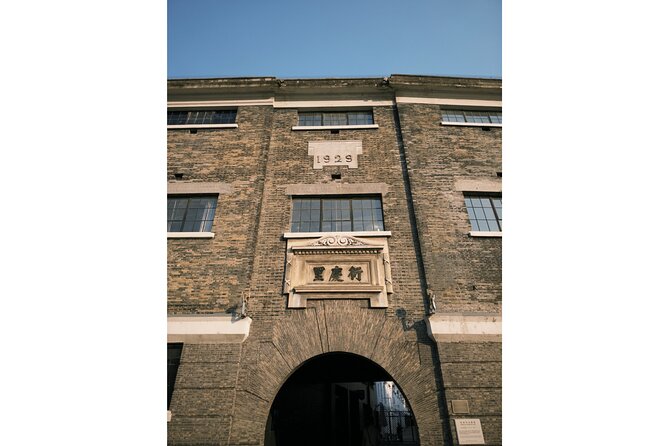
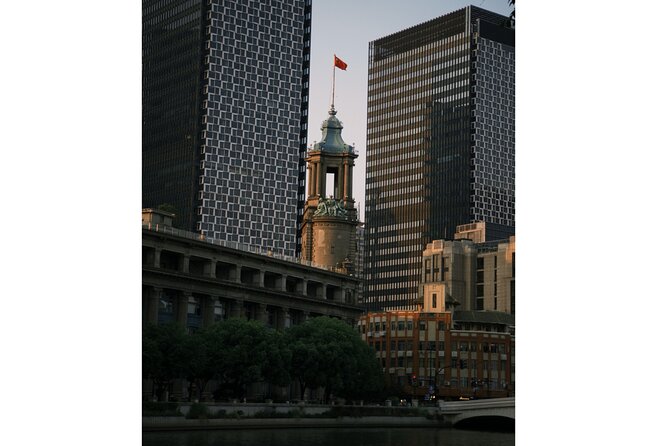
The route includes another short stop focused on a building tied to the treaty port era, where it functioned as a hub of international communication. The key idea is simple: Shanghai’s role as a gateway city was built not only on ships and money, it was also built on communication, people, and ideas.
This stop is brief in the itinerary, so you will not get a full lecture inside one building. Instead, you get the framework, and then you see how later stops reinforce it. I like that. It keeps the walk moving while still giving you meaning.
If you want to get the most out of this segment, do one small thing: look up. In treaty-port Shanghai, the exterior details often tell you what a building was trying to say about trade and connection. Your guide will point out clues, but your eyes help make them stick.
The Bund from other angles
Zhapulu Bridge, 1907 steel and the logic of connection
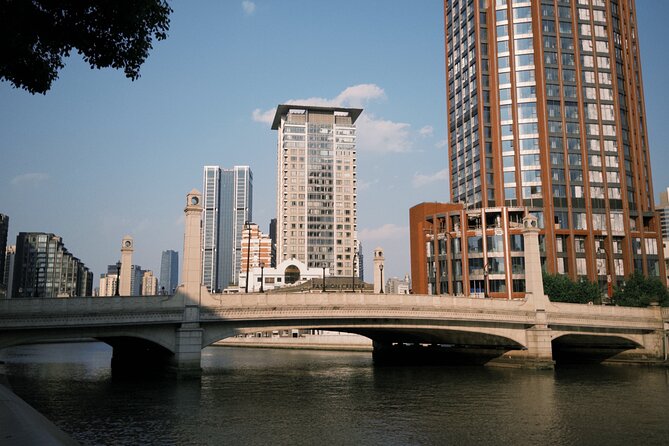
Next you reach Zhapulu Bridge, identified as the Zhapu Road Bridge, one of the oldest surviving steel bridges over Suzhou Creek. Built in 1907, it helped connect the commercial hubs of Hongkou and Huangpu, and it witnessed the commercial flow that makes Shanghai what it became.
This is where the tour shifts from story to engineering with a purpose. Steel bridges are not just a transportation fix. They are a statement about modernization, speed, and how a city plans movement when trade and people increase.
You will spend about 20 minutes here, which is enough time to notice how the bridge fits into the river edge and the surrounding streets. If you are the type who loves seeing how cities work, you will appreciate this stop a lot.
Possible drawback to keep in mind: bridges mean wind and open space. If your day is cooler or windy, dress for it. A comfortable jacket makes the difference between enjoying the walk and feeling annoyed by the weather.
Waibaidu Bridge, Shanghai’s early steel threshold
Then comes Waibaidu Bridge, built in 1908 and described as Shanghai’s first all-steel bridge, also the oldest surviving steel bridge in the city. It spans the mouth of Suzhou Creek as it meets the Huangpu River.
The tour frames this as a threshold between different worlds, and that framing changes how you look at it. This is not just an old bridge. It is a marker of where the river becomes the bigger commercial stage, where local life meets port activity.
Expect about 15 minutes at this stop. Since it is a bridge spanning a key water junction, you will likely spend some time looking for angles and lines, the way the bridge relates to the river bends and the city edges.
If you enjoy architecture and structure, this is one of the strongest segments. It is short, but it is visual. You can compare bridge logic across time, and your guide explains why that matters.
The Bund, a better way to see colonial facades
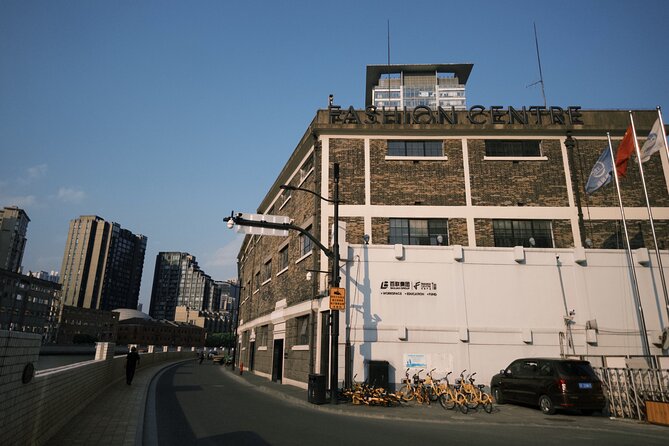
Finally, the walk lands at The Bund (Wai Tan) along the west bank of the Huangpu River. The Bund is commonly treated as scenery. This tour treats it as a chapter.
You will learn how the grand colonial buildings along the promenade once housed banks and trading houses, which ties directly back to the earlier focus on communication, industry, and river-connected commerce. The key benefit is that you see The Bund as a system, not just a view.
You have about 15 minutes here in the itinerary, and that is not long. But the earlier context makes those minutes count. With the bridge stories and treaty-port framing in your head, the buildings look different. You notice what they signal, financial power, international access, and a city built to serve global business.
One practical detail: your tour ends at the Swatch Art Peace Hotel Waitan, near the Bund promenade by East Nanjing Road. It is a convenient finish point if you want to keep walking, grab food on your own, or shift to a museum or shopping stop nearby.
What you get for $120, and why it might be worth it
At $120 per person, this is not a bargain-basement walking tour. So you should ask the value question: what are you really paying for?
Here is what stands out as “worth it” if you like substance over spectacle:
- Licensed local English-speaking guide time, not just a generic route
- A group limit of 6 travelers, which usually means you get answers to your questions instead of feeling like you are part of a herd
- An itinerary built around interpretation, not just a chain of landmarks
- A digital citywalk map that helps you revisit what you learned later
- A small refreshment perk, one complimentary coffee or tea at a selected cafe or one bottled water per person upon request
There is also a subtle value: the tour is designed for a calm, reflective pace. That matters in Shanghai, where many sightseeing days feel like forced speed. If you are the kind of traveler who wants to understand, slow down, and ask why, this format can feel like a bargain even at a higher price.
If you only want iconic skyline views, you might feel the price is high for the time on the water. But if you want a coherent story from wartime defense to treaty-port trade to the Bund facade, the cost starts to make sense.
Coffee, snacks, and the local food pointers you will like
The tour includes coffee or tea, or a bottled water per person upon request. Meals are not included, and any café stops are optional and paid on your own.
Still, this is the kind of tour where the guide’s knowledge can guide your choices. In the experience notes, the guide is said to point out Shanghai favorites like xiaolongbao and crab noodles along the way. That is helpful because it can save you time, especially if you are not sure where to look when you are hungry.
A good way to handle this: eat light before you start, then treat any food suggestions as flexible. You are walking for about three to four hours, so you do not want a heavy meal at the wrong moment.
Pace and group size: calm enough to think, structured enough to learn
This is listed as a 3 to 4 hour activity, and the pacing is explicitly built for discovery rather than box-checking. With a maximum of 6 travelers, you are less likely to feel rushed or lost.
What you will likely enjoy is the rhythm. You get a serious start at the memorial, then a short preserved-area stop, then bridges where you can take in details and ask questions about why a bridge or building was built where it was. By the time you reach The Bund, you have context.
A practical note: your physical fitness level should be moderate. This is not described as extreme hiking, but you should expect steady walking and standing time. Wear comfortable shoes and plan to stay present for a few hours.
How to get the most out of your photos, without turning the tour into a selfie sprint
Photography is part of any city walk, but this route is better when you treat photos as a byproduct. The stops with the most visual payoff are also the ones where your guide’s context changes what you see, the steel bridge angles and the memorial walls.
Try this strategy:
- Take a first photo quickly to capture framing
- Then step back and listen to the story cues
- Take a second photo after the explanation, you will often notice new details
It sounds simple, but it keeps you from spending the entire tour shooting instead of learning.
Also, the tour includes a group photo or self-portrait upon request with a digital copy. If you want one, ask your guide during a natural pause so it does not interrupt the flow.
Who should book this walking tour, and who might skip it
This tour fits you well if:
- You like architecture and engineering stories, not just skyline postcards
- You want meaning-making, understanding what shaped Shanghai rather than memorizing facts
- You prefer a smaller group and a calmer walking pace
- You are interested in wartime and early port development context
You might consider skipping if:
- You want mostly long sightseeing stops and free time to roam independently
- You are only interested in viewpoints at The Bund, without interest in Suzhou Creek’s backstory
- You dislike museum settings, since the first stop is a memorial museum even if you do not enter
Should you book? My take
I would book this tour if you are planning your first or second day in Shanghai and want your day to mean something. Starting with Suzhou Creek, then moving to steel bridges, then ending on The Bund with context is a smart arc.
The best part is how the route teaches you to read the city. When you leave, you are not just tired, you are clearer about why Shanghai looks the way it does. If you come hungry for stories, and you are willing to walk a few hours with a thoughtful guide, this is a strong fit for your itinerary.
FAQ
FAQ
How long is the Shanghai Hidden Histories walking tour?
It runs about 3 to 4 hours.
What is the meeting point address?
The start is at 245 Xin Zha Lu, Huangpu District, Shanghai, 200071.
Where does the tour end?
It ends at the Swatch Art Peace Hotel Waitan area, Huangpu, Shanghai, 200002.
When does the tour start?
The listed start time is 3:00 pm.
How much does the tour cost?
The price is $120.00 per person.
Is the museum admission included?
No. Museum admission for the Sihang Warehouse Memorial Museum is excluded if you enter.
Are coffee or drinks included?
Yes. You get one complimentary coffee (or tea) at a selected cafe, or one bottled water per person upon request.
Is there a digital map or ticket?
Yes. You receive a digital citywalk map and you use a mobile ticket.
How big is the group?
The maximum group size is 6 travelers.
Is transportation included?
No. Private transportation to and from the meeting point is excluded.
What is the cancellation window?
You can cancel for a full refund up to 24 hours in advance of the start time, and cancellation is free under that window.
More Tour Reviews in Shanghai

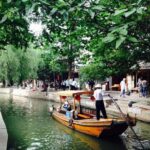
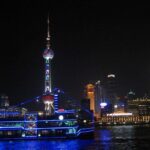
The Bund And The Skyline Opposite

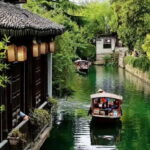
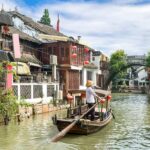
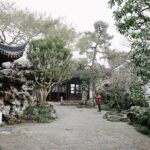
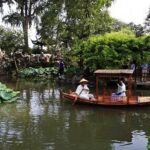
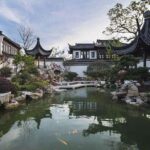
Suzhou Gardens And Waterways
Shanghai, reviewed one booking at a time
- Zhujiajiao Water Town and Shanghai City Highlights Private Day Tour
★ 5.0 · 3 reviews - Zhujiajiao Water Town Private Tour with Local Farm Visit and Fruit Picking
★ 5.0 · 3 reviews - Tongli Water Town Self-Guided Tour with Private Transfer from Shanghai
★ 5.0 · 3 reviews - Shanghai by Night with Fine Local Dinner and VIP River Cruise Experiences
★ 5.0 · 3 reviews - Shanghai Acrobatic Show Tickets
★ 5.0 · 3 reviews - Private Shanghai Layover Tour to Zhaojialou Water Town with Lunch or Dinner
★ 5.0 · 3 reviews
The Bund & Shanghai Skyline Tours, compared.
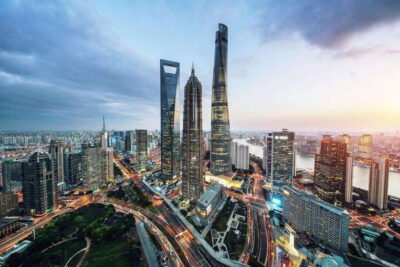 ★ 4.6Shanghai Tower: Observation Deck Admission TicketFrom $47373 reviews
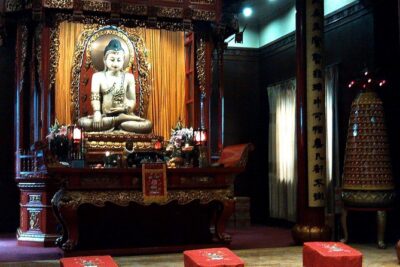 ★ 4.0Best of Shanghai Day Tour, including Jade Buddha Temple & Bund & Yuyuan GardenFrom $79338 reviews
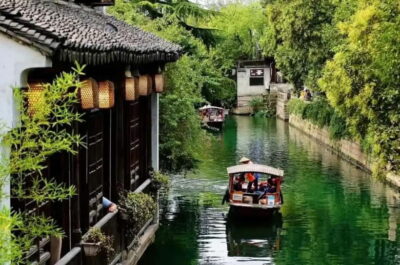 ★ 4.7Yu Garden, Old Street, Bund & Zhujiajiao Water Town Bus TourFrom $60244 reviews
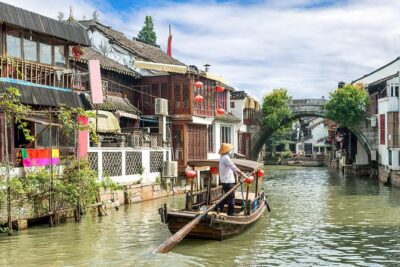 ★ 5.0Shanghai Day Tour to Zhujiajiao Water Town, Yu Garden, Bazaar, BundFrom $229162 reviews
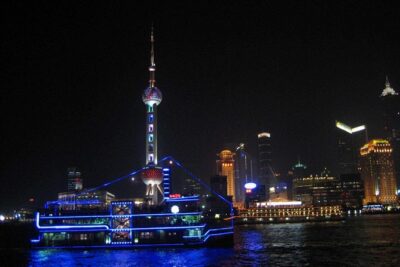 ★ 4.0Huangpu River Cruise and Bund City Lights Evening Tour of ShanghaiFrom $79115 reviews
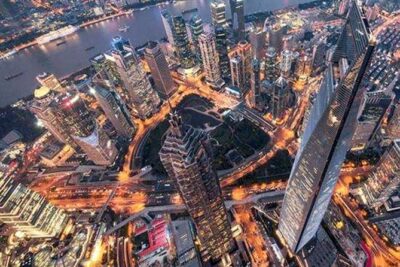 ★ 5.0Private Night Tour-VIP River Cruise and Shanghai Tower OptionFrom $143104 reviews
 ★ 5.03-Hour Private Tour to Jewish Ghetto and Shanghai BundFrom $9069 reviews
 ★ 4.5Shanghai Tower Admission TicketFrom $3858 reviews
Browse the lists this tour appears in