
REVIEW · YU GARDEN & SHANGHAI OLD TOWN TOURS
Shanghai: Yuyuan, City God Temple Old City Tour-Tip Based
Old Shanghai mythology walks with you. This 2-hour guided walk links Yuyuan, the City God Temple area, zodiac characters, and a traditional herb stop, all with an English live guide.
I love how the City God Temple visit turns Taoism and folk religion from vague ideas into something you can actually recognize on site. I also like the hands-on medicinal herbs moment, where you can sample the king of herbs and ask questions in real time.
One consideration: this is a walking tour, and it is not suitable for mobility impairments, so wear comfortable shoes and expect temple-area footpaths and market steps.
In This Review
- Key takeaways
- Finding your group at Yuyuan Garden Station, and what to watch for
- Yuyuan Old Street: the old-city setting that makes the stories stick
- Tonghan Chuntang: traditional medicine, plus a taste of the “king of herbs”
- City God Temple of Shanghai: Taoism and folk religion, explained for real-world viewing
- Lake Pavilion Tea House, plus a guided moment with the 9 Zig-Zag Bridge
- Yuyuan Garden Smallware: markets, crafts, and practical souvenirs
- Ancient City Park: a peaceful finish that helps the day land gently
- English-guided value: why this is a smart deal at about $2.36
- Who should book this Yuyuan and City God Temple tour
- A quick practical game plan for your visit
- Should you book this tour?
- FAQ
- How long is the tour?
- Is the tour guide available in English?
- How many people are in the group?
- Where is the meeting point?
- What is included in the tour?
- Is smoking allowed during the tour?
- Is the tour suitable for people with mobility impairments?
Key takeaways
- Small group size of up to 10 keeps the explanations personal and the pace easy to follow
- City God Temple focus helps you understand Taoism and folk beliefs you’ll see in prayers and rituals
- Herb tasting at a traditional medicine stop gives you a memorable, practical cultural moment
- Yuyuan Garden scenery highlights include the 9 Zig-Zag Bridge and Mid-Lake Pavilion views
- Chinese zodiac stops with costumed animals makes the storytelling fun, not just factual
- A calm finish at Ancient City Park helps you avoid feeling rushed
Old Town Shanghai, more of it
- Best of Shanghai Day Tour, including Jade Buddha Temple & Bund & Yuyuan Garden★ 4.0 · 338 reviews
- Shanghai: Yu Garden Admission Ticket★ 4.6 · 260 reviews
- Yu Garden, Old Street, Bund & Zhujiajiao Water Town Bus Tour★ 4.7 · 244 reviews
- Shanghai Day Tour to Zhujiajiao Water Town, Yu Garden, Bazaar, Bund★ 5.0 · 162 reviews
Finding your group at Yuyuan Garden Station, and what to watch for
This tour starts in the Yuyuan Garden metro zone, and that’s a good thing. You’ll be right where locals and first-time visitors mix, so you can orient quickly and keep the rest of the day simple.
The meeting instructions include two station-exit references: one says 豫園站3号口, and the meeting details also state 豫园站1号口. Before you head out, I’d treat that as a “confirm once” moment in your booking notes, so you don’t waste time circling the same entrances. Either way, the general area is clearly in the Huangpu district around Yuyuan Garden station.
Once you’re there, look for the group photo setup at landmarks as your timing cue. The tour is designed around short, guided stops, so being a few minutes early helps you settle in and start smoothly.
Yuyuan Old Street: the old-city setting that makes the stories stick
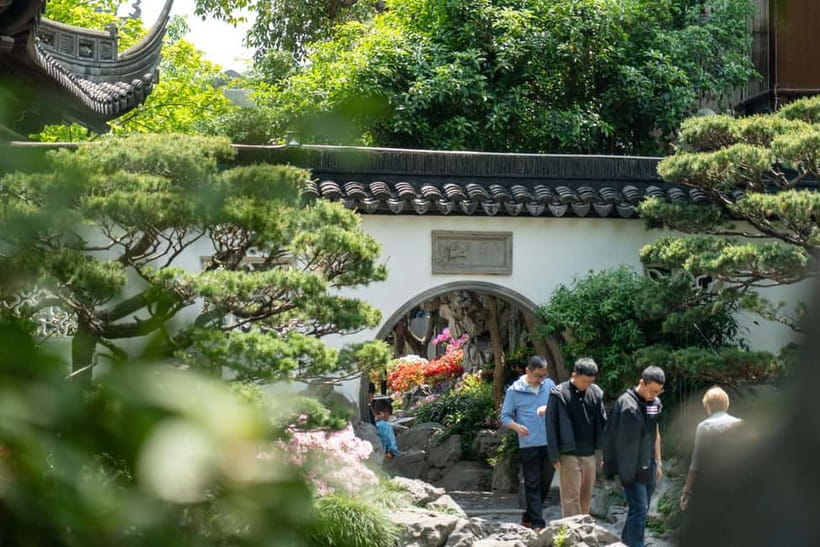
Your first major stop is Yuyuan Old Street, about a 30-minute guided walk. This is where the tour does a smart thing: it gets you into the mood of the old city before you zoom into temples and rituals.
You’ll get plenty of chances to look around and then connect what you see to what you’re being told. That matters because Yuyuan area details are layered, not random. Even if you only catch small pieces, your guide’s explanations help you read the scene instead of just photographing it.
This is also a nice stretch for light shopping and people-watching. If you want to buy something later, you can do a quick scan now to spot what looks like good quality versus just “souvenir clutter.” It’s not a hard sell tour, and the pace is gentle enough that you don’t feel herded.
Tonghan Chuntang: traditional medicine, plus a taste of the “king of herbs”
Next is Tonghan Chuntang for about 20 minutes, and this part is one of the most memorable in the whole route. You’re not just looking at signs and shelves. You get a short guided introduction to traditional Chinese medicinal herbs, and you’ll even have a sampling of the “king of herbs.”
Why this works: many cultural tours stop at explanations. Here, you get a sensory checkpoint. Even if you’re not a medicine person, tasting something unfamiliar helps you remember the visit later when you see similar shops.
Practical note: sampling means you’ll likely want a clear palate. If you can, go into this stop without a huge heavy meal right beforehand. Also, keep an eye on how your body reacts to new flavors. If you’re sensitive to strong herbal tastes, you’ll want to ask your guide what’s in the sample.
This stop is also where you see how daily life and belief systems tie together. In this neighborhood, medicinal knowledge isn’t treated like a museum exhibit, it’s presented as part of how people think about balance and health.
City God Temple of Shanghai: Taoism and folk religion, explained for real-world viewing
The core temple segment is about 40 minutes at the City God Temple of Shanghai. This is the point where the tour becomes more than scenic. It’s where you learn the why behind the prayers and rituals you see around you.
You’ll be introduced to Taoism and folk religion in China, plus common beliefs and celebrations. The guide’s job here is not to overwhelm you with theology. It’s to give you a framework so when you notice incense, offerings, or ritual actions, you can understand what people are trying to express.
A fun detail in the route is the Chinese 12 zodiac animals, each with its own costumes. That turns a commonly known concept into something visual, and it’s much easier to remember a zodiac “story” when you can point to what you’re seeing.
And yes, this is also part of why people choose this tour: the City God Temple atmosphere is serious in a human way. You’ll probably feel the shift from “tourist sightseeing” to “people practicing their beliefs,” which makes the experience feel more authentic.
Other Shanghai trips our reviewers kept returning to



Lake Pavilion Tea House, plus a guided moment with the 9 Zig-Zag Bridge
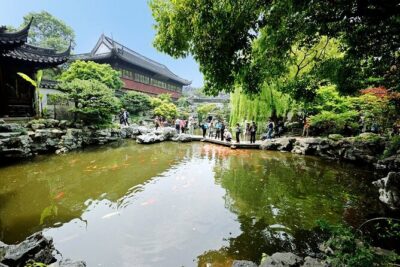
After the temple, you shift to calmer scenery with a stop at the Lake Pavilion Tea House for about 20 minutes. Think of this as a reset for your feet and your attention.
You also get a chance to take in the scenic highlights in the Yuyuan Garden area, including the 9 Zig-Zag Bridge and the Mid-Lake Pavilion. These are the kind of spots you might rush past on your own, but with a guide you’ll know what you’re looking at and why it’s part of the garden design.
Tea house timing is smart. It breaks up the walking, gives you a chance to sit briefly, and lets you process what you’ve learned so far. If you’re the type who enjoys asking small follow-up questions, this is the moment to do it, because the group is more settled.
Don’t worry about having a deep tea background. This stop is mostly about context and comfort, not testing your knowledge.
Yuyuan Garden Smallware: markets, crafts, and practical souvenirs
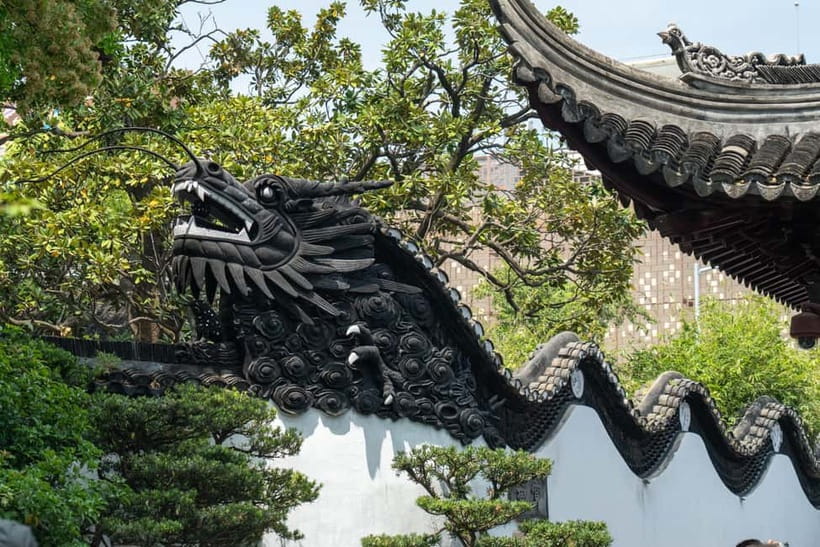
Then you head to the Yuyuan Garden Smallware area for about 20 minutes. This is where the tour swaps temple intensity for local craft browsing.
You’ll browse a Shanghai small product market, with a guide pointing out what’s worth noticing. The goal here is simple: learn how to spot craftsmanship and make better choices without turning the visit into a shopping marathon.
Look for items that reflect the place, not just generic “Shanghai” branding. Since the tour has a small-group limit, your guide can usually help you ask questions and compare options quickly. That’s valuable in a market environment where you can easily lose time and end up with impulse buys.
Group photos are included at attractive landmarks. The market stop is a nice opportunity to get those photos with a bit more variety than only temples and garden paths.
Ancient City Park: a peaceful finish that helps the day land gently
The tour ends at 古城公园 (Ancient City Park). This final stretch matters more than it sounds. After temples, gardens, and a medicine shop, you want a slow landing, and the park setting gives you that.
You’re not rushing to one more “must-see,” and you’re not forced into a hard cutoff moment either. It’s a good way to wrap up a cultural tour because it gives you time to breathe, check your photos, and maybe pick up one last snack nearby before heading onward.
If you’re short on time in Shanghai, this kind of ending can help you keep your expectations realistic. You’ll feel like you completed a coherent story, not just visited random stops.
English-guided value: why this is a smart deal at about $2.36
The advertised price is $2.36 per person for a 2-hour guided experience with an English live tour guide and a small group limited to 10 participants. On paper, that already sounds like great value, and the structure supports it.
You get multiple “content types” in a short window: old-street atmosphere, a traditional medicine introduction with a sample, a major temple segment focused on Taoism and folk religion, and garden highlights like the 9 Zig-Zag Bridge. You also get practical travel tips and personalized recommendations, which is often the real difference between a guided walk and self-guided wandering.
Small-group size is not a luxury here. It affects how quickly you can ask questions. In this kind of temple and medicine-focused tour, questions matter because you want to understand what you’re seeing, not just pass through.
And if you care about language comfort, the guide’s English is part of the value. You can follow along clearly enough to enjoy the meaning, not only the visuals.
Who should book this Yuyuan and City God Temple tour
This tour fits best if you want a guided intro to the Yuyuan Garden old city area that focuses on belief, tradition, and local detail. It’s especially good for people who feel intimidated by temples and don’t know what to look for, because the guide gives you context while you’re standing in front of the symbols.
It’s also a solid choice if you like short, efficient walks. Everything is timed in compact blocks, so you don’t feel stuck for hours in one place.
Skip it if mobility is an issue. It’s not suitable for people with mobility impairments, and temple-area walking usually includes uneven ground and tight corners.
A quick practical game plan for your visit
If you book, plan for a comfortable walking day. Wear shoes you can trust, because the itinerary includes old streets, a temple visit, and garden paths.
For the herb tasting and tea house timing, keep your schedule flexible. You’ll likely enjoy the experience more if you’re not rushing straight into a heavy meal right before the medicine stop. If you’re sensitive to strong flavors, let your guide know before sampling.
Finally, keep your belongings secure. Markets and crowded temple zones are exactly the places where you want to stay aware, even on a guided tour.
Should you book this tour?
Yes, you should book if you want a short, friendly, English-guided walk that explains Taoism and folk religion while you’re actually in the City God Temple area, and if you’re curious about traditional Chinese medicinal herbs, including a sample of the king of herbs.
Don’t book if you need a low-walking option. This is built around moving between specific stops, and the experience depends on that flow.
If you’re deciding between self-guided wandering and a guided route, this one is a strong pick. The value is tied to the way the guide links the zodiac-costume details, ritual context, garden scenery like the 9 Zig-Zag Bridge, and the medicinal stop into one coherent story.
FAQ
How long is the tour?
The tour lasts 2 hours.
Is the tour guide available in English?
Yes, the tour includes a live tour guide in English.
How many people are in the group?
The group is limited to 10 participants.
Where is the meeting point?
You meet at the Yuyuan Garden station Exit 1 area (豫园站1号口). There is also a separate “starting location” note that lists 豫園站3号口, so it’s best to confirm the exact exit for your departure time.
What is included in the tour?
Included items are a 2-hour guided tour, cultural and religious explanations, traditional medicinal herb sampling (king of herbs), travel tips and personalized recommendations, and group photos at landmarks.
Is smoking allowed during the tour?
No. Smoking is not allowed.
Is the tour suitable for people with mobility impairments?
No, it is not suitable for people with mobility impairments.
More Tours in Shanghai


More Tour Reviews in Shanghai

Yu Garden And The Old Town
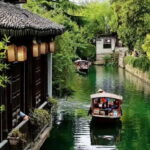


Shanghai, reviewed one booking at a time
- Zhujiajiao Water Town and Shanghai City Highlights Private Day Tour
★ 5.0 · 3 reviews - Zhujiajiao Water Town Private Tour with Local Farm Visit and Fruit Picking
★ 5.0 · 3 reviews - Tongli Water Town Self-Guided Tour with Private Transfer from Shanghai
★ 5.0 · 3 reviews - Shanghai by Night with Fine Local Dinner and VIP River Cruise Experiences
★ 5.0 · 3 reviews - Shanghai Acrobatic Show Tickets
★ 5.0 · 3 reviews - Private Shanghai Layover Tour to Zhaojialou Water Town with Lunch or Dinner
★ 5.0 · 3 reviews
Yu Garden & Shanghai Old Town Tours, compared.
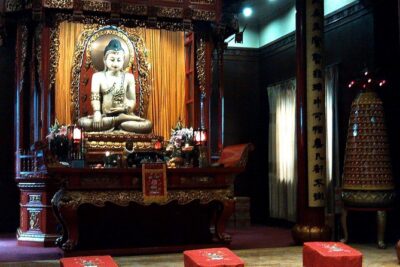 ★ 4.0Best of Shanghai Day Tour, including Jade Buddha Temple & Bund & Yuyuan GardenFrom $79338 reviews
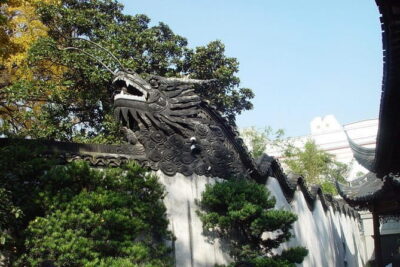 ★ 4.6Shanghai: Yu Garden Admission TicketFrom $16260 reviews
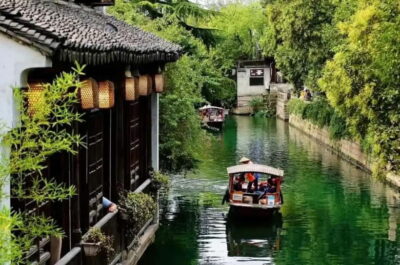 ★ 4.7Yu Garden, Old Street, Bund & Zhujiajiao Water Town Bus TourFrom $60244 reviews
 ★ 5.0Shanghai Day Tour to Zhujiajiao Water Town, Yu Garden, Bazaar, BundFrom $229162 reviews
 ★ 5.0Private Yu Garden, The Bund, French Concession, Pudong Half-Day TourFrom $12051 reviews
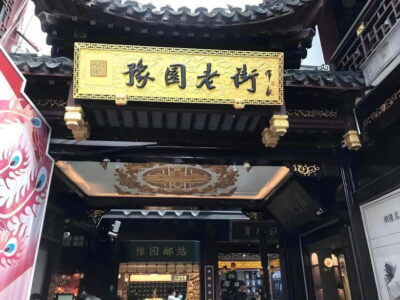 ★ 3.7Shanghai: Yu Garden Ticket+Lantern Festival Entry comboFrom $949 reviews
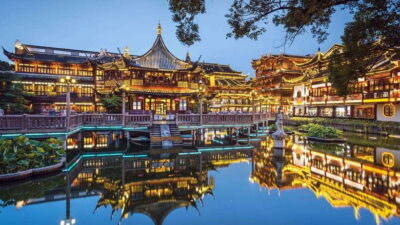 ★ 4.1Shanghai: Yu Garden Entry Ticket with PDF GuidebookFrom $1745 reviews
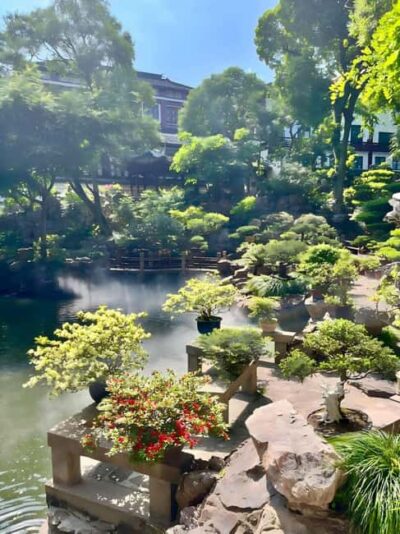 ★ 4.5Shanghai: Yu Garden with Entry Tickets(optional)From $18028 reviews
Browse the lists this tour appears in