
REVIEW · SPA & HOT SPRINGS
Shanghai:Authentic Chinese Body/Foot Massage, Hair& Head SPA
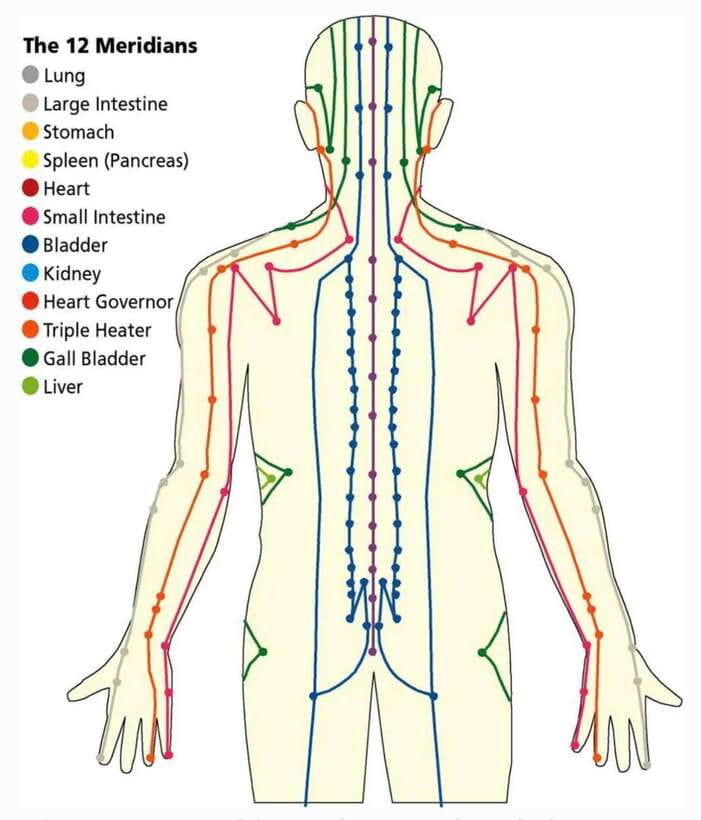
Your neck loosens in one focused hour. This is a small, calm Shanghai session built around traditional Chinese bodywork, including Chinese Meridian (Tui Na) techniques that target stiffness with precise pressure and flowing strokes. I also like that the experience often comes with a helpful local host, Bonnie, who keeps everything clear when your Chinese is still in airplane mode. One possible drawback, though, is that cupping can leave visible red marks for a bit after, so plan your photos and tight outfits accordingly.
For the money, this feels like good value because you get a full 60 minutes of hands-on therapy, plus tea after, and you can choose add-ons like foot massage, cupping, moxibustion, or a hair and scalp spa. If you want the full traditional set, keep in mind you’ll pay extra for the optional components rather than getting everything in one flat rate.
In This Review
- Key things to know before you book
- A 1-hour TCM reset in Shanghai that fits real travel days
- Price and value: what the $2 booking likely means
- Meeting, host support, and why communication matters
- Tui Na meridian massage: deep tissue, but structured
- Foot massage with pressure points: your walking muscles, handled
- Cupping therapy: the ancient suction that leaves marks
- Moxibustion: warmth on acupuncture points, better in daytime
- Hair, head, and scalp spa with shoulder massage for travel stress
- Tea snack after: a small ritual that helps you land
- Small group feel, clean comfort, and what to expect in the room
- Who should book this (and who should skip it)
- Helpful tips for choosing your exact option
- Should you book this 1-hour Chinese massage in Shanghai?
- FAQ
- How long is the massage session?
- Is the Tui Na meridian massage included in the standard experience?
- What optional add-ons are available?
- How much does the traditional foot massage cost?
- Does the session include tea or snacks?
- Can I pay with Alipay or cash?
- Is it wheelchair accessible?
- Are there any restrictions on who can book?
- What language support is available?
Key things to know before you book
- Tui Na meridian massage uses targeted pressure and strokes to ease tension and circulation
- Cupping therapy is quick (about 10 minutes) and can leave red suction marks afterward
- Moxibustion adds warm, heat-based therapy on specific acupuncture points, and it’s noted as better in daytime
- Foot massage uses pressure-point style work that pairs well with sore walking days
- Hair, head, and scalp spa includes washing and relaxation plus shoulder massage
- Tea and snacks are part of the wind-down, not just an afterthought
Other Shanghai trips our reviewers kept returning to
A 1-hour TCM reset in Shanghai that fits real travel days
Shanghai can wear you out fast, even when you’re having a great time. Walking long blocks, staring up at skyline views, and squeezing in metro connections can make your shoulders feel like they’ve been borrowed by someone else. This 60-minute session is built for that exact problem: you sit or lie down, the therapist works through stiff areas using traditional methods, and you leave feeling lighter rather than needing another chore-filled appointment.
What makes it more interesting than a generic massage is the mix of traditional Chinese medicine approaches. You’re not just getting one technique. You can choose Tui Na meridian work for muscle and joint tension, add cupping for localized suction and relief, and include heat via moxibustion if you want the full-body TCM feeling.
Price and value: what the $2 booking likely means
The listing summary shows a low starting price, but the real treatment costs depend on what you select. What you can count on is the 60-minute therapy time, plus a tea snack after. The rest is modular.
Here are the options you’ll see for the main therapies (prices shown in the booking details):
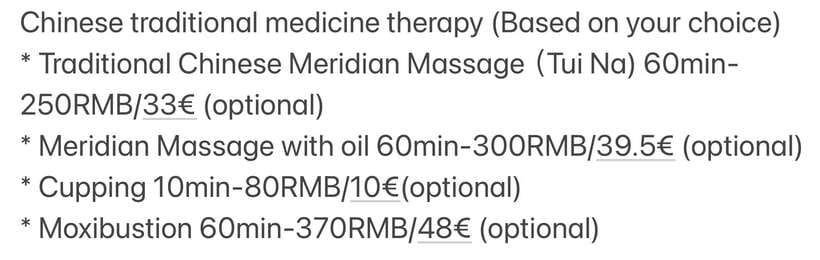
- Traditional Chinese Meridian (Tui Na) 60 minutes: 250 CNY (about €30)
- Meridian massage with oil 60 minutes: 300 CNY (about €37)
- Traditional foot massage 60 minutes: 220 CNY (about €27)
- Hair, head, and scalp washing and relax spa with shoulder massage 60 minutes: 300 CNY (about €37)
- Cupping: about 10 minutes (optional): 100 to 120 CNY (about €12 to €15)
- Moxibustion 60 minutes: 370 CNY (about €45), noted as better in daytime
- Optional Chinese traditional medicine therapy is also listed as available
So is it good value? In my view, it is if you treat it like a focused 1-hour treatment, not like a bargain unlimited spa day. The price points make sense for hands-on work that can target neck and shoulder tightness quickly, plus the option to layer in cupping or heat if you want something more “traditional medicine” feeling. If you only want a simple foot massage, the foot option is the cleanest, most direct value play.
Meeting, host support, and why communication matters
Your meeting point can vary based on what option you booked, so don’t treat the exact location as fixed until you’re confirmed. The bigger practical win is that you can get organized support before you go.
In multiple accounts tied to the experience, the host named Bonnie is described as extremely attentive: she helps you understand what will happen, and she can translate so you feel comfortable with the staff and the process. If you don’t speak Chinese, that translation layer matters more than people think. It makes you less likely to freeze when someone asks a question, and more likely to ask about what you’re feeling during the session.
You might also find WhatsApp messaging used to confirm details quickly, which is a big deal in a city where addresses and directions can get confusing fast.
Tui Na meridian massage: deep tissue, but structured
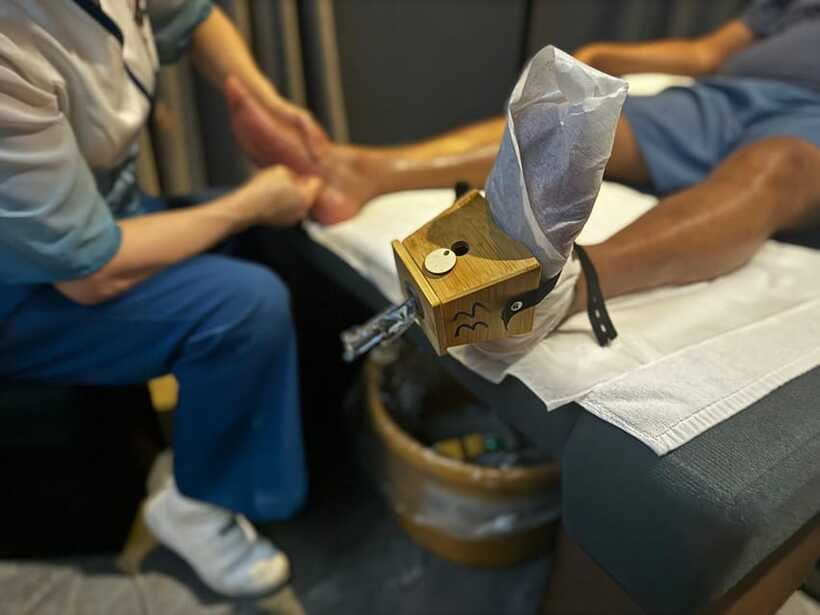
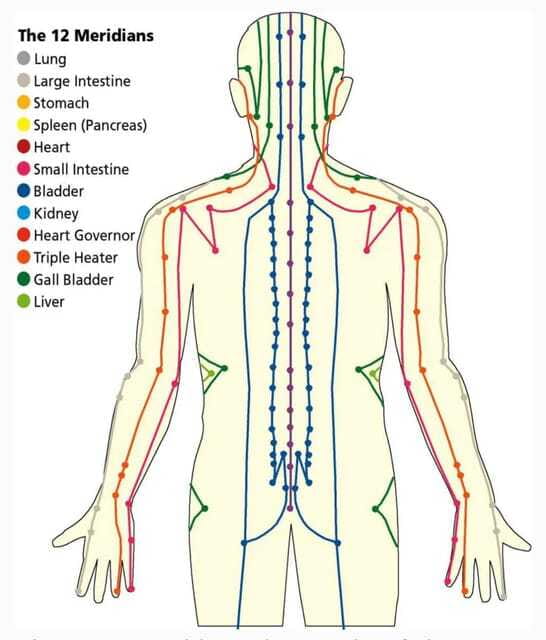
If you choose the Traditional Chinese Meridian (Tui Na) option, expect a 60-minute session designed around meridian theory. Therapists use precise pressure points and flowing strokes. The goal isn’t just relaxation. It’s to relieve tension, help circulation, and improve how freely your muscles and joints move.
What I like about Tui Na for travelers is how direct it can feel. If you’ve been hunched over on flights or you’ve walked through Shanghai’s neighborhoods with a heavy camera bag, your body tends to lock up in predictable patterns: neck stiffness, shoulder tightness, and upper back knots. Tui Na’s pressure-point approach is built for that kind of stiffness.
A key note from the experience details is that you can also choose Tui Na with oil. Oil often makes gliding strokes more comfortable and can help the therapist work smoothly through larger muscle groups without dragging your skin.

Foot massage with pressure points: your walking muscles, handled
The foot massage option is a full 60 minutes and is described as a traditional Chinese pressure-point style therapy. This is a smart choice if your itinerary is heavy on walking, stairs, and curb-to-curb exploring. Your feet take a beating in Shanghai, especially if you’re mixing old lanes with modern streets and hopping between neighborhoods.
What you can realistically hope for is relief that makes the next day easier. After a good foot session, you usually feel fewer hotspots in the soles and more comfort when you push off while walking. Because it’s structured as a Chinese pressure-point style massage, it’s not only about surface comfort. It’s aimed at working through tension patterns.
If you’re deciding between body massage and foot massage, I’d make the decision this way: if your problem is mainly upper body stiffness, choose meridian work. If your problem is fatigue from walking, start with the feet.
Cupping therapy: the ancient suction that leaves marks
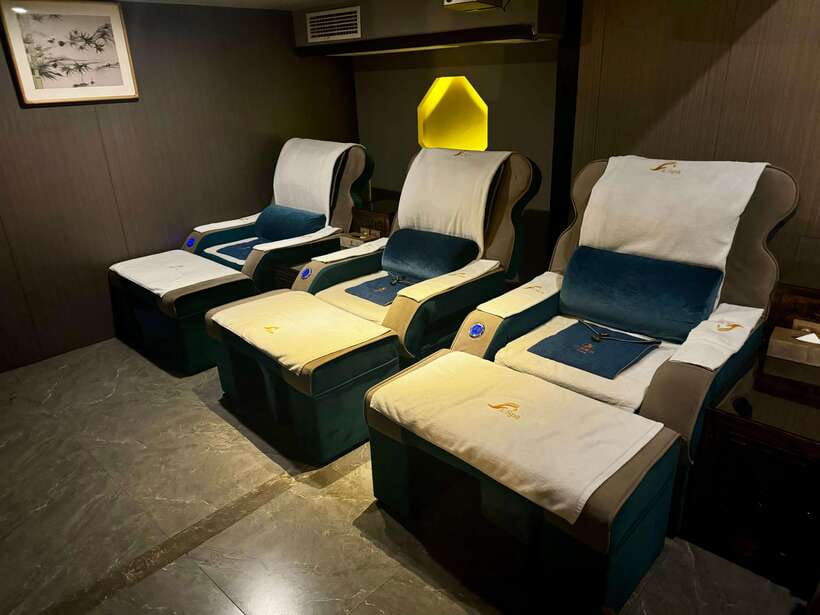
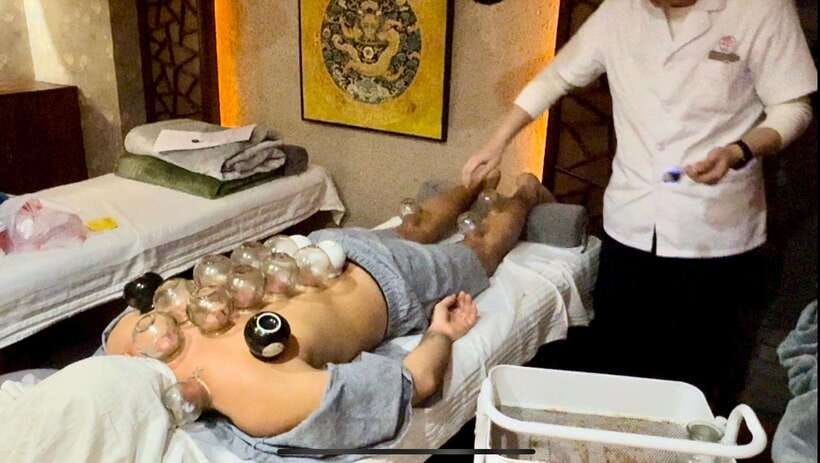
Cupping is offered as an optional add-on, about 10 minutes. You’ll see suction cups gently applied to your skin to create localized vacuum. The experience description frames it as helping blood flow, releasing toxins, and easing muscle tension. Regardless of how you think about the internal theory, the physical effect is clear: suction pulls at the skin and soft tissue, which often increases blood flow in the area.
The practical point for you is cosmetic planning. The experience notes that you’ll see red marks fade as your body gets that localized relief. That means you probably should avoid planning a formal dinner, a photo shoot, or anything where unexpected red patches would be a problem.
If you’re comfortable with that tradeoff, cupping can be a satisfying add-on, especially when paired with Tui Na if you have stubborn tightness.
Moxibustion: warmth on acupuncture points, better in daytime
Moxibustion is listed as an optional 60-minute therapy, 370 CNY (about €45), and it’s specifically noted as better to take during the day. That suggests it may be best when you have time to notice how the heat affects you afterward, rather than scheduling it right before sleep.
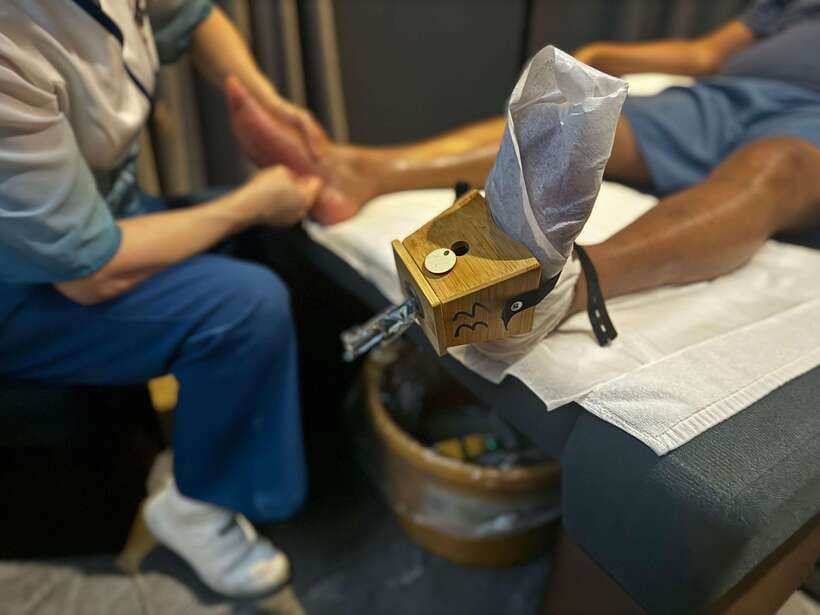
The therapy uses dried mugwort to apply heat to specific acupuncture points. You’ll feel gentle warmth that penetrates deep into tissues, and the description ties it to stimulating healing and enhancing qi, or energy flow. Even if you don’t use the same language for your body, the heat element can feel different from classic massage. It’s more like targeted warmth therapy combined with acupuncture-point focus.
My practical advice: if you’re heat-sensitive or you hate feeling hot, treat this as a “try it if you’re curious” add-on rather than an automatic choice. You should also wear comfortable clothing afterward, since your body may feel warmer or more reactive for a short while.
Hair, head, and scalp spa with shoulder massage for travel stress
If your travel stress shows up as headaches, scalp tightness, or general head heaviness, the hair and head spa option is designed for you. It includes hair, head, and scalp washing and relax spa plus shoulder massage, for 60 minutes.
This option stands out because it’s not only neck and back. It’s also about your head and scalp, which is where travel tension can lodge when you spend days looking up, leaning forward, or sleeping in unfamiliar positions. A shoulder massage paired with scalp work also makes sense because many people carry tension from neck down into shoulders, and the connection feels instant.
Also, from the included outcomes described, people come away with noticeably soft and manageable hair. That’s a nice practical bonus if you’re visiting more after your massage and don’t want to spend the evening doing extra washing and conditioning work.
Tea snack after: a small ritual that helps you land
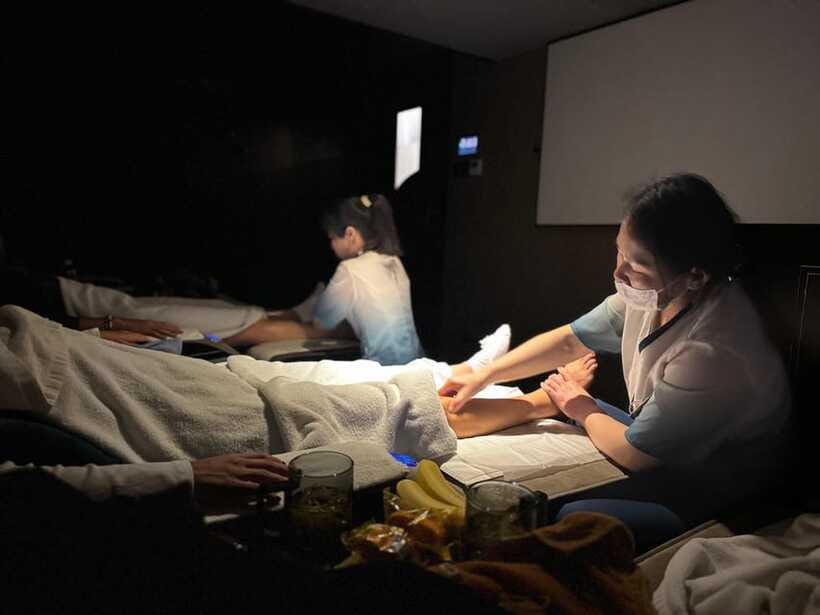
After the therapy, you get traditional herbal tea and tea snacks. This isn’t just a polite end. It helps you shift from “getting worked on” back into regular life mode.
In a session like this, the body often feels either relaxed or pleasantly stirred. Giving you tea and a snack helps you stabilize that transition. It’s also a good moment to confirm how you felt, ask a quick question, and get guidance about what to do next. If you’re booking on a tight schedule, that tea break can also prevent the classic issue of leaving the massage and immediately eating something random and too heavy.
Small group feel, clean comfort, and what to expect in the room
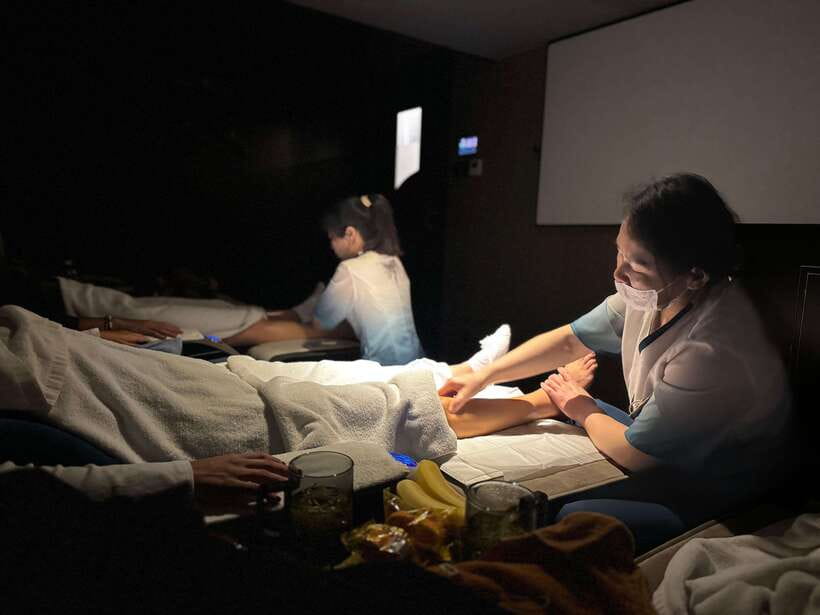
The experience is described as wheelchair accessible and offered in a small group. That usually means you’re not shoved into a loud, high-volume spa line. You can expect a calmer environment where you can focus on the session.
One note from the described feedback is that the place is kept clean and comfortable. People also mention the setting is supportive and caring, not fancy. For me, that’s a good thing. For a traditional therapy like this, you don’t need marble floors. You need therapists who know what they’re doing and a space where you can relax without distraction.
If you’re someone who worries about being overwhelmed by pricing or questions, this experience appears to be guided with clear explanations before the session.
Who should book this (and who should skip it)
This massage option is best for you if:
- You want traditional Chinese bodywork in a time-efficient format
- You’ve been walking a lot and need relief in either feet or whole-body tension
- You’re curious about TCM-style therapies beyond a basic Swedish-type massage
- You want extra support understanding what will happen, especially if you don’t speak Chinese
It’s not suitable for pregnant women, based on the provided information. If you’re pregnant or you’re unsure, you should skip and look for a pregnancy-specific therapist and treatment plan.
Helpful tips for choosing your exact option
Here’s the way I’d decide, based on what’s offered:
- Choose Tui Na meridian massage if your main problem is neck, shoulders, and muscle tightness from travel posture.
- Choose the foot massage if your legs feel tired and your walking feels heavy.
- Add cupping if you like the idea of quick suction therapy and you don’t mind temporary red marks.
- Choose moxibustion if you’re comfortable with heat and want a more distinct TCM experience. Since it’s noted as better in daytime, plan it earlier rather than late.
- Choose the hair, head, and scalp spa if headaches, scalp tightness, or general head fatigue are your biggest pain points.
If you’re booking for the first time, I’d start with meridian massage or foot massage, then add cupping if you want something extra but short. Save moxibustion for a daytime slot when you have room to observe how your body reacts.
Should you book this 1-hour Chinese massage in Shanghai?
Yes, I’d book it if you want an authentic-feeling treatment that targets real travel tightness and you like the idea of TCM approaches like meridian work and optional cupping. The value is strongest when you pick the option that matches your body needs, because you’ll get a full hour of hands-on therapy rather than trying to cram everything into a quick stop.
Skip or rethink it if you hate the idea of temporary red marks from cupping, or if you need pregnancy-safe care. Also, if you’re expecting a luxury spa experience with bells and whistles, this is more about effective therapy and a calm room than about glamour.
If you go in with clear expectations, you’ll likely leave feeling relaxed, supported, and physically looser than when you arrived.
FAQ
How long is the massage session?
The session is valid for 1 hour.
Is the Tui Na meridian massage included in the standard experience?
The experience highlights Tui Na, but the pricing shows it as an optional therapy. You can choose it based on the option you book.
What optional add-ons are available?
Optional add-ons include cupping (about 10 minutes) and moxibustion (60 minutes). Hair, head, and scalp spa and foot massage are also offered as selectable options.
How much does the traditional foot massage cost?
The traditional foot massage option is listed as 60 minutes for 220 CNY (about €27).
Does the session include tea or snacks?
Yes. You receive a cup of traditional Chinese herb tea and tea snacks after the therapy.
Can I pay with Alipay or cash?
Yes. Both Alipay and cash are accepted.
Is it wheelchair accessible?
Yes, the experience is wheelchair accessible.
Are there any restrictions on who can book?
It is not suitable for pregnant women.
What language support is available?
The details indicate languages support, and the experience allows WhatsApp-style communication. You can cancel up to 24 hours in advance for a full refund.
More Spa & Hot Springs in Shanghai
More Tour Reviews in Shanghai

Shanghai, reviewed one booking at a time
- Zhujiajiao Water Town and Shanghai City Highlights Private Day Tour
★ 5.0 · 3 reviews - Zhujiajiao Water Town Private Tour with Local Farm Visit and Fruit Picking
★ 5.0 · 3 reviews - Tongli Water Town Self-Guided Tour with Private Transfer from Shanghai
★ 5.0 · 3 reviews - Shanghai by Night with Fine Local Dinner and VIP River Cruise Experiences
★ 5.0 · 3 reviews - Shanghai Acrobatic Show Tickets
★ 5.0 · 3 reviews - Private Shanghai Layover Tour to Zhaojialou Water Town with Lunch or Dinner
★ 5.0 · 3 reviews
Spa & Hot Springs, compared.
 ★ 4.5Beijing : SHUIGUO luxury SPA & Recreation Club day ticketFrom $6027 reviews
 ★ 5.0Hot Pot Dining Experience with Hot Spring Bathing or River Cruise in ShanghaiFrom $13513 reviews
 ★ 4.7Xi’an: Traditional Chinese Massage or Spa with MealFrom $3513 reviews
 ★ 5.0Chongqing Luxury Hot Spring and Massage Luxury Meal Private TourFrom $106 reviews
 ★ 5.03-Day Beijing Tour Tai Chi, Peking Duck, Hotpot and SpaFrom $5593 reviews
Browse the lists this tour appears in