
REVIEW · LUOYANG LONGMEN GROTTOES TOURS
Zhengzhou: Private Tour to Shaolin Temple & Longmen Grottoes
Two UNESCO stops in one smooth day.
This private tour from Zhengzhou is built for your pace, with a friendly English speaking guide and transport that keeps the day from turning into a logistics puzzle. I especially like the chance to ask questions as you walk, because Shaolin and Longmen are much easier to understand when someone explains the why, not just the what. One thing to consider is that an 8 hour day is full, so you may want good walking shoes and a relaxed attitude about timing if crowds or weather slow things down.
I also love the “two different sides of Chinese Buddhist art” feeling. At the Shaolin Temple, you get the living stories around Zen and martial culture, plus the huge Pagoda Forest with more than 240 monk tomb pagodas. At Longmen, the focus shifts to stone, with some of the finest late Northern Wei and Tang Buddhist carving (316 to 907). Guides like Alice, Jimmy, and Gavin Lee are singled out for clear historical context and a smooth, people friendly pace, which is exactly what you want on a day like this.
A possible drawback is that the day can be affected by weather. One booking noted malweather that prevented the activity from running fully, so expect that outdoor portions may get shortened if conditions are rough. If you choose the basic option, you should also plan for entrance fees and lunch not being included.
In This Review
- Key Things That Make This Tour Worth Your Day
- Door to Door in Zhengzhou, Without the Rushed Feeling
- Shaolin Temple: Mount Song, Zen roots, and the Pagoda Forest
- The Pagoda Forest is the real Shaolin flex
- What to watch for during your walk
- The Shaolin theatre Kungfu performance, plus an easy lunch plan
- Longmen Grottoes: Buddhist stone art from late Northern Wei to Tang
- Why this stop feels special in one day
- A practical tip for your camera and your feet
- How the Private Format Helps You Actually Enjoy the UNESCO Sites
- Price and Value: Is $168 per person a good deal?
- Who Should Book This Tour (and who might not)
- Should You Book This Zhengzhou Shaolin and Longmen Day Tour?
Key Things That Make This Tour Worth Your Day
- Private car, hotel pickup, and English guide: You meet the guide in your Zhengzhou hotel lobby with your name sign, then go straight to the sites without sharing the day with strangers.
- Shaolin Temple built on Mt. Song, with centuries of change: The original temple traces to 495 AD, and many of today’s structures date to Ming and Qing periods.
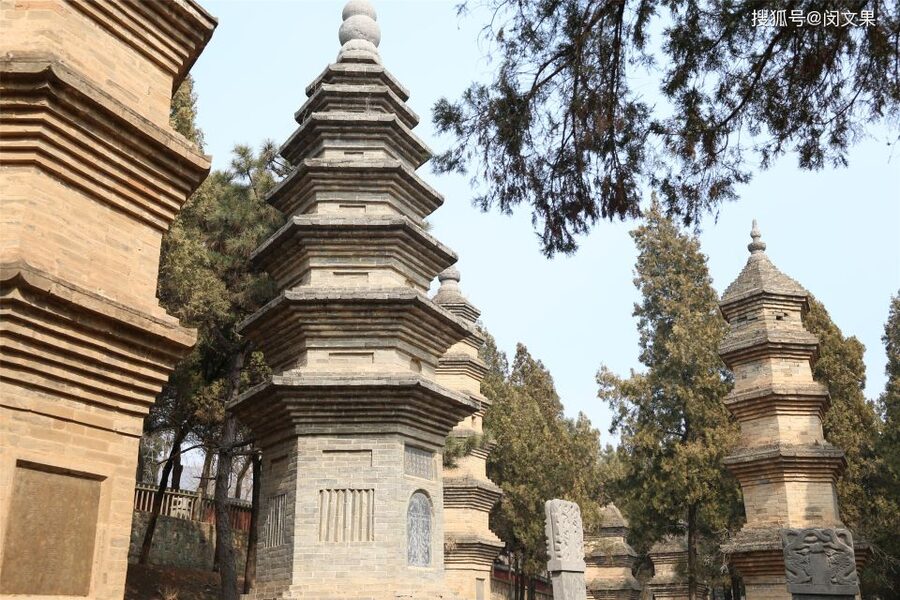
- Pagoda Forest scale you can actually feel: More than 240 tomb pagodas from Tang through Qing dynasties.
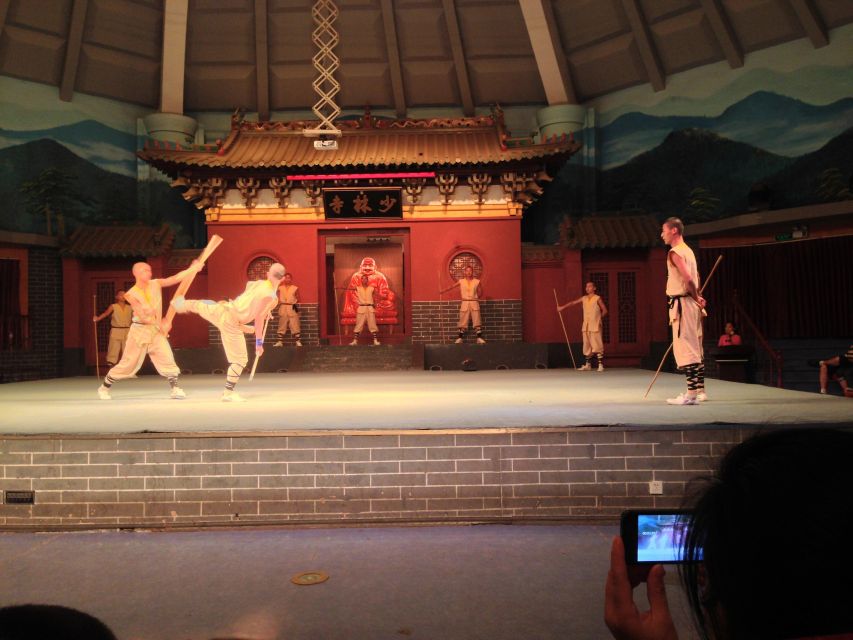
- A real Kungfu performance: You’re not just reading about Shaolin martial arts, you see monks perform at the theatre.
- Longmen Grottoes art focused on Buddhism: Late Northern Wei and Tang stone carving, devoted to Buddhist themes.
- Flexible ending: You can return to your Zhengzhou hotel, or end the day in Luoyang.
The Longmen carvings, more visits
- Luoyang: Longmen Grottoes Optional Tours or Tickets Only★ 5.0 · 31 reviews
- Luoyang Private Day tour to Longmen Grottoes and Shaolin temple★ 5.0 · 17 reviews
- Private Tour: Longmen Grottoes, Shaolin Temple & Kungfu Show★ 4.8 · 17 reviews
- Luoyang Private Day Tour to Shaolin Temple&Longmen Grottoes★ 5.0 · 10 reviews
Door to Door in Zhengzhou, Without the Rushed Feeling
The day starts with hotel pickup inside Zhengzhou city. Your guide holds a sign with your name in the lobby, then you’re on your way in a private vehicle. From a comfort standpoint, that matters. Shaolin and Longmen are not close to each other, so the ability to sit, cool down, and focus on the next stop makes the whole schedule feel less chaotic.
The tour is designed as a straightforward circuit. You travel first to Shaolin Temple (about 1.5 hours), explore, then go to Longmen Grottoes (another about 1.5 hours), and finish back at your hotel in Zhengzhou. If you’d rather keep the momentum, you can also end in Luoyang. That is a small detail, but it can save you time later if your route already includes Luoyang.
The day includes bottled water, and you’ll have transport by private car. That’s part of the value. Paying for an all day private guide is not only about someone talking to you, it’s also about reducing friction so you actually enjoy the sites instead of managing the commute.
Shaolin Temple: Mount Song, Zen roots, and the Pagoda Forest
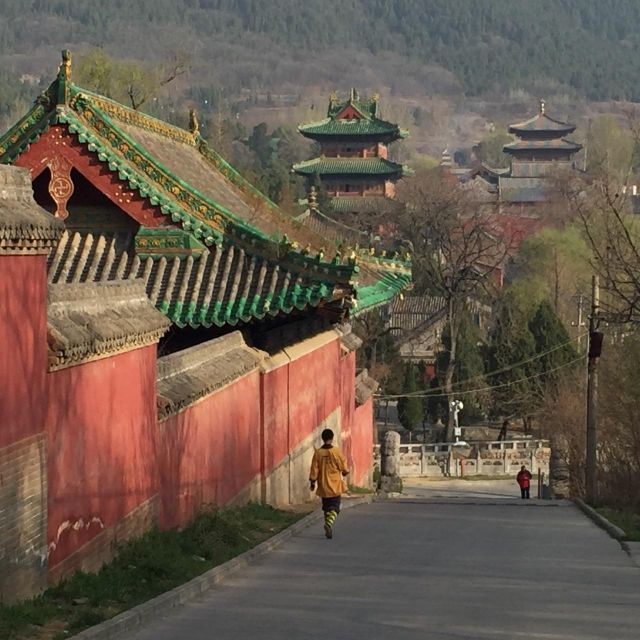
Shaolin Temple sits on the slopes of Mount Song, one of China’s five sacred mountains. The location is not just scenery. It frames the whole story. A lot of what makes Shaolin feel different from other temples is that the site is built into a sacred geography, and the religious and cultural influences spread out from there.
The tour gives you the core historical timeline. The temple was built in 495 AD by Emperor Xiaowen of the Northern Wei Dynasty for the Indian monk Batuo. This is where Indian scriptures were translated into Chinese, and where Zen Buddhist precepts took shape. In practical terms, this means your visit isn’t treated like a photo stop. You get the background that explains why this place became such a magnet for monks, learning, and culture.
As you stroll around halls and courtyards, you’ll notice how the temple looks layered. The original structure was simple, but each succeeding dynasty expanded it. Many of the structures you see today date from the Ming and Qing dynasties. That detail helps you read what you’re looking at. Instead of guessing whether something is “old,” you understand that the complex you see is the result of many eras adding their own chapter.
The Pagoda Forest is the real Shaolin flex
Then you reach the Pagoda Forest. This is a concentration of tomb pagodas for eminent monks and abbots of the temple. The scale is the point: more than 240 tomb pagodas of different sizes, spanning Tang, Song, Jin, Yuan, Ming, and Qing dynasties (618 to 1911). You may think you understand “many pagodas” until you stand among them. It feels like walking through a timeline made of stone.
I like that the tour doesn’t rush this part. Pagoda Forest is the sort of place where you want time to look at spacing, sizes, and the way different eras expressed the same religious idea. Even on a full day schedule, this stop is worth giving your eyes a slower pace.
What to watch for during your walk
You’ll move through multiple areas, so it helps to know what to prioritize with your guide. Ask about the link between Zen teachings, temple life, and how Shaolin reputation grew over time. If you’re into art, bring extra attention to the carved elements you see around halls and older structures. If you’re more history focused, ask which parts date to which period, since the tour notes that Ming and Qing structures make up much of what’s present now.
More training halls and temple visits

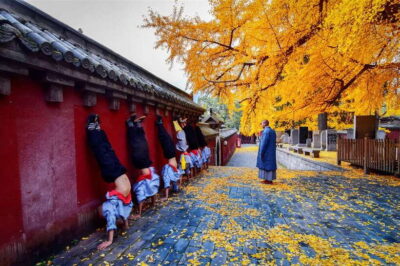
The Shaolin theatre Kungfu performance, plus an easy lunch plan
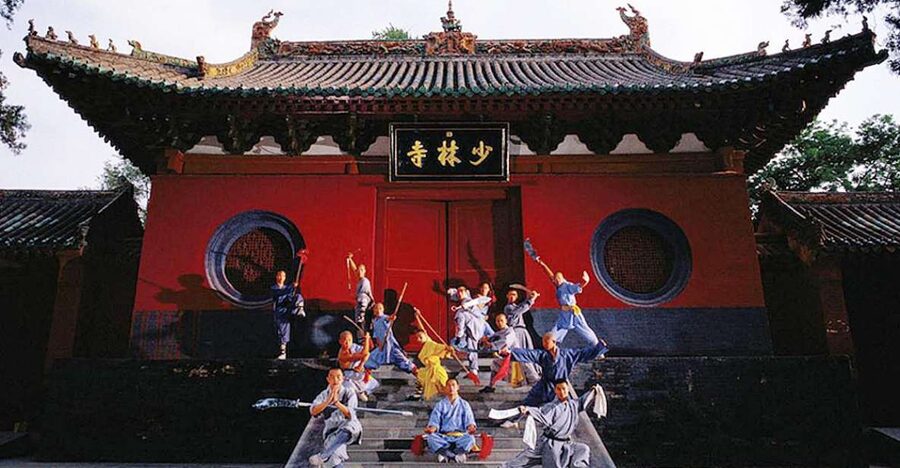
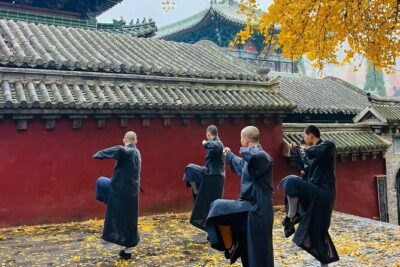
One of the most fun parts is the real Kungfu performed by Shaolin monks at the theatre. This is one of those “only at the site” moments. Even if you’re not a martial arts fan, it helps you connect the temple’s reputation to real practice rather than legend.
If you care about timing, be ready to be flexible. Theatre schedules can vary, and on a private tour your guide typically works to fit what’s available. Still, weather can affect parts of the day. One experience noted that malweather prevented the activity from running fully, so consider that a small risk and keep your expectations flexible if clouds, rain, or heat show up.
Lunch is included only if you select the related option. If you choose the basic tour, lunch is not included, and you’ll likely find a restaurant stop arranged separately. I like that this setup gives you control. If you want a smooth day with fewer decisions, choose the option that includes lunch. If you have dietary needs or favorite types of food, a basic option can be more comfortable because you’re not locked into one restaurant.
In the real world, guides who pay attention to your food preferences can make a big difference. One guide, Gavin Lee, was noted for taking guests to a local noodle place, and the lunch experience was described as among the best food during a China trip. Even if your day includes a different restaurant, the lesson is the same: a good guide uses the local lunch break as part of the cultural experience, not as an afterthought.
Longmen Grottoes: Buddhist stone art from late Northern Wei to Tang
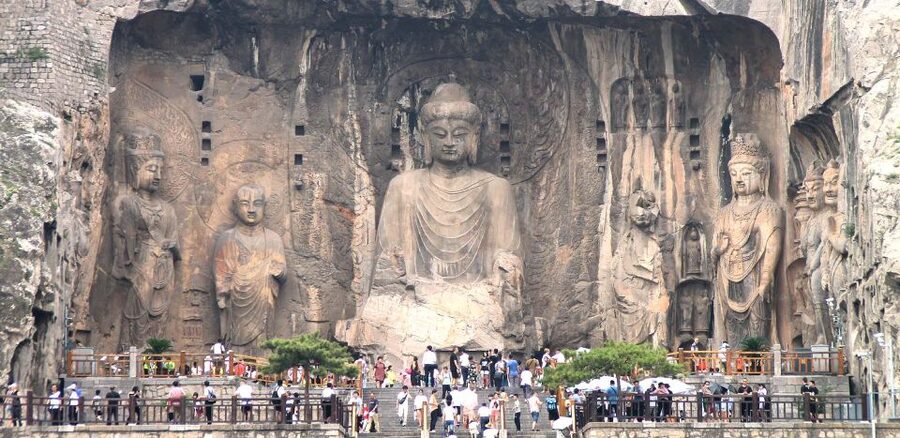
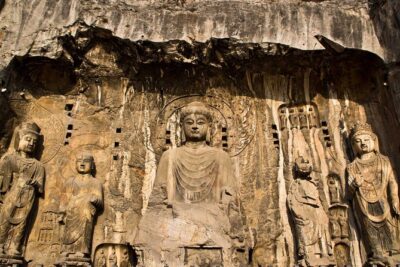
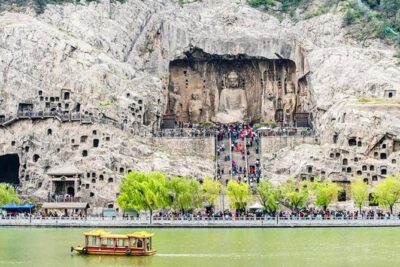
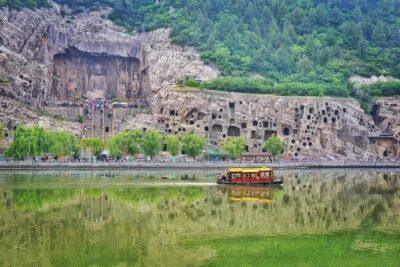
After Shaolin, you drive about 1.5 hours to Longmen Grottoes. This is where the tour shifts from temple life to sculpture and art history. Longmen’s caves and niches contain the largest and most impressive collection of Chinese art from the late Northern Wei and Tang dynasties (316 to 907). The works are entirely devoted to the Buddhist religion, and they represent a peak moment of Chinese stone carving.
When you arrive, it helps to think of Longmen less like one attraction and more like a huge outdoor art museum organized by faith. You’re walking through rock that was carved with intention, and the result is a visual language. If you take a slow approach, it becomes easier to notice different styles and the ways Buddhist iconography shows up again and again.
Why this stop feels special in one day
Longmen can overwhelm people who only know it as “big caves.” The tour’s value is that it gives you a framework for what to look at. You’re not just seeing stone. You’re seeing Buddhist art at a high point in Chinese craftsmanship. That matters because it changes the way you move through the space. Instead of scanning for the most dramatic spot, you start asking, what does each section contribute to the overall story of the grottoes?
Some routes also use a battery bus at the attraction. Entrance fees and battery bus can be included if you choose the option that adds them. If you’re tired or you have mobility concerns, the battery bus option can be a comfort upgrade. If you’re feeling energetic, you might still appreciate the chance to save legs for the parts you want to linger at.
A practical tip for your camera and your feet
Longmen is visually intense, so it’s easy to take hundreds of photos and remember none of it. I recommend picking two or three areas you want to learn about with your guide. Ask one question before you start walking, like how the carvings reflect Buddhist themes, then look for answers with your eyes. It keeps the day from turning into random sightseeing.
How the Private Format Helps You Actually Enjoy the UNESCO Sites
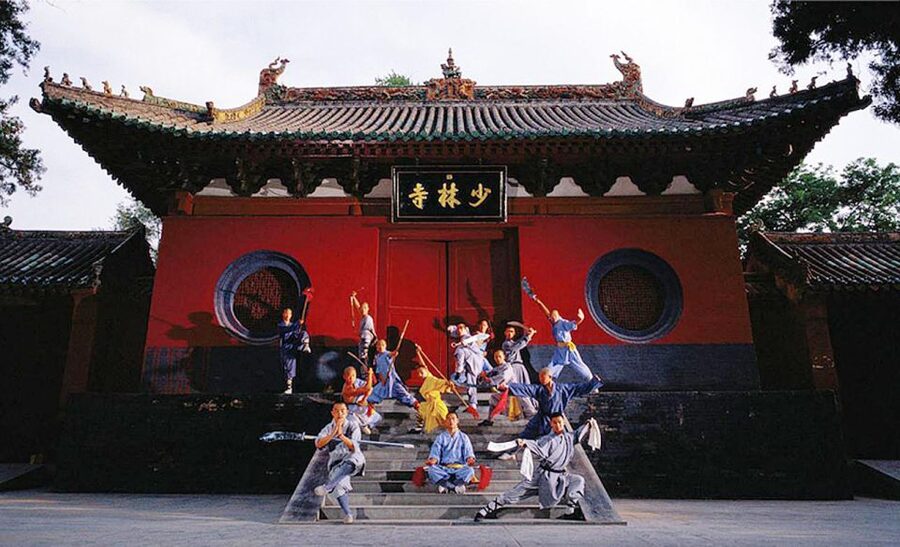
This is a private tour, meaning you’re not stuck with a rigid group pace. You’re also free to ask questions as you go. That sounds basic, but it’s one of the reasons both sites can feel meaningful instead of just impressive.
I also like that the tour avoids turning into a shopping route. The focus stays on the sites themselves. That matters most on a one day itinerary, because every detour costs energy you could spend looking at the real thing.
Comfort helps too. With hotel pickup and private transport, you spend less time figuring out where to go next. And when you can rest between major stops, you’re more likely to enjoy the experience instead of rushing through it.
One more design detail: the day is built around the key landmarks. At Shaolin, you get halls and courtyards, Pagoda Forest, and the Kungfu performance. At Longmen, you get access to the main grotto experience and the core art focus. That structure gives you a coherent story arc, from living monastic culture to carved Buddhist art.
Price and Value: Is $168 per person a good deal?
At $168 per person for an 8 hour private tour, the pricing is essentially paying for four things: an English speaking professional guide, private car transport, hotel pickup and drop off in Zhengzhou city, and the time it takes to connect two distant UNESCO sites.
Whether it’s a “great deal” depends on which option you pick.
- If you choose the option that includes entrance fees and the battery bus, plus lunch, you’re paying once and spending less time managing payments on site.
- If you choose the basic tour, entrance fees, battery bus, and lunch are not included, so you’ll need to budget for those add ons.
Either way, bottled water and private vehicle time are included, and that can be a hidden cost when you piece things together yourself. If you’re traveling with someone who moves at your pace and you want a guided context for both UNESCO sites, a private day can feel like strong value.
If your group is large, private pricing often becomes even more attractive. If you’re solo, it can still be worth it because the alternative is usually a busier day with less direct access to a guide.
Who Should Book This Tour (and who might not)
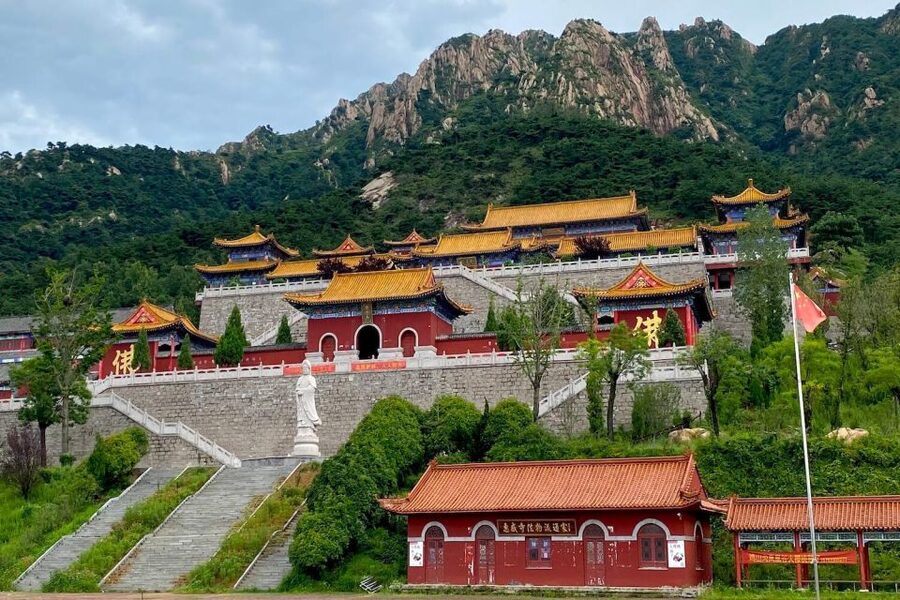
This tour fits best if you want an organized one day route through two major heritage sites without the stress of planning your timing and transport.
You’ll probably enjoy it if:
- You like having a guide to explain why places matter, not only what they look like.
- You want to combine Shaolin Temple and Longmen Grottoes without changing hotels or building a multi day plan.
- You appreciate a private pace where you can slow down for the Pagoda Forest or ask questions during the walk.
You might want a different setup if:
- You strongly prefer to travel completely independently and don’t want to rely on an included route.
- You want a longer time at Longmen or Shaolin specifically. This itinerary is efficient, so it may feel like you’re moving through highlights rather than spending a full day in just one location.
- Weather is a major concern for your schedule, since the day can be affected and may not run fully in bad conditions.
Should You Book This Zhengzhou Shaolin and Longmen Day Tour?
Yes, you should book this tour if your goal is a high value UNESCO day with minimal friction. The mix of Shaolin Temple, the Pagoda Forest, a real Kungfu performance, and the Buddhist stone art focus at Longmen is a great one day pairing.
I’d book it especially if you care about context. The sites can be huge and complex, and the best part of the day is that your guide helps you connect history, religion, and art into something you can actually understand while you’re walking.
If you do book, bring your passport, wear comfortable shoes, and go in ready to ask questions. That’s when the day turns from sightseeing into real meaning.
More Tour Reviews in Luoyang
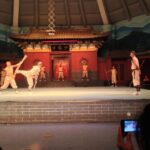
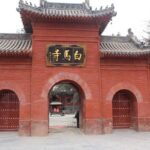
Shaolin And The Training Halls

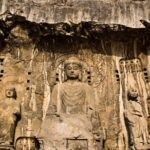
The Longmen Grottoes, More Visits
Luoyang, reviewed one booking at a time
- Louyang Day Tour from Xian: Longmen Grottoes, Shaolin Temple
★ 5.0 · 3 reviews - Luoyang: Longmen Grottoes Entry Ticket Only Option
★ 5.0 · 4 reviews - Private Luoyang Day Tour: Longmen Grottoes and White Horse Temple
★ 4.5 · 5 reviews - Best Luoyang Private One Day Tour
★ 4.5 · 5 reviews - Luoyang private car for Longmen Grottoes and Shaolin temple
★ 5.0 · 5 reviews - Longmen Grottoes Entry Ticket with Optional Guide or Transfer
★ 5.0 · 5 reviews
Luoyang Longmen Grottoes Tours, compared.
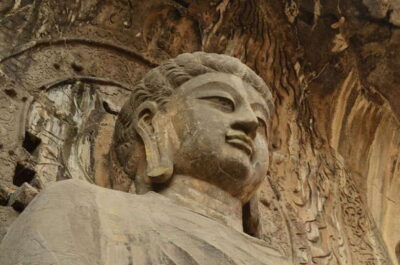 ★ 5.0Luoyang: Longmen Grottoes Optional Tours or Tickets OnlyFrom $2731 reviews
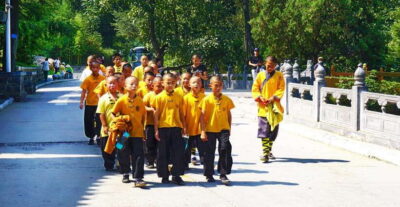 ★ 4.8Private Tour: Longmen Grottoes, Shaolin Temple & Kungfu ShowFrom $15817 reviews
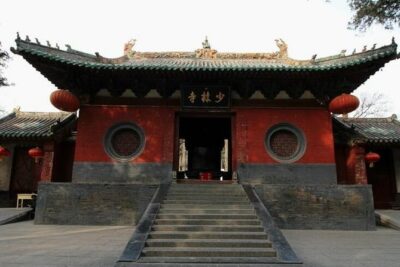 ★ 5.0Luoyang Private Day tour to Longmen Grottoes and Shaolin templeFrom $27017 reviews
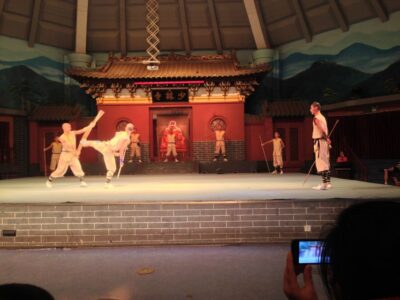 ★ 5.0Luoyang Private Day Tour to Shaolin Temple&Longmen GrottoesFrom $26810 reviews
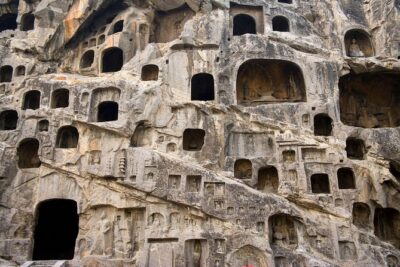 ★ 4.5Luoyang Longmen & Shaolin Private Day Tour from Xian by HSR TrainFrom $22210 reviews
 ★ 5.0Zhengzhou Private Day Tour to Shaolin Temple and Longmen GrottoesFrom $1757 reviews
 ★ 5.0Form Xi’an To Luoyang Longmen Grottoes & Shaolin Temple Day Tour by Bullet TrainFrom $4536 reviews
 ★ 5.0Longmen Grottoes Entry Ticket with Optional Guide or TransferFrom $195 reviews
Browse the lists this tour appears in