
REVIEW · SILK ROAD & DUNHUANG TOURS
8-Day Silk Road Trip of Dunhuang, Jiayuguan, Zhangye with Accommodation
Silk Road sights, neatly packed. This 8-day guided trip through Dunhuang, Jiayuguan, and Zhangye mixes world-famous grotto art, Great Wall history at the west end, and desert terrain that looks unreal.
I especially like the practical comfort: air-conditioned transport, bottled water, and hotel rooms that include air-con in Dunhuang plus top-choice hotels in Zhangye and Jiayuguan. I also like that meals are handled for you, with seven breakfasts, seven lunches, and seven dinners so you are not stuck decoding menus every day.
One consideration: timing and weather matter. The evening Silk Road show is only available outside the period from Nov to next Mar, and the experience requires good weather, so plans can shift if conditions are poor.
In This Review
- Key Points You’ll Feel Fast
- Why This 8-Day Hexi Corridor Loop Fits First-Timers and Repeaters
- Starting in Dunhuang: Airport Meet, Then Settle Into Real Comfort
- Mogao Caves and the Digital Film Center: Where the Silk Road Actually Gets Specific
- White Horse Pagoda and the Silk Road Theater Show: A Clean Evening Rhythm
- Yumen Pass and the Great Wall of Han Dynasty: Frontier History in Big Scale
- Mingsha Shan, Crescent Moon Spring, and a Camel Ride: The Desert Sounds Are Part of the Ticket
- Yulin Grottoes and Suoyangcheng Relics: Seeing the Same Artistic Family, Farther West
- Jiayuguan Pass and the Overhanging Great Wall: The Western End Feeling Is Real
- Zhangye Danxia Geopark: Rainbow-Color Geology That Actually Makes You Stop Talking
- Giant Buddha Temple and Horse Hoof Temple Grottoes: Big Devotion, Distinct Identity
- Pingshanhu Grand Canyon and Your Transfer Out: Finish Strong, Then Get Going
- Hotels, Meals, and Air-Conditioned Transport: This Is Where the Tour Pays You Back
- Tickets, Timing, and the Digital Touch: Mobile Tickets Help
- Price and Logistics: Is $2,199 a Fair Deal for This Much Ground?
- Who Should Book This Tour, and Who Might Prefer Something Else
- Should You Book This 8-Day Dunhuang to Zhangye Tour?
- FAQ
- What is included for meals on this 8-day trip?
- Are airport or train station transfers included?
- Which major attractions are part of the itinerary?
- Are hotel rooms air-conditioned?
- Is a camel ride included?
- Is the Silk Road theater show included, and is it seasonal?
- Can I request a vegetarian meal option?
- Is wheelchair or infant seating available?
Key Points You’ll Feel Fast
- Mogao Caves plus the Digital Film Center helps you understand what you are seeing before you stare at the murals for hours.
- A full meal plan (breakfast, lunch, dinner) means less decision fatigue and more time at the sites.
- Western China highlights in one loop, from Mogao and Yulin to Jiayuguan Pass and Zhangye Danxia.
- Big Great Wall drama at Jiayuguan, including the Overhanging Great Wall climb.
- Comfort-first pacing with an air-conditioned vehicle, bottled water, and a local guide keeping things moving.
- Wheelchair and infant seating available, if you need it.
Further west along the Silk Road
- 8-Day Silk Road Trip of Dunhuang, Jiayuguan, Zhangye with Accommodation★ 5.0 · 16 reviews
- 3-Day Private Silk Road Tour of Dunhuang: Mogao Grottoes, Yulin Grottoes, Crescent Moon Pool★ 5.0 · 11 reviews
- Dunhuang Private Silk Road Day Tour: Mogao Caves, Crescent Spring★ 4.5 · 7 reviews
- Dunhuang Private Day Tour Mogao Grottoes, Singing Dunes and Crescent Moon Spring★ 4.5 · 6 reviews
Why This 8-Day Hexi Corridor Loop Fits First-Timers and Repeaters
This route makes sense because it groups the region’s best-known stops into a logical westward storyline. You start with Dunhuang’s spiritual art, then move into the frontier walls and passes, and finish with Zhangye’s color-heavy geology and giant Buddha sites.
The biggest value is that you do not have to manage logistics day by day. You get pickups to and from airports, air-conditioned rides, and a local guide that keeps you on the right time windows for popular attractions like Mogao Caves and Jiayuguan Pass.
Starting in Dunhuang: Airport Meet, Then Settle Into Real Comfort
Day one is simple by design. You meet your guide at Dunhuang airport (DNH) or Dunhuang Railway Station, then transfer to your hotel by comfort car, van, or bus. After that, you can relax, reset your energy, and not worry about how to get your bearings.
The hotel setup is part of why this tour feels easier. In Dunhuang, you stay in a comfortable 4-star property with air-conditioning and bottled water provided. That matters in Gansu, where temperature swings and long visiting days can sneak up on you.
Mogao Caves and the Digital Film Center: Where the Silk Road Actually Gets Specific
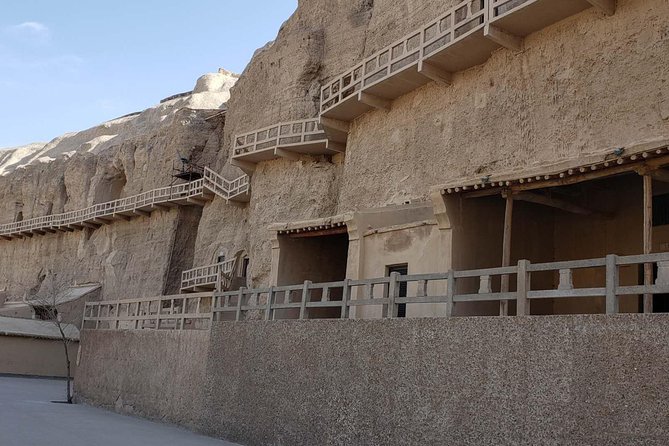
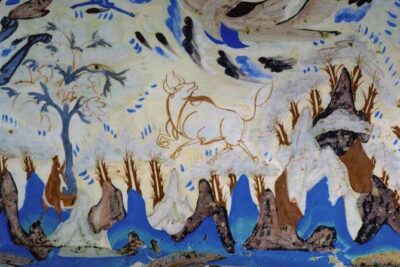
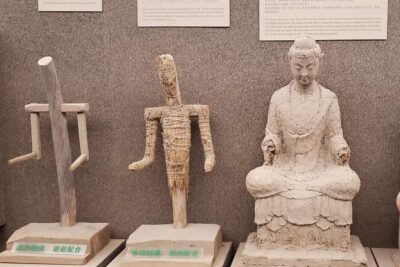
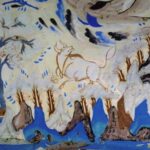
Mogao Caves is the main event in Dunhuang, and this program builds the visit smartly with Mogao Caves plus the Digital Film Center. The caves include 492 grottoes, about 45,000 square meters of murals, roughly 2,400 painted statues, and over 250 residential caves that remain. That is a lot of art to process if you walk in cold.
The Digital Film Center helps you get the context first, so the later hours in the caves feel less like memorizing and more like understanding. A guided visit usually also means you spend less time figuring out where to go and more time focusing on the details that make Mogao special.
Practical note: plan for a longer attention span. Even if the official time at Mogao is listed as 4 hours, your brain often needs a breather afterward because the art is intense. Bring patience, and let the guide point out what to notice.
White Horse Pagoda and the Silk Road Theater Show: A Clean Evening Rhythm
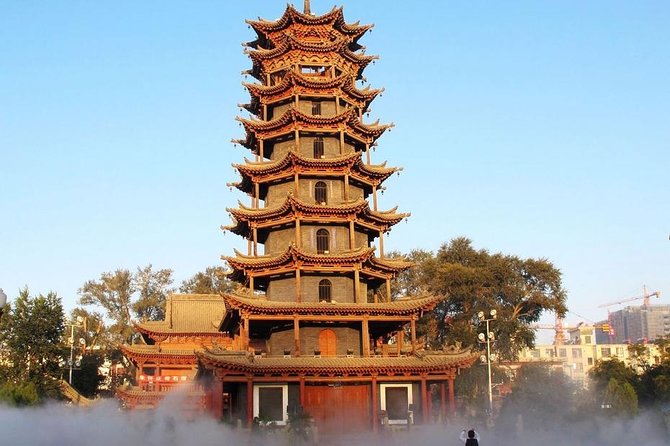
After lunch, you visit the White Horse Pagoda. It is a quick stop compared with Mogao, listed at about 30 minutes, but it is a nice change of pace. You go from museum-level religious art to a more focused landmark stop.
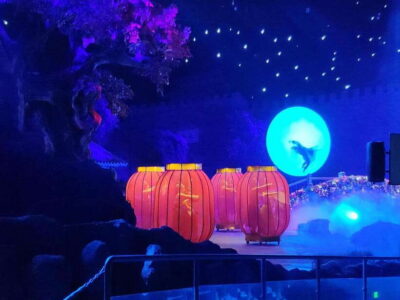
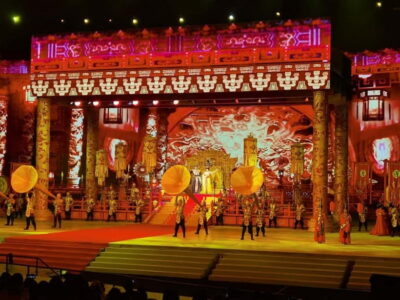
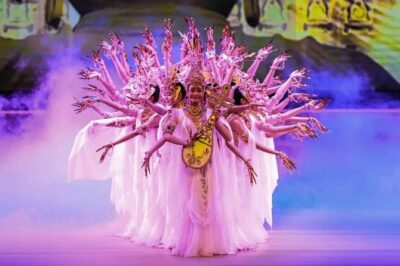
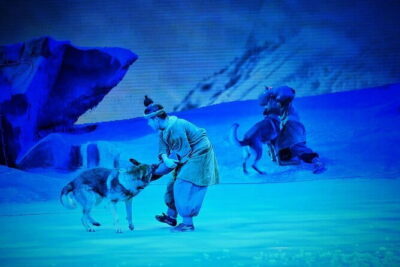
Then the evening has the Silk Road dance drama, which adds performance and storytelling to the day. One detail you should respect: the show is not available from Nov to next Mar. If you travel in that window, you may miss it, so check your dates carefully.
This kind of evening slot is also useful for jet lag. You are not doing another long outdoor climb. You get seated entertainment that still connects to the Silk Road theme.
Yumen Pass and the Great Wall of Han Dynasty: Frontier History in Big Scale
On day three, you shift from grotto spirituality to border-defense history at Yumen Pass. The Han Dynasty built and reinforced walls for frontier safety and commerce. The point is not just the wall itself, it is the idea of a controlled gateway between worlds.
The stop is paired with the Great Wall of Han Dynasty, and it is guided for about 2 hours with admission included. If you like history but hate dry lectures, this kind of site usually works well because you can look at the terrain while your guide explains why it mattered.
Mingsha Shan, Crescent Moon Spring, and a Camel Ride: The Desert Sounds Are Part of the Ticket
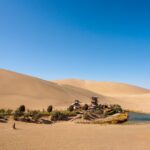
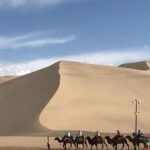
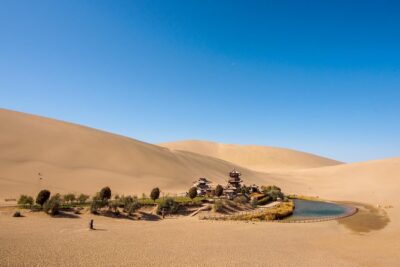
The afternoon is the desert portion at Mingsha Shan, also known for the Singing Sand Dunes. You also visit the Crescent Moon Lake, listed alongside it. The experience includes a camel ride in the sand dunes, so you get the classic desert moment without having to organize it separately.
The order is smart: you tackle the sound and dune energy first, then take in the spring setting. Expect a full outdoor segment of about 3 hours total.
A practical tip for desert days: protect yourself from wind-blown sand, even if the sky looks calm. Sunglasses help. And if your ride happens near peak sun, you will thank yourself for sunscreen and a light layer.
Yulin Grottoes and Suoyangcheng Relics: Seeing the Same Artistic Family, Farther West
Day four brings the most valuable kind of comparison: Yulin Caves. It is often called Mogao’s sister because it shares roots in style and content. Like Mogao, it is known for murals and painted religious art, but the atmosphere can feel different because of the separate location and setting.
This visit is about 2 hours, and admission is included.
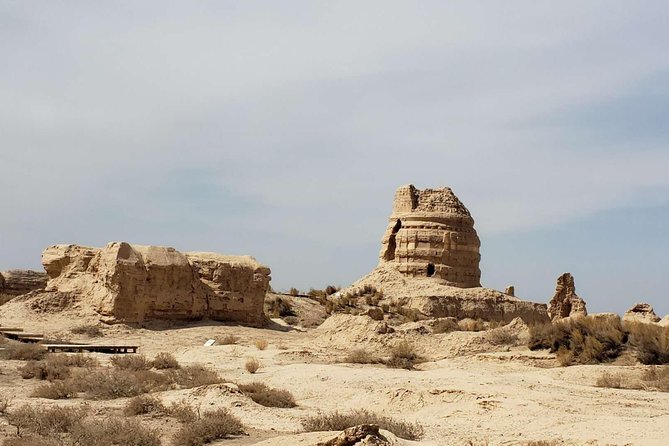
After lunch, you go to the Suoyangcheng relic site. This is an important Silk Road stopping point and it is listed as a UNESCO site in 2015. The program gives about 2 hours here, which is enough time to understand it as a trade hub, not just ruins on a map.
Then you transfer to Guazhou. That transition matters because it keeps your overall loop efficient. It also helps you avoid the “too long in one city” feeling that can wear you down on multi-day travel.
Jiayuguan Pass and the Overhanging Great Wall: The Western End Feeling Is Real
Jiayuguan is where the Great Wall theme becomes tangible. You visit the Jiayuguan Pass and the Museum of the Great Wall, at the western end of the Ming Dynasty Great Wall. This stop is listed at about 2 hours with admission included.
Then you go to the Overhanging Great Wall, with about 1.5 hours for climbing and exploring. This is the kind of segment that turns the wall from a photo object into a real physical experience. Even if you keep the pace steady, you will feel the effort.
I like that this itinerary does not treat the wall as just a single checkbox. You get a pass-and-museum context first, then you get the drama of climbing. It is a better way to “understand and feel” history, not just see it.
Zhangye Danxia Geopark: Rainbow-Color Geology That Actually Makes You Stop Talking
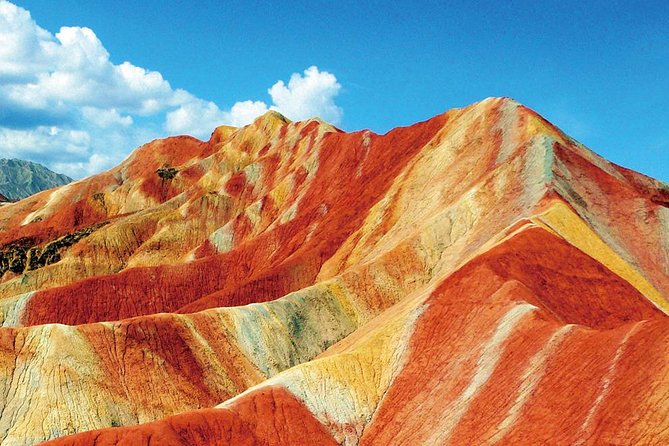
Zhangye Danxia Geopark is one of those stops that feels almost too colorful to be real. The tour segment is long, listed at about 8 hours. That is a big block, and it usually means you are not rushed between viewpoints.
A key detail here is the “painting bricks” idea tied to the tomb of the Wei and Jin Dynasty. The idea is that colorful, inlaid bricks show different themes, covering areas like politics, economy, military, and culture. Even if you do not focus on the bricks themselves, the connection is helpful because it turns the color spectacle into something tied to people and meaning.
This is also where the trip earns its “Worth the detour” reputation. You will likely have seen Danxia images before, but once you are standing in it, the tones and layers can feel more dimensional than a screen can show.
Giant Buddha Temple and Horse Hoof Temple Grottoes: Big Devotion, Distinct Identity
Day seven slows down slightly into spirituality again.
You visit the Dafo Temple of Zhangye, described as the biggest Nirvana Buddha in Asia. That scale is the point. It is designed to be imposing. For many people, this stop becomes the emotional contrast to the bright, physical drama of Danxia and the Great Wall.
After that, you visit the Horse Hoof Temple Grottoes, known for deity horse footprints. It is a short stop listed at about 1 hour with admission included, which can work nicely because you get a focused encounter rather than a long day of repeated cave-viewing.
If you like religious sites, I recommend treating this as more than a quick photo sprint. Let your guide explain what the horse-footprint story means in the local tradition.
Pingshanhu Grand Canyon and Your Transfer Out: Finish Strong, Then Get Going
On day eight, you start with Pingshanhu Grand Canyon in the morning. The tour description does not list an exact hour count, but it is clearly set as the final major nature stop.
After lunch, you transfer to the airport or to Zhangye Railway Station. The tour also notes they can help you book high-speed train tickets. That means you have support for getting to your next destination without scrambling.
If you are the type who hates a rushed last day, you are in luck here. The end is practical: a final scenic hit, then a clean exit plan.
Hotels, Meals, and Air-Conditioned Transport: This Is Where the Tour Pays You Back
This tour earns its value through the daily “comfort layer.”
- Meals included: seven breakfasts, seven lunches, and seven dinners. That removes one of the biggest pain points in China travel for many first-timers, menu uncertainty and the time sink of picking places.
- Hotel comfort: 4-star in Dunhuang, and the best hotels in Zhangye and Jiayuguan, all with air-con and bottled water.
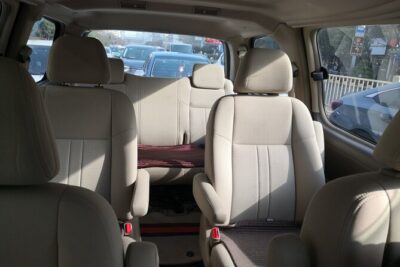
- Transport: air-conditioned vehicle plus bottled water on the ground. For long driving days between sites, that matters more than you think.
- Water and basics: bottled water is also provided, and the itinerary includes it as a listed feature, not a vague promise.
Vegetarian options are available if you request them at booking, and the company asks you to share dietary requirements in advance. That is important if you have any restrictions, because it is far easier to fix before you arrive at the restaurant.
One more plus from past experience with this operator: people have praised guides for being organized and considerate, and praised clean, comfortable buses. That aligns with what you want for a multi-day route where you cannot afford transportation headaches.
Tickets, Timing, and the Digital Touch: Mobile Tickets Help
Admission tickets are included for the named attractions throughout the trip, including Mogao Caves, Yumen Pass, Mingsha Shan, Yulin Grottoes, Jiayuguan sites, and the Zhangye attractions. The tour also mentions mobile ticket delivery, which generally makes entry smoother when you are dealing with ticket counters and large crowds.
Timing is also planned around the realities of popularity. Mogao Caves and the Great Wall pass stops can involve queueing and strict entry windows, so having a guide and a set schedule is a real advantage.
Also, remember the show seasonal note. If your dates fall in the off months, you will not get the performance evening that the plan includes.
Price and Logistics: Is $2,199 a Fair Deal for This Much Ground?
At $2,199 per person for an 8-day, guided, hotel-included trip, the “fairness” depends on what you would otherwise spend doing it yourself.
Here is what you are paying for, clearly:
- lodging for 7 nights in the cities on the route,
- guided visits and admission tickets for the key sites,
- air-conditioned ground transport,
- airport and station transfers,
- bottled water included,
- a full meal plan with seven breakfasts, lunches, and dinners.
If you tried to piece this together on your own, you would still pay for hotels, long drives, and admissions. The hidden cost would be time and stress, especially when you are coordinating multiple cities and top attractions that have limited entry windows.
This price can feel high if you compare it to a budget DIY trip. But if you value saved decision-making and reliable day-to-day movement, it is often a good match for what this route requires.
Who Should Book This Tour, and Who Might Prefer Something Else
This fits best if you want:
- a guided, efficient Silk Road overview that covers both cultural sites (grottoes and Buddhist temples) and major history (Han Great Wall and Jiayuguan Pass),
- included meals and hotels to keep the trip simple,
- comfortable logistics, especially with air-conditioned transport.
It may be less ideal if you:
- want total freedom to change the plan hour by hour,
- travel in months where the Silk Road theater show is not operating and you specifically care about that performance,
- prefer ultra-slow travel with lots of downtime between attractions.
Should You Book This 8-Day Dunhuang to Zhangye Tour?
I would book it if you like structure and you want to see the Hexi Corridor highlights without turning your days into a planning project. The combo of Mogao Caves, Yulin Grottoes, Jiayuguan Pass, and Zhangye Danxia is the kind of “best-of” mix that is hard to replicate smoothly on your own.
Before you commit, double-check your travel month for the evening Silk Road show window. Also consider that the experience depends on good weather, so build flexibility into your overall China plan.
If you want, tell me your travel month and whether you care more about caves, the Great Wall, or the color geology. I can help you judge whether this specific route and pacing matches your style.
FAQ
What is included for meals on this 8-day trip?
The tour includes seven breakfasts, seven lunches, and seven dinners.
Are airport or train station transfers included?
Yes. Port pickup and drop-off are included, and the trip includes transfers to and from the airport. On the last day, you transfer to the airport or Zhangye Railway Station.
Which major attractions are part of the itinerary?
Key stops include Mogao Caves, the White Horse Pagoda, Yumen Pass and the Great Wall of Han Dynasty, Mingsha Shan with Crescent Moon Spring and Singing Sand Dunes, Yulin Grottoes, Suoyangcheng relic site, Jiayuguan Pass and the Great Wall of Ming Dynasty museum, Overhanging Great Wall, Zhangye Danxia Geopark, the Giant Buddha Temple, Horse Hoof Temple Grottoes, and Pingshanhu Grand Canyon.
Are hotel rooms air-conditioned?
Yes. The hotels used in Dunhuang, Zhangye, and Jiayuguan are described as having air-conditioning, and bottled water is provided.
Is a camel ride included?
Yes. The itinerary specifically includes a camel ride during the Mingsha Shan and Singing Sand Dunes portion.
Is the Silk Road theater show included, and is it seasonal?
Yes, the itinerary includes the Silk Road show. It is noted that the show is not available from Nov to next Mar.
Can I request a vegetarian meal option?
Yes. A vegetarian option is available if you advise the provider when booking.
Is wheelchair or infant seating available?
Yes. Wheelchairs and infant seats are available if needed.
More Tour Reviews in Dunhuang
Further Along The Silk Road
Dunhuang, reviewed one booking at a time
- Classic The Silk Road Half Day Tour: The World Heritage –Mogao Grottoes
★ 4.5 · 3 reviews - Dunhuang Day Tour: Mogao Grottoes, Singing Sand Dunes and The Silk Road Show
★ 5.0 · 4 reviews - Dunhuang Private Day Tour Mogao Grottoes, Singing Dunes and Crescent Moon Spring
★ 4.5 · 6 reviews - Dunhuang Private Silk Road Day Tour: Mogao Caves, Crescent Spring
★ 4.5 · 7 reviews - 3-Day Private Silk Road Tour of Dunhuang: Mogao Grottoes, Yulin Grottoes, Crescent Moon Pool
★ 5.0 · 11 reviews - 8-Day Silk Road Trip of Dunhuang, Jiayuguan, Zhangye with Accommodation
★ 5.0 · 16 reviews
Silk Road & Dunhuang Tours, compared.
 ★ 4.9Xi’an Silk Road: Legend of Camel Bell Show Ticket w/TransferFrom $4845 reviews
 ★ 5.0Private Customized the Silk Road TourFrom $17920 reviews
 ★ 5.0Xi’an: Silk Road(Camel Bell) Legend with Roundtrip TransferFrom $3912 reviews
 ★ 5.03-Day Private Silk Road Tour of Dunhuang: Mogao Grottoes, Yulin Grottoes, Crescent Moon PoolFrom $79911 reviews
 ★ 5.0Silk Road Show:Legend of Camel Bell Includes Round-trip TransfersFrom $3810 reviews
 ★ 5.0Silk Road Theme Show Legend of Camel Bell Ticket with TransferFrom $448 reviews
 ★ 4.5Dunhuang Private Silk Road Day Tour: Mogao Caves, Crescent SpringFrom $937 reviews
 ★ 4.5Xi’an Silk Road: Legend of Camel Bell Show Ticket with TransferFrom $497 reviews
Browse the lists this tour appears in