
REVIEW · BEIJING HUTONG TOURS
Beijing: Hutong Culinary Walking Tour with 15+ Tastings
Food in Beijing hides in plain alleys. In this Dongsi Hutong walking tour, what makes it special is the 15+ tastings plus the guide’s stories about how people actually eat and live in the lane-style neighborhoods. I also like that the route adapts to your comfort level, so you can lean classic or go bold with the surprises.
One possible drawback: you’ll be eating a lot for a 3 to 4 hour stretch, including dishes that some people find adventurous (even if a swap is possible). If you are very picky, speak up early so the guide can steer you toward what you will enjoy.
In This Review
- Key highlights that make this Hutong food walk work
- Where Dongsi Station Exit B Drops You Into Hutong Life
- How 15+ Tastings Adds Up to a Real Meal in Just 3 to 4 Hours
- Sesame Cakes, Ma Hua, and Beijing Snacks That Start Sweet
- Dumplings, Jar Yogurt, and the Comfort-Food Middle Stops
- Rice Cakes, Sweet Stuffing, and the Comfort of Steamed Bites
- Malatang and Spicy Soups, When Beijing Turns Up the Heat
- Baijiu, Hot Eats, and What to Do If Strong Liquor Is Not Your Thing
- Xinjiang Lamb Skewers and the Adventure Bites Some Stops Offer
- Why Hutong Stories and Eating Etiquette Make This Tour Feel Local
- Price and Value for a Private Beijing Food Walk at $76
- Who Should Book This Hutong Culinary Walking Tour (and Who Might Skip It)
- Should You Book This Beijing Hutong Culinary Walking Tour?
- FAQ
- How many food tastings are included?
- How long is the Beijing Hutong culinary walking tour?
- Where do we meet for the tour?
- What language is the guide?
- Is this a private group?
- What drinks are included?
- Can the guide adjust for dietary preferences or avoid certain foods?
- What kinds of snacks might we try?
- Is baijiu included?
Key highlights that make this Hutong food walk work
- Meet at Dongsi Subway Station Exit B, then start with a slow walk that sets the context before the snacks
- 15+ tastings included, with small portions that add up to a real meal without one giant stop
- Guides adjust the plan for your preferences, classic bites or bolder challenges, not one fixed route
- Hutong eating etiquette and local stories, so you understand what you are tasting while you taste it
- A mix of Beijing classics and regional flavors, including Xinjiang lamb skewers and hot, spicy street-style soups
- Baijiu and optional adventure items, for people who want the full cultural experience
Deeper into the hutongs
- Beijing Hutong Walking Food and Beer Tour at Hidden Restaurants★ 5.0 · 1,132 reviews
- Temple Heaven, Summer Palace, Lama Temple, Hutong Bus Tour★ 4.7 · 319 reviews
- Temple of Heaven, Summer Palace, Lama Temple, Hutong Tours★ 5.0 · 311 reviews
- Beijing Private Hutong Food Walking Tour★ 5.0 · 299 reviews
Where Dongsi Station Exit B Drops You Into Hutong Life
This tour starts in the most practical way possible: you meet at Dongsi Subway Station Exit B, and your guide holds a sign with your name. If you are taking a taxi, show the driver 東四地鐵B出口附近. For me, the big win here is that you are not hunting for a mysterious pickup spot. You start close to transit, then the fun begins on foot.
Once you meet up, you head into quieter Hutong lanes. This is not just a photo walk. The guide shares the background of Hutong neighborhoods, plus how food fits into daily life there. You also get eating etiquette as you go, which matters because Beijing snack culture has its own rhythms. When you know what to expect, you spend less time guessing and more time enjoying.
If you choose hotel pickup, your guide waits in the lobby with your name on a sign. That can shave off the stress of getting to Dongsi, especially in colder months or if you are short on time.
How 15+ Tastings Adds Up to a Real Meal in Just 3 to 4 Hours
The timing is built for maximum payoff: it runs 3 to 4 hours, and about 3 hours of that is dedicated to feasting around the Hutong area. The tastings are the centerpiece, and the portions are designed to keep you moving from one spot to the next without feeling totally stuffed at the first stop.
I like how the guide keeps things adaptable. Stops vary daily, and you are not stuck with a rigid sequence that ignores your taste. If you want the classics, you get them. If you want bolder picks, you get those too. That flexibility is especially helpful because Beijing food spans sweet snacks, savory carbs, soups, and then the stronger stuff at the end.
You also get bottled water and local soft drinks. That sounds basic, but on a walking food tour it makes a difference. Spicy foods and sweet pastries add up quickly. Having drinks included means you can focus on the experience rather than rationing your budget mid-walk.
Sesame Cakes, Ma Hua, and Beijing Snacks That Start Sweet
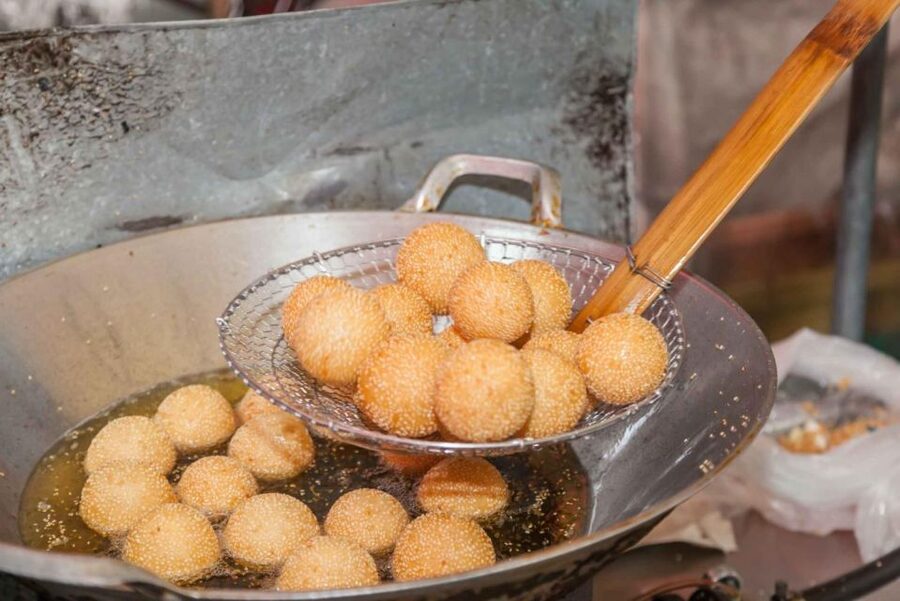
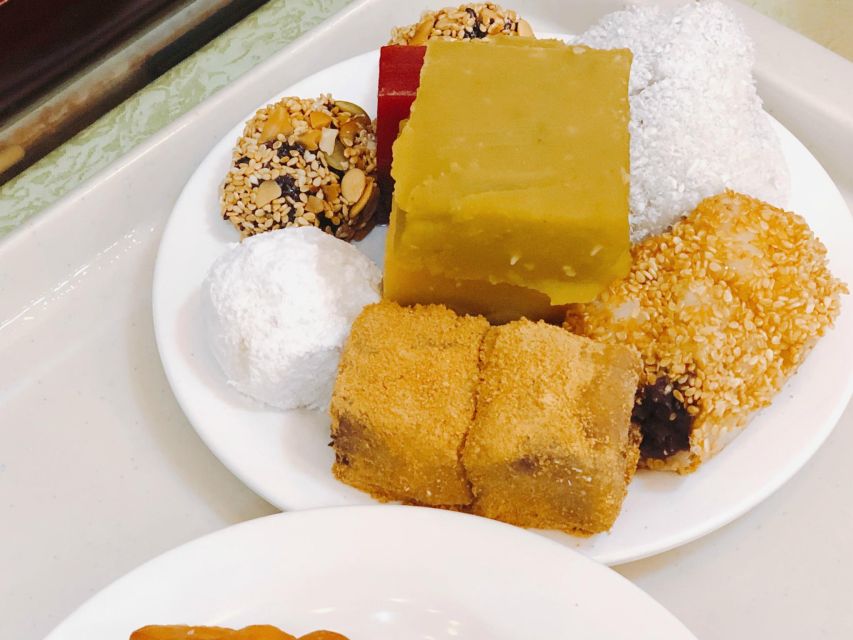
Early on, you may see the kind of snack that turns first-time visitors into instant fans. One of the usual stars is sesame cake: sesame seeds, often sweetened with honey. It is chewy and fragrant, and it gives you a taste of how Beijing street food balances comfort with crunch.
Another possible stop is ma hua, a fried dough twist. Expect crisp edges and a warm, snack-sized bite. These are the foods you understand fast, even if you do not know the language. The guide can tell you what makes each one distinct, like how the texture matters more than the ingredients for some items.
You might also taste Beijing fried ring (a crispy fried household snack). This is the kind of thing you will notice is simple in concept, but perfect in execution. The crispness is the point, and the guide’s commentary helps you understand why people snack on it casually, not like it is a special occasion food.
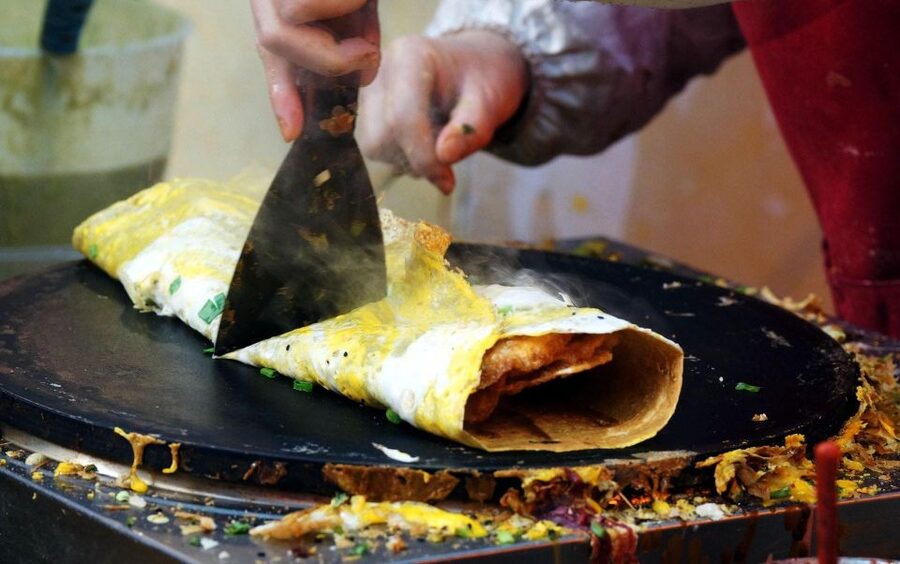
If your group includes someone who loves savory comfort, look out for jianbing (the fried pancake style). It is handheld, hot, and quick. You get that street-food energy without the chaos.
Dumplings, Jar Yogurt, and the Comfort-Food Middle Stops
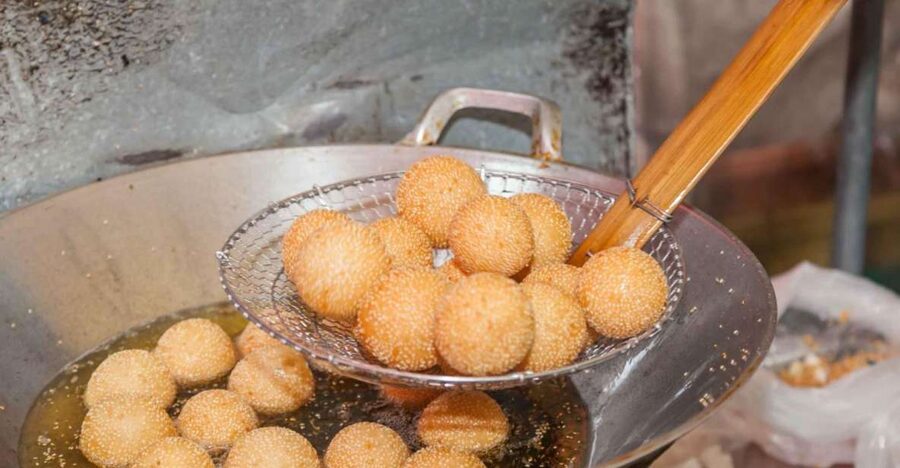
The tour often shifts into more filling bites, where you start to feel like you are building a full meal from small plates.
One common highlight is soup dumplings. The key detail here is the experience: hot dumplings, a quick bite, and a careful first taste so you do not burn your mouth. The guide’s eating etiquette can help you avoid the common mistake of rushing the first one.
Another item you might try is Beijing jar yogurt. It is local, and it tends to be a refreshing contrast after fried snacks. Even if you do not think of yogurt as street food, this helps the tour stay balanced, not just one long line of carbs.
You may also get j ianbing-style fried pancake again depending on the day’s plan, plus other Beijing local snacks that fit the lane-side dining style. The point is that you are tasting what people actually buy close to home, not only what is famous online.
Other Beijing trips our reviewers kept returning to

Rice Cakes, Sweet Stuffing, and the Comfort of Steamed Bites
For the sweet-to-soft transition, the tour may include steamed rice cakes with sweet stuffing. This is not dessert in the American sense. It is closer to a warm, chewy, satisfying bite that fits Beijing’s snack culture.
You also might see other local sweets and small pastries. If you like your food walking-tour friendly, this is where it often feels easiest to enjoy. The flavors tend to be approachable, and the texture gives you a break from the crisp fried items.
If you are the type who gets overwhelmed by too much spice, these quieter bites can be a relief. They also help you pace yourself so the later hot dishes do not hit all at once.
Malatang and Spicy Soups, When Beijing Turns Up the Heat
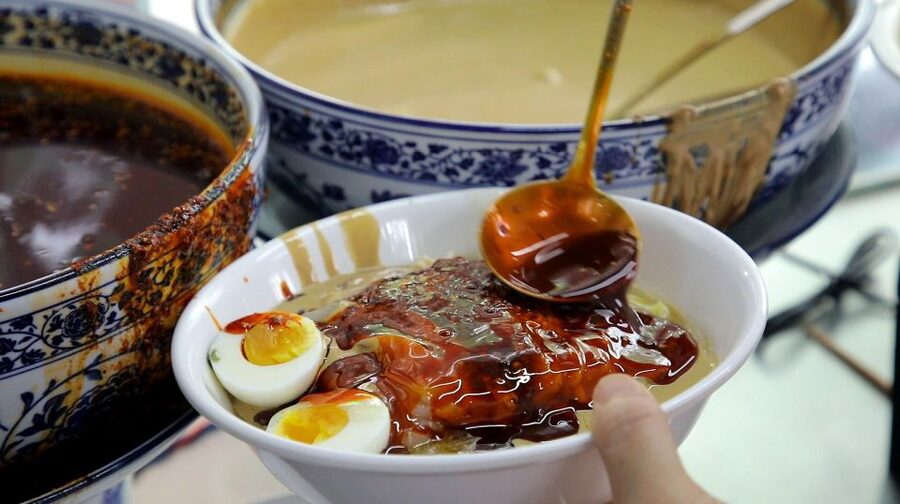
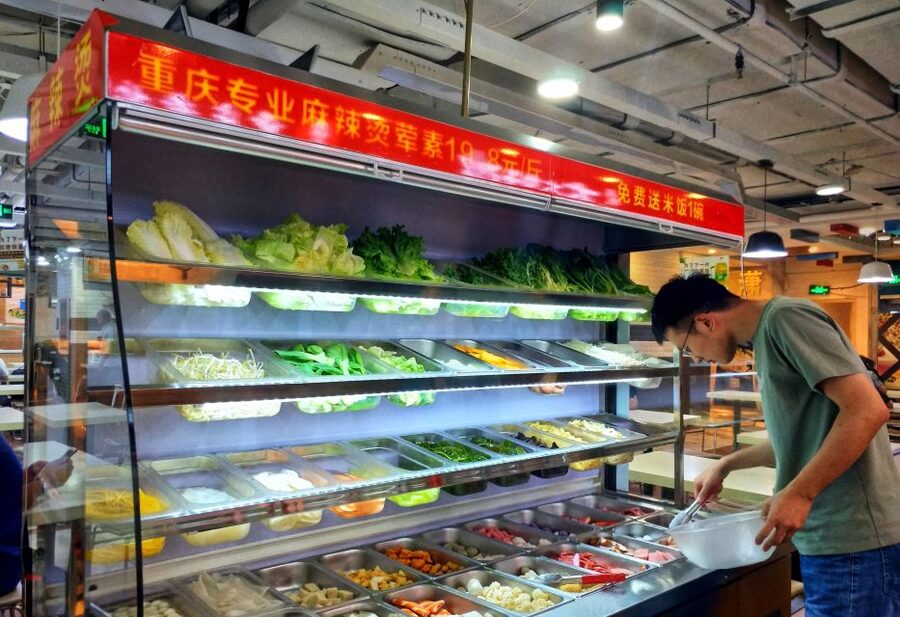
If you are into heat, expect malatang. It is a cousin to hot pot style food, with a spicy soup base and lots of ingredients like vegetables, meats, seafood, and noodles. Even if you are not a huge spicy person, this is a great tasting stop because it shows how Beijing street food is not one-note.
The guide is the real advantage here. Your tolerance level matters, and the tour is designed to adjust. You can request to go lighter on spice if that is your style, or you can lean in if you want the full effect.
The walking-food format also helps. You are not stuck in a long restaurant meal. You get warmth, flavor, and then you keep moving through the Hutongs, which makes the food taste more like part of the neighborhood than a separate event.
Baijiu, Hot Eats, and What to Do If Strong Liquor Is Not Your Thing
A late stop often includes baijiu, a colorless Chinese liquor that typically falls between 35% and 60% alcohol by volume. This is one of those foods-and-drinks moments that feels cultural, not just alcoholic.
If you are not a spirits person, still listen to what the guide says. The commentary can make it easier to understand why this drink shows up in social settings and meals. You can also watch how your group reacts. Some people take it as a quick sip and move on, others treat it like a learning moment.
The tour’s overall structure helps here because baijiu is not usually the only end-stop. You are still working through savory bites, then finishing with more snack-style items, so you are not left only with the strongest taste.
Xinjiang Lamb Skewers and the Adventure Bites Some Stops Offer
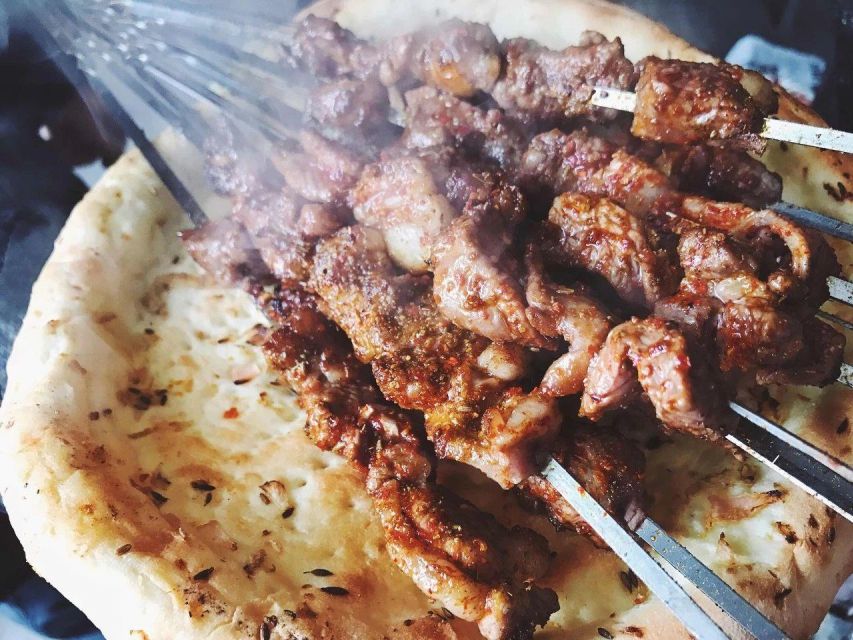
The closing phase often leans toward savory, especially Xinjiang lamb skewers. You may also see nang bread and lamb or vegetable kabobs. This is a satisfying payoff after sweet and spicy snacks because the flavors are bold, smoky, and immediate.
Then come the true adventure options. If your group identifies as adventure foodies, you might encounter surprises such as donkey burger, fried liver, intestine soup, 1000 year old egg, and even bamboo worm at your cost. These are not required. The guide can steer you toward the level you want to handle.
I love that the tour treats this respectfully. You should not feel pressured to eat something you do not want. If you have food limits, tell the guide, because substitutions can be possible. There are examples of vegetarian-friendly adjustments, so your choices do have room to breathe.
Why Hutong Stories and Eating Etiquette Make This Tour Feel Local
Food tours can be loud and generic. This one aims for something better: the Hutong context.
As you walk, the guide explains culinary traditions and why certain snacks became common. You also get eating etiquette during the experience, not as a lecture you must remember later. That means you learn practical habits, like how to approach hot items, how to handle snack pacing, and how to behave in the smaller, local venues you visit.
This matters because Hutongs are not a theme park. They are neighborhood lanes. When you understand even a little about how people use these spaces, the snacks taste different. You also notice how many of the stops are practical places, not tourist-only counters.
From the guide styles across different times, you also see a pattern: people like Jimmy, Mike, May, Allen, Anson, Andy, Jay, Miko, and Lucy all show up with strong storytelling. You do not just get food names. You get a sense of how Beijing fits into a wider Chinese food map, including regional influence.
That is why it works as an introduction. By the time you finish, you know what questions to ask when you later try restaurants on your own.
Price and Value for a Private Beijing Food Walk at $76
At $76 per person, this is not a budget snack crawl. But it also is not overpriced for what you get.
You are paying for:
- 15+ tastings (more stops and more variety than most single-price food tours)
- A live English guide who handles ordering, pacing, and the explanation of what you are eating
- A private group format, which makes it easier to ask questions and request adjustments
- Bottled water and local soft drinks
- Optional hotel pickup and drop off with private transfer (if you select that option)
If you tried to assemble this yourself, you would spend time searching for places, translating menus, and figuring out what is worth ordering. Here, that work is done for you, and the route keeps you within the Hutong neighborhood so you can stay in the right food atmosphere.
The biggest cost-saving angle is variety. You do not have to commit to a single restaurant dinner and then regret it. You sample, compare, and learn.
Who Should Book This Hutong Culinary Walking Tour (and Who Might Skip It)
This tour is a great match if:
- You are visiting Beijing for the first time and want a fast, local introduction
- You love street snacks and want many different bites in one outing
- You want clear explanations, not just food on plates
- You are open to spice and enjoy learning how regional flavors show up in Beijing
It is also a strong choice for families when the group needs a guided, structured food experience. For example, there are accounts of guides taking extra care with a vegetarian child by building vegetarian options into the day.
You might want to think twice if:
- You hate strong flavors like baijiu or you avoid offal and adventurous items completely
- You prefer one full sit-down meal over many small tastings
- You get uncomfortable with lots of walking and standing for a few hours
If you fall into those categories, you can still book, just communicate your boundaries early.
Should You Book This Beijing Hutong Culinary Walking Tour?
Yes, if you want a genuine-feeling food introduction without the guesswork. The combination of 15+ tastings, Hutong storytelling, and an English-speaking guide makes it an efficient way to understand Beijing cuisine fast. I especially like that guides adjust stops for classic bites versus bolder picks, so you are not forced into a one-size menu.
Book it earlier in your trip. Once you learn what you enjoy, you can seek out similar dishes later with confidence instead of starting from scratch.
If you are on the fence, do one thing that helps: tell the guide what you love and what you do not want. This tour works best when you treat it like a conversation, not like a fixed checklist.
FAQ
How many food tastings are included?
The tour includes 15+ tastings. That is the main selling point, and it is designed to cover a wide range of snacks in one outing.
How long is the Beijing Hutong culinary walking tour?
The duration is 3 to 4 hours, with about 3 hours of feasting around the Hutong neighborhood.
Where do we meet for the tour?
You meet at Dongsi Subway Station Exit B. Your guide holds a sign with your name.
What language is the guide?
The tour includes a live English-speaking guide.
Is this a private group?
Yes. The activity is listed as a private group.
What drinks are included?
You get bottled water and local soft drinks during the tour.
Can the guide adjust for dietary preferences or avoid certain foods?
The tour includes guidance and stop adjustments based on preferences. There are also examples of dietary adjustments like vegetarian options and substitutions when guests do not want certain adventurous dishes.
What kinds of snacks might we try?
Possible tastings include sesame cakes, ma hua, soup dumplings, Beijing jar yogurt, Jianbing, steamed rice cakes with sweet stuffing, malatang, baijiu, and Xinjiang lamb skewers with nang bread. Adventure options may also be offered for adventurous foodies at your cost.
Is baijiu included?
Baijiu is listed as one of the potential tastings. It is described as a colorless Chinese liquor, typically with 35% to 60% alcohol by volume.
More Tours in Beijing

More Tour Reviews in Beijing
Further Into The Hutongs

Beijing, reviewed one booking at a time
- Xian: Must see Eternal Love or Camel Bell Legend show Ticket
★ 5.0 · 3 reviews - One day tour to downtown Tianjin from Beijing by high speed train
★ 5.0 · 3 reviews - Ming Tombs Sacred Way & Underground Palace & Water Wall P Tour
★ 5.0 · 3 reviews - Beijing Mutianyu Great Wall Small Group Tour
★ 4.5 · 3 reviews - Return Bus to Badaling Great Wall
★ 3.0 · 3 reviews - Private Tour to Lama Temple, Tian’anmen Square and Forbidden City
★ 5.0 · 3 reviews
Beijing Hutong Tours, compared.
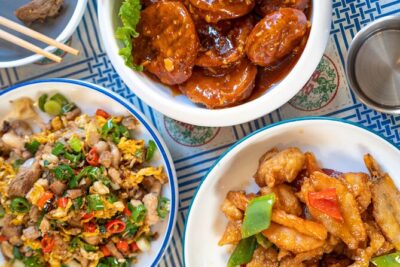 ★ 5.0Beijing Hutong Walking Food and Beer Tour at Hidden RestaurantsFrom $801,132 reviews
 ★ 4.7Temple Heaven, Summer Palace, Lama Temple, Hutong Bus TourFrom $58319 reviews
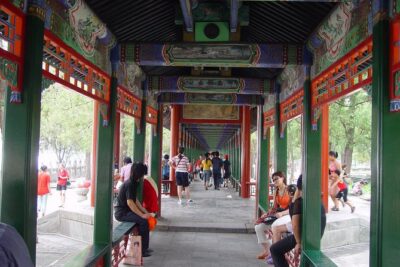 ★ 5.0Temple of Heaven, Summer Palace, Lama Temple, Hutong ToursFrom $99311 reviews
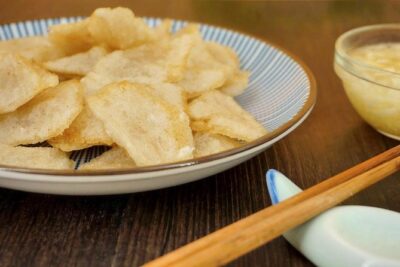 ★ 5.0Beijing Private Hutong Food Walking TourFrom $82299 reviews
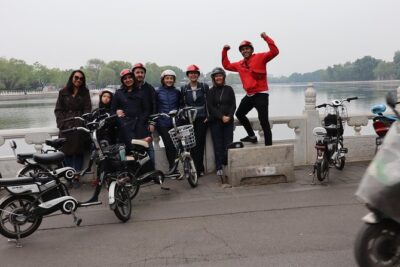 ★ 5.0The Hutong Experience by BikeFrom $150163 reviews
 ★ 5.0Beijing Hutong Breakfast Food TourFrom $45155 reviews
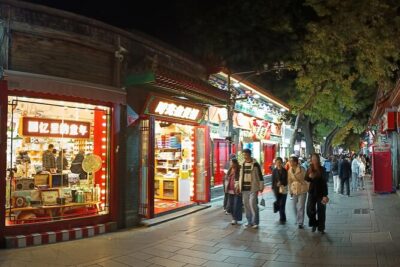 ★ 5.0Beijing City Walk: Explore Hutongs Life and Old BeijingFrom $15146 reviews
★ 5.0Beijing Hutong Breakfast Food TourFrom $55120 reviews
★ 5.0Beijing City Walk: Explore Hutongs Life and Old BeijingFrom $15146 reviews
★ 5.0Beijing Hutong Breakfast Food TourFrom $55120 reviews
Browse the lists this tour appears in