
REVIEW · BEIJING HUTONG TOURS
Beijing: Hutongs & Food & Culture Walking Tour
Hutongs make Beijing make sense fast. This walk turns narrow hutong lanes and old siheyuan courtyard homes into a clear story of how people lived, ate, and gathered. I like that you are not just looking, you are tasting and listening as you move.
I especially like the mix of two great hutong zones, Nanluoguxiang and Shichahai, so you can see how the old city feels both lively and calm. You also get real street-food hits like jianbing guozi and tanghulu, with chances to try douzhi paired with youtiao and preserved vegetables. One drawback to plan around: food and drinks are not included, so you will want cash ready for snacks you want to actually buy.
Expect cultural pauses too, with a tea-house stop for jasmine tea or oolong, craft demos like paper cutting and calligraphy, and sometimes a quick taste of Peking Opera nearby. The timing can feel full, because the guided museum part can run about three hours, so comfortable shoes matter.
In This Review
- Key things I’d plan around
- Price and logistics: why this tour feels like a deal (and where to double-check)
- Choosing your start: Gulou, Beijing Capital Museum, or Shichahai
- Walking hutongs and siheyuan: what you’re really learning on the ground
- Street-food stops: how to eat like a local without overbuying
- Nanluoguxiang and Shichahai: two hutong moods in one walk
- Tea house time, paper cutting, calligraphy, and a possible opera glimpse
- Beijing Capital Museum: guided viewing and why passport info matters
- Optional rickshaw ride and home visit: what to expect from the upgrade
- Timing and pace: getting your day right for 3 to 6 hours
- What to bring, and the photo and behavior rules that matter
- Who this tour suits best, and who should skip it
- Should you book this hutong food and culture walking tour?
- FAQ
- How long is the Beijing Hutongs and Food and Culture Walking Tour?
- How much does the tour cost?
- Where can I start the tour?
- Is the Beijing Capital Museum guided?
- Are food and drinks included?
- What languages are the live tour guides?
- What do I need to bring, and are there photo limits?
Key things I’d plan around
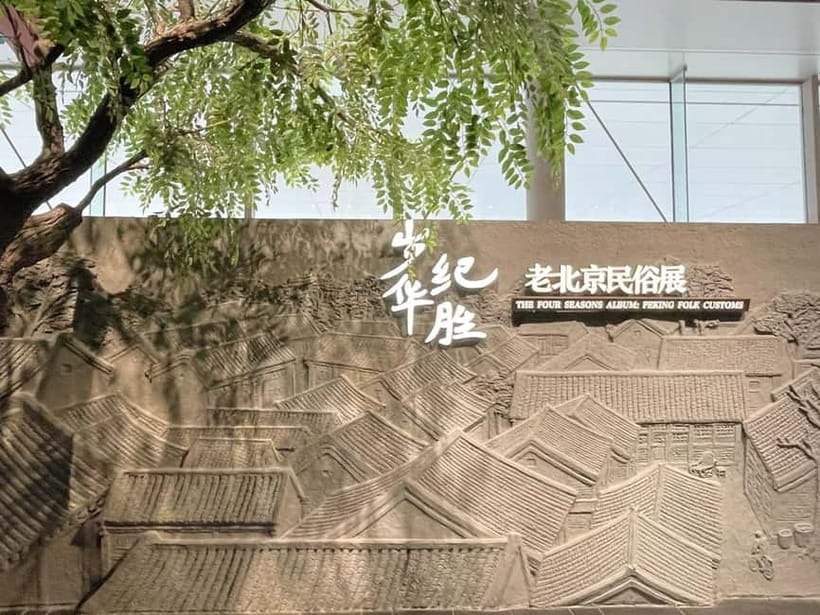
- Hutong route with courtyard-life context, so the lanes and doors make sense, not just look pretty
- Street-food focus, including jianbing guozi, tanghulu, and douzhi with youtiao
- Tea-house time plus paper cutting and calligraphy demos for a break from walking
- Stops in Nanluoguxiang and Shichahai, two very different hutong moods
- Beijing Capital Museum guided visit (about 3 hours), and admission requires passport details
- Optional rickshaw ride and home visit depending on the option you pick
Deeper into the hutongs
- Beijing Hutong Walking Food and Beer Tour at Hidden Restaurants★ 5.0 · 1,132 reviews
- Temple Heaven, Summer Palace, Lama Temple, Hutong Bus Tour★ 4.7 · 319 reviews
- Temple of Heaven, Summer Palace, Lama Temple, Hutong Tours★ 5.0 · 311 reviews
- Beijing Private Hutong Food Walking Tour★ 5.0 · 299 reviews
Price and logistics: why this tour feels like a deal (and where to double-check)
The headline price is $2.86 per person, and for a 3 to 6 hour guided experience, it can feel almost too good. The key is that what you get depends on the option you book. The included items list shows a guided tour for your chosen starting point, and a rickshaw ride plus home visit only if that option is selected.
The other “where to double-check” is food. Your snacks and drinks are not included, even though the tour focuses heavily on Beijing street food. That means you should budget a bit on top of the ticket if you want to do more than just smell what’s cooking.
Finally, think about museum timing. The Beijing Capital Museum portion includes a guided tour (about three hours), and admission needs to be booked in advance with passport information. If you are traveling during Chinese holidays, you are advised to book at least seven days ahead, which is a good sign that popular entry times can sell out.
Choosing your start: Gulou, Beijing Capital Museum, or Shichahai
You can start from three places: Gulou, Beijing Capital Museum, or Shichahai. In practice, your starting point shapes the first hour or two. If you start at the museum area, you are likely to ease into the day with guided indoor time. Starting at Shichahai leans more toward the lake-side hutong atmosphere from the beginning.
If you start at Gulou, you’re placing yourself closer to a classic central Beijing reference point, which can make it easier to orient later. Either way, the meeting point can vary by option, so be ready to follow the provider’s specific instructions for where your group meets.
One small practical tip: since the tour is partly a “hiking” style walk, you will enjoy it more if you treat it like a walking tour, not a museum outing. Shoes, water (for yourself), and a clear plan for where you will store small essentials all matter.
Walking hutongs and siheyuan: what you’re really learning on the ground
Hutongs are narrow lanes, and if you have only seen them from photos, you may expect a simple “pretty old street” experience. This tour works better because it connects the lanes to siheyuan courtyard life, with visual cues you can recognize as you go.
You’ll be looking at courtyard residences with the feel of old Beijing: gray tiled roofs, red wooden doors, and brass knockers. The tour framing matters here. Instead of treating those details like decoration, you get the sense that the courtyards were homes for both nobles and commoners, and that daily life revolved around family and neighborhood ties.
What I like about this approach is that it gives you a way to read what you see. When you pass a courtyard gate or step into a lane that looks barely wide enough for two people, you start to understand why social life used to happen right there, on the street and just inside the door.
A consideration: hutong walking can be slow, partly because the lanes are tight and partly because you’ll pause. If you hate walking interruptions or you need constant movement, tell your guide your pace preference early.
Street-food stops: how to eat like a local without overbuying
This is one of the best parts of the experience, and it’s not just because Beijing street food is famous. The tour is organized around recognizable favorites that show different flavors and daily rhythms.
You’ll likely run into jianbing guozi, a crispy crepe style breakfast snack, built around eggs, scallions, savory sauce, and a crunchy wrapper. It’s a great first taste because it is flavorful, handheld, and easy to understand even if your Mandarin is limited.
You’ll also have tanghulu on the menu. This is the sweet and tangy candied hawthorn snack on a stick. It’s the kind of thing you can snack on while you keep walking, and it helps break up savory bites.
Then there is douzhi, a fermented mung bean soup. That is an acquired taste for some people, but it’s also a real “daily life” food, especially when you see how it is commonly paired with youtiao (fried dough sticks) and preserved vegetables. If you are curious, this pairing helps you understand why it shows up at street corners.
Practical tip: because food and beverages are not included, you need to decide as you go what you want to pay for. I’d treat it like sampling, not a full meal plan. Start with one savory item, add one sweet, then choose one “adventure” option like douzhi if you feel up for it.
Other Beijing trips our reviewers kept returning to

Nanluoguxiang and Shichahai: two hutong moods in one walk
The route includes two areas that let you compare old Beijing styles fast.
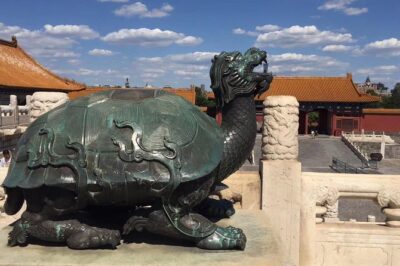
Nanluoguxiang is where traditional charm meets more modern street energy. You can expect older residences along with the kind of shops and cozy cafes that make this area feel like it has one foot in the past and one in the present. I like it because it shows how hutongs can stay relevant instead of becoming a dead museum set.
Shichahai is different, and that change is the point. You’re near scenic lakes, and the mood turns quieter. You might see locals out by the water, including people flying kites, plus the calm feel of willows moving when there’s a breeze. This part of the walk feels like a reset button for your brain after narrower hutong lanes.
A small reality check: Shichahai’s lake edges and Nanluoguxiang’s shop streets can mean more foot traffic in some periods. If you want quiet photos and slow walking, plan to go at a time when the streets are less crowded, and be patient if groups gather at popular corners.
Tea house time, paper cutting, calligraphy, and a possible opera glimpse
This tour does more than point at culture. It gives you a couple of controlled moments to slow down.
You step into a teahouse, where a tea master guides a tea ceremony. You may see jasmine tea or oolong used for the session. Even if you are not a tea expert, it’s useful because it shows tea as something social and careful, not just something you drink fast.
After that, you may spot folk craft workshops. The kind of demos you can get include paper cutting and calligraphy. Paper cutting tends to be all about patterns that symbolize good luck and prosperity. Calligraphy is more about watching ink and brush control, which is surprisingly calming when you’ve been walking for hours.
Sometimes you might even catch a snippet of Peking Opera from a nearby venue, with costumes and distinctive singing. It’s not guaranteed in the way a ticketed show is, but it adds a real “Beijing in layers” feeling when it happens.
Consideration: these cultural stops take time, and they can be short. If you’re hoping for a long sit-down workshop, this probably won’t replace a full cultural class. Still, it’s a good taste, especially if you want more than just food.
Beijing Capital Museum: guided viewing and why passport info matters
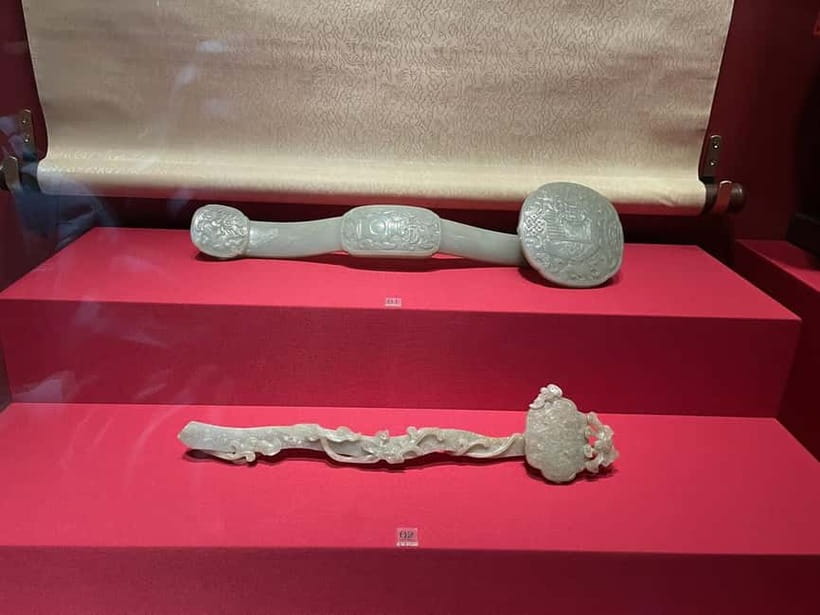
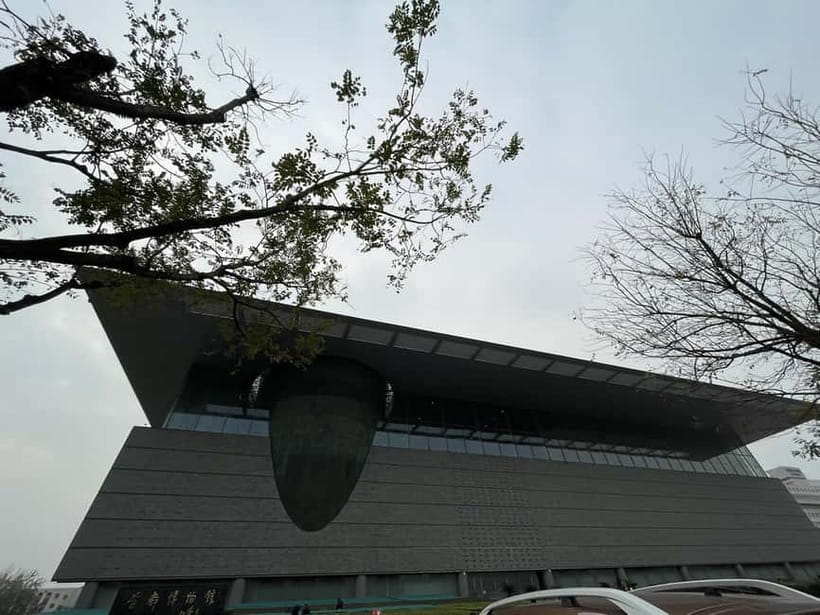
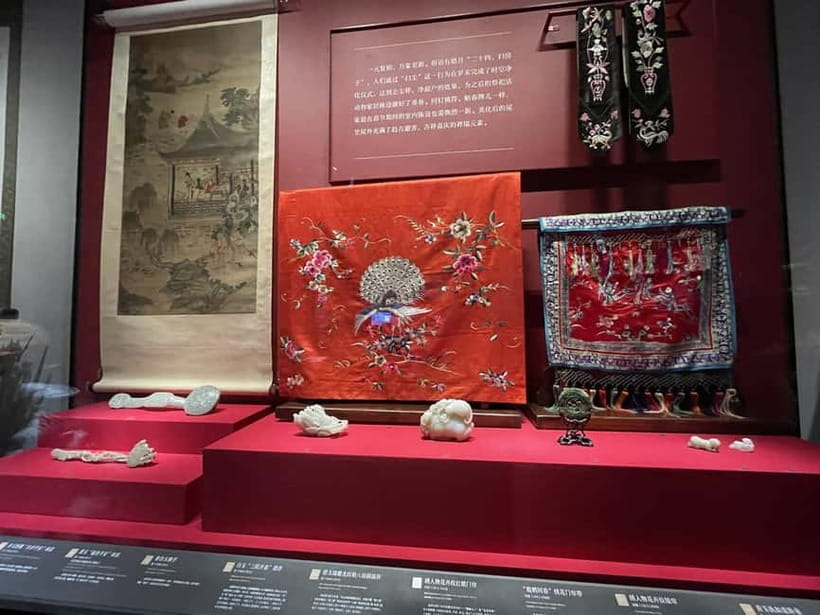
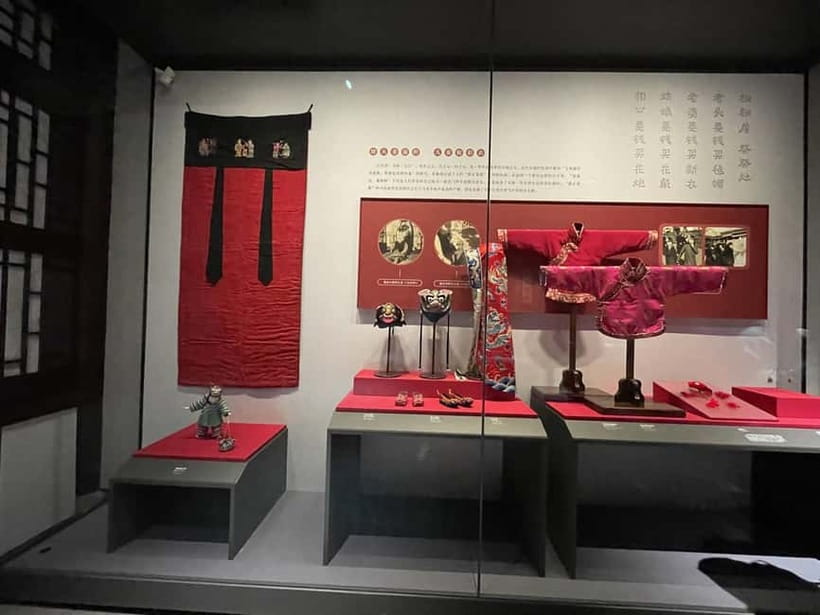
The tour includes a guided tour at Beijing Capital Museum, around three hours in the schedule. This is a smart counterbalance to hutong walking because you get a broader frame for what you’re seeing in the streets.
The museum part is also where logistics get real. Admission needs to be booked in advance online, and you are asked to send passport information for ticket booking. The guidance is to send that information as soon as you have booked. During holidays, the advice is to book seven days ahead to improve your chances.
Wheelchair accessibility is specifically noted for the museum, which is a good sign if you need barrier-friendly planning. Since the tour is also a walking component, you should still think about your mobility needs, especially if you are not comfortable with uneven or narrow lanes.
One more photo rule: the tour allows photography, but flash and tripods are prohibited. That includes museum and street segments. If you use phone flash or a bright light, avoid it.
Optional rickshaw ride and home visit: what to expect from the upgrade
Some versions of the experience include a rickshaw ride and a home visit. If you pick that option, it adds a more direct look at how courtyard life works, rather than only passing by from the street.
I like upgrades like this when they are done respectfully, because they help you understand layout and daily flow. But keep your expectations realistic. The listing info only says rickshaw ride and home visit are included with that option. It doesn’t promise a long, private, behind-the-scenes tour of a whole compound.
So treat it as a valued add-on, not a guaranteed “full immersion.” If you want the most direct courtyard experience, choose the option that explicitly includes the home visit.
Timing and pace: getting your day right for 3 to 6 hours
The experience runs from 3 to 6 hours depending on the option and route. That range matters. A three-hour version may feel like a focused intro, while a six-hour day can feel like a proper outing with multiple pauses and cultural stops.
Because the itinerary includes a guided museum time (about three hours) in at least one clearly stated segment, you should expect the day to be planned in blocks. That means you might walk, stop for food, then switch to indoor guided time, then return to more walking.
Plan your own rhythm too. If you are easily tired, I’d prioritize water, snacks you bring yourself, and breaks when the group naturally stops. If you are the type who likes to keep moving, ask your guide about where there are longer stops so you can plan your energy.
Also, note the rules: no luggage or large bags, and pets are not allowed (assistance dogs are allowed). Bikes are not allowed, and you cannot smoke indoors or make fires. It’s the kind of experience that works best with a light day bag.
What to bring, and the photo and behavior rules that matter
You should bring your passport (or passport/ID card, depending on what your booking requires) because admission booking needs passport details. If you forget, you can’t easily fix it last minute.
Wear shoes you can walk in for a while. Flash photography is prohibited, and tripods are also prohibited. Regular photos are allowed, so you can still capture the courtyards, lanes, and food scenes.
Behavior rules are fairly strict on purpose, and they matter more in hutongs than in big open areas:
- No littering
- No making noise
- No alcohol and drugs
- No flash or tripods
- No large bags or luggage
- Pets not allowed
This is not a place to treat the street like a set. The best photos come when you stay polite, keep pace with the group, and let the moment play out.
Who this tour suits best, and who should skip it
This experience is a strong fit if you want a walkable hutong culture day with food and small cultural add-ons. You’ll likely enjoy it if you like street snacks, short cultural demos, and seeing courtyards explained in plain language.
It’s also a good option if you want a guided museum component without planning it yourself. The museum segment gives you context that street walking alone often misses.
It may not be a good fit if you need long periods of sitting down, or if you struggle with walking and tight lanes. Also, the experience is not suitable for people over 95 years.
Wheelchair accessibility is noted, and the museum is wheelchair accessible, but the overall hutong walking environment can still be a factor. If you use a wheelchair, confirm how the walking route and stops are handled for your specific start option.
Should you book this hutong food and culture walking tour?
If you want a practical introduction to Beijing that connects hutongs, siheyuan courtyards, street food, and tea-house culture, I think this tour is worth booking. It saves you the guesswork: where to go, what to try, and how to interpret what you are seeing.
I’d book it when you have at least half a day and you are comfortable with a light, walking-focused plan. Bring passport details early, plan a budget for snacks since food and beverages are not included, and choose the option that matches your curiosity, especially if you want the rickshaw ride and home visit.
Skip it if you want a museum-only day, if you are picky about fermented foods like douzhi, or if you need lots of sitting time. But for most first-timers, or anyone craving a real-feeling Beijing neighborhood walk, this is a solid, value-friendly way to spend the day.
FAQ
How long is the Beijing Hutongs and Food and Culture Walking Tour?
The duration is 3 to 6 hours, depending on the selected starting time and option.
How much does the tour cost?
The price is listed as $2.86 per person.
Where can I start the tour?
You can choose one of three starting locations: Gulou, Beijing Capital Museum, or Shichahai.
Is the Beijing Capital Museum guided?
Yes. The museum portion includes a guided tour and is listed as about 3 hours.
Are food and drinks included?
No. Food and beverages are not included.
What languages are the live tour guides?
The live tour guide is available in English, Chinese, French, and Dutch.
What do I need to bring, and are there photo limits?
Bring your passport (or passport/ID card). Photography is allowed, but flash and tripods are prohibited.
More Tours in Beijing

More Tour Reviews in Beijing
Further Into The Hutongs



Beijing, reviewed one booking at a time
- Xian: Must see Eternal Love or Camel Bell Legend show Ticket
★ 5.0 · 3 reviews - One day tour to downtown Tianjin from Beijing by high speed train
★ 5.0 · 3 reviews - Ming Tombs Sacred Way & Underground Palace & Water Wall P Tour
★ 5.0 · 3 reviews - Beijing Mutianyu Great Wall Small Group Tour
★ 4.5 · 3 reviews - Return Bus to Badaling Great Wall
★ 3.0 · 3 reviews - Private Tour to Lama Temple, Tian’anmen Square and Forbidden City
★ 5.0 · 3 reviews
Beijing Hutong Tours, compared.
 ★ 5.0Beijing Hutong Walking Food and Beer Tour at Hidden RestaurantsFrom $801,132 reviews
 ★ 4.7Temple Heaven, Summer Palace, Lama Temple, Hutong Bus TourFrom $58319 reviews
 ★ 5.0Temple of Heaven, Summer Palace, Lama Temple, Hutong ToursFrom $99311 reviews
 ★ 5.0Beijing Private Hutong Food Walking TourFrom $82299 reviews
 ★ 5.0The Hutong Experience by BikeFrom $150163 reviews
 ★ 5.0Beijing: Hutong Culinary Walking Tour with 15+ TastingsFrom $76162 reviews
 ★ 5.0Beijing Hutong Breakfast Food TourFrom $45155 reviews
 ★ 5.0Beijing City Walk: Explore Hutongs Life and Old BeijingFrom $15146 reviews
Browse the lists this tour appears in