
REVIEW · WALKING TOURS
Beijing: Peking University Campus Guided Walking Tour
PKU feels like a moving classroom. This 2-hour guided walking tour turns Peking University into a story you can see, from campus symbols to how the school evolved from Yenching University. I really like two things here: the stop-by-stop focus on major landmarks like Boya Pagoda and Weiming Lake, and the way the guide ties architecture and garden layout to how students think and learn. One thing to plan for, though, is the walking pace. Even with a small group, you are covering a lot on foot in a short time, so comfortable shoes matter.
The experience runs in English with a small group capped at 10 people, so it feels more like a conversation than a bus tour. You start at the Peking University East Gate, meeting by the stone lion on the right side when you face the entrance. You end at the West Gate, which makes the walk feel purposeful instead of circular.
I also appreciate the energy behind it. Guides often get praised for being friendly and patient, including when families are along, and one commonly mentioned name is Henry, noted for clear explanations and an easy back-and-forth. If you want a practical route through PKU, plus context that makes the campus feel personal, this is a strong pick.
In This Review
- Key highlights worth knowing
- Why a 2-hour PKU walk works so well
- East Gate meeting, stone lion spot, and the tour rhythm
- Boya Pagoda, Weiming Lake, and Bell Pavilion in one practical route
- Peking University Library and the Statue of Cai Yuanpei
- From Yenching University roots to PKU’s wider Beijing links
- Traditional gardens, courtyards, and the logic of layout
- Student life perspective, plus how guides like Henry add warmth
- Price and value: Is $39 for 2 hours worth it?
- Who should book this PKU campus guided walk, and who might skip it
- Should you book this tour?
- FAQ
- FAQ
- How long is the Peking University campus guided walking tour?
- What is the meeting point for the tour?
- Where does the tour end?
- What language is the tour guide speaking?
- How many people are in the group?
- What landmarks are included in the tour?
- Is food included in the price?
- What should I bring?
- How much does it cost, and is cancellation flexible?
Key highlights worth knowing
- A student-guided feel in English, with stories that connect buildings to campus culture
- Boya Pagoda, Weiming Lake, and the Bell Pavilion as an easy photo and history route
- Academic symbols including the Peking University Library and the Statue of Cai Yuanpei
- The PKU origin story linking Yenching University, Old Summer Palace (Yuanmingyuan), and Heshen
- Garden and courtyard meaning, where layout is explained as harmony between nature and scholarship
Other Beijing trips our reviewers kept returning to
- Beijing Hutong Walking Food and Beer Tour at Hidden Restaurants★ 5.0 · 1,132 reviews
- Private Beijing Walking Tour of the Forbidden City with 7 Options★ 5.0 · 675 reviews
- Forbidden City Private Walking Tour with Optional Sights★ 5.0 · 400 reviews
- Beijing Private Hutong Food Walking Tour★ 5.0 · 299 reviews
Why a 2-hour PKU walk works so well
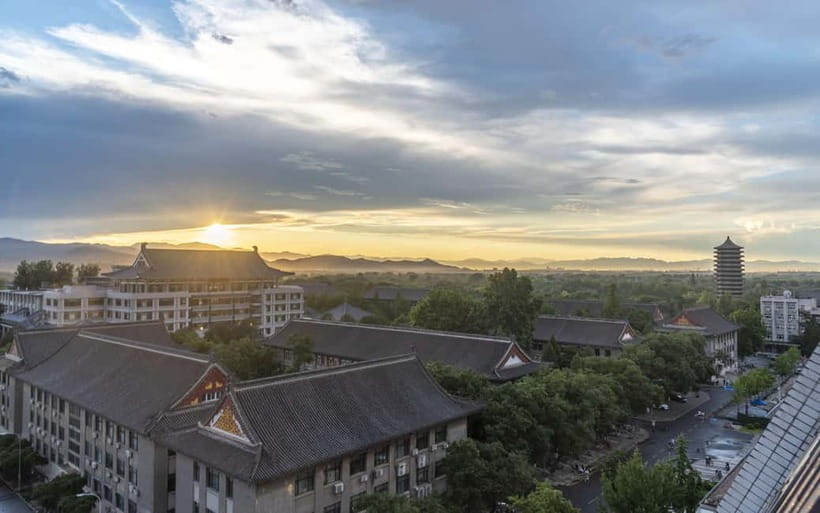
Peking University is huge. A self-guided visit can turn into a slow game of, Where do I go next? That is exactly why a tight 2-hour campus walk is useful. You get a structured route that hits the major landmarks, but you also get the meaning behind them, which is what makes the time worth it.
This tour is also built for manageable group energy. With a maximum of 10 people, you are less likely to feel like you are being herded. You can ask questions, and you do not have to fight for attention every ten minutes. If you are in Beijing for a short stretch, or you want one “big focus” activity instead of trying to cram in everything, this format makes sense.
The other practical plus is the ending point. Finishing at the West Gate means you are not trapped replaying your steps. You can plan the rest of your day based on a real departure point, and you are less likely to feel like you are still stuck in the same location.
East Gate meeting, stone lion spot, and the tour rhythm
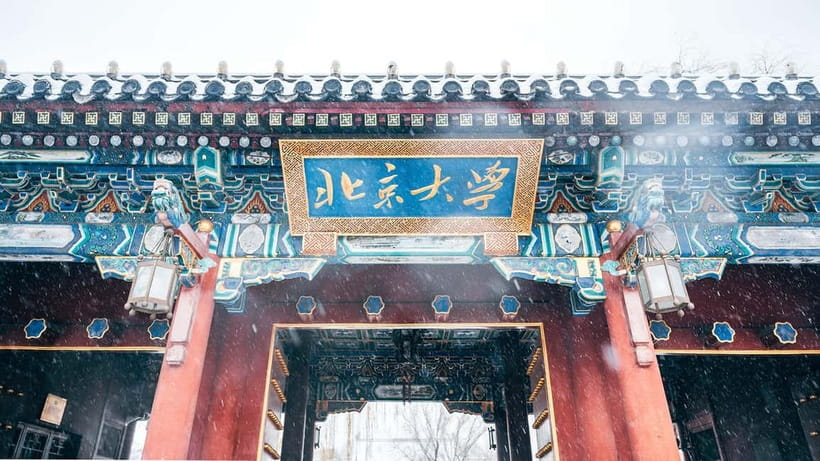
Meeting point matters at big campuses, and this one is clear. You meet at the Peking University East Gate, at the exact spot of the stone lion on the right side when you face the gate entrance. That small detail helps you find the group quickly, which is a real stress saver in a place that can feel confusing at first.
From there, the rhythm is simple: walk the campus corridor by corridor, stop for key landmarks, and listen as the guide explains what you are looking at and why it matters. The tour is designed to be paced for sightseeing, not sprinting. Still, it is a walking route, so you should expect a steady flow of steps for the full two hours.
You also get a clear “shape” to the visit. It is not just a checklist of famous objects. The tour uses landmarks as anchors while it tells a larger story: how PKU’s campus symbols connect to learning, tradition, and the school’s transformation over time.
Boya Pagoda, Weiming Lake, and Bell Pavilion in one practical route
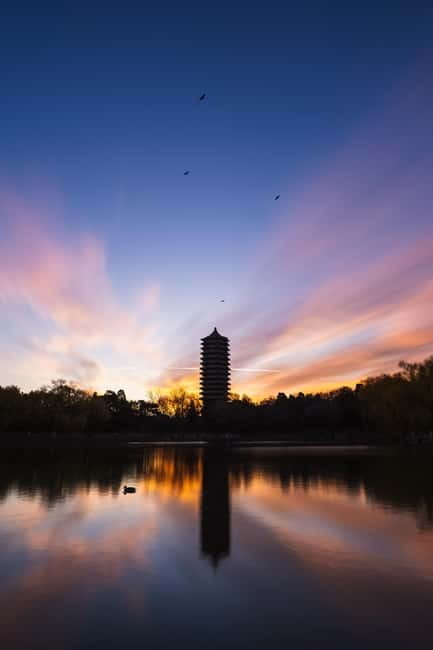
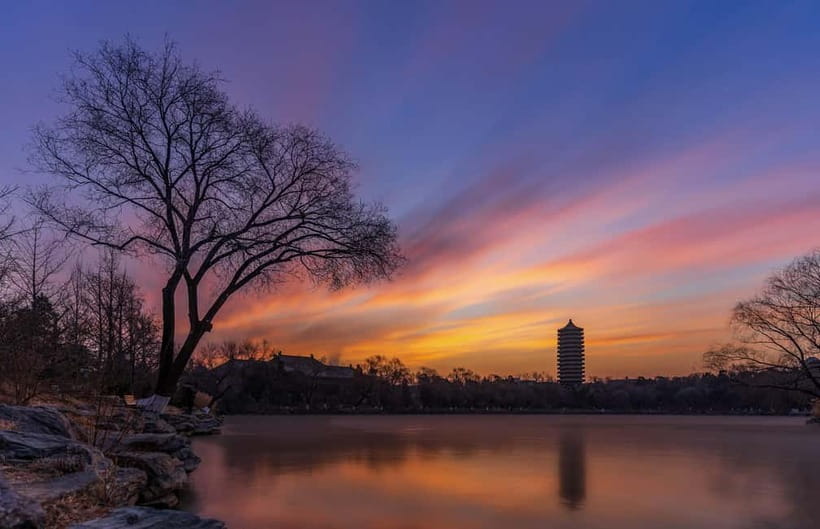
If you want the campus to feel cinematic, this is the section that does it. The route includes the century-old Boya Pagoda, the picturesque Weiming Lake, and the ancient Bell Pavilion. These are the kinds of places where a quick photo is easy, but where the guide’s explanation is what makes your memories stick.
Boya Pagoda brings a sense of age and continuity. You are not just seeing a pretty structure, you are getting it framed as part of PKU’s long timeline. That matters because PKU is not a modern-only campus. The tour keeps reminding you that the school’s identity is layered.
Weiming Lake is the calm counterweight. On a walk like this, it helps to have at least one slower, scenic moment where you can pause and take in the surroundings. When the guide points out meanings connected to traditional design, the lake area stops being just a view, and starts feeling like a planned part of campus life.
Then the Bell Pavilion adds a different tone. It is one of those features that signals institutional tradition. The guide’s commentary helps you understand why these kinds of structures show up on university campuses in the first place: they are markers of rhythm, ritual, and identity, not random ornamentation.
A nice bonus is how the tour links the scenery to the symbolic details you might otherwise miss. You also spend time around Hua Biao (ornamental pillars) and Qilin statues, which act like cultural signposts. Even if you are not a symbolism expert, the guide’s explanations make you see these pieces as more than decoration.
Peking University Library and the Statue of Cai Yuanpei
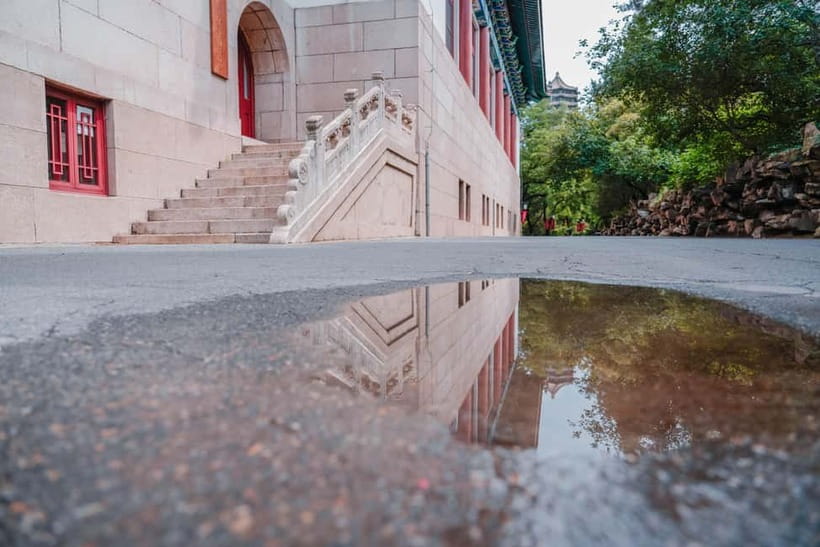
After the scenic stops, the tour turns more academic, and it does it in a way you can feel. The Peking University Library is a major centerpiece. You get to see it as part of the campus’s learning culture, not just as a large building you walk past.
This matters for your understanding. Libraries are often treated as background in sightseeing. Here, the guide frames the library as part of PKU’s identity, which makes your photos and mental map more meaningful. You are not only collecting landmarks, you are collecting cues for how PKU thinks.
The tour then includes the Statue of Cai Yuanpei. Cai Yuanpei is described here as PKU’s revolutionary former president, and the visit works as a moment of recognition. It is a pause that shifts you from “what does this look like?” to “what does this represent?” If you are interested in education history and reform movements, this is one of the most direct parts of the route.
The value of this segment is also practical. Once you understand the guide’s framing, you will start noticing educational symbolism in the rest of the campus. That makes the remaining stops feel more connected instead of random.
Other Beijing trips our reviewers kept returning to
From Yenching University roots to PKU’s wider Beijing links
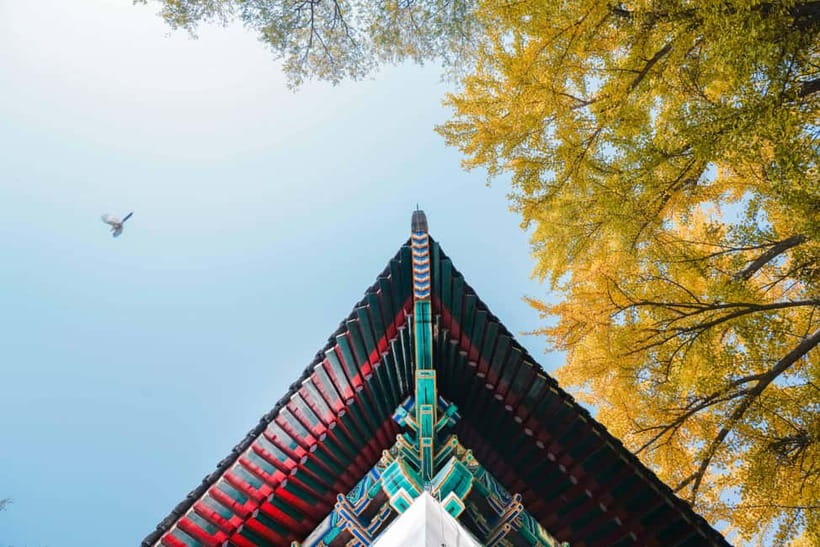
One of the tour’s strongest ideas is how it stretches beyond PKU walls. You learn about PKU’s evolution from its roots as Yenching University. That alone gives context to why the campus feels shaped by older educational traditions rather than only modern prestige.
But the tour goes further, and that is what keeps it from feeling like a single-campus biography. It includes ties to the Old Summer Palace (Yuanmingyuan) and even a connection to Heshen, the infamous Qing Dynasty official. The point is not to turn this into a full history lecture. It is to show how PKU’s story sits inside Beijing’s larger historical landscape.
When a guide connects these broader links to what you can physically see today, the tour becomes more than sightseeing. You start to understand why some campuses feel “built from layers.” Even when you are not reading a textbook, you are absorbing the timeline through places and symbols.
If you are visiting Beijing mainly for classic sights, this segment adds a different angle. It reminds you that education institutions are also part of the historical record.
Traditional gardens, courtyards, and the logic of layout
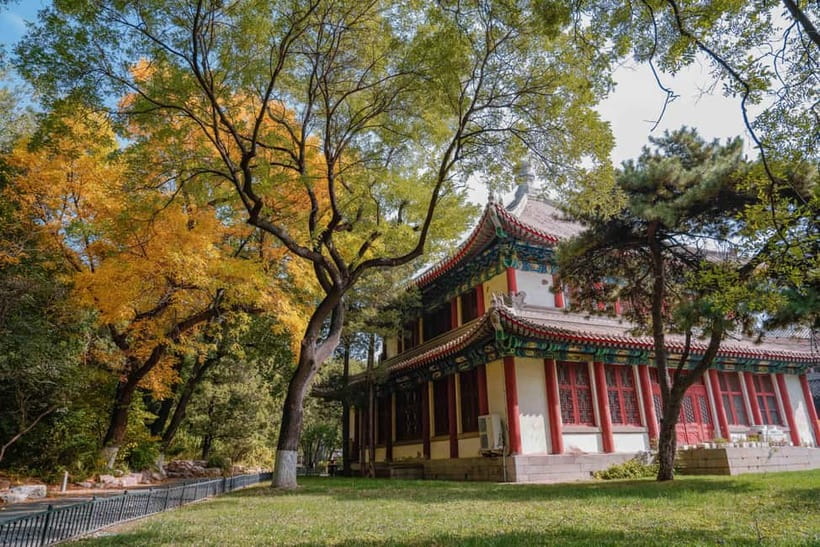
PKU’s traditional gardens and courtyards are not just pleasant scenery. This tour treats them like a language. You uncover hidden meanings behind the campus gardens, courtyards, and building layouts, with an emphasis on harmony between nature and scholarship.
That framing changes how you look. Instead of treating pathways and courtyards as “pretty design choices,” you start watching for patterns: how open and enclosed spaces relate, how nature and study are placed in the same plan, and how the campus layout supports a student mindset.
This is also one of the easiest ways to enjoy PKU even if you do not know much history. You can follow along with the guide’s explanation and still get something. You will likely find yourself looking at symmetry, sightlines, and the way spaces transition, even if you cannot name every feature.
The tour approach is especially good if you care about architecture, or if you just like the feeling of walking through places that have rules. It turns the campus into a set of clues you can interpret, not a collection of isolated stops.
Student life perspective, plus how guides like Henry add warmth
The tour is described as student-inspired, led by a current student for the walking experience. That style tends to produce a particular kind of answer: less textbook, more how it feels. You hear about student experiences, campus traditions, and modern-day PKU.
The strongest praise in the feedback centers on how the guide communicates. A guide named Henry is repeatedly called out for friendly, clear explanations and easy communication. One standout detail is patience, including with families that included four kids. That tells me something important about the tour style. It is not just for serious history lovers. It can handle mixed-energy groups without getting stiff.
Another practical value is that you might get a window into everyday campus life beyond the big monuments. One commonly mentioned moment is being invited to eat in the school cafeteria. Even if that is not guaranteed in every session, it reflects the tour’s spirit: connect landmarks to real student routines.
A quick note for your expectations. This is still a short walk, so you do not get unlimited time inside buildings or long hangouts in one place. The payoff is the sequence and the explanations, not a slow, open-ended wander.
Price and value: Is $39 for 2 hours worth it?
At $39 per person for a 2-hour English walking tour in a small group, you are paying for three things: focused access to key PKU landmarks, guided context that makes them meaningful, and the convenience of a clear route from the East Gate to the West Gate.
If you are the type of traveler who only takes photos and moves on, you might feel like $39 is too much. But if you want to understand what you are seeing, the value is easy to justify. The tour includes multiple major sites, plus cultural interpretation of gardens, courtyards, and symbolism around Hua Biao and Qilin statues. It also includes narrative history connections, like Yenching University roots and the links to Yuanmingyuan and Heshen.
The small-group size also plays into value. Max 10 people means you get more time with the guide and fewer distractions. For a busy city like Beijing, that can be worth more than the difference between a cheaper group and a guided one.
Another value angle: you avoid the planning burden. PKU is not designed for fast guessing. Having a ready-made route, plus an exact meeting point at the stone lion, keeps your day from turning into an accidental maze.
Who should book this PKU campus guided walk, and who might skip it
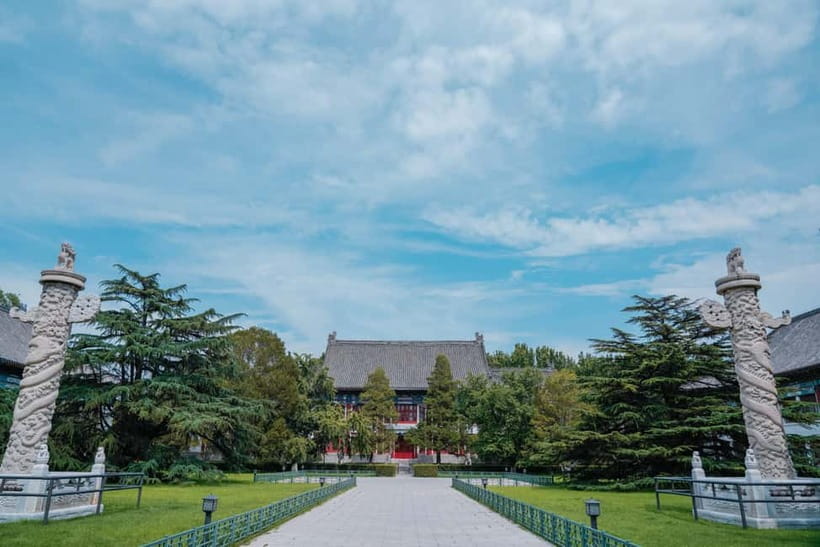
Book this if you want a structured introduction to a major university campus without spending your whole day trying to figure out directions. It is a good fit for history fans who like cultural context, architecture lovers who care about layout and design logic, and anyone considering studying in China who wants to understand the atmosphere.
It is also a smart choice if you enjoy walking tours that balance scenery with stories. The route combines pagoda, lake views, and symbolic stonework with an academic stop at the library and a meaningful memorial visit for Cai Yuanpei.
You might skip it if you want a long, slow campus day with lots of free time to roam at your own pace. This experience is made for momentum and explanation within two hours. It is not built like a half-day self-guided explore where you can spend an hour just watching the lake and taking your time through every courtyard.
Should you book this tour?
If your goal is to see PKU’s most recognizable landmarks and understand what they symbolize, I think this one is a solid yes. The combination of an English guide, small-group size, and a route that connects gardens, academic landmarks, and PKU’s evolution makes the time feel purposeful.
If you are comfortable walking, bring the right mindset. This is the kind of tour where you get the most by paying attention to what the guide points out, not only by collecting photos. Do that, and you will leave with a campus “map” in your head, not just a pile of pictures.
FAQ
FAQ
How long is the Peking University campus guided walking tour?
It lasts 2 hours.
What is the meeting point for the tour?
You meet at the Peking University East Gate, at the stone lion on the right side when facing the gate entrance.
Where does the tour end?
The tour finishes at the Peking University West Gate.
What language is the tour guide speaking?
The tour is conducted in English.
How many people are in the group?
The group is small, limited to 10 participants.
What landmarks are included in the tour?
The tour includes the Boya Pagoda, Weiming Lake, the Bell Pavilion, Hua Biao ornamental pillars, Qilin statues, the Peking University Library, and the Statue of Cai Yuanpei.
Is food included in the price?
No. Food and drinks are not included.
What should I bring?
Bring comfortable shoes for walking, and you may want to bring a camera for photos.
How much does it cost, and is cancellation flexible?
The price is $39 per person. Free cancellation is available up to 24 hours in advance for a full refund, and you can reserve now and pay later.
More Walking Tours in Beijing



More Tours in Beijing
More Tour Reviews in Beijing
Beijing, reviewed one booking at a time
- Xian: Must see Eternal Love or Camel Bell Legend show Ticket
★ 5.0 · 3 reviews - One day tour to downtown Tianjin from Beijing by high speed train
★ 5.0 · 3 reviews - Ming Tombs Sacred Way & Underground Palace & Water Wall P Tour
★ 5.0 · 3 reviews - Beijing Mutianyu Great Wall Small Group Tour
★ 4.5 · 3 reviews - Return Bus to Badaling Great Wall
★ 3.0 · 3 reviews - Private Tour to Lama Temple, Tian’anmen Square and Forbidden City
★ 5.0 · 3 reviews
Walking Tours, compared.
 ★ 5.0Beijing Hutong Walking Food and Beer Tour at Hidden RestaurantsFrom $801,132 reviews
 ★ 5.0Private Beijing Walking Tour of the Forbidden City with 7 OptionsFrom $75675 reviews
 ★ 5.0Forbidden City Private Walking Tour with Optional SightsFrom $90400 reviews
 ★ 5.0Beijing Private Hutong Food Walking TourFrom $82299 reviews
 ★ 5.0Shanghai City Guided Walking Tour | China’s 1st and Best RatedFrom $5285 reviews
 ★ 5.0Beijing: Hutong Culinary Walking Tour with 15+ TastingsFrom $76162 reviews
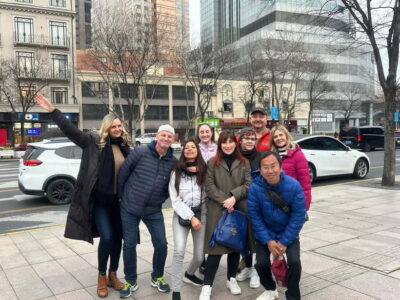 ★ 4.9Shanghai Highlights Walking Tour With A Real LocalFrom $34153 reviews
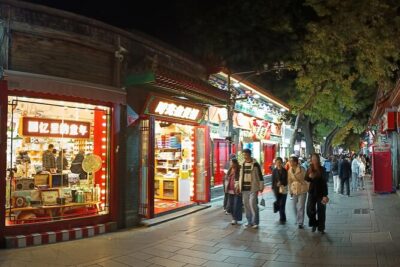 ★ 5.0Beijing City Walk: Explore Hutongs Life and Old BeijingFrom $15146 reviews
Browse the lists this tour appears in