
REVIEW · DATONG YUNGANG GROTTOES & HANGING TEMPLE
Beijing:Bullet Train Tour to Hanging Temple&Yungang Grottoes
A 50-meter-high temple on a cliff. That is the kind of sight that makes a long day feel worth it. I like how this trip pairs Hanging Temple with Yungang Grottoes in one smooth ticketed route, and I also like the practical support: a driver who handles the station process and makes sure your documents are in order. The main drawback to plan for is time pressure. Door-to-door service still means a long day (about 10 hours), with no meal included by default.
One more thing I’d flag up front is that the experience is history-heavy. You get on-the-spot storytelling and lots of photo stops, so if you prefer slow sightseeing, you may feel rushed between sites.
In This Review
- Key points at a glance
- A two-temple day trip that feels efficient, not rushed
- From your hotel to the bullet train, without the station headache
- Datong arrival and the guide handoff that keeps you moving
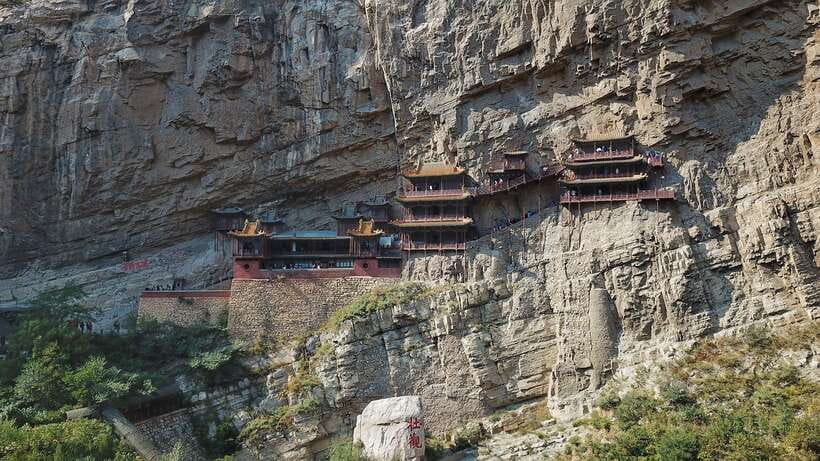
- Hanging Temple: peril, workmanship, and the 50-meter photo angle
- The drive to Yungang Grottoes: how to use the downtime
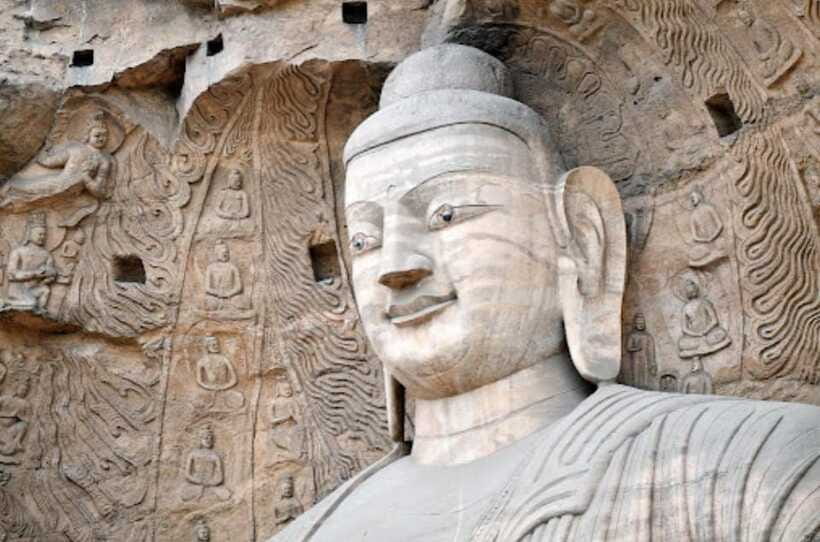
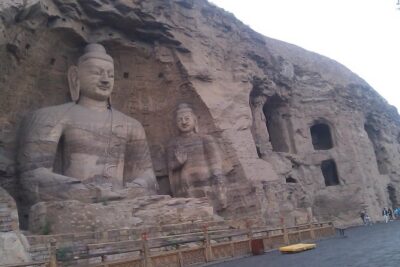
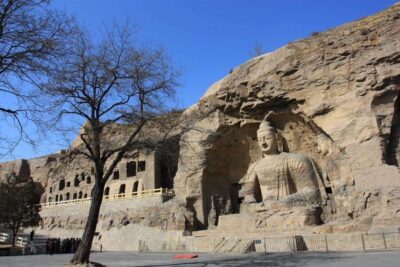
- Yungang Grottoes: 252 caves and the story behind the art
- Timings and fatigue: what the 10-hour day really feels like
- Lunch and food: what you should expect before you go
- Guide quality is the secret ingredient here
- Value and price: is $348 reasonable for this route?
- Who should book this tour, and who should pause
- Should you book the Beijing to Datong tour?
- FAQ
- What is the duration of the tour?
- Are hotel pickup and drop-off included?
- Do I need entrance tickets for Hanging Temple and Yungang Grottoes?
- Is food included?
- What do I need to bring to purchase train tickets?
- What languages are the guides?
Key points at a glance
- Private hotel pickup and drop-off in Beijing so you start without logistics stress
- Bullet train to Datong with ticket help and a driver who stays with you through the right waiting area
- Hanging Temple at 491 AD with views from a cliffside perch over 50 meters above the ground
- UNESCO Yungang Grottoes with 252 caves and about 51,000 statues, showing cross-cultural Buddhist art
- Entrance fees and round-trip train tickets included, which helps make the price feel more predictable
- English-Chinese live guidance that keeps the day readable, not just scenic
More cities inside a train ride
- Beijing to Xi’an See Terracotta Warriors with Bullet Train Round Trip Transfer★ 5.0 · 238 reviews
- Beijing to Datong See YunGang Cave, Hanging Temple (Bullet Train)★ 5.0 · 39 reviews
- Private Day Trip to Tianjin from Beijing by Bullet Train★ 5.0 · 22 reviews
- Beijing:Bullet Train Tour to Hanging Temple&Yungang Grottoes★ 5.0 · 16 reviews
A two-temple day trip that feels efficient, not rushed
This Beijing-to-Datong tour is built for first-timers who want the big cultural hits without fighting transport schedules. You’re on a private plan: your Beijing driver meets you at the hotel lobby, then you go straight to the train station. Once in Datong, you switch to a local guide for the site storytelling. It is a classic China “fast and focused” day, but it is not chaotic, thanks to the ticket handling and transfers.
The price is listed at $348 per person, and the value depends on what you would otherwise pay and manage yourself. Here, entrance fees and round-trip bullet train tickets are included, and that removes the biggest unknowns for a one-day route. If you like structure, you’ll appreciate how the day flows from temple to grottoes and back.
From your hotel to the bullet train, without the station headache
Your day starts with hotel pickup from downtown Beijing. Your driver meets you in the lobby holding a sign with your name, then stays with you while you get to the correct waiting area. That sounds simple, but it matters when you are dealing with train terminals, document checks, and tight boarding times.
You then take a two-hour bullet train ride to Datong on your own, with the day still run as a private schedule. Before travel day, the operator notes that train tickets are sent to you in advance, and there is also an important paperwork step: a photocopy of everyone’s passport is required to purchase the train tickets. If you are traveling as a couple or family, organize IDs early, or you can lose time at the booking stage.
One small consideration: the tour notes mention a deposit that helps secure the train tickets, and the deposit details show two different amounts in the provided info. You may see USD 50 in one place and USD 100 in another. Either way, the important pattern is the same. The deposit is meant to secure the tickets, it is refunded during the tour day, and if you cancel after train tickets are purchased, the deposit may not be refunded. Plan carefully if your schedule is fragile.
Datong arrival and the guide handoff that keeps you moving
When you arrive in Datong, a local tour guide greets you at the train station and goes over the itinerary on the way to the first stop. This kind of handoff is a big deal on a one-day trip. You don’t want to arrive, search for your guide, then spend the best part of the day figuring out where to go next.
From there, your first major stop is the Hanging Temple. You then head directly onward to Yungang Grottoes by car (about 1.5 hours drive) after the temple visit. This is a smart routing choice. It reduces backtracking and keeps the day focused on two UNESCO highlights rather than spreading you across too many sites.
Hanging Temple: peril, workmanship, and the 50-meter photo angle
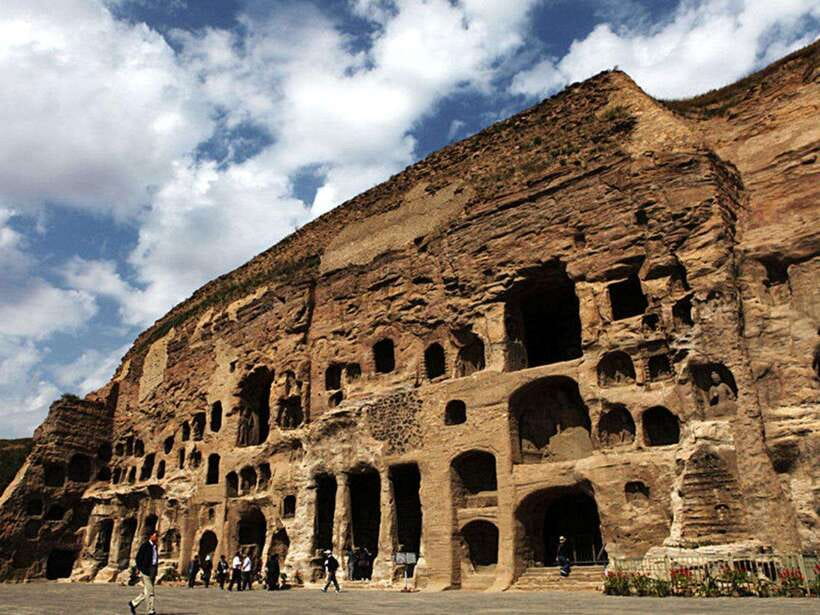
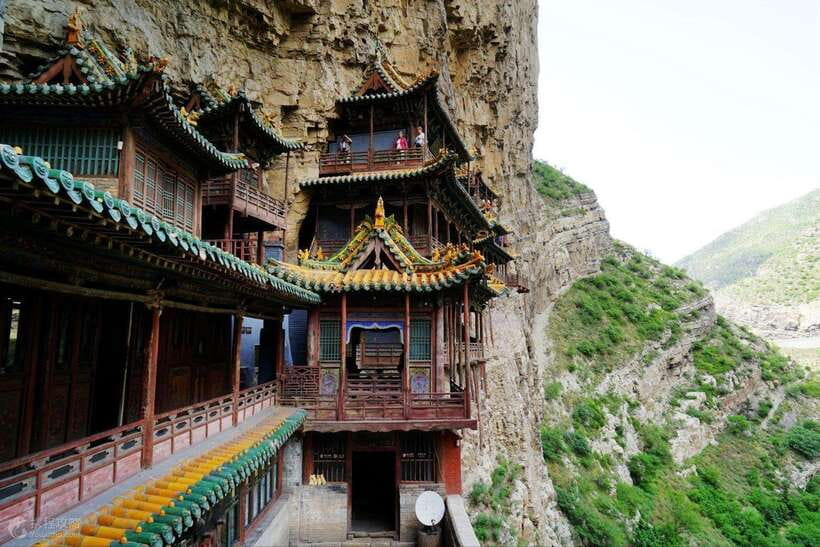
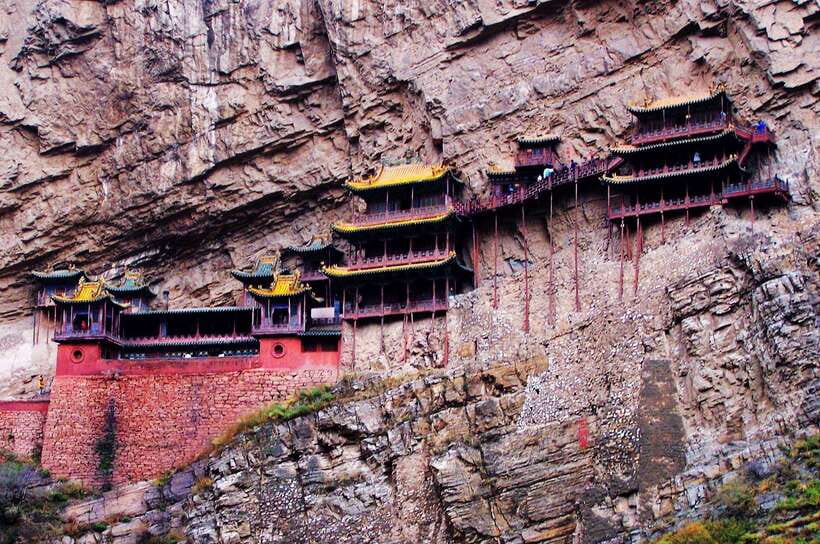
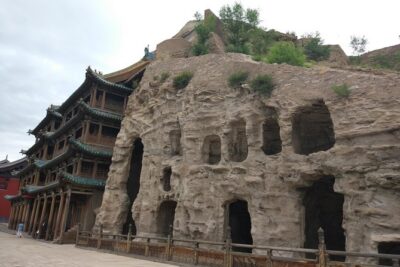
The Hanging Temple is the kind of place that earns its reputation fast. It was built in 491 AD, and it is famous for hosting worship for Taoists, Confucians, and Buddhists in one complex. That combination is unusual, and it helps explain why the temple feels like more than a single-faith attraction.
Architecturally, the big moment is simple: it is hung on the west cliff of Jinxia Gorge, more than 50 meters above the ground. The tour description highlights the classic qualities people use to describe it: peril, workmanship, and miracle. Translation for your visit: expect dramatic structure, lots of steps and viewpoints, and plenty of vantage points that make for photos.
Also, you’re not just walking through a scene. You get an actual guided story. In one recent experience, the guide specifically made sure a guest felt safe because they were not comfortable with heights. That is a useful clue for you: if you feel uneasy on cliffside routes, speak up early. A good guide can adjust your pace and your timing, and they can help you focus on the viewpoints that feel comfortable.
A practical tip: this stop is a photo magnet, so expect queues and crowds at the best angles. If you are trying to get clean shots, you’ll want to go when the group moves, not when you feel like wandering. The guided rhythm is part of why the day works.
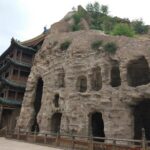
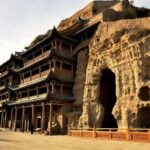
Datong grottoes and the cliff temple

The drive to Yungang Grottoes: how to use the downtime
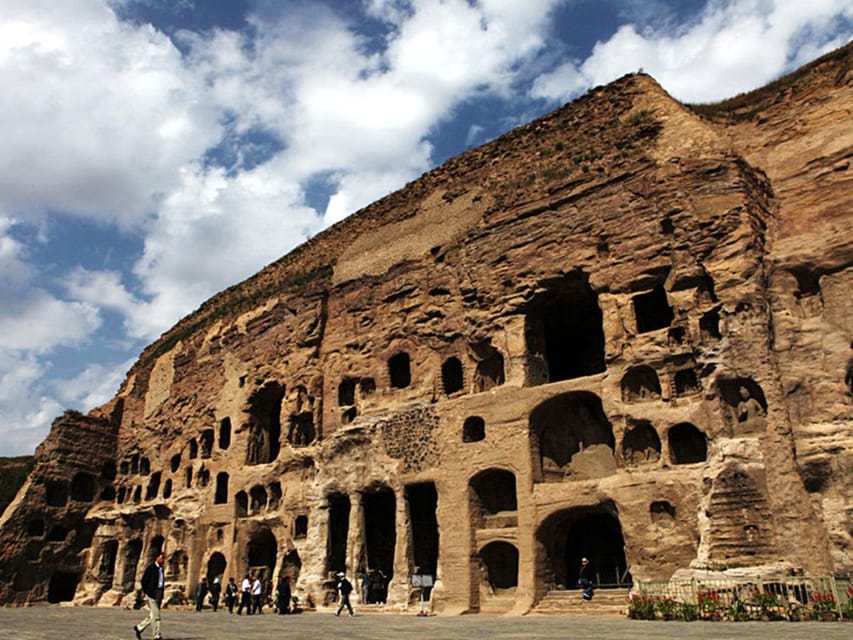
After Hanging Temple, you transfer by private vehicle for about 1.5 hours to the grottoes. This is not wasted time. You’re shifting from a cliff temple to a cave complex, and your brain needs the reset. During the drive, you can mentally switch gears from architecture and religion on a cliff to Buddhist sculpture and painted stories inside rock-cut halls.
I’d also treat this travel segment as your chance to prepare for a longer walking day. Grotto visits usually mean lots of standing, reading, and moving between halls. If you’ve been on trains all morning, a quick snack and water check can make you more comfortable, even though bottled water is included.
Yungang Grottoes: 252 caves and the story behind the art
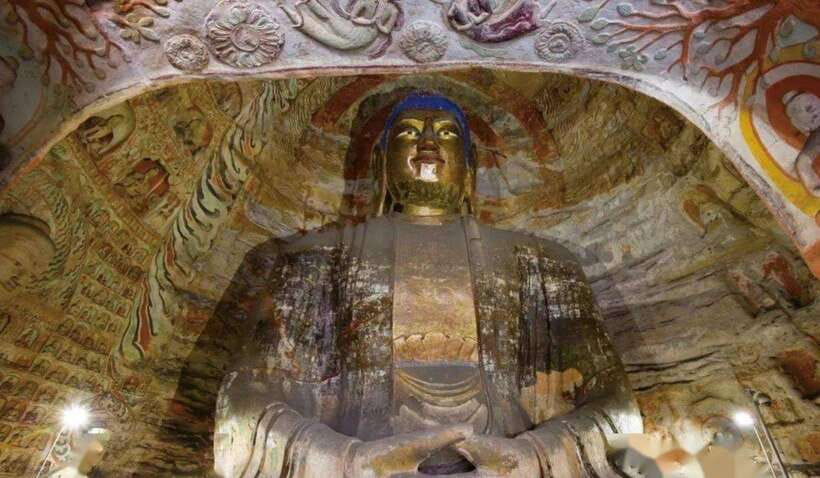
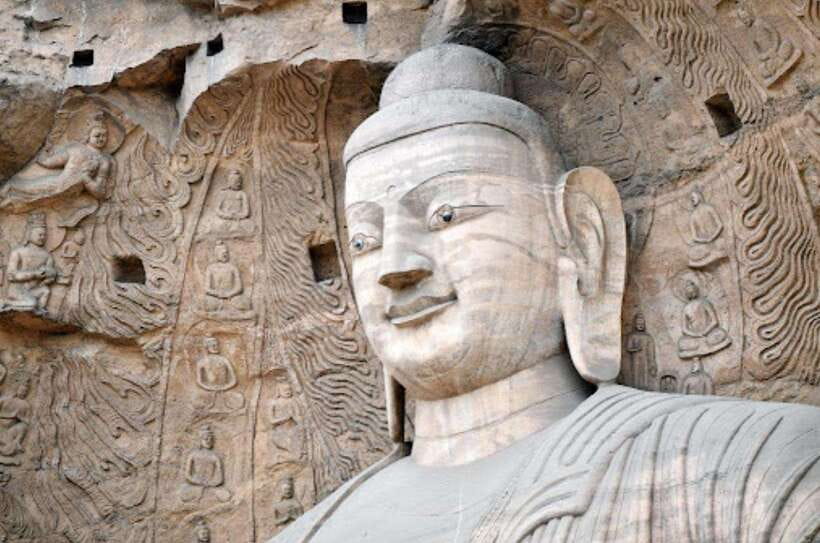
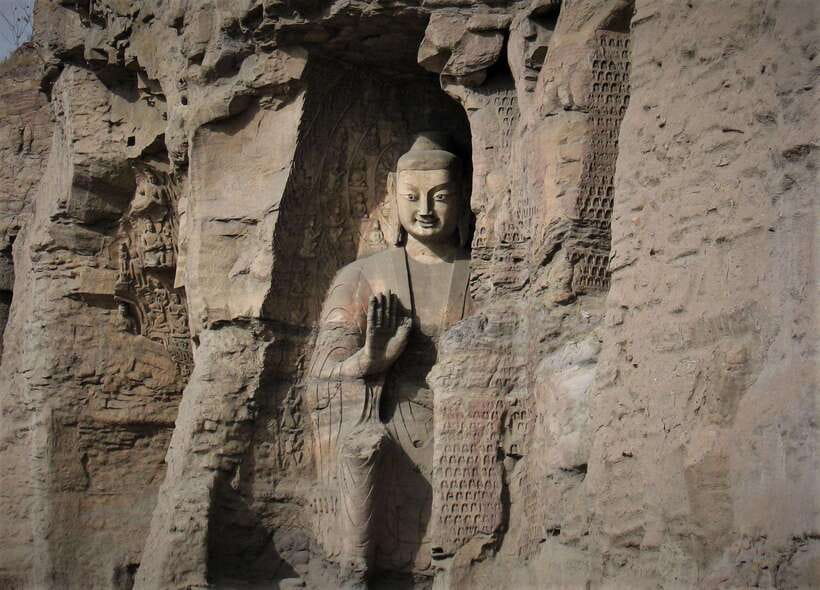
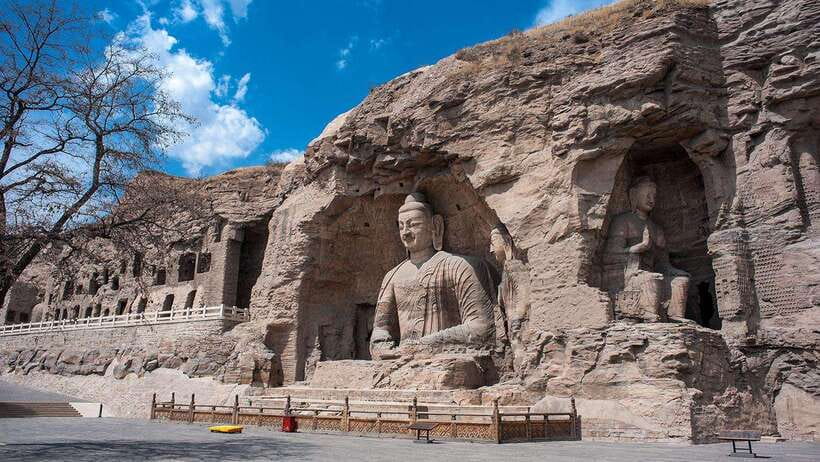
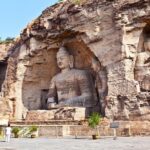
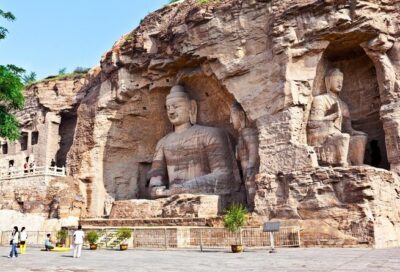
Yungang Grottoes are a UNESCO World Cultural Heritage Site, and they’re often grouped with two other major grotto clusters. The tour framing calls Yungang one of the three largest and most famous grotto sets alongside Mogao Grottoes in Dunhuang and Longmen Grottoes in Henan. That context matters because it helps you understand what you are seeing. These are not random caves. They are a large-scale, long-running artistic and religious project.
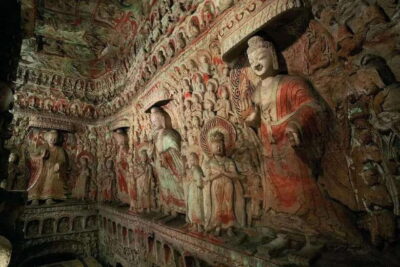
The numbers are the first jaw-drop: 252 caves and about 51,000 statues. Even if you cannot see every single cave in a limited day, the site’s scope is still obvious. The guides’ job is to help you recognize what is most important without making you feel like you’re missing everything.
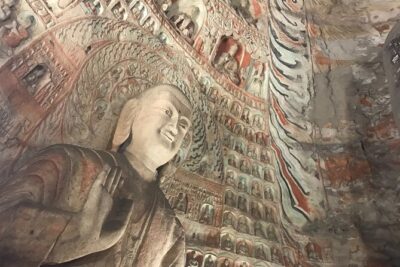
Here’s the core story the tour emphasizes: the art at Yungang shows a successful fusion of Buddhist symbolic art from South and Central Asia with Chinese cultural traditions, starting in the 5th century CE under imperial auspices. Translation for your visit: look for how the figures, styles, and visual messages reflect cross-cultural influence, not just local craft.
You’ll also appreciate the guide commentary during this stop. One of the strongest themes in the tour’s feedback is that guides know how to connect what you see to why it mattered. When the explanation is clear, you don’t just stare at statues. You start noticing patterns and themes.
Timings and fatigue: what the 10-hour day really feels like
The tour is listed as 10 hours, but the notes also state it can run 10 to 13 hours because it includes door-to-door transfer service. That range is honest. You’re leaving Beijing by train, spending time at two major sites, then returning the same way.
If you hate long transport days, this might not fit. But if you are the type who likes checklists and big outcomes, this format works. You get a full sightseeing block with a professional guide at both sites, plus private transfers that reduce stress.
Photo lovers should also know what to plan for. You’ll have built-in photo opportunities at Hanging Temple and at Yungang, but you will be moving as a group. Bring a charged phone or camera battery, and consider keeping your camera accessible. You’ll want quick shots when the guide points out the key angles.
Lunch and food: what you should expect before you go
The tour’s included list does not specify meals. That means food is not listed as included in the standard package. However, at least one guide experience described lunch as a highlight, suggesting that on some departures or with some guide handling, a meal may be worked into the day.
So what should you do? Assume you will need to manage your own meals unless the operator confirms otherwise for your departure. Bring a small snack if you want insurance against hunger. At minimum, plan your drink and bathroom needs early. With two major stops, you don’t want to lose time searching during peak hours.
Guide quality is the secret ingredient here
Two different guide names appear in the feedback for this kind of route: Ana and Emma. That’s a strong sign that the operator places real attention on the interpretation side, not just the transport.
What you’ll get from a good guide here is context you can carry with you. At Hanging Temple, the guide can explain the unusual multi-faith worship setup and why the cliff location is so important. At Yungang, the guide helps you connect the sculpture and cave layout to the 5th-century fusion story. You spend less time trying to figure it out alone, and more time seeing.
The guides also seem to handle practical concerns well. One example mentioned safety support on Hanging Temple because of comfort with heights. If that is relevant for you, this tour can still work, as long as you communicate your needs early in the visit.
Value and price: is $348 reasonable for this route?
For a one-day plan, $348 per person can look steep at first glance. But it includes a lot of heavy lifting: round-trip bullet train tickets, entrance fees, private vehicle transfers, and a professional guide.
If you planned this independently, your costs would likely include:
- train tickets Beijing to Datong and back
- site entrance fees for Hanging Temple and Yungang
- a guide or audio commentary
- taxis or private car for transfers and timing
This tour saves you time on that assembly, and it also reduces the chance you get stuck with ticket timing or station confusion. That’s why I think the price makes sense for first-timers who value a smooth day. If you are a confident DIY traveler who already knows how to handle stations and ticketing, you might squeeze a cheaper cost by assembling it yourself. But for most people, the included logistics are the payoff.
Who should book this tour, and who should pause
This tour is a good match if:
- you are visiting Beijing for the first time and want a clear cultural day plan
- you want two UNESCO stops in one trip to northern China
- you prefer private transfers and live guidance over self-guided rushing
- you like photo opportunities, especially at Hanging Temple
You might want to think twice if:
- you dislike long days with lots of walking and steps
- you want meals and breaks built into the schedule as standard
- you plan to move slowly and independently, without a group rhythm
The cliffside nature of Hanging Temple is the big physical factor. If you are anxious around heights, choose your pace and tell the guide what you need.
Should you book the Beijing to Datong tour?
If your goal is a high-impact day with Hanging Temple and Yungang Grottoes, I’d book it. The combination is rare: you see a gravity-defying temple on a cliff, then you shift into one of China’s most important grotto art worlds. The transport support makes the plan feel manageable, especially with pickup and ticket guidance built in.
If your travel style is flexible and slow, or you are highly sensitive to long walking and steps, consider whether you want a less compressed itinerary. But for most visitors, this is one of the better ways to turn a train day into real sightseeing value.
FAQ
What is the duration of the tour?
The tour duration is listed as about 10 hours, and the notes also mention it can run 10 to 13 hours due to door-to-door transfers.
Are hotel pickup and drop-off included?
Yes. Pickup and drop-off from your Beijing downtown hotel are included, with your driver meeting you at your lobby by holding a sign with your name.
Do I need entrance tickets for Hanging Temple and Yungang Grottoes?
No. Entrance fees are included in the tour.
Is food included?
Food is listed as not included.
What do I need to bring to purchase train tickets?
You need to bring a passport or ID card. Also, the tour notes say a photocopy of everyone’s passport is required to purchase the train tickets.
What languages are the guides?
The live tour guide provides Chinese and English.
More Tour Reviews in Beijing
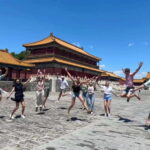
Datong Grottoes And Cliff Temple
Cities Inside A Train Ride
Beijing, reviewed one booking at a time
- Xian: Must see Eternal Love or Camel Bell Legend show Ticket
★ 5.0 · 3 reviews - One day tour to downtown Tianjin from Beijing by high speed train
★ 5.0 · 3 reviews - Ming Tombs Sacred Way & Underground Palace & Water Wall P Tour
★ 5.0 · 3 reviews - Beijing Mutianyu Great Wall Small Group Tour
★ 4.5 · 3 reviews - Return Bus to Badaling Great Wall
★ 3.0 · 3 reviews - Private Tour to Lama Temple, Tian’anmen Square and Forbidden City
★ 5.0 · 3 reviews
Datong Yungang Grottoes & Hanging Temple, compared.
 ★ 5.0Private Datong Day Tour Arranged by Local Tour Guide NancyFrom $21946 reviews
 ★ 5.0Beijing to Datong See YunGang Cave, Hanging Temple (Bullet Train)From $41639 reviews
 ★ 5.0Datong Classic Day TourFrom $20813 reviews
 ★ 4.9Datong: Yungang Grottoes Entrance Ticket OnlyFrom $3312 reviews
 ★ 4.8Datong:HangingTemple&Grotto Private Car with Entrance ticketFrom $23611 reviews
 ★ 5.0Datong Private Self-guided Tour with Chartered CarFrom $7910 reviews
 ★ 3.1Datong: Temples and Grottoes day tour with tickets optionsFrom $277 reviews
 ★ 5.0Private 2-Day Datong from Beijing with Yungang GrottoesFrom $5986 reviews
Browse the lists this tour appears in