
REVIEW · SHANGHAI FRENCH CONCESSION WALKS
French Concession Guided Walking Tour | China’s 1st & Best Rated
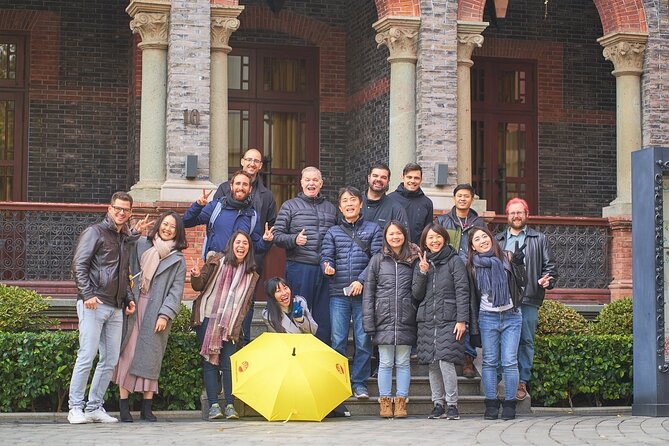
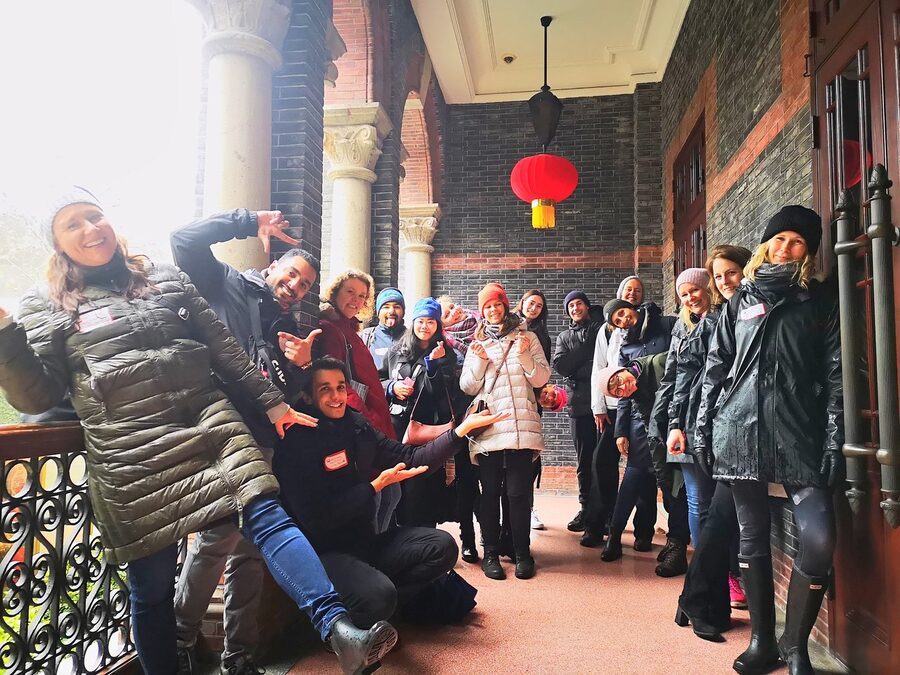
Shanghai’s French Concession takes more than a map to understand, so this 3-hour walk trades big landmarks for the streets that shaped everyday life. I like the storytelling focus and the way the route hits recognizable areas, former club spaces, and shikumen lanes without feeling rushed. I also like that the guides are clearly passionate, with names like Aubrey and Dinna popping up in real experiences, and even a yellow umbrella used to keep the group together.
One thing to plan for: it’s tip-based, so your $5 booking fee is just the reservation. If you prefer fixed pricing all-in, you’ll want to budget the recommended tip ahead of time.
In This Review
- Key Points I’d Mark on My Own Map
- A Walk Through the French Concession, Not Just Around It
- Price and How the Tip-Based Model Really Works
- Where You Meet, Where You Finish, and How to Stay With the Group
- Former French Concession Stop: Club Spaces, the Little Moscow Area, and Alley Living
- Okura Garden Hotel Shanghai: How a Former Club’s Past Shows Through
- Huaihai Road Commercial Street: The Paris-Influenced Shopping Corridor
- Shikumen Museum: Seeing Lane Houses Up Close
- Shanghai Culture Square Theatre: From Canidrome Days to Arts Center
- Sinan Mansions: Restored Early 20th-Century Villas and Tree-Lined Walks
- Tianzifang: The End Point Where You Can Keep Exploring
- The Guides: Small Details That Make the Tour Click
- Who Should Book This Tour (And Who Might Want Something Else)
- My Practical Advice for Getting the Most Out of It
- Should You Book the French Concession Guided Walk?
- FAQ
- How long is the French Concession guided walking tour?
- What does the $5 booking fee include?
- Is tipping required?
- How much is the tour ticket cost at the stops?
- Where do I meet the guide?
- Where does the tour end?
- What group size should I expect?
- What happens if the weather is poor?
- What is the cancellation window?
Key Points I’d Mark on My Own Map
- Tip-based guiding, with a suggested tip of 150 to 200 RMB, roughly 20 to 25 USD/EUR
- Free admission stops at multiple sites, so you’re not paying extra on the move
- A tight 3-hour loop from the Former French Concession to Tianzifang
- Great “spot the details” neighborhoods, from shikumen lane houses to restored mansions
- Small-group feel, while still keeping the tour manageable overall
Plane trees and lane houses, more walks
- Late Night Food Tour in the Shanghai’s French Concession★ 5.0 · 260 reviews
- Shanghai Breakfast Walking Tour of Former French Concession★ 5.0 · 139 reviews
- French Concession Guided Walking Tour | China’s 1st & Best Rated★ 5.0 · 91 reviews
- Private Walking Tour in the Former French Concession★ 5.0 · 67 reviews
A Walk Through the French Concession, Not Just Around It
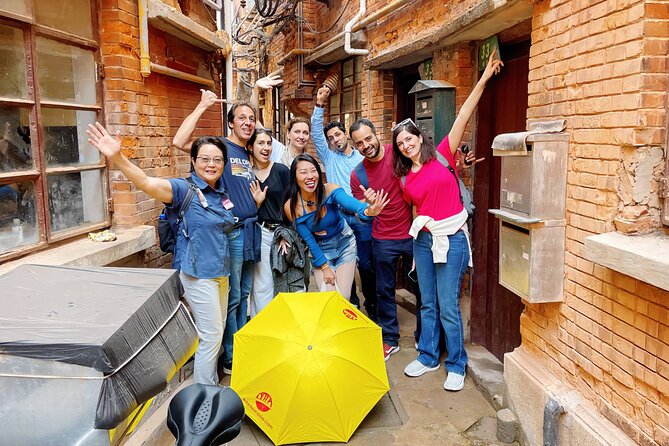
Shanghai’s French Concession is one of those places where the buildings look glamorous from a distance, but the real story lives in the in-between spaces. This tour gives you that practical texture, because you walk through former European-influenced streets, then cross into older lane-house living areas. In three hours, you get a picture of who lived where, and why the neighborhood evolved the way it did.
You also get the benefit of having a guide connect dates, places, and human habits. That matters, because Shanghai history is layered. A walking route with good context helps you spot patterns you’d otherwise miss on your own, especially when streets curve and alleyways swallow the skyline view.
And yes, you end in a lively area where you can keep wandering after the tour. That makes it easy to turn one guided morning into a whole half-day.
Price and How the Tip-Based Model Really Works
The booking fee is just for reserving your spot, and the guiding itself runs on a tip-based model. The suggested tip is 150 to 200 RMB or about 20 to 25 USD/EUR, framed as fair compared with a standard walking tour.
Here’s how I’d think about value: you’re paying a small amount up front, then you’re deciding your guide’s pay based on what you actually got. That works best when you show up ready to walk, ask questions, and pay attention to details. If you’re the kind of traveler who likes straight, practical guidance and doesn’t just want photos, you’ll likely feel good about tipping at the suggested level.
Also, most stops have free admission, so you’re not stacking ticket costs on top. In a city where museum fees can add up fast, that’s real savings.
Where You Meet, Where You Finish, and How to Stay With the Group
The tour starts at Huai Hai Zhong Lu, 887号边门, in Huangpu District, postcode 200041. The start time is 10:00 am, and you’re told it’s near public transportation, which helps if you’re juggling other plans that morning.
The tour ends at Tianzifang, at 210弄 Tai Kang Lu, near Metro Station Dapuqiao on Line 9. That end point is convenient because Tianzifang is set up for browsing, eating, and wandering without needing another ride right away.
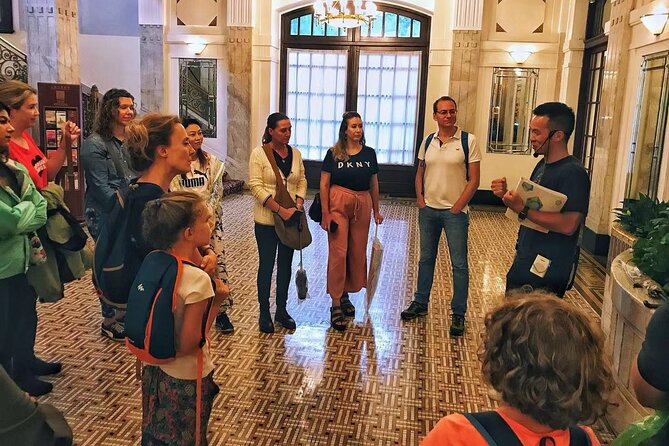
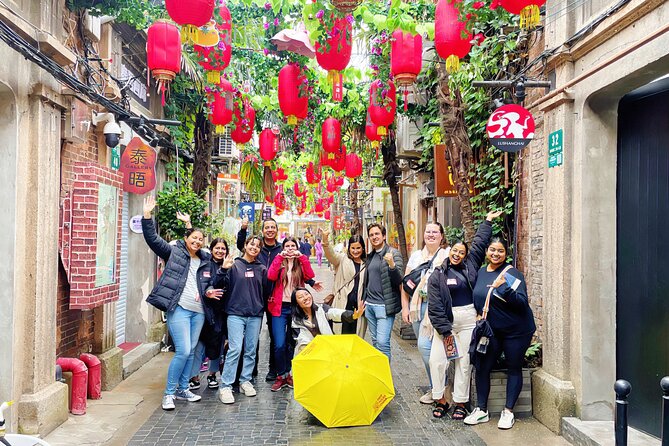
A small practical note based on guide-led experiences: the group follows something visible. One recurring detail in guide write-ups is the yellow umbrella used to keep everyone together, which is exactly what you want on a street tour where buildings can look similar fast.
Former French Concession Stop: Club Spaces, the Little Moscow Area, and Alley Living
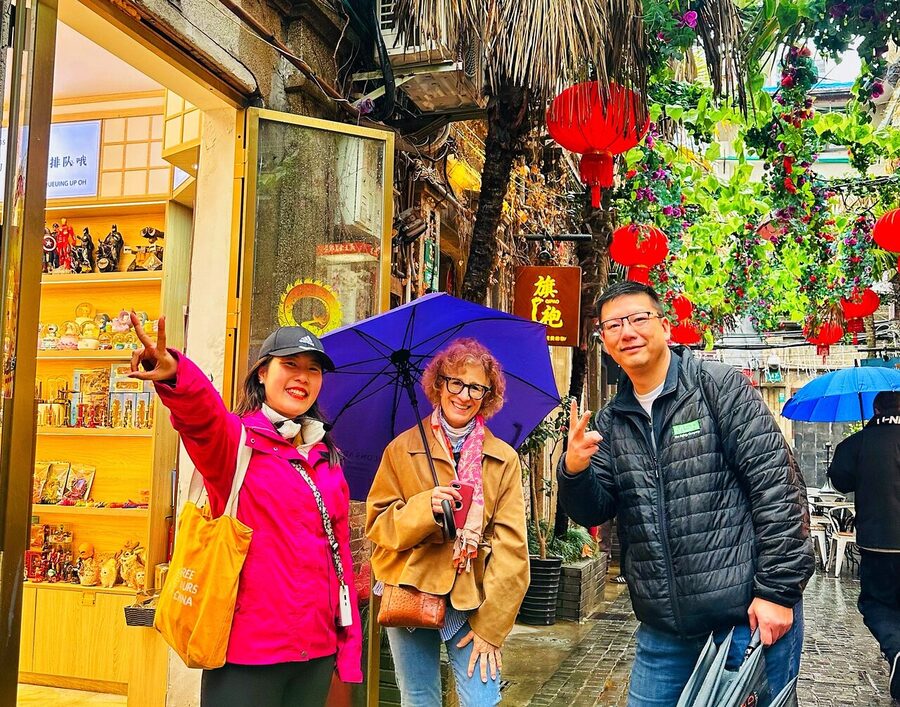
Your first stretch sets the tone. You head to the Former French Concession and move through a mix of famous-feeling street names and lesser-known passages that show how daily life actually flowed.
You’ll visit places tied to the Former French Club, see the 1st Road in the French Concession, and hear about the little Moscow area. You’ll also spend time at a local alleyway residence building, which is where the tour starts doing something most “highlights” walks don’t: it slows down long enough for you to notice how architecture and layout shape social life.
Why this first stop matters: it gives you a base layer. After this, later locations like mansions, gardens, and museums stop feeling like random stops. They start feeling like chapters of one neighborhood story.
What to watch for on the street: pay attention to how alleyways change the sound level and the sight lines. When you’re standing in a narrow residential lane, the city feels more intimate, and it makes the tour’s explanations easier to believe.
Other Shanghai trips our reviewers kept returning to
Okura Garden Hotel Shanghai: How a Former Club’s Past Shows Through
Next, you step into the atmosphere of the Okura Garden Hotel Shanghai, described as an elegant former French club space. Even if you’ve seen plenty of hotels in big cities, this one hits differently because your guide frames it as part of the French Concession’s cultural and social evolution.
This stop is shorter, about 20 minutes, but it’s designed to make a point: the French Concession wasn’t only about big promenades and shopping. It had institutions where social life organized itself, and those spaces left behind traces.
A good guide will help you look past the surface. The building’s role and the neighborhood’s shifts are the real takeaway here. If you love architecture and “how people used spaces,” this is a strong mid-tour anchor.
Huaihai Road Commercial Street: The Paris-Influenced Shopping Corridor
Then the tour heads to Huaihai Road Commercial Street, introduced as the Oriental Champs-Élysées. This is the part of the walk where you feel the city turning outward, toward commerce and daily foot traffic.
This segment is also around 20 minutes, which is smart. You don’t need an hour of shopping to understand why a street became famous. You just need a guide to explain the symbolism, then you need your eyes to catch the contrast between street-level energy and the older layers you’ve been hearing about.
Practical tip: if you want photos, stand in a spot that gives you both the street’s length and a bit of architectural texture. Shopping streets can look repetitive if you only shoot storefronts. A guide’s context helps you aim your camera at the parts that reflect the neighborhood’s influences.
Shikumen Museum: Seeing Lane Houses Up Close
After Huaihai, you shift into something more grounded at the Shikumen Museum in Shanghai. The focus here is traditional lane houses and the alleyway life of Shanghai.
This stop helps you understand the contrast the tour highlights between the French Concession’s more glamorous image and the more humble, everyday realities hidden in the city’s fabric. Shikumen architecture matters because it’s not just style. It reflects how families lived, how community interactions formed, and how neighborhoods adapted as Shanghai modernized.
This is one of the best moments to slow down and notice details like entrance rhythms and the relationship between lane spaces and larger street life. Even if you’re not a serious architecture fan, the guide’s explanation makes the physical space easier to interpret.
Shanghai Culture Square Theatre: From Canidrome Days to Arts Center
Next comes Shanghai Culture Square Theatre, where the story takes a surprising turn. It’s described as a former canidrome, once connected to greyhound races, and now it’s a hub for arts and culture.
This stop is only about 20 minutes, but it’s a reminder that the city’s identity changes in layers. One generation’s entertainment space becomes another generation’s cultural venue. The French Concession story is tied to this kind of repurposing, because cities rarely throw everything away.
On this part of the walk, I’d pay attention to how your guide connects the shift in use to broader neighborhood changes. You’re not learning trivia for trivia’s sake. You’re learning how Shanghai reuses space when politics, economics, and tastes evolve.
Sinan Mansions: Restored Early 20th-Century Villas and Tree-Lined Walks
Then you move to Sinan Mansions, described as an enclave of restored early 20th-century villas. The tour frames it as a place that once housed prominent political and cultural figures, then emphasizes the tree-lined, human-scale streetscape as you walk through.
This stop is ideal for travelers who like “walkable elegance,” not just big monuments. You get a taste of status, but also the scale of everyday movement through the neighborhood. It’s a good counterbalance after the bigger commercial street.
If you care about interpretation, this is where a strong guide earns their tip. The mansions are beautiful, but the story is what makes them memorable. When a guide ties villas to the people who lived around and within them, the whole area feels more meaningful.
Tianzifang: The End Point Where You Can Keep Exploring
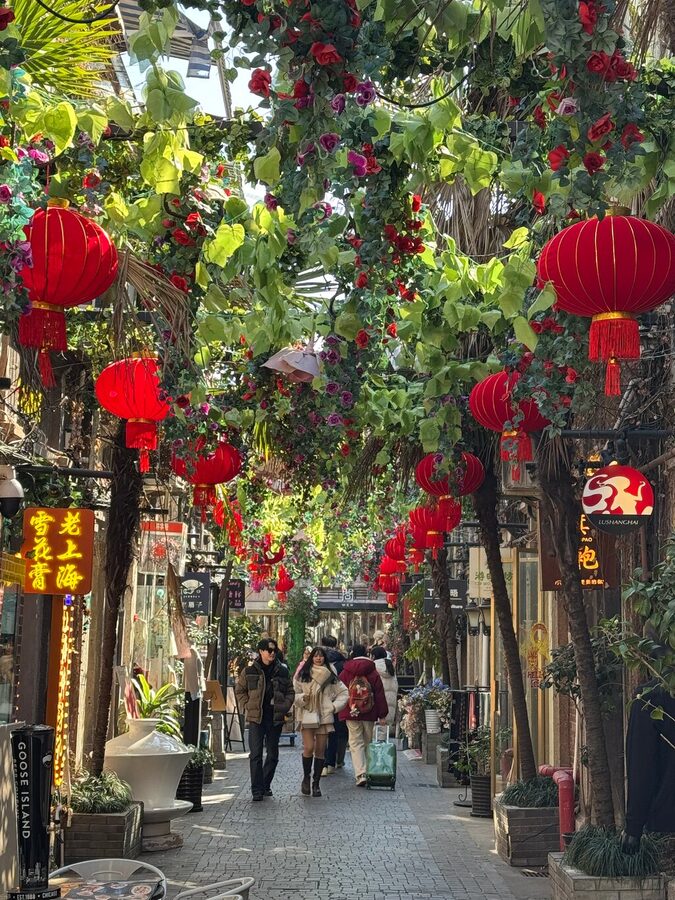
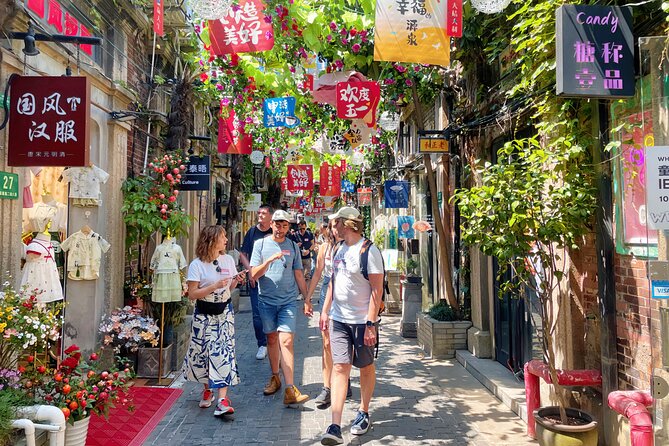
Your tour finishes in Tianzifang, with a maze of narrow alleys lined with art studios, boutique shops, and cozy cafés. It’s presented as a former residential area that still shows shikumen architecture, which is a great way to close the loop from the lane-house learning you did earlier.
This ending point is practical because you don’t have to think about transportation right away. You can hop into nearby cafes, browse studios, or just walk without a deadline.
My suggestion: go a little slower than you think you need to. Tianzifang rewards wandering. If you rush, you’ll miss the architecture details that connect back to earlier parts of the tour.
The Guides: Small Details That Make the Tour Click
You’ll notice a common theme in guide-centered experiences: guides like Aubrey and Dinna are praised for turning Shanghai history and architecture into something you can actually picture while you walk. One guide write-up also mentions Celina from another tour, showing these guides know how to keep history understandable and lively.
Another repeated takeaway is how guides handle questions patiently. On a walking tour, questions are where the real learning happens. You can always ask something like, What changed here, and why? or How did people use this space?
If you’re the type of traveler who likes conversation, this tour should feel like a helpful street-level class, not a lecture where you forget the details by lunch.
Who Should Book This Tour (And Who Might Want Something Else)
This French Concession walk is a great fit if you want:
- A 3-hour plan that doesn’t eat your whole day
- Real neighborhood context, not only photo stops
- A route that includes both former French-influenced spaces and shikumen lane life
- Free admission stops and a straightforward tip-based model
It may be less ideal if you strongly dislike walking, hate uncertainty around tipping, or only want massive, famous landmarks. This tour works because it’s human-scale and explanation-driven.
Best fit: first-time Shanghai visitors who want orientation beyond the usual highlights, plus repeat visitors who want a deeper look at the parts of the city that reveal themselves slowly.
My Practical Advice for Getting the Most Out of It
Bring comfortable shoes. This is a guided walk, and you’ll spend more energy on your feet than you might expect from a 3-hour duration.
Also, think about your question style before you go. If you want maximum value, ask follow-ups when your guide mentions a place type, like a club, a mansion enclave, or a lane house. Those are the moments where the story has structure.
Finally, plan your morning so you’re not rushing. The tour starts at 10:00 am, ends in Tianzifang, and it’s easiest to enjoy if you’re not trying to sprint to another major sight right after.
Should You Book the French Concession Guided Walk?
If you’re curious how Shanghai’s European-era district blended into local life, this is an easy yes. The route focuses on multiple neighborhood layers, from French Concession spaces to shikumen lanes, plus a few surprises like the theatre’s canidrome past.
The cost is also hard to beat for what you get: a small reservation fee, free admission stops, and a guide who shapes the experience with context. Just budget the recommended tip so there’s no stress at the end.
If you want a walking tour that helps you see the city like a local, not like a checklist, book it.
FAQ
How long is the French Concession guided walking tour?
The tour is about 3 hours.
What does the $5 booking fee include?
The booking fee is described as only reserving your spot. The tour itself operates on a tip-based model.
Is tipping required?
Tipping is voluntary in a tip-based model. The suggested tip is 150 to 200 RMB, or about 20 to 25 USD/EUR.
How much is the tour ticket cost at the stops?
The listed stops include admission ticket free for the sites on the route.
Where do I meet the guide?
The start is at Huai Hai Zhong Lu, 887号边门, postcode 200041, in Shanghai. The tour starts at 10:00 am.
Where does the tour end?
The tour ends in the Tianzifang area, near Metro Station Dapuqiao on Line 9, at Tianzifang 210弄 Tai Kang Lu.
What group size should I expect?
The tour has a maximum of 30 travelers. Booking is limited to groups of up to 4 people, with private tours for larger groups arranged by request.
What happens if the weather is poor?
The experience requires good weather. If it is canceled due to poor weather, you are offered a different date or a full refund.
What is the cancellation window?
You can cancel for a full refund up to 24 hours in advance of the experience start time. If you cancel less than 24 hours before, the amount paid is not refunded.
More Tours in Shanghai



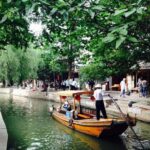

More Tour Reviews in Shanghai

Lane By Lane In The French Concession



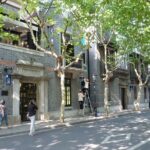

Shanghai, reviewed one booking at a time
- Zhujiajiao Water Town and Shanghai City Highlights Private Day Tour
★ 5.0 · 3 reviews - Zhujiajiao Water Town Private Tour with Local Farm Visit and Fruit Picking
★ 5.0 · 3 reviews - Tongli Water Town Self-Guided Tour with Private Transfer from Shanghai
★ 5.0 · 3 reviews - Shanghai by Night with Fine Local Dinner and VIP River Cruise Experiences
★ 5.0 · 3 reviews - Shanghai Acrobatic Show Tickets
★ 5.0 · 3 reviews - Private Shanghai Layover Tour to Zhaojialou Water Town with Lunch or Dinner
★ 5.0 · 3 reviews
Shanghai French Concession Walks, compared.
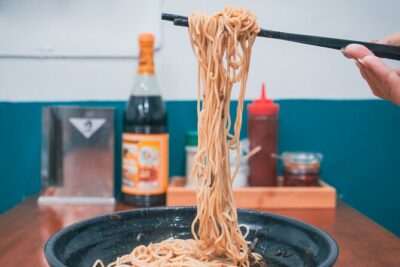 ★ 5.0Eat Like a Local Through Shanghai’s French ConcessionFrom $75353 reviews
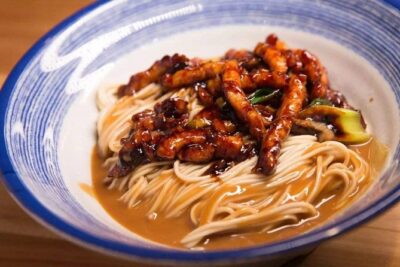 ★ 5.0Late Night Food Tour in the Shanghai’s French ConcessionFrom $89260 reviews
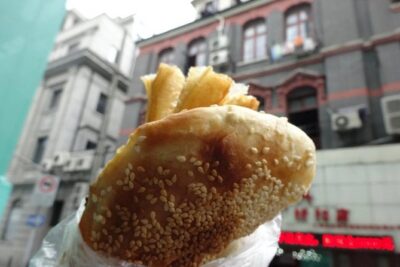 ★ 5.0Shanghai Breakfast Walking Tour of Former French ConcessionFrom $77139 reviews
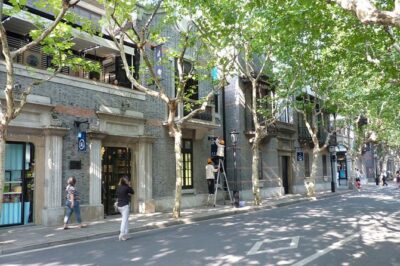 ★ 5.0Private Walking Tour in the Former French ConcessionFrom $9567 reviews
 ★ 5.0Private Yu Garden, The Bund, French Concession, Pudong Half-Day TourFrom $12051 reviews
 ★ 5.0Shanghai bar hopping tour in the former french concessionFrom $2943 reviews
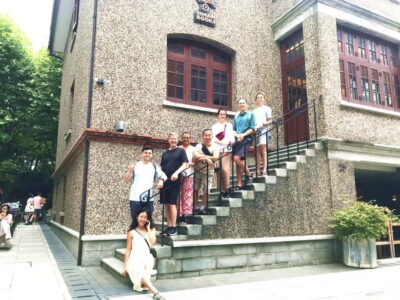 ★ 5.0French Concession Walking Tour with Real LocalFrom $3440 reviews
 ★ 5.0Private Guided Breakfast Tour of Former French ConcessionFrom $30013 reviews
Browse the lists this tour appears in