
REVIEW · CITY TOURS
Historia and Entertain Tour of the Youngest City of China
Shenzhen is where the modern China story starts fast. This 2-hour English tour takes you through Luohu Port, Hua Qiang District, and viewpoints that help you understand why Shenzhen grew from farmland into a global powerhouse in about 40 years. I like that the pacing is light enough for conversation, and the themes connect history with politics and daily life, not just photo stops.
Two things I really like: you get a proper origin story at Port of Luohu, where the city’s early momentum is part of the walking path, and you also get that “how does this place work” feel when you move through Hua Qiang District, the high-value, high-density tech and business zone. The guide, Timo Xu, is also described as warm and engaged, with maps and clear explanations that make big ideas easy to follow.
One possible drawback to keep in mind: food is not included, and while you may stop for a local snack along the way, you’ll likely spend extra if you want to eat a full meal. Also, at $40 for 2 hours, it’s not a long day of sightseeing, so your money’s best spent if you care about context, not just landmarks.
In This Review
- Key Things You’ll Remember From This Shenzhen Walking Tour
- Getting Oriented: How Luohu Explains Shenzhen’s Whole Tempo
- Port of Luohu: Where Shenzhen’s Story Begins (Not Just a Border Stop)
- The Skyline Factor: Why Views Are the Best History Lesson
- Hua Qiang District: Value, Business, and the Street-Level Economics
- Tracing People and Policy: How Shenzhen Links to Hong Kong and Beijing
- The “Time Machine” Hike: A Bird-Eye View and a City Axis Moment
- Food on the Way: Snacks Are Part of the Feel, But Not Included
- What You Get for $40: Value That Depends on Your Curiosity
- Small Group, Big Conversation: Why the Guide Style Matters
- Where This Tour Fits Best (And Where It Might Not)
- Quick Planning Tips Before You Go
- Should You Book It? My Honest Recommendation
- FAQ
- What is the price of the Shenzhen tour?
- How long is the tour?
- Is the tour in English?
- How big is the group?
- Where do I meet the guide?
- What is included in the tour price?
- Is food included?
- Are souvenirs included?
- Is there free cancellation?
- Can I reserve without paying now?
Key Things You’ll Remember From This Shenzhen Walking Tour
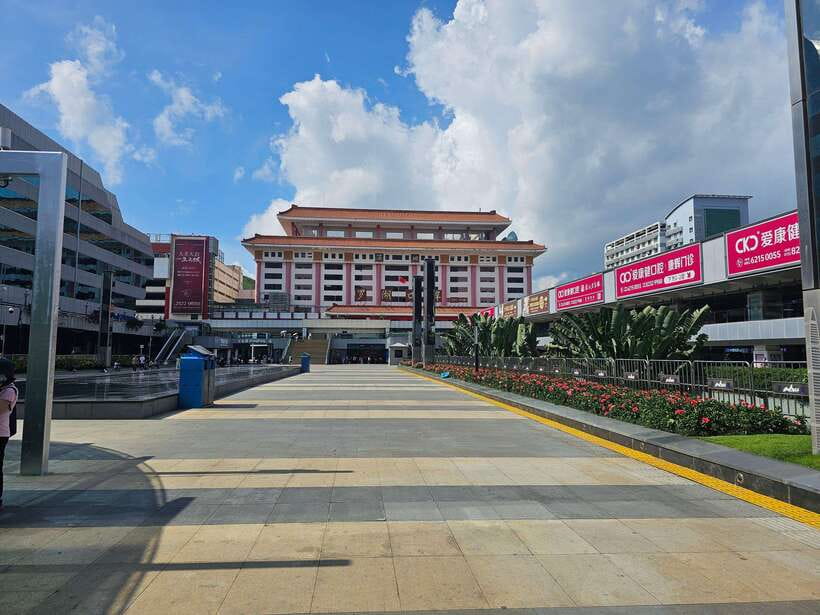
- Luohu Port, the story-starting checkpoint that helped define Shenzhen’s role when the country’s routes were still limited.
- Hua Qiang District on a “value per square meter” mindset, not as a shopping street, but as an economic engine.
- Plenty of skyline and viewpoint time, including a climb to a hill for an overall city axis perspective.
- Maps and real talk from Timo Xu, connecting past decisions to what you see now.
- Connection points between Shenzhen and Hong Kong or Beijing, so politics stops feeling abstract.
- Local snack stops that add texture without turning the tour into a food-only circuit.
Other Shenzhen trips our reviewers kept returning to
- Shenzhen:8h City Walk & Future Experience Highlights Trip★ 4.4 · 6 reviews
Getting Oriented: How Luohu Explains Shenzhen’s Whole Tempo
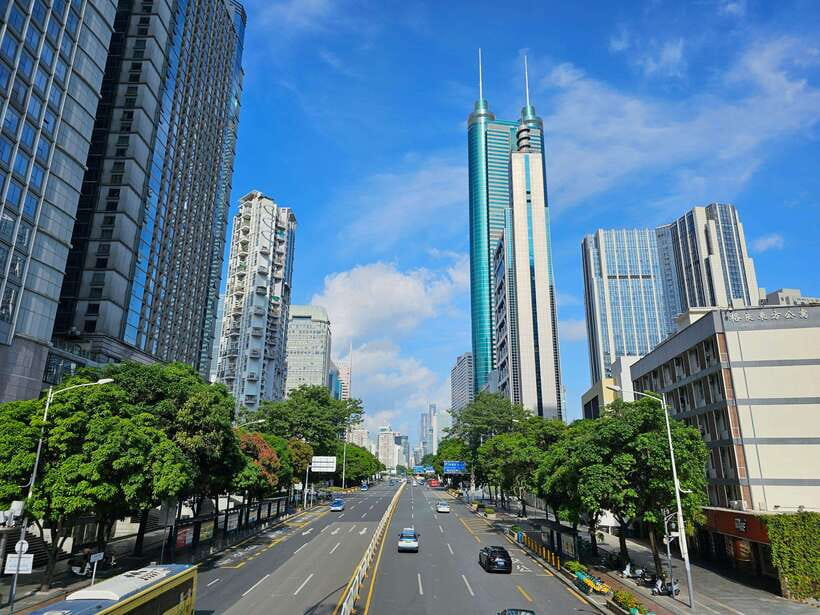
This tour focuses on Shenzhen’s early force, then shows you how that energy shaped today’s skyline and business centers. The route keeps you in the Luohu and Futian orbit, two names you’ll hear over and over once you start navigating the city. But the point here is not to memorize streets. It’s to learn the logic behind the city’s rapid rise.
You start at the meeting point at Starbucks (China Bank Garden), No. 1006, Fuzhong 1st Road, Futian District. The address in Chinese is 深圳市福田区 福中一路1006号 星巴克(中银花园店). Starting at a familiar landmark is practical, especially if you’re balancing transport and jet lag, and it’s also a reminder that Shenzhen mixes global brands with hard-edged local history.
Then comes the core idea: Shenzhen is often described as young, but that youth came from policy choices, trade routes, and a specific geographic position. Timo’s storytelling approach is built around stepping into a timeline and using the street layout as your guidebook, so you understand what grew, what changed, and what stayed.
Port of Luohu: Where Shenzhen’s Story Begins (Not Just a Border Stop)
You’ll begin at the Port of Luo Hu, and that matters because it’s not framed as a random transit location. It’s framed as an origin. Luo Hu is highlighted as one of China’s only two land ports, which gives the whole tour a strong “this is why Shenzhen mattered” foundation.
From here, the tour moves into buildings and skyline views that shocked the nation at the time. That angle helps you see beyond today’s shine. Instead of asking what’s there now, you’re encouraged to ask what surprised people then, and why that surprise turned into momentum.
Practical benefit for you: when you later look at Shenzhen from a distance, you’ll start noticing the city structure that Timo points out, like how different areas relate to each other. It also helps you place the city politically. The Shenzhen-Hong Kong relationship comes up later, but Luo Hu is the early anchor.
Possible drawback: if you’re expecting a deep museum-style experience, this is still a walking and talking tour, not an indoor exhibition. You’ll learn a lot through context, but you won’t be sitting in one place for long.
The Skyline Factor: Why Views Are the Best History Lesson
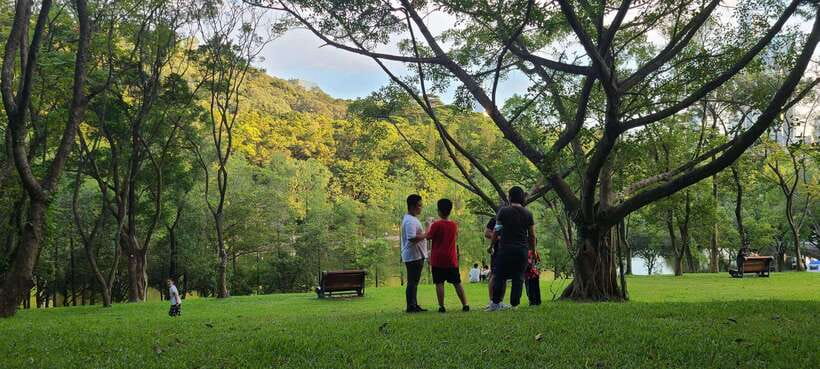
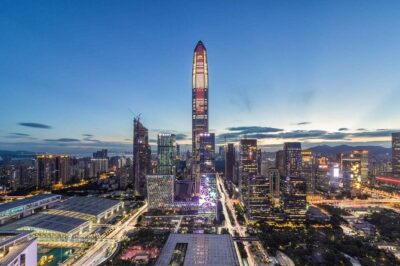
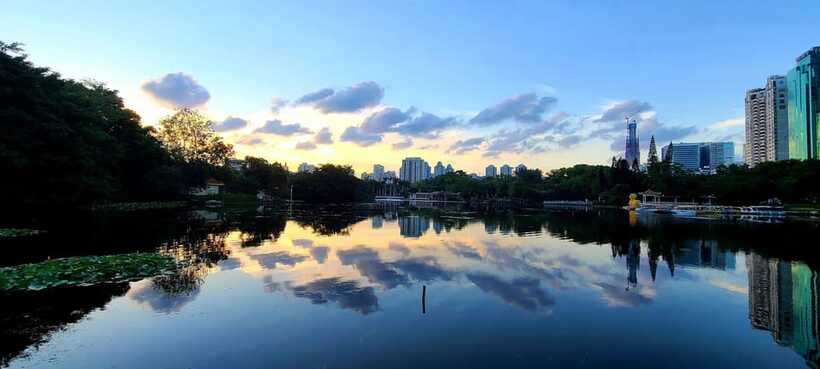
One of the smarter moves in this tour is the use of viewpoints. You’ll enjoy skyline views along the route, and later you’ll hike a park and a not-so-high hill for a bird-eye look at the city’s axis. This is the part where the “history” becomes physical.
Standing above a city helps you connect what’s written with what you can actually see. You notice patterns, alignments, and the way density changes as you move. In a place like Shenzhen, where growth was rapid and planning decisions were fast, the skyline is basically a diagram.
Also, you get a sense of the speed of change when you hear that places around major squares were wild fields and lakes about 40 years ago. That’s a big mental shift, and the viewpoint does the work that words alone can’t always do.
Tip for you: bring a layer. Even in southern China, weather can shift, and you’ll be outside during the walks. If the air is humid, the viewpoints can still be worth it, but your photo clarity may vary.
Hua Qiang District: Value, Business, and the Street-Level Economics
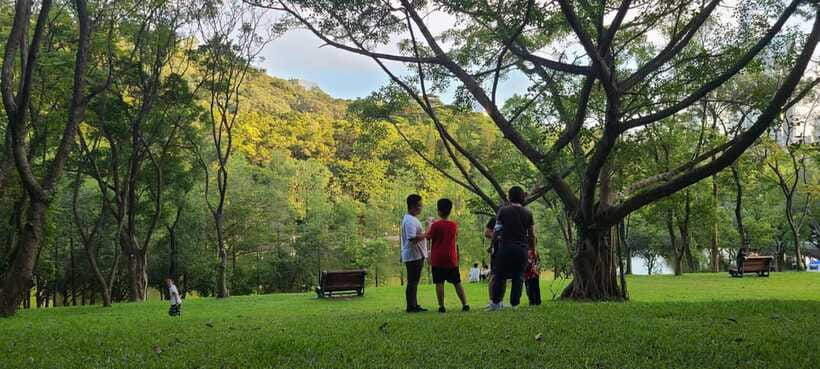
After Luohu, you’ll head to Hua Qiang District, described as an area where each square meter creates value of millions a day and is known for extremely expensive lease prices in China. That kind of detail can sound like trivia, but it changes the way you walk.
Instead of seeing storefronts and towers, you start looking for business logic. Why are there so many tech and commercial zones here? Why does this feel different from more leisure-oriented areas? This tour helps you treat the district like a living economic system rather than a generic “see-and-shop” zone.
You’ll also wander streets that connect to companies, entrepreneurs, and famous people. The goal is to show you how individual ambitions and business networks tied into the city’s big leap forward.
Another practical upside: if you’re the type who dislikes tours that push you into frantic shopping, this focus on enterprise and development fits better. You’ll still see plenty of street life, but the emphasis stays on understanding.
If you prefer pure sightseeing over analysis, the district might feel busy and intense, because the topic is tightly linked to speed and money. That’s not a flaw, just a fit question.
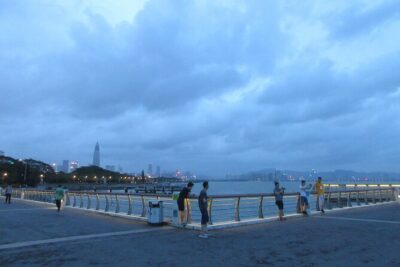
Tracing People and Policy: How Shenzhen Links to Hong Kong and Beijing
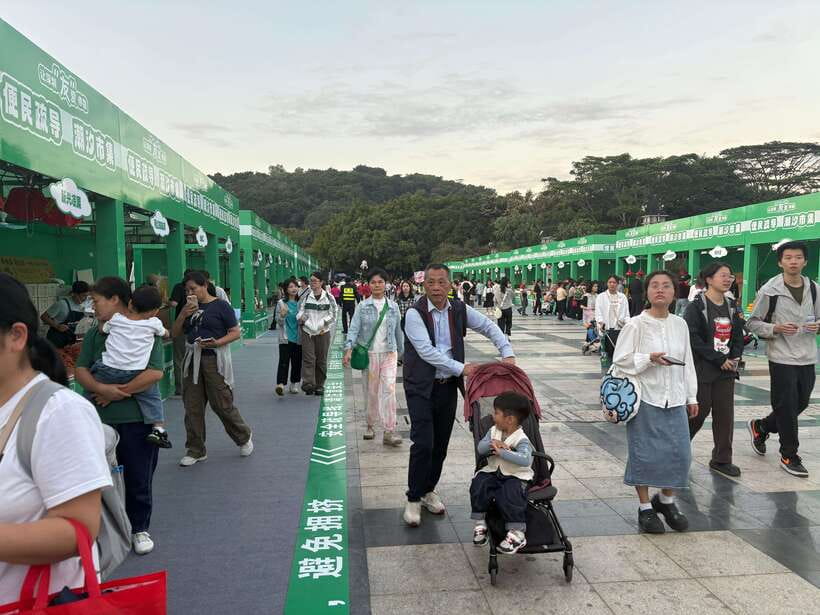
Shenzhen doesn’t exist in a vacuum, and this tour makes that clear without turning into a politics lecture. You’ll discover connections between Shenzhen and Hong Kong and Beijing, which helps explain the current political situation today.
This is valuable because many visitors arrive with only surface-level impressions. They see cranes, new buildings, and rapid growth. But they might not connect those signs to policy choices and cross-border relationships.
Timo’s method blends historical narrative with contemporary meaning. That approach is exactly what makes this tour feel like more than a collection of photos. You’re being shown the lines that connect past decisions to today’s reality.
What to watch for as you walk: you’ll pick up cues in how areas feel and how people move through them. When you understand the relationships, the city starts to make more sense.
The “Time Machine” Hike: A Bird-Eye View and a City Axis Moment
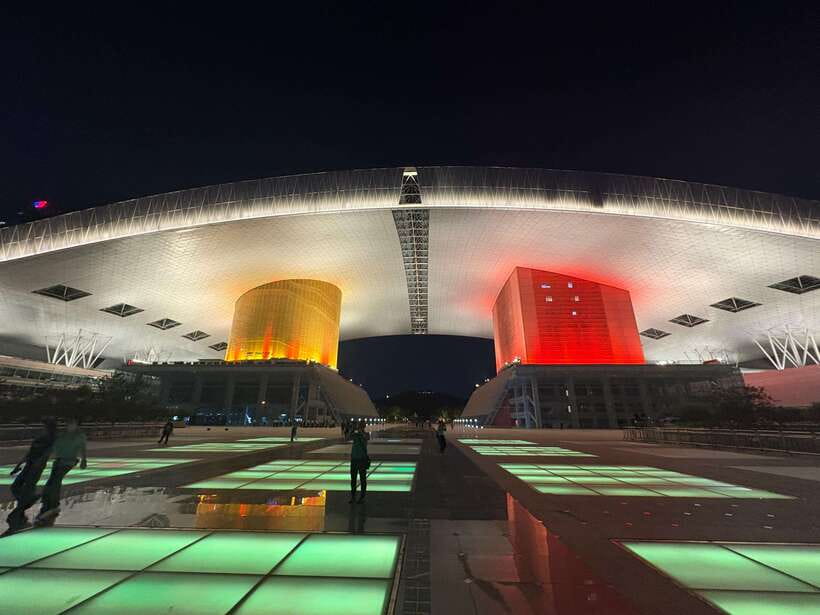
Midway, you’ll hike on a park and hill, described as not so high, to get that bird-eye view. This part is short enough to work for most fitness levels, but it still gives you a real change in perspective.
The reward is the axis view of the city. That means you’re not only looking at buildings. You’re seeing how the city is laid out, and that layout ties back to the tour’s earlier theme: Shenzhen’s fast growth was not random. It had structure.
The mental effect is big. When you look down and see the way the city lines up, you can understand why the guide stresses connections, not just places.
If the weather is hot or rainy, the hill climb might feel longer than you expect. The tour seems flexible with time and conditions, including the snack stop, so you’re not locked into a rigid schedule. Still, wear comfortable shoes.
Food on the Way: Snacks Are Part of the Feel, But Not Included
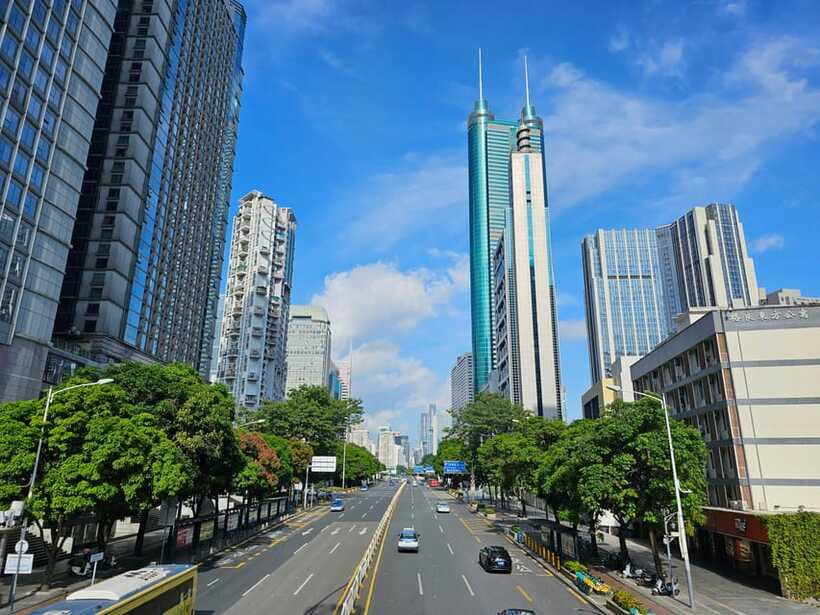
Along the way, there can be stops to get a delicious snack in traditional and local restaurants. The exact timing depends on weather and time, and food is explicitly not included.
That’s actually a good setup for you if you like flexibility. You can try one local snack stop without committing to a full meal, and you keep control over what you want to spend. But if you’re hungry for a proper lunch, you should plan on eating before or after the tour.
I like that the tour aims to give you taste and texture, not to force a pre-chosen menu. In a city like Shenzhen, small local choices often tell you more than a standard tourist meal.
What You Get for $40: Value That Depends on Your Curiosity
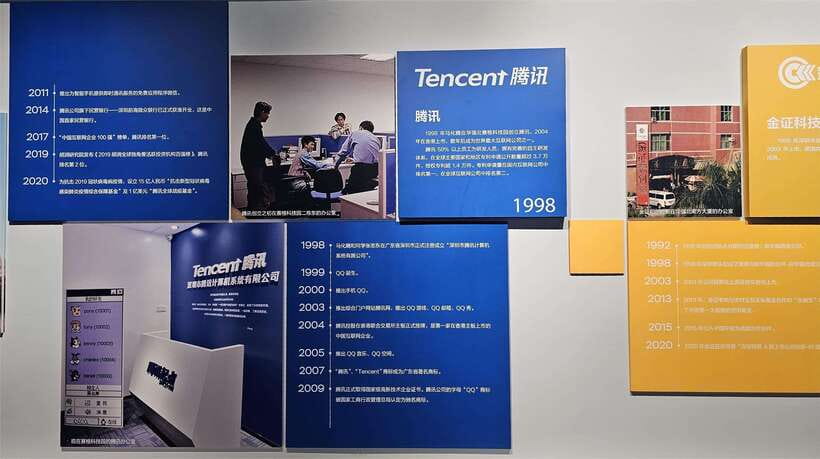
Let’s talk price honestly. At $40 per person for 2 hours, this isn’t a budget “walk past a few sights” deal. It’s priced for a small-group guided experience, where the guide spends energy on storytelling, context, and targeted stops.
What supports the value:
- Small group size, limited to 7 participants, which usually makes conversation easier.
- Transportation fees are included, which matters in Shenzhen where distances can add up quickly.
- You get carefully-researched recommendations for restaurants and also best bars, cocktails, and live music venues, which can save you real time later.
- The guide is English-speaking, and the approach is built around explanation using maps and visual aids.
What could make it feel expensive: if your main goal is photos, or if you’re only interested in the “what,” not the “why.” One review summary called out that the price can feel elevated for what you physically see. If you fall into that camp, you might want to compare against other half-day options.
Best fit for this price: you enjoy history framed in modern life, you like conversation, and you want to understand Shenzhen’s development in a way that sticks.
Small Group, Big Conversation: Why the Guide Style Matters
The small group matters because Timo’s style is conversation-friendly. He’s described as passionate, hospitable, and interested in meeting people from around the world. That human element is not fluff. It changes how you experience the information.
You’re not just hearing facts. You’re asking questions and hearing answers that connect back to what you’re walking past. Reviews also highlight that Timo uses personal stories from both historical and contemporary angles, and that can make the timeline feel real instead of abstract.
Another detail I appreciate: individual requests can be considered. That means if you want more time at a specific view or you’d rather skip one stop for pacing, you’re more likely to get a friendly adjustment than a strict script.
Where This Tour Fits Best (And Where It Might Not)
This tour is for you if:
- You want the “young city” story with real context, not a list of landmarks.
- You care about the Shenzhen-Hong Kong and Shenzhen-Beijing connection theme.
- You like walking, light climbs, and skyline views more than indoor museum time.
- You’re comfortable spending extra on food since snacks may appear but full meals are not included.
It might not be ideal if:
- You mainly want a long sightseeing day and more stops than a compact 2-hour route.
- You dislike history framing and prefer purely scenic wandering.
- You’re expecting food to be handled by the tour price.
Quick Planning Tips Before You Go
Here are a few practical things that help your experience go smoothly:
- Wear comfortable shoes for a hill climb, even if it’s described as not so high.
- Bring a light layer for outdoor viewpoints.
- Eat before you start if you’re a heavy eater, because food is not included.
- Arrive on time for the Starbucks meeting point in Futian, so you don’t miss the port start and story setup.
If you want the tour to feel more personal, show curiosity. Ask questions about why Shenzhen grew where it did, or how the cross-border relationships show up in daily life.
Should You Book It? My Honest Recommendation
Book this tour if your travel style likes meaning, not just movement. I’d especially recommend it if Shenzhen is your first time in the city and you want a fast, structured way to understand why everything looks so new while still having roots.
I would pause before booking if you want a cheaper sightseeing sample, or if you expect the tour price to include a full meal. At $40 and two hours, it’s a targeted experience. Pay attention to your goal: learn the city’s logic, and you’ll feel the value.
FAQ
What is the price of the Shenzhen tour?
The price is $40 per person.
How long is the tour?
The tour lasts 2 hours.
Is the tour in English?
Yes, the tour is given in English.
How big is the group?
It is a small group limited to 7 participants.
Where do I meet the guide?
You meet at Starbucks Cafe (China Bank Garden), No. 1006, Fuzhong 1st Road, Futian District, Shenzhen. Chinese address: 深圳市福田区 福中一路1006号 星巴克(中银花园店).
What is included in the tour price?
The tour includes the guide, transportation fees, and a list of carefully-researched restaurant and evening recommendations (including best restaurants, best bars, cocktails, and live music venues).
Is food included?
Food is not included. There may be snack stops during the tour depending on weather and time.
Are souvenirs included?
No, souvenirs are not included.
Is there free cancellation?
Yes, you can cancel up to 24 hours in advance for a full refund.
Can I reserve without paying now?
Yes, there is a reserve now and pay later option, so you can book your spot and pay nothing today.
More City Tours in Shenzhen
More Tours in Shenzhen

More Tour Reviews in Shenzhen
Shenzhen, reviewed one booking at a time
- Shenzhen Private Shopping Tour with Local Shopping Guru
★ 5.0 · 5 reviews - 1 day Car Hire in Shenzhen with Driver (10 hours)
★ 3.0 · 5 reviews - 200-year-old Hakka Residence Tour +Ancient Buddhist temple
★ 5.0 · 5 reviews - Shenzhen Customized Local Tour with Transfer
★ 5.0 · 6 reviews - Private Transfer in Shenzhen with English Service
★ 5.0 · 6 reviews - Shenzhen:8h City Walk & Future Experience Highlights Trip
★ 4.4 · 6 reviews
City Tours, compared.
 ★ 4.8Beijing: Forbidden City Tour(Group/Private)-Tickets IncludedFrom $47,974 reviews
 ★ 4.8Beijing: T-Square & Forbidden City Group or Private TourFrom $174,446 reviews
 ★ 5.0All-Inclusive Tour: Tiananmen Square, Forbidden City, Great WallFrom $1282,873 reviews
 ★ 5.04-Hour Small Group Tour to Forbidden City with Entry TicketsFrom $151,863 reviews
 ★ 5.0Beijing Full Day Tours: Tiananmen Sq, Forbidden City, Great WallFrom $991,634 reviews
 ★ 5.0Mini Group Xian Day Tour to Terracotta Army, City Wall, Pagoda and Muslim BazaarFrom $491,320 reviews
 ★ 4.6Beijing: Tianmen Square, Forbidden City & Royal Museum ToursFrom $41,288 reviews
 ★ 5.0Zhujiajiao Water Town and Shanghai City Private Day TourFrom $2461,016 reviews