
REVIEW · JIUZHAIGOU & HUANGLONG VALLEY TOURS
Huanglong Scenic Area: Explore Stunning Five-Colored Ponds
Five-Colored Ponds in one unforgettable day.
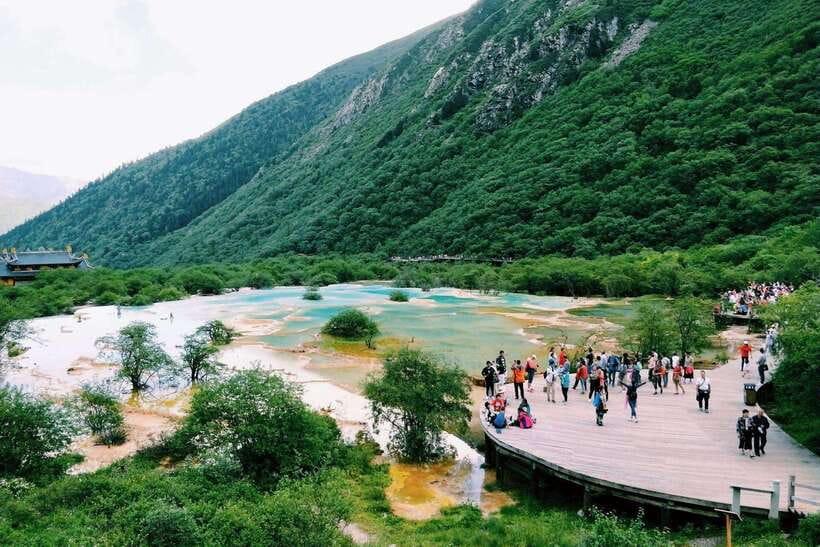
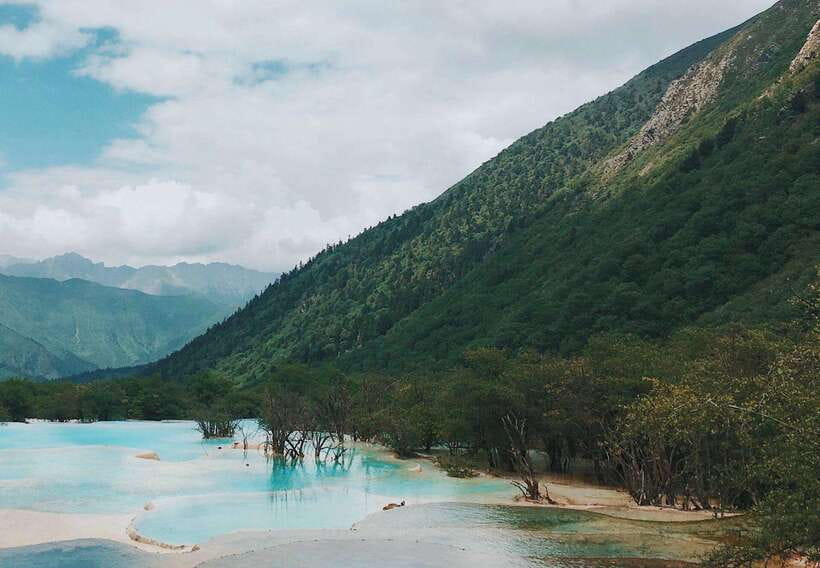
Huanglong Scenic Area is the kind of place where the ground itself looks painted, with travertine terraces dropping and stacking down a mountain valley. It sits in Sichuan’s Aba Tibetan and Qiang Autonomous Prefecture and climbs from about 1,700 up to 5,588 meters, so your day is part scenery walk, part mountain experience.
I especially like two things here. First, it is famous for the world’s biggest concentration of colorful travertine ponds, often called Four Wonders and more. Second, the Golden Sand Pavement flow is exactly the sort of natural detail you want to see in person, not just on a screen.
One drawback to plan for is that the walk can be busy and slow in peak season. If you are sensitive to altitude or you prefer less time on your feet, it helps to think carefully about how much walking you want, and whether you should use the cable car and optional sightseeing bus.
In This Review
- Key highlights to look for
- Huanglong in One Day, why the ponds feel like a living staircase
- Starting at Huanglong Visitor Center or Huanglong Cableway Station
- Walking the travertine wonders, Four Wonders plus Golden Sand Pavement
- Xuebaoding and Sleeping Beauty Mountain, how the route gets framed
- Primeval forest time, when the air and footing slow you down
- Moving through the park, cable car plus optional shuttle
- Price and value at about $40, what you are really paying for
- Who should book this one-day Huanglong plan, and who should skip
- Should you book Huanglong Scenic Area with Attract Eye?
- FAQ
- Where is Huanglong Scenic Area located?
- How long is the experience?
- What is included in the price?
- Should I plan for the cable car?
- What should I bring for the day?
- What information is required to book the ticket?
- Is this suitable for seniors?
Key highlights to look for
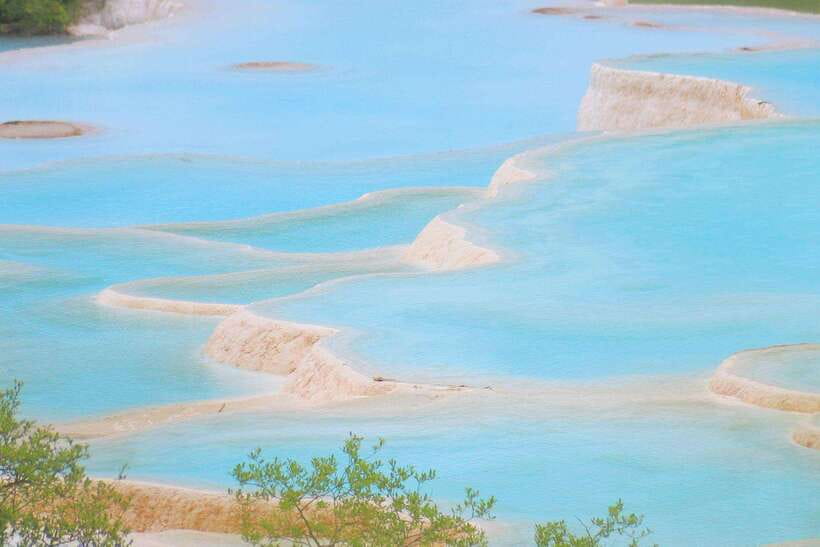
- Five-Colored, terraced ponds fed by carbonate travertine deposits, built into the valley in layers
- Xuebaoding and Sleeping Beauty Mountain as the two big complementary peaks that frame your route
- A primeval forest with ancient trees rising toward the sky
- Golden Sand Pavement , the signature travertine beach flow you cannot really replace with photos
- Well-laid paths plus facilities, including toilets and food and drink stalls along the routes
The coloured pools, more itineraries
- Huanglong Scenic Area: Explore Stunning Five-Colored Ponds★ 5.0 · 6 reviews
Huanglong in One Day, why the ponds feel like a living staircase
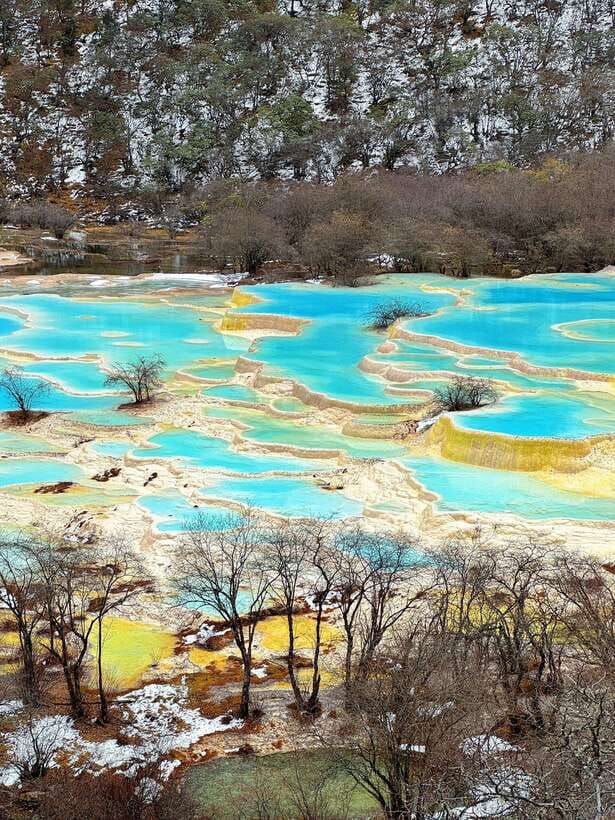
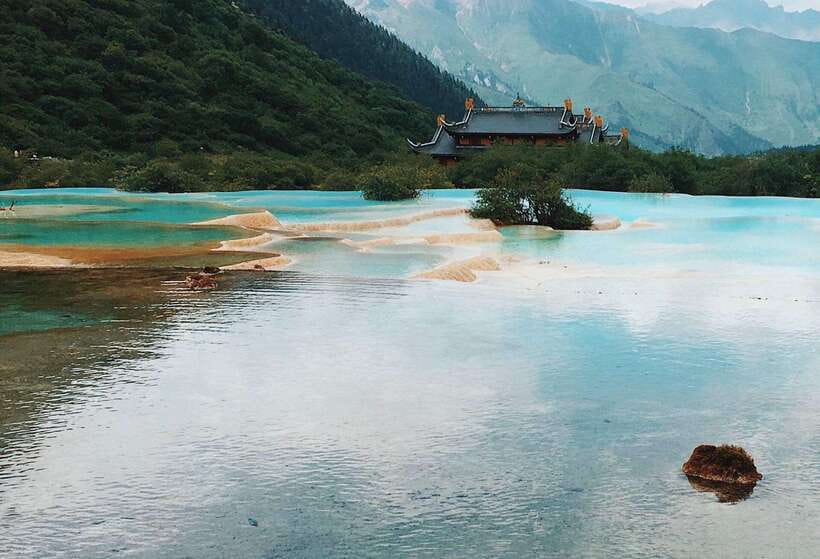
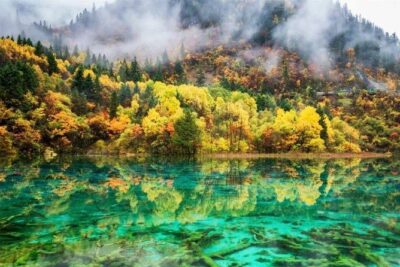
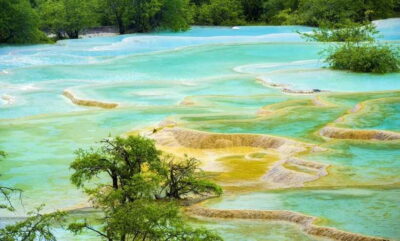
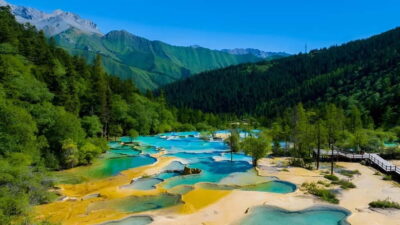
Huanglong Valley is about 3.6 kilometers long, and it is the core of the whole park. The signature look comes from carbonate travertine deposits that build up in terraces, so you follow the water’s story as it moves and hardens over time. The result is a rainbow effect that can change as your angle, light, and the water level shift.
I like how the experience is visually continuous. You are not bouncing between random viewpoints miles apart. Instead, the pond colors and textures tend to appear in sequence, which makes a one-day plan feel natural. Even when you take breaks, the area keeps giving you new details, like edges, color bands, and tiny changes from one pool to the next.
This is also a “systems park,” not just one pretty spot. Huanglong has forests, canyons, waterfalls, hot springs, and limestone formations in addition to the ponds. That matters because if your group is tired of pond photos, you still have something to look for while walking.
Just remember the altitude. You climb high in the park, so you will want to keep your pace comfortable. Warm layers matter too. This is Sichuan, but the higher you go, the more the temperature can surprise you.
Starting at Huanglong Visitor Center or Huanglong Cableway Station
Your day starts with a choice of two starting points: Huanglong Visitor Center or Huanglong Cableway. That choice affects how your route feels, especially if you want to spend more energy on the ponds and views, rather than on the climb.
If you choose the cable car option, the common rhythm is to use it to get up first and then walk back down. That approach makes sense here, because the most dramatic features are spread along the return route, and you are generally moving from higher ground toward lower ground. One review-focused detail I keep in mind is how much people enjoy doing the cable car plus the walking combo, because you get both convenience and the full visual payoff of the terraces.
If you start at the visitor center, you can expect a more traditional uphill feel early on. The paths are built for visiting, but it still helps to wear shoes that you trust for long, uneven outdoor walking. I would not plan to “speed walk” your way through here, especially if the park is crowded.
Also, plan for photo time. The itinerary style here includes photo stops and self-guided sightseeing, so you should not treat the day like a race. If you like calm pacing, you can build it in.
Walking the travertine wonders, Four Wonders plus Golden Sand Pavement
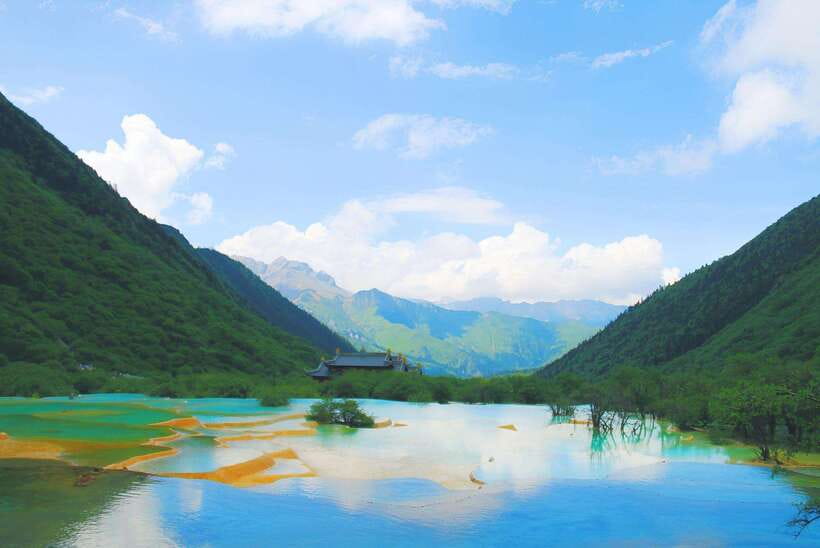
Huanglong is famous for a set of big names that all point to the same thing: water and minerals working together over a long time. You will hear about Four Wonders such as colorful ponds, snow-capped mountains, canyons, and forests. You will also see the idea of Seven Wonders, which adds things like beach streams and ancient temples to the mix.
The travertine effect is why the colors can look so precise. The terraces are made from mineral deposits, so the ponds do not just sit there, they form a system. As you move along, you notice how the color can shift from pool to pool, and how the edges can look like painted stone.
Now for the star you should aim for: Golden Sand Pavement. This is described as the world’s most spectacular travertine beach flow, which is a great way to think about it. You are not looking at one small feature. You are walking through an expanded layer of mineral “flow,” like nature turned water movement into a wide, textured surface.
You will also pass through areas that are more than ponds. Think of canyons and forest corridors between the main pond sections. That variety helps you keep attention through the day. If you are going with someone who gets bored by repeated photo angles, the forest and canyon segments give them something to look at too.
The downside is crowds can compress your timing. In busy seasons, you may feel people bunch up at the most photogenic terraces. Your best strategy is patience plus layers, and to treat the route like a slow moving gallery rather than a checklist sprint.
Xuebaoding and Sleeping Beauty Mountain, how the route gets framed
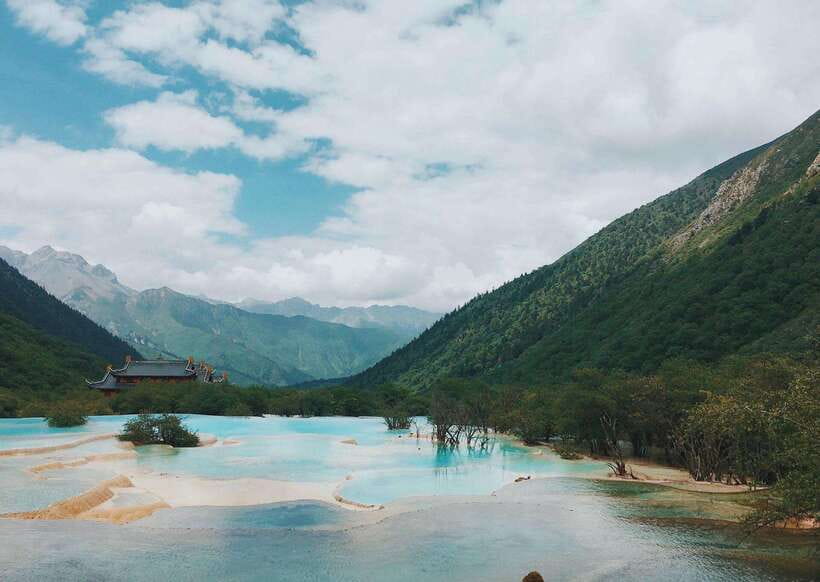
A lot of Huanglong’s appeal comes from its geography. Two mountains complement each other: Xuebaoding and Sleeping Beauty Mountain. When you understand that the ponds and valleys sit between these big features, your brain starts reading the park as a framed viewpoint system, not just a long trail.
This matters for how you take photos and how you pace yourself. If the route is busy, you can still find angles. You might not get the exact spot you wanted at the exact minute, but the way the terraced valley is laid out means you can often step a few paces and still get a different perspective. That reduces the frustration of crowds.
You also get a better mental model for why the park feels like it changes every hour. Altitude and weather shift quickly, and the light at higher areas can make the ponds look different even when you are looking at the same terrace sequence.
If you are someone who likes to feel oriented, this is a park where you will do well with that mindset. You do not need to know every local name to enjoy it, but a basic understanding that the route is shaped around these two mountains can make the whole day feel more logical.
Primeval forest time, when the air and footing slow you down
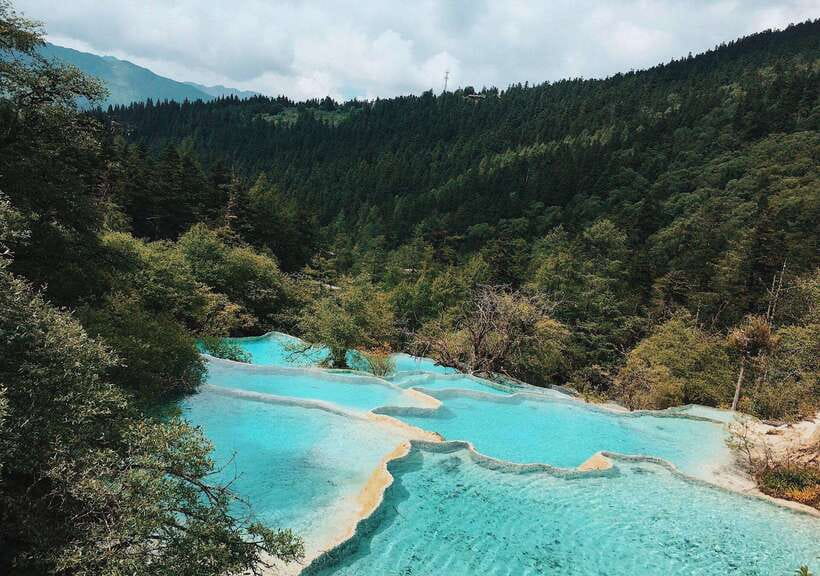
One of Huanglong’s “Four Wonders” themes is forests, but the forest here is not generic. It includes a primeval forest element with thousand-year-old trees rising high. That is a different mood from the pond sections. Instead of color and reflection, the forest segments give you texture, shade, and a sense of scale.
When you combine primeval forest with the canyon and stream segments, the park feels layered. You are not just moving from pond to pond. You are switching ecosystems and visuals. That also gives you mini recovery moments if the ponds have you stopping and staring every few steps.
The practical side is footing and clothing. Warm clothing is essential because temperatures can swing as you climb. Comfortable clothes and warm shoes matter because you will likely spend hours moving on paths that are outdoors and can be slippery depending on conditions.
If you get tired, this is exactly where you can slow down without losing the day’s quality. Trees and forest corridors still offer views, even if they are not the exact same wow as a colored pond at close range.
Moving through the park, cable car plus optional shuttle
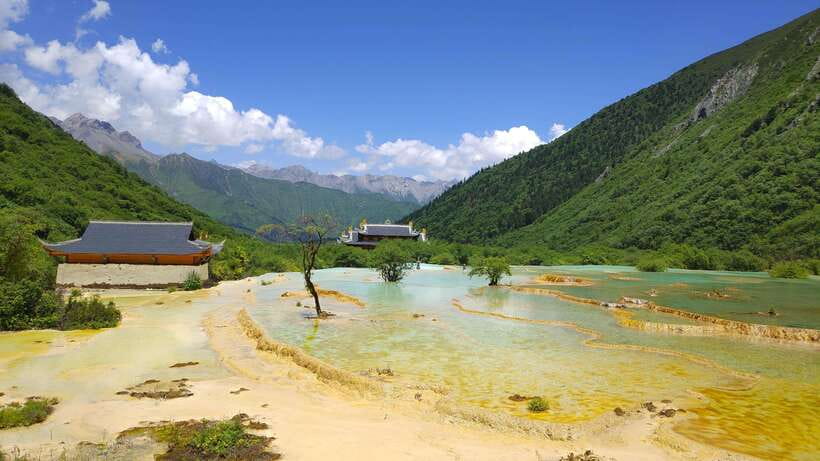
The plan is designed for an easy day structure. You have a mix of scenic views on the way, sightseeing, and walking, with free time built in. There is also an optional sightseeing bus inside the scenic area if you want help reducing walking distance.
I like that you have options. Some days, you want maximum time on foot. Other days, you want to cut time so you can conserve energy for the most important pond terraces and viewpoints. The ability to choose is practical in a big mountain park.
Inside the experience planning, the support includes a host or greeter who speaks Chinese and English. And after booking, a dedicated service staff member can provide product details and professional itinerary planning, plus help with other attractions booking. In real life, that kind of support matters most when plans are tight and you do not want to guess.
A big theme I noticed from strong feedback is how clear the communication is. Contact help can include fast, easy ticket exchange and quick confirmation. One praised contact name tied to smooth coordination is Theo Du, and that kind of responsiveness is worth something when you are dealing with timing, instructions, and the first-day jitters in a new region.
Price and value at about $40, what you are really paying for
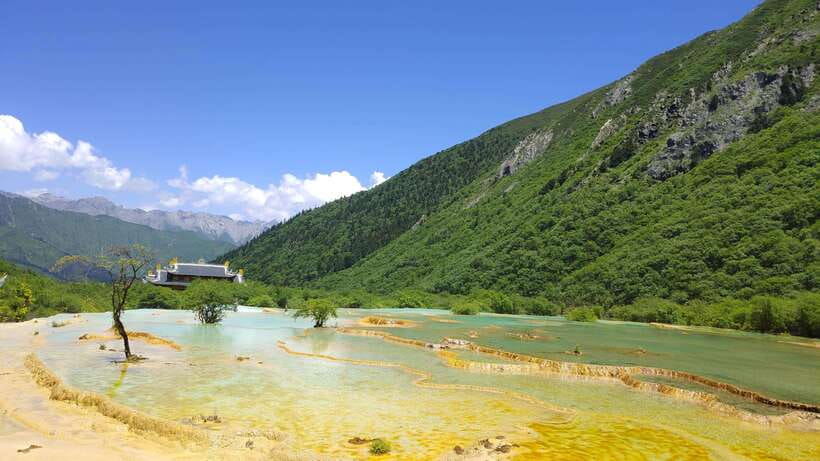
At around $40 per person for a one-day visit, Huanglong can be excellent value if you care about seeing the core features without overcomplicating logistics. Your ticket coverage includes the Huanglong National Scenic Area Ticket. The cableway ticket and the tour sightseeing bus are optional, which gives you control over cost and effort.
Here is the value logic I would use if I were planning your day. Paying for the entrance is non-negotiable if you want the pond terraces and the Golden Sand Pavement area. So the real question becomes whether you want to pay extra for the cable car and shuttle options to reduce climbing and walking time.
Based on what tends to work best, many people enjoy doing the cable car plus walking down, because it balances convenience with access to the signature features. Also, there are enough visitor services along the routes, like toilets and food and drink stalls, to keep the day comfortable even if you move steadily.
What you should watch for is your own energy and tolerance for crowds. If you come during busy periods, your pace slows no matter what. In that case, a cable car choice can make your time feel more efficient because you spend more of the day at the terraces rather than battling fatigue on the climb.
Who should book this one-day Huanglong plan, and who should skip
This experience is a strong fit if you want a focused day in a major natural heritage site and you like visually driven routes. It is also a good pick if you prefer self-guided sightseeing within a structured plan, so you can stop for photos and keep your own rhythm.
I would especially recommend it to anyone who appreciates travertine formations, forest scale, and the mix of big views and close-up detail. If your travel style is “good shoes, warm layers, and slow looking,” you will fit right in.
There is a hard limitation: it is not suitable for people over 80. That is important because the day involves high-altitude terrain and walking. If you are traveling with seniors near that threshold, you should think twice and plan for a route that matches their mobility.
One more rule to keep in mind is that alcohol and drugs are not allowed in the scenic area. It is also smart to keep your day simple with a small daypack, water, and layers, so you do not feel stuck improvising.
Should you book Huanglong Scenic Area with Attract Eye?
If you want a smooth, organized way to see the highlights in one day, I think booking makes sense. You get the scenic area ticket included, optional add-ons like cable car and sightseeing bus, and bilingual support in Chinese and English. Most importantly, communication and ticket handling are set up so you are not left guessing at the start.
I would book if your priority is hitting the Five-Colored Ponds areas, finding your way to Golden Sand Pavement, and enjoying the primeval forest segments without turning the trip into a logistics puzzle. And if you like having a human point of contact, names like Theo Du come up for a reason, because fast, clear help reduces stress when everything is time-sensitive.
I would hesitate if you expect a quiet, empty hike. In peak season, paths can be crowded, and your pace becomes communal instead of personal. Still, even with crowds, the scenery is the point, and the route structure keeps you close to the best parts.
If you can handle altitude, bring warm layers and comfy shoes, and keep a patient pace, this is a very worthwhile day in Sichuan.
FAQ
Where is Huanglong Scenic Area located?
Huanglong Scenic Area is in Songpan County, Aba Tibetan and Qiang Autonomous Prefecture, Sichuan Province, in southwestern China.
How long is the experience?
The tour is valid for 1 day. The sightseeing/walking portion is described as about 6 hours.
What is included in the price?
The included items are the Huanglong National Scenic Area ticket. The cableway ticket and the sightseeing bus are optional.
Should I plan for the cable car?
The cableway ticket is optional, and many people choose it to manage the route. You can also walk parts of the park depending on your starting point choice.
What should I bring for the day?
Bring comfortable shoes, warm clothing, comfortable clothes, and warm shoes, since the area spans high altitudes.
What information is required to book the ticket?
You need to provide contact details and each person’s full name, nationality, and passport number when booking.
Is this suitable for seniors?
It is not suitable for people over 80.
More Tour Reviews in Aba Sichuan
The Coloured Pools Of Jiuzhaigou
Aba Sichuan, reviewed one booking at a time
- Huanglong Scenic Area: Explore Stunning Five-Colored Ponds
★ 5.0 · 6 reviews
Jiuzhaigou & Huanglong Valley Tours, compared.
 ★ 5.0Classic 3-Day Jiuzhaigou Private Tour(Transportation+Tickets)From $2598 reviews
 ★ 5.03 Day Private Tour to Jiuzhai Valley and HuanglongFrom $9806 reviews
 ★ 5.0Private 3Day Jiuzhaigou&Huanglong Tour by Fast Train from ChengduFrom $4766 reviews
 ★ 3.02 Day Chengdu to Jiuzhaigou&Huanglong Self-Guided w/TransferFrom $3863 reviews
 ★ 3.8Chengdu: private 2-Day Huanglong Jiuzhaigou tour by trainFrom $5413 reviews
 ★ 5.0Jiuzhai Valley National Park:Visit Colorful Fairy Tale WorldFrom $383 reviews
Browse the lists this tour appears in