
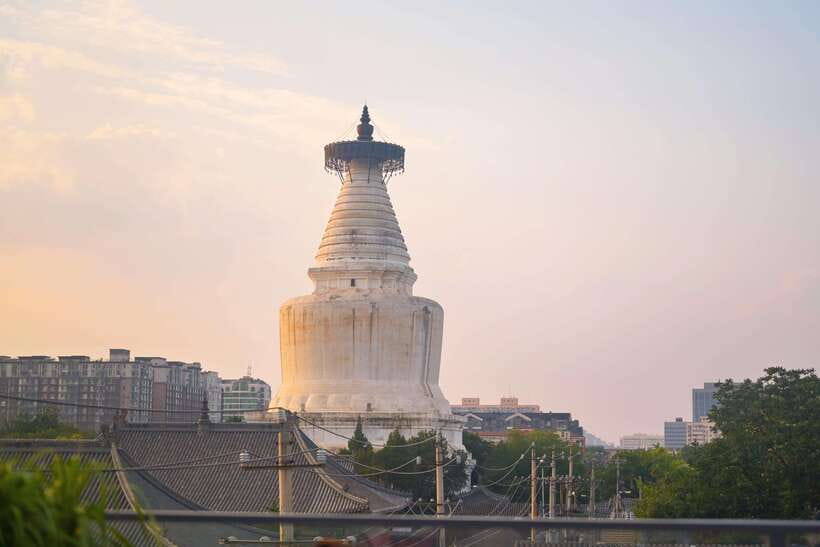
REVIEW · BEIJING HUTONG TOURS
Hutong Walking Tour: Discover Real Beijing without Crowds
Wander where Beijing feels lived-in. This hutong-focused walk pairs old courtyard lanes with calmer temple corners and a few modern Beijing contrasts so it does not feel like a museum route. You start at Xisi Subway Station and follow your guide through everyday backstreets, architecture details, and local recommendations, all at an easy walking pace.
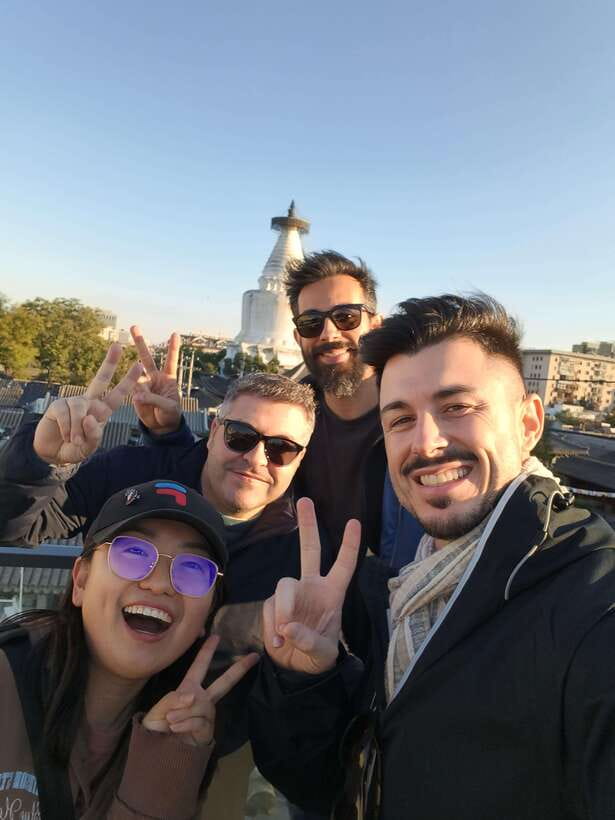
I love the way the small group keeps things human, not herded, and it stays conversation-friendly with guides like Dee and Tracy leading from the front. I also like the included traditional Beijing drink, the kind you only taste when someone shows you where locals go, whether it is a plum-style drink or an iced tea moment at the end.
One consideration: about half the tour is in hutongs and the rest moves to other neighborhood landmarks and buildings, so if you want hutongs only, this route may feel a little mixed. Also plan for a solid walk, around 3 km, in real Beijing weather.
In This Review
- Quick hits
- Why this hutong tour feels real, not rehearsed
- Where you start at Xisi Station, and why it matters
- Guangji Temple: spiritual architecture in a walkable pocket
- Church of the Saviour, Beijing: a surprising contrast point
- 正阳书局 (Zhengyang Shuju): where modern local culture shows up
- Zhuanta Hu Tong: real hutong pace, real life cues
- Emperors Temple of Past Dynasties: symbolism plus photo stops
- The local café break: keep your energy without turning it into a food tour
- Miaoying Temple: calm finishes and good photo angles
- The included traditional Beijing drink: the taste that anchors it
- How the guides shape the experience, and what to ask them
- Walking logistics, weather reality, and what to pack
- Who this tour is for, and who should skip it
- Price value: why $49 can make sense here
- Should you book this hutong walking tour?
- FAQ
- Where does the hutong walking tour meet?
- How long is the tour?
- How much walking should I expect?
- Is the tour mostly in hutongs?
- What is included in the price?
- What languages are the guides available in?
- What should I bring with me?
- Is the tour wheelchair accessible?
Quick hits
- Meet at Xisi Station, Exit D for an easy start on Line 4.
- Half hutongs, half landmarks so you see both the old lanes and key nearby sights.
- Architecture you can actually picture including siheyuan courtyard layouts and multiple temple styles.
- Stops for photos and guided explanations at major religious sites, not just alley wandering.
- A local café break to reset your feet without turning it into a meal tour.
- Plum-style or iced tea drink moments that make the tour feel like Beijing, not a checklist.
Deeper into the hutongs
- Beijing Hutong Walking Food and Beer Tour at Hidden Restaurants★ 5.0 · 1,132 reviews
- Temple Heaven, Summer Palace, Lama Temple, Hutong Bus Tour★ 4.7 · 319 reviews
- Temple of Heaven, Summer Palace, Lama Temple, Hutong Tours★ 5.0 · 311 reviews
- Beijing Private Hutong Food Walking Tour★ 5.0 · 299 reviews
Why this hutong tour feels real, not rehearsed
This is the kind of Beijing walk that helps you understand what hutongs are for. They are not just pretty lanes, they are the setting for daily life, beliefs, and how neighbors share space. Even when the route touches bigger, newer areas, you still come away with a sense of how the city’s layout shaped people’s routines.
I like that the tour focuses on meaning, not just names. You get context for what you are looking at, from courtyard design logic to why temples sit where they do. And because it is a small group limited to 8, you can ask questions and get answers that fit your pace.
The guides also tend to work like local interpreters, not just ticket readers. In particular, guests have highlighted how Dee and Tracy shared practical tips for navigating after the walk, plus suggestions for where to eat and what to shop for nearby.
Where you start at Xisi Station, and why it matters
Meeting at 西四站 (Xisi Station), Exit D is smart, especially if you are arriving from other parts of Beijing. Line 4 is central enough to make the start painless, and the exit gives you a clean handoff into the older neighborhood fabric.
If you arrive early, use that time to get your shoes ready and your water out. This is not a long, stop-start tour, it is a steady walk, around 3 km total across roughly 2.5 hours.
Also, come with the mindset that this is a neighborhood route. You will be passing daily life, storefronts, and residential spaces, so you will get the most from it if you move respectfully and keep an eye on privacy.
Guangji Temple: spiritual architecture in a walkable pocket
Your route opens with Guangji Temple, guided as a real place, not a photo backdrop. Even if you are not religious, temples help you read Chinese urban design because they often act like community anchors.
What I find useful is the way guides connect physical details to cultural ideas. You are likely to hear why certain spaces are arranged as they are, and what visitors are meant to notice.
This is also a good warm-up stop because it gives you a mental map early. Once you start seeing how religious spaces and alley life relate, the rest of the hutong experience clicks faster.
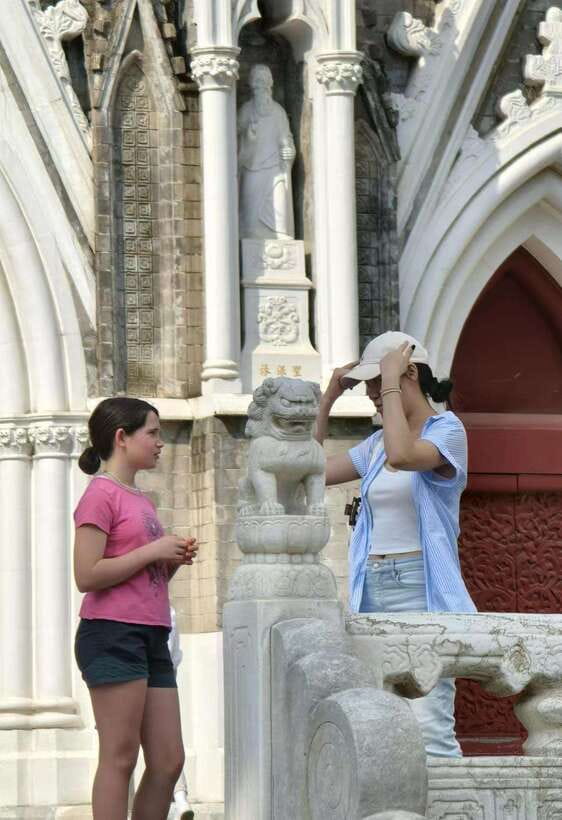
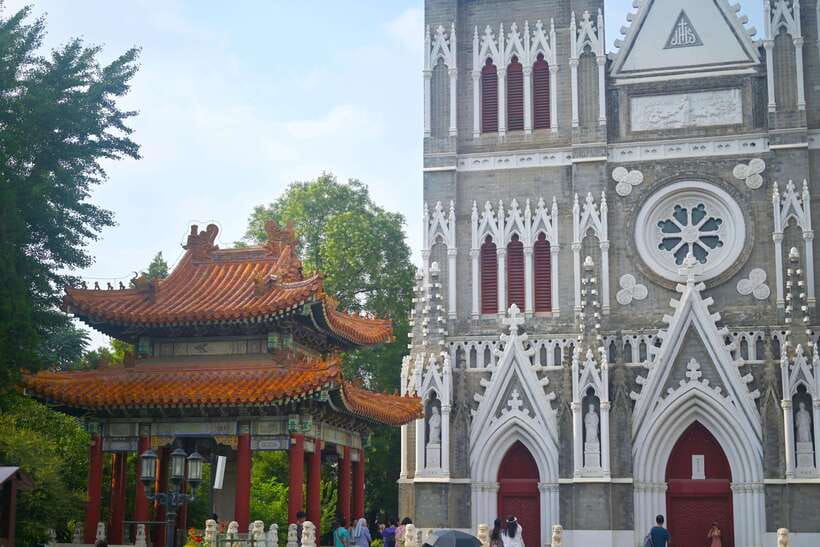
Church of the Saviour, Beijing: a surprising contrast point
After temple quiet, the Church of the Saviour, Beijing gives you a different kind of history. It is one of those stops that reminds you Beijing has always absorbed outside influences, even while preserving local forms.
This contrast is valuable for first-time visitors because it prevents the trip from feeling like only one narrow storyline. You see how different faith communities occupy space, and you get a smoother understanding of Beijing as a layered city.
If you care about architecture, this stop helps you compare design language without needing advanced history credentials. You will likely leave with a better eye for how buildings signal identity in public space.
Other Beijing trips our reviewers kept returning to
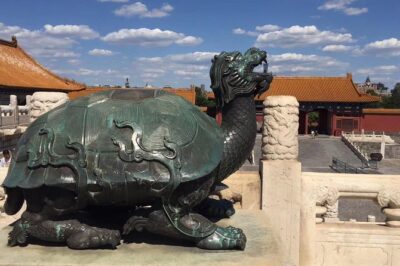

正阳书局 (Zhengyang Shuju): where modern local culture shows up
A bookstore stop may sound optional, but 正阳书局 is exactly the kind of local detour that makes Beijing feel current. This is where you can see everyday culture beyond the monument photo.
It is also a useful reset point. If your feet start to feel heavy, you can slow down, glance around, and browse in a place that does not feel staged for tourists. Reviews specifically note the shopping angle here, which suggests it is more than window dressing.
I recommend using this stop to buy one small item or souvenir you can carry easily, then keep walking. It turns a break into a practical win.
Zhuanta Hu Tong: real hutong pace, real life cues
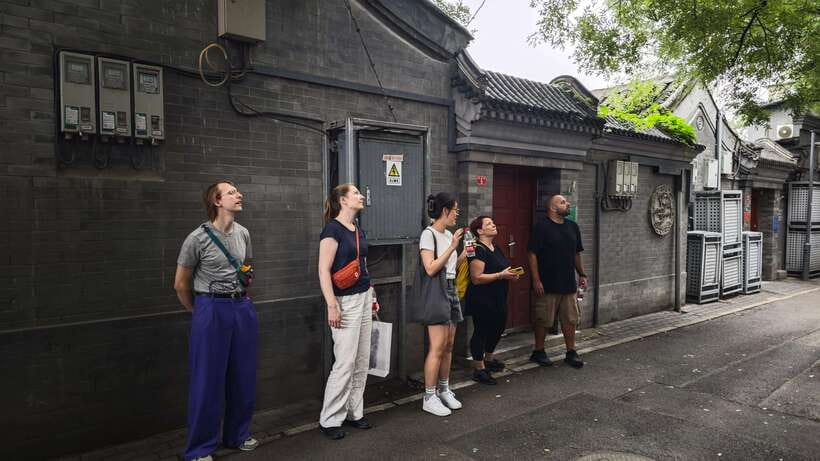
Then you step into Zhuanta Hu Tong, where the tour leans into the kind of alley experience people come to Beijing for. Hutongs can look similar on postcards, but on foot you start noticing how space changes by block.
This part of the walk is where you slow down and actually feel how people use the corridor between doorways, courtyards, and small community spaces. Guides usually point out architecture patterns like siheyuan courtyards, so you can understand why these lanes matter.
One tip: keep your camera ready, but do not block doorways or slow down in the middle of the path. You are walking through someone’s lived environment, and a little common sense helps everyone.
Emperors Temple of Past Dynasties: symbolism plus photo stops
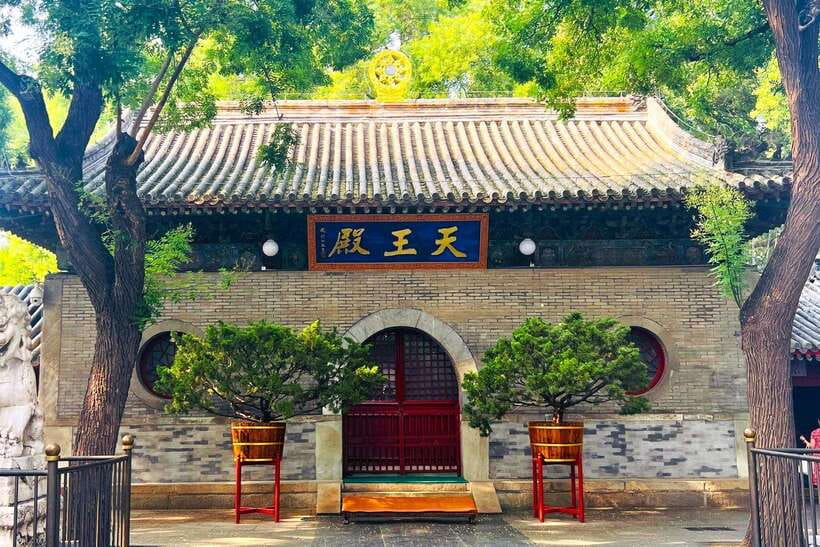
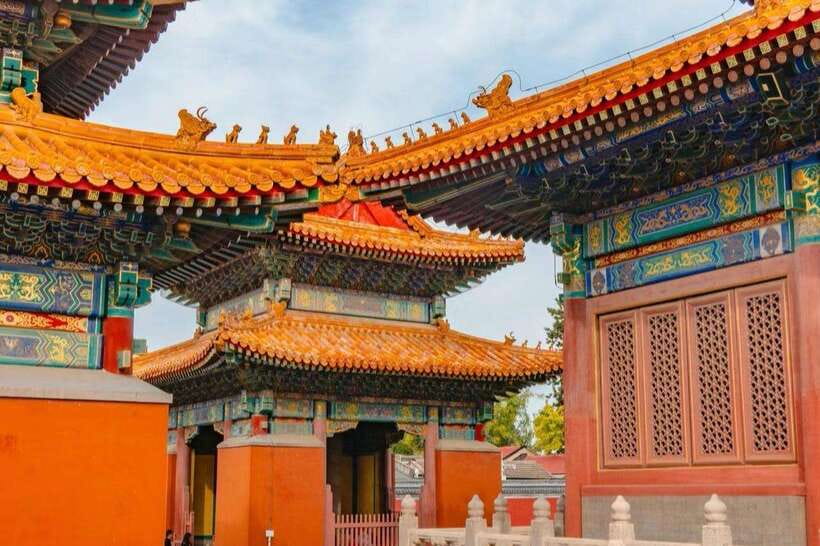
The Emperors Temple of Past Dynasties is a standout for both views and meaning. You get a photo stop plus guided context, so you are not just snapping angles, you understand what you are seeing.
Pay attention to symbolism and the layout. Even when you are not reading every inscription, the spatial organization tells a story about authority, ceremony, and how the city connected power to public space.
There is also an important practical note: the included entrance fee is tied to the Palace of Ancient Monarchs, and it is closed on Monday. If your trip falls on a Monday, plan for the possibility that this specific interior access will not happen as you expect.
The local café break: keep your energy without turning it into a food tour
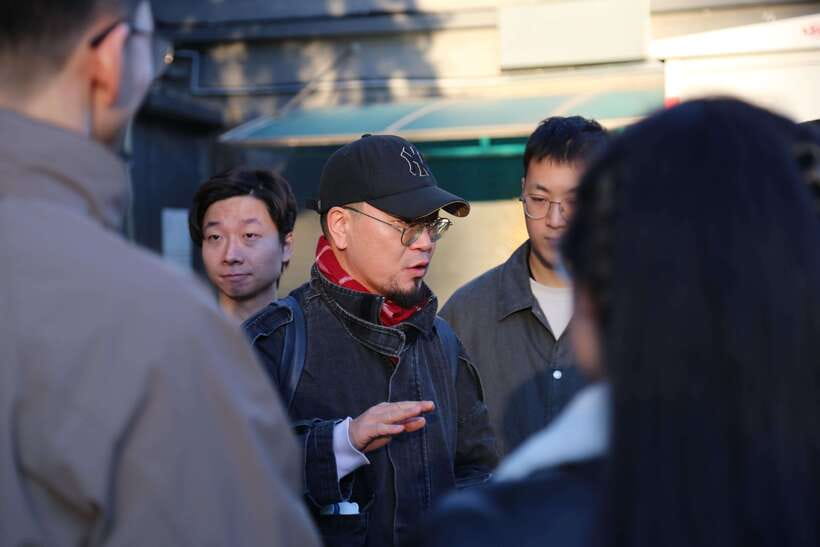
At around the middle of the experience, there is a local café break. This is not a meal tour, and it is not meant to stretch into a long sit-down. Instead, it is a chance to refuel, cool down if it is hot, and keep your walking rhythm.
What I like about this break style is that it respects your time. You get a pause that keeps the tour flowing, and then you still end strong.
If you have a sensitive stomach, bring simple snacks in your day bag too. The drink at the end is included, but you might want a small extra option if you are pacing yourself.
Miaoying Temple: calm finishes and good photo angles
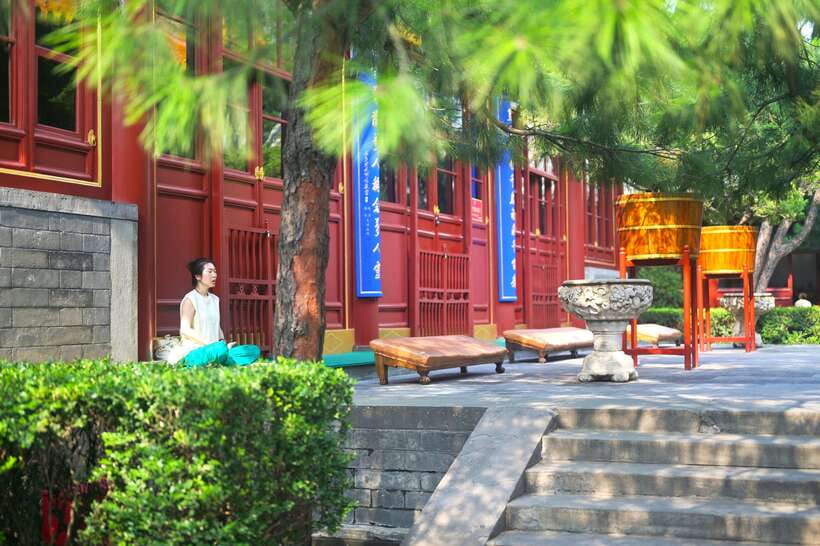
Near the end you reach Miaoying Temple, again with a photo stop plus guided visit. Temples like this often feel different from the first stop because the route has filtered out your noise level. By now you have seen enough to understand the building language, so it is easier to appreciate why the space feels ordered.
I like finishing with this kind of stop because it gives your brain something to hold. You do not end only on shopping or only on alley wandering. You end with a quiet place that makes the whole tour feel more coherent.
Keep an eye on the light here too. Temple exteriors can look better late in the walk, and a guide can usually point you toward the easiest angles.
The included traditional Beijing drink: the taste that anchors it
The tour includes a traditional Beijing drink at no extra cost. Based on what people have described, this can come through as a sour plum-style drink with Chinese herbs in some seasons, or an iced tea moment at a rooftop-style setting when the route lines up.
Either way, it is a smart inclusion because it makes the tour a full sensory experience. Seeing hutongs is visual, but the drink gives you a memory you can recreate at home by telling someone what you tried.
If you have allergies or you avoid certain ingredients, ask your guide at the start. The drink is part of the package, so you want to know what it is before you sip.
How the guides shape the experience, and what to ask them
The guides you might meet, including Dee, Tracy, Heidi, and others named in guest experiences, tend to share a consistent style. They explain what you are seeing, and they also connect it to how people live, pray, and care for health in Beijing.
This matters because hutong tours can become either too superficial or too academic. Here, you get practical interpretation and the chance to ask follow-ups. If you want to understand courtyards, ask how the layout affects privacy and daily routine. If you want to understand temples, ask what people commonly come to do there.
A small bonus: multiple guides have been praised for recommending where to eat and how to navigate after the tour. I think that is one of the best reasons to book early in your trip, not late.
Walking logistics, weather reality, and what to pack
This is about 2.5 hours with around 3 km of walking. That is not extreme, but it is enough that the wrong shoes can ruin your mood by the halfway point.
Bring:
- Comfortable shoes
- Water
- Hat and sunscreen, especially if skies are bright
Weather can shift fast, so layers help too even if the day starts warm.
One more rule: no smoking. It is a simple local courtesy and also keeps the group comfortable.
Who this tour is for, and who should skip it
This experience is best if you want a guided way to understand Beijing beyond the biggest sights. It is especially good as a first-day orientation, because it helps you see the city structure and gives you a mental map before places like major palaces.
Because there is a fair amount of walking and it is not set up for step-free routes, it is not suitable for people with mobility impairments or wheelchair users.
If you are traveling with kids, you may find it works well if they can handle walking, and if the guide keeps them engaged. Some guides have been described as doing just that in smaller group settings.
Price value: why $49 can make sense here
At $49 per person for 2.5 hours, this tour can be good value because you are not paying only for directions. You get a local guide, multiple guided stops, and entrance fees for the Palace of Ancient Monarchs (noting it is closed on Monday). You also get the included traditional drink.
In other words, part of what you pay for is access and interpretation. You are also buying the convenience of a route through smaller places that would be harder to string together on your own without getting lost in translation.
The best value angle is the small-group size. If you were paying the same price for a larger crowd tour, you would likely spend more time waiting and less time asking questions.
Should you book this hutong walking tour?
Yes, if you want a calm, small-group way to understand hutongs and nearby temple culture, plus you like getting local tips you can use immediately. This is a particularly smart choice early in Beijing, when you are still learning how neighborhoods connect.
Maybe not, if your dream Beijing day is only hutongs with no detours. This route includes other buildings and attractions, so it is a mixed path by design.
Also, if you are visiting on a Monday, keep in mind that the included palace entrance is listed as closed. You can still enjoy the walk, but it may change what you see inside.
If you fit the walking pace and you want context instead of just sightseeing, this is one of the cleaner ways to see real Beijing without feeling stuck in crowds.
FAQ
Where does the hutong walking tour meet?
It meets at Xisi Subway Station (Metro Line 4), Exit D (西四站 D西南口).
How long is the tour?
The tour runs about 2.5 hours.
How much walking should I expect?
Expect around 3 km of walking during the tour.
Is the tour mostly in hutongs?
About half of the tour is spent in hutongs, and the rest includes visits to other local attractions and buildings.
What is included in the price?
Included are a local guide, a 2.5-hour walking tour, the entrance fee for the Palace of Ancient Monarchs (noting it is closed on Monday), and a traditional Beijing drink.
What languages are the guides available in?
The tour offers live guiding in English and Chinese.
What should I bring with me?
Bring comfortable shoes, a hat, sunscreen, and water.
Is the tour wheelchair accessible?
No. The tour is not suitable for people with mobility impairments or wheelchair users.
More Tours in Beijing

More Tour Reviews in Beijing
Further Into The Hutongs



Beijing, reviewed one booking at a time
- Xian: Must see Eternal Love or Camel Bell Legend show Ticket
★ 5.0 · 3 reviews - One day tour to downtown Tianjin from Beijing by high speed train
★ 5.0 · 3 reviews - Ming Tombs Sacred Way & Underground Palace & Water Wall P Tour
★ 5.0 · 3 reviews - Beijing Mutianyu Great Wall Small Group Tour
★ 4.5 · 3 reviews - Return Bus to Badaling Great Wall
★ 3.0 · 3 reviews - Private Tour to Lama Temple, Tian’anmen Square and Forbidden City
★ 5.0 · 3 reviews
Beijing Hutong Tours, compared.
 ★ 5.0Beijing Hutong Walking Food and Beer Tour at Hidden RestaurantsFrom $801,132 reviews
 ★ 4.7Temple Heaven, Summer Palace, Lama Temple, Hutong Bus TourFrom $58319 reviews
 ★ 5.0Temple of Heaven, Summer Palace, Lama Temple, Hutong ToursFrom $99311 reviews
 ★ 5.0Beijing Private Hutong Food Walking TourFrom $82299 reviews
 ★ 5.0The Hutong Experience by BikeFrom $150163 reviews
 ★ 5.0Beijing: Hutong Culinary Walking Tour with 15+ TastingsFrom $76162 reviews
 ★ 5.0Beijing Hutong Breakfast Food TourFrom $45155 reviews
 ★ 5.0Beijing City Walk: Explore Hutongs Life and Old BeijingFrom $15146 reviews
Browse the lists this tour appears in