
REVIEW · YUNNAN, LIJIANG & SHANGRI-LA TOURS
Lijiang to Shangri-La HuXiang Road Private Scenic Tour
Ten hours of mountains and Tibetan towns.
This private scenic road trip links the wild views of Tiger Leaping Gorge with the cultural side of Haba and Dukezong, plus big-name nature stops like Haba Snow Mountain and Baishui Terrace. I like that you get both scenery and context, including Naxi architecture and what the area’s wildlife counts mean in real life. One thing to plan for, entrance fees are extra, and English guide quality can be uneven depending on who you get.
I also like the flexibility built into the route: you can do a round trip back to Lijiang, or go one way and end in Shangri-La if you want to keep exploring. Expect a moderate amount of walking and changing weather, because this is altitude country and conditions can shift fast.
In This Review
- Key Highlights You’ll Feel in Real Life
- The Road Trip Route: From Lijiang to Shangri-La in a Day
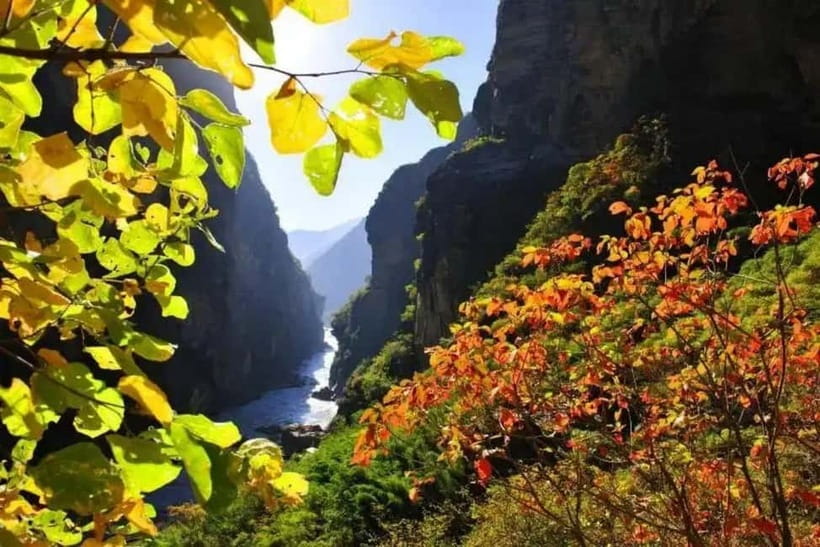
- Tiger Leaping Gorge Viewpoint: Big Peaks, Fast Water, No Fuss
- Haba Village in Nature and Numbers: Naxi Culture Meets Wildlife Facts
- Haba Snow Mountain and Baishui Terrace: Height and the “Frozen Waterfall” Look
- Pudacuo National Park and Napahai Grassland: Green Space With Herds
- Niru Village Optional Stop: Tibetan Color and Craft Details
- Dukezong Ancient Town: Stone Streets, Prayer Flags, and Tibetan Architecture
- Price and Value: What $118 Gets You, and What Costs Extra
- Guide Quality and Organization: The Best Part Depends on Who’s Driving
- What to Pack and How to Stay Comfortable at Altitude
- Should You Book This Lijiang to Shangri-La Scenic Tour?
- FAQ
- Is this tour a private group?
- How long is the Lijiang to Shangri-La HuXiang Road private scenic tour?
- Where do I get picked up?
- Is the transfer one-way or round-trip?
- What sights are included in the day?
- Are entrance tickets included in the price?
- What languages is the live tour guide?
- What should I bring?
- Is the tour suitable for everyone?
Key Highlights You’ll Feel in Real Life
- Private route, hotel pickup included: you start clean, no hunting for a meeting point
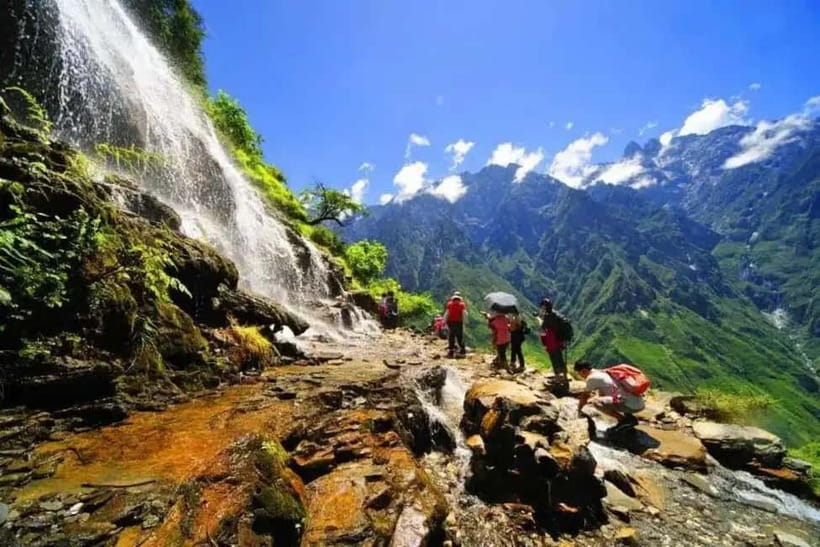
- Tiger Leaping Gorge viewpoint time: stand back from the edge, enjoy the canyon drama, take photos
- Haba Village meets Naxi culture: traditional wooden, sloped-roof homes, plus local nature knowledge
- Haba Snow Mountain plus Baishui Terrace: the big peak altitude and the limestone “frozen waterfall” look
- Pudacuo National Park and Napahai grassland: a green open space where you may spot yaks and sheep
- Optional Niru Village and full Dukezong town stop: Tibetan costumes and prayer flags, time permitting
Yunnan north of Lijiang
- 4 Days Haba Snow Mountain Climbing Tour (Lijiang-Shangri-La)★ 5.0 · 6 reviews
- Lijiang to Shangri-La HuXiang Road Private Scenic Tour★ 4.5 · 6 reviews
- Lijiang: Jade Dragon Snow Mountain + Impression Lijiang★ 5.0 · 5 reviews
- Lijiang: Jade Dragon Snow Mountain for Foreign Tourists★ 3.7 · 5 reviews
The Road Trip Route: From Lijiang to Shangri-La in a Day
This tour is built around a single idea: cover the major sights between Lijiang and Shangri-La without doing the stressful “figure it out yourself” part. It runs about 10 hours, and pickup is from your hotel lobby in Lijiang. From there, you’re on the road for a classic southwestern China style day, long drives mixed with picture stops.
You can choose how you want the day to end. Do a round-trip back to Lijiang, or ask for a one-way transfer so you finish in Shangri-La City. If you’re planning to stay longer in Shangri-La anyway, that one-way option is usually the better use of time.
A note on pacing: the itinerary is packed with stops, so you’ll want to keep your “slow traveler” mode in check. This isn’t a long hike day, but it is sightseeing with movement, and some stops involve walking and uneven terrain.
Tiger Leaping Gorge Viewpoint: Big Peaks, Fast Water, No Fuss
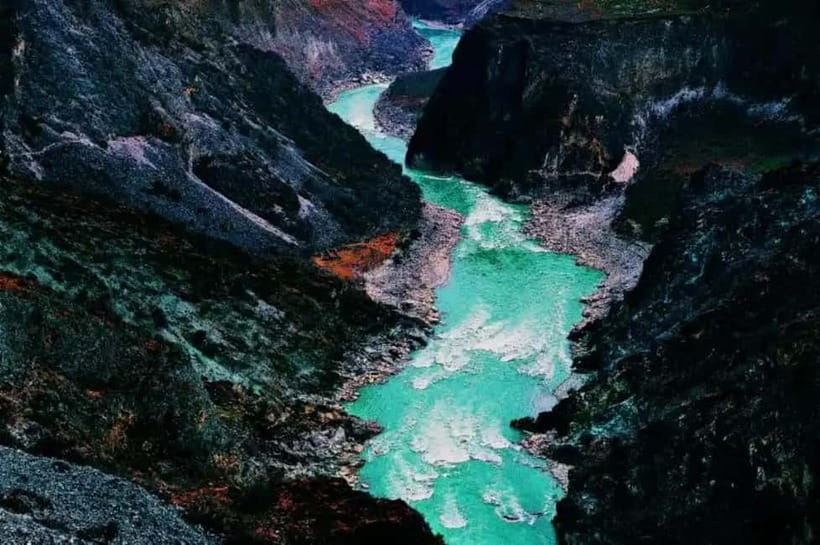
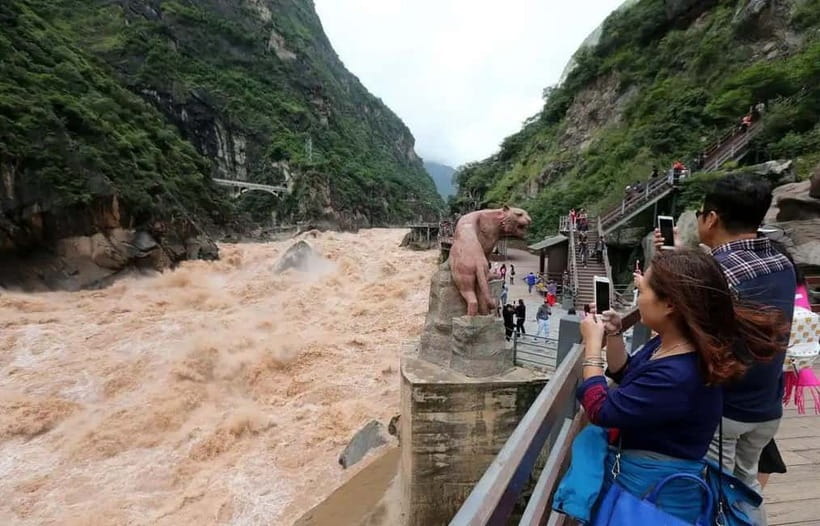
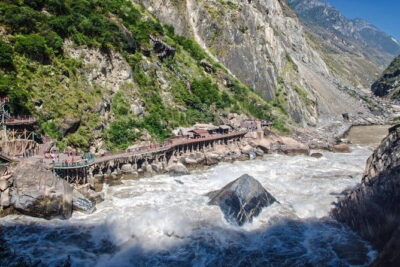
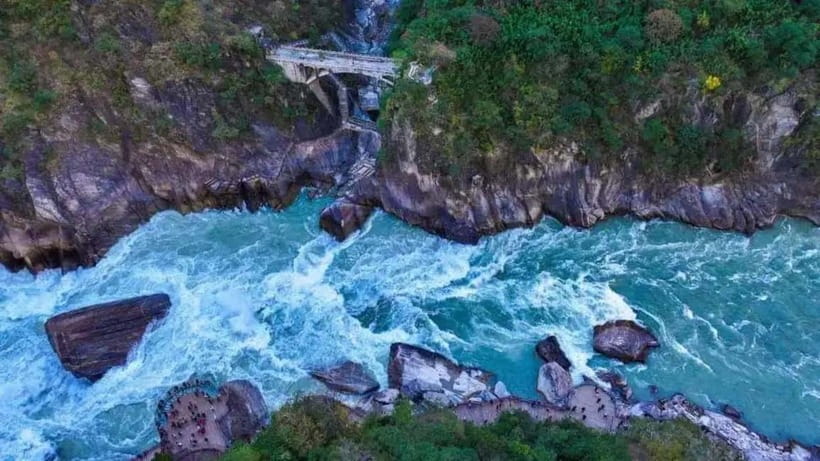
Your first major nature hit is Tiger Leaping Gorge. You’ll stop at an observation deck where you can see towering canyon walls rising high into the clouds. The canyon is narrow, and the river movement can look intense from the viewpoint, with huge surging waves in the rocky throat.
This is one of those sights that works even if the weather is only okay. If clouds sit in the background, the canyon still has drama because the peaks frame everything. If the visibility is clear, you get the full “wow, that drop is real” effect.
Two practical points:
- Plan for the extra ticket cost. Tiger Leaping Gorge admission is listed as CNY45, not included in the base price.
- Bring layers and steady shoes. Even if you’re not trekking, you might walk a bit on uneven paths to reach the best angle.
Also, this stop can remind you why the route is famous. The geography is the story, not just a pretty photo. You’re seeing how steep terrain forces the river into a narrow, fast run.
Haba Village in Nature and Numbers: Naxi Culture Meets Wildlife Facts
Next you’ll move to the Haba area. You’ll get a nature-forward break first, where you can look at tall pine and spruce trees, and just listen. The pace here feels more like a pause than a sprint.
The tour information also points to a serious biodiversity angle for the region. In Lijiang, records include 112 mammals, 446 species of birds, and 7,084 species of plants. You probably won’t see all of that on one day trip, but the point is real: this isn’t just scenery, it’s a living system.
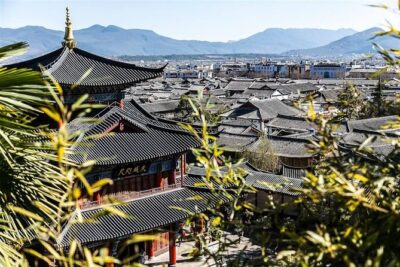
Then comes the cultural part: Haba Village, home to the Naxi people. What I like here is that you’re not only told about culture, you see it in the built form. Traditional Naxi architecture is described as wooden structures with sloping roofs and intricate carvings. That’s the kind of detail that makes a town stop worth it, instead of just taking a quick stroll and moving on.
A couple of considerations:
- Time matters. The day is long, so you may not have hours to wander slowly.
- Photography may have rules. You’ll want to follow local guidance and avoid touching anything, especially in natural areas.
If you care about culture that’s still tied to daily life, Haba is a strong stop.
Haba Snow Mountain and Baishui Terrace: Height and the “Frozen Waterfall” Look

After Haba, the tour continues past Haba Snow Mountain, where the main peak is listed at 5,396 meters. Even if you’re not going to the summit, seeing how the scenery is shaped by a major snow-mountain presence changes how you experience the whole region. The air can feel different, and your sense of distance gets weird.
Then you’ll visit Baishui Terrace, also referred to as the White Water Terrace. This is described as a natural limestone terrace that resembles a frozen waterfall. Visually, that concept clicks fast, especially when lighting hits the stone in a way that makes it look layered.
Two practical tips that make this stop more enjoyable:
- Check the sky in the moment. If conditions are hazy, it can still look dramatic, but sharp views may depend on clouds clearing.
- Wear warm clothing. Even if your morning felt mild, higher areas can turn cool quickly.
The terrace and mountain views are the kind of payoff you remember later. They’re not just “look at mountains,” they’re “look at mountains changing the shape of the land.”
Other Lijiang trips our reviewers kept returning to
Pudacuo National Park and Napahai Grassland: Green Space With Herds
Next up is Pudacuo National Park, where you’ll spend time around Napahai grassland. The tour description paints it as a wide green blanket under gentle sunlight. In the distance, you may see herds of yaks and sheep leisurely grazing.
This stop is valuable for two reasons. First, it breaks up the day’s “stone and peaks” feel with open space. Second, it reminds you that this region is still agricultural and pastoral, not just scenic postcard land.
Because the itinerary is timed, you’re likely there for observation and photos rather than an all-day hike. That’s fine here. Napahai works best when you can sit or stand for a few minutes and let the view settle in.
Tip: keep your camera ready, but also give your eyes a chance. If you spot animals far off, zooming too early can miss the moment when the light changes.
Niru Village Optional Stop: Tibetan Color and Craft Details
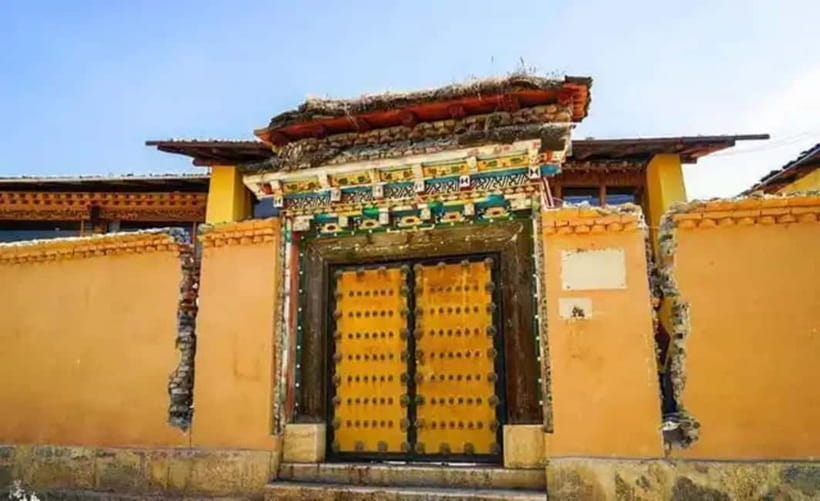
Depending on the schedule, you can go deeper into Shangri-La’s Niru Village. The tour highlights women dressed in colorful Tibetan costumes, with delicate embroidery and accessories showing off craftsmanship.
This is a cultural stop where color and detail matter. If you’re the type who likes to focus on textiles, you’ll probably find Niru one of the more satisfying add-ons. If you’re mostly chasing nature viewpoints, it might feel more like a contrast stop than the main show, but it helps round out the day by shifting from Naxi context to Tibetan context.
The itinerary description also implies this can be optional. That means your exact timing will depend on the day’s driving conditions and earlier stops. If you’re short on time in Shangri-La overall, it’s worth clarifying the plan with your guide so you know whether Niru is guaranteed.
Dukezong Ancient Town: Stone Streets, Prayer Flags, and Tibetan Architecture
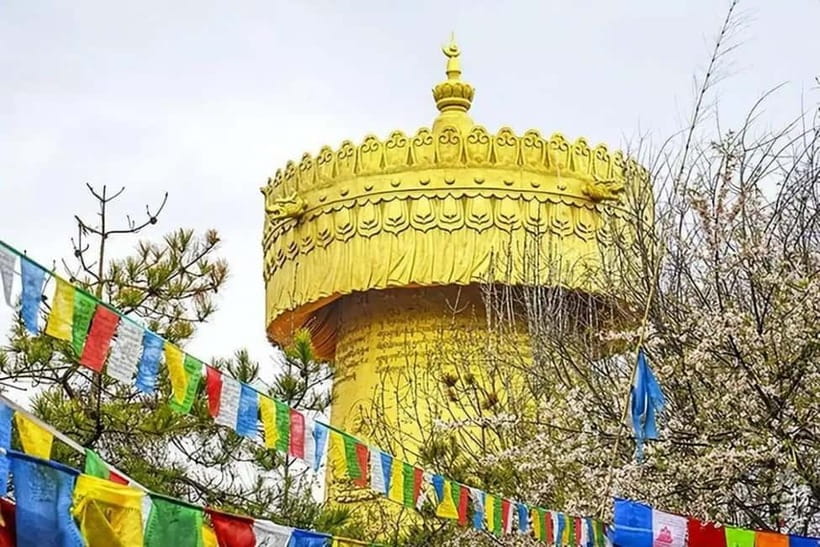
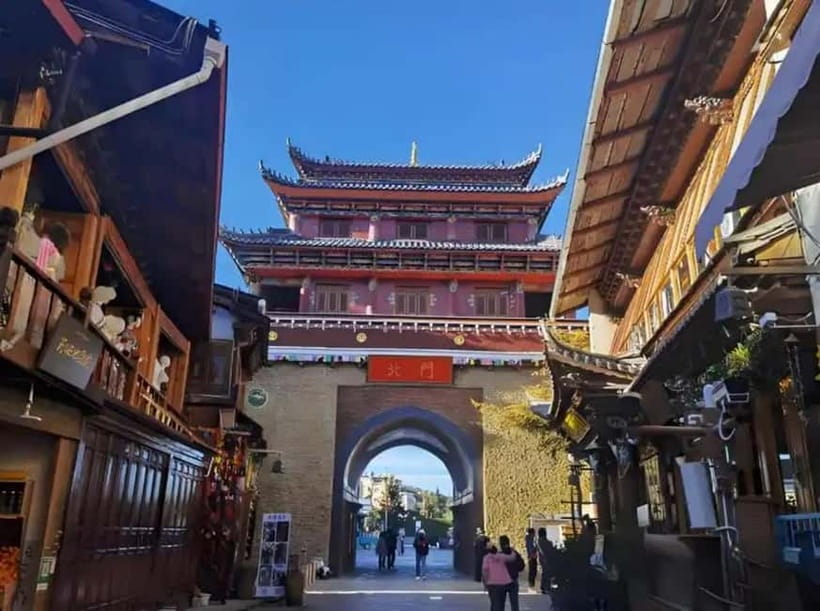
Your final major cultural stop is Dukezong Ancient Town. This town sits among mountains and features traditional Tibetan architecture, with stone houses and sloping roofs. As you wander the cobblestone streets, you’ll see prayer flags fluttering in the breeze.
This is the part where the day turns from “nature tour” to “town vibe.” Dukezong is also a practical win because it gives you a place to slow down and look around before dinner plans. Even if you’re only there for part of an evening, the stone streets and flags can make the whole day feel less rushed.
One small consideration: walking in old towns can add up, especially after a long day on the road. Comfortable shoes aren’t optional here.
Price and Value: What $118 Gets You, and What Costs Extra
The listed price is $118 per person. What you’re paying for is the convenience layer plus the core structure:
- private vehicle with hotel pickup and dropoff (one-way between Lijiang and Shangri-La or round trip)
- a customized itinerary
- a private guide option (English and Chinese)
What’s not included:
- Tiger Leaping Gorge admission (CNY45)
- Baishui Terrace admission (CNY30)
- meals and beverages
- other tickets or activities
So is it good value? For me, it makes sense if you want fewer logistics headaches and you value having someone manage timing across multiple sights. The day is long enough that a private vehicle is doing real work. If you’re comfortable organizing transport and tickets yourself, it might feel pricey. But if you want a smooth day with clear sequencing, the cost can feel fair.
One more value angle: the tour offers the Lijiang to Shangri-La handoff. That can save you from spending another day on transit or trying to line up separate bookings.
Guide Quality and Organization: The Best Part Depends on Who’s Driving

Organization is a big part of why people rate this kind of tour highly. One driver named Mr. Lai was specifically mentioned as kind and careful with route details, and that’s the kind of person you want on a day where stops stack up.
At the same time, there is a caution. One experience noted the guide’s English level was very weak for the price paid. You can’t control who you get, but you can control how you prepare.
If English clarity matters for you, ask ahead for a guide who can handle English well, and be ready with a few key questions about timing. Even basic confirmations like how long you’ll be at each viewpoint can prevent disappointment.
Also remember: even with the best guide, weather and road conditions can shift time. The best tours are the ones that adapt without panic.
What to Pack and How to Stay Comfortable at Altitude
This is a “bring layers” day. The guidance is clear: comfortable shoes, warm clothing, a hat, camera, snacks, sunscreen, water, and insect repellent.
Here’s how that translates into real comfort:
- Footwear: the tour includes a moderate amount of walking, and viewpoints plus town streets can be slippery or uneven.
- Warm layers: mountains and higher elevations can cool you down quickly.
- Hydration: the guidance specifically says to stay hydrated, especially at higher altitudes.
- Daypack mindset: keep essentials easy to reach, especially when you’re hopping in and out of the vehicle.
Safety and rules matter too. The tour says not to smoke and not to use or bring plastic bottles, plus no littering, feeding animals, or touching plants. It’s the kind of request that helps keep natural areas intact, so think of it as part of being a responsible guest.
One more reality check: this tour is listed as not suitable for pregnant women, people with back problems, mobility impairments, wheelchair users, heart problems, people afraid of heights, people with vertigo, non-swimmers, and people with respiratory issues. If any of those apply, don’t force it. The route includes viewpoints and long time in high-country conditions.
Should You Book This Lijiang to Shangri-La Scenic Tour?
I’d book this tour if:
- you want a private, guided day that covers both the nature hits and the cultural stops
- you want an easy plan from Lijiang to Shangri-La, either ending there or returning the same day
- you like a mix of Naxi culture (Haba) and Tibetan culture (Niru, Dukezong)
I’d think twice if:
- you’re on a tight budget once you add the extra entrances and meals
- you need high-quality English interpretation and can’t risk variability in guide language
- you hate long days with constant “in and out” movement, because the route is packed
If you book, my biggest advice is simple: pack for temperature changes, wear shoes you trust, and treat entrance fees as part of the full cost of the day. Then you’re set up to enjoy what this route does best, big mountain views plus real cultural stops, in one smooth private run.
FAQ
Is this tour a private group?
Yes. It’s listed as a private group with a private guide option.
How long is the Lijiang to Shangri-La HuXiang Road private scenic tour?
The duration is listed as 10 hours.
Where do I get picked up?
Pickup is included from your hotel lobby in Lijiang.
Is the transfer one-way or round-trip?
Both are offered. You can do a round trip or choose a one-way transfer that ends in Shangri-La City.
What sights are included in the day?
The highlights include Tiger Leaping Gorge, Haba Village and Naxi culture, Haba Snow Mountain, Baishui Terrace, Pudacuo National Park with Napahai grassland, the option to visit Niru Village, and Dukezong Ancient Town.
Are entrance tickets included in the price?
No. Tiger Leaping Gorge admission (CNY45) and White Water Terrace or Baishui Terrace admission (CNY30) are not included.
What languages is the live tour guide?
The live tour guide is listed as English and Chinese.
What should I bring?
Bring comfortable shoes, warm clothing, a hat, camera, snacks, sunscreen, water, and insect repellent.
Is the tour suitable for everyone?
The tour is not suitable for pregnant women, people with back problems, mobility impairments, wheelchair users, heart problems, people afraid of heights, people with vertigo, non-swimmers, or people with respiratory issues.
More Tours in Lijiang
More Tour Reviews in Lijiang


North Of Lijiang
Lijiang, reviewed one booking at a time
- Private Full Day Lijiang Naxi Culture Tour
★ 5.0 · 3 reviews - Lijiang: Jade Dragon Snow Mountain and Blue Moon Valley Tour
★ 5.0 · 3 reviews - Lijiang: Tiger Leaping Gorge with Lijiang Private Tour
★ 4.7 · 3 reviews - 1 Day Tiger Teaping Gorge Private Tour from Lijiang or Shangri-La
★ 4.0 · 4 reviews - Lijiang: Jade Dragon Snow Mountain + Impression Lijiang
★ 5.0 · 5 reviews - Lijiang: Jade Dragon Snow Mountain for Foreign Tourists
★ 3.7 · 5 reviews
Yunnan, Lijiang & Shangri-La Tours, compared.
 ★ 5.0Lijiang Naxi Cuisine Cooking Class & Market VisitFrom $5948 reviews
 ★ 5.01 Day Stone Forest & Jiuxiang Cave TourFrom $29013 reviews
 ★ 4.7Kunming: Stone Forest Private Day TourFrom $14313 reviews
 ★ 5.0Jade Dragon Snow Mountain Glacier Cableway with Scenic Train TourFrom $449 reviews
 ★ 5.04 Days Haba Snow Mountain Climbing Tour (Lijiang-Shangri-La)From $9996 reviews
 ★ 4.3China Shangri-La Tiger Leaping Gorge : A Canyon AdventureFrom $1046 reviews
 ★ 4.0Kunming: Stone Forest, Roast Duck Lunch and City TourFrom $715 reviews
 ★ 5.0Lijiang: Jade Dragon Snow Mountain + Impression LijiangFrom $1065 reviews
Browse the lists this tour appears in