
REVIEW · CITY TOURS
Pingyao Ancient City Scenic Area Pass Ticket Only
Forget guidebooks, this ticket does the work. If you want an easy, QR-scan way into Pingyao’s old streets and courtyards, this entrance pass is built for that. I like that it bundles a lot of top stops into one price, and it’s set up for self-guided walking rather than a scheduled group tour.
The big upside is simple access, including well-known sites like the Pingyao city wall and multiple banks tied to Shanxi merchant finance. The only real catch is also the deal maker, no guided tour, so you’ll get the sights, but you’ll supply the storytelling by reading signs as you go.
In This Review
- Key points before you go
- Pingyao in one day: what this entrance pass really gets you
- Price and logistics: paying for access, not a guided day
- Using the QR ticket at the entrance (no paper ticket)
- Building your 3-hour self-guided route inside Pingyao
- City Wall and Ming and Qing street style walking
- Ancient government buildings and City God Temple: how society was organized
- Confucian and Taoist temples: what to look for without a guide
- Draft banks in Pingyao: the business side of old China
- Chamber of commerce and rare paper: history you can actually read
- Bodyguard agency museums and the weapons display
- Homes and courtyards: Ma Family Courtyard and Lei Lutai
- What you will not see with this pass
- Who should book this entrance-only pass
- Should you book this ticket only pass?
- FAQ
- Is this ticket guided?
- Does the ticket include hotel pickup and drop-off?
- How long is the self-guided visit?
- Is the ticket valid for one day or multiple days?
- Do I need a paper ticket at the entrance?
- What do I need to provide before arrival?
- How do I enter the ancient city area?
- Is flash photography allowed?
- Which places are not included in this pass?
Key points before you go
- One pass, many entrance fees to walls, temples, banks, homes, and museums
- QR photo at the entrance, no paper ticket you need to hunt down
- Self-guided pacing with a practical 3-hour plan you can stretch
- Finance and security museums (draft banks, bodyguard agencies, weapons) for variety
- No hotel pickup or guided tour, you do your own walk route
- Flash photography is not allowed, bring patience for sign and photo viewing
Other Datong trips our reviewers kept returning to
- Datong: Yungang Grottoes Entrance Ticket Only★ 4.9 · 12 reviews
- Datong: Temples and Grottoes day tour with tickets options★ 3.1 · 7 reviews
Pingyao in one day: what this entrance pass really gets you
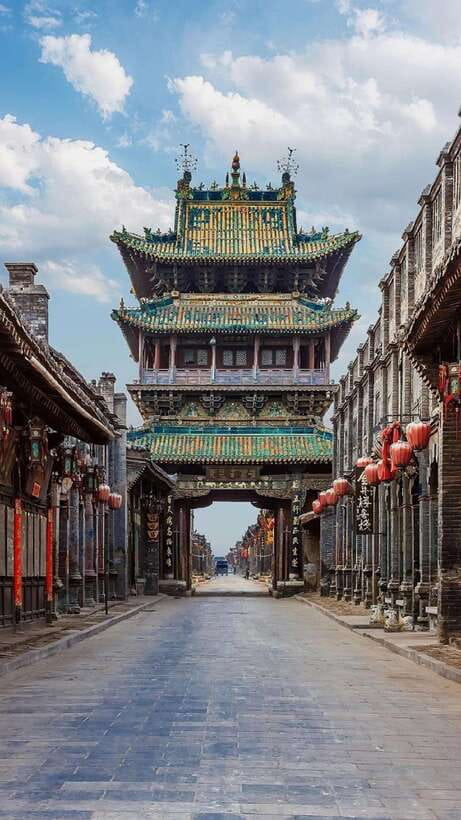
Pingyao (Ping Yao) is in Shanxi Province in northern China, about 600 km from Beijing. It’s one of those places where the city itself feels like the attraction. Pingyao’s roots go back roughly 2,700 years, with major growth later under the Ming and Qing dynasties. What makes it special today is that historic homes and institutions were preserved and adapted, so the streets feel lived in instead of staged.
This pass is focused on one thing: entrance access. You are not buying a guided commentary or transportation. You’re buying the ability to walk in and visit a long list of key spots across the ancient-city core.
If you like architecture, street life, and how old commerce and government worked, you’ll probably have a great day here. Pingyao’s mix is unusual. You’re not just seeing temples and gates. You’re also stepping into draft banks, business museums, family courtyards, bodyguard agency sites, and even weapons displays.
Price and logistics: paying for access, not a guided day
At about $36 per person for an entrance-only ticket, this is value-heavy if you plan to actually use it well. Instead of paying separate fees for each stop, you’re covering admission to a bundle of major sites in one go.
Here’s the practical way to think about the value: you’re spending money to skip the admin headache. You’re not paying for someone to herd you from place to place, so your “best use” depends on your stamina and your interest level. If you only want one or two attractions, the price might feel steep. If you’re the type who likes to hop between different kinds of sights, it can be a smart deal.
The other logistics point is important. There’s no hotel pickup and drop-off, and there’s no tour guide. That means you need to arrive on your own, and you need to be comfortable following your own route through the city.
Using the QR ticket at the entrance (no paper ticket)
This ticket is built around a QR photo you show at the entrance. You don’t use a paper ticket. You’ll need to send your full name and passport number so the provider can generate the QR code image.
One small detail I really appreciate here is that the review feedback points to how easy the QR code is to use, with no extra steps. In a place where lines can happen, “scan and go” beats fumbling with tickets at the gate.
Also note two rules that affect your experience:
- Photography is allowed.
- Flash photography is not allowed.
So plan for slower photo moments when you’re close to displays. If you’re using a phone camera, lower brightness and avoid flash mode.
Building your 3-hour self-guided route inside Pingyao
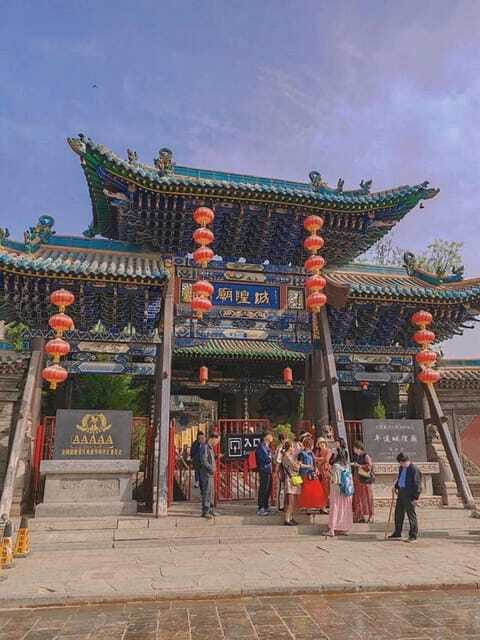
The experience is set up as a self-guided walk of about 3 hours. Even though the day plan is short, the included admissions list is big, so you’ll want a sensible route.
Don’t try to do everything at a sprint. The city is compact, but you will hit small crowds at popular indoor stops, and the museum content takes time to read. My advice is to pick a theme for half your time, then switch themes for the second half. Pingyao rewards that approach.
A good way to split your route:
- First half: city power and everyday institutions (wall, government buildings, city god temple, Confucian temple).
- Second half: business and protection (draft banks, chamber of commerce, bodyguard agencies, weapons museum, family courtyards).
You can also use the fact that this ticket is valid for 3 days. If you’re traveling fast or arrive late, you don’t have to panic about seeing every doorway in one go. Just do your must-sees first.
City Wall and Ming and Qing street style walking
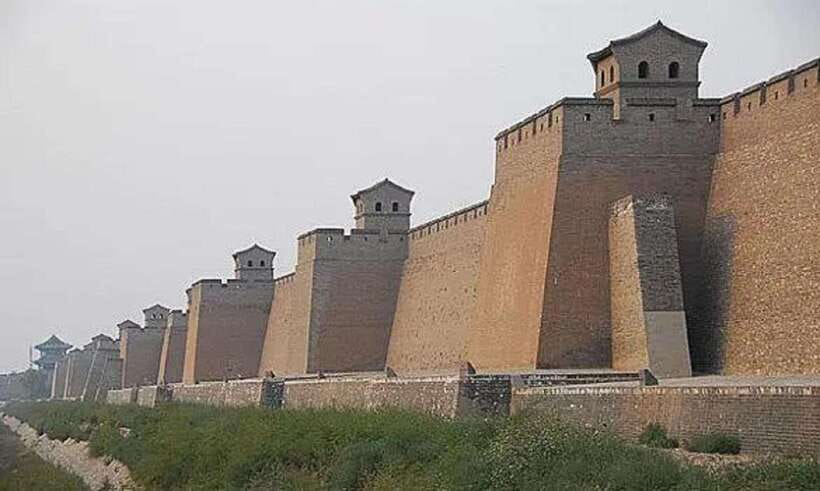
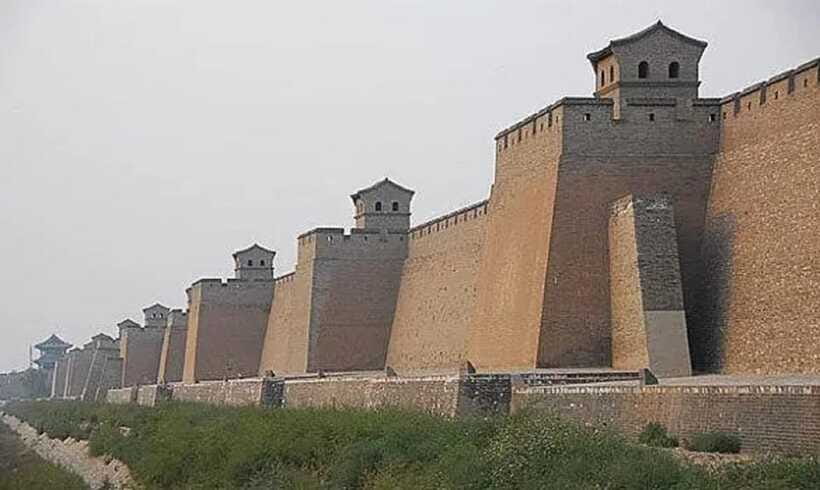
Start with the Pingyao ancient city wall. The wall is included, and it’s the easiest way to get oriented. Even if you don’t spend hours walking every section, being above the streets helps you understand why Pingyao developed the way it did and how the lanes connect.
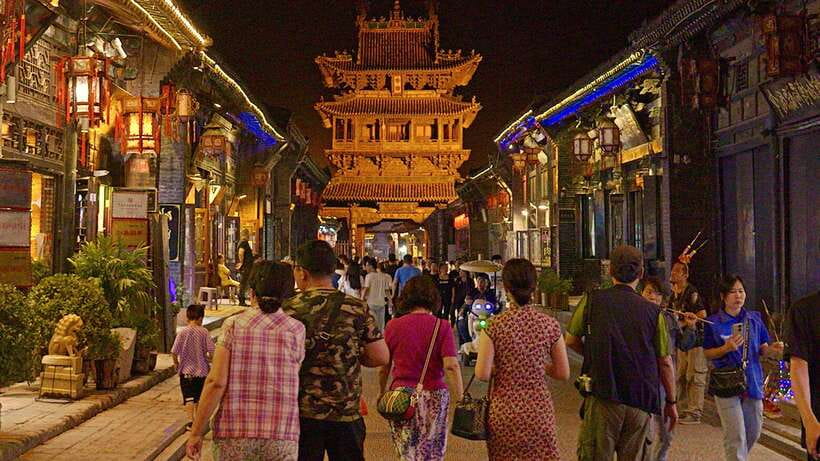
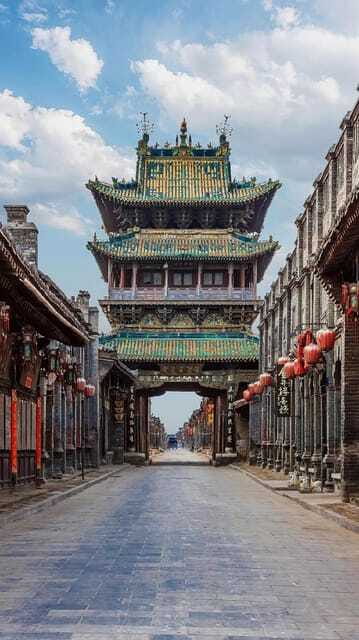
Then shift to the street experience with Ming and Qing Street included. This is where the city’s “old Pingyao” feeling becomes more than a photo. You’ll move through the old commercial lane atmosphere and link it back to the museums you’ll see later.
Practical advice: wear shoes that can take stone and uneven surfaces. This is a walking day, and Pingyao is best when you slow down enough to look up at doors, lintels, and courtyard entrances. When you’re under time pressure, it’s easy to treat places like boxes to tick. Don’t. Take 30 seconds at each stop to see what kind of architecture you’re actually in.
Ancient government buildings and City God Temple: how society was organized
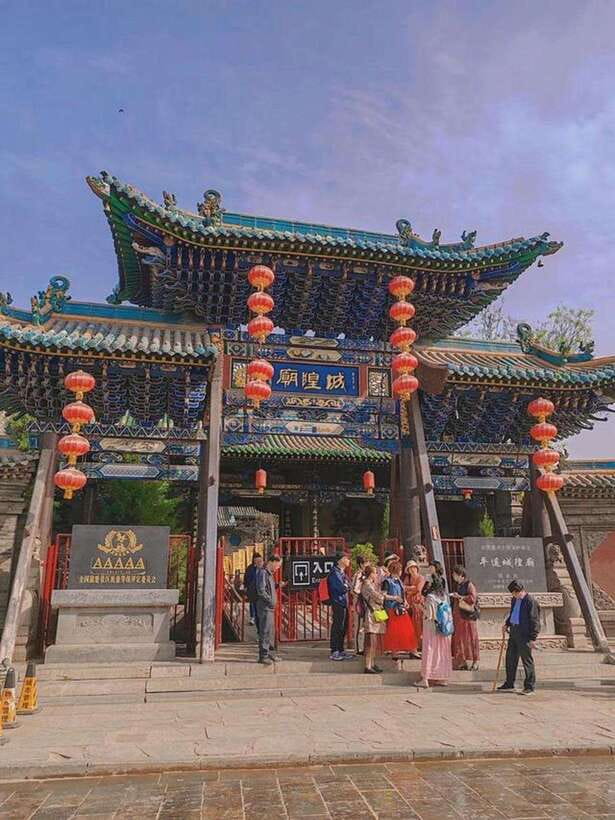
The tour includes Ancient Government Buildings (often called the county yamen) and the City God Temple.
The county yamen is where civic power shows up in a visible way. Even without a guide, you can usually get a lot from the layout, the scale differences between spaces, and the formality of the rooms. You’re seeing the physical logic of administration.
The City God Temple is more than just a quiet religious building. In historical Chinese city life, these temples were part of the moral and spiritual map of how people thought the city worked. The included admission makes it an easy stop to add without doubling your entry costs.
If you’re interested in the contrast between official authority and popular belief, this combo is a strong one. It’s also a smart pacing choice. Government buildings are structured, temples are atmospheric. Switching between the two keeps your attention.
Confucian and Taoist temples: what to look for without a guide
Included stops here are the Pingyao Confucian Temple, Qingxu Taoist Temple, and Erlang Taoist Temple.
If you’ve visited Chinese religious sites before, you’ll recognize the rhythm: courtyard to main hall to secondary spaces. If you haven’t, treat it like a cultural reading experience. Look for:
- where people gather and stand
- how space is layered from outer halls to inner rooms
- the relationship between architecture and function
The Confucian temple gives you a direct connection to education, ethics, and status in traditional society. The Taoist temples, including Qingxu and Erlang, often feel more playful and symbolic, with different types of iconography and worship traditions.
My consideration for you: without a guide, you may not know every object’s name or meaning. That’s not a reason to skip. It’s a reason to read the basic signage and enjoy what you can confirm visually. You’ll still come away with a better sense of what beliefs shaped daily life.
Draft banks in Pingyao: the business side of old China
One of the most memorable parts of this pass is that it treats commerce as a major attraction. Several draft bank sites are included, which is not a given on every ancient-city ticket.
Included banks and related stops:
- Rishengchang Ancient Draft Bank
- Weitaihou Draft Bank
- Weishengchang Draft Bank
- Baichuantong Draft Bank
- Xietongqing Draft Bank
- Pingyao Chamber of Commerce Museum
- Tianjixiang Musuem
Here’s what I think makes these stops valuable for your day. Draft banks explain something everyday travelers often miss: the “ancient city” wasn’t only about art and religion. It was also a working system for moving money and trust across distance.
In these places, you’ll likely notice:
- the seriousness of business spaces
- the way rooms were organized for transactions and record keeping
- how families and merchants built reputations into physical buildings
Even if you only spend 15 to 20 minutes inside each bank, you’ll start to connect them with the street life outside. Then when you step back out, the old lanes feel more purposeful.
Tip: don’t try to sprint between every bank doorway. Pick two or three banks and read a bit inside. If you hit all the banks back-to-back, the details can blur.
Chamber of commerce and rare paper: history you can actually read
Two included stops stand out for different reasons:
- Pingyao Chamber of Commerce Museum
- China Rare Newspaper Exhibition Hall
These can feel less “purely historical” than temples and walls, in the best way. Museums like these often explain trade through artifacts and materials, not just big posters. The rare newspaper angle is especially good if you want something you can focus on with your eyes.
If you’re traveling with someone who likes documents, newspapers, and tangible evidence, this is where you might get smiles. It’s also a good reset spot when you’ve been walking outside in the sun.
Bodyguard agency museums and the weapons display
This is where Pingyao gets surprising. The pass includes multiple bodyguard agency-related museums:
- Huiwuli Bodyguard Agency Museum
- Tongxinggong Bodyguard Agency
- North China First Bodyguard Agency
- Wentaofang Museum of Ancient Weapons
Why this is worth your time: security was part of doing business in older times. Merchants traveling with goods needed protection, and protection required systems, training, and reputation. Bodyguard agencies were professional, organized entities, not just folklore.
The weapons museum helps you connect that idea to physical reality. Even without knowing every item’s exact history, you can learn a lot from how weapons were made, grouped, or displayed. It shifts your understanding of the old city from “quiet nostalgia” to practical survival and trade protection.
If you’re squeamish around violent history, you can still enjoy the museum as craftsmanship and historical context. Just pace it so it doesn’t steal your whole day.
Homes and courtyards: Ma Family Courtyard and Lei Lutai
Two included residential stops give you a clearer picture of how families built status through architecture:
- Ma Family Courtyard
- Mr. Lei Lutai’s former residence
Courtyards like these are where Pingyao feels most human. You’re seeing how families structured privacy, movement, and space for everyday life. Courtyards also tend to reward slow looking. Doorways, staircases, windows, and small corridors tell you how people actually lived, not just what they believed.
My practical advice: choose one home/courtyard stop as your “slow stop.” Let that be the place you take your time. Then you can move more quickly through the other interiors.
If you like heritage conservation, this is where it shows. Traditional residences repurposed into hotels, restaurants, tea rooms, and similar uses help keep the city functioning. Even if your ticket only covers entrances, the experience feels grounded because the city isn’t frozen in time.
What you will not see with this pass
This entrance pass does not include Shuanglin Temple or Zhenguo Temple.
Those are major destinations in the broader Pingyao heritage area. Since they are not covered here, you should not build your day around seeing them using this ticket alone. If your must-do list includes those temples, plan a separate visit.
Staying flexible is smart. Pingyao is best when you focus on the core ancient-city feel, and you can add temple day trips if you truly want them.
Who should book this entrance-only pass
This fits you best if:
- you want to walk independently and not wait on a group
- you care about a mix of sights, not just one type
- you like commerce history, especially banks and business culture
- you want skip-the-line QR convenience with minimal hassle
It may not fit you as well if:
- you strongly prefer guided storytelling and detailed interpretation
- you want hotel pickup and drop-off
- you only want a couple of stops and don’t want to do museum hopping
One more note. The overall rating is high, and the single review detail I’d take seriously is the ease of use of the QR code. In other words, the ticket itself is designed to be friction-free at the entrance.
Should you book this ticket only pass?
Yes, if you’re the kind of traveler who enjoys structure-light exploration. This pass is a smart way to get access to walls, banks, temples, government buildings, family courtyards, and security museums without paying separate fees for each site.
If you want a fully guided day, or you’re hoping this ticket includes transport and meals, you’ll be disappointed. But if you’re comfortable planning your own route and reading signs as you go, you can make this day feel packed in the best way.
If you’re deciding between doing less with a guide and doing more with independence, I’d pick independence here. Pingyao works best when you control your pace, and this ticket helps you do just that.
FAQ
Is this ticket guided?
No. This option is for an entrance ticket only, with no guided tour included.
Does the ticket include hotel pickup and drop-off?
No. Hotel pickup and drop-off are not included.
How long is the self-guided visit?
The self-guided tour time is listed as 3 hours.
Is the ticket valid for one day or multiple days?
The ticket is valid for 3 days.
Do I need a paper ticket at the entrance?
No. There is no need to use a paper ticket. You will show a QR picture.
What do I need to provide before arrival?
You need to send your full name and everyone’s passport number.
How do I enter the ancient city area?
You will scan/show the QR at the entrance.
Is flash photography allowed?
Flash photography is not allowed. Photography is allowed.
Which places are not included in this pass?
Shuanglin Temple and Zhenguo Temple are not included.
More Tickets in Datong
More Tour Reviews in Datong
Datong, reviewed one booking at a time
- Private Tour Datong Hengshan Hanging Temple Yungang Grottoes
★ 5.0 · 4 reviews - Datong: Transfer or Tour to Yungang Grottoes&Hanging Temple
★ 4.4 · 4 reviews - Pingyao Ancient City Scenic Area Pass Ticket Only
★ 4.7 · 6 reviews - Datong: Temples and Grottoes day tour with tickets options
★ 3.1 · 7 reviews - Datong Private Self-guided Tour with Chartered Car
★ 5.0 · 10 reviews - Datong Classic Day Tour
★ 5.0 · 13 reviews
City Tours, compared.
 ★ 4.8Beijing: Forbidden City Tour(Group/Private)-Tickets IncludedFrom $47,974 reviews
 ★ 4.8Beijing: T-Square & Forbidden City Group or Private TourFrom $174,446 reviews
 ★ 5.0All-Inclusive Tour: Tiananmen Square, Forbidden City, Great WallFrom $1282,873 reviews
 ★ 5.04-Hour Small Group Tour to Forbidden City with Entry TicketsFrom $151,863 reviews
 ★ 5.0Beijing Full Day Tours: Tiananmen Sq, Forbidden City, Great WallFrom $991,634 reviews
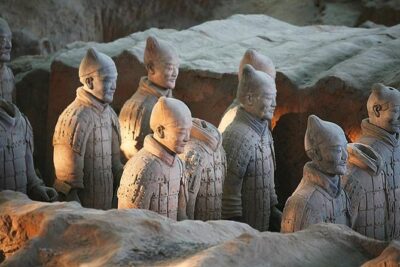 ★ 5.0Mini Group Xian Day Tour to Terracotta Army, City Wall, Pagoda and Muslim BazaarFrom $491,320 reviews
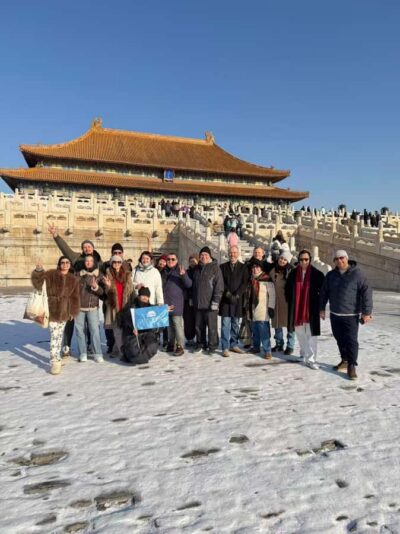 ★ 4.6Beijing: Tianmen Square, Forbidden City & Royal Museum ToursFrom $41,288 reviews
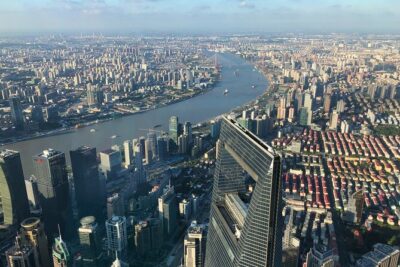 ★ 5.0Zhujiajiao Water Town and Shanghai City Private Day TourFrom $2461,016 reviews