
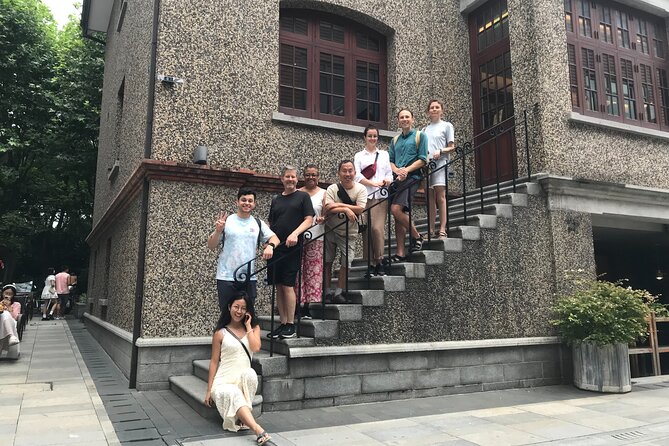
REVIEW · SHANGHAI FRENCH CONCESSION WALKS
Shanghai French Concession Walking Tour-Tip Based
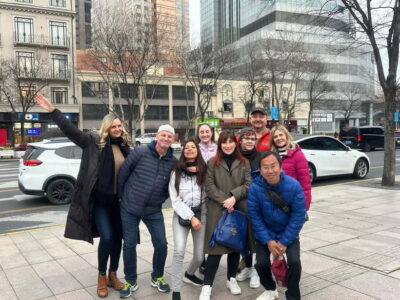
Shanghai’s old streets feel extra alive. This tip-based walking tour through the French Concession blends photo stops, local stories, and major landmarks without wasting your day in a bus. Two things I really like are the focus on places with real character, and Bill, the guide, who keeps the walk fun while explaining how this neighborhood grew from foreign rule to modern Shanghai.
I also like that the pace is built around short visits, with time to look around each stop, not just speed-walking from one postcard to the next. One possible consideration is the pricing style, you pay a small amount to reserve, then you’re expected to tip at the end, with a recommended range of 150-300 yuan per person.
In This Review
- The French Concession, explained like street-level history
- Start at Okura Garden Hotel Shanghai, then walk into the old French Club zone
- Jinjiang Hotel stop, where modern Shanghai meets big diplomacy
- Culture Square, and the footprint of a former French racecourse
- Huaihaifang lanehouse compound, how locals lived inside the architecture
- Sinan Mansions, art-deco style blocks that turned into trendy venues
- Xintiandi finish, old lane houses turned into a café and shopping area
- Bill’s approach: stories, humor, and photos with context
- Tip-based pricing: what you pay first, what you should budget at the end
- Timing and pacing, 2 hours 30 minutes with built-in look time
- Getting there and where to hop on public transport
- Admission is free at the stops, so you pay for the guide, not tickets
- Weather and comfort: plan for a walking day, but expect the guide to manage it
- Who should book this French Concession walk
- Should you book Bill’s French Concession Walking Tour?
- FAQ
- Is this tour really tip-based?
- How much is the recommended tip?
- What does the $3.59 booking price cover?
- How long is the walking tour?
- Where does the tour start and where does it end?
- Is there a mobile ticket?
- Are tickets or admission fees required for the stops?
- What language is the guide?
- What if the weather is bad?
- Is the tour suitable for most people?
The French Concession, explained like street-level history
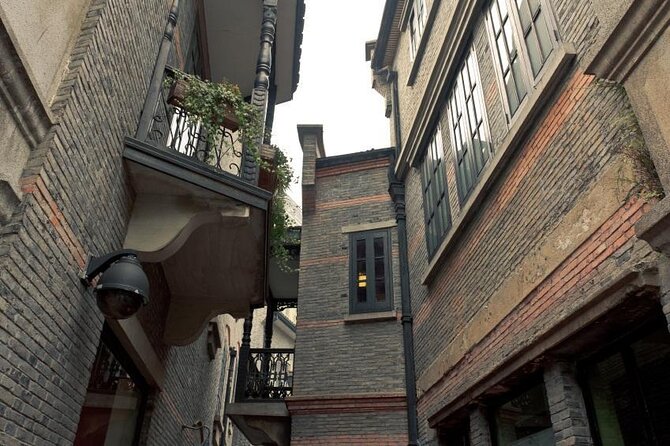
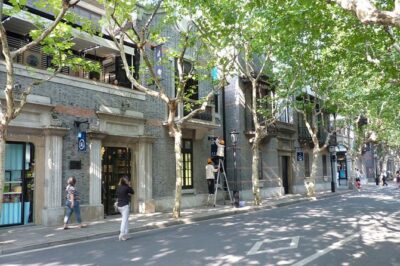
The French Concession was the Shanghai area administered by France from 1849 to 1943. That foreign presence left more than politics behind. You still see it in the wide, tree-lined avenues, the old buildings, and the overall feel that people often describe as Paris of the East.
What makes this tour work is that it connects the architecture to daily life. You’re not just looking at pretty facades. You’re picking up the timeline of how Shanghai changed, including the way international institutions and local neighborhoods evolved side by side.
Plane trees and lane houses, more walks
- Late Night Food Tour in the Shanghai’s French Concession★ 5.0 · 260 reviews
- Shanghai Breakfast Walking Tour of Former French Concession★ 5.0 · 139 reviews
- French Concession Guided Walking Tour | China’s 1st & Best Rated★ 5.0 · 91 reviews
- Private Walking Tour in the Former French Concession★ 5.0 · 67 reviews
Start at Okura Garden Hotel Shanghai, then walk into the old French Club zone
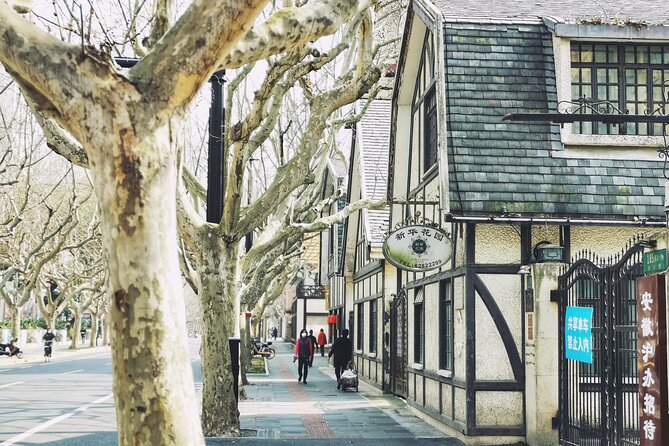
You meet at Okura Garden Hotel Shanghai, at 58 Mao Ming Nan Lu, Huangpu District. The tour begins with a stop tied to the former French Club, and even if you only catch glimpses from outside, it sets the theme fast: this area was designed for social life, not just commerce.
This is a smart opener because it teaches you how to “read” the streets. After this first look, you’ll notice details you would otherwise miss, like how the buildings turn toward courtyards and lanes, and how gates and railings create small worlds.
The practical upside: the stop is listed as about 20 minutes with free admission, so you get a real introduction without a long wait or ticket hassle.
Jinjiang Hotel stop, where modern Shanghai meets big diplomacy
Next you head to Jinjiang Hotel, one of the oldest “modern” hotels in China. This isn’t just a hotel photo stop. The setting ties into the history of Shanghai as an international meeting ground, including the Sino-US joint declaration on normalizing relations announced there.
If you care about how politics shows up in everyday places, you’ll appreciate this stop. Hotels like this often functioned as neutral ground where foreign and Chinese worlds collided in plain sight.
You also get another short visit, about 20 minutes, again with free admission. That keeps the tour from turning into a museum slog.
Culture Square, and the footprint of a former French racecourse
Stop three takes you to 文化广场 (Culture Square), where the former French racecourse is part of the story. Racecourses sound like pure leisure, but in a city like Shanghai they also reflect who had influence, who had resources, and what kind of recreation the foreign community built.
This is the kind of place where context changes your reaction. Without the explanation, it’s just another public space. With it, you start to see how the map of entertainment and power shaped the neighborhood.
Expect another short, about 20-minute segment here, with free admission, so you can keep moving and still absorb the meaning.
Huaihaifang lanehouse compound, how locals lived inside the architecture
At Huaihaifang, you step into a local lanehouse compound. These courtyards and narrow lanes are a key part of how Shanghai worked for regular people, not just for administrators or visitors.
I like this stop because it balances the tour. Earlier stops lean more foreign-institutional. Huaihaifang brings you back to the human scale, where everyday routines played out around shared spaces.
One caution: lanehouse compounds can feel tightly packed, so if you don’t love crowds or tight corridors, use the short stop time wisely and take breaks when you can. The good news is the tour includes frequent pauses, and the pacing is designed for comfort.
Other Shanghai trips our reviewers kept returning to
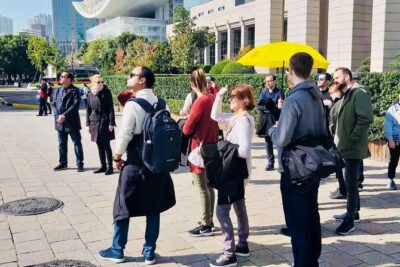
Sinan Mansions, art-deco style blocks that turned into trendy venues
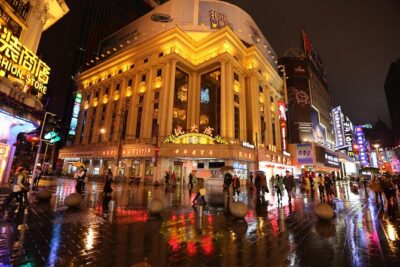
Sinan Mansions is probably the “cool photo” highlight of the walk. The area is described as a fashionable quarter with remodeled buildings in an art-deco style residential block, later adapted into a compound of trendy venues and cool views.
This is a great stop if you like watching history get repurposed. Instead of disappearing, the old structure becomes a stage for modern life, cafes, and browsing. You get to compare old design choices with how people use the space today.
Just know what you’re walking into. This can be more lively than some other stops, so if you want quiet, try to take your photos during the early part of the visit.
Xintiandi finish, old lane houses turned into a café and shopping area
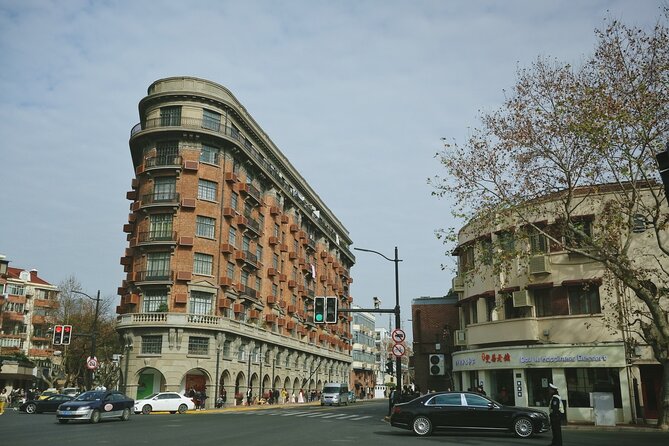
The walk ends at Xintiandi, at 123 Madang Road, Huangpu District. You’ll finish near the South Huangpi Road subway station, which makes it easy to continue your day.
Xintiandi is the perfect closer because it shows how preservation and redevelopment can coexist. You get a neighborhood built from remodeled old lane house areas, now packed with cafes, souvenir shops, and art galleries.
Here’s the practical move I recommend: once you reach Xintiandi, take 20 to 30 minutes to wander at your own pace before dinner. The tour gives you the background, then you can enjoy the area without feeling like you’re rushing a checklist.
Bill’s approach: stories, humor, and photos with context
This is a tip-based tour run by Bill’s Fantastic Tour, and Bill is the name you’ll want to remember. From the way the tour is described, the energy is personal, not scripted. Bill, a native Shanghainese who lived through both hard times and better ones, shares stories that connect the neighborhood’s past to what Shanghai feels like now.
The humor matters too. A walk can turn dry fast, especially when you’re talking about borders and old administration. Bill keeps it lively with personal anecdotes, and that helps the facts stick without feeling forced.
If you care about getting good photos, you’ll likely appreciate the emphasis on cool spots and picture opportunities. The structure of short stops also makes it easier to frame shots without running the whole time.
Tip-based pricing: what you pay first, what you should budget at the end
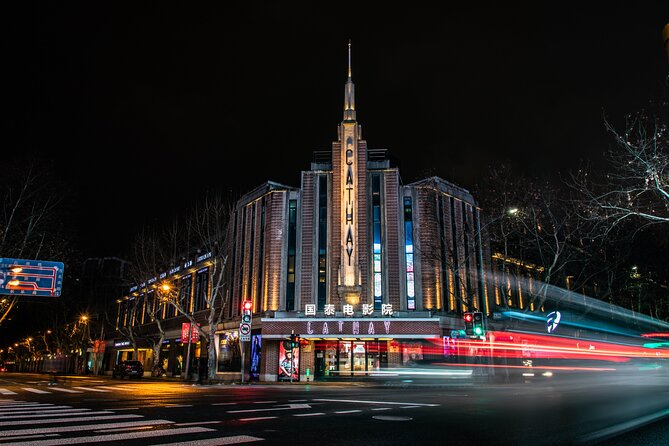
The ticket you book is $3.59 per person, and it’s mainly there to reserve your place. The tour is TIP-BASED, so the real cost depends on what you think of the experience.
The recommended tips are 150-300 yuan per person, which is roughly 20-40 USD or Euro, based on satisfaction. Put another way: you should budget like a guided tour, not like a museum ticket.
How to decide your tip amount: I’d base it on three things. Did you learn something that changed how you see the city? Did Bill keep the group moving at a pace that felt good? And did you feel like your questions got answered. If yes to those, tipping at the recommended level feels fair.
Timing and pacing, 2 hours 30 minutes with built-in look time
The duration is about 2 hours 30 minutes. Each of the six main stops is listed at around 20 minutes, which helps you predict the rhythm of the tour.
That stop-based pace is ideal for a walking tour in a big city. You get enough time to notice details, then you move before you get bored. You also get chances to sit down during the tour, which is a big deal in Shanghai weather, especially if you’re traveling in summer.
Getting there and where to hop on public transport
Your start point is at Okura Garden Hotel Shanghai on Mao Ming Nan Lu. Your finish is at Xintiandi near the South Huangpi Road subway station. Since the tour is described as near public transportation, you can usually work your metro plans around it without stress.
There’s also a mobile ticket, so you’re not scrambling for paper confirmations. Just have your phone ready at the meeting point.
Admission is free at the stops, so you pay for the guide, not tickets
Each named stop is listed with free admission tickets. That means your money goes to the guide and the route, not entry fees that can inflate the real cost later.
For me, that matters because it makes planning simpler. You can spend your energy on the stories and the walking, instead of figuring out which stops cost extra and what line you might hit.
Weather and comfort: plan for a walking day, but expect the guide to manage it
This experience requires good weather. If it’s canceled due to poor weather, you’ll be offered a different date or a full refund, so you’re not forced to guess.
For comfort, come ready for a city walking day. Wear shoes you trust, bring water, and expect that you’ll be outside for most of the total time even with stop breaks.
Who should book this French Concession walk
This tour makes the most sense if you want context as you walk. If you’re the type who likes to understand why a neighborhood looks the way it does, you’ll enjoy how the route ties together French-era influence, modern Shanghai landmarks, and local lanehouse life.
It’s also a good fit if you like a small-group feel, the tour lists a maximum of 100 travelers. And because it’s run in English with a professional guide, it’s straightforward even if you don’t speak Chinese.
Should you book Bill’s French Concession Walking Tour?
Book it if you want an efficient, high-value way to see the French Concession area and learn what’s behind the facades. The route ends at Xintiandi, so it doesn’t feel like you’re dropped in the middle of nowhere. And the guide, Bill, is a big part of the appeal, with stories and humor that keep history from turning into a lecture.
Skip it or consider another option if you dislike tip-based tours, or if you only want to spend the small booking amount with no extra budgeting at the end. Also, if you hate walking and crowds at all, you might find the pace and lively stops less comfortable, though the built-in pauses help.
FAQ
Is this tour really tip-based?
Yes. You pay an amount at booking mainly to reserve your spot, then you give the guide a tip at the end based on satisfaction.
How much is the recommended tip?
The recommended tip is 150-300 yuan per person, roughly 20-40 USD or Euro, depending on how you rate the tour.
What does the $3.59 booking price cover?
It reserves your spot. The tour notes that gratuity for the guide is not included, so tipping is expected at the end.
How long is the walking tour?
It lasts about 2 hours 30 minutes.
Where does the tour start and where does it end?
It starts at Okura Garden Hotel Shanghai, 58 Mao Ming Nan Lu, Huangpu District, and it ends at Xintiandi, 123 Madang Road, Huangpu District, near the South Huangpi Road subway station.
Is there a mobile ticket?
Yes, the tour uses a mobile ticket.
Are tickets or admission fees required for the stops?
No. Each listed stop has free admission tickets.
What language is the guide?
The tour includes a professional English speaking guide.
What if the weather is bad?
The experience requires good weather. If it’s canceled due to poor weather, you’ll be offered a different date or a full refund.
Is the tour suitable for most people?
Most travelers can participate, and service animals are allowed.
More Tours in Shanghai



More Tour Reviews in Shanghai

Lane By Lane In The French Concession




Shanghai, reviewed one booking at a time
- Zhujiajiao Water Town and Shanghai City Highlights Private Day Tour
★ 5.0 · 3 reviews - Zhujiajiao Water Town Private Tour with Local Farm Visit and Fruit Picking
★ 5.0 · 3 reviews - Tongli Water Town Self-Guided Tour with Private Transfer from Shanghai
★ 5.0 · 3 reviews - Shanghai by Night with Fine Local Dinner and VIP River Cruise Experiences
★ 5.0 · 3 reviews - Shanghai Acrobatic Show Tickets
★ 5.0 · 3 reviews - Private Shanghai Layover Tour to Zhaojialou Water Town with Lunch or Dinner
★ 5.0 · 3 reviews
Shanghai French Concession Walks, compared.
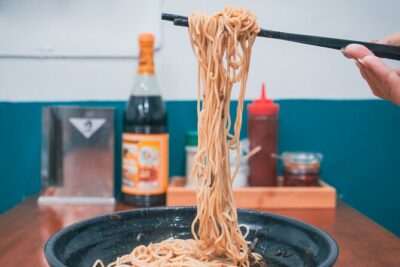 ★ 5.0Eat Like a Local Through Shanghai’s French ConcessionFrom $75353 reviews
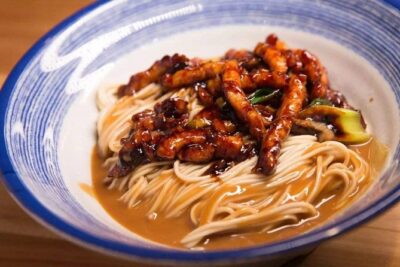 ★ 5.0Late Night Food Tour in the Shanghai’s French ConcessionFrom $89260 reviews
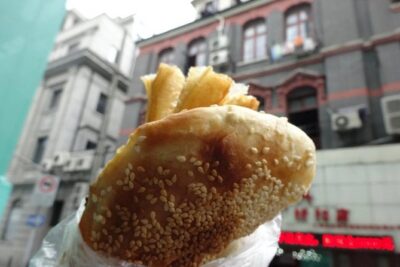 ★ 5.0Shanghai Breakfast Walking Tour of Former French ConcessionFrom $77139 reviews
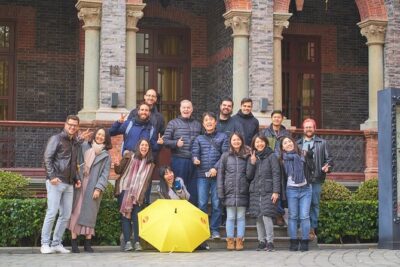 ★ 5.0French Concession Guided Walking Tour | China’s 1st & Best RatedFrom $591 reviews
 ★ 5.0Private Walking Tour in the Former French ConcessionFrom $9567 reviews
 ★ 5.0Private Yu Garden, The Bund, French Concession, Pudong Half-Day TourFrom $12051 reviews
 ★ 5.0Shanghai bar hopping tour in the former french concessionFrom $2943 reviews
 ★ 5.0French Concession Walking Tour with Real LocalFrom $3440 reviews
Browse the lists this tour appears in