
REVIEW · MORNING
Shanghai Half Day Morning or Afternoon Sightseeing Tour
Half a day, and you still get the big hits. This Shanghai half-day tour is interesting because it lets you pick your own timing, morning or afternoon, then stitches together temples, museums, and the iconic waterfront with convenient hotel pickup and drop-off. My favorite parts are the chance to see both classic landmarks and local details, especially Jade Buddha Temple in the morning or the Bund and Yu Garden in the afternoon.
One possible drawback to plan for is that some of the time is spent in pearl and silk stops that can feel shopping-heavy, and that can make the pace feel rushed if you are hoping for more open time at the main sights.
The upside is that the tour is built for a short schedule. You get a 4-hour run, English-speaking guidance, admission tickets, and a set route that helps you get oriented quickly in a city as huge as Shanghai.
In This Review
- Key things I’d circle before booking
- Morning vs Afternoon: choosing the right half-day Shanghai route
- Price and value: what $53 buys you in Shanghai time
- Hotel pickup and timing: the part that can make or break your mood
- Shanghai Museum: the architecture stop that can set the tone
- People’s Square: green space and a small moment of local ritual
- Jade Buddha Temple: the quiet power of Burma jade statues
- Fresh Water Pearl Gallery: education that can feel like a sales stop
- Afternoon Yu Garden: a Ming-era mood shift from modern Shanghai
- Yuyuan Old Street: Ming-style lanes and quick market energy
- The Bund: skyline photos, waterfront symbolism, and fast momentum
- Xintiandi and the French Concession vibe: modern nightlife in old streets
- Silk Factory and the trade-off between craft and shopping time
- What the guide adds: English clarity and story-driven pacing
- How much walking, how fast is fast
- Who this tour suits best, and who might bounce
- My booking advice: a quick decision checklist
- FAQ
- What is the tour duration?
- Do I get hotel pickup and drop-off?
- Are admission tickets included?
- Is the tour morning or afternoon?
- Which main sights are included in each option?
- What happens if I visit on a Monday?
- Are meals included?
Key things I’d circle before booking
- Pick morning or afternoon based on heat and energy, both cover major sights plus one or two practical stops
- Shanghai Museum plus Jade Buddha Temple makes the morning option feel like a real cultural sampler
- Yu Garden, Old Street, and the Bund stack the top photo spots in the afternoon option
- Pearl Gallery and Silk Factory are scheduled experiences, so go in expecting demos and some retail time
- Monday has substitutions (Museum changes, Yu Garden changes), so check your calendar before you book
Still weighing it up? These Shanghai bookings scored well when we went through them.
- Authentic Local Food Tour in Central Shanghai★ 5.0 · 1,382 reviews
- Zhujiajiao Water Town and Shanghai City Private Day Tour★ 5.0 · 1,016 reviews
- Private Shanghai Full Day City Tour with Old and New Highlights★ 5.0 · 995 reviews
- Shanghai: Hop-on Hop-off Bus Ticket and Optional Attractions★ 3.4 · 692 reviews
Morning vs Afternoon: choosing the right half-day Shanghai route
Start by matching the route to your energy. The morning tour is centered on indoor, classic cultural stops, and it adds a quick city-center break at People’s Square. If you like getting your highlights done early, and you want the softer footwork of temples and museum time, morning is the cleaner choice.
The afternoon tour leans more scenic and street-level. You get Yu Garden, nearby old-style shopping lanes, and then the waterfront area around the Bund, plus Xintiandi in the former French Concession style. If you want the skyline views and the late-day glow for photos, afternoon usually makes more sense.
If you are traveling in hot months, I’d personally favor mornings for stamina. One common theme from people who did this tour is that it can feel warm outside, and the tour includes enough walking that you will want to avoid the hottest part of the day.
Price and value: what $53 buys you in Shanghai time
At about $53 per person for roughly 4 hours, the value is mostly about convenience and time savings. You are paying for hotel pickup and drop-off, an air-conditioned vehicle, an English-speaking guide, and admission tickets during the route.
The admission part matters. Several stops are free with ticket coverage, like Shanghai Museum (ticket is free) and many outdoor areas, while Jade Buddha Temple and Yu Garden have admission that is included. That means you are not scrambling to line up tickets while also trying to navigate Shanghai’s scale.
Food is not included, so plan for a quick snack or a meal after. The tour is meant to be a structured overview, not a full-day festival where every hour is flexible.
Hotel pickup and timing: the part that can make or break your mood
This is a tour with shared logistics, so your day depends on pickup flow. You get hotel pickup and drop-off in the city center, and that is a big deal if you do not want to figure out metro routes with luggage or jet lag.
Still, there is a real possibility of waiting. Some groups reported slower pickup when the vehicle collected people from multiple hotels, and one person said pickup took an hour and a half. That does not mean it will happen to you, but it is a fair reason to keep your first appointment flexible.
How to handle it:
- Have your water bottle ready before pickup.
- Set your expectations that the tour start time is driven by the route, not your personal schedule.
- If you hate rushing, choose the option that matches your natural pace. Some parts of the day are harder to slow down, especially when there are lines.
Shanghai Museum: the architecture stop that can set the tone
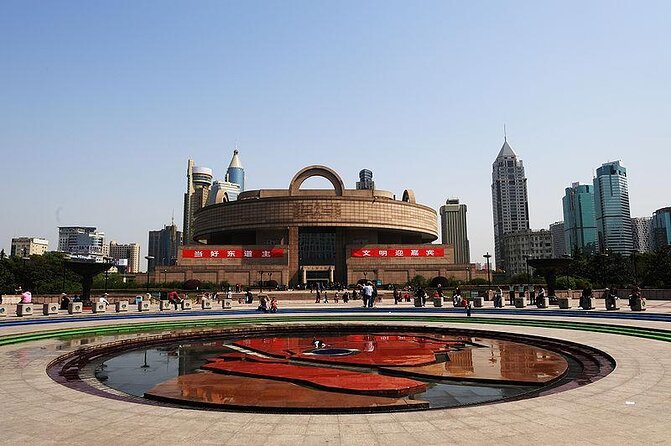
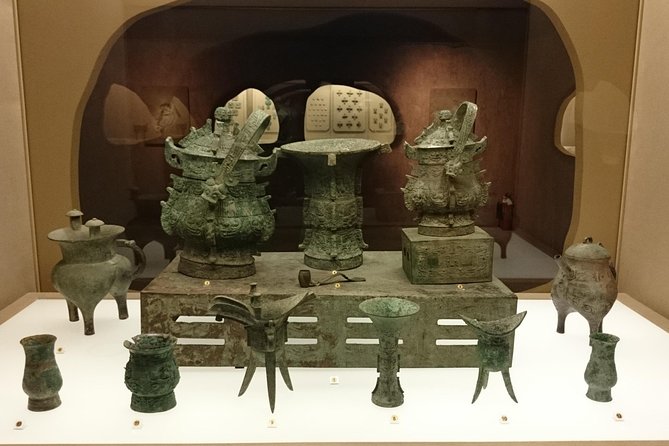
In the morning route, Shanghai Museum is the big anchor. It is known for a design that keeps Feng Shui principles in mind, and it has a strong permanent collection plus rotating exhibitions.
Plan for lines. One person mentioned arriving with a long wait and having to skip the museum portion. That does not sound typical, but museum crowds in central Shanghai can happen, especially when your group hits during peak times.
If the museum is closed on your travel day, the tour swaps. Shanghai Museum is closed every Monday, and the tour visits M50 Art Zone instead. Also, there is a stated closure period for decoration (from October 8, 2023 to December 31, 2023), and the plan then shifts to Shanghai History Museum. If you care a lot about museum content, check your day before you commit.


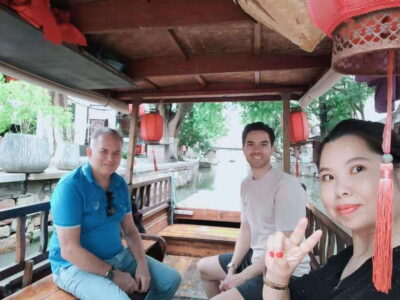
People’s Square: green space and a small moment of local ritual
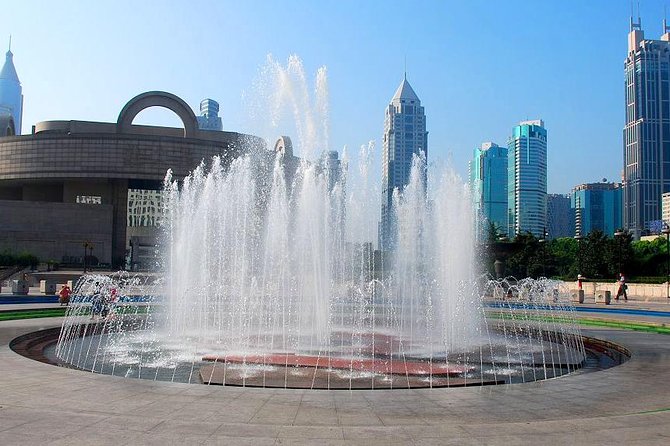
People’s Square is a quick stop on the morning tour. It is a large green area surrounded by major buildings, and it gives you a reset between indoor sites and travel across the city.
There is also a small, fun cultural moment built into the stop. You have the option to feed the doves to pray for world peace. It is short, but it is memorable in a way that feels more human than just taking photos of buildings.
This is not the stop to overthink. Think of it like a breather so you do not arrive at the next temple stop drained.
Jade Buddha Temple: the quiet power of Burma jade statues
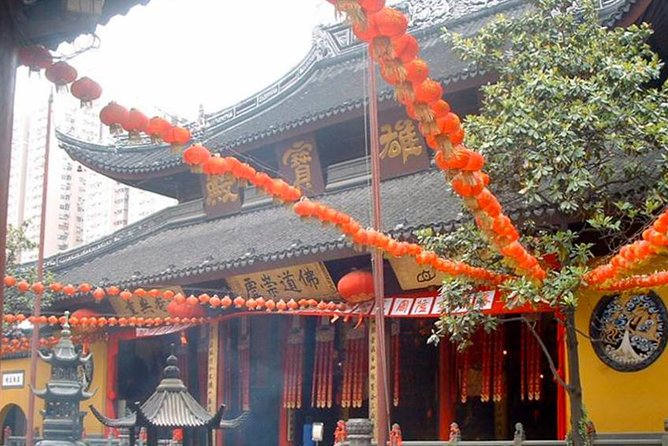
Jade Buddha Temple is one of the morning highlights. It was built during the Guangxu period of the Qing Dynasty, from 1875 to 1909, and it houses jade statues brought from Burma.
What I like about this stop is that it gives you a specific story, not just a generic temple photo. You get a sense of why people make the trip here, and you can slow down without feeling like you are missing the real show.
The temple stop is included, and it runs about an hour. That time is usually enough to walk the main areas calmly and still have energy for the next scheduled stop.
Fresh Water Pearl Gallery: education that can feel like a sales stop
The morning tour includes the Fresh Water Pearl Gallery, where you learn about freshwater pearl cultivation. This is one of those experiences where the educational part can be excellent, but the shopping side can also take up time.
A balanced way to approach it:
- Go for the process and demos, not for impulse buying.
- Ask questions about how pearl cultivation works, because that is the point of the stop.
- If you do not want retail time, keep your eyes on the clock and stay with the group.
One person said they did not find the silk factory interesting, and other comments suggest some time can shift toward shops. With pearl and silk stops, the trade-off is that you get a structured cultural explanation plus an opportunity to purchase if you want. If you are trying to avoid any retail pressure, this tour might not feel like a perfect fit.
Still, if you are curious about traditional industries in Shanghai, it is a relevant, very practical inclusion.
Afternoon Yu Garden: a Ming-era mood shift from modern Shanghai
In the afternoon tour, Yu Garden is the anchor. The garden is made up of halls, springs, and smaller buildings that point back to the Ming Dynasty era, from 1368 to 1644. It is included with admission, and the visit is about an hour.
What makes Yu Garden work on a half-day schedule is that it is both photogenic and walkable. You can take it slowly inside the garden boundaries, then use the surrounding streets for an easy second layer of exploring.
One practical detail is that Yu Garden is closed every Monday. If it is closed during your visit, the tour swaps to City God Temple and Yu Bazaar instead. If you want the exact Yu Garden experience, confirm your day-of-week.
Also, if you go in warm weather, plan for sun and heat on the surrounding streets. Even if the garden itself is calmer, the route after it can bring you into exposed walking.
Yuyuan Old Street: Ming-style lanes and quick market energy
After Yu Garden, you typically move into Yuyuan Old Street. This is a bazaar-style area surrounding the garden, with buildings in Ming Dynasty architecture, and it is often described as about 500 years old.
This is where the afternoon tour becomes more street-driven. You get a concentrated dose of the old Shanghai look, plus plenty of opportunities to browse snacks, small items, and souvenirs.
Time here is usually part of the designed flow. If you love wandering markets without a timetable, you might feel a little pressure to keep moving, especially if the group is also heading to the next stop that depends on timing.
The Bund: skyline photos, waterfront symbolism, and fast momentum
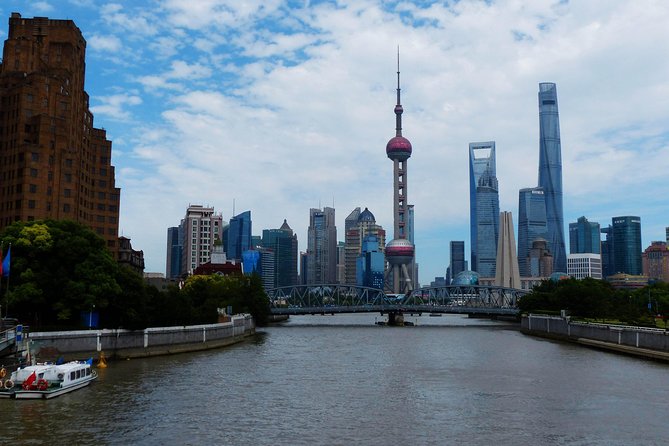
The Bund is the big Shanghai postcard. It is the famous waterfront landmark, known as a symbol of old and new Shanghai, and it stretches about 4 kilometers along the river.
On this tour it is a shorter stop, around 30 minutes. That means it is best for snapping skyline shots and getting a sense of the promenade rather than for a long, lingering sunset stroll.
I love the Bund on an afternoon schedule because you can often catch nicer light. Just remember the tour is timed, so you will want to decide early where you want to stand for photos.
Admission here is free, and it is included as part of the afternoon route.
Xintiandi and the French Concession vibe: modern nightlife in old streets
Xintiandi is the final flavor of the afternoon loop. It is located in the central area of old French Concession, with preserved brick buildings that have been transformed into a trendy zone filled with shops and restaurants.
In this tour, the stop is about 30 minutes. So you are not learning every detail, but you get the feel. The big value is that it helps connect Shanghai’s layers, from historic gardens to waterfront identity, to a neighborhood that feels re-used for modern life.
If you want nightlife energy, Xintiandi delivers. If you hate crowds, come prepared to move with the group quickly.
Silk Factory and the trade-off between craft and shopping time
The afternoon route includes a Silk Factory stop where you can see how silk has been produced for hundreds of years. This can be interesting, especially if you like watching craft processes or learning how a major industry works.
At the same time, some people said the silk stop was not for them. The pattern with both the pearl and silk experiences is that you are offered education plus a retail environment.
How to get the most from it:
- Focus on the demo steps, not the showroom persuasion.
- Decide in advance if you want to buy anything. It makes the shopping pressure easier to ignore.
- Bring water and take breaks when your guide offers a chance to pause.
What the guide adds: English clarity and story-driven pacing
This tour lives or dies by the guide. The best experiences in the comments share a consistent theme: guides explain things clearly, speak excellent English, and add stories that make each site feel connected.
Some named guides praised for strong English and good storytelling include John, Alina, Frank, Evan, and also a guide named Alena in one case. People highlighted that the guides managed time well and provided practical feedback, including on where to stand for photos at Yu Garden and the Bund.
You should also know that the mic or audio system can be inconsistent. One person wished for a microphone so everyone could hear. If you know you have trouble hearing in crowds, sit closer to the front and keep your eyes on the guide during short walking segments.
How much walking, how fast is fast
This is a half-day schedule packed with stops, so it moves. The typical flow is short duration visits, meaning you see a lot but do not get to fully live inside any one place for long.
Walking is not extreme by Shanghai standards, but it is enough that you should wear comfortable shoes. One person also advised bringing water because of heat.
If you want slow travel, I’d treat this as your orientation day. Use it to decide where you want to return later for longer independent exploring.
Who this tour suits best, and who might bounce
This tour is a strong fit for first-time visitors who want an efficient overview. It is also great if you are short on time and want a guide to handle navigation and ticket basics while you focus on sights.
It can be less satisfying if you booked specifically to avoid industry demonstrations and retail time. A few experiences mentioned long stretches at pearl and silk stops, and others felt that the route sometimes rushed through the main attractions.
If you are traveling with family or you prefer a calmer pace, the key question is whether the scheduled demonstrations match your interests. If you love craft traditions, this tour works. If you only want temples and skyline views, you may wish you had more time at those.
My booking advice: a quick decision checklist
Book this tour if:
- You want major highlights in about 4 hours.
- You appreciate guided explanations plus admission tickets.
- You like mixing classic landmarks with modern city areas like the Bund and Xintiandi.
- You are fine with pearl and silk demonstrations as part of the experience.
Skip or choose a different format if:
- You dislike shopping-linked stops and want zero retail time.
- You are very sensitive to timing, since pickup across multiple hotels can add waiting.
- Museum lines or closures would ruin your plan, and you cannot flex your schedule.
If you book, bring water, wear comfortable shoes, and go in with the mindset of an orientation walk. This is not a slow, deep cultural semester. It is a smart half-day in which you learn the shapes of Shanghai fast, and then decide what deserves your next hour.
FAQ
What is the tour duration?
The tour lasts about 4 hours.
Do I get hotel pickup and drop-off?
Yes. Hotel pickup and drop-off are included in the city center.
Are admission tickets included?
Yes. Admission tickets are included for the attractions on the route.
Is the tour morning or afternoon?
You can choose either a morning departure or an afternoon departure.
Which main sights are included in each option?
Morning includes Shanghai Museum, People’s Square, Jade Buddha Temple, and the Fresh Water Pearl Gallery. Afternoon includes Yu Garden, Silk Factory, the Bund area, Yuyuan Old Street, and Xintiandi.
What happens if I visit on a Monday?
Shanghai Museum is closed on Monday, and the tour visits M50 Art Zone instead. Yu Garden is also closed on Monday, and the tour visits City God Temple and Yu Bazaar instead.
Are meals included?
No. Meals are not included.
More Tours in Shanghai



More Tour Reviews in Shanghai

Shanghai, reviewed one booking at a time
- Zhujiajiao Water Town and Shanghai City Highlights Private Day Tour
★ 5.0 · 3 reviews - Zhujiajiao Water Town Private Tour with Local Farm Visit and Fruit Picking
★ 5.0 · 3 reviews - Tongli Water Town Self-Guided Tour with Private Transfer from Shanghai
★ 5.0 · 3 reviews - Shanghai by Night with Fine Local Dinner and VIP River Cruise Experiences
★ 5.0 · 3 reviews - Shanghai Acrobatic Show Tickets
★ 5.0 · 3 reviews - Private Shanghai Layover Tour to Zhaojialou Water Town with Lunch or Dinner
★ 5.0 · 3 reviews
Morning, compared.
 ★ 5.0Xi’an: Morning Terracotta Army Tour with Local Family LunchFrom $2347 reviews
 ★ 5.0Xi’an Morning Food & Market Tour by TukTukFrom $5846 reviews
 ★ 4.8Yangshuo/Guilin: Full- or Half-Day Xianggong Hill SunriseFrom $7533 reviews
 ★ 4.5Morning Tour to Terracotta Warriors Museum with LunchFrom $2029 reviews
 ★ 4.5Morning Bus Transfer to Mutianyu Great Wall + Entry TicketFrom $2026 reviews
 ★ 5.0camp on the Great Wall overnight with sunrise and sunset on the wallFrom $35011 reviews
 ★ 5.0Full/Half-Day Yangshuo Xianggong Mountain Sunrise Private TourFrom $7710 reviews
 ★ 5.0Puer Tea Picking and Tasting | 6 Hour Morning TripFrom $827 reviews