
REVIEW · CHINESE TEA HOUSE EXPERIENCES
Puer Tea Picking and Tasting | 6 Hour Morning Trip
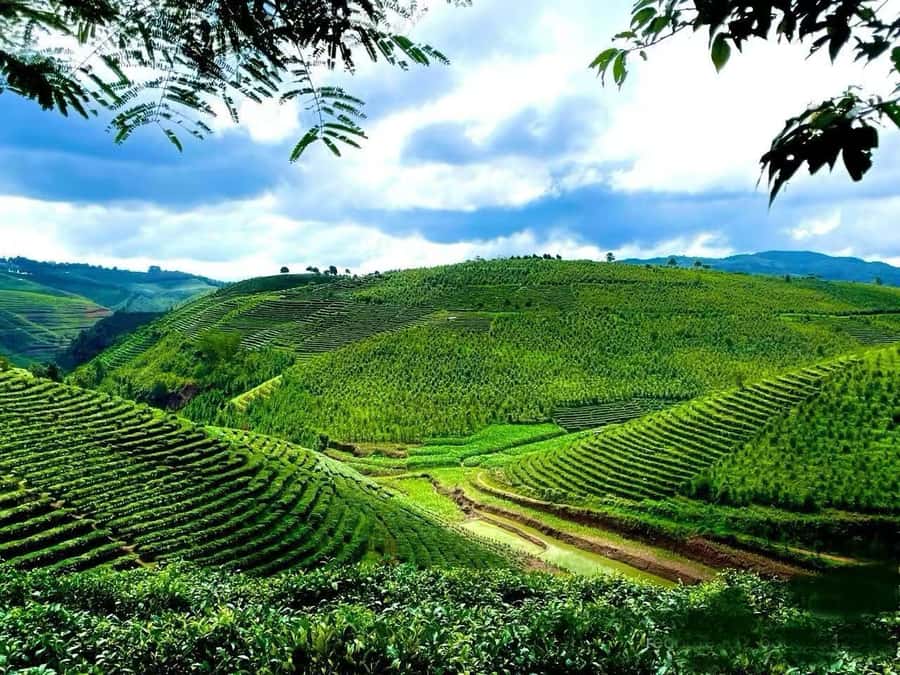
Tea fields make mornings nicer.
This 5 to 7 hour Pu’er tea trip turns a simple tour into something you can actually do, with a guided plantation visit, hands-on picking, and a fresh tasting tied to the production process. You get convenient pickup and drop-off from Jinghong or Pu’er, then spend the morning in the hills learning how Pu’er tea gets from leaf to cup.
I like two things most: the chance to learn by doing, with local guidance during the tea picking session, and the fact you take home 300 grams of the tea you helped pick and process. That souvenir alone makes the experience feel practical, not just scenic.
One consideration: it is only a half-day, so if you want slow, nerdy brewing lessons, you will probably want to pair this with extra time to learn after the tour. Think of this as a solid first tasting course, not a full tea degree.
In This Review
- Key Highlights Worth Your Morning
- Pickup in Jinghong or Pu’er, Then Straight to the Tea Hills
- The Plantation Walk: Why Growing Location Changes the Cup
- Tea Picking With Local Guidance: What You Should Watch For
- The Processing Farm Stop: Withering to Drying, Explained Clearly
- Tastings That Teach You How Pu’er Can Taste Different
- Lunch at the Farm, Plus Time to Buy What You Want
- Price and Logistics: Is $82 a Good Deal for What You Get?
- Should You Book This Pu’er Tea Picking Tour?
Key Highlights Worth Your Morning
- Small group (up to 6) keeps questions flowing instead of getting lost in a crowd
- Pickup from Jinghong or Pu’er with VW ID4 for small groups makes it easy to start on time
- Guided plantation walk gives context on Pu’er tea where it is grown
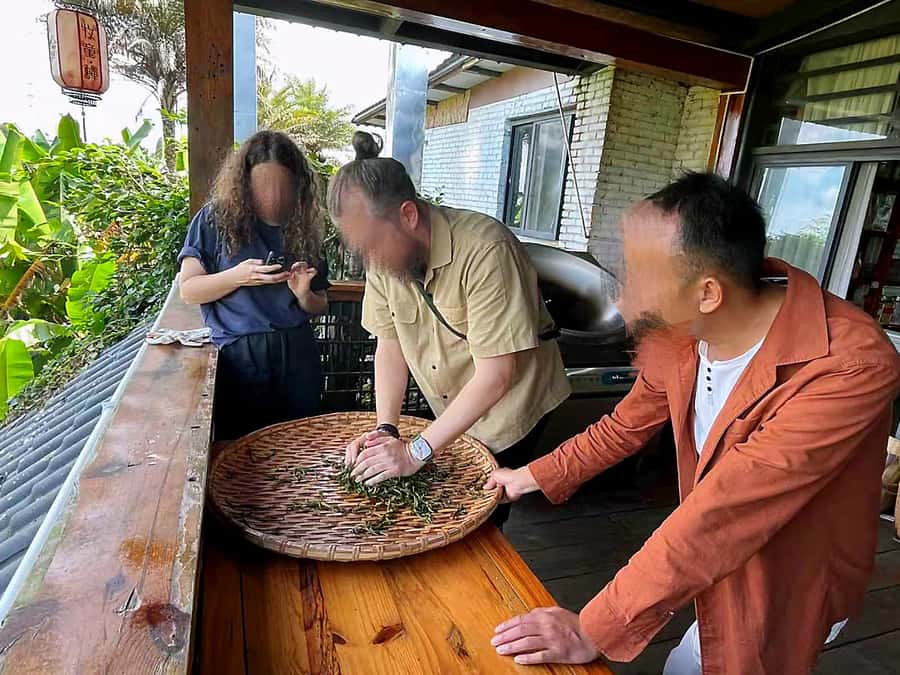
- Hands-on tea picking led by local experts, not a quick photo stop
- Farm tastings explain flavors and brewing approaches using teas made fresh for the day
- 300g take-home tea that is tied to what you picked and processed
Pickup in Jinghong or Pu’er, Then Straight to the Tea Hills
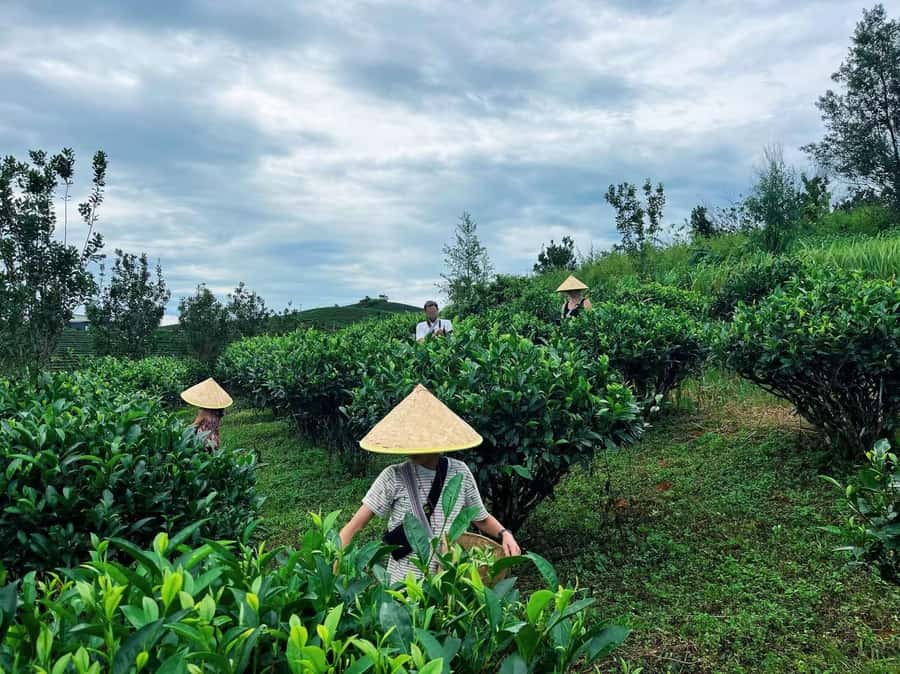
The best part of this outing starts before you even smell tea: you get a scheduled pickup from Jinghong or Pu’er, then a drive into the countryside. Transport is handled by a VW ID4 for up to 3 guests, and a comfortable 6-seat minivan if your group is larger. In real life, that means less hunting for the meeting point and more time with your shoes on the ground where it matters.
The drive itself is part of the mood setter. You are in southwestern China, and the region around Pu’er is known for its tea growing zones, so the scenery shifts from town to working farmland fairly quickly. It is not just time passing, it is you arriving with your brain already in tea mode.
You will be out for about 5 to 7 hours, which is long enough to learn the workflow and taste properly, but short enough to keep your afternoon free. That matters in Yunnan, where the logistics of trains, buses, and next-day plans can get tight.
The Plantation Walk: Why Growing Location Changes the Cup
Once you arrive, you get a guided tour of a Pu’er tea plantation and the surrounding area. This is where the trip becomes more than hands-on labor and snacks. Your guide explains the history and significance of Pu’er tea right where it is cultivated, so the cultural side and the practical side land together.
In past departures, guides such as Maxime have been praised for answering questions with real passion, including how tea ties into local culture. He also translated a lot for English-speaking participants when estate hosts spoke about their practices. That kind of back-and-forth makes a big difference, because tea talk can get technical fast, and you do not want to miss the point.
The walking pace is also important. A plantation tour that is too rushed turns into scenery-only. The better version of this experience is a guided walk where you can ask what to look for in the leaves and why certain picking decisions matter. If you enjoy nature and you like learning how things are made, this section tends to be the calm, rewarding backbone of the morning.
Tea Picking With Local Guidance: What You Should Watch For
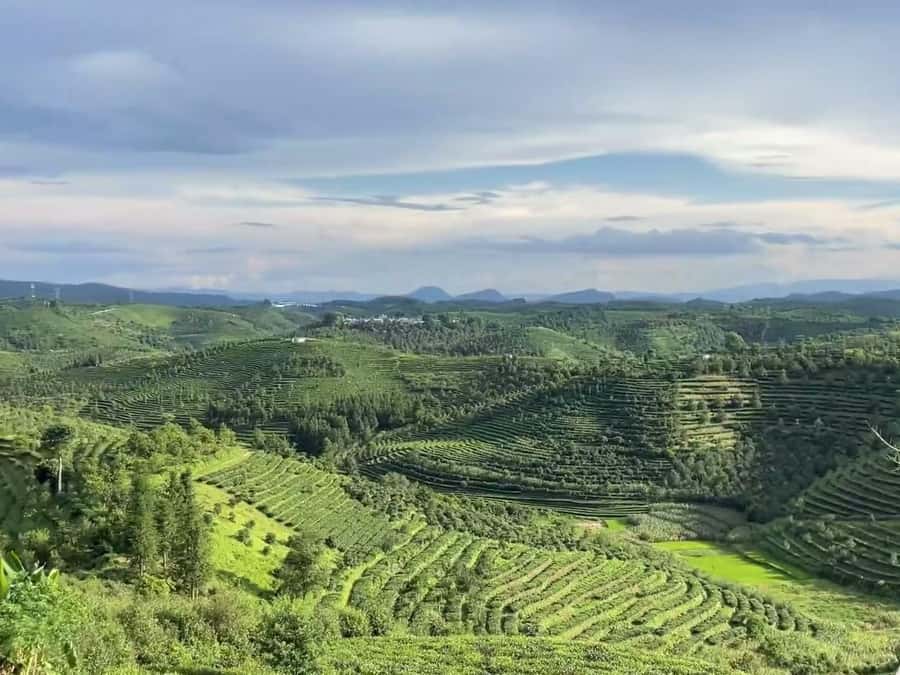
This is the core event: hands-on tea picking. You do not just watch someone else do it, you learn the technique for selecting the best leaves with help from local experts. The goal is not speed. It is picking in a way that respects the plant and results in a more consistent tea.
What I like about this setup is that it makes your tasting make sense later. After you pick the leaves, you start noticing how choices affect the cup: leaf quality, how fresh the material is, and how careful processing turns small differences into flavor.
Bring comfortable shoes. You will likely walk on uneven ground between rows, and tea work zones are not built like museum floors. Also, wear something practical for a morning outing. The tour does not list strict clothing, but your feet will tell you the truth by hour one.
The Processing Farm Stop: Withering to Drying, Explained Clearly
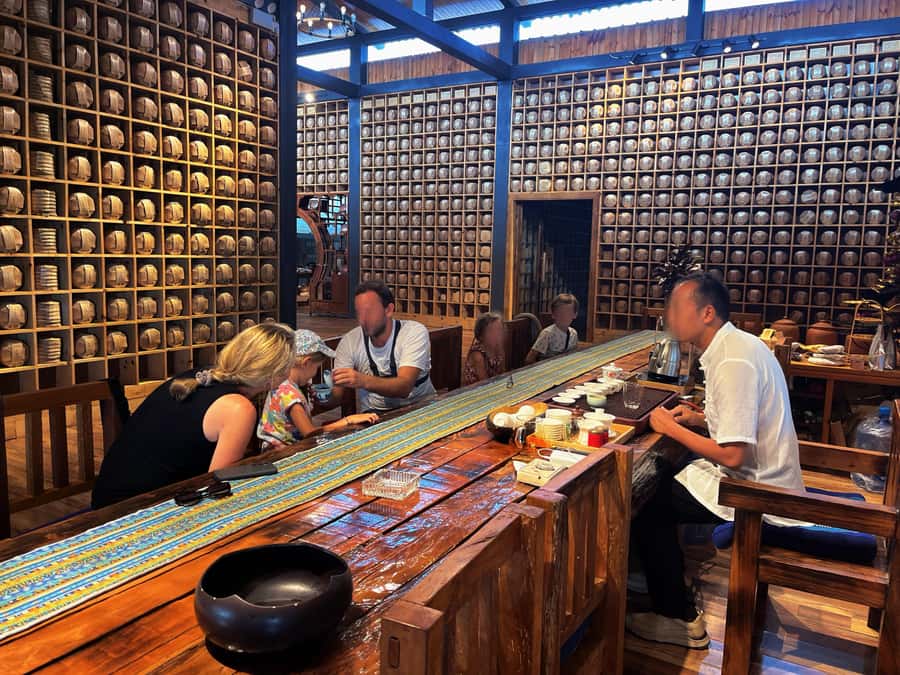
After the plantation time, you head to a local processing farm for a look at how tea goes from fresh leaves to finished Pu’er tea. You get to see steps such as withering, rolling, and drying, and the overall workflow of production. Watching the process up close makes the tour feel real, because Pu’er tea is not just one flavor, it is a whole system.
This stop is also where the guide can connect your picking to what happens next. If the estate team shows how different handling steps change the tea, suddenly the tasting becomes more than a sip-and-smile activity. You start learning the language of tea: how processing choices relate to aromas, and why brewing matters.
Some departures also include additional tea or coffee context, depending on the route and timing. For example, a few bookings mention a stop at a coffee estate south of Pu’er, where coffee was processed on site and tastings were part of the day. That is not listed as a guarantee in the main description, so treat it as a possible bonus rather than the centerpiece you plan your whole morning around.
Tastings That Teach You How Pu’er Can Taste Different
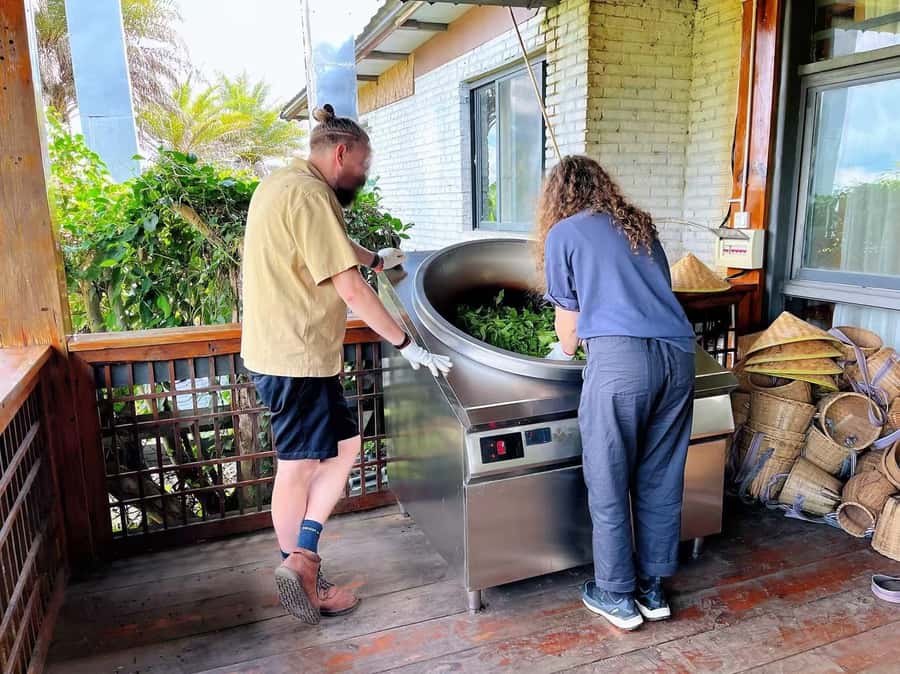
The highlight for many people is the tea-tasting session featuring freshly processed Pu’er tea. You learn about different varieties and brewing approaches that make Pu’er tea unique. The key detail here is that tastings are tied to what you just saw and did, which helps you build an actual mental map of the flavors.
From the experience notes, you may taste a range such as aged, raw, candy tea, and red tea. In practice, that means you are not stuck drinking the same cup with a different label. You get the chance to notice how one tea style can lean into one set of aromas, while another offers a different feel.
Guides also tend to explain how to brew for the result you want. Even if you only catch part of it, you walk away with at least a few usable ideas for future brewing. And if you already like Chinese tea, you will probably appreciate how the tasting is presented as a system, not random flavor samples.
Lunch at the Farm, Plus Time to Buy What You Want
You have a chance to eat at the farm. Local specialties are mentioned, with lunch noted as optional and priced from 60 yuan per person. Even if you skip a full meal, this break is valuable because it keeps the day comfortable after picking and tasting.
About shopping: part of the tour value is that you take home the tea you picked and processed. Beyond that, you may have the option to buy additional tea at the end. In one set of bookings, an estate offered a 20 percent discount on tea purchased after tastings, and importantly, the host did not push purchases. That is the ideal shopping style: you can buy what you truly want, with a little guidance, not pressure.
Also note the product reality. The included souvenir is 300 grams of tea. That is usually enough to justify the price if you like Pu’er and plan to use it at home. If you are only curious, you might still enjoy the experience, but the tea take-home is what turns this into a stronger deal.
Price and Logistics: Is $82 a Good Deal for What You Get?
At $82 per person for a half-day, you are paying for real-time access to a working tea plantation plus a small group format. This is not a long bus tour where you trade time for photos. It is time invested in people and process: pickup and drop-off, guided plantation walk, guided picking, and tastings with an included tea souvenir.
Here is the practical value angle. You are getting:
- Small group learning (up to 6 participants)
- In-person picking and farm processing exposure
- A take-home tea souvenir: 300 grams
- Live guide support in English, French, German, or Italian
If you hate rushed activities, this format generally works better than quick tea tastings in a city. If you love details, the farm stop and production steps give you something concrete to remember.
One more practical detail: the tour is listed as not suitable for pets, and it is noted that babies under 1 year and people over 70 are not suitable. If you are traveling with mobility constraints, ask before booking, since the walking is part of the experience design.
Should You Book This Pu’er Tea Picking Tour?
Book it if you want your Pu’er tea experience to be hands-on, educational, and tied to the production process. The strongest reasons to go are the guided picking, the processing farm visit, and the fact you take home 300 grams of tea you helped make.
Skip it or plan something else if you only want a quick taste without walking, or if you are looking for a long, multi-course tea education day. It is a focused half-day, so treat it as a great start to your Pu’er tea journey, then build from there.
If you book, do two simple things that improve your day: wear comfortable shoes, and come with a few questions about what you like in tea, so your guide can tailor explanations as much as possible. And if you meet a guide like Maxime, lean into the conversation. The best moments are the ones where tea culture turns into real dialogue, not just a scripted tour.
Chinese Tea House Experiences, compared.
 ★ 5.0One-Day Hangzhou Dragon Well Tea Culture & West Lake Private TourFrom $27098 reviews
 ★ 4.7Traditional Chinese Tea Ceremony ExperienceFrom $974 reviews
 ★ 4.7Beijing: Dumpling Making Workshop with Meal and TeaFrom $3569 reviews
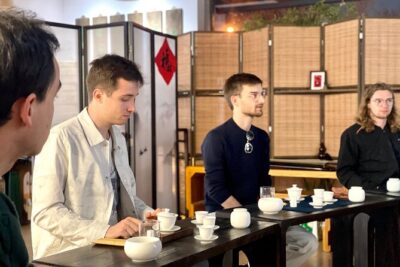 ★ 5.0Beijing Culture: Tea Ceremony, Heritage Instrument & CalligraphyFrom $7857 reviews
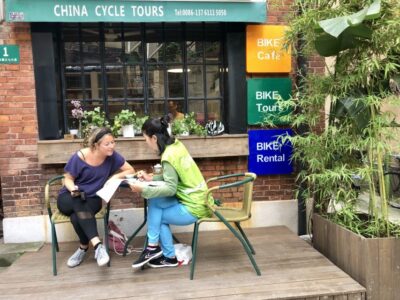 ★ 4.5Biking Real Shanghai& Tea Tasting ExperienceFrom $8845 reviews
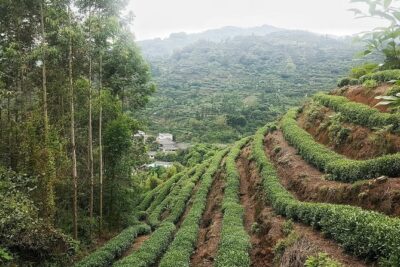 ★ 5.0Tea Village in lost Town and Buddha 1 day tourFrom $16932 reviews
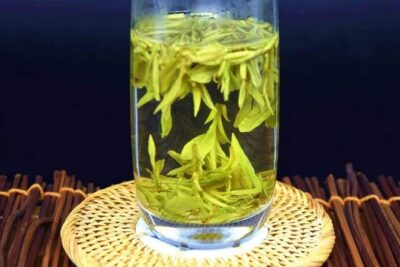 ★ 5.0Authentic Hangzhou Longjing Tea Culture Experience TourFrom $5232 reviews
 ★ 4.7Chinese Tea ceremony in Beijing Hutong courtyardFrom $3126 reviews
Browse the lists this tour appears in