
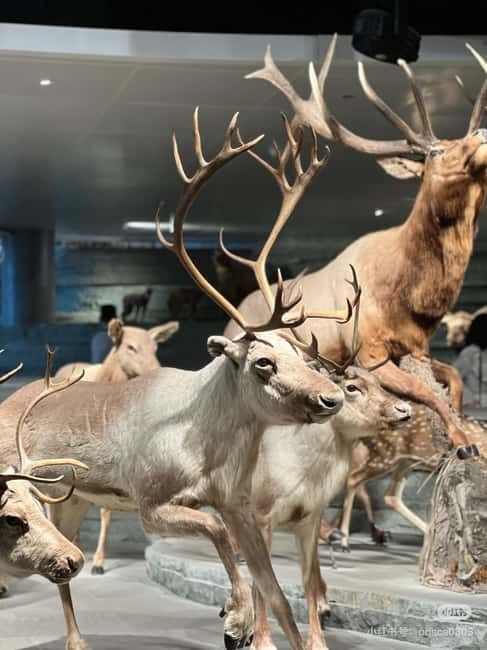
REVIEW · MUSEUMS
Shanghai: Natural Museum tickets with guide(optional)
Shanghai’s natural history museum is a calm escape from noise. You get 10 themed exhibition areas plus theater-style exhibits built for learning, and the whole place runs on a clear theme: nature and people can coexist. I also like how the ticket keeps you flexible, you can go at your own pace instead of rushing a scripted route. The one thing to consider is that food and drinks are not allowed inside, so you’ll want to plan where you eat after your visit.
You’ll start at 510 West Beijing Road in Jing’an District, in Jing’an Sculpture Park, and you’ll spend the day walking through big ideas using real specimens and models. The museum’s lineup covers the origin story of life, evolution, ecology, and even a “Shanghai Stories” section that connects science to where you are. With a small group and an optional English-speaking guide, it’s a good setup if you want help without being locked into a strict schedule.
In This Review
- Key highlights worth centering your day on
- Where Jing’an Sculpture Park meets science (and how to use it)
- Ticket value: what your $13 includes, and what it doesn’t
- Optional English guide, small group, and how that changes your day
- Entering the museum: start with the theme, then follow your curiosity
- Mystery of Origins and The Long River of Life: your opening chapters
- Earth Treasures, Diverse Life, and Ecological Wonders: nature at full volume
- Survival Wisdom and the Human and Nature Bond: why it matters to you
- Shanghai Stories and The Path to the Future: local context, future questions
- Five theater-style exhibits: use them for context, not as a replacement for walking
- Live breeding area (300 square meters): the part that feels real
- Education activities like Nature Exploration Camp and Drawing Nature
- Practical on-site tips for a smooth one-day museum visit
- Price and logistics: is $13 worth it for a full day?
- Who should book this museum ticket with an optional English guide?
- Should you book this Shanghai Natural History Museum visit?
- FAQ
- Do I get to explore the museum by myself?
- How long is the experience?
- What language is the guide?
- What do I need to bring?
- Are food and drinks allowed inside the museum?
- What is included in the price?
Key highlights worth centering your day on
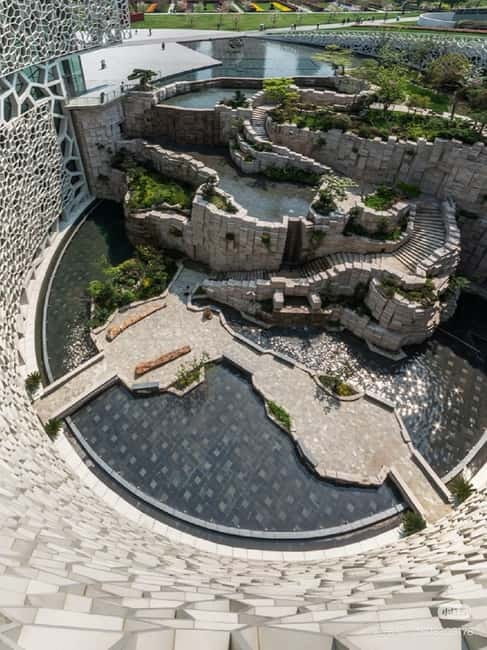
- Self-paced exploring across major exhibition zones instead of a race through highlights
- 10 themed halls that tell a connected story from origins to future
- Five theater-style shows that add context beyond static displays
- Live breeding area (300 square meters) for real, on-site nature behavior
- Over 11,000 specimens and models from seven continents
- Education extras like Nature Exploration Camp-style activities and Drawing Nature
Other Shanghai trips our reviewers kept returning to
- Shanghai Tower: Observation Deck Admission Ticket★ 4.6 · 373 reviews
- Shanghai: Circus World ERA Theatre Acrobatics Ticket★ 4.9 · 283 reviews
- Shanghai: Yu Garden Admission Ticket★ 4.6 · 260 reviews
- Shanghai Circus World ERA Theatre Acrobatics Ticket★ 5.0 · 95 reviews
Where Jing’an Sculpture Park meets science (and how to use it)
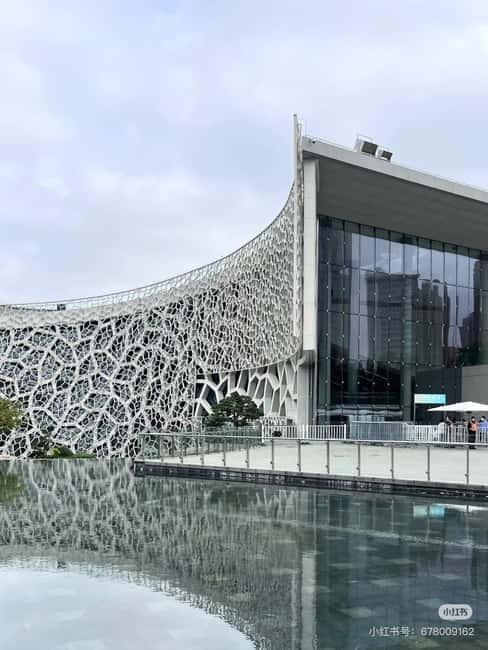
Getting to the Shanghai Natural History Museum is straightforward, because it sits in a known area, Jing’an Sculpture Park, at 510 West Beijing Road, Jing’an District. That matters because it reduces stress. You can focus on the visit, not the hunt for the entrance.
Also, the setting helps the vibe. You’re not stepping into a cramped “one room and done” museum. The building and education areas are large, which usually means the museum can spread out crowds and give you breathing room between zones.
If you’re pairing this with other Shanghai sightseeing, this museum is ideal as a full-day reset. Come early when your energy is high, then end with the sections that leave you thinking.
Ticket value: what your $13 includes, and what it doesn’t
This is a one-day admission-style experience with an information service fee included. For the price level, the value comes from the breadth: 10 exhibition areas, five theater-style exhibits, and a live breeding area, all backed by a big collection footprint.
What’s included:
- Admission ticket to Shanghai Natural History Museum
- Information service fee
What’s not included:
- Food
That last point is more important than it sounds. Since food and drinks are not allowed, you should mentally budget for a meal before you go in, or plan a clear stop after you exit. If you arrive hungry, you’ll feel it.
Optional English guide, small group, and how that changes your day
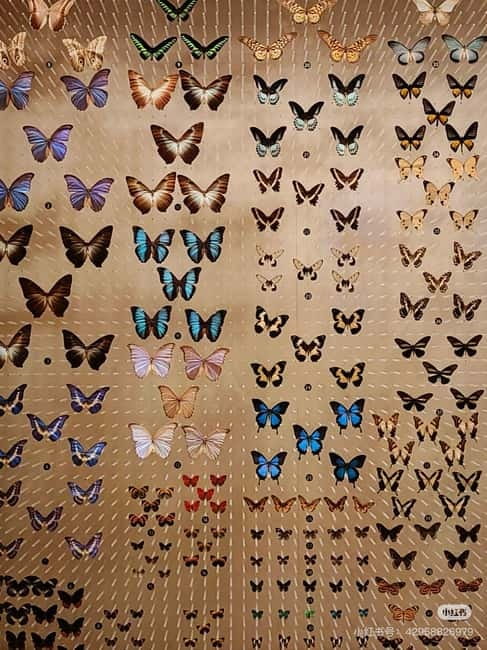
The experience includes a live English guide, but it’s labeled as optional. And the group is limited to 5 participants, which is a big deal for how the day feels.
In practice, a small group means:
- Less waiting around for people to catch up
- Easier conversations with the guide when you have questions
- A better chance to slow down in the rooms that actually hold your attention
The ticket also has a real-world detail you should not ignore: after booking, you’ll need to email the provider with your expected visit date, your full name (matching your passport exactly, including capitalization), and your passport number. This is one of those details that can cause last-minute headaches if you get sloppy with spelling.
If you have a real-name registered mobile number from mainland China, you can also buy tickets on your own through the WeChat mini program. So you’re not locked into this service if you prefer to manage everything yourself.
Entering the museum: start with the theme, then follow your curiosity
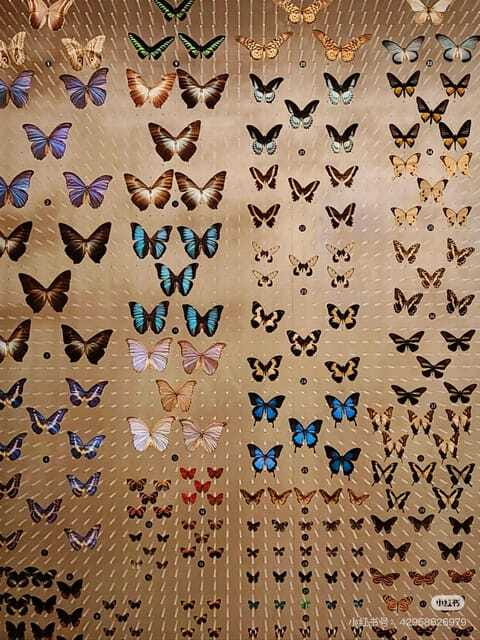
The museum’s overall theme is Nature, Humanity, Harmony. That theme is not just marketing copy. It shows up in how the exhibitions are organized: you’re not only looking at animals and artifacts. You’re also looking at how science explains life, how people fit into ecosystems, and how the future depends on what we learn now.
The museum covers:
- Origins and evolution
- Earth and ecosystems
- Survival strategies in nature
- The bond between people and the natural world
- A local, Shanghai-connected science thread
- A forward-looking view of where things might go next
I like this structure because it lets you build a “story brain.” If you hit the rooms in any random order, you still get the message. But if you go in a way that follows the logic, the exhibits start to connect in your head.
Other Shanghai trips our reviewers kept returning to
Mystery of Origins and The Long River of Life: your opening chapters
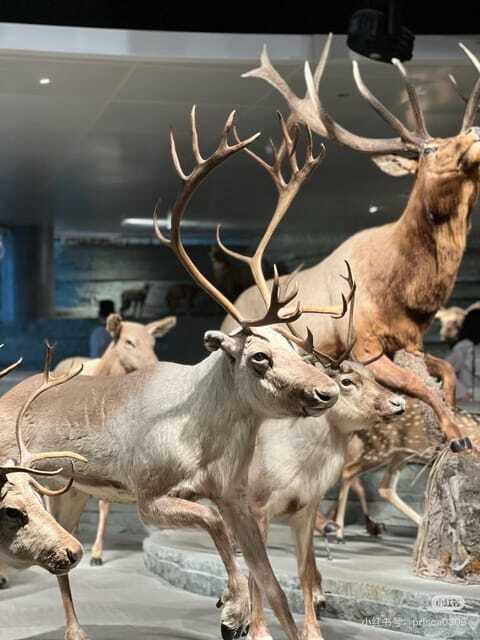
When you walk into a museum like this, you want momentum. These early areas are the best way to get it.
You can expect exhibition spaces such as:
- Mystery of Origins
- The Long River of Life
- Path of Evolution
Together, they help you understand life as a process. It’s not only about famous animals. It’s about how the museum frames the big questions: Where does life come from, how does it change over time, and why do some traits survive while others do not?
If you’re the type who gets impatient with purely explanatory signage, don’t worry. The museum leans on specimens and models, so you’re not stuck only reading. You can spend time looking, then switch back to the text when you need answers.
Tip: give yourself enough time in these opening areas. If you rush them, you miss the “why” behind the rest of the museum.
Earth Treasures, Diverse Life, and Ecological Wonders: nature at full volume
Next up are the sections that feel more like “the world in full color,” even when you’re staring at science models and preserved samples.
These exhibition areas include:
- Earth Treasures
- Diverse Life
- Ecological Wonders
This is where you start noticing scale. You move from the idea of life evolving to how life spreads, adapts, and interacts across different regions. The “Earth Treasures” angle is especially useful if you like connecting biology to geology, because it frames the planet as part of the story.
What I like most here is the balance. You’re not only looking at what exists. You’re also learning how living things function inside bigger systems, which is the kind of knowledge that makes later exhibits hit harder.
If you’re traveling with kids or teens, these are often the rooms where questions naturally pop up, because there’s so much variation to spot.
Survival Wisdom and the Human and Nature Bond: why it matters to you
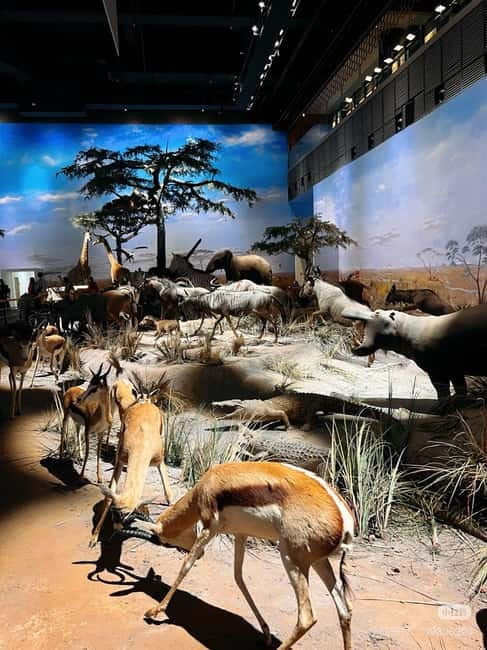
Some museum rooms are just interesting. These are the ones that feel relevant.
Look for:
- Survival Wisdom
- Human and Nature Bond
“Survival Wisdom” is the practical side of nature. It’s about strategies, tradeoffs, and the kinds of adaptations that let living things persist. And “Human and Nature Bond” brings the message back to people, with an emphasis on how nature and human life influence each other.
I like these halls because they shift you from “facts about nature” to “how to think about nature.” That’s the difference between a museum that entertains and one that teaches. Here, the theme is repeatedly reinforced: harmony is not passive. It’s based on understanding.
Shanghai Stories and The Path to the Future: local context, future questions
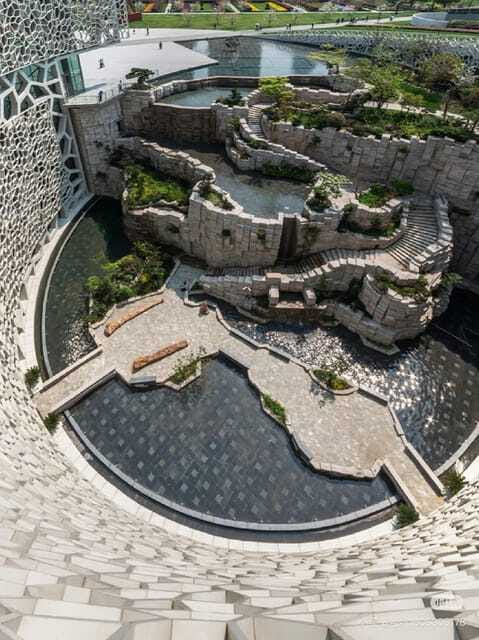
You end your logical loop with sections that connect the museum to the place you’re standing.
You’ll find:
- Shanghai Stories
- The Path to the Future
This is where science stops feeling like a separate subject and starts feeling like something connected to daily life. Even if you’re short on time, these areas are worth your attention because they show how research and technology link back to society.
“The Path to the Future” is particularly good for leaving with something besides a memory photo. You walk out thinking about responsibility and decision-making, not just what you saw.
Five theater-style exhibits: use them for context, not as a replacement for walking
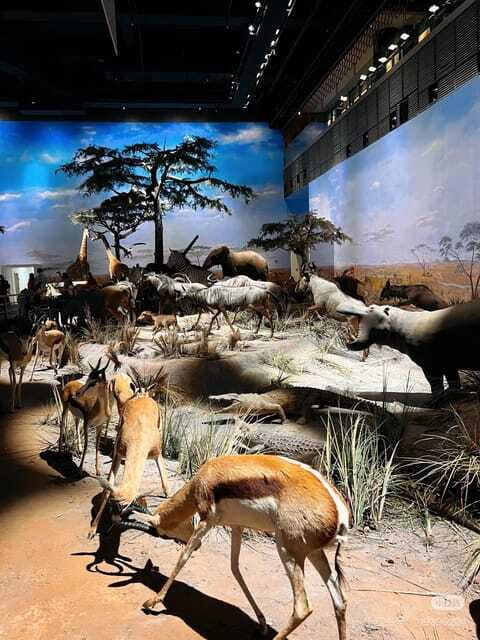
The museum includes five theater-style exhibits. This is a key part of the experience because theater shows often help tie together themes that can otherwise feel like separate exhibits.
I suggest using the theater stops strategically:
- If you get lost among rooms, a theater show can reset your understanding.
- If you love stories and visuals, these theaters can be your anchor points.
- If you are short on time, prioritize the theater shows after you’ve seen at least one major exhibition area, so you have a framework to understand what you’re seeing.
The goal is not to sit through everything without thinking. It’s to use the shows as a bridge between the objects, models, and themed halls.
Live breeding area (300 square meters): the part that feels real
One of the most exciting features is the 300-square-meter live breeding area. This isn’t only about display. It’s about living systems in motion, which changes how you interpret everything else you’ve seen.
When you get there, slow down a bit and watch behaviors rather than only scanning for animals. Look for how the environment supports life, and how the museum frames that in educational terms.
Also, this area is where museum rules matter most. Since smoking is not allowed and food and drinks are not allowed, treat the live area as a calm zone. Keep your hands to yourself, stay aware of others around you, and let the space do what it’s meant to do.
Education activities like Nature Exploration Camp and Drawing Nature
The museum also offers educational activities such as Nature Exploration Camp and Drawing Nature. Even if you are not there for a structured class, these activity concepts are still useful because they tell you what kind of learning the museum values.
What that means for you:
- There may be interactive moments that help explain concepts without heavy reading
- The museum is designed for engagement, not only looking
- Families often find a more hands-on rhythm here, which can help you keep the day from feeling exhausting
If you’re traveling solo, these activities can still work. Pop into an activity when it matches your interest, then return to the main halls with fresh questions.
Practical on-site tips for a smooth one-day museum visit
You’ll have a better day if you plan for the rules and the pacing.
Bring:
- Passport or ID card (required)
Plan around the restrictions:
- No food or drinks
- No smoking
Time and pacing:
- Since you’re exploring at your own pace, choose a rhythm. I like doing one major themed area, then a theater stop, then another themed area.
- If you feel tempted to rush, slow down in the rooms that answer your biggest curiosity. That’s where the museum clicks.
One more practical point: because the booking requires exact matching of your name and passport number, double-check your details before you send anything by email. It’s one of those boring tasks that can prevent a frustrating start.
Price and logistics: is $13 worth it for a full day?
At $13 per person, this ticket can be a strong value for a one-day visit because it includes more than basic entry. You’re paying for access to:
- A large museum building and education spaces
- 10 themed exhibition areas
- Five theater-style exhibits
- A live breeding area
- A collection scale of over 11,000 specimens and models across seven continents
- Information service support
The only added cost you’ll likely feel is food, since you can’t bring or eat inside. So do yourself a favor and plan your meal location outside the museum.
If you’re comparing this kind of experience to paying for separate attractions, this ticket wins on efficiency. In one visit, you get science, animals, models, and story-based learning tied together by the museum’s theme.
Who should book this museum ticket with an optional English guide?
This experience fits best if you:
- Want a self-paced museum day without total isolation
- Prefer English support for questions and interpretation, but not a strict schedule
- Like science that connects to real life, including the “Human and Nature” angle
- Are traveling with family and want educational activities alongside the main exhibits
- Have limited time in Shanghai and want a big museum that still feels manageable
It may be less ideal if you only want a quick highlights loop. This museum is structured for wandering and re-reading. Give it the time it asks for, at least mentally.
If you like to go deep on one or two themes, you’ll be happy here too. The exhibition areas are built as separate stops that still form a connected journey.
Should you book this Shanghai Natural History Museum visit?
I’d book it if you want a smart use of a day in Shanghai. The value is strong for the number of exhibition areas and the live breeding component, and the optional English guide gives you help without forcing a rigid route. With the small group size and a ticket format that lets you explore at your own pace, it suits both first-timers and repeat museum-goers.
Book it when:
- You want a calm science day with real objects and clear themes
- You’re okay planning around the no food and no drinks rules
- You want English guidance for questions, especially in the more concept-heavy exhibits
Skip it if:
- You only have an hour or two, or you want a purely outdoor, moving-around itinerary
- You prefer to carry snacks and stay flexible with eating on the spot
If you’re looking for a day that feels educational, grounded, and still enjoyable, this museum visit is a solid choice. The place is built for learning with your feet moving, your eyes working, and your curiosity kept alive.
FAQ
Do I get to explore the museum by myself?
Yes. You can explore the Shanghai Natural History Museum at your own pace, while the option of a live English guide is available.
How long is the experience?
It’s valid for 1 day. You’ll check availability to see starting times.
What language is the guide?
The live tour guide is in English.
What do I need to bring?
You should bring a passport or ID card.
Are food and drinks allowed inside the museum?
No. Food, drinks, and smoking are not allowed.
What is included in the price?
Your ticket price includes admission to the Shanghai Natural History Museum and an information service fee. Food is not included.
More Guided in Shanghai


More Tickets in Shanghai


More Tour Reviews in Shanghai


Shanghai, reviewed one booking at a time
- Zhujiajiao Water Town and Shanghai City Highlights Private Day Tour
★ 5.0 · 3 reviews - Zhujiajiao Water Town Private Tour with Local Farm Visit and Fruit Picking
★ 5.0 · 3 reviews - Tongli Water Town Self-Guided Tour with Private Transfer from Shanghai
★ 5.0 · 3 reviews - Shanghai by Night with Fine Local Dinner and VIP River Cruise Experiences
★ 5.0 · 3 reviews - Shanghai Acrobatic Show Tickets
★ 5.0 · 3 reviews - Private Shanghai Layover Tour to Zhaojialou Water Town with Lunch or Dinner
★ 5.0 · 3 reviews
Museums, compared.
 ★ 4.6Beijing: Tianmen Square, Forbidden City & Royal Museum ToursFrom $41,288 reviews
 ★ 5.0Half-Day Mini Group Xian Tour to Terracotta Warriors MuseumFrom $49467 reviews
 ★ 4.5Beijing:Jingshan Park (Palace Museum Garden) TicketFrom $6185 reviews
 ★ 5.0Private Chengdu Day Tour: Giant Pandas and Jinsha Site MuseumFrom $169142 reviews
 ★ 5.0Private Xi’an Tour: Terracotta Warriors, Hanyangling Museum, Cave HomesFrom $175101 reviews
 ★ 4.5Xi’an: Terracotta Army Museum Group TourFrom $2085 reviews
 ★ 5.0Beijing Half Day: National Museum of China In-depth Tour with Subway TransferFrom $11470 reviews
 ★ 4.5Terracotta Warriors Museum Ticket with Professional English-speaking tour guideFrom $4553 reviews
Browse the lists this tour appears in