
REVIEW · CHINESE COOKING CLASSES & DUMPLING MAKING
Beijing: Dumpling-Making Class with wet Market visit
One wet market stop can change how you see Chinese food. This 5-hour experience pairs a local family kitchen lesson with a guided look at the ingredients that make dumplings, sauces, and home-style dishes tick. You’ll get hotel pickup (optional) and an English guide, then cook with a host family and end with tea drinking and chat.
Two things I like a lot: the market visit is not just photo time, it’s a real ingredient lesson you can use at restaurants later, and the dumpling class is hands-on, from preparing fillings to folding your dumplings until they actually look like dumplings. A guide can make or break a day, and the energy here has strong examples, including guides like May, Sonia, and Peter, who were praised for keeping explanations clear and the vibe relaxed.
One consideration: timing may run shorter than the listed 5 hours, so don’t schedule tight plans right after. Also, if you have food allergies, this may not be the best fit since it is not suitable for people with allergies.
In This Review
- Key highlights you will actually use
- Shaoyaoju pickup to a real wet market start
- Walking the wet market with ingredient-focused eyes
- Inside the family home: dumpling skills you can repeat
- Choosing your extra dishes: Kung Pao and more
- Tea time and table talk that makes the day feel human
- Guide energy: why May, Sonia, and Peter keep showing up
- Price and value: is $50 a good deal?
- Timing reality check: the 5-hour plan and the practical buffer
- What to bring, and what to watch out for
- Who should book this Beijing dumpling and wet market experience?
- Should you book it?
Key highlights you will actually use
- Wet market ingredient walk focused on what Chinese cooks buy and why
- Family-style dumpling training from filling to folding practice
- Tea tasting with real favorites like lychee and fruit teas, not just one random cup
- Choose your extra dishes including Kung Pao Chicken and Sour Sweet Pork
- Dinner-table cultural chat with your hosts over shared food
Still weighing it up? These Tianjin bookings scored well when we went through them.
- Private Great Wall Tour from Tianjin Cruise Port★ 5.0 · 8 reviews
- Shore Excursion: 2-Day Private Beijing Sightseeing Tour from Tianjin Cruise Port★ 5.0 · 6 reviews
- Private Transfer: Tianjin Xingang International Cruise Home Port to Beijing Hotel★ 5.0 · 6 reviews
- Private Full-Day Classic Beijing Shore Excursion by Bullet Train from Tianjin★ 5.0 · 6 reviews
Shaoyaoju pickup to a real wet market start
This tour is built around a simple idea: you learn Chinese food better when you see the ingredients first, then handle them yourself. You can either meet at the subway or get picked up. The meeting point is Subway Line 10 at Shaoyaoju Station, exit A. If you’re staying downtown, pickup may be available at your hotel, and the experience includes private transportation between stops.
I like this structure because it lowers stress. You’re not trying to navigate the market with a map in one hand while everyone else grabs bags of ingredients with the other. Instead, you’re traveling with an English guide who can point out what matters, then you get dropped right where cooking starts.
One note for planning: the stated duration is about 5 hours, but it can feel more compact depending on how the day flows. If you have dinner reservations, leave breathing room. This is a hands-on class, so you want a little buffer rather than racing the clock.
Walking the wet market with ingredient-focused eyes
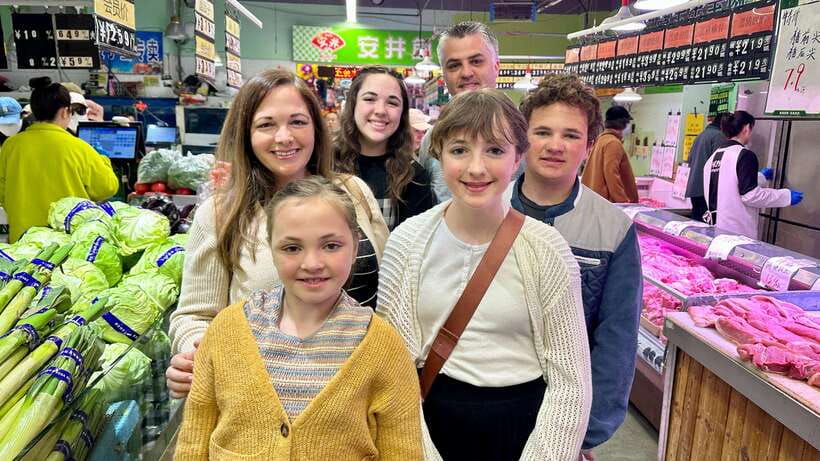
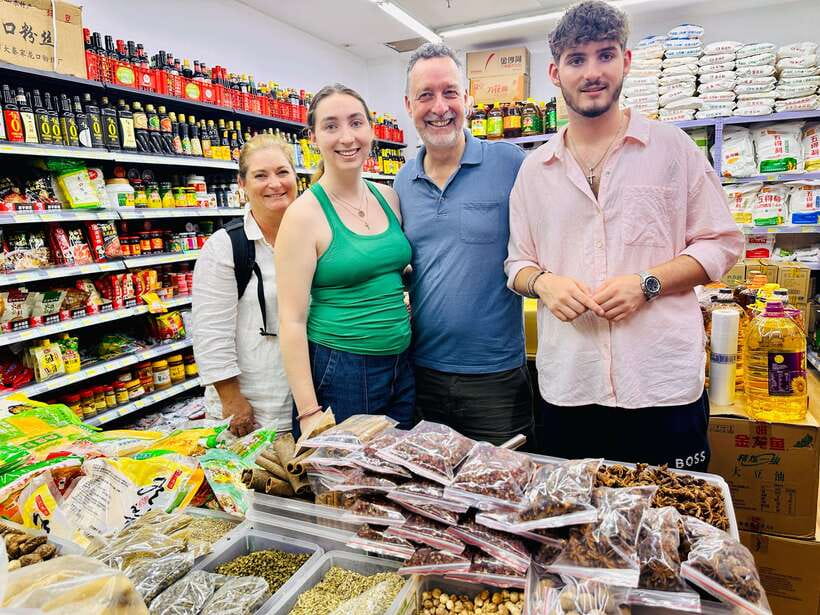
The wet market part is where a lot of the magic starts. You’ll head to a local market and get guided through the kinds of produce, spices, and ingredients people use in everyday Chinese cooking. The best thing here is the explanation style. It’s practical. You’re not just told what things are called, you’re helped connect ingredients to dishes.
From what stands out in the experience, people tend to notice colors and variety fast. Fruit and spice displays can look completely different from what you’d find in a Western grocery store. That matters because Chinese cooking uses ingredients in flexible ways, and learning the ingredient landscape gives you a mental map for later. Even if you never cook at home, you’ll be more confident ordering in Beijing.
You’ll also pick up small cultural signals. Markets are where people shop close to home, and that rhythm shows how food fits into daily life. When a guide points out what people buy and how it looks, you get a sharper sense of what feels normal to locals.
Practical tip: wear comfortable clothes and expect some walking. Markets can be close quarters. If you’re sensitive to strong smells, keep that in mind and take slow breaks when needed.
Inside the family home: dumpling skills you can repeat
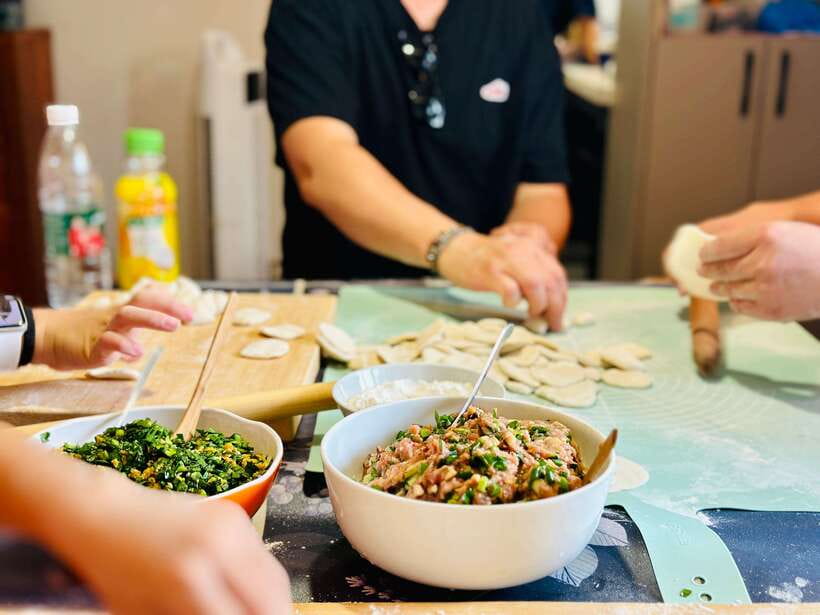
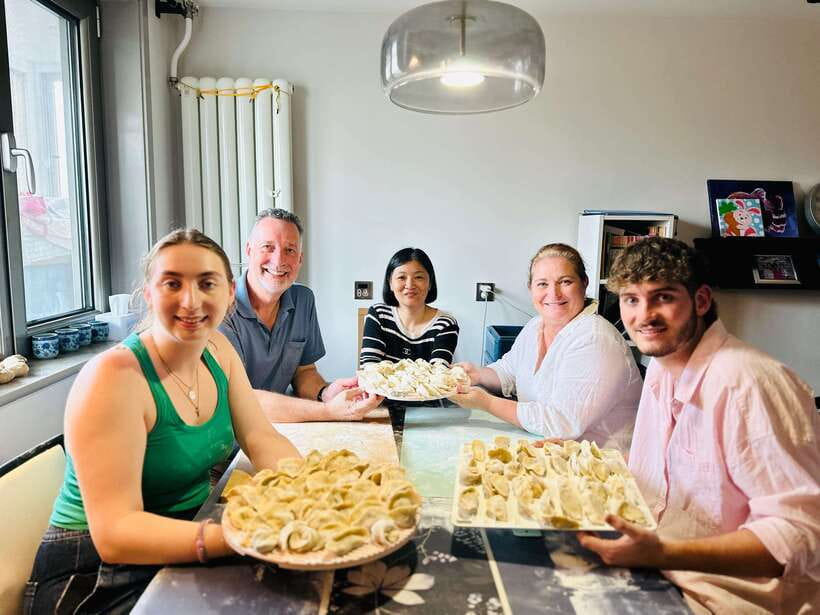
Then comes the part most people sign up for: dumplings in a local family home. The experience goes beyond watching someone else cook. You’ll prepare fillings and dumpling wrappers, then practice folding dumplings with your hosts. The goal is not perfection. It’s learning a method that makes sense, so you can replicate it later.
You’ll typically start with the filling, which is where Chinese dumpling flavors come from. Getting a hands-on chance to mix or portion filling teaches you how thick, seasoned, and balanced it should feel. After that, you work with the wrappers. If you’ve only eaten dumplings and never folded them, this is where the learning really lands. Your hands will feel the dough’s texture and you’ll understand why certain folds are easier than others.
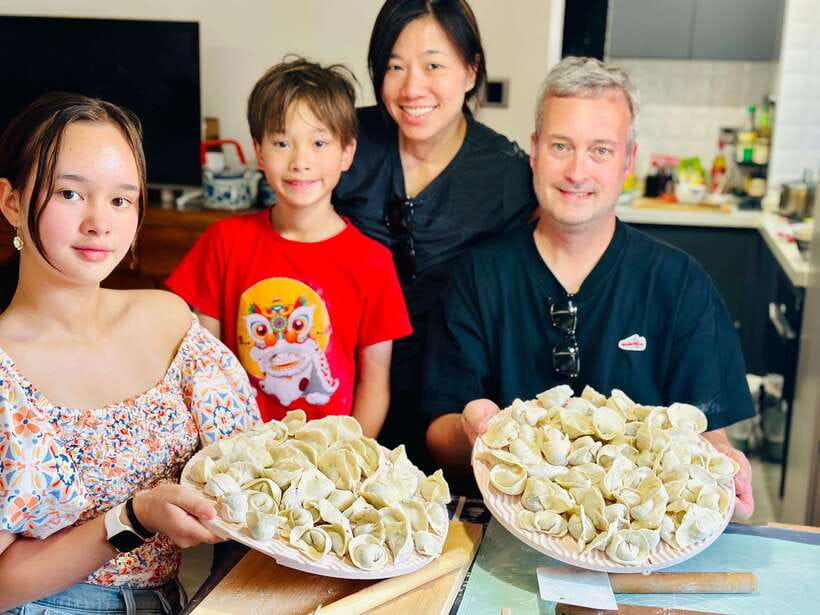
Folding is also where the experience becomes fun. The hosts show you what to aim for, then you practice until you can make dumplings that look presentable. One of the strongest themes in the feedback is that the teaching is engaging, with a teacher who explains clearly and keeps the session light and rewarding.
And the setting matters. This is not a commercial cooking studio. It’s a family home, so the pace feels more personal. You get to see how meals are part of everyday life, not just a one-off performance for tourists.
If you’re cooking with a group, you might be working at your own pace while your hosts circulate. If you choose private, you can usually get more attention on your specific dumpling folding and portioning.
Choosing your extra dishes: Kung Pao and more
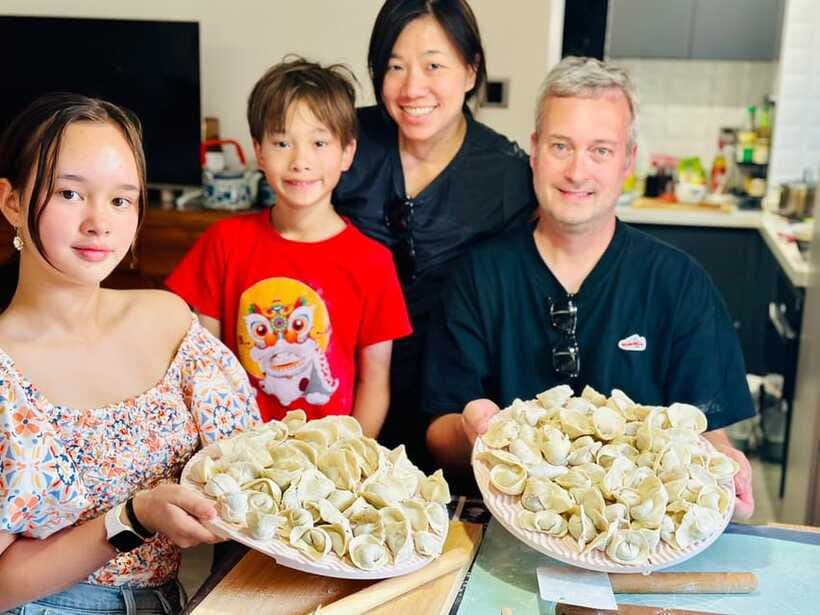
Dumplings are the anchor, but you often have a choice to cook additional dishes. The options mentioned include Kung Pao Chicken, Sour Sweet Pork, scrambled egg with tomato, sauteed soy sauce cabbage, and green bean pork.
This choice is a smart value add. Beijing menus can feel overwhelming at first, especially if you don’t know how dishes differ beyond the basics. Cooking a second or third dish helps you learn the building blocks: how flavors balance, how sauces cling, and how common ingredients behave in hot pans.
Kung Pao Chicken is a popular pick because it teaches stir-fry rhythm and sauce behavior. You learn how the dish gets its familiar sweet and savory pull, and you’ll likely notice how peanuts and aromatics shape the overall flavor. If you pick something like scrambled egg with tomato, you get a different lesson, more about softness, timing, and simple comfort cooking.
Sour Sweet Pork can be a fun curveball if you’ve only had it in restaurants where the texture and tang can vary widely. Sauced cabbage or green bean pork also help you understand how everyday vegetables and proteins get treated in home kitchens.
Practical tip: you can arrive with a small preference list. If you want Kung Pao Chicken specifically, mention it when booking so your schedule aligns with that option.



Tea time and table talk that makes the day feel human
After the cooking, you’ll share a meal with your hosts and usually drink tea. Tea tasting is not always a throw-in on cooking tours, and that’s exactly why it stands out here. You can sample tea and chat, and the explanations help you connect tea to food culture rather than treating it as a separate activity.
One of the most praised parts is the tea experience, with people calling out lychee and fruit teas as personal favorites. That’s a helpful detail if you’re a tea drinker who wants something fun and slightly different from plain green tea.
The conversation component matters too. You’ll learn about your hosts’ lives, and you’ll have a chance to share your own experiences. That back-and-forth is where the tour becomes more than a skill workshop. You leave with stories, not just recipes.
Tone note: this is a relaxed, chat-forward segment. If you’re shy, you can listen and still learn. If you’re curious, ask about what ingredients you saw at the wet market and how they translate into the dishes you cooked.
Guide energy: why May, Sonia, and Peter keep showing up
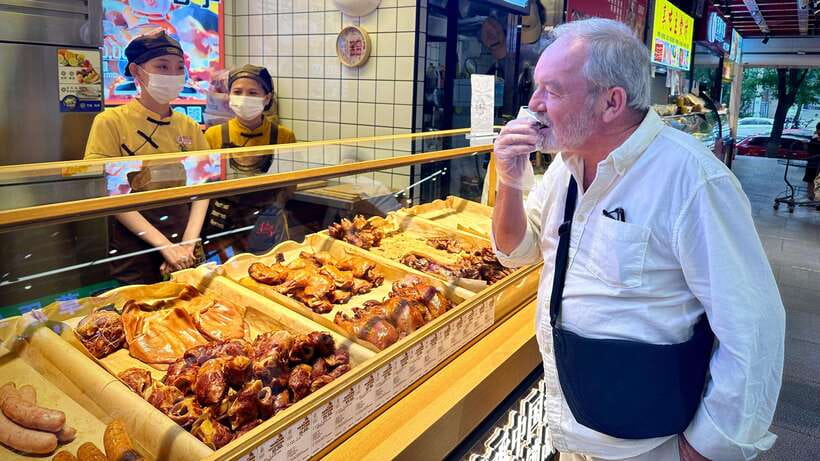
The tour runs with live English guidance, and the guide personality plays a major role. Several feedback comments highlighted guides by name, including May, Sonia, and Peter, who were praised for being friendly, funny, talkative in a good way, and engaging without turning the day into a lecture.
That matters for two reasons. First, wet market learning relies on quick explanations. You’ll be able to follow better when a guide can switch between ingredient names, uses, and cultural context on the fly. Second, dumpling cooking needs encouragement. You’ll improve faster when someone keeps the mood light and makes corrections without making it feel stressful.
If you care about clarity, look for the guide who gives you enough context to make choices. That’s one reason the tea tasting and market walk tend to land well. When explanations connect, you remember more.
Price and value: is $50 a good deal?
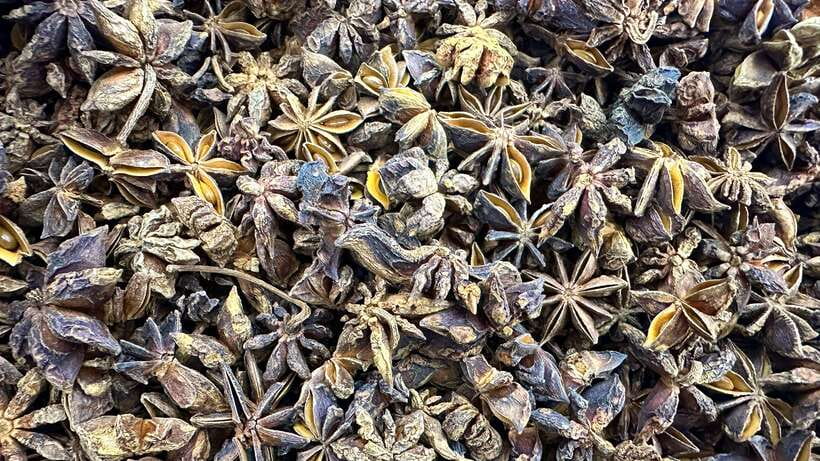
At $50 per person, this is a format that can feel like good value, mainly because of what’s included and how personal it is. You’re not just paying for a class. You’re paying for:
- hotel pickup and drop-off (optional)
- private transportation
- a local family visit
- a market tour
- dumpling-making time plus instruction
- lunch or dinner with local dishes
- a tea drinking experience
If you tried to recreate this on your own in Beijing, the hardest parts would likely be finding the right home setting, getting structured dumpling instruction, and arranging both a market walkthrough and a full meal afterward. Even if you did manage a cooking studio class, you’d miss the wet market ingredient perspective that helps you make sense of what you’re eating.
Is it perfect value for everyone? Not always. If you’re super time-focused and want only dumplings, this format can feel like you’re doing more than you planned. But if you want a richer cultural and food-focused day, the cost-to-experience ratio holds up.
Timing reality check: the 5-hour plan and the practical buffer
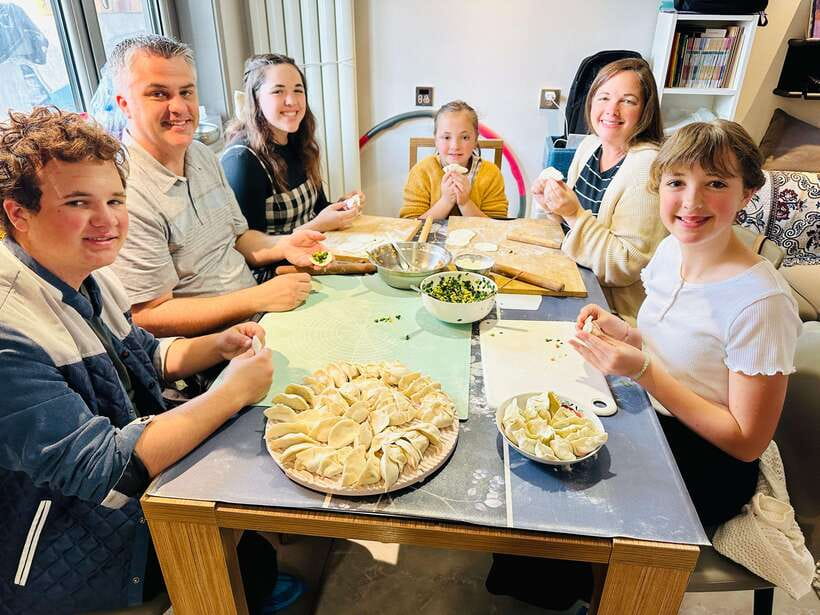
The duration is listed as 5 hours, but there can be variation in how the day is paced. One key consideration is that you might finish in less time than expected, so it’s smart to plan a flexible schedule.
Here’s how I’d plan around it:
- Schedule something low-pressure for the rest of the day.
- If you must book dinner, choose a time that gives you wiggle room.
- Keep your next activity within walking distance or easily reachable by transit.
This tour combines movement (hotel to market, market to home) with hands-on cooking, and both can change based on group size and how quickly people get comfortable. Private or small group formats can sometimes flow differently than larger ones.
Also remember that food allergies are a deal breaker for this experience. If you have dietary restrictions, advise them at booking.
What to bring, and what to watch out for
What to bring is simple, and that’s good news. Wear comfortable clothes. You’ll be in a market environment and then moving around in a home kitchen. Closed shoes are usually the safest bet.
The information also says to bring ingredients, which is unusual phrasing for a tour. What you can do is ask your guide what you need to bring beyond yourself. When in doubt, follow the booking instructions and confirm details. The safest approach is to be prepared to bring what the organizer requests, even if it feels counterintuitive.
Also note what’s not allowed: smoking is not permitted.
If you have dietary requirements, you should provide them during booking. And if you have any food allergies, this is not suitable.
Children must be accompanied by an adult. That’s a practical point because dumpling making, kitchen spaces, and the market environment require adult supervision.
Who should book this Beijing dumpling and wet market experience?
Book this tour if you:
- love food and want to learn why ingredients matter, not just what to eat
- want dumpling-making practice with a local family, not a generic demo
- enjoy tea tasting and cultural conversation
- like structured guidance in English and prefer small group or private options
This is especially good for people who feel stuck when reading Beijing menus. You’ll come away with a clearer sense of ingredient relationships, plus cooking skills that connect directly to what you eat.
Skip it if you:
- have food allergies
- need a strictly timed schedule with no flexibility
- want only the fastest possible activity without the market and tea segments
Should you book it?
If your ideal Beijing day includes a hands-on cooking lesson, a real wet market ingredient walk, and a calm tea-and-chat finish, I’d say yes. The biggest strength is that the experience treats food like a system: ingredients first, then cooking technique, then a shared meal. With guides like May, Sonia, and Peter bringing positive energy, you’re likely to leave with both practical dumpling skills and a stronger feel for how everyday Chinese meals are built.
Just book with a little schedule breathing room, and be honest about dietary limits. If those boxes fit, this is a great way to spend a half day in Beijing that actually changes how you understand dinner.
More Tour Reviews in Tianjin





Tianjin, reviewed one booking at a time
- Private One Way Tianjin Port Transfer to Beijing including Great Wall Sightseeing
★ 5.0 · 4 reviews - Tianjin Shore Excursion: Mutianyu Great Wall Trip with English Speaking Driver
★ 5.0 · 5 reviews - Tianjin Private Day Trip to Forbidden City and Mutianyu Great Wall by Bullet Train
★ 5.0 · 5 reviews - Shore Excursion: 2-Day Private Beijing Sightseeing Tour from Tianjin Cruise Port
★ 5.0 · 6 reviews - Private Transfer: Tianjin Xingang International Cruise Home Port to Beijing Hotel
★ 5.0 · 6 reviews - Private Full-Day Classic Beijing Shore Excursion by Bullet Train from Tianjin
★ 5.0 · 6 reviews
Chinese Cooking Classes & Dumpling Making, compared.
 ★ 4.4Xi’an: Great Tang Dynasty Night Show & Dumpling Meal OptionFrom $34177 reviews
 ★ 4.5Xi’an Tang Dynasty Show Ticket Optional Dumplings or Royal DinnerFrom $3775 reviews
 ★ 4.7Beijing: Dumpling Making Workshop with Meal and TeaFrom $3569 reviews
 ★ 5.0Online Cooking Class Beijing Dumplings and Cuisine by Sunflowerli Renowned ChefFrom $2065 reviews
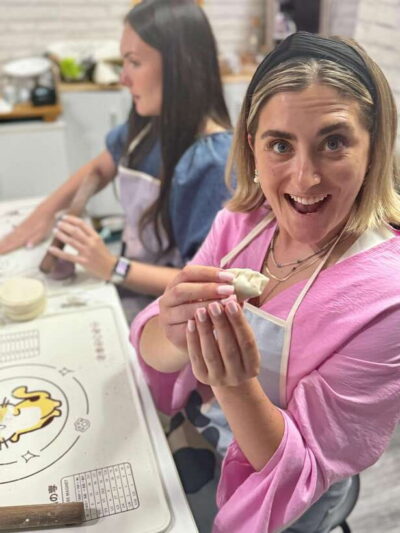 ★ 4.9Shanghai-Cooking Dumpling & Meal in Local Family-w/VeganFrom $8236 reviews
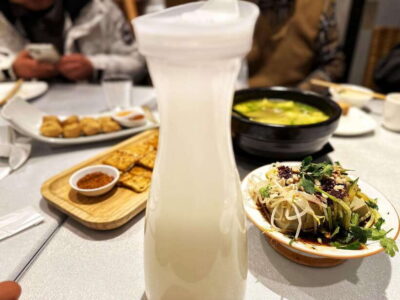 ★ 4.9Beijing Hutong Food Crawl Delights: Peking duck, Hotpot&MoreFrom $8032 reviews
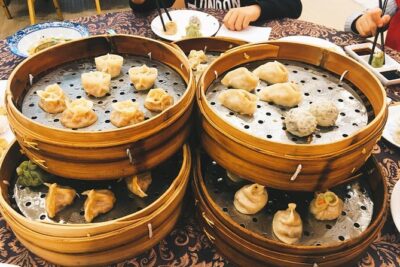 ★ 4.5Skip the Line: Xi’an Tang Dynasty Show Ticket & Dumpling Dinner or Royal BanquetFrom $3728 reviews
 ★ 4.0Xi’an Dumpling Banquet and Tang Dynasty ShowFrom $10121 reviews
Browse the lists this tour appears in