
REVIEW · CHINESE COOKING CLASSES & DUMPLING MAKING
Online Cooking Class Beijing Dumplings and Cuisine by Sunflowerli Renowned Chef
Cooking dumplings from Beijing, in your kitchen.
This private online class brings Chinese comfort food to life with Chef Miss Li guiding you live from Beijing, and tailoring the lesson to your level and your schedule. You can pick the dish, cook at your own pace, and stay in your time zone without the travel hassle.
I especially like the way you get a full ingredients list before you start, which gives you time to shop and swap. The class also supports vegan options, so you do not have to build the meal from scratch yourself.
One consideration: ingredients are not included, so your results depend on what you can find locally. If your kitchen setup is limited or you are missing key staples, you may need to improvise with the substitutions provided.
In This Review
- Key highlights to know before you cook
- Beijing dumplings, taught live on Zoom (and why it feels real)
- Pick your dish: dumplings, noodles, dim sum, and full menu options
- Before class: the ingredients list arrives early, and that changes everything
- What actually happens during the 60 to 90 minutes
- Dumplings and noodles: the techniques you practice in real time
- Dumplings
- Hand-pulled noodles
- Beyond dumplings: fried rice, wonton, buns, and stir-fry basics
- Price and value: why $20 makes sense for a private teacher
- Who this class fits best, and who might want something else
- Practical tips so your class goes smoothly
- The vibe: warm teaching, real corrections, and lots of engagement
- FAQ
- FAQ
- How much does the Beijing dumpling and Chinese cuisine cooking class cost?
- How long is the class?
- Is it private or shared with other people?
- What platform is used to teach the class?
- Do I get the ingredients included?
- Are vegan options available?
- What cooking classes can I choose from?
- Can I reschedule for my time zone or personal schedule?
- What are the cancellation terms?
- Should you book this Zoom cooking class from Beijing?
Key highlights to know before you cook
- Chef Miss Li teaches live from Beijing on Zoom, with a private, group-based setup for your schedule
- Ingredients list arrives three days ahead, so you can shop calmly before cooking night
- Multiple dish choices, including dumplings, hand-pulled noodles, dim sum, fried rice, and more
- Vegan options are available, with dietary questions asked in advance
- Recipes are made from scratch, not “heat and assemble” cooking
- Video is well set up (including a two-camera approach mentioned in feedback)
More kitchens to fold dumplings in
- Beijing: Dumpling Making Workshop with Meal and Tea★ 4.7 · 69 reviews
- Online Cooking Class Beijing Dumplings and Cuisine by Sunflowerli Renowned Chef★ 5.0 · 65 reviews
- Beijing Hutong Food Crawl Delights: Peking duck, Hotpot&More★ 4.9 · 32 reviews
- 4-Hour Private Beijing Hutong Bike Tour with Dumpling Lunch★ 5.0 · 13 reviews
Beijing dumplings, taught live on Zoom (and why it feels real)
If you have ever watched Chinese cooking videos and thought, I can make this at home, this class is built for that moment. It runs on Zoom, so you cook in your own kitchen while Chef Miss Li demonstrates in real time from Beijing, China.
What makes it work is the teaching style. The class is private, so you are not competing with a dozen other people’s questions. It also adapts to your level, which matters because dumplings and noodles are technique-based, not just ingredient-based.
And yes, the price is surprisingly accessible for a private teacher. At $20 per person, it is a practical way to “visit Beijing” through food without paying for a flight.
Pick your dish: dumplings, noodles, dim sum, and full menu options
The class is not limited to one recipe. After you schedule, you choose from a menu of options, including dumplings, hand-pulled noodles, fried rice, dim sum, wonton, lo mein, dandan noodles, steamed buns, sesame chicken, chicken broccoli, orange chicken, mapo tofu, and kung pao chicken. Vegan options are also available across the theme.
That variety is a big deal. If you want dumplings, you can focus on the wrapping and steaming process. If you prefer something quicker and more wok-friendly, you can go for fried rice or a stir-fry style class like kung pao chicken or chicken broccoli.
It also means you can match the class to the kind of night you want. For a Chinese New Year style evening, dumplings or buns make a lot of sense. For a cozy “learn to noodle” night, the hand-pulled noodles class is a great fit.
Before class: the ingredients list arrives early, and that changes everything
Most online cooking classes rush you into the kitchen. This one gives you lead time. You receive a full ingredients list three days in advance, which gives you time to shop and plan.
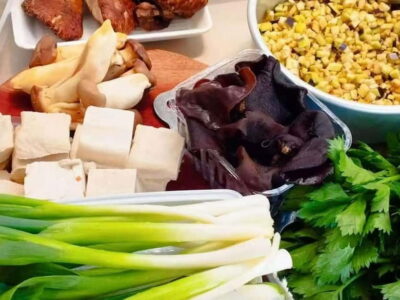
In practice, that helps in two ways. First, you can locate specialty items without panicking an hour before class. Second, you get time for substitutions, which shows up in real feedback about how Chef Miss Li discusses what to do if you cannot find everything.
If you are traveling with limited grocery access, this advance notice is your friend. You can prepare at home, or even partially prep ingredients so the class becomes hands-on rather than a scramble.
What actually happens during the 60 to 90 minutes
Classes run about 60 to 90 minutes, with a typical duration around 1 hour 30 minutes. You join Zoom, and Chef Miss Li guides the steps live. The pace is geared to your schedule and your level, and you can change the timing if needed to fit your time zone.
One thing I really value in a live class is how clearly the teacher can show the critical moves. Feedback highlights a well-equipped setup, including a two-camera approach. That matters for techniques like shaping dumplings, handling dough, and watching texture cues.
While cooking, Chef Miss Li also shares anecdotes and context around meals and family traditions. That sounds like fluff until you realize it gives your food meaning. You learn not just how to cook, but why the dish is built the way it is.
Other Beijing trips our reviewers kept returning to
Dumplings and noodles: the techniques you practice in real time
Let’s talk about the big ticket dishes that people keep picking. Dumplings and hand-pulled noodles come up again and again, and for good reason. They are hands-on, skill-based, and very teachable over video.
Dumplings
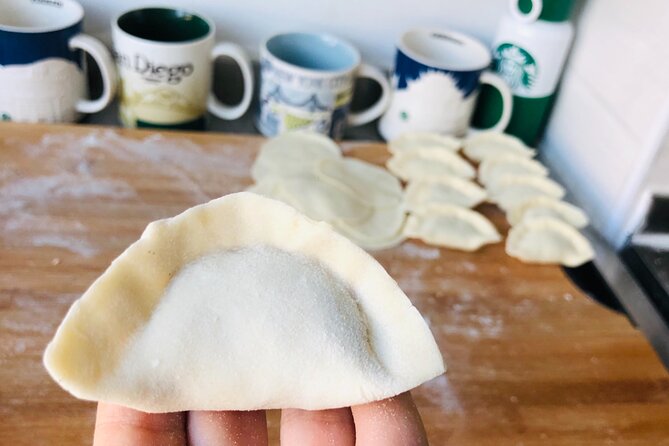
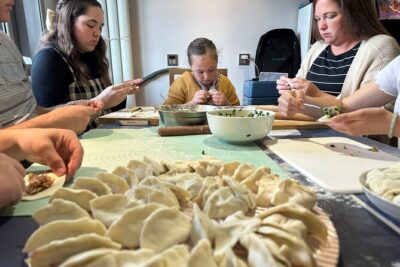
In a dumplings class, you focus on making from scratch and building the wrapped pieces correctly. Feedback notes great results even when shapes were not perfect, because flavor and technique were still there. If you care about looks, you get coaching for making them prettier. If you care more about taste, you still come away proud.
There is also a clear seasonal angle in how Chef Miss Li approaches tradition. People mention the class as a fun Chinese New Year activity, which makes dumplings feel like an event, not just a meal.
Hand-pulled noodles
The hand-pulled noodles class is a different kind of challenge. You learn the dough handling and the rhythm of pulling and working it into noodles. The class runs long enough that you can actually feel progress, and feedback repeatedly calls out how fast the time passes during the session.
If you like the idea of learning something that feels both craft and comfort food, noodles are a smart choice. You are doing technique, not just pouring sauce.
Beyond dumplings: fried rice, wonton, buns, and stir-fry basics
Even if you choose a different dish, you still get the same core benefits: from-scratch cooking, live instruction, and a tailored experience.
Here is how the other categories tend to play out, based on the menu options and the examples people mention:
- Steamed buns: a method-focused class where you pay attention to dough behavior and forming before steaming
- Wonton: similar to dumplings in that shaping matters, but the dish is its own recipe identity
- Fried rice and lo mein: timing and texture matter, so watching the process live helps
- Kung pao chicken, sesame chicken, orange chicken: you learn the balance between sauce and coating, plus when to stop cooking so it stays tasty
You also get a consistent culture-and-food context, not just a recipe read-through. That keeps the class from feeling like a subscription to instructions you would find anywhere else.
Price and value: why $20 makes sense for a private teacher
At first glance, $20 per person for an online class sounds almost too good. The value comes from two things: private coaching and the prep support.
You are paying for:
- a private cooking teacher
- live guidance on technique
- a tailored class based on level and scheduling needs
- a three-days-ahead ingredients list
- vegan options if needed
Also, the class is designed to be efficient. You do not waste time watching generic content. You cook with instruction for a set period, around 60 to 90 minutes, and you leave with a meal you made.
Could you find free dumpling videos online? Sure. But getting real-time feedback, cultural context, and a structured lesson is what you are really buying.
If you are cooking for two, the per-person price still keeps it affordable. And if you are a small group, the private setup is a nice way to keep everyone involved.
Who this class fits best, and who might want something else
This class is a strong match for:
- couples who want a fun date-night at home
- families cooking together, including kids when an adult accompanies them
- anyone who wants a structured first step into Chinese cooking without guessing
- people who enjoy learning by watching someone correct technique
It may be less ideal if:
- you cannot access the ingredients listed (since ingredients are not included)
- you want a hands-off experience where you only assemble ingredients
- you are uncomfortable standing and cooking with a moderate physical requirement
If you are okay doing a little prep and following steps closely, you are exactly the audience.
Practical tips so your class goes smoothly
These are the small things that make a difference in live cooking classes.
First, treat the ingredients list like your plan for success. Shop early, and be ready to use substitutions if needed. If you are missing an ingredient entirely, tell Chef Miss Li through the class setup or during your dietary communication so you can adjust in a sensible way.
Second, clear your counter space. You are moving between prep, cooking, and shaping, and video teaching works best when your workspace is organized.
Third, do not chase perfection. Feedback about dumplings notes that even when shape was not picture-perfect, taste was still excellent. The goal is learning technique, not producing a flawless dumpling factory on your first try.
Finally, be ready to ask questions. Since it is private for your group, you can actually get targeted help instead of waiting for a general Q&A.
The vibe: warm teaching, real corrections, and lots of engagement
The best part of the class is the teaching energy. Feedback highlights Chef Miss Sunflowerli, also referred to as Sunflower Li, as warm, patient, and attentive. People note that she explains steps clearly, and she corrects small mistakes while keeping the mood upbeat.
That matters because dumplings and noodles can feel tricky at first. When a teacher stays calm and guides you through errors, you keep confidence. And when you learn something as physical as dough handling, confidence changes your results.
There is also a social side. People mention cooking together as a couple and also for groups, like a party of six for learning steam buns. If you have a small circle, this is a nice way to share an experience without leaving home.
FAQ
FAQ
How much does the Beijing dumpling and Chinese cuisine cooking class cost?
It costs $20.00 per person.
How long is the class?
It runs about 1 hour 30 minutes on average, and classes are usually between 60 minutes and 90 minutes.
Is it private or shared with other people?
It is private. Only your group will participate.
What platform is used to teach the class?
The class runs on Zoom.
Do I get the ingredients included?
No. Cooking ingredients are not included.
Are vegan options available?
Yes. A vegan option is available.
What cooking classes can I choose from?
You can choose from options such as hand-pulled noodles, dumplings, fried rice, dim sum, wonton, sesame chicken, chicken broccoli, lo mein, dandan noodles, steamed buns, orange chicken, and you can also cook dishes like mapo tofu or kung pao chicken. Vegan options are also available.
Can I reschedule for my time zone or personal schedule?
Yes. Timing and scheduling are flexible, and the class time can be changed to suit your schedule and time zone.
What are the cancellation terms?
You can cancel for a full refund if you cancel at least 24 hours before the experience start time. If you cancel less than 24 hours before, you will not be refunded. Free cancellation applies.
Should you book this Zoom cooking class from Beijing?
If you want hands-on Chinese cooking instruction with a real teacher, I think you should book it. The mix of private coaching, a three-day-ahead ingredients list, and dish choices like dumplings and hand-pulled noodles makes the $20 price feel fair instead of bargain-ish.
Book it if you are ready to shop for ingredients and follow steps closely. Skip it only if you are hoping for a low-effort, ingredient-provided class, because you will handle your own cooking supplies.
If you pick a dish you genuinely want to eat, this is one of the easiest ways to make Chinese food part of your week, right from your kitchen.
More Cooking Classes in Beijing
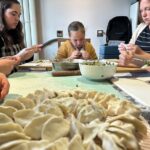
More Tour Reviews in Beijing


More Kitchens, More Dumplings
Beijing, reviewed one booking at a time
- Xian: Must see Eternal Love or Camel Bell Legend show Ticket
★ 5.0 · 3 reviews - One day tour to downtown Tianjin from Beijing by high speed train
★ 5.0 · 3 reviews - Ming Tombs Sacred Way & Underground Palace & Water Wall P Tour
★ 5.0 · 3 reviews - Beijing Mutianyu Great Wall Small Group Tour
★ 4.5 · 3 reviews - Return Bus to Badaling Great Wall
★ 3.0 · 3 reviews - Private Tour to Lama Temple, Tian’anmen Square and Forbidden City
★ 5.0 · 3 reviews
Chinese Cooking Classes & Dumpling Making, compared.
 ★ 4.4Xi’an: Great Tang Dynasty Night Show & Dumpling Meal OptionFrom $34177 reviews
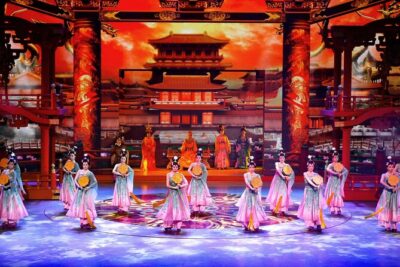 ★ 4.5Xi’an Tang Dynasty Show Ticket Optional Dumplings or Royal DinnerFrom $3775 reviews
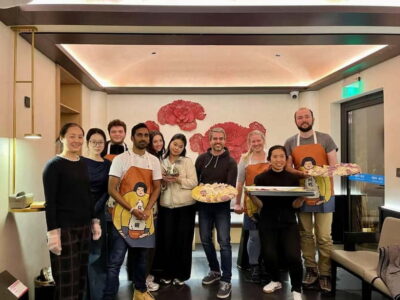 ★ 4.7Beijing: Dumpling Making Workshop with Meal and TeaFrom $3569 reviews
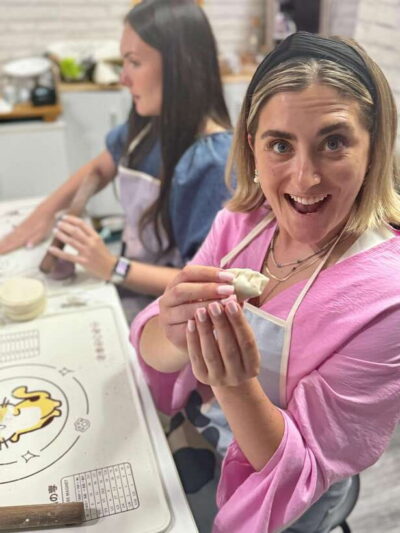 ★ 4.9Shanghai-Cooking Dumpling & Meal in Local Family-w/VeganFrom $8236 reviews
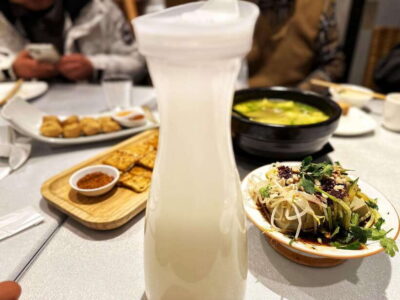 ★ 4.9Beijing Hutong Food Crawl Delights: Peking duck, Hotpot&MoreFrom $8032 reviews
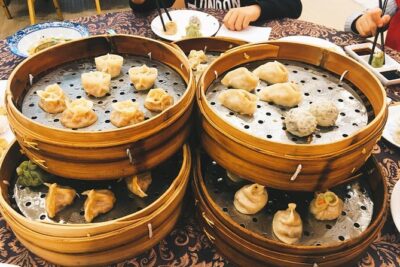 ★ 4.5Skip the Line: Xi’an Tang Dynasty Show Ticket & Dumpling Dinner or Royal BanquetFrom $3728 reviews
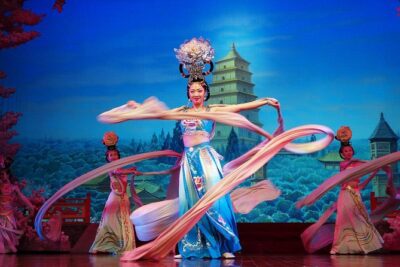 ★ 4.0Xi’an Dumpling Banquet and Tang Dynasty ShowFrom $10121 reviews
 ★ 5.0Vegan Soup Dumpling Making in ShanghaiFrom $9617 reviews
Browse the lists this tour appears in