
REVIEW · CHENGDU PANDA BASE TOURS
Dujiangyan Panda Volunteering Experience with Lunch
Panda work feels real, not staged. I love the hands-on caretaker tasks and the fact that your guide records photos and video as you participate. You also get a true day-flow at Dujiangyan Panda Base, from enclosure cleaning to observing feeding and training, then a staff canteen lunch. The main thing to consider is that logistics can hinge on language, since some drivers may not speak English well, which can make the start feel a bit fuzzy until the base team steps in.
This is a private, full-day experience with hotel pickup and drop-off, but it is still time-structured like a working shift, not a slow sightseeing tour. If you’re hoping for a long, guaranteed hands-on panda moment, keep expectations flexible, since what you can do depends on what the staff is able to allow that day and moment.
In This Review
- Key things to know before you volunteer at Dujiangyan
- Why this Dujiangyan panda volunteer day feels different
- Getting there from Chengdu: the 7:00 am start matters
- Check-in at the panda base: you become part of the workflow
- Enclosure cleaning and bamboo prep: the real work part
- Watching panda behavior and recording what keepers look for
- Feeding time and training: up close, but respectful
- Lunch at the staff canteen: a welcome break
- The older-panda segment: special food prep and learning
- Photos, videos, and your volunteer certificate
- Price and value: $279 for a structured full day
- Who this panda volunteering day suits best
- A few practical tips to make the day better
- Should you book this Dujiangyan panda volunteer experience?
- FAQ
- How long is the Dujiangyan panda volunteering experience?
- What time does the experience start?
- Is round-trip transportation included?
- What is included in the price?
- Is lunch provided?
- What volunteer activities will I do?
- Are photos and videos included?
- Is this a private group tour?
- What are the age requirements?
- What is the cancellation policy?
Key things to know before you volunteer at Dujiangyan
- Private round-trip transport plus hotel pickup, so you do not have to figure out the out-of-the-way base on your own
- Volunteer work is hands-on, including cleaning the enclosure, bamboo prep, and helping with mess duties like removing panda waste
- You get guided observation time, where you watch and help record panda behaviors during set sessions
- Lunch is included at the staff canteen, then there’s a panda documentary break before the afternoon tasks
- Older-panda care is part of the program, with special food prep and time learning how keepers support them
- Lily from WestChinaGo may be your key support, and she is specifically praised for coordinating volunteering and photo spots
More mornings with the pandas
- Chengdu: Giant Panda Breeding Research Base Ticket★ 4.5 · 580 reviews
- Private Half-Day Chengdu Panda Breeding Center Tour with Optional Volunteer★ 5.0 · 353 reviews
- Visiting Dujiangyan Yaan Wolong Panda Base Optional Volunteering★ 5.0 · 105 reviews
- Leshan Grand Buddha Scenic Area and Panda Park Day Tour★ 4.7 · 67 reviews
Why this Dujiangyan panda volunteer day feels different
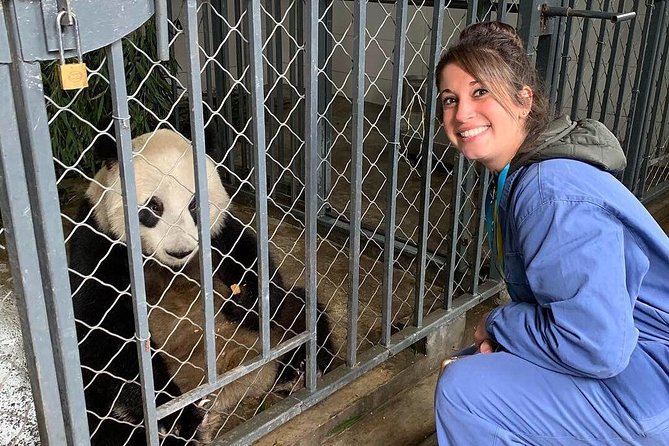
Chengdu is the obvious panda city for many people, but Dujiangyan is where the day feels more like a caretaker routine than a theme park. You’re not only watching pandas. You’re doing the prep and support tasks that keep that whole system running.
I like that the day is structured around real panda-care beats. First come the early-morning prep and cleaning, then you shift into observation, feeding, and behavior training. After lunch, you focus on how keepers care for older pandas, including making special food. That’s the part that tends to feel educational without turning into a lecture.
Also, the guide does the heavy lifting on documentation. You get photos and videos recorded during the experience, so you can focus on doing the tasks instead of constantly pulling out your phone. And yes, you also receive a certificate, which is nice if you want something tangible to remember.
Getting there from Chengdu: the 7:00 am start matters
This day begins early, with pickup starting around 7:10 to 8:30, then transfer to Dujiangyan Panda Base and check-in by 8:30 to 9:00. The whole thing runs about 8 hours.
That early start is not just to be efficient. Panda-care schedules follow a rhythm, and your program is built around those windows. If you’re used to late mornings, plan to treat this like a workday. Wear comfortable clothes you can move in and expect to get a little dusty.
One more practical point: private transport is great for comfort, but language can be a wildcard. If your driver does not speak English, the key is to keep your meeting details handy and lean on the guide once you’re at the base. The base staff can also help once you’re there, so the day usually straightens out even if the first moments feel confusing.
Check-in at the panda base: you become part of the workflow
When you arrive, you’ll check in with the volunteer team and get oriented. You put on a working outfit, sign volunteer paperwork, and get ready for the actual shift.
That “sign the papers” moment matters more than it sounds. It’s what turns the day from a visit into a participation-based experience. And it’s where you’ll be sorted into the flow for cleaning and panda prep.
Your guide stays with you throughout, helping coordinate what you do and also taking photos and videos of your volunteering. In other words, you’re not left wandering or guessing what’s next. At the same time, you should be ready to follow instructions quickly, since the day moves on a set schedule.
Enclosure cleaning and bamboo prep: the real work part
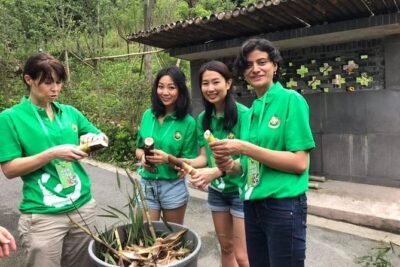
The first hands-on block runs 9:00 to 10:00. This is when you do the behind-the-scenes tasks: cleaning the enclosure, smashing bamboo for pandas, and helping shovel panda waste.
Let me be honest about this segment: it’s not delicate. It’s physical, and you should expect the kind of mess-work that comes with animal care. If you hate unpleasant chores, this might test your enthusiasm. But if you can handle it, this is also the most meaningful part of the program because it connects you directly to the hygiene routine that helps keep animals healthy.
A couple of practical tips:
- Wear footwear you can trust on damp or uneven surfaces.
- Bring a hair tie if you have long hair.
- If you’re sensitive to smells, mentally prep yourself, since panda enclosures involve waste and cleaning materials as part of daily care.
Then, once the cleaning shift ends, you transition out of “work mode” into observation mode.
Dujiangyan and Qingcheng, more bookings
Watching panda behavior and recording what keepers look for
From 10:00 to 11:00, your program shifts to observing pandas and recording their behaviors. This is a big change of pace, and it’s also where many people start to understand pandas as more than cute faces.
Then you move into a training and feeding window, 11:00 to 11:30. You watch keepers feed the pandas and see how behavior training fits into the day.
I like this sequence because it gives you context. Cleaning is what you do. Observation is how you learn. Feeding and training show why the work matters and how keepers guide routine interactions. You’re seeing the system from multiple angles instead of only one.
Feeding time and training: up close, but respectful
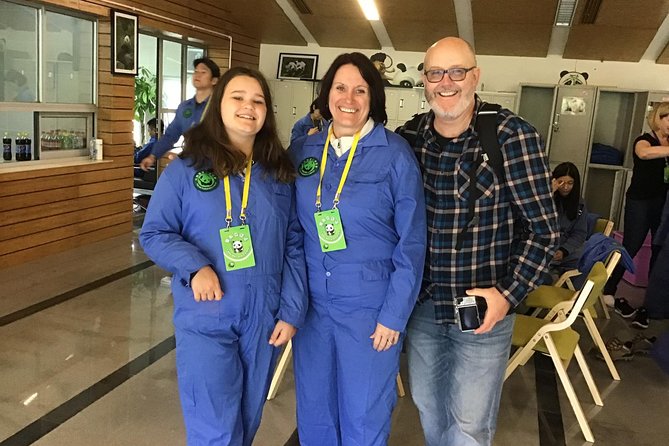
During the feeding and training slot, you’ll be near the action, but the focus is still on caretaker work. The key is to stay attentive to instructions and give keepers space to do their job. If you try to treat it like a selfie moment, you’ll feel rushed.
Also, do not anchor your day on a single fantasy moment like holding or touching a panda for a long time. The program is designed around volunteering tasks and observation. Any extra contact opportunities, if they happen, are subject to what the staff can allow safely that day.
If you want the best odds of getting great photos without stress, let your guide run the camera moments while you stay present during feeding and training. That way you get the documentation without turning the experience into a constant interruption.
Lunch at the staff canteen: a welcome break
At 11:30 to 12:30, you get buffet lunch at the staff canteen. It’s included, and it’s part of why this works as a full day package. Instead of scrambling for food near the base, you eat in the flow of the program.
This is also where you can reset mentally. You’ve done physical work, then shifted into focused observation. A real meal makes a big difference, especially if you’re doing the older-panda food prep in the afternoon.
After lunch, you take a breather with 12:30 to 13:30 watching a panda documentary. It’s not a random add-on. It helps you connect the hands-on tasks to the larger conservation and care mission happening at the base.
The older-panda segment: special food prep and learning
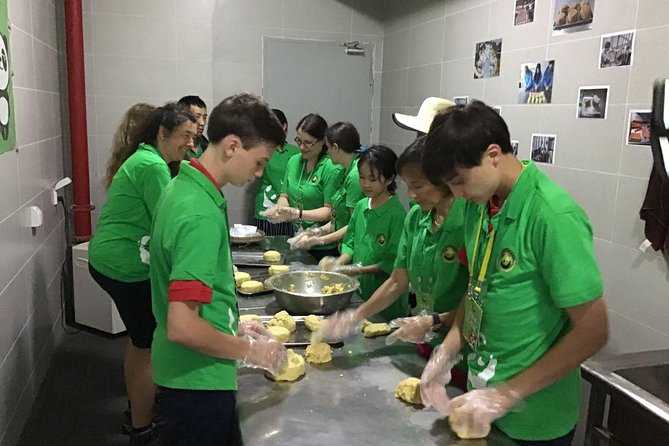
From 13:30 to 14:30, the afternoon centers on preparing special food for old pandas and learning how keepers take care of them.
This part tends to feel extra important because it’s specific. Older pandas often need different support than younger ones, and the fact that the program includes this segment signals that this base is doing more than “show-and-tell” work.
During this block, you’ll be involved in prep, and you’ll hear more from keepers about daily care practices. If you’re a panda fan who wants to understand the serious side of animal welfare, this section usually lands well.
Photos, videos, and your volunteer certificate
Your guide records photos and videos throughout the volunteering experience. That’s a practical bonus, because you do not have to juggle your time between doing tasks and capturing shots.
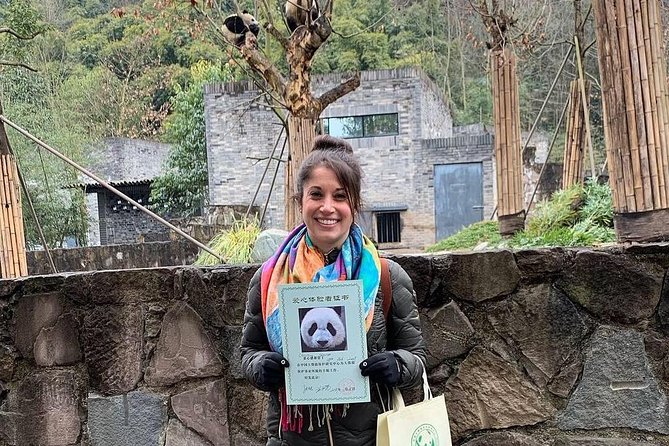
You also receive a certificate. It may not change the pandas’ day, but it is a nice souvenir, especially if you’re doing this as a bucket-list effort.
If you get help from Lily from WestChinaGo, that support can be extra smooth. Lily is specifically praised for coordinating volunteering and photo spots so the day stays organized. Even if your guide is someone else, the structure is the same: you’re supported, and you’re not navigating the base alone.
Price and value: $279 for a structured full day
At $279 per person, this is not a budget activity. So the value question matters.
Here’s what you’re really paying for:
- Private round-trip transport with hotel pickup and drop-off
- A guide for the full day, including photo and video capture
- Lunch included at the staff canteen
- A reservation service for volunteering, plus the volunteer experience itself
- Admission is included as part of the overall program
When you add those together, you’re not just paying to get inside a panda base. You’re buying a managed, time-structured day that covers transport, staff coordination, and the volunteering activities that most general visits do not offer.
Where the value can feel lower is if you’re expecting a long leisurely itinerary or you’re extremely sensitive to the physical reality of cleanup tasks. This is a working-care experience. If that fits your mindset, the price becomes easier to justify.
Also, this is often booked around 72 days in advance on average. So if you’re flexible, you might still find dates, but if your schedule is tight, it’s smart to plan early.
Who this panda volunteering day suits best
This program fits best if you:
- Want a hands-on animal care experience, not only viewing
- Like structured days with set segments and guided context
- Enjoy taking part, even if that includes messy work
- Appreciate small-group, private logistics, since it’s only your group
It’s also a good option if you’re traveling with kids who are curious about pandas but where one parent wants to volunteer while the other can stay near and take photos, since the private setup keeps things more manageable.
If you have mobility limitations, this program might be more difficult than a standard visit, since you’ll be doing cleaning and food prep tasks. The age range is 10 to 70, and children need to be accompanied by an adult.
A few practical tips to make the day better
- Bring a small change of plans mindset. The schedule is set, but weather and base timing can affect how quickly you move between segments.
- Dress for work, not for photos. You’ll take pictures anyway, but comfort matters more.
- If you’re worried about language barriers, keep your booking confirmation handy and stay close to the guide after pickup.
- If you want the best photos, let the guide handle the recording while you focus on the tasks. It reduces stress and helps you get cleaner shots.
Should you book this Dujiangyan panda volunteer experience?
I think you should book it if you want your panda day to feel like participation. The mix of volunteering tasks, observation, feeding and training, and older-panda care makes it more than a quick look at cute animals.
I would hold off if you hate physical chores like enclosure cleaning and waste removal, or if your main goal is guaranteed panda contact time. This day is built around caretaker work, not constant cuddles.
If your goal is to support conservation efforts through real involvement, and you’re okay with an early start and structured timing, this is one of the stronger ways to spend a day near Chengdu.
FAQ
How long is the Dujiangyan panda volunteering experience?
It runs about 8 hours.
What time does the experience start?
Pickup starts around 7:00 am, with the first part of the day beginning early in the morning.
Is round-trip transportation included?
Yes. Private round-trip transport is included, plus hotel pick-up and drop-off.
What is included in the price?
The package includes the panda volunteer experience, private guide service, round-trip private transportation, lunch in the panda canteen, a volunteer reservation service, and a certificate. Admission is also included as part of the experience.
Is lunch provided?
Yes. Lunch is included at the staff canteen as a buffet meal.
What volunteer activities will I do?
You will help clean the enclosure, help with bamboo preparation, assist with removing panda waste, observe and record panda behaviors, and prepare special food for older pandas.
Are photos and videos included?
Yes. Your guide records photos and videos of your volunteer experience.
Is this a private group tour?
Yes. It is private, meaning only your group participates.
What are the age requirements?
The age limit is 10 to 70, and kids need to be accompanied by an adult.
What is the cancellation policy?
You can cancel for a full refund up to 24 hours in advance of the experience start time. If you cancel less than 24 hours before, the amount paid is not refunded.
More Tour Reviews in Chengdu




Dujiangyan And Qingcheng Mountain

More Panda Mornings In Chengdu


Chengdu, reviewed one booking at a time
- Wolong Panda Base Volunteering Program from Chengdu
★ 5.0 · 3 reviews - Mt Emei and Giant Buddha 2 Days Tour
★ 4.5 · 3 reviews - Half-Day Private Hot-Pot Cooking Class with a Local Market Visit
★ 5.0 · 3 reviews - Private 1-Day: Panda and Chengdu Local Life (Make Vlog for you)
★ 5.0 · 3 reviews - Ticket reservation for Chengdu Giant Panda Breeding Base
★ 5.0 · 3 reviews - Sanxingdui Museum Small Group Tour with Optional Panda Base
★ 5.0 · 3 reviews
Chengdu Panda Base Tours, compared.
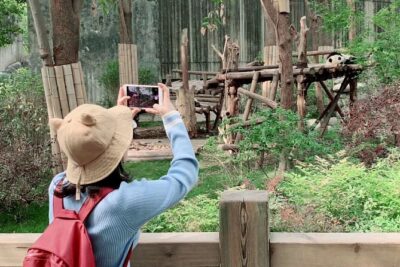 ★ 4.5Chengdu: Giant Panda Breeding Research Base TicketFrom $15580 reviews
 ★ 4.1Beijing: The Beijing Zoo Entry Ticket with PandasFrom $6368 reviews
 ★ 5.0Private Half-Day Chengdu Panda Breeding Center Tour with Optional VolunteerFrom $87353 reviews
 ★ 4.0Beijing Historical Tour II including Summer Palace, Lama Temple & Panda GardenFrom $93187 reviews
 ★ 5.0Private Chengdu Day Tour: Giant Pandas and Jinsha Site MuseumFrom $169142 reviews
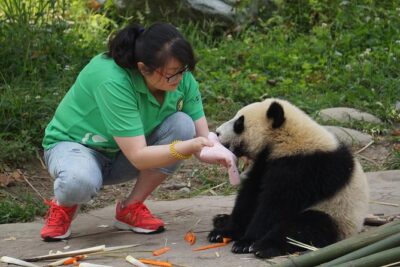 ★ 5.0Visiting Dujiangyan Yaan Wolong Panda Base Optional VolunteeringFrom $234105 reviews
 ★ 5.0Beijing Private Tour to Temple of Heaven, Panda House and Summer PalaceFrom $141101 reviews
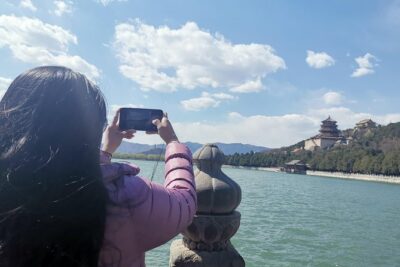 ★ 5.0Panda House, Temple of Heaven, Lama Temple, Summer Palace & LunchFrom $14877 reviews
Browse the lists this tour appears in