
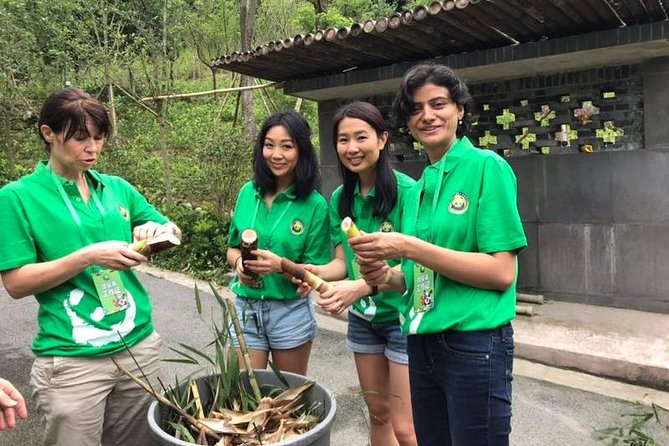
REVIEW · CHENGDU PANDA BASE TOURS
Private Dujiangyan Panda Base Panda Rescue Center Volunteer for a Day
Giant pandas, minus the cheesy stand-and-stare. This private volunteer day at the Dujiangyan Giant Panda Center gives you a real look at how pandas are cared for, not just a backdrop for selfies. I like the structured volunteer work and the way the day is paced around panda routines. The one thing to consider is that strict animal-health rules can limit how close you get and how long you’re allowed to photograph during feeding.
You start early, drive out of Chengdu, and spend the day with an English-speaking guide and center staff at a nonprofit research base designed to match life in the wild. I also like that the price bundles the annoying parts for you, hotel pickup and drop-off plus admission and a buffet lunch, so you’re not juggling logistics while trying to enjoy a once-in-a-while experience. Still, the day can include waiting between activities, and panda behavior is unpredictable, so you should be ready for some downtime while keepers reset the schedule.
In This Review
- Key things to know before you go
- Why Dujiangyan Panda Care Beats a Typical Zoo Stop
- Pickup, Ride Time, and What the 7 to 8 Hours Feels Like
- From Chengdu to the Panda Base: The Drive and the Mountain Shuttle
- Orientation, Overalls, and Your First Enclosure-Care Session
- Feeding Sessions: What Close-Up Actually Means Here
- Lunch at the Center: A Simple Buffet With Real Local Flavor
- Second Volunteer Block: Cleaning, Observations, and Data-Style Work
- Walking the Grounds and the Volunteer Service Area
- Price and Value: What $307 Per Person Really Covers
- Who This Tour Suits (and Who Might Want a Different Panda Plan)
- My Booking Call: Should You Sign Up for the Volunteer Day?
- FAQ
- What time does the Dujiangyan panda volunteer day start?
- What’s included in the $307 per person price?
- What kind of volunteer work will I do?
- Can I get close to the pandas and take photos during feeding?
- Is panda holding included?
- What is lunch like on the tour?
Key things to know before you go
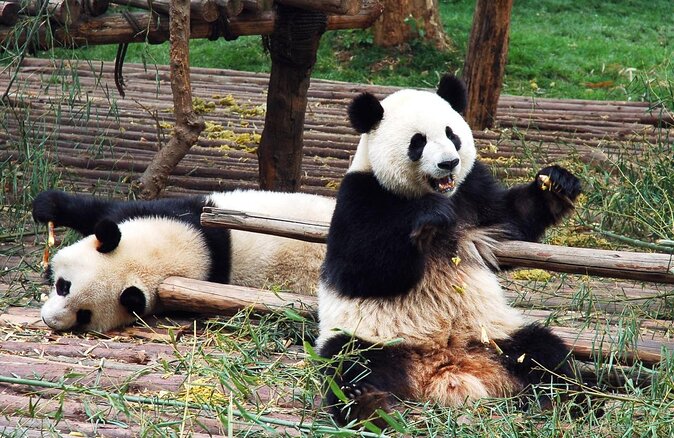
- Real care tasks: you help with enclosure cleaning, food prep, and support feeding under staff guidance
- A full-day structure: two main volunteer sessions plus time to walk the grounds and learn at the volunteer service area
- Strict access rules: close contact is limited to protect panda health, and photo rules can be tighter during feeding
- Comfort and convenience: private air-conditioned transport from Chengdu plus internal shuttle service up the mountain area
- Lunch is included: a buffet-style lunch is part of the day, often described as local and satisfying
More mornings with the pandas
- Chengdu: Giant Panda Breeding Research Base Ticket★ 4.5 · 580 reviews
- Private Half-Day Chengdu Panda Breeding Center Tour with Optional Volunteer★ 5.0 · 353 reviews
- Visiting Dujiangyan Yaan Wolong Panda Base Optional Volunteering★ 5.0 · 105 reviews
- Leshan Grand Buddha Scenic Area and Panda Park Day Tour★ 4.7 · 67 reviews
Why Dujiangyan Panda Care Beats a Typical Zoo Stop
If you’ve ever felt underwhelmed by a zoo visit, this is the alternative. The Dujiangyan Giant Panda Center is a nonprofit research base, set at the foot of a sacred mountain, and the habitats are built to feel closer to natural life than the typical pen-and-pay setup.
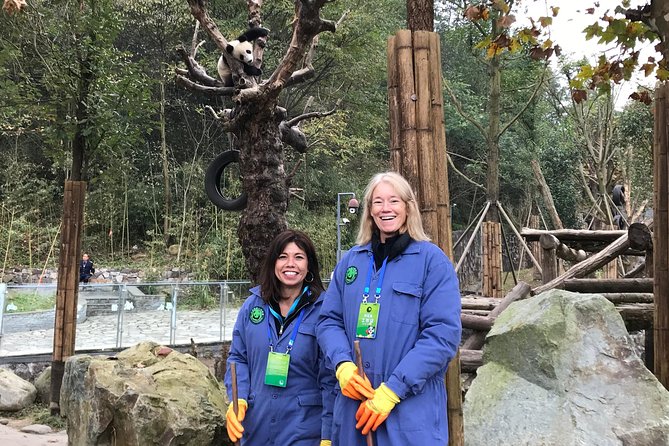
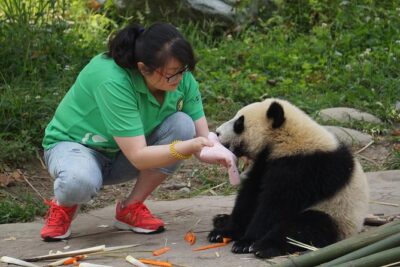
What makes this volunteer day different is the focus on daily routines. You’re not just observing from a distance. You’re doing human work that supports panda care, under keeper direction. That includes preparing food, assisting with feeding, cleaning indoor and outdoor areas, and recording observations like behavior and weight. Even if you’re not a “hands-on person,” the work has a clear purpose, and the staff explain enough to connect each task to conservation outcomes.
The ethical angle matters too. Your volunteer and donation fees go to the center, and you get an honorary certificate at the end. That doesn’t turn it into cheap feel-good tourism, but it does change the vibe from entertainment to support.
Pickup, Ride Time, and What the 7 to 8 Hours Feels Like
This is a day trip out of Chengdu, starting at 7:00 am. Expect about 1.5 hours driving each way, with a 7 to 8 hour total day.
The private vehicle is a big practical win. You avoid hunting for a taxi, translating directions, and hoping you time everything right. It also means you can arrive without stress, because the day is early and you want your energy for the tasks when you get to the center.
On timing, be realistic. The day runs on center schedules, not your personal preferences. Some people are happy with the pace, but others report periods of waiting, especially between volunteer blocks and scheduled feeding times. That’s not a dealbreaker, but it is a reason to manage expectations and mentally switch into “long day, guided flow,” not “constant panda action.”
From Chengdu to the Panda Base: The Drive and the Mountain Shuttle
After hotel pickup, the drive takes you to Dujiangyan panda grounds, where you’ll first meet your English-speaking guide. From there, the center uses an internal shuttle to reach the main conservation area higher on the mountain.
That shuttle detail matters. You’re not just taking a scenic ride, you’re entering a campus setup with multiple activity zones. It helps explain why the day feels like a whole program rather than a quick ticket-and-tour stop.
Once you arrive, you’ll get brief orientation on what the day’s activities look like and how the center supports panda behavior and wellbeing. This orientation is useful even if you know panda basics, because it frames what you will and will not do. In other words, you’re learning the “why” behind the rules before the messy work starts.
Orientation, Overalls, and Your First Enclosure-Care Session
Your first behind-the-scenes block is hands-on care. You’ll meet keepers, receive a short briefing, and then get your first task: helping prepare food before assisting with feeding, along the way learning about diet and daily care routines.
Then comes the cleaning portion. People describe working with enclosure maintenance tasks such as removing old bamboo and clearing waste. If that sounds unpleasant, that’s the point. Panda care is physical and routine, and volunteers are used to support those daily needs.
Most days follow a similar rhythm:
- gear and rules, then cleaning and food prep
- a feeding window
- more panda observation around the grounds
- a second cleaning session
- a second feeding window
One detail I’d treat as non-negotiable: this center is strict about animal safety. After COVID, rules became tighter, and access is designed to prevent people from getting too close. So even when you’re working nearby, you are still part of a controlled environment.
Dujiangyan and Qingcheng, more bookings
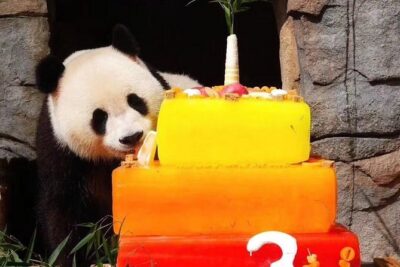
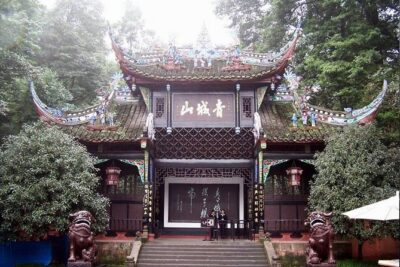
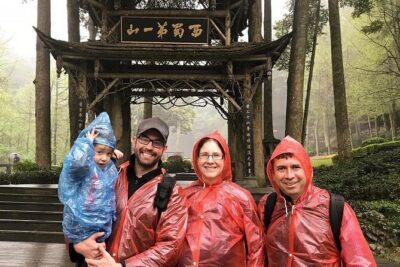
Feeding Sessions: What Close-Up Actually Means Here
Feeding is the highlight for many people. It’s also where expectations can clash with reality.
Here’s the pattern to understand:
- Feeding periods can be short, like a couple of minutes per panda feeding turn.
- You may be positioned to watch the keeper feed the pandas, but strict rules can limit how close you get.
- Photo rules during the feeding process can be restrictive. Some visitors report that they could not take photos during feeding.
That sounds like a downside until you realize the center is protecting behavior. Giant pandas can be stressed by too much attention, and repeated close contact is exactly what staff aim to avoid.
This is also why the day can feel like a mix of work and observation rather than constant face-to-face time. In the morning and after lunch, you’ll have chances to walk the grounds and observe pandas at various ages in their enclosures. Some days include active younger pandas, especially when weather and timing push them to be more playful.
Practical tip: if you’re coming for photos, plan your camera mindset for “watch and document when allowed,” not “I will film the entire feeding moment.”
Lunch at the Center: A Simple Buffet With Real Local Flavor
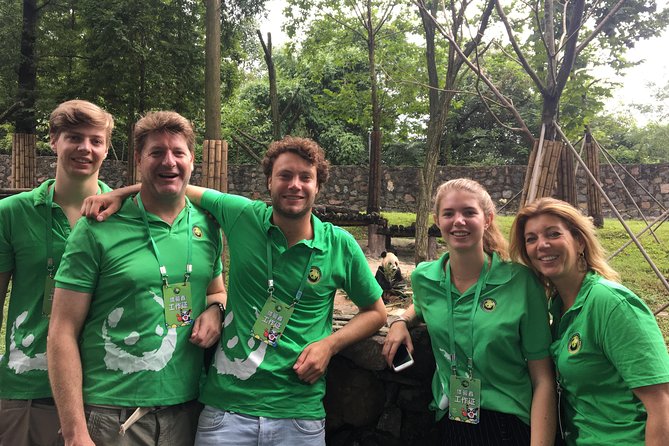
After the morning activities, you’ll have a buffet lunch included in the price. The lunch is served at the center cafeteria area, described as local and delicious by many people, and simple but good by others.
This is a useful break because you’re coming off manual tasks in a conservation work setting. You’ll also get a chance to regroup before the second volunteer block.
Food note you should care about: you’re eating center food, not ordering off-menu in a restaurant. If you have strong preferences or picky tastes, you might want a backup plan for the day, like bringing snacks you can tolerate during waiting periods. That’s not because the lunch is bad, it’s because center food is the center food.
Second Volunteer Block: Cleaning, Observations, and Data-Style Work
The afternoon volunteer session is more than “repeat what we did in the morning.” You’ll again help clean indoor and outdoor spaces, and you may support recording observations such as behavior and weight.
That part is meaningful for conservation. Even simple recording tasks connect to how researchers and keepers track daily health and behavior patterns. The day isn’t just manual labor, it’s also observation work.
People who enjoy learning tend to rate this block higher. They like that guides provide context as you work. Some names that show up from past groups include Worley, Jenny, and Neil, all noted for strong English and staying with the group through the day. Since your guide assignment may differ, take that as a sign that the tour often runs with solid communication support.
Walking the Grounds and the Volunteer Service Area
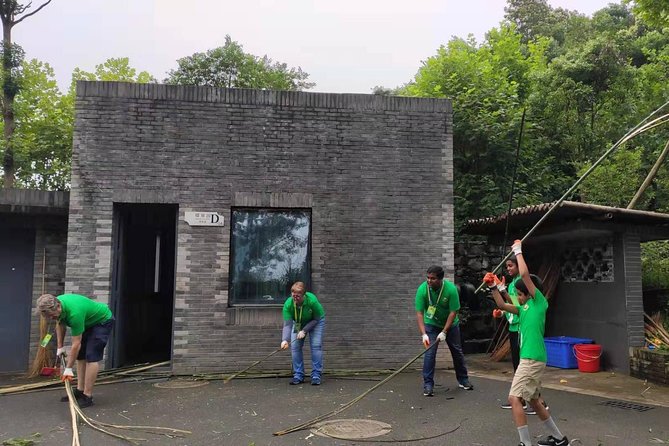
Once the main volunteer work finishes, you’re not done. You get time to explore the landscaped campus grounds and observe pandas in their enclosures at your own pace.
There’s also a volunteer service area where you can learn more about panda conservation efforts. This is the part that helps you connect your hands-on tasks to the bigger picture. You’ll leave with a fuller sense of what the center is doing beyond daily feeding and cleaning.
And yes, you should expect that some pandas will be sleeping at different times. That’s normal animal behavior. If you’re going for action, choose your timing mindset around the day schedule rather than hoping every animal is awake on cue.
Price and Value: What $307 Per Person Really Covers
At $307 per person, this is not a budget outing. But the value calculation looks different when you break down what’s included.
Your payment covers:
- hotel pickup and drop-off in Chengdu
- professional English-speaking guide
- private, comfortable air-conditioned vehicle
- entry admission to the Dujiangyan Panda Center
- volunteer and donation fees
- buffet lunch
- honorary certificate and souvenir
- internal shuttle up to the main area
The biggest hidden value is the private transport and the fact that admission and volunteer fees are handled. A DIY trip usually means you fight timing, find transport on your own, and figure out whether you can access the same behind-the-scenes volunteer zones. Here, the program is designed as a full day with a single coordinator flow.
Where the price can sting is if you’re expecting maximum close-up. Some people feel the day is overpriced if they hoped for long feeding time or photo-friendly proximity. So the best match is someone who wants to support care work and learn, even if the panda moment is brief.
Also, note that some add-on experiences have changed over time. For example, holding a panda is no longer available for health and wellbeing reasons. So set your value expectation around the volunteer day itself, not add-on perks that may have been offered in the past.
Who This Tour Suits (and Who Might Want a Different Panda Plan)
This volunteer day is a strong fit if you:
- want an ethical, research-based panda experience
- enjoy hands-on tasks and don’t mind getting involved
- like guided learning, not just wandering
- prefer smaller, private attention rather than large crowds
It may not be the best fit if you:
- want long, guaranteed close-ups or unrestricted photography during feeding
- are easily frustrated by short scheduled feeding windows
- hate waiting and prefer constant action
Family angle: it’s described as family-friendly by many, and several people traveled with children who enjoyed feeding and the hands-on tasks. But if your child is very sensitive to rules, waiting, or mess, you should consider that volunteer work is real work, not a theme park ride.
My Booking Call: Should You Sign Up for the Volunteer Day?
I’d book this if you want to feel like you participated in panda care, not just watched it. The day’s structure, built around cleaning, food prep, feeding support, and observation, is exactly what makes it more meaningful than a typical zoo visit. The included transport and lunch also lower the stress, which matters because it’s a long day.
I’d think twice if your main goal is photography and prolonged close contact. The center’s health rules are stricter than many people expect, and feeding windows can be brief, sometimes with limited photo opportunities during the process. If you’re going in knowing that, the experience is easier to appreciate.
FAQ
What time does the Dujiangyan panda volunteer day start?
The start time is 7:00 am, with the full experience running about 7 to 8 hours.
What’s included in the $307 per person price?
The price includes hotel pickup and drop-off, volunteer and donation fees, a professional English-speaking guide, admission to the Dujiangyan Panda Center, a buffet lunch, a commemorative certificate and souvenir, and private comfortable air-conditioned transport.
What kind of volunteer work will I do?
You’ll help prepare food and assist with feeding, clean indoor and outdoor enclosures, and support observation tasks like recording behavior and weight. You’ll also assist in preparing the enclosure such as clearing old bamboo and waste.
Can I get close to the pandas and take photos during feeding?
Close access is limited by strict animal-health rules, and some visitors report that they could not take photos during the feeding process. You may have better chances to observe and take photos outside the feeding moment, depending on the center’s rules that day.
Is panda holding included?
No. The opportunity to hold a panda is no longer available to ensure the pandas’ health and wellbeing.
What is lunch like on the tour?
Lunch is included and is described as a buffet. People call it local food and say it’s delicious, though it may be simple in style since it’s served at the center cafeteria area.
If you tell me your travel dates and whether your priority is photos versus hands-on work, I can help you decide if this format matches your style.
More Tour Reviews in Chengdu




Dujiangyan And Qingcheng Mountain

More Panda Mornings In Chengdu


Chengdu, reviewed one booking at a time
- Wolong Panda Base Volunteering Program from Chengdu
★ 5.0 · 3 reviews - Mt Emei and Giant Buddha 2 Days Tour
★ 4.5 · 3 reviews - Half-Day Private Hot-Pot Cooking Class with a Local Market Visit
★ 5.0 · 3 reviews - Private 1-Day: Panda and Chengdu Local Life (Make Vlog for you)
★ 5.0 · 3 reviews - Ticket reservation for Chengdu Giant Panda Breeding Base
★ 5.0 · 3 reviews - Sanxingdui Museum Small Group Tour with Optional Panda Base
★ 5.0 · 3 reviews
Chengdu Panda Base Tours, compared.
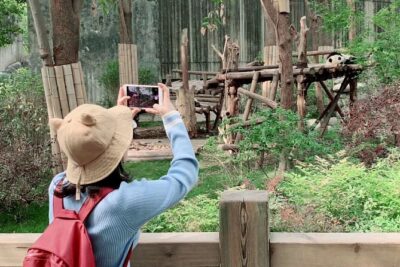 ★ 4.5Chengdu: Giant Panda Breeding Research Base TicketFrom $15580 reviews
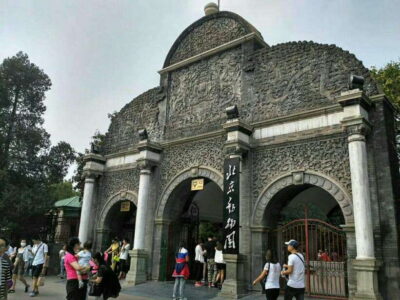 ★ 4.1Beijing: The Beijing Zoo Entry Ticket with PandasFrom $6368 reviews
 ★ 5.0Private Half-Day Chengdu Panda Breeding Center Tour with Optional VolunteerFrom $87353 reviews
 ★ 4.0Beijing Historical Tour II including Summer Palace, Lama Temple & Panda GardenFrom $93187 reviews
 ★ 5.0Private Chengdu Day Tour: Giant Pandas and Jinsha Site MuseumFrom $169142 reviews
 ★ 5.0Visiting Dujiangyan Yaan Wolong Panda Base Optional VolunteeringFrom $234105 reviews
 ★ 5.0Beijing Private Tour to Temple of Heaven, Panda House and Summer PalaceFrom $141101 reviews
 ★ 5.0Panda House, Temple of Heaven, Lama Temple, Summer Palace & LunchFrom $14877 reviews
Browse the lists this tour appears in