
REVIEW · MARKETS
Half-Day Xi’an Biang Biang Noodles Cooking with a Market Visit
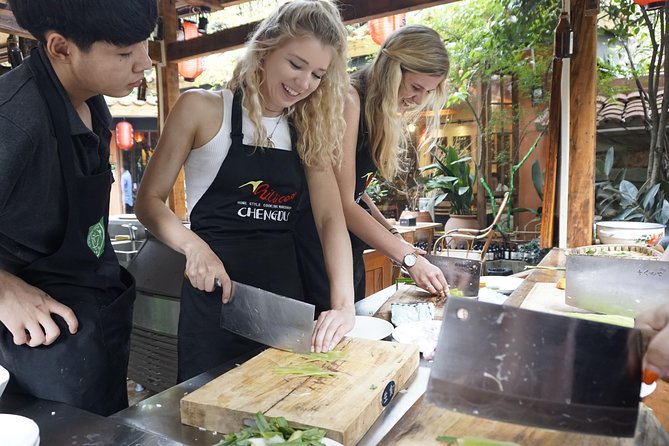
Xi’an has one food trick I always wish I could master. This half-day class starts at a spice market in the Muslim Quarter, then walks you through making iconic biang biang noodles at a local home kitchen. You get a real feel for how ingredients come together before you touch the dough.
I love that the format is small, capped at 15 people, so you get help while you pull and shape noodles. I also like that everything is covered, including ingredients, recipes, tea, beer (or other beverages), and water, so you are not doing a last-minute add-on scramble.
One thing to consider: a few people have felt the experience can lean more toward a guided home-kitchen session than a setup where everyone has their own separate workstation the whole time.
In This Review
- Key things to know before you go
- From Muslim Quarter spices to the dough: how the day actually flows
- Sajin Bridge and your first taste of Xi’an flavors
- The spice market hunt: what you learn before you cook
- Cooking in a traditional home setting, not a classroom
- What you should watch for
- Biang biang noodles: the technique lesson you will actually use
- Tea, beer, and the meal you earn at the end
- Price and value: does $75 make sense in Xi’an?
- Who this is best for in Xi’an
- Practical tips to make the most of this half-day
- Should you book the Xi’an biang biang noodles market cooking class?
Key things to know before you go
- Spice market warm-up in the Muslim Quarter: you stop there first, then use what you learn straight in your noodle sauce.
- Small-group noodle coaching (max 15): better chances to get corrections while you pull and slap the dough.
- Instructors named Fiona and Lily: Lily is praised for strong spice know-how, and Fiona is noted for clear English explanations.
- Everything included: ingredients, recipes, tea, beer or beverages, and water, plus food tasting.
- Pick morning or afternoon: choose the session that fits your day in Xi’an.
- Vegetarian option available: request it when booking if you want a meat-free version.
Other Xian trips our reviewers kept returning to
- Mini Group Xian Day Tour to Terracotta Army, City Wall, Pagoda and Muslim Bazaar★ 5.0 · 1,320 reviews
- Xi’an Morning Food & Market Tour by TukTuk★ 5.0 · 46 reviews
- Flexible Xian Terracotta Warriors Private Day Tour Non-shopping★ 5.0 · 21 reviews
From Muslim Quarter spices to the dough: how the day actually flows
This is a classic “market to table” half-day in Xi’an, with a very specific goal: learn how biang biang noodles are made, not just how they are eaten. The timing is about 3 hours 30 minutes, so it fits nicely between other sightseeing without turning your whole day into a food marathon.
You start at Sajin Bridge (Sa Jin Qiao), and the day is designed so your first hour or so builds context. You are guided through what to look for in Chinese cooking spices and key ingredients, and you get short challenges along the way. That matters because biang biang noodles are not just noodles. The flavor comes from the whole sauce structure, the balance of spice, and the aromatics you choose.
Then you move to a traditional home setting for the noodle part. You will use a professional chef’s guidance for the process, while the rest of the group watches, questions, and then gets hands-on. In other words, you learn the technique and the why, not only the end result.
Sajin Bridge and your first taste of Xi’an flavors
Meeting at Sajin Bridge is convenient if you are already moving around the city by public transport, since the tour is described as being near public transportation. You also get a mobile ticket, which cuts down on “where do I show my paperwork” stress.
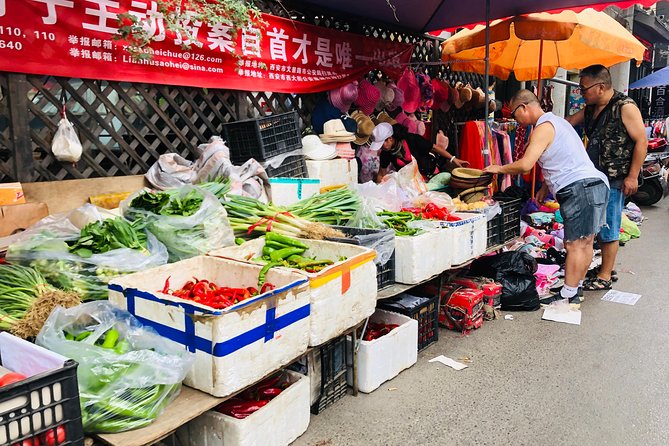
The first stop is in the Muslim Quarter, a logical choice for a food-focused class. The area’s food culture gives you a fast crash course in how people shop for flavor: spices, aromatics, and ingredients are treated like building blocks. You are not just browsing. The session pushes you to notice differences, ask questions, and think about what each ingredient does.
One practical detail: you will be walking during the market portion, so go with comfortable shoes. Even if the weather is mild, markets and narrow stalls mean short steps and frequent stops. The tour runs in all weather conditions, so if you get rain, you will still be moving.
The spice market hunt: what you learn before you cook
The market part is not just sightseeing. It is the “ingredient education” part of the day. You explore a spice market, learn about different Chinese spices and ingredients, and gather what you will later use. The best part is that you are not learning by memorizing labels. You learn by handling the ingredients and connecting them to the final taste.
From the experience descriptions and instructor feedback, Lily is often the person who explains spices and cuisine with a lot of clarity, and that is exactly what you want here. When you know why one spice behaves differently than another, you can adjust flavor at home later. Same deal with technique: the market context makes the noodle part easier to follow.
Also, the tour builds in time for tea. You get local tea as a customary welcome. It is a small moment, but it sets the tone. This is not a rushed tasting line. It is a shared cooking day.
Cooking in a traditional home setting, not a classroom
After the market, you go to a traditional Chinese chef’s home. That matters more than it sounds. A home kitchen usually means smaller tools, a more personal workflow, and a less “scripted” feel than a big cooking studio. You will start the cooking process with a professional chef, guided step-by-step.
The day is often described as a courtyard-style home kitchen setting. That usually gives you a more authentic feel, but it also means the logistics are simpler and more hands-on. You should expect to get close to the action, not stand far back behind a counter.
You will learn the biang biang noodle process and then enjoy what you make. The experience includes food tasting, plus your finished dish at the end. There is also a beverage step, with beer or other beverages included. For many people, that final meal is where the day clicks, because you can finally taste the ingredients you selected.
What you should watch for
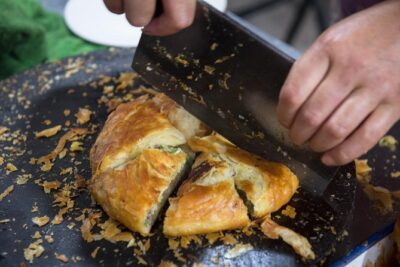
A note worth respecting: at least one person felt the experience leaned toward a cooking demonstration format in an apartment or home setup, rather than everyone having their own fully independent station for every step. If what you want most is constant individualized station time, this might be something to double-check when you book. Still, the overall rating trend suggests most people find the instruction engaging and useful.
Biang biang noodles: the technique lesson you will actually use
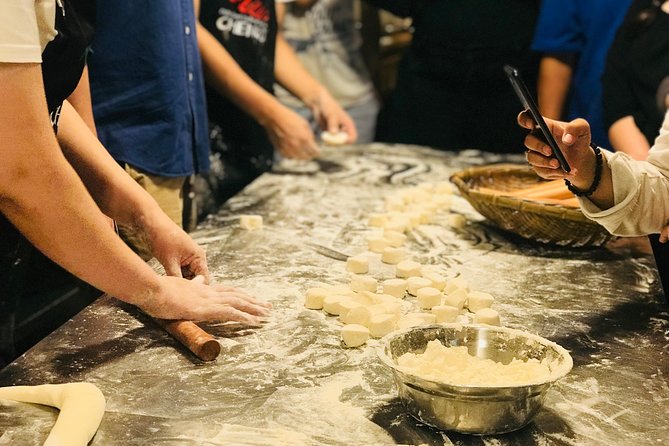
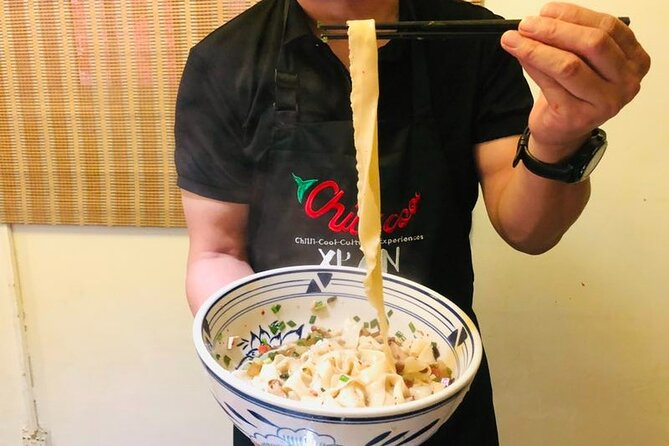
Biang biang noodles are one of Xi’an’s most famous dishes, known for their hand-pulled shape and that signature chewy bite. The goal here is to help you learn the process, not just eat a bowl.
You will be guided through the steps for making the noodles, in a way that makes sense in a real kitchen. That is key. At home, many people fail because they try to copy a recipe without understanding the texture targets, the timing, or how the dough behaves as you stretch and shape.
This class also links technique to flavor. The noodle part is only half the story. The other half is the spice and sauce balance. Because you gathered ingredients at the market and learned what they do, your sauce choices make sense as you cook.
If your main goal is to get better at noodles, you are in the right place. Some of the strongest praise is for learning the pulling and shaping technique, and people specifically called out that they left able to recreate the noodles more successfully back home.
Tea, beer, and the meal you earn at the end
The day ends with a proper meal you made, not just a snack. Your creations come with tea and included beer or other beverages. That combination makes the class feel like a celebration of food, not a “pay and rush” activity.
It also gives you a chance to ask questions after cooking, once you can see and taste the result. When you are standing around after the final step, it is easier to connect what you did with what you taste.
If you are thinking about value, this is where it helps: the class price covers ingredients and multiple parts of the food experience, including beverages and tasting. So you are paying for a full, guided half-day, not a short demo.
Price and value: does $75 make sense in Xi’an?
At $75 per person, this is not a street-food bargain. But it is also not a luxury cooking retreat price. The value comes from what is included: food ingredients, recipes, tea, beer or other beverages, and water, plus food tasting.
That package matters because cooking classes add up fast once you factor in ingredients, staff time, and the meal. Here, those basics are handled. You also get the market visit as part of the same experience, which would take time and possibly transportation if you did it on your own.
The small-group limit helps justify the cost too. When max group size is 15, your chances of getting feedback rise, and feedback is what makes a noodle class worthwhile.
For me, the best “value check” is simple: if you want a hands-on skill and not just a photo stop, the included meal, beverages, and recipe support make the price feel fair.
Who this is best for in Xi’an
This class is a strong match if:
- you like cooking and want to build a skill you can reproduce
- you want an authentic local food day tied to real ingredients
- you enjoy markets and spice shopping
- you want small-group instruction rather than a crowd
It is also a good option if you are traveling as a couple or small group. Some of the top feedback is from a couple format where both people were actively involved and found the instructors easy to follow.
If you are a solo traveler, it can still work well because the group is small and the meal is part of the shared experience. Just plan to chat and ask questions, especially during the market segment.
Vegetarian diners should note there is a vegetarian option available, and you need to request it when booking. That is the safest way to make sure the sauce and meal match what you can eat.
Practical tips to make the most of this half-day
You only get about half a day, so a few small choices help:
- Wear comfortable walking shoes for the market portion.
- Bring your questions. If you want one spice to be less spicy or more aromatic, ask during the ingredient time.
- Plan to eat. The class includes tasting and a meal you cook, so go light on lunch beforehand.
- Choose morning or afternoon based on how your day rhythm already looks. Same class, different pacing.
- If you prefer vegetarian cooking, state it clearly at booking so the kitchen can plan accordingly.
Also, if you care about learning technique, treat the noodle steps like a skill practice. Focus on texture and timing cues rather than only the shape.
Should you book the Xi’an biang biang noodles market cooking class?
I would book it if you want a food day that teaches you something practical. The market start in the Muslim Quarter, the small-group approach (max 15), and the fact that everything from ingredients to tea and beer is included make it a strong value for a cooking-focused activity.
You should pause only if your ideal class is a constant “everyone at their own station” setup. The home-kitchen format can feel more guided than that, depending on how the chef runs the workflow that day.
If you come to Xi’an hungry for more than sightseeing bowls, this is one of the better bets. You will leave with a recipe, a clearer sense of spices, and noodle technique you can test back home.
More Markets in Xian
- Mini Group Xian Day Tour to Terracotta Army, City Wall, Pagoda and Muslim Bazaar
★ 5.0 · 1,320 reviews

More Shopping Tours in Xian
- Mini Group Xian Day Tour to Terracotta Army, City Wall, Pagoda and Muslim Bazaar
★ 5.0 · 1,320 reviews
More Tour Reviews in Xian
- Mini Group Xian Day Tour to Terracotta Army, City Wall, Pagoda and Muslim Bazaar
★ 5.0 · 1,320 reviews

Xian, reviewed one booking at a time
- Xian Group Tour: Terracotta Army, Big Wild Goose Pagoda,City Wall
★ 5.0 · 3 reviews - Xi’an Silk Road Legend Musical with round-trip transfer
★ 5.0 · 3 reviews - Day Trip to Hukou Waterfall and Huangdi Mausoleum
★ 5.0 · 3 reviews - Private Day Tour of Terracotta Warriors,Cave House and Han Yangling Mausoleum
★ 5.0 · 3 reviews - Huaqing Palace Adult Ticket[Direct Subway Access]
★ 5.0 · 3 reviews - Xi’an: Morning Terracotta Army Tour with Local Family Lunch
★ 5.0 · 3 reviews
Markets, compared.
 ★ 5.0Mini Group Xian Day Tour to Terracotta Army, City Wall, Pagoda and Muslim BazaarFrom $491,320 reviews
 ★ 5.0Half-Day Chengdu Cooking Class with a Local Market VisitFrom $90465 reviews
 ★ 5.0Shanghai Day Tour to Zhujiajiao Water Town, Yu Garden, Bazaar, BundFrom $229162 reviews
 ★ 5.0Xi’an: Terracotta Army, Lunch, City Wall, Pagoda, BazaarFrom $4872 reviews
 ★ 5.0Lijiang Naxi Cuisine Cooking Class & Market VisitFrom $5948 reviews
 ★ 5.0Xi’an Morning Food & Market Tour by TukTukFrom $5846 reviews
 ★ 5.0Chengdu: Cooking Class with Fresh Market Half Day ExperienceFrom $8242 reviews
 ★ 5.0Yangshuo Cooking Class with Market TripFrom $4540 reviews
Browse the lists this tour appears in