
REVIEW · MARKETS
Chengdu: Cooking Class with Fresh Market Half Day Experience
Sichuan starts with what you sniff. I love the spice market walk with guides like Lance or Jerry, and I love the courtyard-style cooking class where you cook several dishes at fast, hands-on stations. The one possible drawback is that it runs in all weather, so you will want comfy shoes and a rain-ready layer.
This setup is built for a small group up to 15, not a factory tour. Your English-speaking guide keeps everything clear, even when the chef is focused on teaching the cooking.
In This Review
- Key highlights at a glance
- Sichuan Starts in the Spice Market, Not the Kitchen
- Metro Easy Start: Meeting Point and Timing
- Spice Market Challenges, Smells, and Sichuan Ingredient Basics
- Sichuan Tea Ceremony and How It Sets the Mood
- Courtyard Workshop Kitchen: Cook Several Dishes at Your Wok Station
- The Meal, Beer, and What Makes the Food Taste Better
- Vegetarian Friendly Cooking That Actually Changes the Menu
- Price and Value for an Included-Meal Class at $82
- Should You Book This Chengdu Cooking Class With Market Half Day?
- FAQ
- How long is the Chengdu cooking class?
- Where is the meeting point?
- What time do the classes start?
- Is there an English-speaking guide?
- What is included in the class?
- Is there a vegetarian option?
- What is the minimum age?
- Does it run in bad weather?
- Do I need passport details to book?
- How large is the group?
Key highlights at a glance
- Sichuan spice market walk with guide-led tastings and ingredient lessons
- Courtyard workshop kitchen led by a professional chef
- Tea and a real local welcome, before you start cooking
- Multiple wok stations so you are actively cooking, not watching
- Meals, beverages, and recipes included for a complete experience
Other Chengdu trips our reviewers kept returning to
- Half-Day Chengdu Cooking Class with a Local Market Visit★ 5.0 · 465 reviews
- Half-Day steamed Buns Cooking Class with a Local Market Visit★ 5.0 · 26 reviews
- Half-Day Professional Mapo Tofu Cooking with a Local Market Visit★ 5.0 · 19 reviews
- Half-day Dandan Noodles Cooking Class with a Local Market Visit★ 5.0 · 8 reviews
Sichuan Starts in the Spice Market, Not the Kitchen
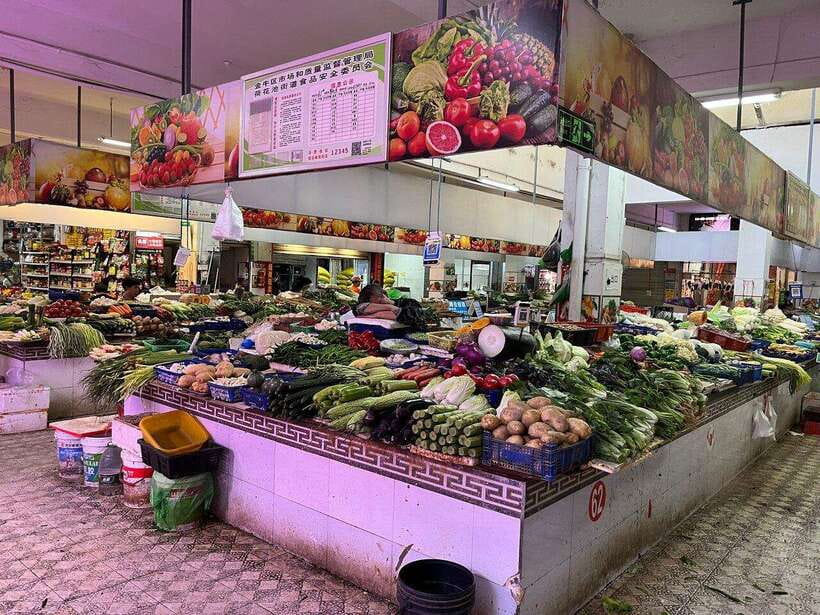
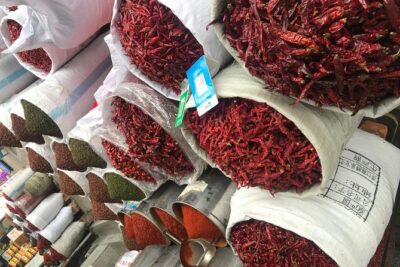
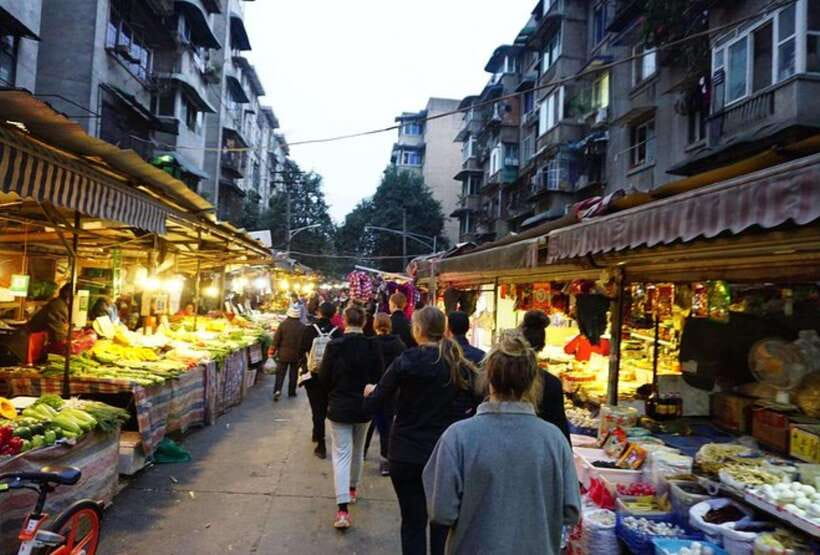
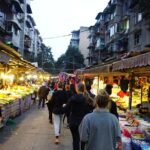
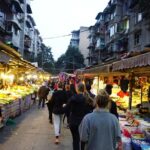
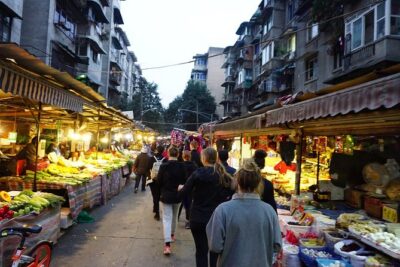
If you think Sichuan food is just about heat, this class quietly fixes that. It starts where the flavor actually comes from: the spice stalls, dried ingredients, and everyday Chinese grocery items you might miss if you just wandered on your own. The market part is not filler. It gives you the map you need so the later cooking makes sense, even if you are a total beginner.
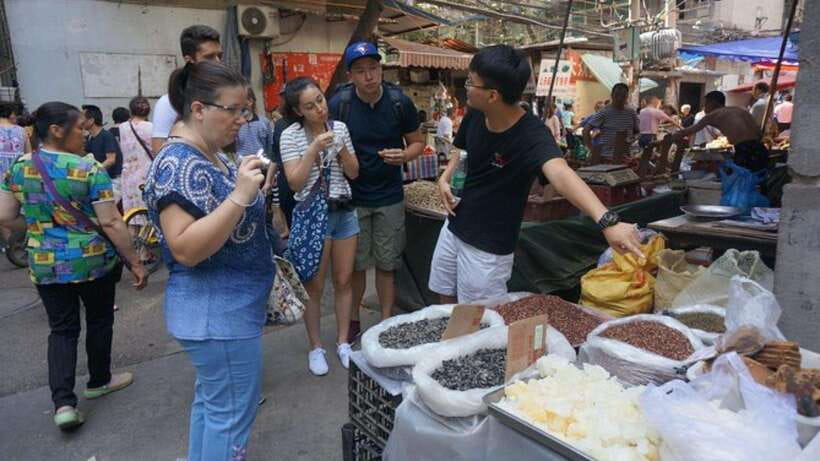
I like how the guide-led spice walk is structured like a friendly game. You are walking through an authentic local market, but you also get prompts and challenges that push you to look closely, smell, and learn. Guides mentioned in feedback include Lance and Jerry, and they are credited with being fun to hang out with while explaining how Sichuan cooking works in the real world.
There is also a practical appeal. The market visit tees up what you will cook next, so you are not just buying ingredients you do not recognize. If you want a Chengdu food experience that feels grounded, this is a strong bet.
Metro Easy Start: Meeting Point and Timing
Logistics are refreshingly simple. You meet at Metro Line 6, Liang Jia Xiang Station Exit D (梁家巷地铁站6号线D出口). That matters because Chengdu traffic and taxis can turn a half-day into a bigger headache than it should be.
The class runs about 4.5 hours with different starting times. The morning session meets at 8:50am. Afternoon options include 1:50pm and 4:50pm. This flexibility helps if you are juggling other plans like tea houses, hot pot, or a day trip.
A detail worth taking seriously: the experience operates in all weather conditions. That means you will want comfortable walking shoes, plus a light jacket or rain cover. The outdoor market walk is the most likely part to feel the weather, but the rest of the program runs regardless.
Small-group size also helps with timing. With a maximum of 15 travelers, you are less likely to be stuck waiting in a line while other people finish.
Spice Market Challenges, Smells, and Sichuan Ingredient Basics
This is the heart of the value. Before any chopping begins, you walk into a local spice market with an English-speaking guide and you learn how Sichuan cuisine gets built: by layers of aromatics, sauces, and dried ingredients. The experience description focuses on Sichuan spice species and ingredients that will appear in the cooking class afterward. In plain terms, you get the ingredients explained before you meet them at the wok.
What I find smart is the way the market visit mixes education with sensory learning. You get to see and smell ingredients, not just hear about them. Some guides have been noted for adding small extra tastings from the market, like fruits and other items you might not pick out yourself. That makes the market feel like more than a lecture.
You also get a guide who can answer questions while you walk. In feedback, Lance and Jerry are specifically praised for explaining things clearly and translating smoothly for the chef when needed. If you worry about language gaps in China kitchens, that is a big deal for confidence.
One more practical point: the market walk trains your eye. You start learning what to look for, so if you later shop for Sichuan ingredients, you will know what you are actually holding.
Sichuan Tea Ceremony and How It Sets the Mood
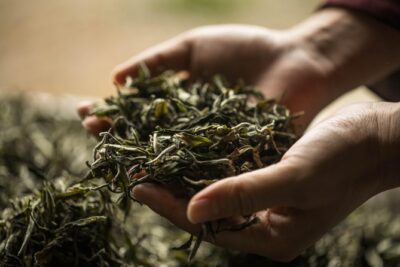
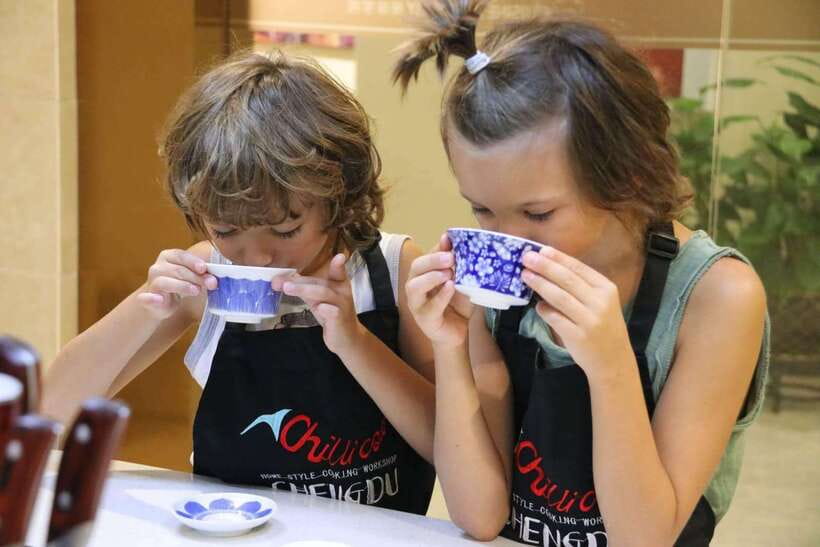
After the market, you transition to a calmer moment: Sichuan tea with the kind of welcome locals give friends and visitors. It is not presented as a random sip-and-sit break. It acts like a bridge between street-level ingredients and the workshop kitchen where you will cook.
Tea here serves two purposes. First, it helps you reset after the walk. Second, it gives you a cultural “why” behind the meal. That sounds soft, but it affects how you experience the cooking steps. When you understand tea and hospitality as part of the ritual, the class feels more like joining a home-style workflow and less like performing tasks.
I also like that the tea moment is built into the flow. You do not end up waiting around with empty hands. You get refreshments, then the cooking begins.
If you are the type who likes context, this tea welcome makes the whole half-day feel more complete. If you are hungry (and half the time you are in China, you are), it also sets you up for the meal with a gentle pause.
Other Chengdu trips our reviewers kept returning to
Courtyard Workshop Kitchen: Cook Several Dishes at Your Wok Station
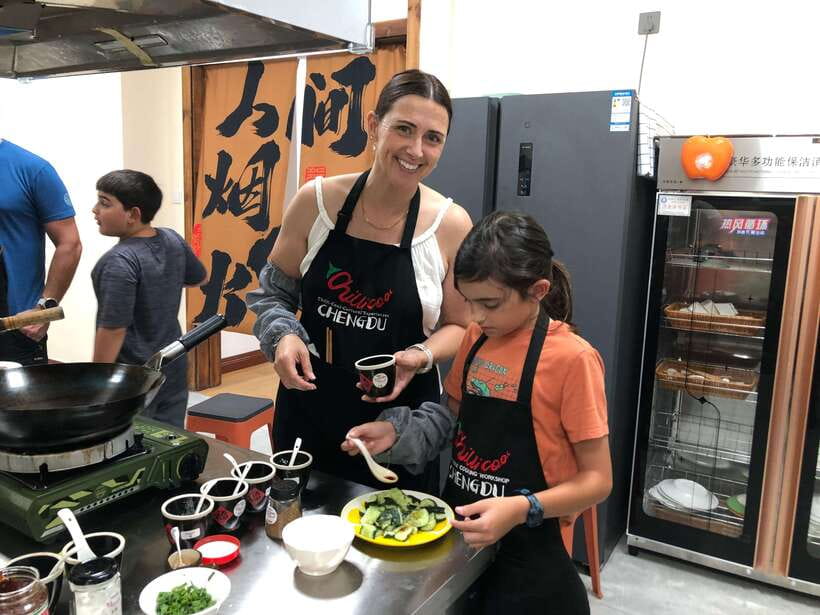
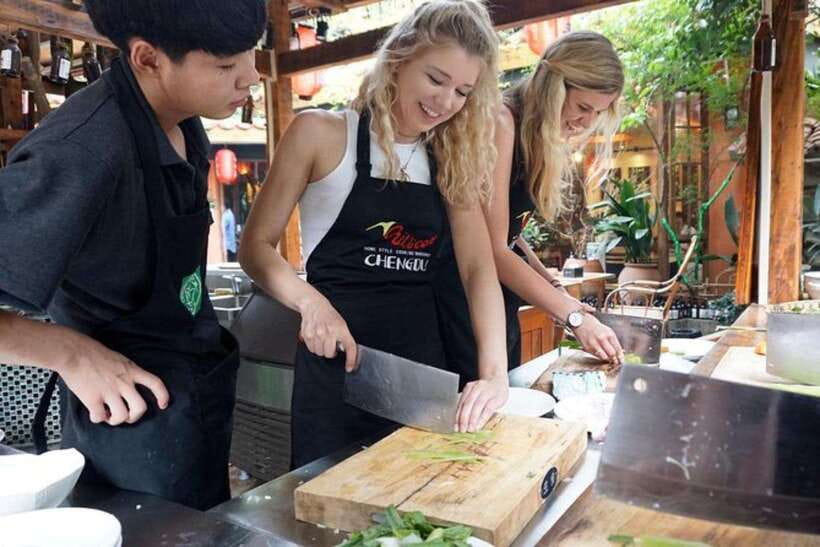
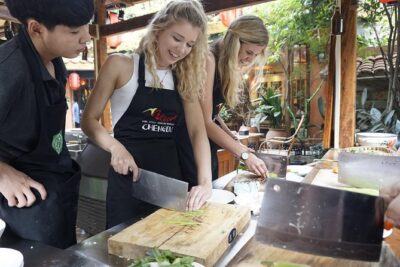
Now the fun part. The class moves to a workshop kitchen in a courtyard setup, where a professional chef leads the cooking process. You are treated with hands-on instruction, and the goal is that you leave knowing how to cook Sichuan dishes, not just tasting them.
The structure is built for action. You prepare multiple dishes, and you work at several wok stations. That means you are not stuck on one simple task while others do the real cooking. In feedback, the pace is described as fast once you hit the woks, so expect things to move. Staff members are also described as attentive, hovering just enough to keep you on track.
For first-timers, this is where the class earns its keep. Wok cooking looks easy until you try it. This format helps you learn by doing, with support when heat and timing matter.
You can also see why the market lessons matter. The spices and ingredients you studied earlier show up in the dishes you make. So when a sauce or aromatic lands in your bowl, it is not mystery seasoning. You know what it is trying to do.
Also note a useful flexibility in real life: if your group is small, you might get a more personal level of guidance. One feedback note describes an almost one-on-one feel when there was only a single participant. That suggests the team is comfortable adjusting attention when needed.
The Meal, Beer, and What Makes the Food Taste Better
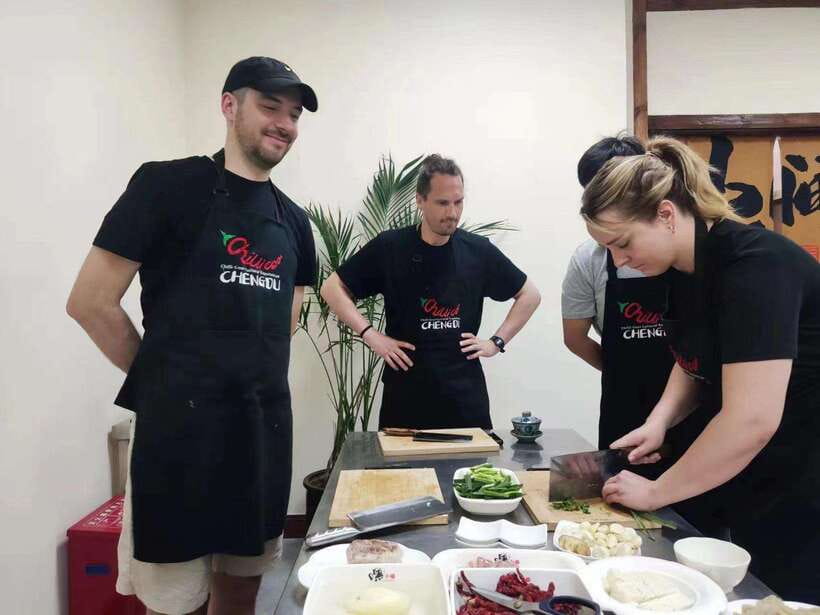
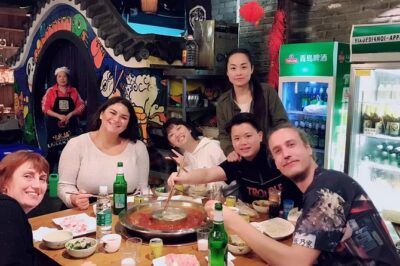
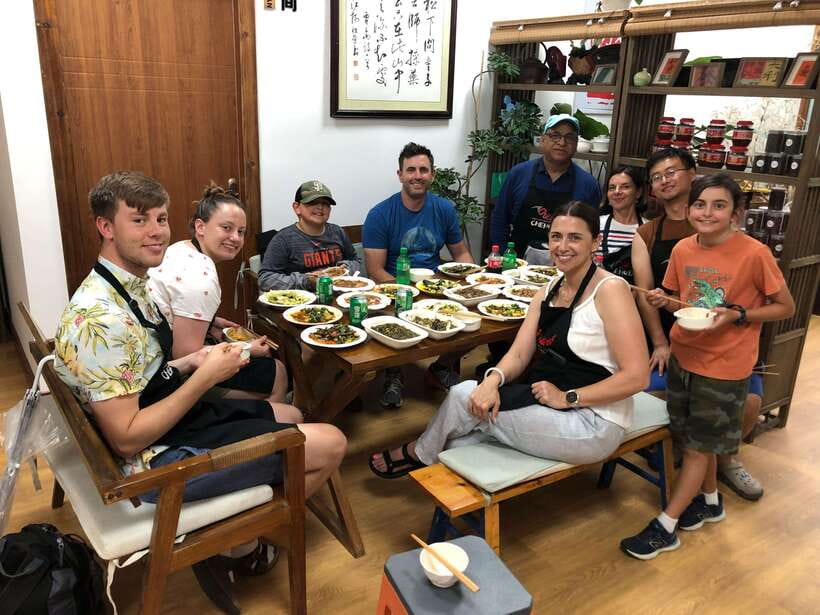
At the end, you eat what you cooked. That sounds obvious, but many cooking classes fail here by making the eating feel like an afterthought. This one centers the meal, and it includes beverages like beer or other drinks, plus light refreshments and tasting along the way.
The combination of tea earlier and beer with dinner later creates a nice rhythm. You are tasting while you learn, then you sit down and enjoy the finished dishes as your own work product. It is the difference between learning and living.
The class also emphasizes recipes. You receive recipes to take home, which is the best bridge from “great day” to “I can cook this again.” For you, that means you can recreate the dishes without needing to remember a hundred micro-steps. If you like cooking at home, this is the part that turns the half-day into a long-term value win.
And yes, the meal is a social moment. With a small group, you are sharing dishes you made together, and the staff helps the experience stay smooth. Even if you travel solo, this tends to feel more like a shared workshop than a lone activity.
Vegetarian Friendly Cooking That Actually Changes the Menu
If you eat vegetarian, this class is worth a close look. There is an explicit vegetarian option, and you should advise them at booking if you need it. That is important, because “vegetarian” in travel can sometimes mean you remove a few things and hope for the best.
What convinces me here is that feedback includes examples of the menu being adapted for vegetarian needs with no shortcuts. If the chef is following through and not just swapping garnish, you end up learning real techniques rather than ending with a compromise plate.
A vegetarian-friendly format also helps you understand Sichuan cooking more broadly. Sichuan flavors often rely on aromatics and sauces, not only meat. If the class is handled properly, you learn how to build depth without the usual protein shortcuts.
Bottom line: if your diet requires care, tell them upfront. Then show up with curiosity, because the market walk can still teach you plenty even when the final dishes are vegetarian.
Price and Value for an Included-Meal Class at $82
Let’s talk money without ignoring reality. $82 per person is not the cheapest thing you can do in Chengdu. But this class includes a lot of what other cooking classes charge extra for, like the market tour, ingredients, food tasting, and lunch or dinner depending on your schedule. Beverages and beer are included too, along with light refreshments.
When you add that up, you are paying for more than cooking. You are paying for guided ingredient education plus chef-led instruction plus meals plus take-home recipes. That can be good value, especially if you would otherwise spend money on market snacks, restaurant meals, and a cooking workshop separately.
Also, the small group size up to 15 matters. It usually means you get more attention during the cooking stages. In feedback, people mention staff hovering and helping keep cooking on track at the wok stations. That kind of support is hard to replicate in a DIY cooking session.
One caution on value: because the pace can be fast once cooking starts, you should be ready to participate. If you want a slow, leisurely cooking demo where you just watch, this may feel more energetic than you expect.
Should You Book This Chengdu Cooking Class With Market Half Day?
I think you should book this if you want a Chengdu food experience with real context, not just a plate in front of you. The market walk is the ingredient education piece. The tea welcome adds local rhythm. Then the courtyard workshop kitchen gives you skill-building time with a chef and support at wok stations.
You should also consider it if you are traveling with any diet needs, especially vegetarian. The option exists, and the team appears able to adapt menus rather than just offer a simple substitute.
Skip it only if you are sensitive to pace, because the woks move quickly once you start cooking. Also skip it if you hate walking in outdoor markets, since the whole experience runs in all weather.
If you want one straightforward decision rule, use this: if Sichuan flavors interest you and you want to leave with both dishes you made and recipes you can cook again, this half-day format is a strong use of time in Chengdu.
FAQ
How long is the Chengdu cooking class?
The experience lasts about 4.5 hours.
Where is the meeting point?
You meet at Metro Line 6, Liang Jia Xiang Station Exit D (梁家巷地铁站6号线D出口).
What time do the classes start?
Morning class meets at 8:50am. Afternoon classes meet at 1:50pm and 4:50pm.
Is there an English-speaking guide?
Yes. The guide speaks English, and the live tour guide is listed as Chinese and English.
What is included in the class?
Included items cover the market tour, ingredients, food tasting, beverages or beer, light refreshments, and lunch or dinner based on your schedule, plus recipes.
Is there a vegetarian option?
Yes. A vegetarian option is available, and you should advise them at booking.
What is the minimum age?
The minimum age is 5 years.
Does it run in bad weather?
It operates in all weather conditions, so dress appropriately.
Do I need passport details to book?
Yes. Passport name, number, expiry, and country are required at booking for all participants.
How large is the group?
The class has a maximum of 15 travelers.
More Markets in Chengdu
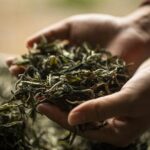
More Shopping Tours in Chengdu
More Tour Reviews in Chengdu


Chengdu, reviewed one booking at a time
- Wolong Panda Base Volunteering Program from Chengdu
★ 5.0 · 3 reviews - Mt Emei and Giant Buddha 2 Days Tour
★ 4.5 · 3 reviews - Half-Day Private Hot-Pot Cooking Class with a Local Market Visit
★ 5.0 · 3 reviews - Private 1-Day: Panda and Chengdu Local Life (Make Vlog for you)
★ 5.0 · 3 reviews - Ticket reservation for Chengdu Giant Panda Breeding Base
★ 5.0 · 3 reviews - Sanxingdui Museum Small Group Tour with Optional Panda Base
★ 5.0 · 3 reviews
Markets, compared.
 ★ 5.0Mini Group Xian Day Tour to Terracotta Army, City Wall, Pagoda and Muslim BazaarFrom $491,320 reviews
 ★ 5.0Half-Day Chengdu Cooking Class with a Local Market VisitFrom $90465 reviews
 ★ 5.0Shanghai Day Tour to Zhujiajiao Water Town, Yu Garden, Bazaar, BundFrom $229162 reviews
 ★ 5.0Xi’an: Terracotta Army, Lunch, City Wall, Pagoda, BazaarFrom $4872 reviews
 ★ 5.0Half-Day Xi’an Biang Biang Noodles Cooking with a Market VisitFrom $7548 reviews
 ★ 5.0Lijiang Naxi Cuisine Cooking Class & Market VisitFrom $5948 reviews
 ★ 5.0Xi’an Morning Food & Market Tour by TukTukFrom $5846 reviews
 ★ 5.0Yangshuo Cooking Class with Market TripFrom $4540 reviews
Browse the lists this tour appears in