
REVIEW · MARKETS
Beijing: Vegan Home Cooking & Local Market Tour with Sanxia
Vegan dumplings taste better in a home. This Beijing experience mixes a fresh ingredient hunt with cooking in Sanxia’s cozy Tongzhou apartment, then ends with tea and a shared meal. I love the market visit where you handpick produce and plant based staples, and I love the hands on cooking where you actually make dumplings and noodles, not just watch. One thing to consider: it can run 4 to 6 hours, so plan your day around it.
You’ll meet your host near Tu Qiao subway station in Tongzhou, then settle into daily life in a local home kitchen. It’s a private group of 1 to 8 people, with options in English or Chinese, and the pace stays relaxed even when flour starts flying.
In This Review
- Key things that make this tour special
- Getting your bearings in Tongzhou, meet Sanxia near Tu Qiao
- The organic market stop, what you choose for Chinese vegan cooking
- From shopping bag to cozy apartment kitchen
- Hands on dumplings, noodles, and seasonal vegan dishes
- Tea ceremony timing and how it pairs with food
- Sharing dinner stories, Chinese lifestyle, and vegan living
- Xiangshan bookmark, plus photos and video you can keep
- Price, time, and who this tour fits best
- Should you book this vegan home cooking tour?
- FAQ
- How long is the Beijing vegan cooking and market tour?
- Where do we meet Sanxia?
- What languages are available during the tour?
- Is this tour wheelchair accessible?
- What should I wear or bring, and are there any rules?
- Can I cancel, and is pay later available?
Key things that make this tour special
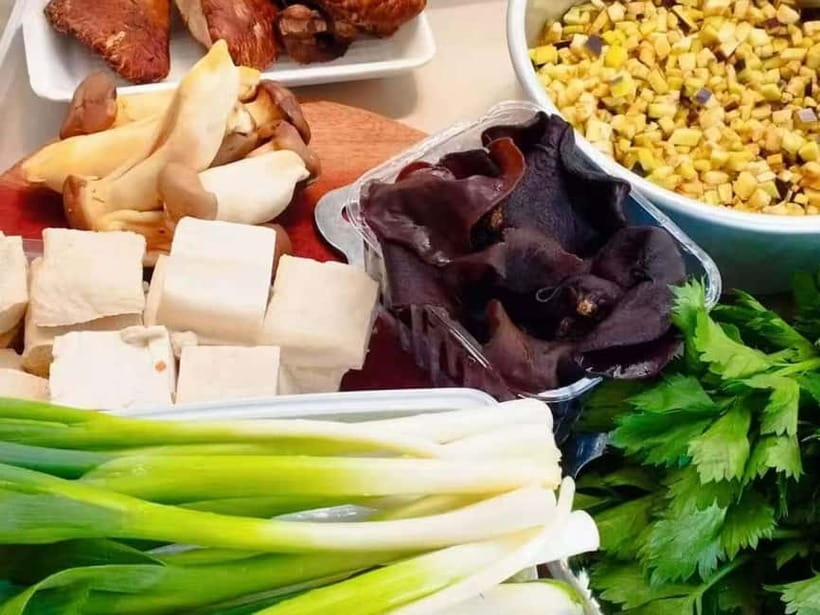
You shop with care, choosing seasonal vegetables, tofu, grains, mushrooms, and herbs for Chinese vegan dishes
You cook the classics by hand, including dumplings, noodles, and other comfort foods
Tea is part of the rhythm, with red, green, and white teas served while food cooks
Menus shift by season and preference, so you’re not stuck with one fixed set of dishes
You leave with a souvenir and media, including a handmade Xiangshan bookmark plus professional photos and videos
Other Beijing trips our reviewers kept returning to
- Beijing Hutong Walking Food and Beer Tour at Hidden Restaurants★ 5.0 · 1,132 reviews
- Beijing: Hidden Gems Guided Food Tour with Beer and Tastings★ 4.9 · 306 reviews
- Beijing Private Hutong Food Walking Tour★ 5.0 · 299 reviews
- Beijing Hutong Breakfast Food Tour★ 5.0 · 155 reviews
Getting your bearings in Tongzhou, meet Sanxia near Tu Qiao
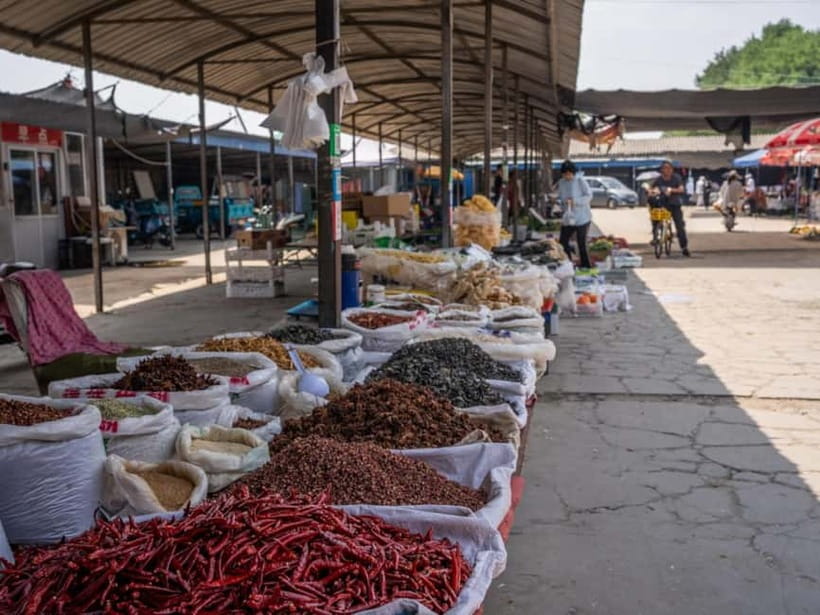
The day starts with a friendly meet up near Tu Qiao subway station in Tongzhou District. From there, you get a quick intro before moving on to the market, then later to Sanxia’s home kitchen. If you are doing this at lunch or dinner time, the schedule keeps things flexible across the day, but the cooking block stays real and hands on.
One smart point here is that you are not dropped into a random classroom. You are met by a host in their own neighborhood rhythm, and that changes the whole feel. You also get that small group benefit fast. With up to 8 people, you can ask questions without shouting over a crowd, and with solo or tiny groups, the flow can feel more like a day out with a very helpful friend.
Sanxia is the heart of the experience, and based on what I’ve learned from firsthand accounts, her warmth matters. You’re also likely to hear lively stories during the meal, including travel talk from her journey across 30 plus countries, and her partner Jürgen may join the table conversation.
Practical note: transportation to the meetup is on you. Build in a little buffer so you arrive calmly, not rushed.
The organic market stop, what you choose for Chinese vegan cooking
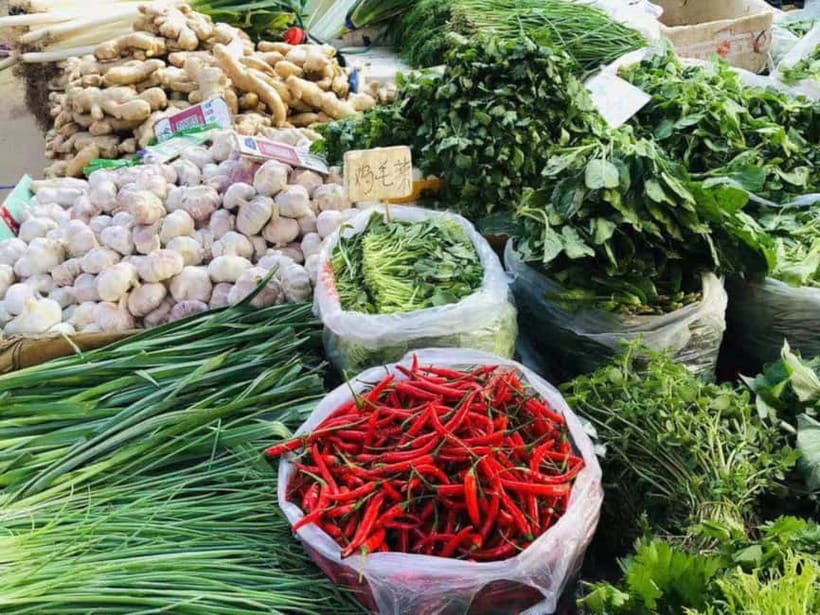
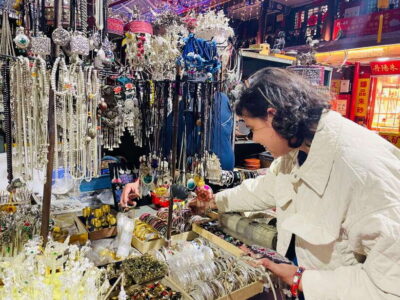
This tour’s market portion is where you start learning what makes Chinese plant based cooking taste like Chinese food, not “vegan food that tries to imitate something.” You walk through stalls with seasonal vegetables and ingredient groups you might not think to buy at a standard supermarket: tofu, grains, mushrooms, herbs, and more.
What I like about doing this with a local is that the shopping becomes a mini lesson. You’re not just buying ingredients, you’re getting the logic behind them. Why a certain herb works in a specific dish. How tofu and mushrooms can carry savory flavor. Which produce looks best for stir frying versus stuffing.
Also, the market gives you a sensory warm up before the kitchen work. Your eyes get used to the colors and shapes, and your brain starts matching ingredients to cooking methods. That makes the later dumpling and noodle parts much easier to follow.
A small consideration: market time can be a little foot heavy. If you don’t enjoy walking and standing in a busy food area, you might find this part tiring. The good news is that it’s not rushed, and you are there to pick ingredients together, which keeps it engaging.
From shopping bag to cozy apartment kitchen
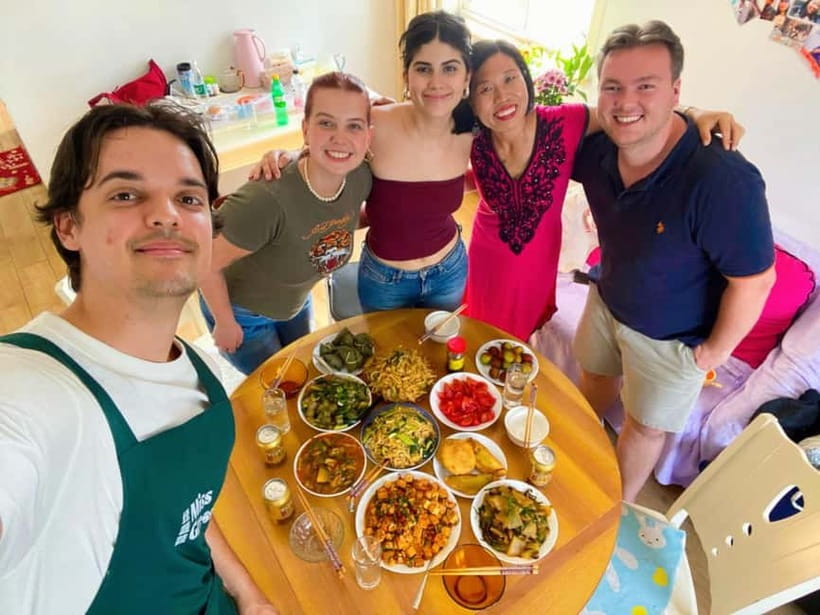
After the market, you head to Sanxia’s apartment in Tongzhou. This is not a demo kitchen. You’re in a real home space, which means the cooking feels grounded and normal, like what someone would do on a regular day.
This is also where your expectations should shift from “I’m taking a class” to “I’m joining a household meal routine.” You get the relaxed feeling of a host cooking with you, answering questions, and showing how things are handled in a home setting. Expect a cozy pace, not a strict school timetable.
Sanxia’s English support is built in, and the experience also runs in Chinese if that’s your preference. Either way, you’ll be guided through the process step by step. The experience is designed for private groups too, so it’s not about matching a big class’s skill level.
One more reason this part works: home kitchens are where you learn the practical shortcuts. Not secret techniques, just the everyday decisions that make cooking go smoothly, like how to organize ingredients, when to start certain components, and how to keep textures right when you’re working with handmade dough.
If you’re thinking of this as a “quick taste of vegan Beijing,” it’s better to think of it as learning a workflow you can reuse later.
Hands on dumplings, noodles, and seasonal vegan dishes
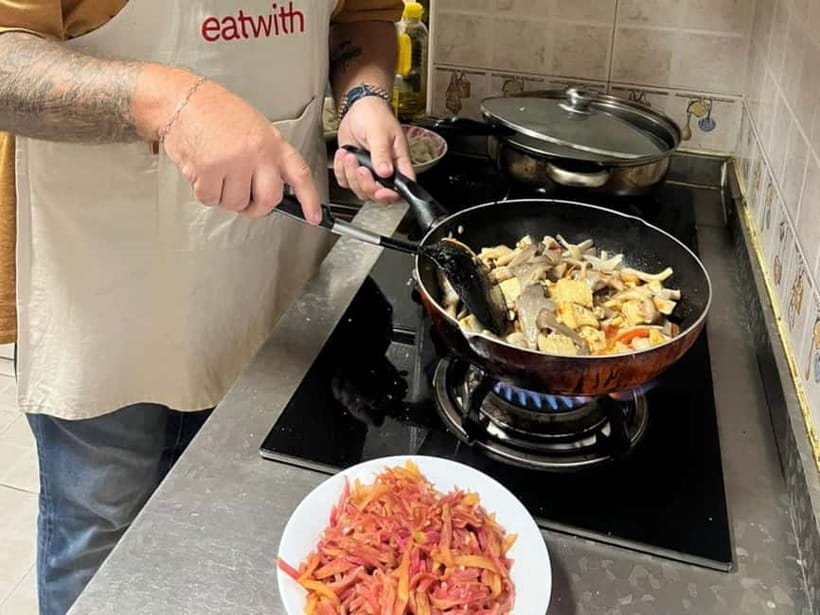
Here’s the main event: you join a hands on cooking class and make traditional Chinese dishes with plant based ingredients. Menus vary by season and by guest preference, so you’re not guaranteed a single fixed list every time. Still, the typical range includes handmade dumplings, steamed buns, stir fried vegetables, sesame noodles, and millet porridge.
What you’ll notice right away is that the class is structured around practical outcomes. You learn how to shape dumplings, and you learn how to think about texture and filling balance. Making dumplings and noodles by hand turns cooking into something you can feel. Your hands do the learning, and your brain follows.
A great bonus is that the dishes tend to be varied, not repetitive. You might start with dough work, then move into stir frying, then finish with something porridge style like millet. That spread keeps you from getting bored, and it gives you a real meal’s mix of flavors and temperatures.
Also, you’re eating what you make. That sounds obvious, but in cooking experiences it isn’t always true. Here, the meal is built from your work, so you get closure. When someone asks what you cooked, you can actually describe it beyond “I helped a little.”
Consider the mess factor. Bring comfortable clothes, and assume you might end up dusted with flour. It’s part of the fun.
Other Beijing trips our reviewers kept returning to
Tea ceremony timing and how it pairs with food
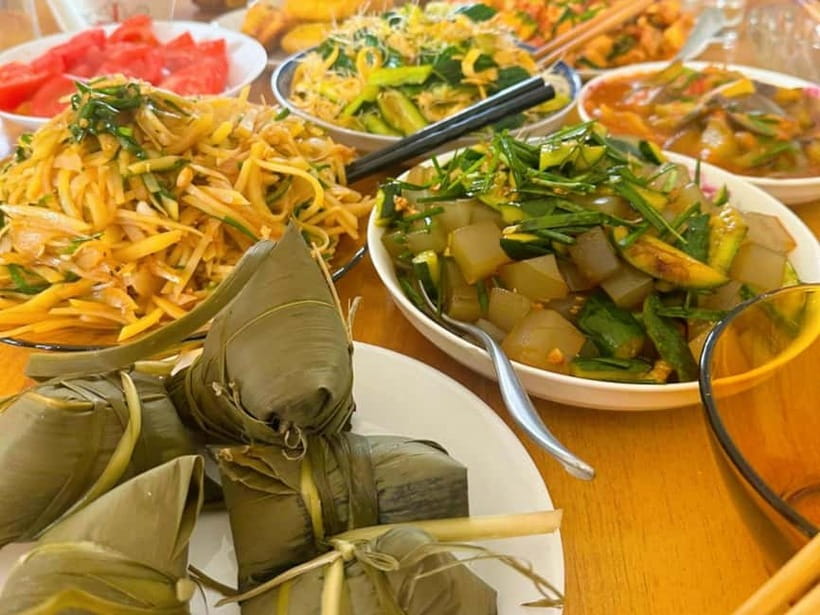
Tea isn’t just a drink here. It’s scheduled into the cooking rhythm. You’ll do a tea tasting that includes red, green, and white teas, and it runs alongside homemade vegan dim sum while the main dishes are cooking.
That timing matters. You’re not tasting tea after the meal is already over. You’re tasting it while the kitchen is busy, so the tea acts like a palate reset between stages. It also helps you slow down and pay attention to smell and flavor, which makes everything else you eat taste more specific.
A tea tasting can feel formal in other places. Here, it fits the casual home pace. You get to ask questions about teas, and you can compare how different tea styles feel in your mouth when food is still finishing on the stove.
If you like food experiences that blend culture with taste, this is a strong element. You’re learning without reading a textbook, and the tea becomes part of the story of the meal.
Sharing dinner stories, Chinese lifestyle, and vegan living
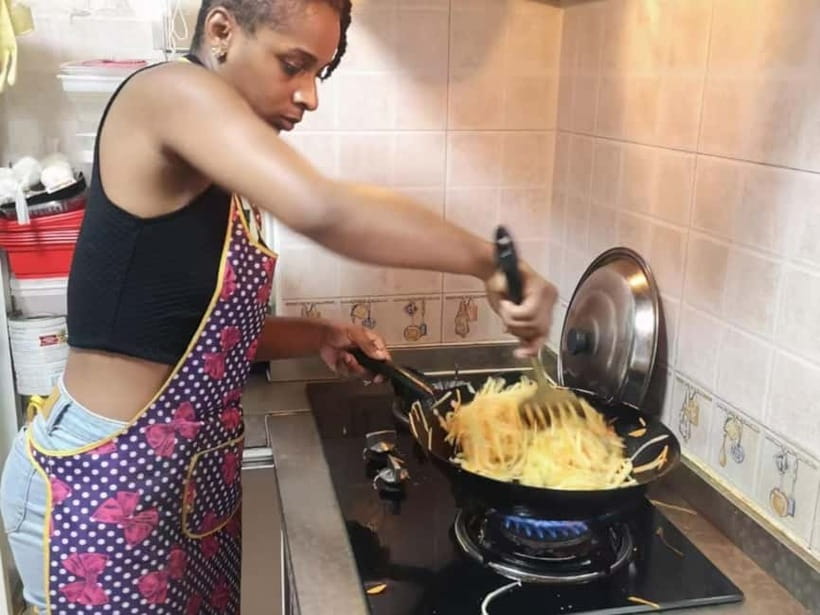
When the cooking is done, you sit down together for the meal you prepared. This is where the tour turns from “class” into “conversation.” You share stories, trade travel insights, and talk about Chinese lifestyle and what vegan living looks like day to day.
Based on firsthand accounts, Sanxia and the people around her keep the energy social. One solo guest reported they ended up spending most of the day with Sanxia, her boyfriend Jürgen, and friends. That kind of extra chat does not happen in every tour every day, but the setup is clearly designed for connection, not just transactions.
This matters for value. You’re paying for cooking skills, yes. But you’re also paying for context, like how ingredients are chosen, how meals are built in a household, and how someone navigates vegan choices while staying rooted in Chinese culinary patterns.
Cultural learning is strongest when it’s practical. Tea is practical. Dumpling rolling is practical. The real-life dinner conversation is practical too, because it answers the unasked question: how does a local household think about food?
Xiangshan bookmark, plus photos and video you can keep
At the end, you get a personal handmade souvenir from the scenic Fragrant Hills, also known as Xiangshan. In this case it’s a handmade bookmark, which is small but meaningful because it links the experience to a real place beyond the kitchen.
You also receive free professional photos and videos of your time together. That’s a big deal for a hands on food tour. You’ll want a visual record of dumplings in progress, tea time, and the finished table moment, especially if you are cooking and hosting friends later back home.
The day concludes back near the starting area, around Linhe Li subway station. The exact route will depend on where you started and how the group moves, but the plan is designed to keep the “how do I get back” part straightforward.
One more practical thought: if you care about photos, wear something comfortable but camera friendly. You’ll likely be eating and laughing, and you’ll want the pictures to look like a real moment, not just a documentation shot.
Price, time, and who this tour fits best
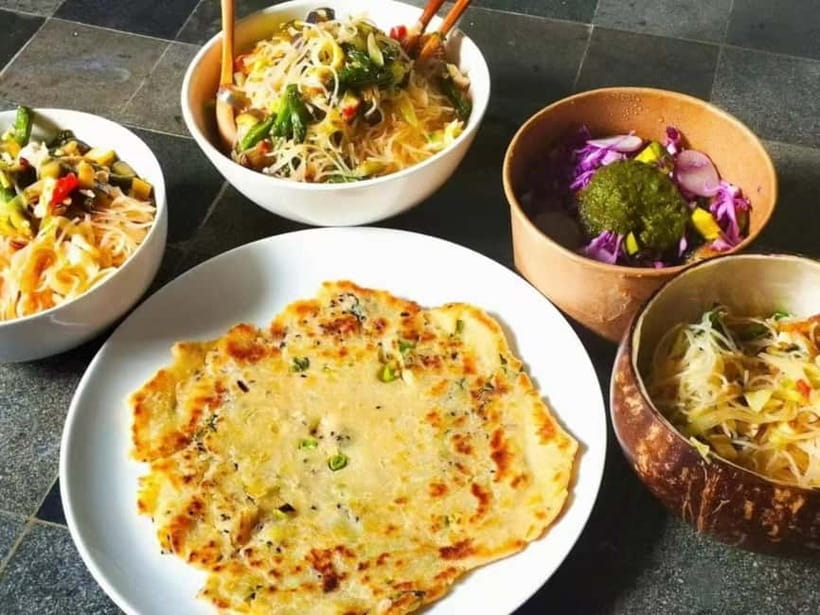
At $47 per person for a 4 hour experience, this is priced like a small guided culinary activity, not a fancy restaurant. The value comes from the combination: market guidance, a hands on cooking class, the full meal, tea tasting, a souvenir bookmark, and professional photos and videos.
Transportation is not included, so factor that into your true cost. But the rest is bundled into the experience itself, which is where you get your money’s worth. You’re not paying extra every time you turn a corner, and you’re not paying to stand around. You’re learning and eating.
This tour is a great fit if you:
Want a vegan Beijing experience that focuses on actual Chinese techniques and ingredients
Enjoy hands on cooking, especially dough work like dumplings
Like small group or private settings where you can ask questions and talk
- Want cultural exchange that happens naturally over dinner and tea
It’s less ideal if you want a purely sightseeing style day or if you dislike being in the kitchen. This is cooking focused, even with breaks for tea and conversation.
Should you book this vegan home cooking tour?
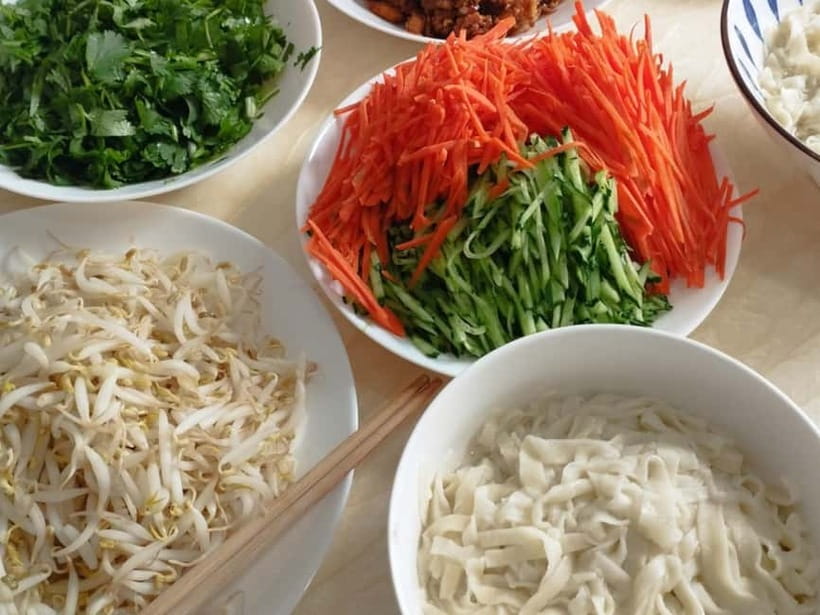
If you want your Beijing food day to be more than a meal, I’d book it. This works because you start with ingredients, cook them in a home kitchen, and end by eating together, with tea and conversation layered in. The strongest part is the host dynamic, with Sanxia’s friendly, social approach making the day feel personal, not scripted.
If your schedule is tight, choose a time slot wisely, since the experience can run 4 to 6 hours. And if you are traveling with dietary caution beyond plant based, clarify preferences in advance, since the menu can vary by season and guest preference.
Overall, I think this is a solid value pick for vegan travelers and food lovers who want to learn, not just sample.
FAQ
How long is the Beijing vegan cooking and market tour?
The experience is listed as 4 hours, and the total time can run 4 to 6 hours depending on group size.
Where do we meet Sanxia?
You start near Tu Qiao subway station in Tongzhou District. The meeting address for Sanxia’s home is Floor 19, Unit 2, Building 109, Fangheng Dongjing Community, Linheli Road, Tongzhou District, Beijing.
What languages are available during the tour?
The experience is offered in English or Chinese.
Is this tour wheelchair accessible?
Yes, the tour is stated to be wheelchair accessible.
What should I wear or bring, and are there any rules?
Bring comfortable clothes. Smoking is not allowed.
Can I cancel, and is pay later available?
Yes. You can cancel up to 24 hours in advance for a full refund, and there is also a reserve now pay later option.
More Food in Beijing
More Tours in Beijing

More Tour Reviews in Beijing
Beijing, reviewed one booking at a time
- Xian: Must see Eternal Love or Camel Bell Legend show Ticket
★ 5.0 · 3 reviews - One day tour to downtown Tianjin from Beijing by high speed train
★ 5.0 · 3 reviews - Ming Tombs Sacred Way & Underground Palace & Water Wall P Tour
★ 5.0 · 3 reviews - Beijing Mutianyu Great Wall Small Group Tour
★ 4.5 · 3 reviews - Return Bus to Badaling Great Wall
★ 3.0 · 3 reviews - Private Tour to Lama Temple, Tian’anmen Square and Forbidden City
★ 5.0 · 3 reviews
Markets, compared.
 ★ 5.0Mini Group Xian Day Tour to Terracotta Army, City Wall, Pagoda and Muslim BazaarFrom $491,320 reviews
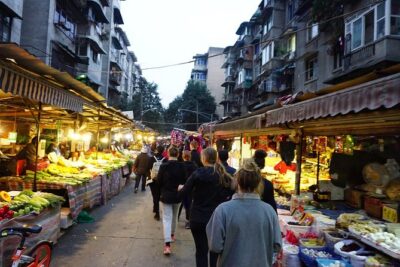 ★ 5.0Half-Day Chengdu Cooking Class with a Local Market VisitFrom $90465 reviews
 ★ 5.0Shanghai Day Tour to Zhujiajiao Water Town, Yu Garden, Bazaar, BundFrom $229162 reviews
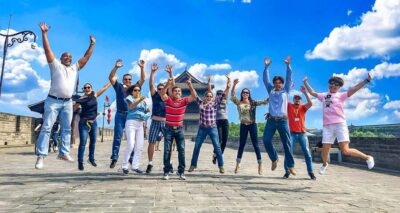 ★ 5.0Xi’an: Terracotta Army, Lunch, City Wall, Pagoda, BazaarFrom $4872 reviews
 ★ 5.0Lijiang Naxi Cuisine Cooking Class & Market VisitFrom $5948 reviews
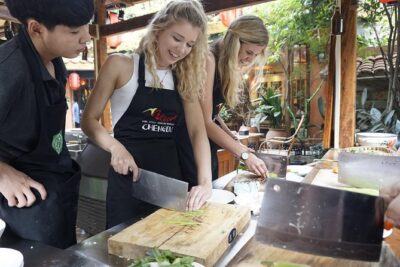 ★ 5.0Half-Day Xi’an Biang Biang Noodles Cooking with a Market VisitFrom $7548 reviews
 ★ 5.0Xi’an Morning Food & Market Tour by TukTukFrom $5846 reviews
 ★ 5.0Chengdu: Cooking Class with Fresh Market Half Day ExperienceFrom $8242 reviews
Browse the lists this tour appears in