
REVIEW · MUSEUMS
Chengdu: Sichuan Museum – Cultural and Historical Heritage
Ancient Sichuan has a home in Chengdu. The Sichuan Museum (founded in 1941) packs 300,000 artifacts into one well-paced, one-day visit. It is a smart way to understand Sichuan Province, and how it connects to wider Chinese art and history.
I especially like the variety, with bronze pieces, ceramics, calligraphy, and Tibetan Thangka paintings all under one roof. I also like that you can join free guided tours, which turns a huge collection into something you can actually follow.
One thing to plan for: you must reserve a time slot (09:00-12:00 or 12:01-16:00), and certain special exhibitions may need separate tickets. If you miss the timing window, you lose the smooth start that makes this day feel easy.
In This Review
- Key highlights you should care about
- Why the Sichuan Museum fits Chengdu travel time
- Your game plan for permanent exhibitions (without feeling lost)
- Sanxingdui, bronzes, ceramics, and calligraphy you will actually remember
- Tibetan Thangka paintings plus Han dynasty stone carvings
- Zhang Daqian’s artwork: a bridge between eras
- Free guided tours: how to use them well
- Price and value: is $5 a good deal for this museum day?
- Practical tips that make the visit smoother
- Who should book this Sichuan Museum day?
- Final call: should you book?
- FAQ
- How long is the Sichuan Museum experience?
- What does the $5 price include?
- Do I need to reserve an entry time slot?
- Are special exhibitions included?
- What should I bring to the museum?
- Are pets allowed inside?
Key highlights you should care about
- 300,000 artifacts, so you get scale right away, not just a few display cases
- Permanent exhibitions are free, which makes the $5 price feel like a booking fee plus access
- Guided tours are included, so you do not have to “wing it” through long gallery halls
- Sanxingdui-related treasures, plus Han dynasty stone carvings for a strong historical sweep
- Tibetan Thangka paintings, adding a different artistic tradition to your Chengdu day
- Zhang Daqian’s artwork helps connect modern eyes to older Chinese styles
Still weighing it up? These Chengdu bookings scored well when we went through them.
- Chengdu: Giant Panda Breeding Research Base Ticket★ 4.5 · 580 reviews
- Half-Day Chengdu Cooking Class with a Local Market Visit★ 5.0 · 465 reviews
- Tuktuk Food Tour Through Chengdu’s Local Eats★ 5.0 · 435 reviews
- Private Half-Day Chengdu Panda Breeding Center Tour with Optional Volunteer★ 5.0 · 353 reviews
Why the Sichuan Museum fits Chengdu travel time
If you only have one day in Chengdu and you want more than pandas and noodles, the Sichuan Museum is a rare find: it gives you context fast. You walk into a museum built specifically to explain Sichuan’s place in China, not just to park random objects behind glass.
I like that the museum feels big without feeling chaotic. With a reserved entry slot and guided options, you can move with purpose, instead of spending your time figuring out where to start.
For art and history, it is also a good “layer cake” museum. You will see different media (bronze, ceramics, calligraphy, stone carvings) and different cultural influences (including Tibetan Thangka paintings), so the story of the region is easier to grasp.
Your game plan for permanent exhibitions (without feeling lost)
The day centers on the museum’s permanent exhibitions, and those are included with free admission. That matters because it keeps your spending under control and lets you focus on the core collections.
Here is how I suggest you structure your visit once you enter:
- Start with the displays that match your interests first (if bronzes are your thing, go there early).
- Use the guided tour to get the “timeline spine” of the galleries.
- Finish with the sections that require slower attention, like calligraphy, stone carvings, or Thangka-related displays.
Because the museum holds over 300,000 artifacts, you will not see everything in one day. That is not a downside if you go in with a couple of targets. Think of it as choosing your best chapters, not trying to read the whole book.
Comfort tip: wear shoes you can stand in for a while. The museum is spacious, and galleries are spread out enough that you will cover real ground.
Sanxingdui, bronzes, ceramics, and calligraphy you will actually remember
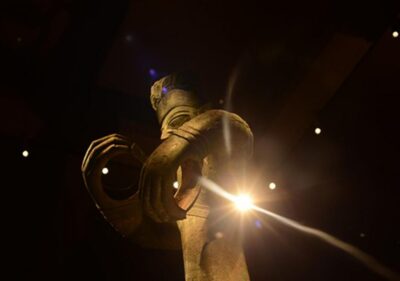
One of the museum’s big draws is its connection to the Sanxingdui site. Even if you have only heard the name once, seeing objects tied to Sanxingdui helps you understand why this region gets talked about in Chinese archaeology.
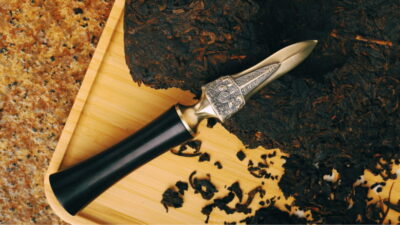
Bronze pieces usually take the lead in the first moments of a visit because they are visual and physical. You can often read a bronze display like a conversation between form and symbolism, and you get a sense of craftsmanship without needing deep background.
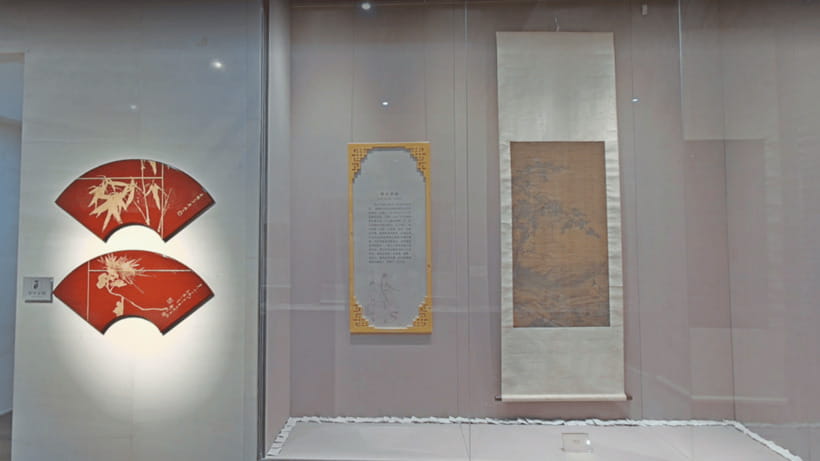
Ceramics and calligraphy add a different kind of pleasure. Ceramics reward close looking, and calligraphy tends to slow you down. If you like to stand and really study, you will find yourself spending extra time in these areas.
A practical note: bring your camera. The museum is designed for visitors to absorb visual details, and a photo can help you remember what you were seeing later when you are back out in Chengdu.
Tibetan Thangka paintings plus Han dynasty stone carvings
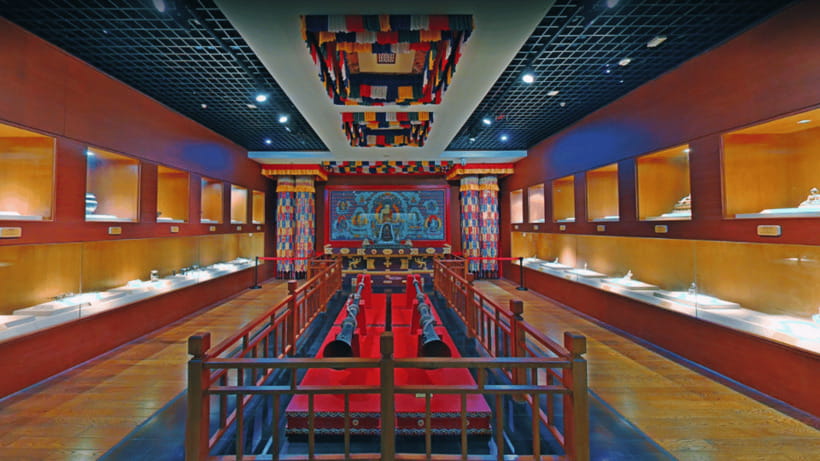
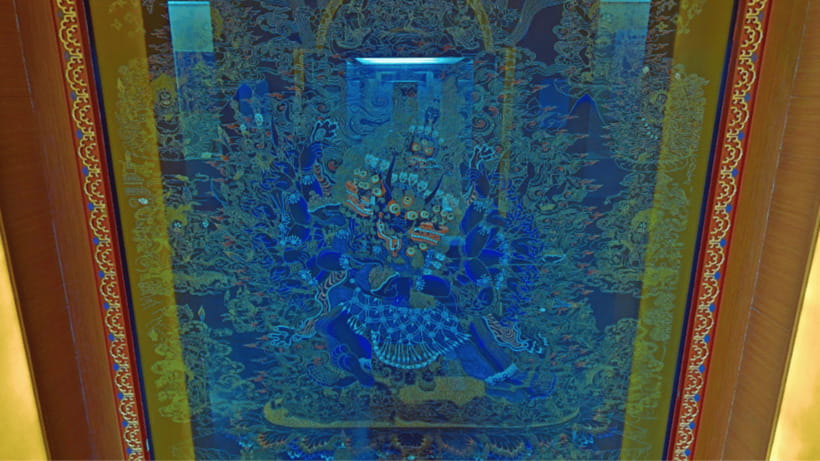
A smart reason to choose this museum is the way it mixes traditions. Tibetan Thangka paintings bring in an artistic tradition that feels distinct from standard Han-style displays. Seeing these side by side with more mainstream Chinese art makes the cultural picture feel less one-note.
Then there are the Han dynasty stone carvings. Stone works often feel “public,” because they were meant to last and to communicate. When you pair those with the softer mediums like calligraphy and ceramics, the museum tells you something important: Chinese art did not only exist in paintings, it also lived in durable public forms.
What you should do here is not rush. If one gallery starts to feel like a checklist, shift gears. Spend time with the pieces that catch your eye, and let the museum’s mix do its job.
Other Chengdu trips our reviewers kept returning to

Zhang Daqian’s artwork: a bridge between eras
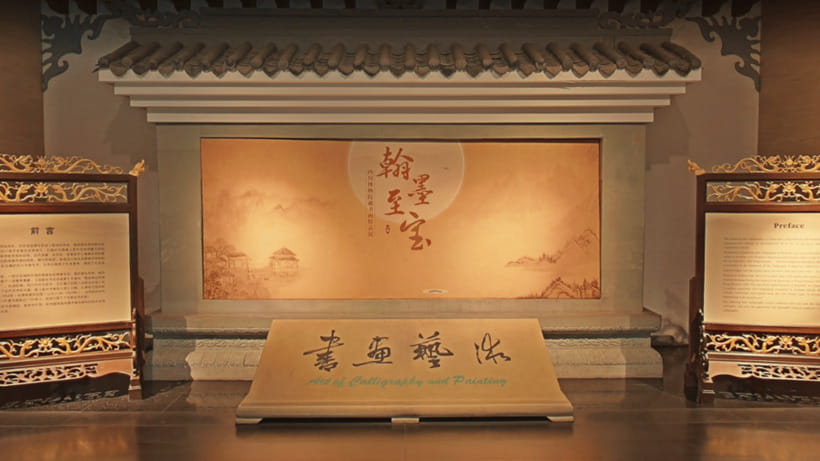
Zhang Daqian’s artwork is another highlight, and I like that this museum does not treat art as only something ancient. When you see Zhang Daqian’s pieces in the same building as older collections, you start noticing how artists carry forward styles, techniques, and tastes.
This is especially useful if you are not a specialist. You can look at the older objects, then switch to Zhang Daqian and ask yourself what changed and what stayed familiar. That kind of comparison turns a museum visit into learning you can feel.
If you care about the story of how Chinese art evolved over time, this section is worth prioritizing. Even if you only have an hour, plan it so you can actually view Zhang Daqian’s works without sprinting.
Free guided tours: how to use them well
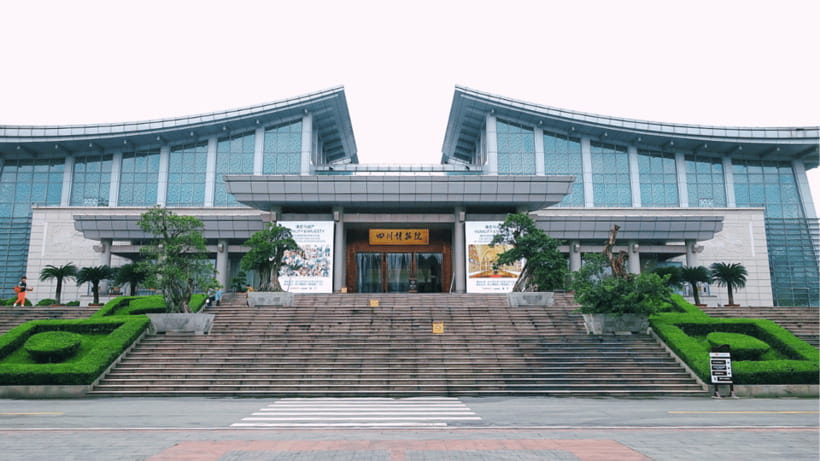
The guided tours are one of the best values in the whole experience. They are free, and they help you connect separate gallery rooms into one story about Sichuan and China.
To get the most out of the tour, do this:
- Arrive early enough that you are not distracted by trying to find the start point.
- Listen for the big terms the guide uses, especially when the topic changes from one type of object to another.
- After the tour ends, return to any section you liked and spend extra time there.
I also like how this changes the experience for non-specialists. Even if you read only part of the labels, a guide can give you the “why it matters” behind what you are seeing. That is the difference between walking through rooms and actually understanding them.
If you are traveling with family or friends who do not automatically love museums, guided time can be a real peace-maker. Everyone gets a shared thread to hold onto.
Price and value: is $5 a good deal for this museum day?
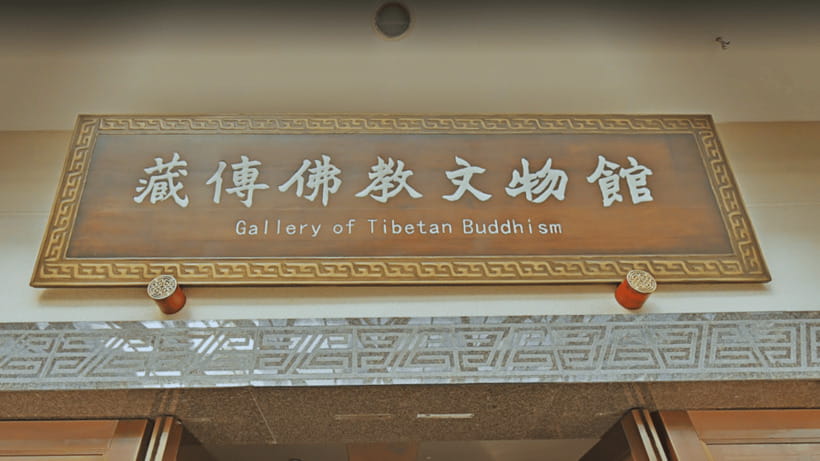
At $5 per person for a one-day visit, this feels like strong value, mainly because your ticket covers the museum experience structure. You get access to the permanent exhibitions with free admission, plus the option of museum-provided guided tours.
Also, the setup includes the benefit of skipping the ticket line. That matters more than it sounds. In a big museum, saving time at entry helps you use your energy on looking, not waiting.
The one budget warning is simple: certain special exhibitions may require a separate ticket. If your travel style is “see everything,” set aside extra money for that. If your style is “choose what matters,” you are well covered by the permanent collections.
Practical tips that make the visit smoother
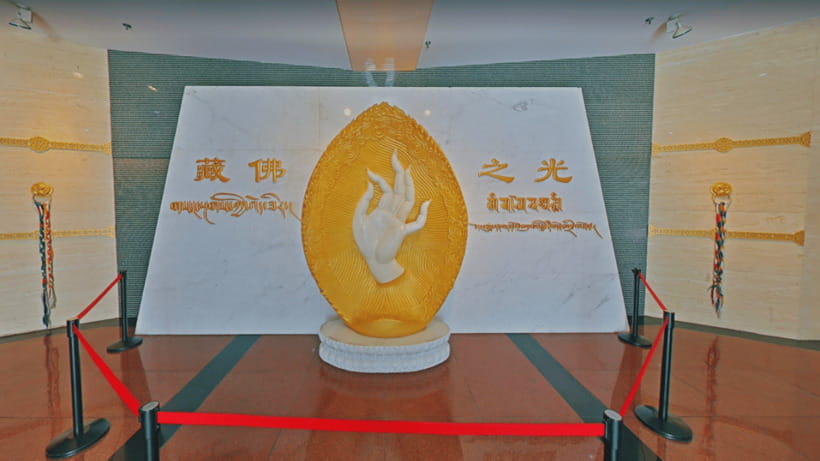
The museum experience is straightforward, but a few basics will keep you from stumbling.
Bring:
- Your passport
- Comfortable shoes
- A camera
Pets are not allowed, so plan accordingly if you are traveling with animals.
Time slots matter. You must reserve an entry time window, either 09:00-12:00 or 12:01-16:00. If you are visiting on weekends or holidays, book ahead so you do not end up with a slot that makes your day feel rushed.
Also, the museum portion includes a souvenir shop and a tearoom, based on visitors’ impressions. If you need a break between galleries, those stops can keep your energy from dropping.
One more planning note: certain reservation systems may ask you to provide passport details to complete verification. Make sure your full name matches what is on your passport and have your passport number ready, following the instructions you receive for completion.
Who should book this Sichuan Museum day?
This is a great fit if you want a focused cultural stop in Chengdu that goes beyond sightseeing checkboxes. It works especially well for people who:
- Love ancient art and want to see a wide range of media in one place
- Want a strong introduction to Sichuan and China through objects
- Travel with family, since guided tours can keep the experience readable
- Prefer a calm learning day over busy walking marathons
It might be less ideal if you only want very modern art or if you strongly dislike museums that require standing and slow looking. In that case, consider pairing this with a shorter activity instead of trying to pack it into an already full itinerary.
Final call: should you book?
Yes, you should book if you want an efficient, high-value museum day that teaches you something real about Sichuan and Chinese cultural heritage. The combination of permanent exhibitions, free guided tours, and standout collections like Sanxingdui-related material, Han stone carvings, Tibetan Thangka paintings, and Zhang Daqian’s artwork is a lot of payoff for a low price.
I would book with confidence if you can handle one practical task: choosing your entry slot and sticking to it. If you do that, you will have a smooth start, and the museum will feel less overwhelming than its size suggests.
FAQ
How long is the Sichuan Museum experience?
This activity is valid for one day.
What does the $5 price include?
It includes free admission to the museum’s permanent exhibitions, access to historical and cultural artifact displays, and museum-provided free guided tours.
Do I need to reserve an entry time slot?
Yes. You must reserve either 09:00–12:00 or 12:01–16:00.
Are special exhibitions included?
Certain special exhibitions may require a separate ticket.
What should I bring to the museum?
Bring your passport, comfortable shoes, and a camera.
Are pets allowed inside?
No, pets are not allowed.
More Museums in Chengdu


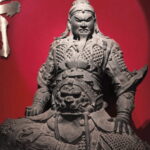
More Tour Reviews in Chengdu




Chengdu, reviewed one booking at a time
- Wolong Panda Base Volunteering Program from Chengdu
★ 5.0 · 3 reviews - Mt Emei and Giant Buddha 2 Days Tour
★ 4.5 · 3 reviews - Half-Day Private Hot-Pot Cooking Class with a Local Market Visit
★ 5.0 · 3 reviews - Private 1-Day: Panda and Chengdu Local Life (Make Vlog for you)
★ 5.0 · 3 reviews - Ticket reservation for Chengdu Giant Panda Breeding Base
★ 5.0 · 3 reviews - Sanxingdui Museum Small Group Tour with Optional Panda Base
★ 5.0 · 3 reviews
Museums, compared.
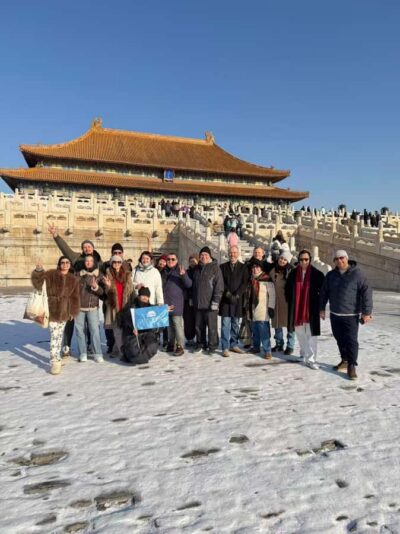 ★ 4.6Beijing: Tianmen Square, Forbidden City & Royal Museum ToursFrom $41,288 reviews
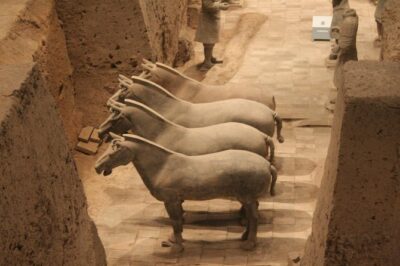 ★ 5.0Half-Day Mini Group Xian Tour to Terracotta Warriors MuseumFrom $49467 reviews
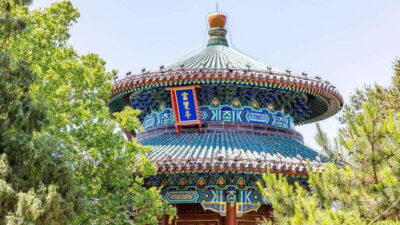 ★ 4.5Beijing:Jingshan Park (Palace Museum Garden) TicketFrom $6185 reviews
 ★ 5.0Private Chengdu Day Tour: Giant Pandas and Jinsha Site MuseumFrom $169142 reviews
 ★ 5.0Private Xi’an Tour: Terracotta Warriors, Hanyangling Museum, Cave HomesFrom $175101 reviews
 ★ 4.5Xi’an: Terracotta Army Museum Group TourFrom $2085 reviews
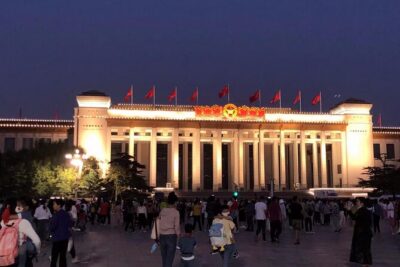 ★ 5.0Beijing Half Day: National Museum of China In-depth Tour with Subway TransferFrom $11470 reviews
 ★ 4.5Terracotta Warriors Museum Ticket with Professional English-speaking tour guideFrom $4553 reviews
Browse the lists this tour appears in