
REVIEW · SHAOLIN TEMPLE & MARTIAL ARTS EXPERIENCES
Chinese Kungfu class in old temple beside Forbidden Ci
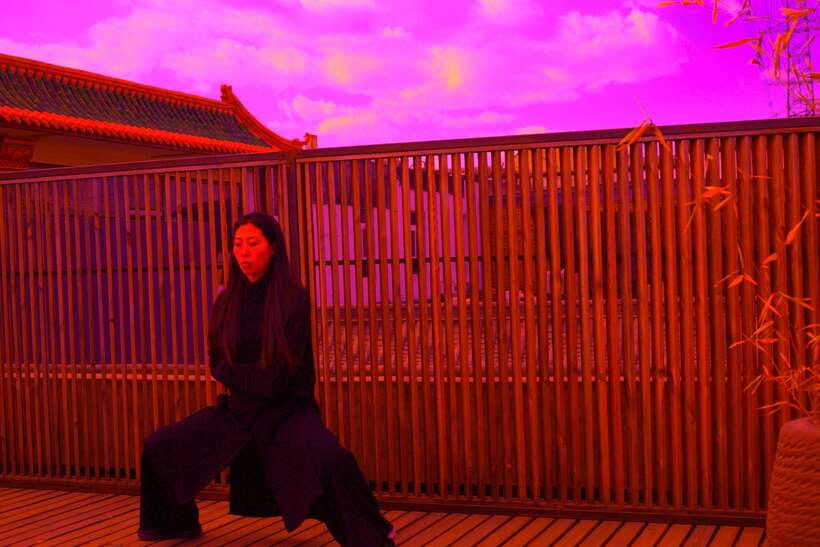
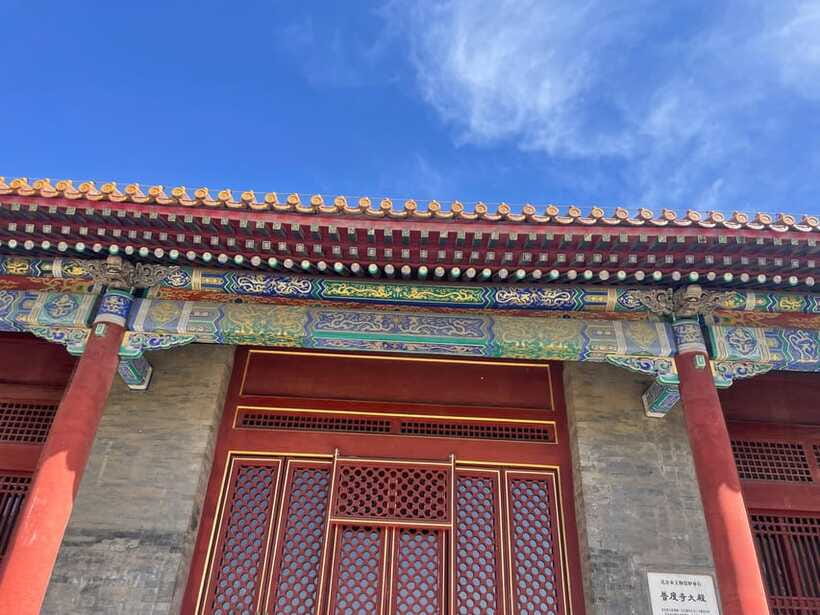
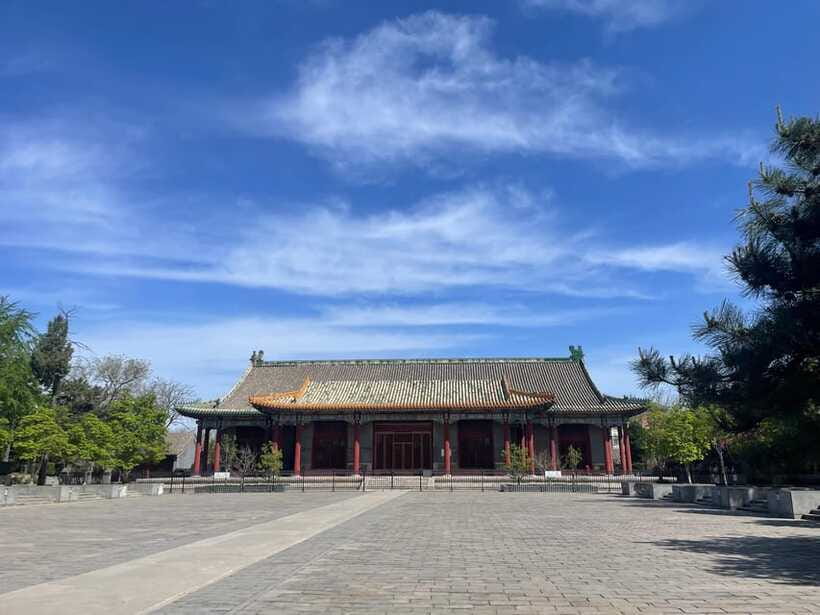
Kungfu lessons beside the Forbidden City feel unreal. This class takes place in a traditional hutong area, inside a Pudusi inheritance temple complex almost 700 years old, right by the East Gate zone. I love the real-life self-defense focus, not just memorizing moves, and I also like how your English support from Limeng makes the training and culture make sense. One consideration: you will work up a sweat, so bring an extra t-shirt to change afterwards.
You also get a structured, beginner-friendly introduction to kungfu principles, with a master who has been trained since early childhood and can explain technique clearly. The experience is offered across a 3-day booking window, with different starting times depending on availability, and the session itself runs around an hour. If you want to go the extra step, some bookings pair the class with a tea ceremony through the Bayi Teahouse side of things.
In This Review
- Key points
- A kungfu class inside a Pudusi temple courtyard by the Forbidden City
- What the 45 to 60 minute class covers, step by step
- Your instructor background: Shaolin training from childhood and clear English help
- Self-defense lessons that focus on real movement, not only performance
- Tea ceremony pairing at Bayi Teahouse style setups in the hutong
- What to wear: kungfu practice suits and the one thing to pack
- Price and value: why $45 feels fair for what you get
- Who this fits best, and who should think twice
- Timing near the Forbidden City, with a short session you can actually plan
- Should you book this kungfu class by the Forbidden City?
- FAQ
- Where does the kungfu class take place?
- How long is the kungfu lesson?
- Do I get English help during the class?
- What kungfu styles are taught?
- Is the training practical for self-defense?
- Are kungfu uniforms provided?
- Is a tea ceremony included?
- Is this class suitable for beginners?
- What about booking flexibility and cancellation?
Key points
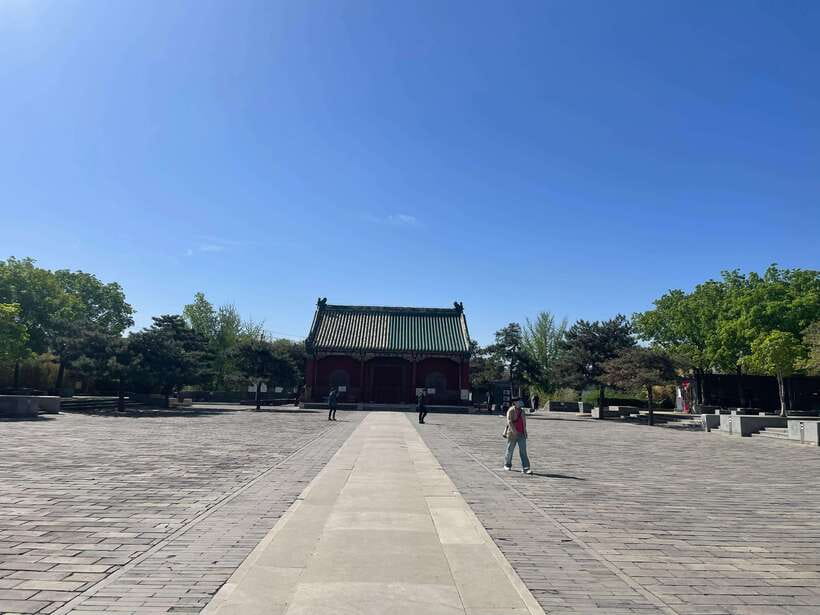
- 700-year hutong temple setting right by the East Gate area of the Forbidden City
- Shaolin-based fundamentals plus other traditional forms
- Practical training for self-defense and everyday attack situations
- English guidance with Limeng so you can follow the details
- Kungfu practice suits provided (outer and inner sets, plus pants)
- Tea ceremony may be included in some departures, with tastings and snacks
More training halls and temple visits
- Chinese Kungfu class in old temple beside Forbidden Ci★ 4.8 · 53 reviews
- Beijing Private Tai Chi Class★ 5.0 · 16 reviews
- Chinese Kung Fu Experience Class in Beijing★ 5.0 · 11 reviews
- Beijing Night Tour Kungfu Show★ 3.5 · 9 reviews
A kungfu class inside a Pudusi temple courtyard by the Forbidden City
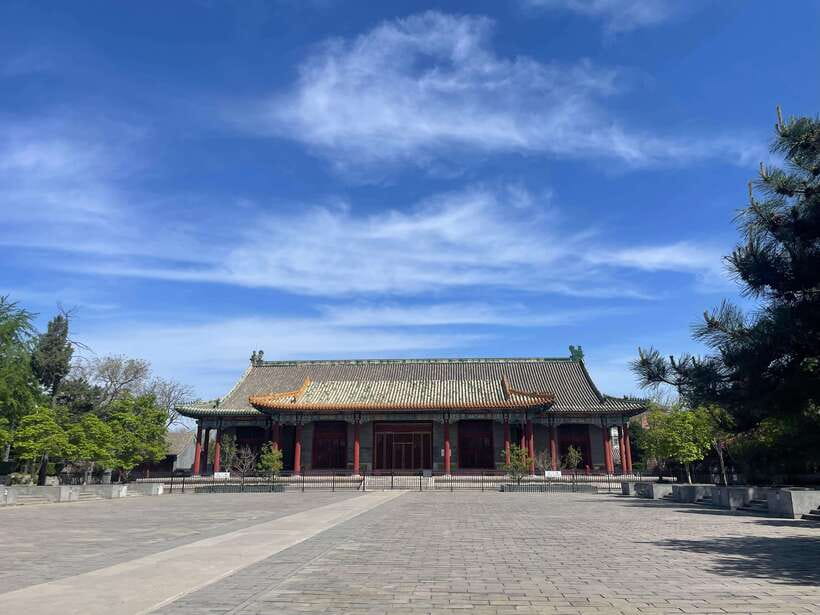
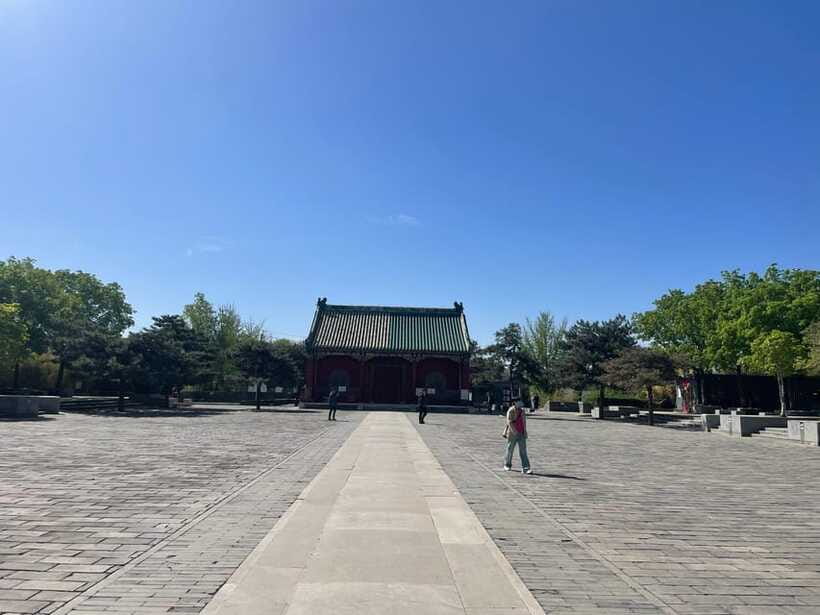
The location is the hook. You are not doing kungfu in a gym or a studio. You are training in a hutong residential neighborhood beside a temple inheritance complex tied to the Pudusi tradition, and it sits right by the Forbidden City’s East Gate area. That matters because kungfu is not only movement. It is also environment, routine, and respect for where the style comes from.
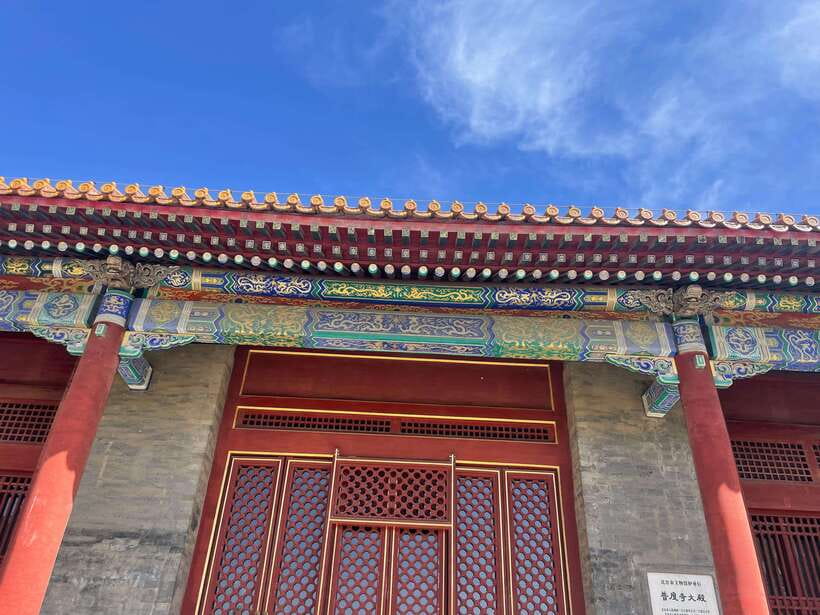
The “almost 700 years” detail is not a marketing line you can ignore. A setting like this changes your mindset. You slow down. You pay attention to posture and intent because the place itself feels old-school and serious. Even if you only want a fun cultural activity, you get that sense of continuity, where people have lived, practiced, and observed rituals for generations.
There is also a practical upside for your sightseeing day. Because it is so close to the Forbidden City zone, you can pair it with a classic Beijing itinerary without adding a long commute. It is a good choice when you want one activity that feels both authentic and conveniently located.
What the 45 to 60 minute class covers, step by step
Plan on a short, focused session. The class is described as a one-hour kungfu introduction, and multiple schedules run around that mark, sometimes closer to 45 minutes depending on the group and timing.
In that time, you will cover:
- Basic kungfu training drills, with an emphasis on form and correct technique
- Practical use of kungfu movements, including how skills apply outside the ring
- Demonstrations from the master, followed by hands-on practice with adjustments
What I like about this format is that it does not pretend you will become a fighter in one class. Instead, it gives you a foundation you can actually keep practicing. You get enough structure to remember what you learned, and the master’s corrections help you avoid picking up sloppy habits.
If you are the kind of person who hates vague “martial arts vibes” and wants clear movement cues, this tends to fit. You are not just watching. You are doing, and you are being guided.
Your instructor background: Shaolin training from childhood and clear English help
The teacher’s training story is a big part of the experience. The master is described as someone who started training in Shaolin from a very young age, and he has mastered Shaolin kungfu plus multiple traditional styles and forms.
That usually leads to two things you can feel right away:
- He understands fundamentals deeply, not just performance.
- He can translate training into practical instruction you can use.
English support is another major value point. Your host or greeter speaks English, and Limeng is specifically mentioned in multiple experiences as the person who helps with translation. That is not a minor detail. For beginners, translation turns “I moved my arms” into “I understand why my stance matters, and what the technique is meant to do.”
You also tend to get a more personalized feel, even when you are in a group. Some bookings even run as one-on-one sessions, which is ideal if you want your questions answered directly.
Self-defense lessons that focus on real movement, not only performance
The experience leans hard into practical application. The class description explicitly mentions using kungfu technique in everyday life for self-defense, and the teaching style matches that idea.
In practice, you can expect:
- Defensive movement concepts, with corrections on positioning and control
- Attack and response patterns taught as physical skills, not just theory
- A focus on the “spirit” of traditional kungfu, meaning intention and discipline as part of technique
A nice detail from the experience feedback is that there is guidance tailored to who you are. One example mentioned is teaching self-defense and attack movements for a girl, which points to a thoughtful approach rather than a one-size-fits-all script.
Also, be ready for instruction that is direct. The master is described as correcting you so you do the movements correctly. That is exactly what you want, because small errors can change the effectiveness of a technique.
If you are expecting sparring, heavy contact, or intense combat drills, this is likely not that kind of session. It is training and application, in a controlled and beginner-friendly way, designed for cultural learning plus practical basics.
Other Beijing trips our reviewers kept returning to
Tea ceremony pairing at Bayi Teahouse style setups in the hutong
Because the provider is linked with Bayi Teahouse, a tea ceremony is often part of the overall morning flow in certain bookings. In at least one experience, the day starts with a tea ceremony in a small house in the hutong area, then moves to the park temple meeting point for the kungfu training.
In that tea segment, you can expect:
- English explanation and translation while you learn
- Trying two different types of tea
- A snack alongside the tea
In other cases, tea happens after the kungfu lesson. Either way, the tea break is not just a pause. It fits the same discipline theme as kungfu: slow attention, respect for craft, and quiet focus.
If you love food and small rituals, this add-on can make the experience feel more complete than “show up, do class, leave.” It turns the training into a mini cultural morning, with a bit of tasting and conversation.
What to wear: kungfu practice suits and the one thing to pack
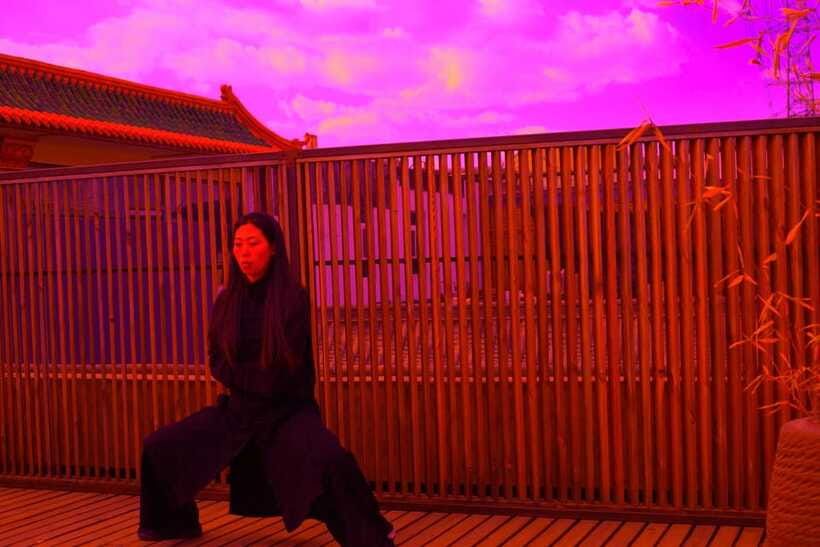
You do not have to guess what to wear like you would for some fitness classes. The experience includes traditional kungfu practice suits, described as two sets, outer and inner, plus pants. The suit detail matters because you can move more freely, and the training style feels authentic rather than improvisational.
Still, you should plan for sweat. One experience advice was simple: bring an extra t-shirt to change afterwards. Even if the session is only about an hour, you will use muscles and warm up quickly during drills and corrections.
What I recommend you pack:
- Comfortable shoes or footwear that let you shift your stance safely
- An extra t-shirt for after
- A light layer you can remove and put back on if you feel too warm
Also, if you are tempted to buy a uniform, the experience notes that sizing and color selection can be discussed if you want to purchase.
Price and value: why $45 feels fair for what you get
At $45 per person, the price is not just for “a fun activity.” You are paying for:
- A professional kungfu master
- Training in Shaolin plus other traditional styles
- English translation support through a host/greeter
- Practical self-defense instruction, with correction on how you move
- And in many cases, a tea ceremony pairing, with tastings and explanation
Beijing has plenty of activities that look good on paper but feel generic once you arrive. This one tends to feel different because it is hands-on, short, and guided by someone trained specifically in kungfu tradition.
Another value signal is the flexibility and personalization. Some bookings are one-on-one, and others accommodate schedules well. If you can get a personal session, the value increases fast because you are getting direct corrections and faster Q and A.
So the question is not “Is it worth $45?” It is “Do you want a practical, teacher-led cultural experience more than another photo stop?” If yes, this price makes sense.
Who this fits best, and who should think twice
This class is a strong match if:
- You are a beginner and want a clean introduction
- You want practical self-defense concepts, not only athletic choreography
- You enjoy history, hutong life, and learning culture through daily rituals
- You like English explanation so you can connect technique to meaning
It can also work for families. One experience mentioned accommodation toward kids, which suggests the master and guide can adjust their teaching tone for younger participants.
You might think twice if:
- You only want big-ticket sightseeing. This is a training session first, photos second.
- You expect intense sparring or high-contact action. The training is practical, but it is still structured and controlled.
- You hate any physical exertion. Even beginners will be moving and practicing.
Timing near the Forbidden City, with a short session you can actually plan
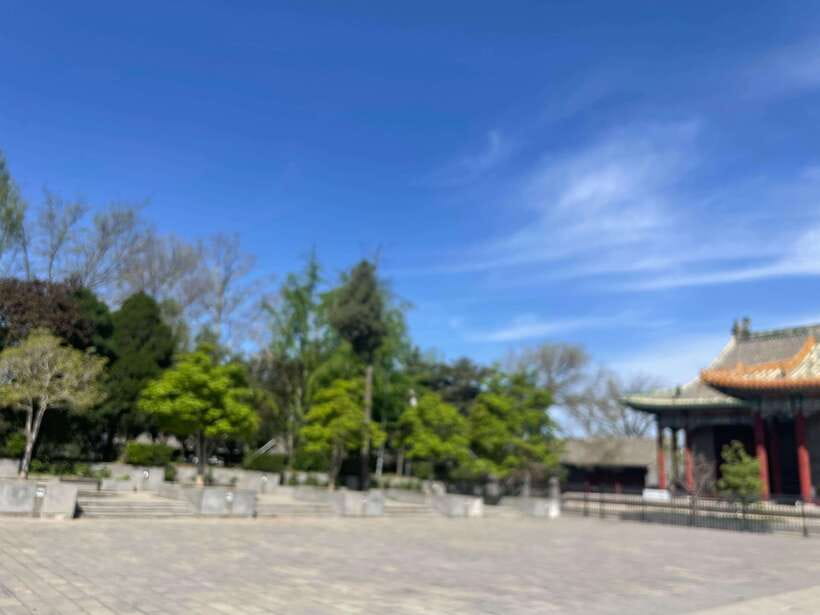
Because the lesson is located by the Forbidden City East Gate zone and happens in a hutong-temple setting, timing matters less than you might think. You can slot it into a morning when you are already planning to be in the area.
Also, the experience is offered across a 3-day booking window, so you can usually find a starting time that fits your Forbidden City visit. In at least one situation, scheduling adjustments were made when someone was late, so it helps to communicate your arrival timing.
One more practical point: being punctual helps. Multiple experiences praised punctuality and smooth setup, which makes sense because the session is short and the teaching window is tight.
Should you book this kungfu class by the Forbidden City?
If you want one hands-on activity that connects Beijing’s classic sights with something you can carry home, I think it is a good booking. The location is special, the instruction is practical, and the English help from Limeng makes it easier for first-timers to understand what they are doing.
Book it if:
- You like structured instruction and want self-defense basics
- You value a real teacher over a staged performance
- You want a cultural morning in the hutong, not just another landmark photo
Skip it if:
- You are not interested in training at all, or you want something long and sightseeing-heavy
- You expect sparring or advanced fighting, because this is an introductory format
Overall, this is a “short class, lasting memory” kind of experience, and it is easy to justify on a Forbidden City day.
FAQ
Where does the kungfu class take place?
The class is held in a local hutong area inside the Pudusi inheritance temple complex, located right beside the East Gate of the Forbidden City.
How long is the kungfu lesson?
The class is described as a one-hour session, and some experiences were around 45 to 60 minutes.
Do I get English help during the class?
Yes. The experience includes an English host or greeter, and translation support is provided for the master’s instruction.
What kungfu styles are taught?
The master teaches Shaolin kungfu and other traditional Chinese kungfu forms.
Is the training practical for self-defense?
Yes. The class includes practical use of kungfu techniques, including defense and attack movements.
Are kungfu uniforms provided?
Yes. Traditional kungfu practice suits are provided, including outer and inner sets and pants. If you want to buy one, you can contact them for size and color help.
Is a tea ceremony included?
In some departures, a tea ceremony is part of the experience, with tea tastings and an explanation in English.
Is this class suitable for beginners?
Yes. Experiences include first-time participants, and the teaching is described as patient and focused on fundamentals.
What about booking flexibility and cancellation?
You can reserve now and pay later, and there is free cancellation up to 24 hours in advance for a full refund. The experience is valid across 3 days, with starting times depending on availability.
More Workshops in Beijing


More Tour Reviews in Beijing



Shaolin And The Training Halls
Beijing, reviewed one booking at a time
- Xian: Must see Eternal Love or Camel Bell Legend show Ticket
★ 5.0 · 3 reviews - One day tour to downtown Tianjin from Beijing by high speed train
★ 5.0 · 3 reviews - Ming Tombs Sacred Way & Underground Palace & Water Wall P Tour
★ 5.0 · 3 reviews - Beijing Mutianyu Great Wall Small Group Tour
★ 4.5 · 3 reviews - Return Bus to Badaling Great Wall
★ 3.0 · 3 reviews - Private Tour to Lama Temple, Tian’anmen Square and Forbidden City
★ 5.0 · 3 reviews
Shaolin Temple & Martial Arts Experiences, compared.
 ★ 5.0Big Buddha Mountain Martial Art Culture Countryside Private TourFrom $25531 reviews
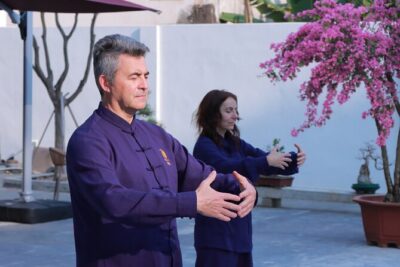 ★ 5.07-Day TaiChi & Qigong Wellness Retreat in ChinaFrom $10020 reviews
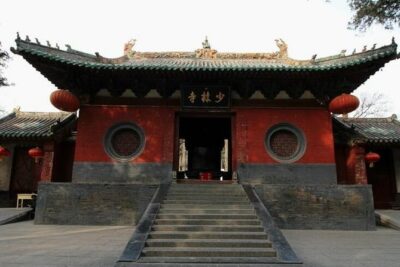 ★ 5.0Luoyang Private Day tour to Longmen Grottoes and Shaolin templeFrom $27017 reviews
 ★ 4.8Private Tour: Longmen Grottoes, Shaolin Temple & Kungfu ShowFrom $15817 reviews
 ★ 5.0Beijing Private Tai Chi ClassFrom $5816 reviews
 ★ 5.0Bruce Lee Hometown Martial Art Culture Lion Dance Private TourFrom $22016 reviews
 ★ 5.0Chinese Kung Fu Experience Class in BeijingFrom $6511 reviews
★ 5.0Beijing Private Tai Chi ClassFrom $5810 reviews
★ 5.0Chinese Kung Fu Experience Class in BeijingFrom $6511 reviews
★ 5.0Beijing Private Tai Chi ClassFrom $5810 reviews
Browse the lists this tour appears in