
REVIEW · BEIJING HUTONG TOURS
Chinese Tea ceremony in Beijing Hutong courtyard
Tea tastes different when you learn the rules. This one-hour Hutong courtyard tea ceremony near the Forbidden City is interesting because you pick your tea style, then you get a guided explanation of how to brew and drink it, with complimentary snacks. I love the small group feel, which makes the talk feel natural instead of rushed. One thing to plan for: there may be an extra 100 RMB per person charge that is not included in the booking.
I also like the setting. You’re not tucked away in some distant museum hall, you’re in central Beijing, with historic landmarks nearby like the Pudusi inheritance and the Imperial Ancestral Temple. English instruction is part of the experience, and hosts like Limeng have a reputation for making the conversation easy, friendly, and actually useful.
In This Review
- Quick highlights to set your expectations
- Entering a real Hutong courtyard near the Forbidden City
- What tea you can choose, and why “one pot” is the point
- The ceremony format: calm pace, guided steps, and real Q&A
- Snacks and conversation: the secret value isn’t the teapot
- Nearby sights you can pair before or after
- Price and logistics: what you’re really paying for
- Who this fits best, and who might not love it
- Before you go: how to make the hour feel smooth
- Should you book this Hutong tea ceremony?
Quick highlights to set your expectations
- A Hutong courtyard experience in central Beijing, close to the Forbidden City
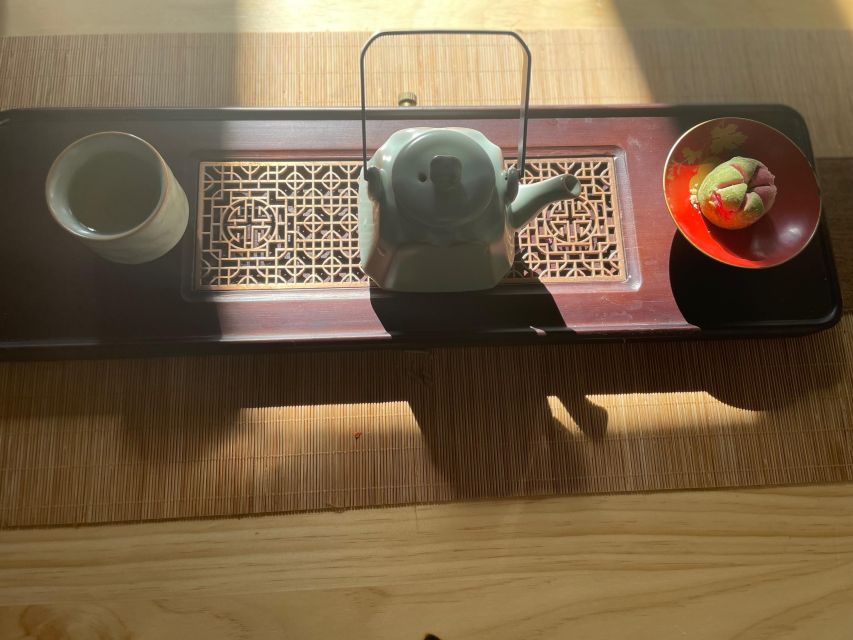
- Choose your tea (black, green, wulong/oolong, or Pu’er) and get one pot to enjoy
- Practice-focused guidance, including how to brew properly and drink with correct ritual
- Complimentary snacks served alongside the tea
- Small group, max 4 people, so you can ask questions and chat
- A short walk through the Hutong vibe right near the Forbidden City area
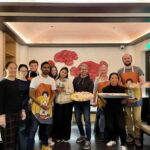
Deeper into the hutongs
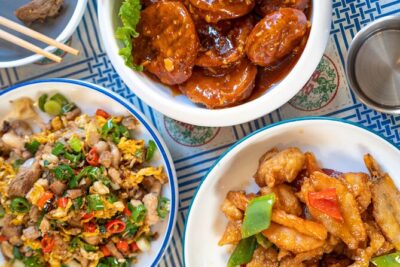
- Beijing Hutong Walking Food and Beer Tour at Hidden Restaurants★ 5.0 · 1,132 reviews
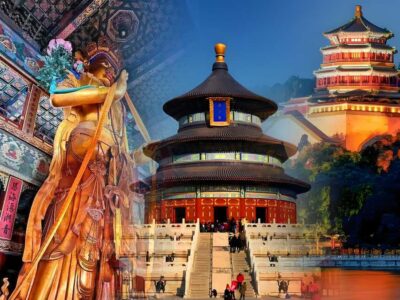
- Temple Heaven, Summer Palace, Lama Temple, Hutong Bus Tour★ 4.7 · 319 reviews
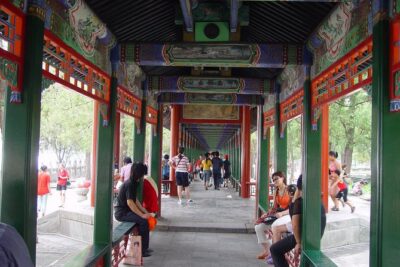
- Temple of Heaven, Summer Palace, Lama Temple, Hutong Tours★ 5.0 · 311 reviews
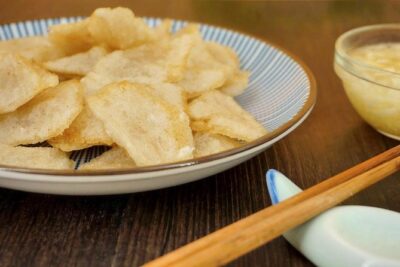
- Beijing Private Hutong Food Walking Tour★ 5.0 · 299 reviews
Entering a real Hutong courtyard near the Forbidden City
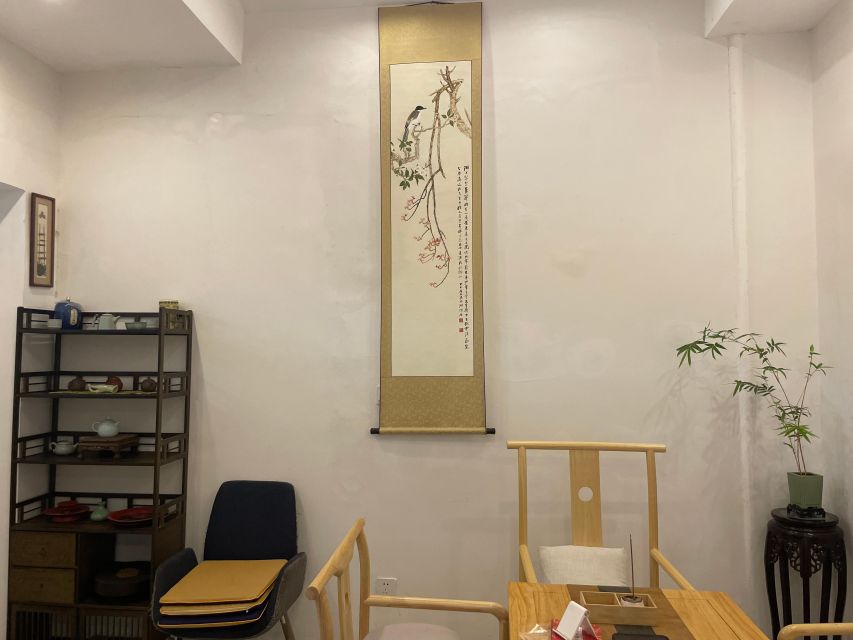
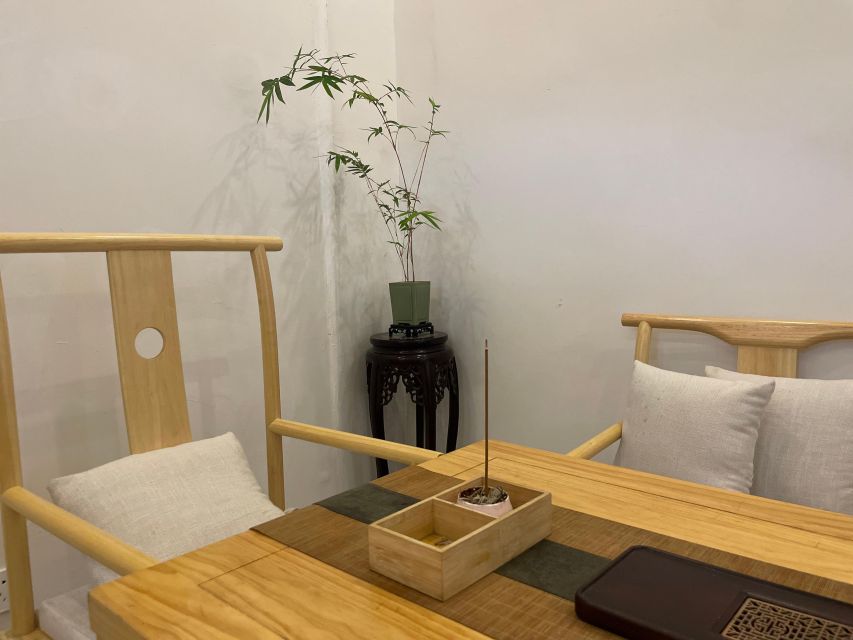
Beijing can feel huge. The streets, the crowds, the lines. This tea ceremony is a nice break that puts you in the human scale of the city, in a Hutong courtyard setting that feels more like local life than a performance.
The location is one of the big reasons I’d pencil this in. The workshop is about 150 meters from the east gate of the Forbidden City, and it’s also described as roughly 800 meters west of the exit gate. Translation: you can do this without a complicated commute, even if you already planned a Forbidden City day.
What you’re really buying is the contrast. You start near one of Beijing’s most famous sights, then the experience slows down. Instead of monumental stone, you get a quiet courtyard, tea gear, and people who actually talk about the details, not just the slogans.
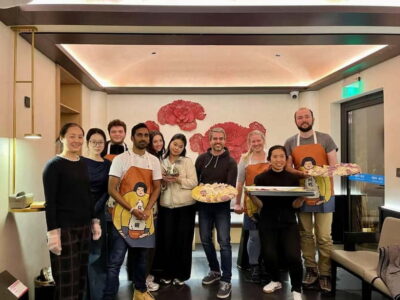
The experience is also designed for interaction. The group is limited to 4 participants, and the instructor is English-speaking. That combination matters because tea culture can be nuanced, and nuance is where the value usually lives.
What tea you can choose, and why “one pot” is the point
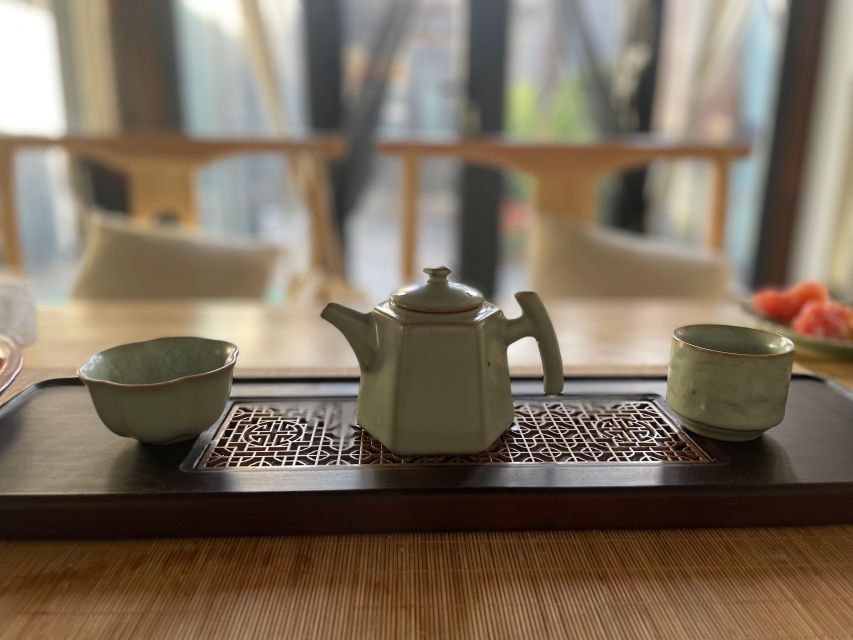
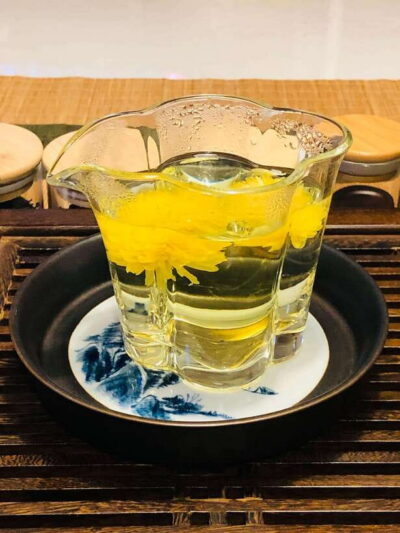
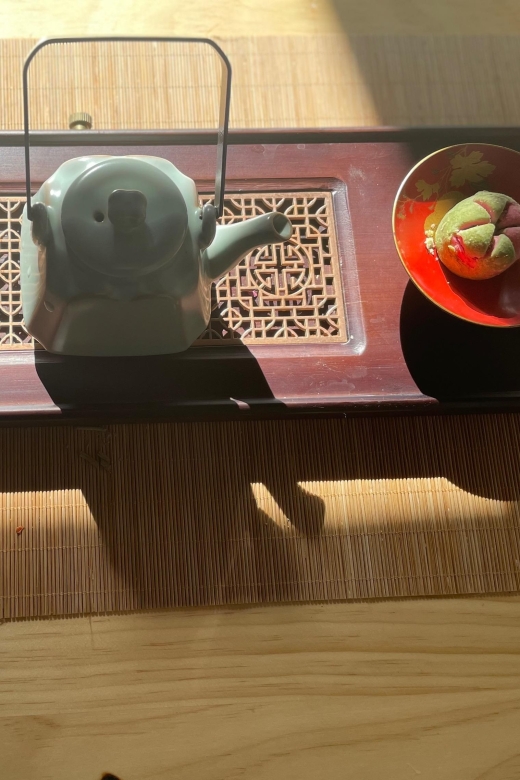
You’ll receive one pot of Chinese tea, and you can choose the type. Options include black tea, green tea, wulong (oolong) tea, and Pu’er tea. That matters because these teas don’t behave the same way, and a good ceremony teaches you that difference rather than treating tea like one-size-fits-all.
You’ll also get a short explanation of tea culture and tea knowledge while it’s served. Based on what’s taught in this kind of session, you can expect more than aroma and sweetness. Many people learn how tea is traditionally linked to body effects and how people think about seasonality, including which teas are often paired with different times of the year. You may also hear practical notes about brewing and drinking etiquette.
I especially like that you get guided instruction while you’re actually tasting. It’s easy to read about tea. It’s harder to understand how tiny choices change the flavor. When you have one pot in front of you, the lesson lands fast.
And if you’re not a dedicated tea person, you still have something to work with. Pu’er, oolong, and black tea can feel fuller and more “tasty” on first sip than some very light green teas, so you can choose what fits your palate.
The ceremony format: calm pace, guided steps, and real Q&A
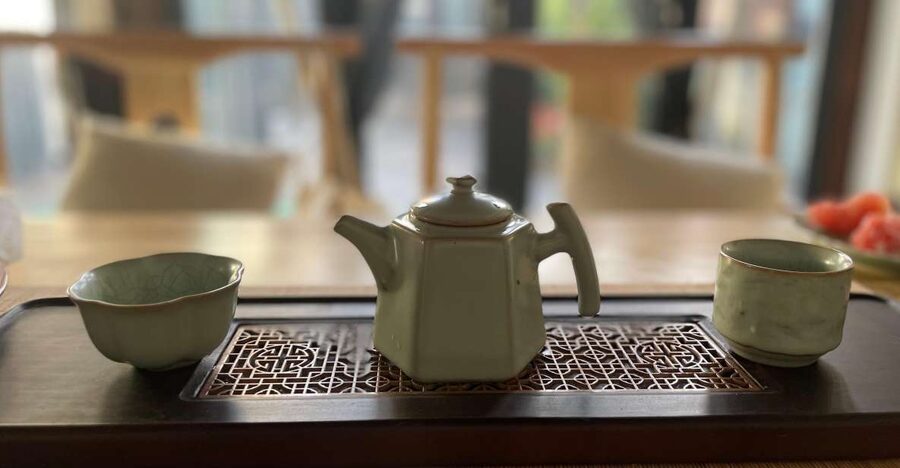
The whole experience lasts about 1 hour. That’s long enough to understand the basics and short enough that it won’t steal your whole afternoon. For many visitors, that timing is perfect if you’re also planning big-ticket sights the same day.
Here’s what the flow is typically like in this kind of small ceremony setup:
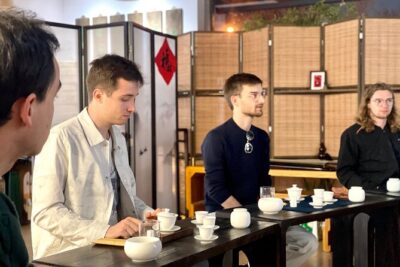
- You arrive in the Hutong courtyard where the tea setup is prepared.
- You choose your tea type from the options provided.
- Your host explains the tradition and the key points behind brewing and drinking.
- Tea is served with complimentary snacks, so you’re not just tasting dry leaves and hoping for the best.
- You participate, not just watch, with time to ask questions and try the ritual details.
One review mentioned learning that tea taste is not as simple as pouring boiling water and waiting a few minutes. That’s a good reminder. Real tea brewing has variables like water temperature, steeping time, and how you handle the teaware. Even if you only absorb a few practical tips, the session can change how you brew back home.
Another praised aspect is the interaction with hosts. People talk about getting a real chat, not just a script. That’s where having a maximum of 4 participants helps. You’re less likely to feel like you’re one face in a group line.
The instructor is English-speaking, which is a big deal here. Tea vocabulary, ritual names, and the “why” behind actions can be tricky. English guidance keeps the ceremony accessible without making it dumbed-down.
Snacks and conversation: the secret value isn’t the teapot
Complimentary snacks might sound minor, but in practice it makes the tasting more comfortable. Tea can be light, earthy, or intensely flavored depending on the type, and snacks help balance the experience so you can focus on learning.
The conversation is often the second big value. This is one of those tours where the hosts don’t just explain tea, they also connect it to daily life and local culture. Some people come in expecting tea facts and leave with a better sense of how Beijing neighborhoods feel, especially in Hutong courtyards where generational living is part of the atmosphere.
A detail that stands out is the emphasis on staying close to local residents life in the Hutong courtyard. In other words, you’re not only in a tourist courtyard, you’re in a place tied to the neighborhood’s rhythm and knowledge.
Hosts have been described as friendly and warm, and one name that comes up is Limeng. If you see her mentioned in your schedule, expect a calm style, clear English, and a willingness to talk beyond the tea script. One person also said their host helped them with food recommendations like where to find great Beijing Duck. That’s not guaranteed as part of every ceremony, but it’s a nice sign that the hosts actually engage.
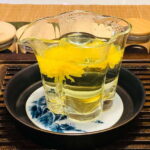
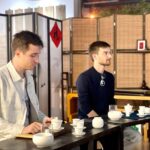
More tea, poured properly
Nearby sights you can pair before or after
This ceremony sits in a high-density sightseeing zone. That means you can treat it as a “reset button” between heavier activities.
Two landmarks mentioned as being around the area are the Pudusi inheritance and the Imperial Ancestral Temple. You don’t need to plan a full museum day around them. Even a short walk can help you connect the dots between what you learned in the courtyard and the bigger historical setting outside.
Some people also mention a short walk to a hidden Hutong nearby, right by the Forbidden City area. That’s the kind of add-on that doesn’t feel like a detour. It’s more like a gentle transition, from tea quiet back to street-level Beijing.
If you’re doing this on the same day as the Forbidden City, I’d treat it like a breather right after you finish the main sights, or before you start them if your energy is high. Either way, you’ll likely enjoy the contrast.
Price and logistics: what you’re really paying for
The posted price is listed as $31 per person for a 1-hour ceremony. But there’s also a note that an additional charge of 100 RMB per person applies and is not included.
That’s an important consideration. To judge value, don’t look only at the headline price. Tea experiences vary a lot depending on whether it’s a quick tasting in a commercial teahouse or a small group, hands-on session in a Hutong courtyard with real English guidance.
In this case, you get:
- A small group limited to 4 people
- An English instructor
- One pot of your chosen tea type
- Complimentary snacks
- A guided explanation and ritual practice
- Access to the courtyard setting near the Forbidden City
The small group element is a big driver of value. If you’ve ever done cultural workshops that feel like a bus tour with tea, this one is set up to feel more personal. Even if the extra 100 RMB per person makes you pause, you can still consider it reasonable if you compare it to other guided, hands-on cultural activities in Beijing.
Also, the fact that it’s wheelchair accessible is a practical plus, especially for travelers who find many historic streets and buildings difficult to navigate.
Who this fits best, and who might not love it
This is a good fit if you like culture that teaches you something you can use later. Tea is one of those experiences where you can take home a skill. A lot of people walk away with practical brewing guidance and a better sense of how to choose tea types based on taste and traditional thinking.
It’s also a strong choice if you like calm, small-group moments in big cities. Beijing sightseeing can be intense. This gives you a quiet, structured hour with plenty of time for questions.
If you’re the kind of traveler who hates sitting still, you might find it slower than a street-food crawl or a long walking tour. But since it’s only 1 hour, the pacing is likely manageable.
If you’re already planning a lot around the Forbidden City, this is also convenient. You can schedule it without hauling yourself across town.
If you’re a die-hard tea snob, you might already know some of the basics. Still, ritual and etiquette can be fun, and you may learn enough practical brewing details to justify the hour, especially if you want clearer guidance in English.
Before you go: how to make the hour feel smooth
Tea ceremonies go best when you treat them like a focused activity, not a background event.
A few practical tips:
- Arrive ready to ask questions. The group is small, so your questions matter.
- Pick a tea style that matches your taste. Black tea, green tea, oolong, or Pu’er are your options, so choose based on how you like your tea typically.
- Don’t over-schedule right before. Give yourself enough time to settle in. Tea is calm, and you’ll enjoy it more when you are not rushing.
- Plan a light food buffer. You’ll get snacks, but if you’re coming straight from a long outdoor walk, it helps to have some water and a little breathing room first.
Also note the instructor is English-speaking, and the experience is designed for international visitors. That makes it easier to relax and focus on the tasting and the explanations.
If you’re doing it with pickup included, you’ll typically wait in your hotel lobby about 10 minutes before the scheduled pickup time. Build in a little slack so you do not have to think about timing while you’re trying to enjoy the courtyard.
Should you book this Hutong tea ceremony?
Book it if you want a small, hands-on cultural experience near the Forbidden City that gives you more than a photo. The biggest strengths here are the Hutong courtyard setting, the small group size, the chance to choose your tea type, and the guided explanation that helps you understand what you’re tasting.
Skip it only if you strongly dislike sitting for an hour or you know you’re not interested in tea rituals or brewing basics. It’s not a party tour, it’s a craft and culture hour.
If your Beijing plan includes the Forbidden City and you want one calmer, more local-feeling moment, this is a smart way to balance the day.
More Tour Reviews in Beijing

More Tea, Poured Properly
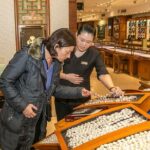

Further Into The Hutongs



Beijing, reviewed one booking at a time
- Xian: Must see Eternal Love or Camel Bell Legend show Ticket
★ 5.0 · 3 reviews - One day tour to downtown Tianjin from Beijing by high speed train
★ 5.0 · 3 reviews - Ming Tombs Sacred Way & Underground Palace & Water Wall P Tour
★ 5.0 · 3 reviews - Beijing Mutianyu Great Wall Small Group Tour
★ 4.5 · 3 reviews - Return Bus to Badaling Great Wall
★ 3.0 · 3 reviews - Private Tour to Lama Temple, Tian’anmen Square and Forbidden City
★ 5.0 · 3 reviews
Beijing Hutong Tours, compared.
 ★ 5.0Beijing Hutong Walking Food and Beer Tour at Hidden RestaurantsFrom $801,132 reviews
 ★ 4.7Temple Heaven, Summer Palace, Lama Temple, Hutong Bus TourFrom $58319 reviews
 ★ 5.0Temple of Heaven, Summer Palace, Lama Temple, Hutong ToursFrom $99311 reviews
 ★ 5.0Beijing Private Hutong Food Walking TourFrom $82299 reviews
 ★ 5.0The Hutong Experience by BikeFrom $150163 reviews
 ★ 5.0Beijing: Hutong Culinary Walking Tour with 15+ TastingsFrom $76162 reviews
 ★ 5.0Beijing Hutong Breakfast Food TourFrom $45155 reviews
 ★ 5.0Beijing City Walk: Explore Hutongs Life and Old BeijingFrom $15146 reviews
Browse the lists this tour appears in