
REVIEW · CHINESE TEA HOUSE EXPERIENCES
Traditional Chinese Tea Ceremony Experience
Tea gets easier when explained well.
This Beijing Chinese tea ceremony is more than tasting. It is a heritage ritual built around brewing technique and mindful attention, with a tea master greeting you and guiding you step by step.
I especially like the hands-on way you learn. You get five mini cups and try teas such as oolong, pu-erh, green tea, jasmine tea, and flower tea, so you can taste the differences instead of just hearing about them. And the English support is a real plus, with hosts such as Richard Li, Feye, Ricardo, and Kostya praised for clear, patient explanations.
One thing to consider: it is not designed for everyone. It is not suitable for kids under 7 or for pregnant women, and the length can vary from 30 minutes to 3 hours, so plan your day with some cushion.
In This Review
- Key Things to Know Before You Go
- Why a Beijing Tea Ceremony Feels Like a Mini Culture Class
- What Happens During the Ceremony, Step by Step
- The Five Teas You Try, and How to Notice Their Differences
- How to Drink Like You Mean It, Temperature, Timing, and Pouring
- The Tea House Vibe, English Hosts, and Small “Welcome” Touches
- If Calligraphy Shows Up, It Can Be the Fun Bonus
- Price and Value: Is $9 Worth It in Beijing?
- Logistics That Matter: Meeting Point, WhatsApp, and Timing
- Who Should Book This Tea Ceremony (and Who Should Skip It)
- Should You Book This Beijing Tea Ceremony?
- FAQ
- Where does the traditional Chinese tea ceremony take place?
- How long is the tea ceremony experience?
- How much does it cost?
- What is included in the price?
- Is a tour guide included?
- Is transportation included?
- What teas will I try during the ceremony?
- Is there English support?
- Do I need to provide WhatsApp when I book?
- Is free cancellation available?
Key Things to Know Before You Go
- A real tea lesson, not just a cup, with steps like warming the teapot, smelling the leaves, and timing the steep
- Five mini cups included, so you can compare oolong, pu-erh, green, jasmine, and flower tea
- English host or greeter, and multiple guides are specifically noted for fluent, patient explanations
- Meeting point can vary, so double-check your pickup spot before you head out
- Tea shopping may happen at your own expense, if you want to bring something home
- Close-out escort back to the meeting point, so you are not left wandering after the session
More tea, poured properly
- Traditional Chinese Tea Ceremony Experience★ 4.7 · 74 reviews
- Beijing Culture: Tea Ceremony, Heritage Instrument & Calligraphy★ 5.0 · 57 reviews
- Chinese Tea ceremony in Beijing Hutong courtyard★ 4.7 · 26 reviews
- Private Beijing Markets Tour with Tea Tasting at Hongqiao Pearl Market★ 5.0 · 18 reviews
Why a Beijing Tea Ceremony Feels Like a Mini Culture Class
China is the birthplace of tea, and a Beijing tea ceremony is a practical way to understand why. You will see how tea culture is tied to respect, harmony, and focus, not just caffeine.
What makes this experience worth your time is the pacing. Each part of the ritual has a reason, from handling the teapot to the order you smell and sip. You come away knowing what to pay attention to the next time you see tea served in a family home or a casual café.
If you have ever bought tea and wondered why it tastes different at home, this is the kind of lesson that fixes that. It teaches you the basics that actually change flavor, like water temperature and steeping time.
What Happens During the Ceremony, Step by Step
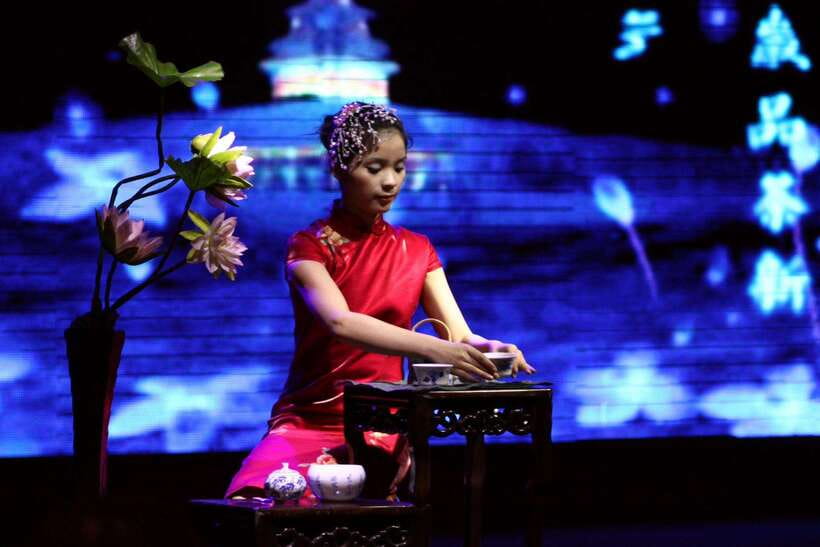
The ceremony is built around a simple idea: tea is meant to be experienced with your senses. The tea master greets you, then guides you through the ritual as they demonstrate each move with intention.
Here is what you can expect to happen during your session:
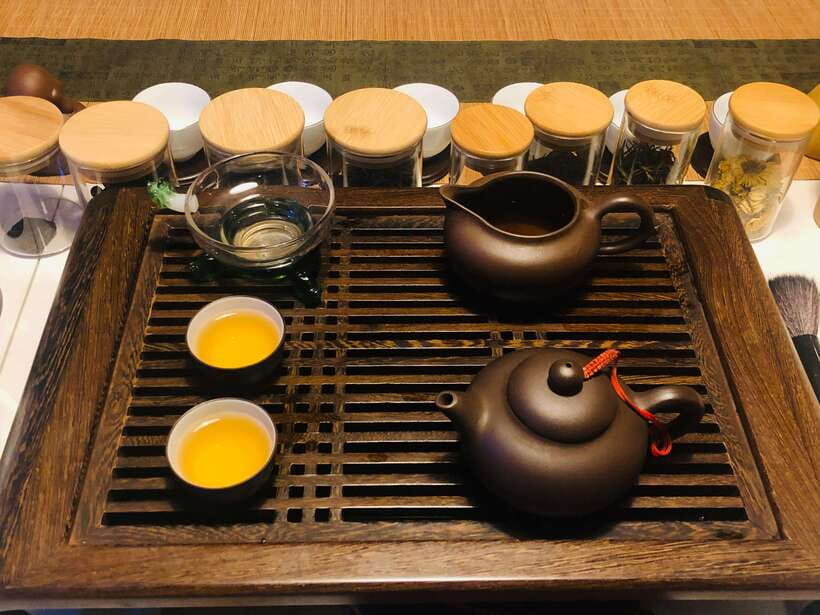
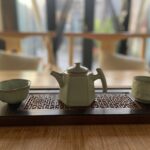
- You start with a warm-up, which often means preparing the tea tools properly, including warming the teapot.
- You then move into the sensory part, smelling the tea leaves before any water touches them.
- Next comes the brewing itself, where you learn how hot the water should be and how long to steep.
- Finally, you taste in small portions, so you can notice subtle changes rather than gulping your way through.
This structure matters because it slows you down in a good way. Instead of thinking, Is this tea sweet or bitter, you learn to ask more useful questions like, Does the aroma come through first, or does the flavor hit after a second steep?
The whole point is that it is not just about drinking. It is about the process, and the process is where the cultural meaning lives.
The Five Teas You Try, and How to Notice Their Differences
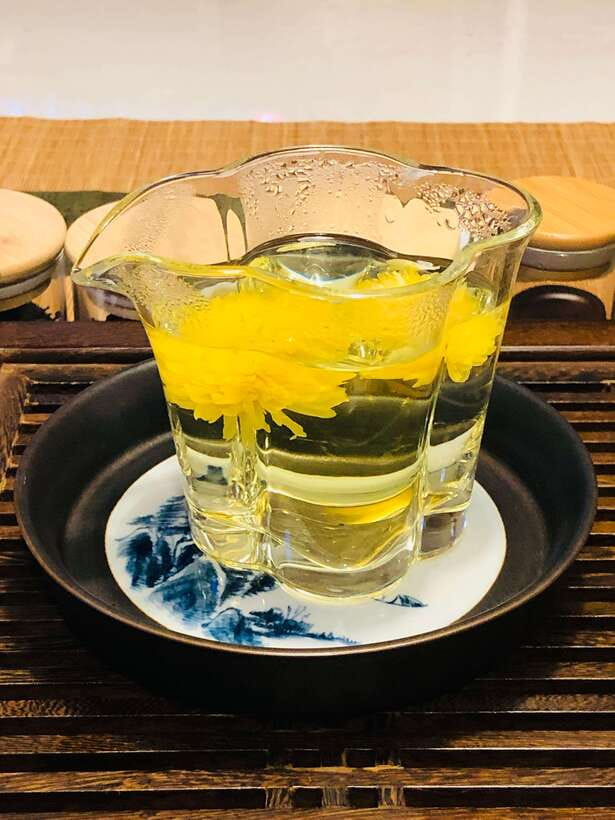
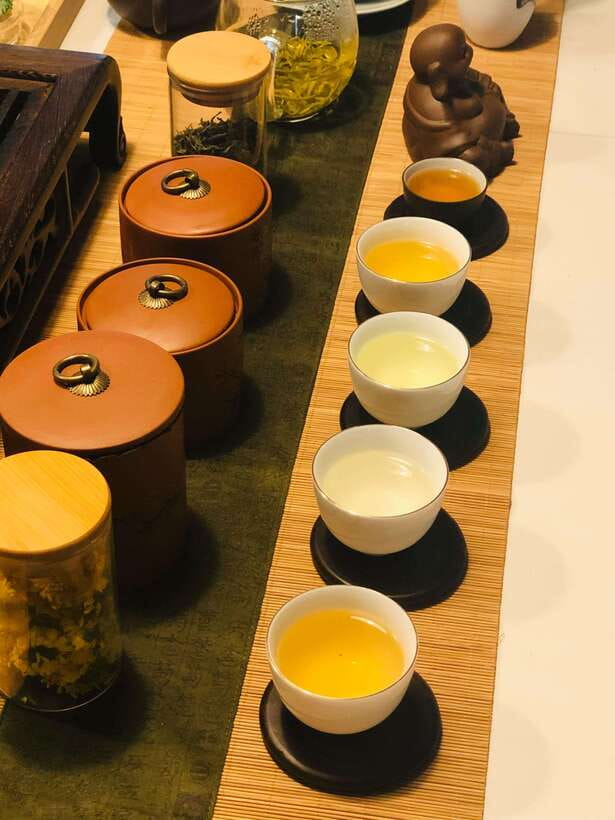
You will taste multiple tea styles during the ceremony, usually arranged so you can compare. Your included tastings include five mini cups, and the tea list commonly includes oolong, pu-erh, green tea, jasmine tea, and flower tea.
You do not need to be a tea expert to enjoy this. What you need is a little attention, and the tea master helps you apply it.
Here is a practical way to think about the lineup:
- Oolong often gives you a balanced profile, and the aroma can feel layered.
- Pu-erh tends to come across with a deeper, earthier character, which is a big reason it is beloved by people who like bold tea.
- Green tea usually highlights freshness, and it can taste lighter when brewed correctly.
- Jasmine tea is all about fragrance, so smelling it after the first pour matters.
- Flower tea can feel more delicate or floral, and it often makes you appreciate how aroma and color connect.
The best part is you get to taste several types in one sitting. That is a shortcut to building your own preferences, so when you see tea at shops later, you can tell what you actually like.
How to Drink Like You Mean It, Temperature, Timing, and Pouring
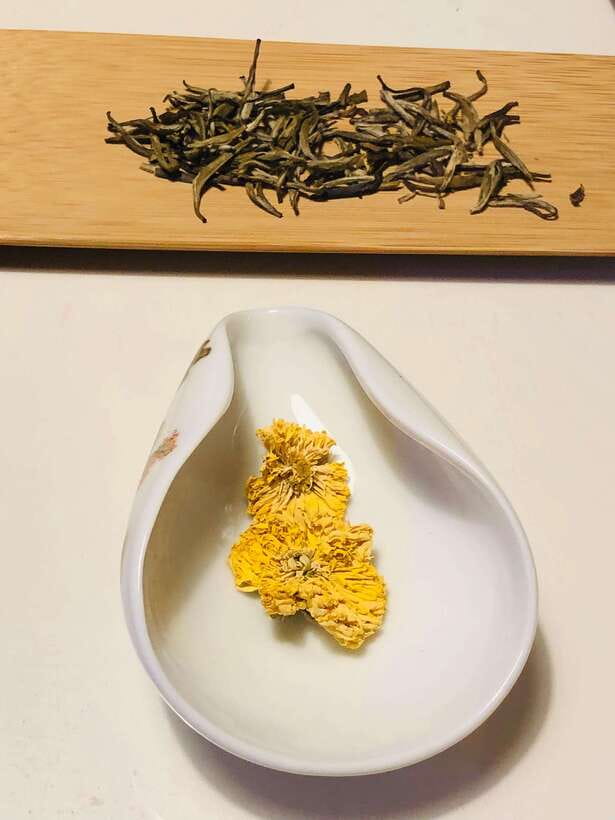
The tea master does not just serve tea, they teach you the mechanics. You will learn proper water temperature, understand steeping timing, and see how each step connects to flavor.
These are the details that make tea taste right, even when you brew it later. Change the temperature and you can flatten aroma or make it taste too harsh. Change the steeping time and you can push a tea into bitterness or keep it smooth.
You will also learn how to pour in a way that keeps the tea consistent. Small differences in pouring style can affect how the aroma releases and how evenly the leaves steep.
What I like about this approach is that it gives you tools you can use immediately. After the ceremony, you will have a mental checklist you can use the next time you brew tea at home or judge tea in a shop.
And for kids, this makes it feel like a science activity. They can smell first, then taste, and watch how small timing changes shift the flavor.

The Tea House Vibe, English Hosts, and Small “Welcome” Touches
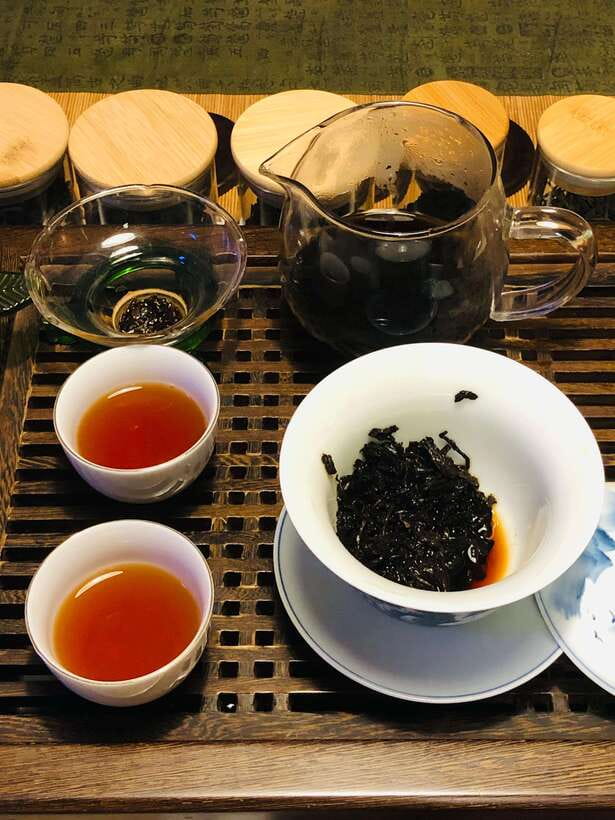
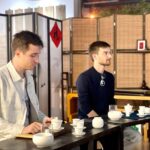
This experience is hosted in a traditional tea setting. The setting matters because it supports the mood of the ritual. Quiet focus, simple movements, and a calm pace make it easier to learn, especially if you are not used to tea culture.
English support is another standout. Multiple guides are noted for fluent English, so you can follow the meaning behind the ritual, not just the steps.
Names you might hear include Richard Li, Feye, Ricardo, and Kostya. Even if the specific tea master varies by session, the consistent theme is clear communication and patience, especially if you are new to tea.
Some sessions also include extra friendly touches, like complimentary welcome gifts. That kind of small gesture makes the experience feel warm, not like a scripted performance.
One practical note: it is a short-to-medium activity. If you are trying to stack it with other Beijing sights, keep your expectations realistic. This is the kind of stop where slowing down helps you get your money’s worth.
If Calligraphy Shows Up, It Can Be the Fun Bonus
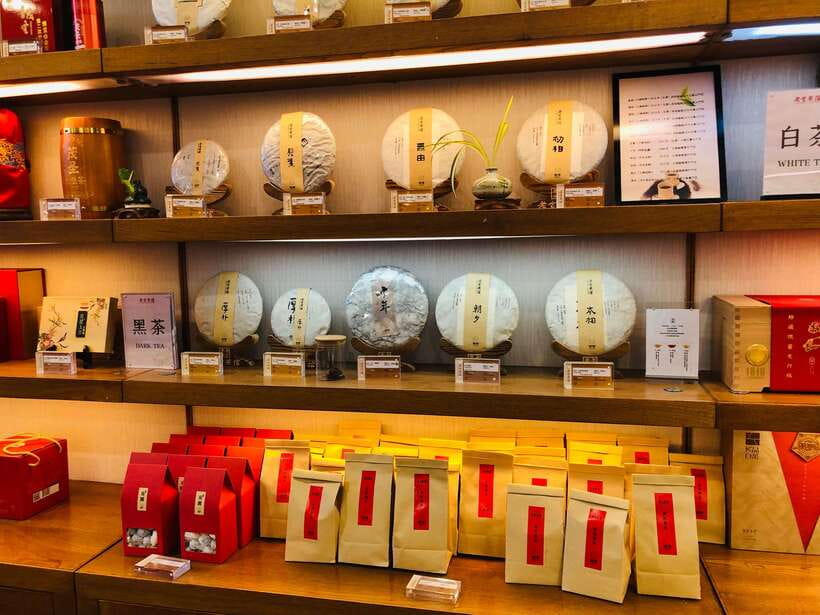
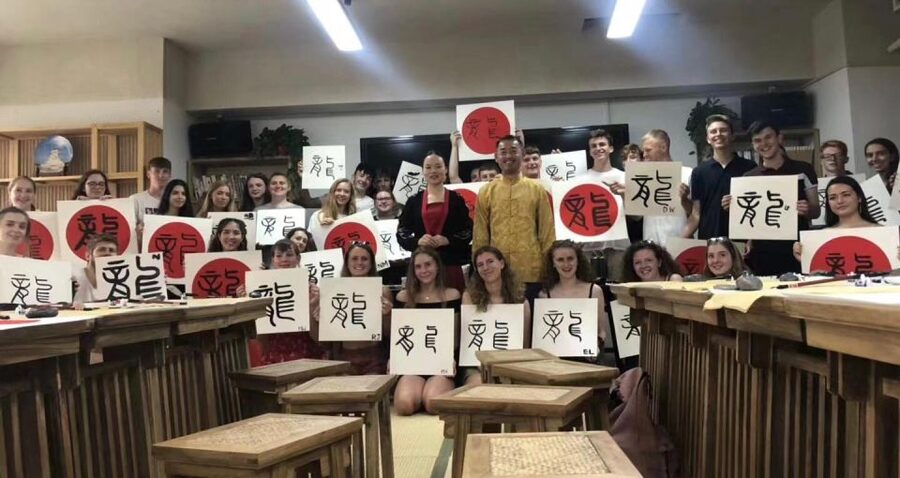
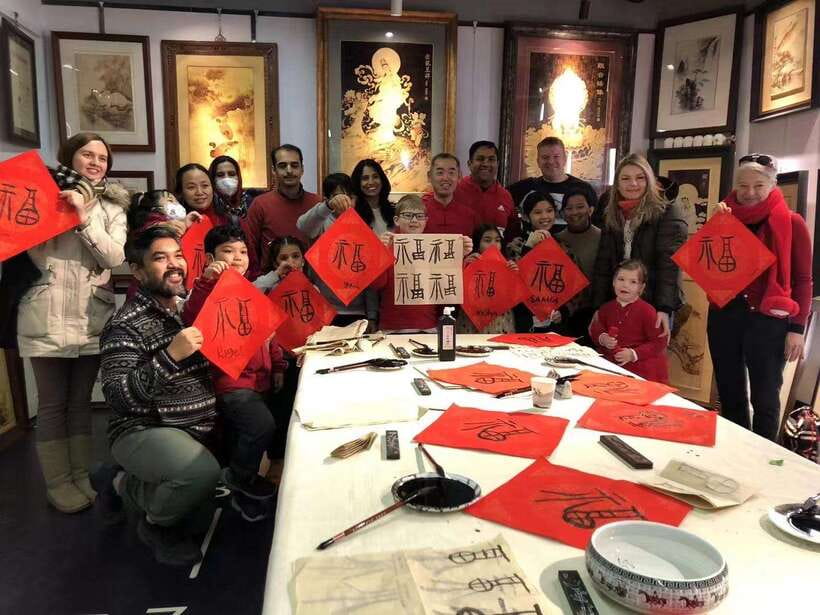
The activity provider is Hutong Calligraphy, and in some bookings, calligraphy comes up as a memorable add-on. One person highlighted an amazing calligraphy experience right alongside the tea ceremony, with a passionate master.
That does not mean every booking includes calligraphy in the same way. But if your schedule or booking includes it, treat it as a second cultural thread.
Calligraphy pairs nicely with tea culture because both ask for calm attention and good timing. You also get something tactile to remember the day, not just flavors in your memory.
If you want to make this a family-friendly outing for school-age kids, pairing tea with calligraphy can turn it into a hands-on afternoon. Just remember the activity is not suitable for children under 7.
Price and Value: Is $9 Worth It in Beijing?
At about $9 per person, this is priced like a cultural sampler, not a luxury show. For that price, you get the tea ceremony itself plus five mini cups. That is the core value, and it is what you should measure against.
The biggest reason it feels like good value is that the lesson is structured. You are not paying just for tea, you are paying for brewing instruction: smell, temperature, timing, and technique. That turns the experience into something you can carry home.
There are also sensible limits built into the setup. Transportation and a tour guide are not included, and shopping is not included. Tea purchases, if you choose to make them, are at your own expense.
So think of it like this: the ceremony is the deal, and the shopping part is optional. If you go with a clear plan to buy nothing unless something truly fits your taste, you will feel in control.
For most people, a $9 lesson that changes how you brew tea is a bargain. For tea lovers, it can also be a shortcut to finding the right teas to buy later.
Logistics That Matter: Meeting Point, WhatsApp, and Timing
Beijing can be confusing on foot, and this activity partly depends on you arriving at the right spot. The meeting point may vary depending on the option booked, so check your exact location before you set off.
English host or greeter support helps, but you still need a way to connect. You are asked to leave your WhatsApp number when you book, so be ready with that on your phone.
Transportation is listed as not included. In plain terms, you handle your way to the meeting point. Some people report being met near transit or having an organized way to connect with the host, but you should not count on a dedicated ride.
Time range is another factor. The session can run anywhere from 30 minutes to 3 hours. If you have tickets to a timed museum, or you need to be somewhere right after, give yourself buffer time.
If you arrive late, be aware that hosts may still try to make it work. That flexibility is not something to rely on, but it does suggest the team understands this is a real travel day.
Who Should Book This Tea Ceremony (and Who Should Skip It)
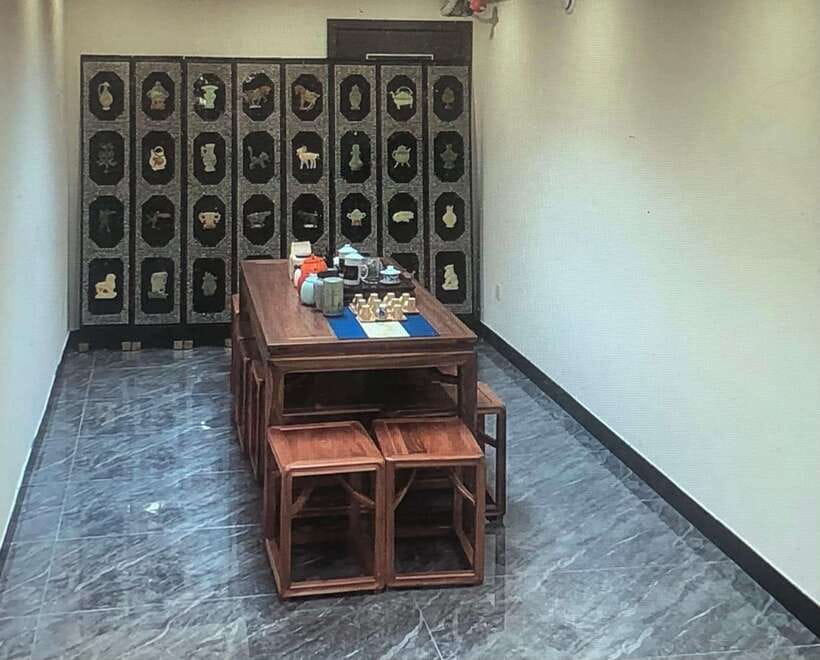
This is a great pick if you want authentic culture without a lot of friction. You should book it if you:
- want a focused cultural activity in Beijing with clear guidance
- enjoy sensory experiences like scent and taste
- like learning practical skills you can repeat later at home
- are traveling with kids old enough to pay attention, since some families report the kids had fun
It is not suitable for children under 7, and it is not suitable for pregnant women. If you fall into either group, skip this one and look for another tea-related activity that fits better.
It is also not the best match if you want a fast, sightseeing-only stop. The ceremony is about attention and process, not just checking boxes.
Should You Book This Beijing Tea Ceremony?
I think this is a strong buy if you want a real cultural skill, not just a photo stop. The included five mini cups make it feel fair and fun, and the tea master instruction gives you something usable afterward.
Book it if you are the type who likes learning how things work, whether you are an adult tea fan or you are bringing curious kids who like hands-on steps. The English friendliness also helps if you are not confident navigating Chinese culture on your own.
Skip it if your schedule is too tight for a session that can last up to 3 hours, or if you cannot meet the requirements like the WhatsApp contact need. And if you hate shopping pressure, go in with a clear rule: buy only if you genuinely want tea, and otherwise treat the purchase option as a nice extra.
If you are already planning Beijing classics like the Forbidden City, this can be a smart calm-down activity afterward, because it slows your day down and teaches you something the same way a good workshop does.
FAQ
Where does the traditional Chinese tea ceremony take place?
It is located in Northern China, specifically in Beijing, China.
How long is the tea ceremony experience?
The duration can range from 30 minutes to 3 hours, depending on the available starting times.
How much does it cost?
The price is $9 per person.
What is included in the price?
The experience includes the tea ceremony and 5 mini cups of tea.
Is a tour guide included?
No, a tour guide is not included.
Is transportation included?
No, transportation is not included.
What teas will I try during the ceremony?
You will taste several types of tea, including oolong, pu-erh, green tea, jasmine tea, and flower tea.
Is there English support?
Yes, the host or greeter provides English.
Do I need to provide WhatsApp when I book?
Yes, you are asked to leave your WhatsApp number when you book.
Is free cancellation available?
Yes. You can cancel up to 24 hours in advance for a full refund.
More Tour Reviews in Beijing


More Tea, Poured Properly

Beijing, reviewed one booking at a time
- Xian: Must see Eternal Love or Camel Bell Legend show Ticket
★ 5.0 · 3 reviews - One day tour to downtown Tianjin from Beijing by high speed train
★ 5.0 · 3 reviews - Ming Tombs Sacred Way & Underground Palace & Water Wall P Tour
★ 5.0 · 3 reviews - Beijing Mutianyu Great Wall Small Group Tour
★ 4.5 · 3 reviews - Return Bus to Badaling Great Wall
★ 3.0 · 3 reviews - Private Tour to Lama Temple, Tian’anmen Square and Forbidden City
★ 5.0 · 3 reviews
Chinese Tea House Experiences, compared.
 ★ 5.0One-Day Hangzhou Dragon Well Tea Culture & West Lake Private TourFrom $27098 reviews
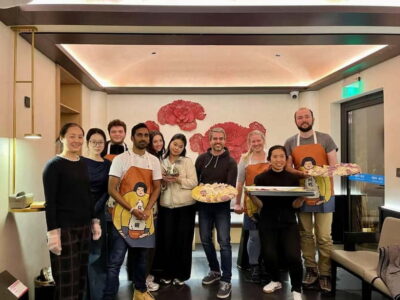 ★ 4.7Beijing: Dumpling Making Workshop with Meal and TeaFrom $3569 reviews
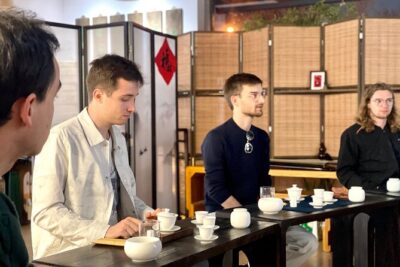 ★ 5.0Beijing Culture: Tea Ceremony, Heritage Instrument & CalligraphyFrom $7857 reviews
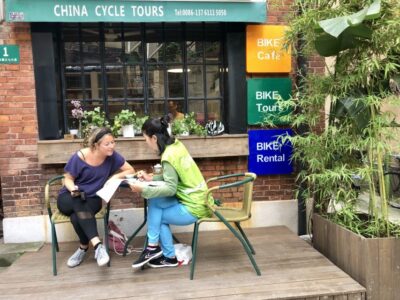 ★ 4.5Biking Real Shanghai& Tea Tasting ExperienceFrom $8845 reviews
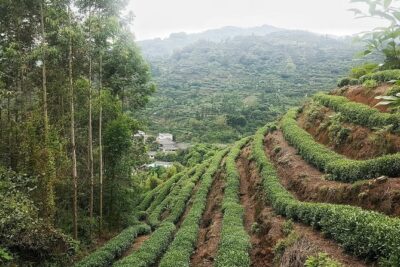 ★ 5.0Tea Village in lost Town and Buddha 1 day tourFrom $16932 reviews
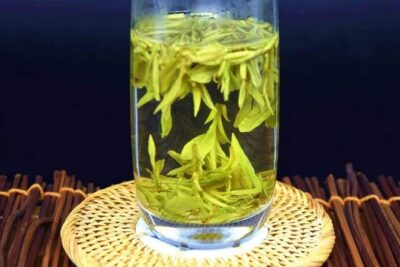 ★ 5.0Authentic Hangzhou Longjing Tea Culture Experience TourFrom $5232 reviews
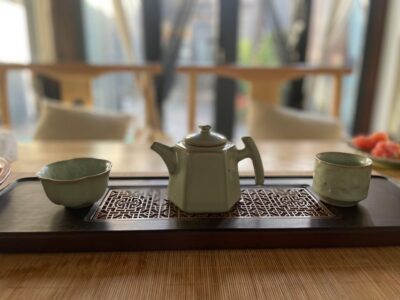 ★ 4.7Chinese Tea ceremony in Beijing Hutong courtyardFrom $3126 reviews
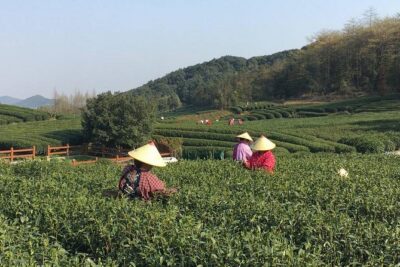 ★ 5.0Half-Day Hangzhou Yunxi Bamboo Forest and Tea Plantation ExperienceFrom $13022 reviews
Browse the lists this tour appears in