

REVIEW · DUJIANGYAN & QINGCHENG MOUNTAIN TRIPS
Discovery more Dujingyan Mt Qingcheng with private guide tour
Taoism and irrigation in one long day. This private Chengdu outing blends UNESCO water engineering at Dujiangyan with the Taoist mountain atmosphere of Mount Qingcheng, then adds hands-on martial arts training.
I especially like the way the guide connects what you see to what it means, from the irrigation system that still feeds farmland to the Taoist ideas behind health and martial practice. I also like that your day includes a structured Kungfu Experience with Tai Chi, Qi Gong, traditional self-defense forms, and breathing and meditation style exercises.
One heads-up: this trip involves real walking, and rain can make it tougher. If you hate slippery steps, long uphill stretches, or being warm and tired, you should plan for that.
In This Review
- Key Highlights You Should Know Before You Go
- How This 8-Hour Private Day Plans Around Walking and Weather
- Dujiangyan: Fish Mouth Weir, Bottle-Neck Channel, and Erwang Temple
- From Suspension Views to Lidui Park Bonsai Gardens
- Mount Qingcheng by Electric Kart: Temples, Pavilions, and Forest Paths
- Shangqing Palace and Moon City Lake at 1,000 Meters
- Kungfu Experience at Qingcheng: Tai Chi, Qi Gong, Meditation, and Breathing
- Price, Private Transport, and When It Feels Like Smart Value
- English Guide Check and Other Practical Tips
- Should You Book This UNESCO Chengdu Private Tour?
- FAQ
- How long is the Dujiangyan and Mount Qingcheng private tour?
- Is hotel pickup included?
- Are entrance tickets included in the price?
- Is lunch included?
- Will I have an English-speaking guide?
- What happens if the weather is poor?
Key Highlights You Should Know Before You Go

- UNESCO Dujiangyan water engineering still working today, explained by your guide
- Taoist Mount Qingcheng by electric kart plus temple-to-temple exploring
- Shangqing Palace and Moon City Lake views, at around 1,000 meters
- Fish Mouth Weir and Bottle-Neck Channel viewpoints for understanding the system
- Kungfu Experience with Tai Chi, Qi Gong, meditation, and traditional techniques
- Private transport from Chengdu with a maximum group size of 9
Dujiangyan and Qingcheng, more bookings
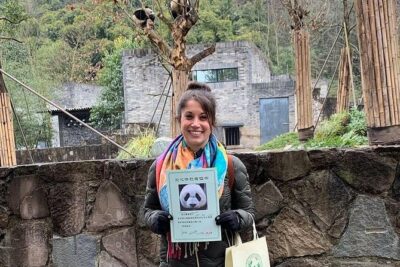
- Visiting Dujiangyan Yaan Wolong Panda Base Optional Volunteering★ 5.0 · 105 reviews
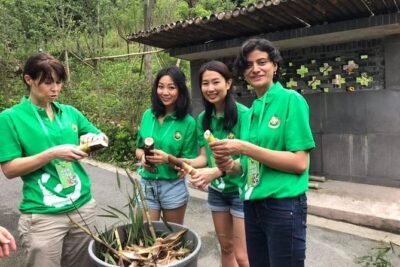
- Dujiangyan Panda Volunteering Experience with Lunch★ 5.0 · 66 reviews
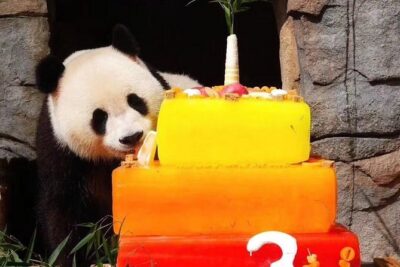
- Private Dujiangyan Panda Base Panda Rescue Center Volunteer for a Day★ 4.5 · 41 reviews
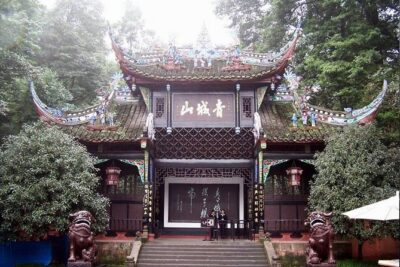
- Dujiangyan Panda Base and Mount Qingcheng★ 5.0 · 30 reviews
How This 8-Hour Private Day Plans Around Walking and Weather

This runs as an early start day, typically around 8:00 am pickup from your Chengdu hotel area. You’ll spend about 3 hours on Dujiangyan and around 5 hours on Mount Qingcheng, with the exact flow depending on the pace and onsite ticket lines, plus traffic returning to the city.
Think of it as two “mini-adventures” stitched together. The morning is about water and design, the afternoon is about forest paths and temple stops, then you add the optional feeling of martial arts practice tied to Taoist thinking.
The practical consideration is simple: wear shoes you trust. In one account of this experience, the group dealt with rain and still did a lot of walking, ending up hot and tired, but kept going because the sights were worth it. Also, there is no lunch included, so plan your energy for a full day.
Dujiangyan: Fish Mouth Weir, Bottle-Neck Channel, and Erwang Temple
Dujiangyan is the big UNESCO stop, and it has a rare quality for a tourist day: you’re not just looking at old stone. You’re seeing a working water system described as the world’s oldest and only surviving non-dam irrigation facility, originally dating to the 3rd century BC.
You’ll learn how water from the Minjiang River gets channeled to farmland, and your guide can help you connect the shapes you see to the purpose behind them. The tour then continues to the Erwang Temple (Two Kings Temple), a wooden complex on the banks of the river built to honor the designers of the irrigation system.
That temple stop matters because it shows how engineering became culture. In many parts of China, practical infrastructure is also treated like something sacred or at least worth remembering with ritual and architecture. You’re getting that mix here, not only the technical explanation.
One more detail that helps you enjoy the stop: you’ll have multiple chances to view key sections from good angles rather than staring at one distant signboard. That makes the irrigation story easier to hold in your head.
From Suspension Views to Lidui Park Bonsai Gardens
After Erwang Temple, you cross the Anlan Suspension Bridge to view two of Dujiangyan’s best-known sections: the Fish Mouth Weir and the Bottle-Neck Channel. This is where the tour shifts from “storytelling” into “pattern recognition,” because you can visually track how water is funneled and controlled.
Then there’s a relaxed walk segment through Lidui Park and bonsai gardens before returning toward Chengdu. This part is shorter and easier than the temple walking, but it still gives you breathing room in the day.
If you’re the type who likes photos that explain something, you’ll probably enjoy this stop. Those bridge views give you a sense of the river’s behavior and the way the channels guide it. If you prefer minimal walking, you might find the bridge crossing and park stroll a bit more than expected, but it’s spread across the full morning.
Mount Qingcheng by Electric Kart: Temples, Pavilions, and Forest Paths
Mount Qingcheng is the Taoist side of the day, and it’s a different kind of “wow.” You take a private, air-conditioned vehicle from Chengdu, then ride an electric kart to the entrance before you start exploring.
This mountain is one of China’s most important Taoism centers, and it’s also tied to popular culture, including featuring in 2016’s Kung Fu Panda 3. That doesn’t replace the real experience, it just helps you understand why people come in with a movie-influenced mental picture.
From there, you’ll walk through areas with temples and pavilions, following the usual visitor route for highlights. Your guide can help you interpret what you see, including the architectural layout and what Taoist practice values.
The big tip here is to slow down mentally. Don’t treat the mountain like a fast sightseeing route. If you let the guide explain Taoist core principles as you move, the temple details start making sense beyond what looks “old” or “pretty.”
And yes, the day can get wet. With rain, forest paths can feel slippery and the air can feel hotter. Bring something that you don’t mind getting damp.
Other Chengdu trips our reviewers kept returning to



Shangqing Palace and Moon City Lake at 1,000 Meters

The centerpiece of the Qingcheng segment is reaching Shangqing Palace. The route includes a trek up toward Moon City Lake, then a cable car ride up to Shangqing Palace.
You’ll be at about 3,280 feet (1,000 meters), and the palace complex is tied to the Jin Dynasty (265 AD to 420 AD), with rebuilding in the 1800s. One standout detail is an ancient gingko tree mentioned as part of the complex, which is the kind of small element that makes temple grounds feel alive across centuries.
What I like about having Moon City Lake in the middle is that it gives you contrast. You get forest walking, then an open water moment, then you return to temple architecture. The rhythm helps you avoid the “everything looks the same” problem that happens on busy temple days.
This stop is also where your Taoism learning gets practical. You’ll focus on how Taoist thought connects to health practices, plus how it shaped martial arts ideas such as softness overcoming hardness. Even if you don’t care about martial arts, this interpretation makes the rituals and spaces feel purposeful instead of random.
Kungfu Experience at Qingcheng: Tai Chi, Qi Gong, Meditation, and Breathing
One of the best value adds on paper, and a likely highlight in real life, is that Kungfu Experience is included. The program described for this tour covers Tai Chi and Qi Gong lessons, traditional Kungfu techniques, and meditation and breathing exercises.
Even if your body is not “martial arts ready,” these sessions usually work because they emphasize control, fluid movement, and energy cultivation rather than only power. The tour’s description focuses on fluid movements and the idea of mindfulness through practice.
I like that the training includes meditation and breathing exercises. When you’re walking uphill and dealing with crowds and weather, guided breathing can reset your energy fast. It also fits the Taoist context of the day, instead of turning Kungfu into a random add-on.
A practical note: wear comfortable clothes you can move in. You’ll be changing pace, and you don’t want tight shoes or heavy layers that restrict movement. If you’re prone to stiff knees, plan for slow, careful stretching beforehand.
Price, Private Transport, and When It Feels Like Smart Value
The price is $320.00 per person for a private guide van experience, and it’s described as booked on average about 36 days ahead. The maximum group size is 9, so it’s private, but not so private that it feels like you’re the only person on earth.
Here’s where value really shows up. You’re paying for two UNESCO stops handled in one day, with a guide who can explain Taoist principles and the logic behind the Dujiangyan water system. Without a guide, you could still visit both locations, but you would likely miss the “why” behind what you’re seeing.
Also, you get pickup and private vehicle time, plus the structured Kungfu Experience. Those items add real convenience because they reduce decision fatigue and keep you from juggling transport between two separate sites.
The main cost surprise to watch for is that entrance tickets are not included, and lunch is not included. On days like this, tickets and food can add up, so you’ll want to budget for onsite admissions and plan your own meal.
If you’re traveling as a couple or small group, this price often feels more reasonable because you’re splitting private-guide attention. If you’re traveling solo, it can still be worth it if you really want Taoist interpretation and a guided martial arts session, not just photos.
English Guide Check and Other Practical Tips

This is a private guide tour, and an English-speaking guide is included if selected. One review note you should treat as a caution: someone ended up with a guide who did not speak English, and the day still moved forward but the experience likely felt harder to connect with.
So my advice is straightforward. Confirm the English guide option before you go, especially if Taoism and Kungfu meanings matter to you. If you’re relying on explanation, language matters.
Also consider that the tour uses mobile tickets, which usually means less paper chaos when you arrive. You’ll also have pickup offered, which saves time in Chengdu traffic, and service animals are allowed.
Finally, choose your expectations for pacing. This is not a light stroll day. Between the suspension bridge crossing, temple grounds, forest walking, Moon City Lake trek, and Shangqing Palace access, you’ll need stamina. Most people can participate, but you should go in ready to walk and adjust to weather.
Should You Book This UNESCO Chengdu Private Tour?
Book it if you want a single day that connects two UNESCO sites into one story: water engineering at Dujiangyan and Taoist practice at Mount Qingcheng. The guide-led interpretation, plus the included Kungfu Experience, makes it more than a basic temple-and-photo run.
Pass or rethink if you dread walking in rain, hate cable car and long uphill trekking elements, or you are highly dependent on clear English interpretation. If you can’t get the English guide option, you may still enjoy the visuals, but the deeper meaning may be harder to capture.
Also consider booking if you’re a learner type. This tour is built for people who like to know what things are for, not only what things look like. If that’s you, you’ll likely leave the day understanding why Taoism is tied to health, why martial arts philosophies emphasize softness, and why Dujiangyan’s design is still relevant today.
If you’re ready for a full day outdoors with real sights and a structured practice session, this is one of the more purposeful ways to experience Chengdu beyond the city center.
FAQ
How long is the Dujiangyan and Mount Qingcheng private tour?
The duration is listed as approximately 5 to 8 hours.
Is hotel pickup included?
Yes, pickup is offered, and the start time is listed as 8:00 am.
Are entrance tickets included in the price?
No. Entrance tickets are not included, and you pay them onsite.
Is lunch included?
No. Lunch is not included.
Will I have an English-speaking guide?
An English-speaking guide is included if selected. The guide option matters.
What happens if the weather is poor?
The tour requires good weather. If it is canceled due to poor weather, you are offered a different date or a full refund.
More Tours in Chengdu




More Tour Reviews in Chengdu
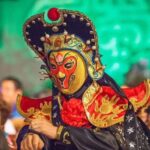
Dujiangyan And Qingcheng Mountain


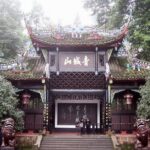
Chengdu, reviewed one booking at a time
- Wolong Panda Base Volunteering Program from Chengdu
★ 5.0 · 3 reviews - Mt Emei and Giant Buddha 2 Days Tour
★ 4.5 · 3 reviews - Half-Day Private Hot-Pot Cooking Class with a Local Market Visit
★ 5.0 · 3 reviews - Private 1-Day: Panda and Chengdu Local Life (Make Vlog for you)
★ 5.0 · 3 reviews - Ticket reservation for Chengdu Giant Panda Breeding Base
★ 5.0 · 3 reviews - Sanxingdui Museum Small Group Tour with Optional Panda Base
★ 5.0 · 3 reviews
Dujiangyan & Qingcheng Mountain Trips, compared.
 ★ 5.0Visiting Dujiangyan Yaan Wolong Panda Base Optional VolunteeringFrom $234105 reviews
 ★ 5.0Dujiangyan Panda Volunteering Experience with LunchFrom $27966 reviews
 ★ 4.5Private Dujiangyan Panda Base Panda Rescue Center Volunteer for a DayFrom $30741 reviews
 ★ 5.0Dujiangyan Panda Base and Mount QingchengFrom $6030 reviews
 ★ 4.5Mount Qingcheng and Dujiangyan Irrigation System Private Day Tour from ChengduFrom $23026 reviews
 ★ 5.0All-Inclusive Private Day Tour of Mount Qingcheng and DujiangyanFrom $22926 reviews
 ★ 5.0Mount Qingcheng Tour: Explore Serene and Sacred Taoist SiteFrom $10512 reviews
 ★ 5.0Dujiangyan irrigation+Mt. Qingcheng or Panda Park Day TourFrom $9011 reviews
Browse the lists this tour appears in