
REVIEW · CHINESE COOKING CLASSES & DUMPLING MAKING
Make Soup Dumpling: Vegan or Pork in Shanghai Shikumen
Soup dumplings, with your own hands.
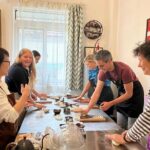
In Shanghai Shikumen lane-house kitchens, Chef Yin teaches you how to make xiaolongbao from scratch, with a real choice of vegan or pork fillings. The setting matters too, because you are not just cooking at a generic school, you are working inside a historic-style lane house kitchen where Shanghai eating culture feels close and lived-in.
I like two things a lot here. First, the coaching is focused on the exact skill that makes or breaks soup dumplings: the “18-fold” pleating technique, guided for sealing and soup retention. Second, you get a clear path into either style of dumpling, because the class walks you through wrapper craft, filling prep, and steaming for your chosen option, then you eat what you made with tea, black vinegar, and ginger.
One thing to consider: the venue can be a little tricky to locate at first. The workshop space may be hard to spot, but you receive a detailed description (including video directions), and the instructor will meet you outside, so this usually is not a big problem if you follow the instructions.
In This Review
- Key things to know before you go
- Why Shanghai’s Shikumen kitchen makes this class feel real
- Picking vegan or pork: the choice shapes the whole cooking flow
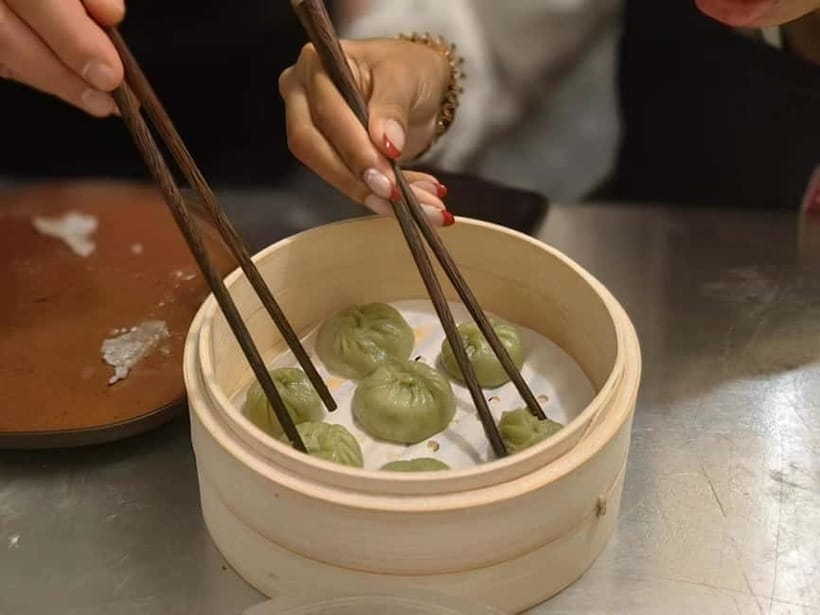
- Vegan xiaolongbao: cooked filling, built for umami
- Pork xiaolongbao: raw mix plus aspic for soup burst
- Dough and wrappers: where most beginners either win or struggle
- The 18-fold pleat: the skill that turns dough into dumplings
- Filling prep details you should actually care about
- One filling is included, both are optional
- Vegan filling requires in-class cooking
- Pork filling mixes raw ingredients
- Steaming in bamboo baskets, then eating the proof
- What the class gets right about cultural context
- Price and value: is $120 worth it?
- Add-on reality check
- Logistics, language, and how to make the class smoother
- Who should book this?
- Who might want to skip or choose a different class
- Final verdict: should you book?
- FAQ
- Where does the class take place?
- How long is the experience?
- What is the price?
- Can I choose vegan or pork?
- Is the dual filling option available?
- What languages is the instructor available in?
- What is included in the price?
- What is not included?
- What is the cancellation policy?
Key things to know before you go
- Choose vegan or pork xiaolongbao for your included dumpling batch
- Chef Yin’s hands-on 18-fold pleating coaching helps you seal wrappers so the soup stays inside
- Dough, wrappers, filling, shaping, steaming are all part of one 2.5-hour class
- Vegan filling is cooked in class, while pork filling is mixed with raw ingredients and steamed later
- Bamboo basket steaming gives you the right dumpling texture and steam aroma
- Want both? The dual filling add-on extends the class by 30 minutes and costs extra
More kitchens to fold dumplings in
- Shanghai-Cooking Dumpling & Meal in Local Family-w/Vegan★ 4.9 · 36 reviews
- Private Shanghai Night River Cruise and Hot Pot Dining Experience★ 5.0 · 15 reviews
- Hot Pot Dining Experience with Hot Spring Bathing or River Cruise in Shanghai★ 5.0 · 13 reviews
- 2.5hrs Chinese Kitchen Cooking Class: Xiaolongbao Soup Dumplings★ 5.0 · 12 reviews
Why Shanghai’s Shikumen kitchen makes this class feel real
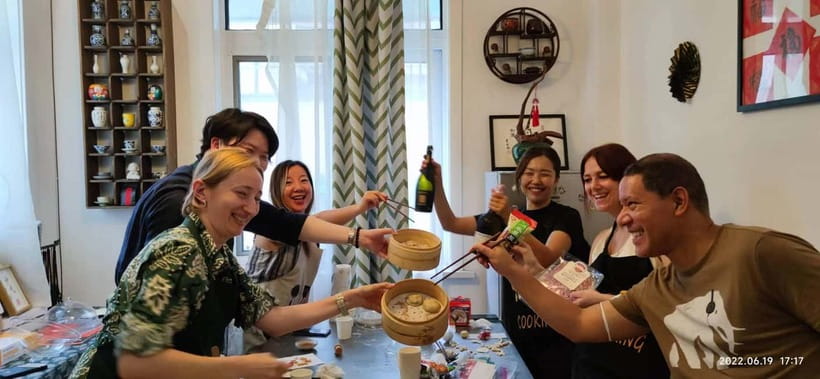
Shanghai has a way of making food feel like part of daily life, not a staged activity. This class runs in a Shikumen-style lane house kitchen, the kind of neighborhood home-and-lane setup where you can almost hear the routine of the block. That setting changes the vibe. You are not rushing through steps in a sterile room, you are learning in a space that looks and feels like it could belong to a family kitchen.
It also helps that Chef Yin talks while she teaches. You learn technique, but you also get context tied to tea and the food story of China in Shanghai’s lanes. Even if you came only for dumplings, that extra background gives your finished plate a little extra meaning.
Picking vegan or pork: the choice shapes the whole cooking flow
This is not a choose-your-own-adventure where the filling is an afterthought. The filling choice changes what you do during class.
Vegan xiaolongbao: cooked filling, built for umami
If you choose vegan, you will prepare an aromatic vegetable and mushroom filling that uses broth for that savory base. From the class flow, this is the one that requires actual in-class cooking, so you are more involved with heat and seasoning while the dough and wrappers are handled.
This matters if you care about flavor balance. Vegan dumplings can taste flat when the filling lacks depth. Here, the goal is clearly built into the workshop plan: you are not just chopping, you are cooking aromatics and building a broth-backed filling.
Pork xiaolongbao: raw mix plus aspic for soup burst
If you choose pork, you mix raw minced pork with ginger and scallions, and you include aspic, gelatinized broth. That aspic step is what later turns into the signature hot soup inside the dumpling when it steams.
The key detail to know upfront: the pork filling step happens raw, and then steaming comes later. The class structure accounts for that, so you are not expected to fully cook the pork before shaping. Instead, your job is to build the filling correctly so the soup forms when the dumplings hit the bamboo steamer.
Other Shanghai trips our reviewers kept returning to


Dough and wrappers: where most beginners either win or struggle
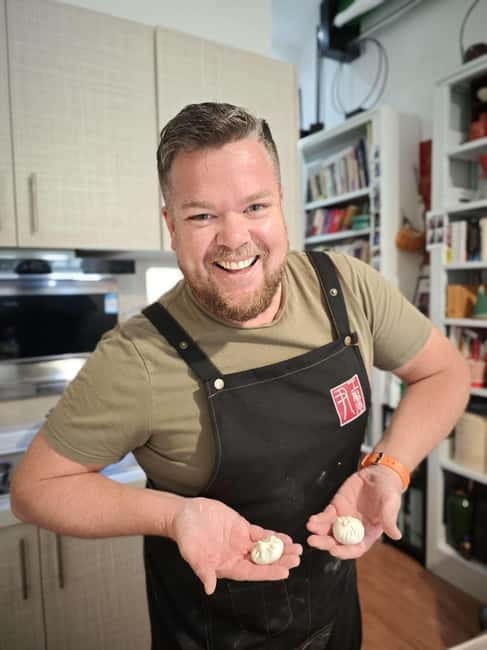
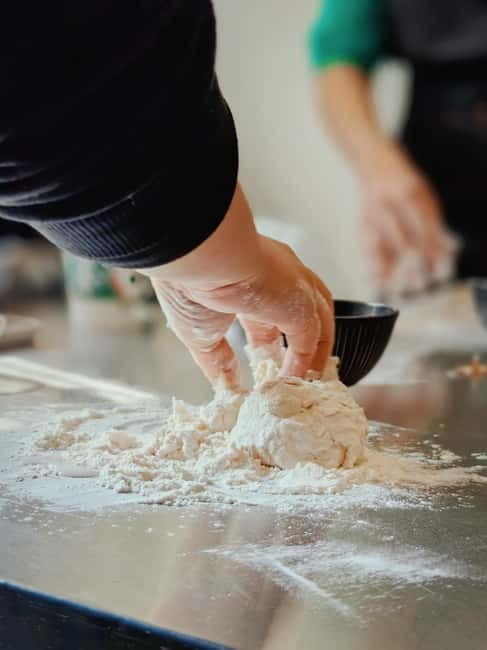
You start with making the dough from scratch, with Chef Yin demonstrating the water-to-flour ratio for the right elastic texture. This is one of the most valuable parts for me, because it gives you a real handle on why your dough works or fails. A dumpling wrapper is not just about thinness. It is about flexibility and how the dough behaves when you fold and seal.
Then comes wrapper crafting. You roll translucent, palm-sized wrappers using traditional techniques. The class specifically calls out a practical idea that you can use instantly at home: the thickness at the center vs. edges matters for soup retention. Too thick in the wrong place, and you get tough dumplings and less soup. Too thin everywhere, and you risk leaks.
Even if you are a strong cook, wrapper work can feel tricky at first. That is normal. What makes this class different is the coaching style: corrections are real-time, so you learn the right adjustments while you still have time to fix your batch.
The 18-fold pleat: the skill that turns dough into dumplings
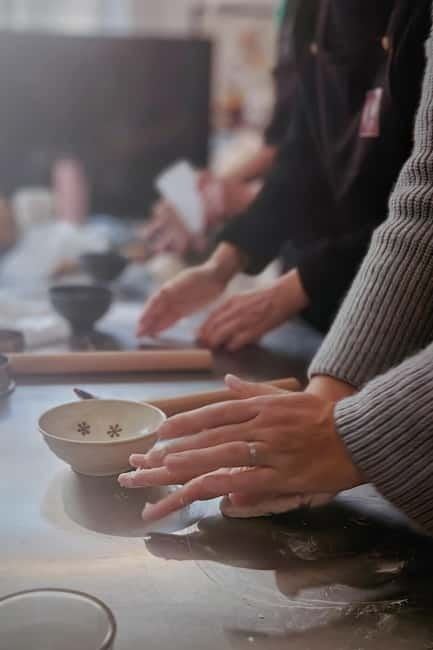
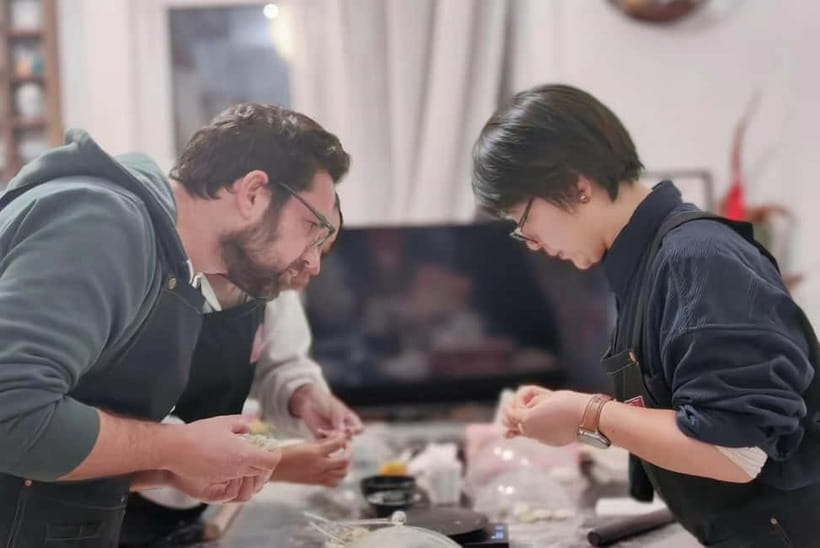
Shaping is the centerpiece. Chef Yin teaches the iconic 18-fold technique, and she stays hands-on as you twist, seal, and form the crown shape.
Here is what that pleating technique actually means for you, beyond the cool food-photo factor. Your pleats are your seal system. When you fold correctly, the wrapper holds together during steaming, and the soup you worked to build in the filling stays contained long enough to end up on the spoon, not on the steamer.
If you love skill-based classes, this is the section you will want to pay attention to hardest. You will feel your confidence rise dumpling by dumpling, especially once you understand how to close the seams without overhandling the wrapper.
Filling prep details you should actually care about
One filling is included, both are optional
The base price includes one filling. If you want to make both vegan and pork, you can add the dual filling option during booking. That add-on costs extra and extends the session by 30 minutes, so it becomes a longer, two-track dumpling-making experience.
This is important for planning. If you want to try everything, budget the extra time and mental energy. If you only care about one style, the standard class keeps things focused and lets you spend more attention on technique and pleating quality for that one batch.
Vegan filling requires in-class cooking
For vegan dumplings, the filling is cooked during the class. That means you will smell aromatics and broth coming together while you work. It also means your filling gets a chance to cool slightly before shaping, which can help with handling compared to a filling that is only mixed and raw.
Pork filling mixes raw ingredients
For pork dumplings, you mix raw minced pork with ginger, scallions, and aspic. You are then shaping with that mixture, and steaming later finishes the transformation. The workshop plan is built around that timing, so your best move is to follow the instructor’s pacing and keep your workflow smooth so the aspic stays in a good working state.
Steaming in bamboo baskets, then eating the proof
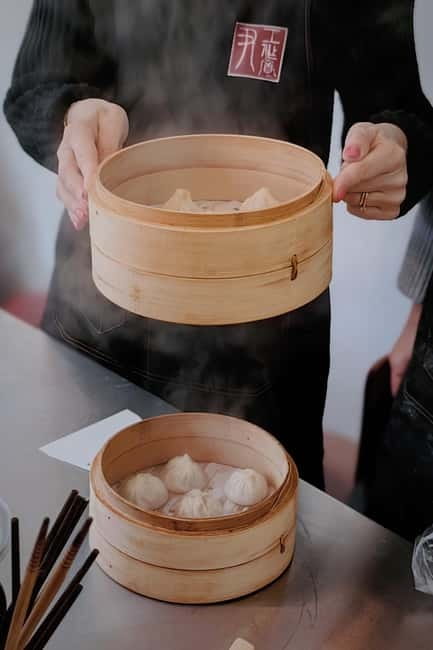
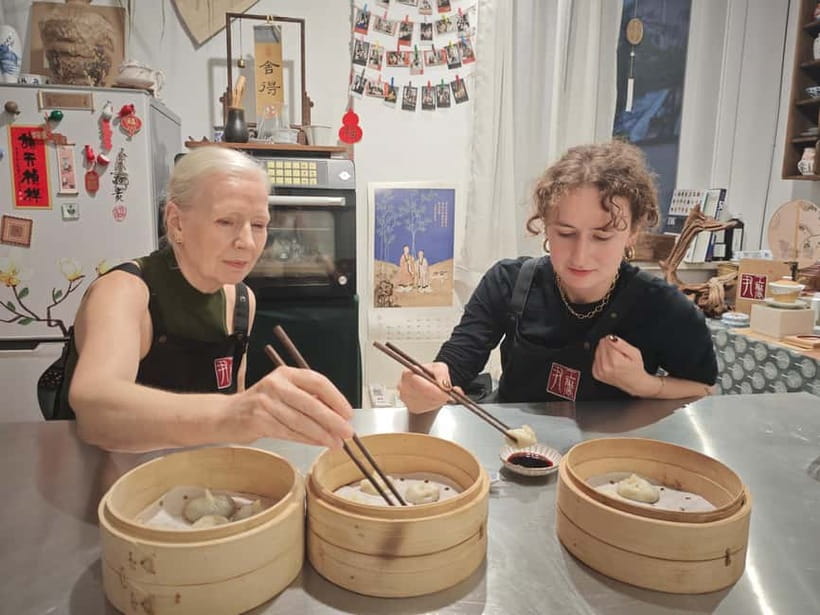
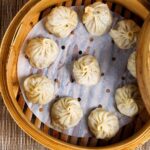
Once your dumplings are shaped, you steam them in bamboo baskets. This is more than scenery. Bamboo steaming gives a specific steam circulation and aroma that you just do not get from every kitchen setup.
Then you eat your dumplings with black vinegar and ginger, plus tea. This is one of those classic pairings that makes the whole experience feel complete. The vinegar cuts through richness, and the ginger adds a gentle sharpness that helps balance whatever filling style you chose.
You also get recipes to take home. That matters, because the real win is repeating the best parts after the class is over. Even if your first batch at home is not perfect, you will at least know which steps are most sensitive: wrapper thickness, pleat sealing, and steaming timing.
What the class gets right about cultural context
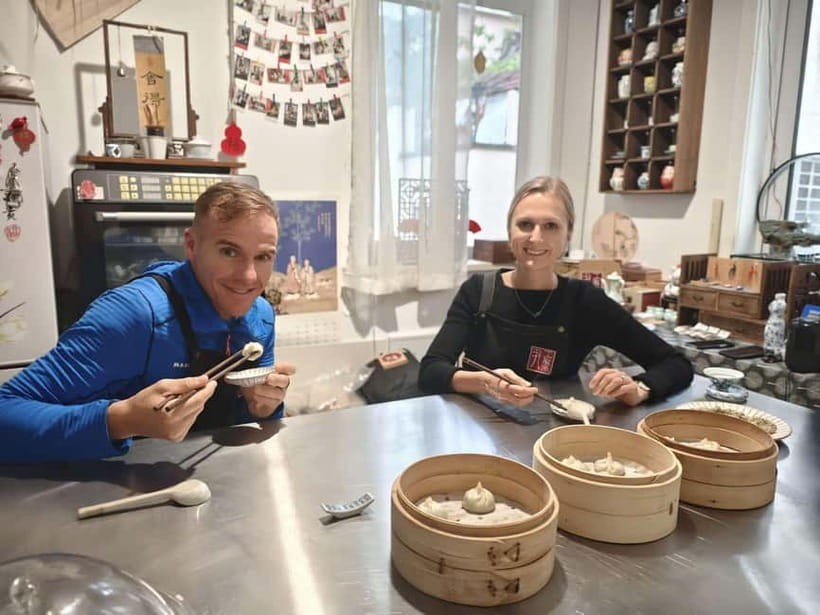
Food classes often stop at technique. This one adds cultural texture. Chef Yin shares ideas about tea taste and food history tied to Shanghai life in Shikumen lanes.
I like this approach because it keeps the story grounded. You are not handed vague trivia. The tea component fits the rhythm of the meal, and the Shikumen lane setting makes the food feel connected to people and place rather than just a dish on a menu.
Price and value: is $120 worth it?
At $120 per person for a 2.5-hour hands-on class, you are paying for more than ingredients. You are paying for guided technique on every major step: dough making, wrapper crafting, filling work (for one choice), pleating coaching, and then steaming and eating.
You also get practical extras included in the price: the materials and tools, good quality tea, and a studio gift. On top of that, the class gives you take-home recipes, so it is not a one-time photo.
Could the cost feel steep if you only want a meal? Yes. This experience is best for you if you want the skill. If cooking at home is your hobby, the value is much easier to justify because the payoff is repeatable.
Add-on reality check
If you add the dual filling option (both vegan and pork), the total cost rises and the class runs 30 minutes longer. That is worth it if you truly want to compare styles side by side or if you are cooking for someone in your group who prefers the other filling.
Logistics, language, and how to make the class smoother
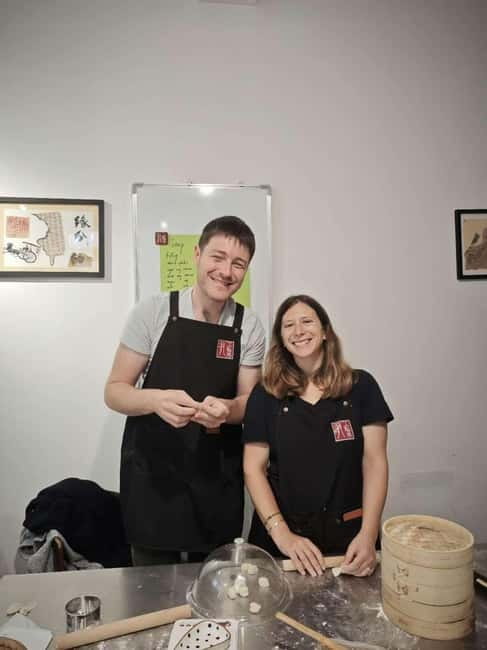
The instructor speaks English, Japanese, and Chinese, which is great if you want to ask questions and get clear corrections fast.
The only real practical issue is the venue location. The workshop room can be hard to find at first, so use the instructions you get ahead of time. In some cases, the instructor meets you outside, so you are not left wandering. Still, plan extra buffer time on arrival.
Also, do not show up starving. The whole process takes time, and once you start pleating and steaming, you will be glad you ate something earlier. A simple meal beforehand helps you enjoy the full two-and-a-half hours instead of feeling rushed by hunger.
Who should book this?
This class is a strong fit if:
- You want a hands-on cooking lesson, not just watching.
- You enjoy technique and want feedback while you learn.
- You are curious about vegan xiaolongbao and want it taught as a real dumpling style, not a side experiment.
- You want to try the pork version with aspic and learn why soup forms during steaming.
It is also a good choice if you like local settings. Working in a Shikumen lane house kitchen makes the experience feel more grounded than a standard classroom.
Who might want to skip or choose a different class
If you only care about eating dumplings and do not want to make wrappers and pleat, the class will feel like more effort than reward. Also, if you have limited interest in practice, this might feel long, because dumpling making is hands-on work from dough to shaping.
Final verdict: should you book?
If you want something you can bring back home, this is a yes. The 18-fold coaching and the focus on wrapper thickness for soup retention are the kind of details that make a cooking class worth the money. The setting in a Shikumen lane-house kitchen adds real character, and the vegan or pork choice lets you match the class to your tastes.
I would book it if you think you will enjoy learning a technique, not just consuming a dish. If that sounds like you, this is one of those Shanghai experiences where the final bite tastes like proof of skill, not just dinner.
FAQ
Where does the class take place?
It takes place in Shanghai in a historic Shikumen lane house kitchen setting.
How long is the experience?
The standard class lasts 2.5 hours.
What is the price?
The price is $120 per person.
Can I choose vegan or pork?
Yes. You can choose either vegan or pork xiaolongbao. The included option depends on your booking choice.
Is the dual filling option available?
Yes. You can add a dual filling option to make both vegan and pork dumplings. It costs extra (+$20 per person) and extends the session by 30 minutes.
What languages is the instructor available in?
The instructor teaches in English, Japanese, and Chinese.
What is included in the price?
Included are the materials and tools needed (for one filling), good quality tea, and a studio gift.
What is not included?
Personal transportation is not included.
What is the cancellation policy?
You can cancel up to 24 hours in advance for a full refund.
More Food in Shanghai


More Tour Reviews in Shanghai




More Kitchens, More Dumplings


Shanghai, reviewed one booking at a time
- Zhujiajiao Water Town and Shanghai City Highlights Private Day Tour
★ 5.0 · 3 reviews - Zhujiajiao Water Town Private Tour with Local Farm Visit and Fruit Picking
★ 5.0 · 3 reviews - Tongli Water Town Self-Guided Tour with Private Transfer from Shanghai
★ 5.0 · 3 reviews - Shanghai by Night with Fine Local Dinner and VIP River Cruise Experiences
★ 5.0 · 3 reviews - Shanghai Acrobatic Show Tickets
★ 5.0 · 3 reviews - Private Shanghai Layover Tour to Zhaojialou Water Town with Lunch or Dinner
★ 5.0 · 3 reviews
Chinese Cooking Classes & Dumpling Making, compared.
 ★ 4.4Xi’an: Great Tang Dynasty Night Show & Dumpling Meal OptionFrom $34177 reviews
 ★ 4.5Xi’an Tang Dynasty Show Ticket Optional Dumplings or Royal DinnerFrom $3775 reviews
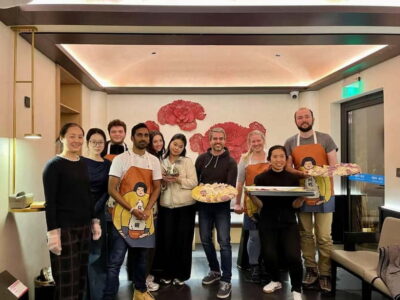 ★ 4.7Beijing: Dumpling Making Workshop with Meal and TeaFrom $3569 reviews
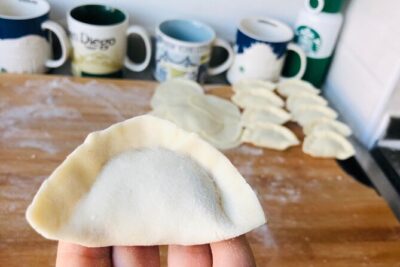 ★ 5.0Online Cooking Class Beijing Dumplings and Cuisine by Sunflowerli Renowned ChefFrom $2065 reviews
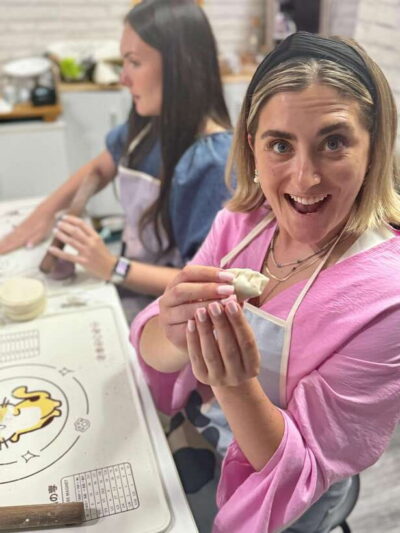 ★ 4.9Shanghai-Cooking Dumpling & Meal in Local Family-w/VeganFrom $8236 reviews
 ★ 4.9Beijing Hutong Food Crawl Delights: Peking duck, Hotpot&MoreFrom $8032 reviews
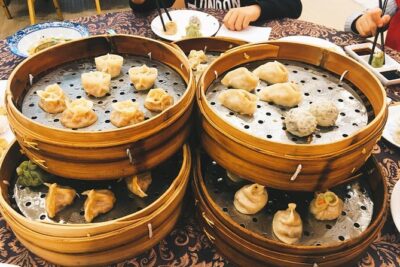 ★ 4.5Skip the Line: Xi’an Tang Dynasty Show Ticket & Dumpling Dinner or Royal BanquetFrom $3728 reviews
 ★ 4.0Xi’an Dumpling Banquet and Tang Dynasty ShowFrom $10121 reviews
Browse the lists this tour appears in