
REVIEW · CHINESE COOKING CLASSES & DUMPLING MAKING
2.5hrs Chinese Kitchen Cooking Class: Xiaolongbao Soup Dumplings
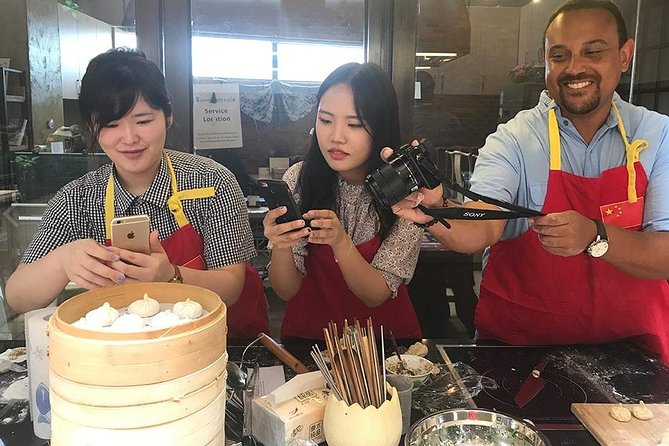
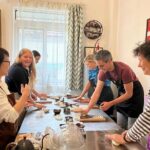
Xiaolongbao gets serious when you make them. This small-group Shanghai soup dumpling class is built around one goal, help you wrap broth-filled xiao long bao from scratch, then cook and eat what you made near Changshu Road.
I love the hands-on process, where you learn how the soup gets sealed inside and you shape dumplings yourself. I also like the food payoff, you cook xiaolongbao two ways (steamed and pan-fried), and then eat them together with a Chinese sauce.
One thing to consider is that the studio can be a little tricky to find, since it’s in an older lane setting on Guangyuan Road, and there’s no hotel pickup.
In This Review
- Key Highlights to Know Before You Go
- Why Shanghai’s Xiaolongbao Is Worth Learning
- Getting to the Studio on Guangyuan Road (near Changshu Road)
- Meet Your Chef: Small Groups, English, and Pacing
- What You Actually Learn: Dough, Filling, and Sealing Broth
- Cooking Two Ways: Steamed vs. Pan-Fried Xiaolongbao
- Tea, Sauce, and the Best Part, Eating Together
- Price and Value for a 2.5-Hour Hands-On Class
- Good Fit for Families, Foodies, and Vegetarian Eaters
- What to Remember So Your Dumplings Don’t Go Off Script
- Should You Book This Xiaolongbao Class?
- FAQ
- What is the duration of the Shanghai Xiaolongbao cooking class?
- Where do I meet for the class?
- What time does the class start?
- How many people are in the group?
- Is the class suitable for children?
- Are vegetarian or vegan options available?
- Is hotel pickup included?
- What ticket or confirmation do I receive?
- What is the cancellation policy?
Key Highlights to Know Before You Go
- Small group, up to 15 people, so you actually get time with the chef instead of standing in the back
- English-speaking instruction, with friendly, patient teaching styles from chefs like CiCi and Chef Yin
- Vegan or vegetarian options available on request, so you do not have to skip the class
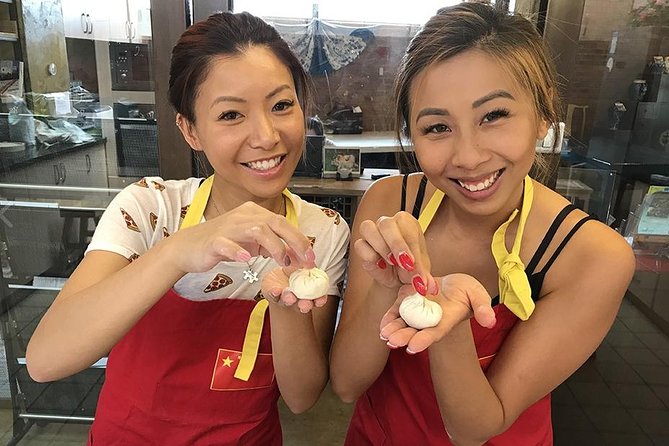
- You make dumplings from dough to filling, including how to wrap the soup inside the skin
- Cook xiaolongbao two ways, steamed and pan-fried, then eat what you produced
- Tea included, plus you leave with a recipe
More kitchens to fold dumplings in
- Shanghai-Cooking Dumpling & Meal in Local Family-w/Vegan★ 4.9 · 36 reviews
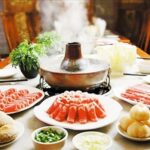
- Private Shanghai Night River Cruise and Hot Pot Dining Experience★ 5.0 · 15 reviews
- Hot Pot Dining Experience with Hot Spring Bathing or River Cruise in Shanghai★ 5.0 · 13 reviews
- 2.5hrs Chinese Kitchen Cooking Class: Xiaolongbao Soup Dumplings★ 5.0 · 12 reviews
Why Shanghai’s Xiaolongbao Is Worth Learning
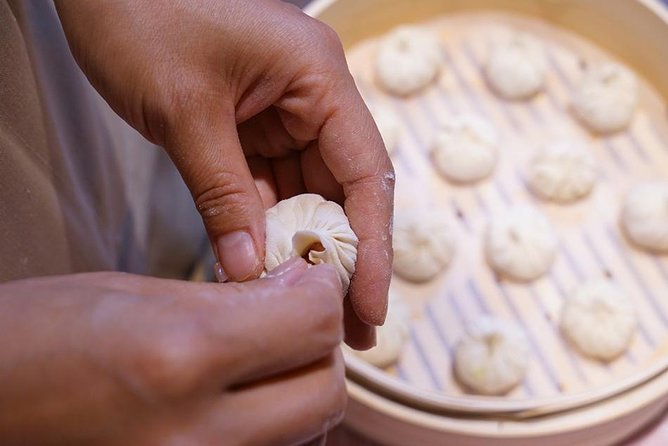
Xiaolongbao, also called soup buns or soup dumplings, is famous for a simple trick, there is broth inside the dumpling itself. The goal is a delicate skin that holds together, then bursts with soup flavor on the first bite. In a home kitchen, that takes more than luck. It takes technique, and this class is built to teach that technique in a practical way.
What I find especially useful is that the class does not treat xiaolongbao as a mystery dish you admire. You learn the real building blocks: dough and filling, how to season with Chinese spices, and how the soup gets wrapped so it does not spill. That turns the dish from “cool street food” into “something you can reproduce.”
And because you cook it twice, you see how method changes texture. Steamed xiaolongbao emphasizes softness and soup release. Pan-fried versions give you a more crisp edge while still keeping that soup dumpling magic.
If you want an authentic Shanghai food experience that is hands-on and not just a meal stop, this hits the mark.
Getting to the Studio on Guangyuan Road (near Changshu Road)
This class meets near Changshu Road, with the listed meeting point on Guangyuan Road (Guang Yuan Lu), Xu Hui Qu. The timing is straightforward, start at 10:00 am, and the activity ends back at the meeting point, so you plan the rest of your day around being in that area afterward.
Good news for logistics: it’s described as near public transportation, and you use a mobile ticket. Still, arrive with a few extra minutes. One review note that the entrance can feel a bit alarming at first because the kitchen sits in an older lane setting. The chef helps guests once they are spotted, but you do not want to scramble right before class starts.
Also, no hotel pickup or drop-off is included. So unless you are already near Xu Hui Qu, you’ll want to factor in your own transit time.
If you prefer to travel light, keep your bag simple. You will be working with dough, and you’ll want room to move comfortably.
Meet Your Chef: Small Groups, English, and Pacing
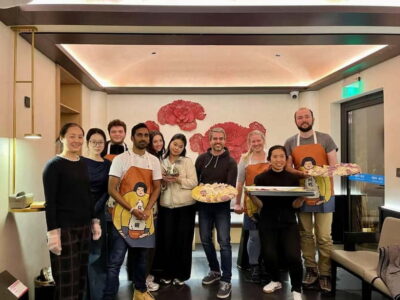
This is not a big auditorium class. It’s limited to a maximum of 15 travelers, and it’s designed for a wide range of ages, 3 to 100, with children welcome. That matters because xiaolongbao technique is touch-based. If you’re watching from afar, you miss the feel.
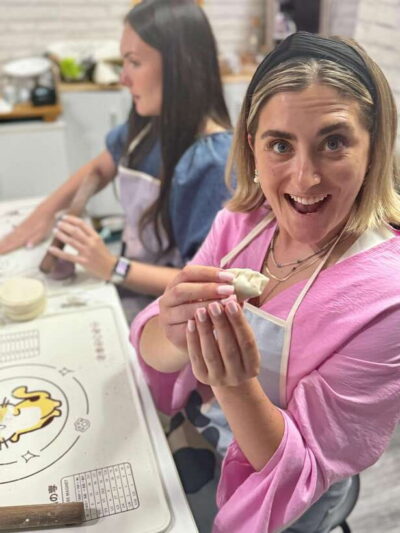
The teaching style is a big part of why people rate this so highly. Chefs like CiCi and Chef Yin are described as engaging and very patient, with English that makes instructions clear even when you are nervous about getting dough on your hands. One of the most helpful phrases in the class vibe is at your pace, meaning the chef supports you through shaping without rushing you.
Another advantage of the small group: you likely get feedback as you work. With xiaolongbao, small changes in folding and pleating can decide whether the skin holds or leaks. You’ll also hear practical tips about ingredients and technique during the introduction portion.
So even if you are a total beginner, you are not just along for the ride. You become part of the dumpling-making process.
What You Actually Learn: Dough, Filling, and Sealing Broth
The heart of the class is learning how to make xiaolongbao in a way that respects the dish. You start with dough and filling, including fragrant Chinese spices used for flavor. Then comes the trick that separates good soup dumplings from disappointing ones, how to wrap soup so it stays inside during cooking.
Here’s the sequence to expect, based on the class flow:
- 10:00 am meet at the studio
- 10:20 am intro to local ingredient and cooking culture
- 11:00 am cooking session, where you shape and assemble
- 12:00 pm eat together as a group
- 12:30 pm end, with a recipe to take home
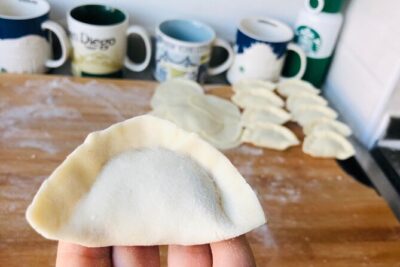
During the cooking session, you make some xiaolongbao yourself, not just once. You learn the mechanics of working the dough and forming a skin that’s thin enough to be delicate, yet strong enough to hold soup. You also learn how to portion and season the filling.
Then there’s the signature part: the broth needs to be wrapped inside the dumpling. That means your folding is not only for appearance, it’s for function. If you think of it like a tiny sealed container, the technique makes more sense.
For vegetarian and vegan diners, the class says options are available on request. That means the chef can adjust what goes into your dumplings. If you have dietary needs, write them down at booking so the studio can plan accordingly.
Other Shanghai trips our reviewers kept returning to
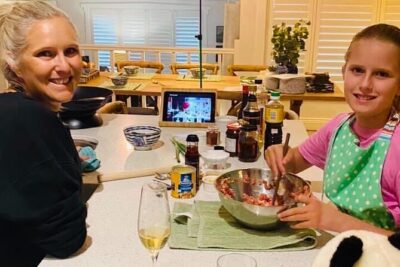
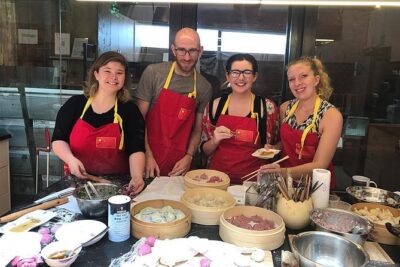
Cooking Two Ways: Steamed vs. Pan-Fried Xiaolongbao
You do not just make dumplings, you learn how to cook them two ways. That’s one of the clearest value points in the whole experience, because method affects texture and how the soup presents.
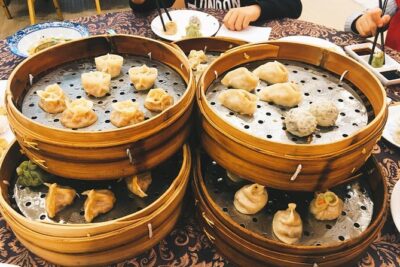
Steamed xiaolongbao is the classic expectation. You get soft skin and the soup character that makes the dish famous. When steaming goes well, the skin is tender and the broth releases cleanly on the bite.
Pan-fried (pan seared) xiaolongbao adds another element: browned edges and a firmer bite around the perimeter. If you like contrast, this method is a treat. It can also help you appreciate how handling and heat timing matter.
Both styles also help you learn the dish beyond one outcome. If you only steamed, you might assume xiaolongbao is only one way. With two cooking methods, you get a broader view of what the dish can be.
When you finish cooking, you sit down and eat what you made as part of the class meal. That group moment is useful. You get to compare results with what you learned, and you can spot what worked best for your own dumplings.
Tea, Sauce, and the Best Part, Eating Together
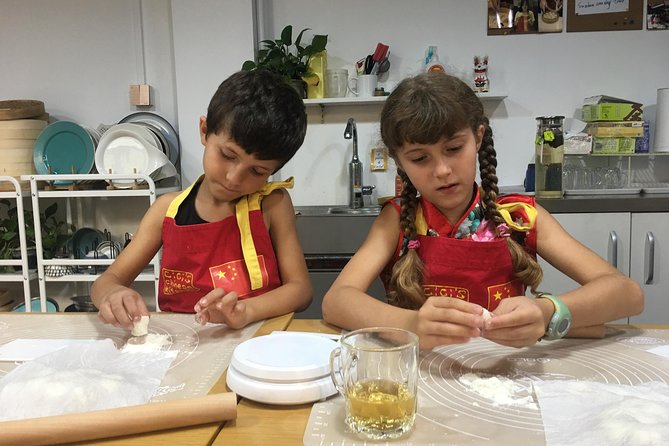
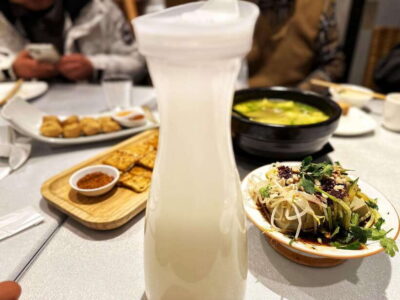
The meal portion is not an afterthought. It’s where the class converts technique into flavor you can understand instantly. You’ll enjoy your hand-made xiaolongbao together, and you also learn how to make a Chinese sauce to go with them.
Tea is included, complimentary. Even if tea feels like a small detail, it’s part of the rhythm. Between hands-on cooking and hot dumplings, tea is a practical reset for taste buds.
The sauce matters because xiaolongbao is not meant to taste flat. The right condiment adds brightness, saltiness, and a little tang or depth, depending on the sauce style taught in the class. Since the class includes learning the sauce, you are not just leaving with a meal. You’re leaving with a working flavor plan.
One more nice touch: you get a recipe at the end. A recipe is not magic, but it helps you repeat the experience later, especially for ingredient amounts and steps you might forget once you’re home.
Price and Value for a 2.5-Hour Hands-On Class
At $98.88 per person for about 2 hours 30 minutes, you’re paying for several things that are hard to replicate alone: chef instruction, ingredient prep, kitchen space, and the cost of teaching a technique that requires both time and a careful workflow.
The small group size helps justify that price. With a maximum of 15 people, instruction is more personal. If it were 40 people, you would likely spend more time watching than doing.
You also get more than one outcome. Many food experiences give you a meal. This class gives you dumplings you shape and cook twice, plus sauce, tea, and a recipe to take home. That is a lot packed into a short session.
Another timing tip: the experience is commonly booked around 18 days in advance on average. That suggests demand can be steady. If you’re traveling in peak season or on a tight schedule, booking sooner helps you get the date you want.
As with most classes, the value depends on your style. If you enjoy cooking and want a memorable food skill, this tends to pay off. If you only want an eating experience and don’t care about technique, you may feel it’s pricier than a restaurant meal.
Good Fit for Families, Foodies, and Vegetarian Eaters
This class is designed to be family-friendly, and not in a watered-down way. It’s explicitly for ages 3 to 100, and children are welcome. Children under 3 can join for free. That’s unusual for a technique-heavy cooking experience, so if you’re traveling with kids, it can be a great middle ground between entertainment and learning.
For food lovers, the “watch plus do” format is key. You learn how dough and filling are assembled and how the soup concept works inside the wrapper. That helps you understand why Shanghai’s signature dumplings are so addictive.
For vegetarian and vegan diners, the class is vegetarian-friendly and offers vegan and vegetarian options on request. That makes a meaningful difference in Chinese dumpling classes, where filling choices can easily drift toward meat unless the kitchen plans ahead.
The main limitation for some people is the meeting logistics. Since there’s no hotel pickup, you need to be comfortable getting yourself to the studio near Guangyuan Road and the Changshu Road area.
What to Remember So Your Dumplings Don’t Go Off Script
Xiaolongbao is not hard in the “magic” sense, but it is precise. A few practical things help you enjoy the class more:
- Go in expecting to learn a folding rhythm, not to make perfect dumplings on try one
- Pay attention when the chef explains sealing the broth inside, that’s the whole point of soup dumplings
- When cooking, follow the method instructions closely since steaming and pan-frying reward different handling
- Use the sauce right away during the meal so you understand the intended flavor balance
- Keep your questions simple: ask about dough thickness, pleating, and when to stop handling
Also, arrive with the right mindset. A class like this works best when you treat it as skill-building. Even if your first dumplings look a little lopsided, you still learn the mechanics that matter.
And if you’re a nervous cook, that matters too. The teaching approach is described as patient and organized, including English guidance. That reduces the pressure and lets you focus on technique.
Should You Book This Xiaolongbao Class?
I’d book it if you want a real Shanghai food skill, not just a plate of dumplings. The combination of small group size, hands-on shaping, cooking two ways, sauce-making, tea, and a recipe makes this a strong value for people who like to learn by doing.
I’d skip or reconsider if you hate meeting locations and prefer hotel convenience, since there’s no pickup and you meet on Guangyuan Road near the Changshu Road area. Also, if you’re only interested in eating and would rather spend your time on a market or restaurant, a cooking class may feel like extra work.
If you’re traveling with kids, this one is especially worth a look because it’s built for a wide age range, and the format is active instead of passive.
Bottom line: if dumplings are your thing, and you want to understand xiaolongbao beyond first bites, this class is a smart, memorable choice.
FAQ
What is the duration of the Shanghai Xiaolongbao cooking class?
The class lasts about 2 hours 30 minutes.
Where do I meet for the class?
You meet near Changshu Road, and the listed meeting point is Guangyuan Road (Guang Yuan Lu) in Xu Hui Qu, Shanghai.
What time does the class start?
The class starts at 10:00 am.
How many people are in the group?
The class has a maximum of 15 travelers.
Is the class suitable for children?
Yes. The class is for ages 3 to 100, children are welcome, and children under 3 are free to join.
Are vegetarian or vegan options available?
Yes. Vegan and vegetarian options are available on request. You should note your preference at the time of booking.
Is hotel pickup included?
No. Hotel pickup and drop-off services are not included.
What ticket or confirmation do I receive?
You will receive confirmation at the time of booking, and you will use a mobile ticket.
What is the cancellation policy?
The experience is non-refundable and cannot be changed for any reason. If it is canceled because the minimum number of travelers is not met, you will be offered a different date or experience, or a full refund.
More Cooking Classes in Shanghai
More Tour Reviews in Shanghai




More Kitchens, More Dumplings

Shanghai, reviewed one booking at a time
- Zhujiajiao Water Town and Shanghai City Highlights Private Day Tour
★ 5.0 · 3 reviews - Zhujiajiao Water Town Private Tour with Local Farm Visit and Fruit Picking
★ 5.0 · 3 reviews - Tongli Water Town Self-Guided Tour with Private Transfer from Shanghai
★ 5.0 · 3 reviews - Shanghai by Night with Fine Local Dinner and VIP River Cruise Experiences
★ 5.0 · 3 reviews - Shanghai Acrobatic Show Tickets
★ 5.0 · 3 reviews - Private Shanghai Layover Tour to Zhaojialou Water Town with Lunch or Dinner
★ 5.0 · 3 reviews
Chinese Cooking Classes & Dumpling Making, compared.
 ★ 4.4Xi’an: Great Tang Dynasty Night Show & Dumpling Meal OptionFrom $34177 reviews
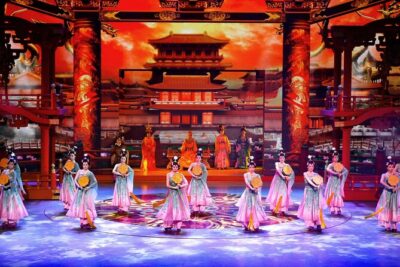 ★ 4.5Xi’an Tang Dynasty Show Ticket Optional Dumplings or Royal DinnerFrom $3775 reviews
 ★ 4.7Beijing: Dumpling Making Workshop with Meal and TeaFrom $3569 reviews
 ★ 5.0Online Cooking Class Beijing Dumplings and Cuisine by Sunflowerli Renowned ChefFrom $2065 reviews
 ★ 4.9Shanghai-Cooking Dumpling & Meal in Local Family-w/VeganFrom $8236 reviews
 ★ 4.9Beijing Hutong Food Crawl Delights: Peking duck, Hotpot&MoreFrom $8032 reviews
 ★ 4.5Skip the Line: Xi’an Tang Dynasty Show Ticket & Dumpling Dinner or Royal BanquetFrom $3728 reviews
 ★ 4.0Xi’an Dumpling Banquet and Tang Dynasty ShowFrom $10121 reviews
Browse the lists this tour appears in