
REVIEW · MUSEUMS
Shanghai: Private Tour of the Shanghai Museum
Shanghai’s museum collections feel personal, even fast. This private 3-hour tour is a smart way to meet the Shanghai Museum on its own terms, guided step by step through the galleries that most help you understand how ancient Chinese culture expressed power, taste, and belief. I especially like the way your guide turns objects into stories you can actually follow, from bronze ritual vessels to Ming and Qing ceramics.
I love that you get a local guide who guides your attention, not just your feet. I also like the gallery flow because it moves from bronze to ceramics to jade, so the themes build instead of feeling like random rooms.
One consideration: no cameras are allowed, so if you were planning to rely on photos later, you’ll want to use your memory and notes instead, and accept that some exhibits are meant to be experienced in the moment.
In This Review
- Key highlights I think you’ll care about
- Why this Shanghai Museum private tour hits the sweet spot
- Meet your guide at the East Wing, then get moving
- Practical tip
- Bronze Gallery: Shang and Zhou objects you can actually interpret
- What you might miss without a guide
- Ceramics Gallery: porcelain evolution and why blue-and-white gets attention
- A realistic pacing note
- Jade Gallery: symbolism beyond the sparkle
- Why this matters to you as a visitor
- Other galleries and the wrap-up that turns questions into clarity
- Price and value: is $60 per person fair for this format?
- What to bring, and the rules that shape your day
- Who this private tour is best for
- Should you book this tour?
- FAQ
- Where is the meeting point for the tour?
- How long is the Shanghai Museum private tour?
- What is included in the price?
- Is hotel pickup included?
- Is a special exhibition included?
- What languages will the guide speak?
- Can I bring a camera?
- What should I bring with me?
- Is the tour wheelchair accessible?
- Is there free cancellation?
Key highlights I think you’ll care about
- A focused 3-hour route through the most meaningful museum areas, rather than walking aimlessly
- Bronze Gallery context on Shang and Zhou objects, including ritual use and casting techniques
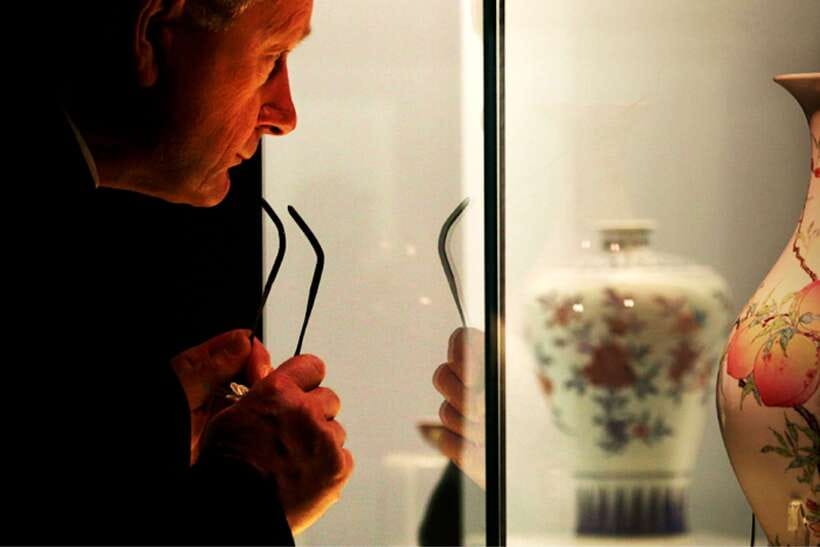
- Ceramics Gallery storytelling on porcelain evolution, with time spent on famous blue-and-white
- Jade Gallery meaning behind thousands of years of symbolism, from burial to ornament
- Real guide polish shows up in feedback, especially praise for patient explanations in English
- Clear meeting setup at the East Wing entrance, with name-sign pickup and often WhatsApp contact
Other Shanghai trips our reviewers kept returning to
- Zhujiajiao Water Town and Shanghai City Private Day Tour★ 5.0 · 1,016 reviews
- Private Shanghai Full Day City Tour with Old and New Highlights★ 5.0 · 995 reviews
- Shanghai Private Tour: Zhujiajiao Water Town and Boat Ride★ 5.0 · 661 reviews
- Shanghai: Zhujiajiao Private Tour w/ Boat Ride & Garden★ 5.0 · 460 reviews
Why this Shanghai Museum private tour hits the sweet spot
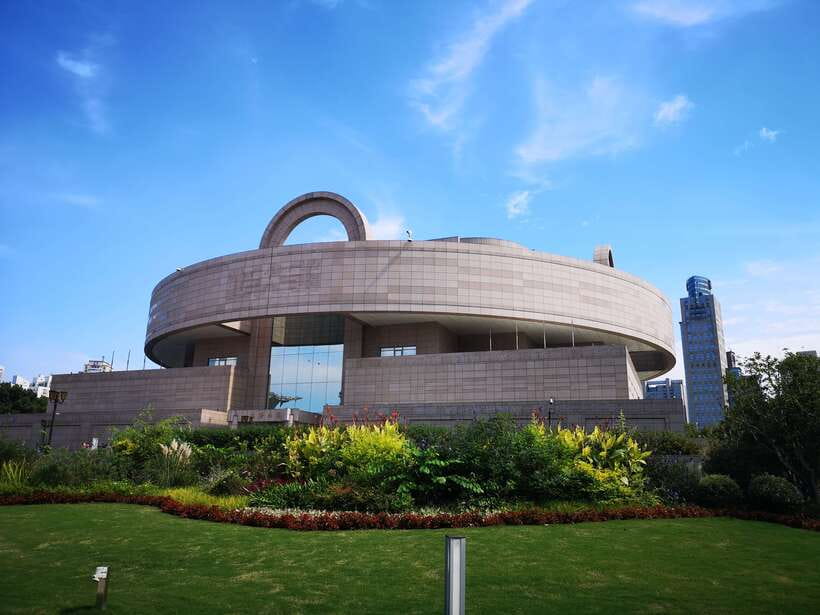
The Shanghai Museum is one of those places where you could spend a whole day and still feel like you touched only part of it. This tour keeps things realistic. In about 3 hours, you get a guided path through the highlights that people come for, plus explanations that help you see what you might otherwise miss.
What makes this work for you is the balance between speed and clarity. You are not just looking at labels. You’re hearing why a bronze object mattered in daily life or ceremony, why ceramic styles changed across dynasties, and what jade symbolized in Chinese tradition. That is how museum time becomes useful time.
And you get it with entry to the Shanghai Museum included. So you’re paying for time with a guide and access, not just a lecture. The price is $60 per person, which can feel high until you compare it to the cost of admission plus the value of someone steering your attention through a large museum.
The tour is also very straightforward in how it runs: you meet, you move through key galleries, then you finish with a wrap-up and Q and A. That last part matters because it helps you leave with answers instead of vague impressions.
Meet your guide at the East Wing, then get moving
You meet at the entrance of the Shanghai Museum East Wing. The guide holds a sign with your name, so it is usually not a guessing game.
A small detail that shows up in feedback is how guides handle coordination. One guide was reported to confirm the exact meeting spot via WhatsApp ahead of time. Even if you do not see that message for your date, it’s still a good idea to keep your phone handy and be ready to check it near arrival.
This also makes your first 10 minutes less stressful. Shanghai Museum can be busy, and anything that reduces friction helps. You’ll start with a quick overview of what collections you’ll see, so you know what to look for from the start. That simple orientation often makes the bronze, ceramics, and jade feel connected instead of separate.
Practical tip
Because the tour explicitly notes bring passport or ID, it’s worth having it ready that day. If you happen to be carrying only a phone or a copy, it might be slower than you want.
Bronze Gallery: Shang and Zhou objects you can actually interpret
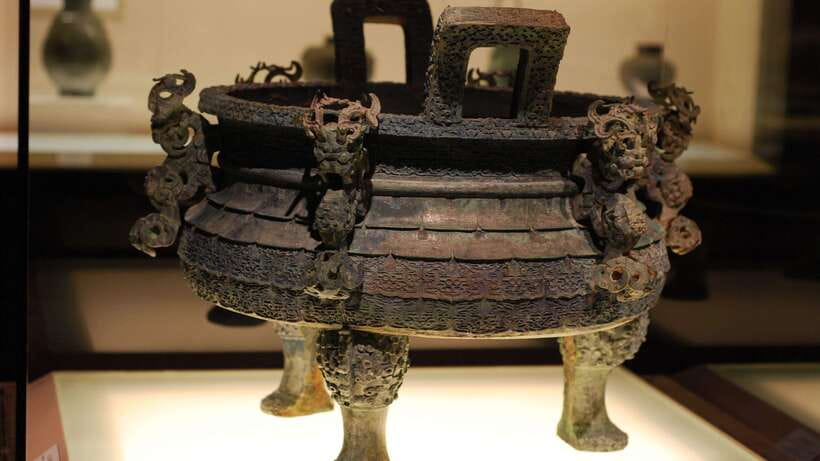
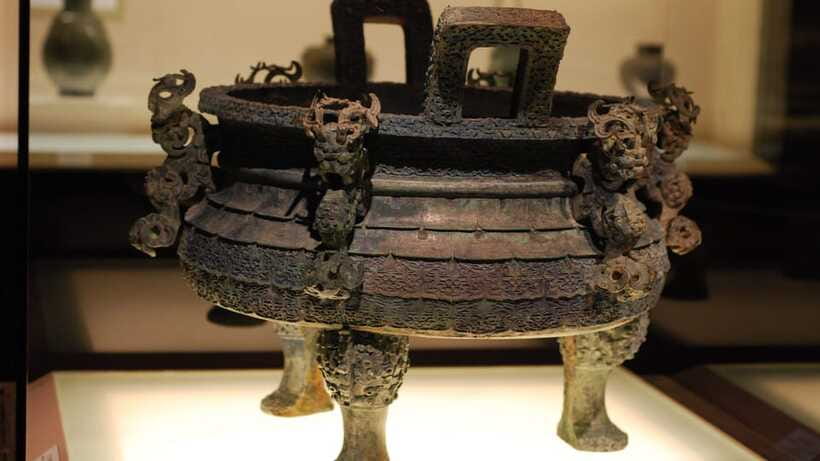
The tour begins in the Bronze Gallery, focusing on artifacts from the Shang (1600-1046 BC) and Zhou (1046-256 BC) dynasties. This is the gallery where a guided explanation pays off the fastest, because bronze looks impressive even before you know what you are seeing.
Your guide’s job here is not to recite dates. It’s to help you understand why bronze mattered. You learn about bronze casting techniques and how these objects connected to rituals. You also hear how bronze items reflect social and political structure in ancient China, which turns the gallery from eye candy into evidence of how power worked.
If you are into “how was it made” questions, this part is where you’ll get them. Ritual vessels and weapons are not random categories here. They hint at who could access certain items, what ceremonies required, and how craftsmanship signaled status.
Other Shanghai trips our reviewers kept returning to

What you might miss without a guide
Bronze objects can feel similar at a glance, because they share material and form language. The guide’s explanation helps you notice differences that connect to function and dynasty, not just style.
Ceramics Gallery: porcelain evolution and why blue-and-white gets attention
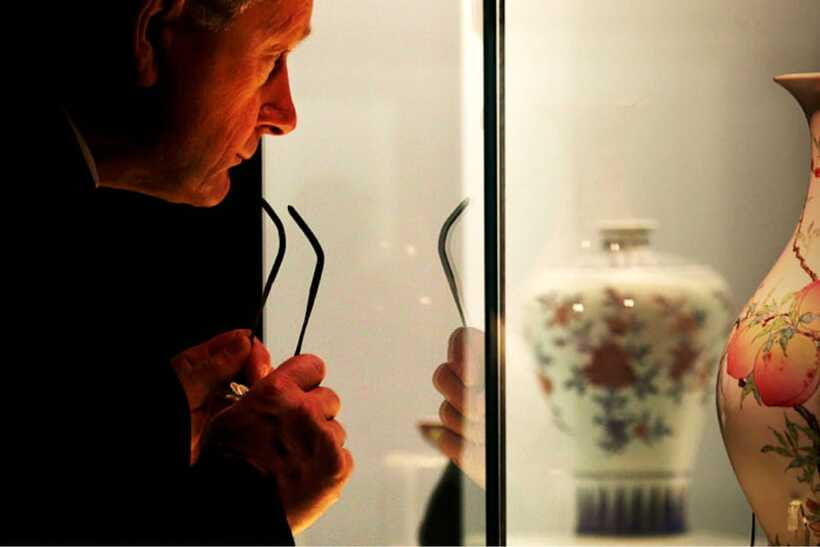
Next you move into the Ceramics Gallery. This portion focuses on porcelain from different dynasties, with special attention on Ming and Qing. The big value is that your guide ties styles to historical change, instead of treating each object like a standalone artwork.
You’ll hear about the evolution of ceramic art and how influences shaped what got made and how it was decorated. The tour also encourages you to spend time with famous blue-and-white porcelain, known for its intricate designs and historical importance.
Here’s what I like about this stop for you: ceramics can be a “quiet” museum topic if you’re not careful. Without context, you might admire craftsmanship but still wonder, so what. With a guide, you understand what kinds of decoration mattered and how design choices connected to broader trends.
A realistic pacing note
Because this is only 3 hours total, you will not be doing a full museum circuit. That’s the trade. The upside is that you leave with a stronger understanding of fewer areas, not a weaker understanding of everything.
Jade Gallery: symbolism beyond the sparkle
Then comes the Jade Gallery, where you see jade artifacts that date back thousands of years. This stop is about more than beauty. Jade is one of those materials where meaning matters as much as appearance.
Your guide explains the cultural significance of jade in Chinese tradition, including its use in burial items and ornamental objects. You’ll learn about carving techniques and symbolism, including the common themes of purity and moral integrity.
If you’ve ever wondered why jade is treated differently from other gemstones in Chinese culture, this is where the tour gives you the answer in plain language. The objects become a way to understand values, not just geology.
Why this matters to you as a visitor
Shanghai Museum is huge. If you only float from room to room, you might see jade as “pretty green stuff.” With this guide-led framing, jade becomes a lens for thinking about beliefs, practices, and social meaning across time.
Other galleries and the wrap-up that turns questions into clarity
After jade, your guide introduces you to other galleries available on the day. The exact selection can vary, but the intention stays the same: you are still following a guided path tied to the museum’s strengths.
At the end, you get a wrap-up and Q and A. This is a practical feature. If a detail clicked for you in bronze, or if ceramics raised a question about technique or dynasty naming, you can ask while the information is fresh.
This is also where guide personality shows. Feedback highlights that guides were patient and answered questions clearly, and that some guides shared extra background stories that made the explanations easier to remember. Names that came up include Vicky and Linda (also referred to as Linda Chen), along with Tom for organization support in at least one case. If your guide happens to be one of these, you’re in good hands based on the pattern of comments.
Price and value: is $60 per person fair for this format?
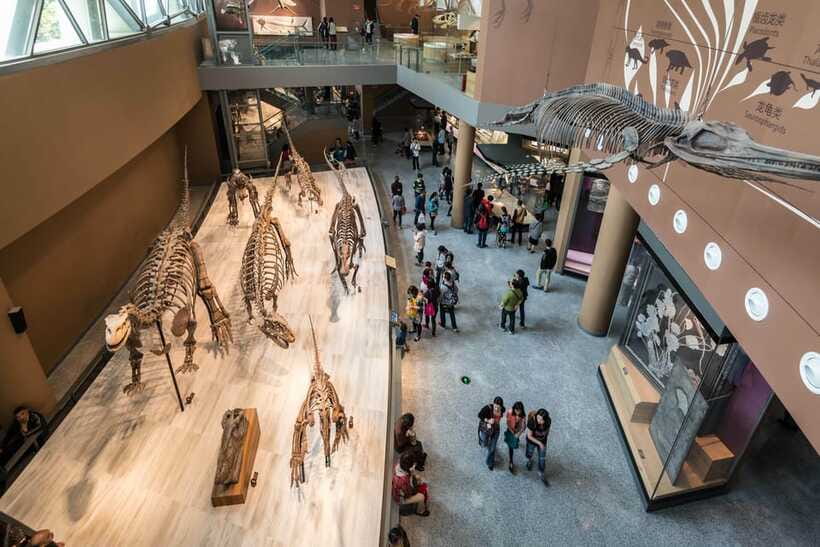
$60 per person for about 3 hours includes the guide and entry to the Shanghai Museum. What you are really buying is time, attention, and interpretation.
If you go without a guide, you can still see the galleries, but you may miss the connections between materials, techniques, and cultural meaning. You might also spend longer just figuring out where to go and what to focus on. In a museum with major collections, that wasted time adds up fast.
The value is strongest if you fall into one of these categories:
- You like museum learning, not just sightseeing
- You want a clear plan for what to see in a short window
- You prefer asking questions rather than reading every label yourself
- You want the experience guided in English or Chinese by a live person
The main “cost” to be aware of is the museum rule: no cameras are allowed. That affects how you capture memories, so make peace with taking mental notes instead of building a photo album.
Also, special exhibition entry is not included. If you’re aiming for a temporary show, you may need separate access. Since the tour notes this specifically, it’s best to check what’s on during your visit before you buy anything extra.
What to bring, and the rules that shape your day
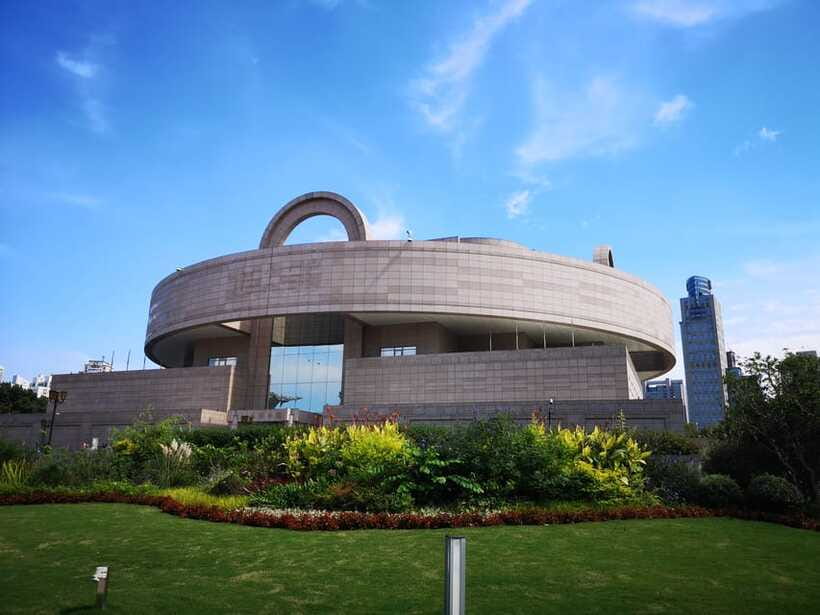
This tour is clear about essentials. Bring passport or ID.
Camera rules matter here. Cameras are not allowed. That can be surprising if you are used to photographing everything, but it also explains why guides focus on describing details you might otherwise miss in a photo.
The guide provides live interpretation in Chinese and English, and the tour is wheelchair accessible. So if mobility or language flexibility is part of your decision, this format is built to work.
You should also plan for a meeting at the East Wing entrance. The guide will hold a sign with your name, but you still want to arrive a few minutes early, so you’re not scrambling while the group is waiting.
Who this private tour is best for
This is a strong fit for:
- History and art lovers who want context, not just objects
- People who have limited time and want the museum’s biggest hits
- Solo travelers, couples, and small groups who want more personal pacing from a private guide setup
It’s also a good fit if you care about how craftsmanship links to culture. The bronze, ceramics, and jade stops connect through themes like ritual, symbolism, and evolving technique. You do not get that by randomly choosing galleries.
If you are the kind of visitor who hates structured routes and wants full freedom to linger, you might find the time limits a little strict. But the inclusion of wrap-up and Q and A helps with that, since you can still slow down through questions.
Should you book this tour?
If your goal is to understand the Shanghai Museum without spending a half-day figuring things out, I’d book it. The bronze to ceramics to jade sequence is logical, and the guide-led explanations are the difference between seeing objects and understanding them.
The tour is also a good value when you consider that admission is included and you get live guiding in English or Chinese for 3 hours. For $60 per person, you’re paying for real interpretation and a plan you can trust.
I’d hesitate only if cameras are essential to your travel style, because cameras are not allowed. And if you specifically want a special exhibition, you should know special exhibition entry is not included, so you’d need additional arrangements.
FAQ
Where is the meeting point for the tour?
Meet at the entrance of the Shanghai Museum East Wing. The guide holds a sign with your name to help you find the right person.
How long is the Shanghai Museum private tour?
The tour lasts 3 hours.
What is included in the price?
The tour includes a guide and entry to the Shanghai Museum.
Is hotel pickup included?
No. Hotel pick up is not included.
Is a special exhibition included?
Special exhibition entry is not included, so special exhibits may require separate access.
What languages will the guide speak?
The live tour guide is available in Chinese and English.
Can I bring a camera?
No. Cameras are not allowed.
What should I bring with me?
Bring your passport or ID card.
Is the tour wheelchair accessible?
Yes. The tour is wheelchair accessible.
Is there free cancellation?
Yes. You can cancel up to 24 hours in advance for a full refund.
More Private in Shanghai




More Tours in Shanghai


More Tour Reviews in Shanghai

Shanghai, reviewed one booking at a time
- Zhujiajiao Water Town and Shanghai City Highlights Private Day Tour
★ 5.0 · 3 reviews - Zhujiajiao Water Town Private Tour with Local Farm Visit and Fruit Picking
★ 5.0 · 3 reviews - Tongli Water Town Self-Guided Tour with Private Transfer from Shanghai
★ 5.0 · 3 reviews - Shanghai by Night with Fine Local Dinner and VIP River Cruise Experiences
★ 5.0 · 3 reviews - Shanghai Acrobatic Show Tickets
★ 5.0 · 3 reviews - Private Shanghai Layover Tour to Zhaojialou Water Town with Lunch or Dinner
★ 5.0 · 3 reviews
Museums, compared.
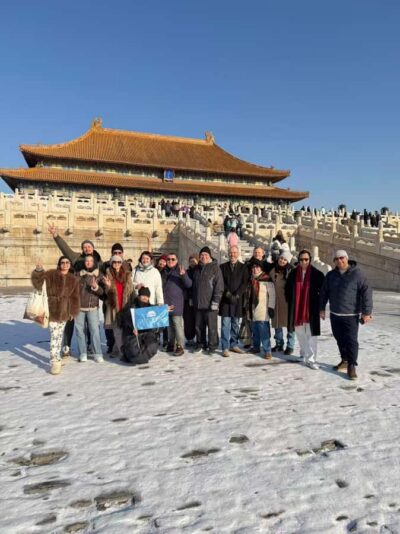 ★ 4.6Beijing: Tianmen Square, Forbidden City & Royal Museum ToursFrom $41,288 reviews
 ★ 5.0Half-Day Mini Group Xian Tour to Terracotta Warriors MuseumFrom $49467 reviews
 ★ 4.5Beijing:Jingshan Park (Palace Museum Garden) TicketFrom $6185 reviews
 ★ 5.0Private Chengdu Day Tour: Giant Pandas and Jinsha Site MuseumFrom $169142 reviews
 ★ 5.0Private Xi’an Tour: Terracotta Warriors, Hanyangling Museum, Cave HomesFrom $175101 reviews
 ★ 4.5Xi’an: Terracotta Army Museum Group TourFrom $2085 reviews
 ★ 5.0Beijing Half Day: National Museum of China In-depth Tour with Subway TransferFrom $11470 reviews
 ★ 4.5Terracotta Warriors Museum Ticket with Professional English-speaking tour guideFrom $4553 reviews
Browse the lists this tour appears in