
REVIEW · WALKING TOURS
Shanghai Propaganda and History Walking Tour
Propaganda posters feel personal here. This 3-hour walk ties Chinese political history to real streets, starting at the Shanghai Propaganda Poster Art Centre and pairing it with a visit to Soong Ching-ling’s former home.
What I like most is that you get stories behind the imagery, not just a quick look at printed slogans. The 6,000-posters collection turns big political events into something you can actually follow scene by scene.
Another thing I really value is the pacing and the mix. You don’t only sit in a museum, you also walk through the area of the former French Concession and stop for a simple bowl of wonton soup. That blend makes the history feel less like a lecture and more like a morning or afternoon with context.
One possible drawback: this tour is absolutely centered on political material. If you prefer history without propaganda at the center of the experience, you might find some of the posters emotionally intense, even with an English guide explaining the context.
In This Review
- Key things to know before you go
- A 3-hour political history walk that also moves through real neighborhoods
- Starting at Jiangsu Road Metro Station, then walking into the French Concession story
- Shanghai Propaganda Poster Art Centre: how 6,000 originals show political change
- What to watch for while you’re inside
- A practical note about content
- Soong Ching-ling Memorial Residence: a personal angle on Republic and early communist life
- How to get the most from the house visit
- Wontons and Wukang Road: connecting history to street-level Shanghai
- What you’ll enjoy most outside
- Price and value: is $73.60 worth it?
- Who this tour suits best (and who should skip it)
- Guide quality matters here, and it shows
- Tips to make the experience easier on your body and your head
- Should you book this Shanghai Propaganda and History Walking Tour?
- FAQ
- How long is the Shanghai Propaganda and History Walking Tour?
- How much does the tour cost?
- Where does the tour start and what time does it begin?
- What are the main stops on the tour?
- Is entrance to the attractions included in the price?
- What food is included during the tour?
- Is there hotel pickup or drop-off?
- Can children join the tour?
- What is the cancellation policy?
Key things to know before you go
- 6,000 original posters from the 1940s to the 1990s, plus guidance that helps you connect themes across decades.
- A small group size, capped at 15 travelers, which usually means more questions and less waiting around.
- English tour guide plus included entry fees, so you can focus on the content, not ticket juggling.
- Soong Ching-ling Memorial Residence adds a personal, human angle through her life and the early Republic to early communist period.
- Wukang Road walking segment (about 1.2 kilometers) gives you a strong feel for the preserved European-style streets nearby.
- Wonton soup and free snacks are included, helpful for keeping your energy steady on a walking schedule.
Other Shanghai trips our reviewers kept returning to
- Shanghai City Guided Walking Tour | China’s 1st and Best Rated★ 5.0 · 285 reviews
- Shanghai Highlights Walking Tour With A Real Local★ 4.9 · 153 reviews
- Shanghai Breakfast Walking Tour of Former French Concession★ 5.0 · 139 reviews
- Private Shanghai Evening Street Food Walking and Cruise Tour★ 5.0 · 123 reviews
A 3-hour political history walk that also moves through real neighborhoods
This is the kind of Shanghai tour that works best when you want more than postcard landmarks. You spend your time on two places that explain how political messaging shaped everyday life, and then you walk along a street that still shows the city’s earlier layers.
The biggest strength here is that the tour treats propaganda as a living record. Instead of treating posters like museum artifacts only, the guide connects them to political movements and shifting eras in the New China period. You end up seeing patterns, like how certain images and themes reappear over time, even when the political tone changes.
And you are not stuck indoors the entire time. After the museums, you walk through the former French Concession area, including a stretch on Wukang Road. That outdoor segment matters because it reminds you this history is not sealed behind glass. It is still part of the urban landscape around you.
Starting at Jiangsu Road Metro Station, then walking into the French Concession story
Your tour meets at Jiangsu Road Metro Station, in the Changning District area. From there, you head toward the museum area in the former French Concession zone.
I like meeting at a metro stop because it is simple. You can plan your day around public transit, and you are not forced into a hotel pickup maze. The tour also emphasizes comfortable shoes, which is honest. You are walking through streets between stops, and even if the distance sounds manageable, your shoes will matter.
Also note the group size. With a maximum of 15 travelers, this tour feels like a guided walk rather than a rushed hop-on, hop-off sightseeing list. You get more conversational explanations, and your guide can adjust pacing if people have questions.
Shanghai Propaganda Poster Art Centre: how 6,000 originals show political change
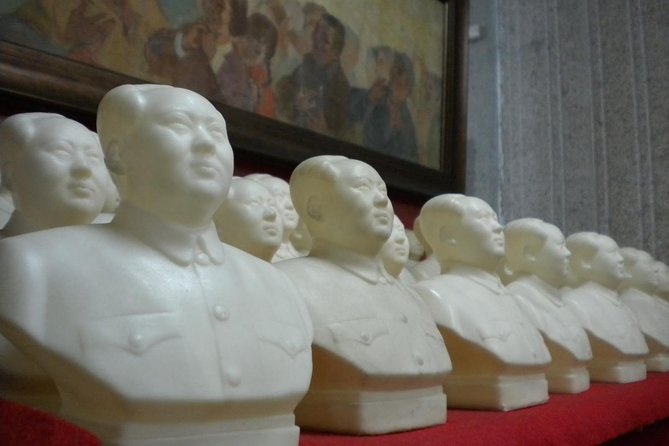
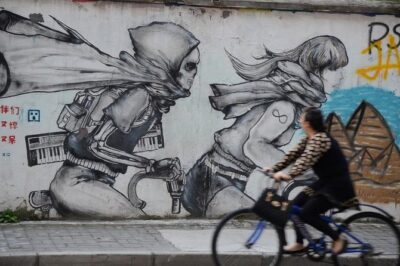
Stop one is the Shanghai Propaganda Poster Art Centre, a private museum set in the former French Concession area. The collection is large, with over 6,000 original propaganda posters spanning the 1940s to the 1990s.
What makes this stop more than a wall of prints is the way the guide frames what you are seeing. You learn how propaganda changed across major shifts in political life, including the time linked to Mao and later movements during the New China era. You also get context for why certain visuals were used and how they were meant to influence belief, behavior, and group identity.
One detail I find especially meaningful is how the museum was built. It was founded by Mr. Yang Pei Ming, who started collecting the posters as a hobby back in 1995. That matters because it explains the museum’s tone. This is not just government messaging displayed as history, it is also a collector’s long-term preservation effort. You can feel the care in how the collection is organized and presented.
What to watch for while you’re inside
You do not need to be a China scholar to enjoy this museum, but you will get more out of it if you look with a purpose. Try to spot:
- Repeated symbols or character types that seem to stand for specific ideals
- How themes shift as political movements change over time
- How the same event or idea might be shown with different emotional intensity later
Since entry is included, you can focus on the content right away. And because this is guided, you are not left to interpret everything on your own.
Other Shanghai trips our reviewers kept returning to
A practical note about content
Again, this is political material, not a neutral art gallery. Even with explanations, you may run into imagery that feels intense or blunt. If you know you prefer history without propaganda front and center, go in with that expectation.
Soong Ching-ling Memorial Residence: a personal angle on Republic and early communist life
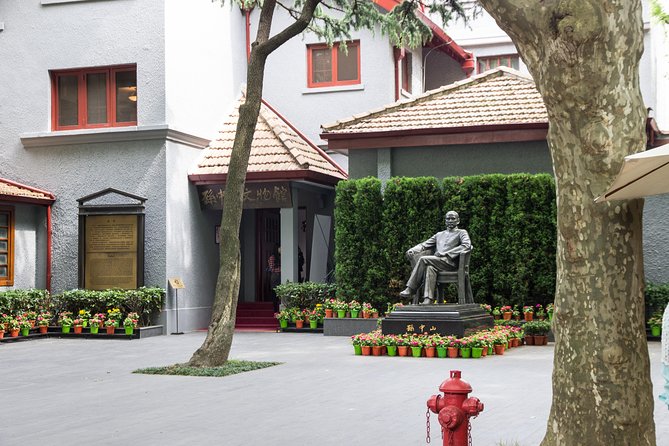
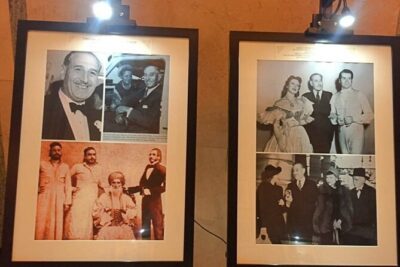
After the poster museum, you continue to the Soong Ching-ling Memorial Residence, which is nearby. Soong Ching-ling was the wife of Dr. Sun Yat-sen, and her former home is now used to tell her story along with larger historical shifts.
Inside, you can see Soong’s life achievements and learn about history bridging the Republic and the early communist period. I like this pairing because it balances the tone of stop one. Posters can feel loud and directive. A residence can feel quieter and more human, even while it points toward big national change.
This stop also gives you a chance to think about what “hardships” really means in historical context. The tour narrative emphasizes how people longed for a better life despite difficult conditions. That framing does not erase suffering, but it tries to show the human motivations behind political eras.
How to get the most from the house visit
You will probably see a lot of information quickly, so go in ready to connect facts to feelings:
- Notice how achievements are presented, especially in terms of public life
- Try to link what you saw in the posters to what the residence emphasizes about people and roles
- Think about how messaging and lived experience could overlap
Because your guide explains what you are looking at, you should not feel stuck reading alone.
Wontons and Wukang Road: connecting history to street-level Shanghai
Right after Soong Ching-ling’s residence, the tour takes you to a local shop for a bowl of wonton soup. It is a simple inclusion, but I really appreciate it on a tour like this. Museums and guided walking can make you forget meals, and the last thing you want is to get grumpy halfway through.
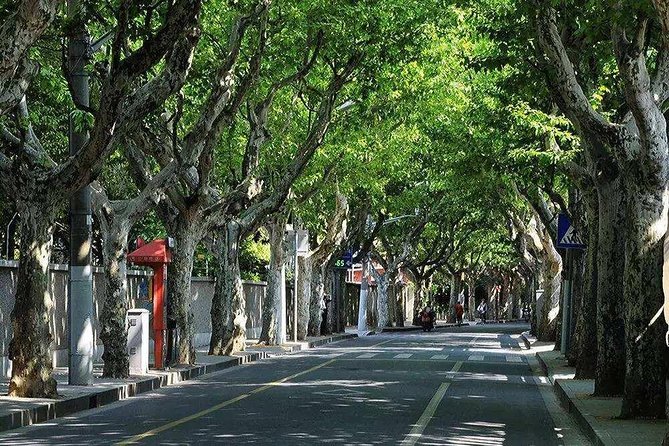
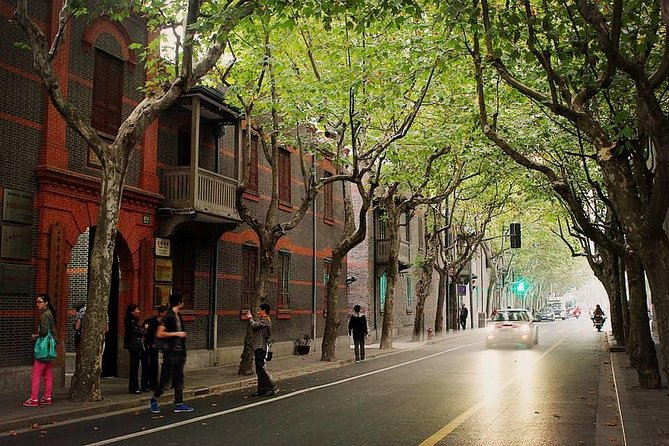
Then you walk along Wukang Road, about 1 mile (1.2 kilometers). This stretch is known for being one of the best-preserved European-style streets in Shanghai, with historical buildings on both sides.
Here is why this part is valuable: it shifts you out of “timeline mode” and into “place mode.” Even if you only spend about an hour walking and absorbing the architecture, it helps you understand why the tour uses this neighborhood as a setting. You are literally moving through layers of Shanghai’s past, and the city’s earlier foreign presence becomes visible in the street form and building style.
What you’ll enjoy most outside
If you like architecture, you will likely enjoy the building façades and street geometry. If you prefer stories, use this walking segment to ask your guide quick questions, because your group is still together and the pace is comfortable.
Price and value: is $73.60 worth it?
At $73.60 per person, this is not a budget throwaway. But the price makes more sense when you look at what is included.
You get:
- An English-speaking guide
- Entrance fees included for both major stops
- Wonton soup
- Free snacks
- A guided walking route that also includes a French Concession neighborhood segment
So you are paying for interpretation, not just access. If you tried to do these stops alone, you would still pay for museum entry, spend time figuring out the best route, and miss out on the guided explanations that connect posters to political movements and daily life.
Also keep your timing in mind. The tour averages about 16 days booked in advance, which suggests it can fill up, especially around peak seasons. The good news is that at least some people have managed to book last-minute, so it might not be a total gamble if your plans shift.
Who this tour suits best (and who should skip it)
This tour is best for you if:
- You want a guided way to understand Chinese political history
- You like tours that connect museums to the street-level feel of a neighborhood
- You enjoy context, timelines, and explanation rather than only photos
It is less ideal if:
- You find political imagery stressful or prefer history with minimal propaganda content
- You need a mostly indoor, low-walking plan
Because the schedule is about 3 hours and includes walking plus two focused stops, it works well for adults and teens who can handle guided time. For families, children must be accompanied by an adult, and since the emphasis is historical and political, you might want to consider your child’s interest level first.
Guide quality matters here, and it shows
One thing that comes through clearly is the emphasis on a friendly and professional guide. You will hear explanations throughout, especially during the poster museum visit where guidance is essential for making sense of themes across decades.
In one account, the guide was named Alana, and the standout feedback was about how clearly she explained the history and what you were seeing in the posters and during the walk. That is a big deal because propaganda posters are not self-explanatory for most visitors. The guide turns the experience from viewing into understanding.
Tips to make the experience easier on your body and your head
A few small choices can make this tour feel smoother:
- Wear comfortable shoes. You will be walking between stops and along Wukang Road (about 1.2 kilometers).
- Bring water if you tend to get thirsty on walks. Free snacks are included, but hydration is still smart.
- If you are sensitive to political messaging, mentally prepare before the poster museum. Your guide will contextualize it, but it is still direct propaganda content.
- If you like photos, remember that the experience is guided. Use photo time as a pause, not a distraction from the explanations.
Also, the tour uses a mobile ticket, which is convenient if you travel with your phone always ready.
Should you book this Shanghai Propaganda and History Walking Tour?
I think this is a strong booking if you want a guided, street-connected way to understand how political messaging shaped public life in modern Chinese history. The pairing of Shanghai Propaganda Poster Art Centre with Soong Ching-ling’s residence gives you both visual messaging and a personal, historical perspective. Then the Wukang Road walk and the wonton soup keep it from becoming only lecture time.
Book it if you are the type of traveler who likes real neighborhoods, thoughtful explanations, and an experience that challenges you to look at history beyond monuments. Skip it if you want purely light sightseeing or if propaganda content would genuinely ruin your day.
If you go with open eyes and comfortable shoes, you will come away with a clearer sense of how eras, movements, and everyday life got tied together in Shanghai’s past.
FAQ
How long is the Shanghai Propaganda and History Walking Tour?
The tour lasts about 3 hours.
How much does the tour cost?
It costs $73.60 per person.
Where does the tour start and what time does it begin?
It starts at Jiangsu Road Metro Station. The start time listed is 1:00 pm.
What are the main stops on the tour?
You visit the Shanghai Propaganda Poster Art Centre and the Soong Ching-ling Memorial Residence, and you also walk along the former French Concession area including Wukang Road.
Is entrance to the attractions included in the price?
Yes. The tour includes entrance fees for the stops.
What food is included during the tour?
You get Chinese wonton soup, and free snacks are included.
Is there hotel pickup or drop-off?
Hotel pickup and drop-off are not included. The tour includes pickup from a centrally located meeting point.
Can children join the tour?
Children must be accompanied by an adult, and the tour notes that most travelers can participate.
What is the cancellation policy?
You can cancel for a full refund up to 24 hours in advance of the experience start time.
More Walking Tours in Shanghai
More Tours in Shanghai
More Tour Reviews in Shanghai

Shanghai, reviewed one booking at a time
- Zhujiajiao Water Town and Shanghai City Highlights Private Day Tour
★ 5.0 · 3 reviews - Zhujiajiao Water Town Private Tour with Local Farm Visit and Fruit Picking
★ 5.0 · 3 reviews - Tongli Water Town Self-Guided Tour with Private Transfer from Shanghai
★ 5.0 · 3 reviews - Shanghai by Night with Fine Local Dinner and VIP River Cruise Experiences
★ 5.0 · 3 reviews - Shanghai Acrobatic Show Tickets
★ 5.0 · 3 reviews - Private Shanghai Layover Tour to Zhaojialou Water Town with Lunch or Dinner
★ 5.0 · 3 reviews
Walking Tours, compared.
 ★ 5.0Beijing Hutong Walking Food and Beer Tour at Hidden RestaurantsFrom $801,132 reviews
 ★ 5.0Private Beijing Walking Tour of the Forbidden City with 7 OptionsFrom $75675 reviews
 ★ 5.0Forbidden City Private Walking Tour with Optional SightsFrom $90400 reviews
 ★ 5.0Beijing Private Hutong Food Walking TourFrom $82299 reviews
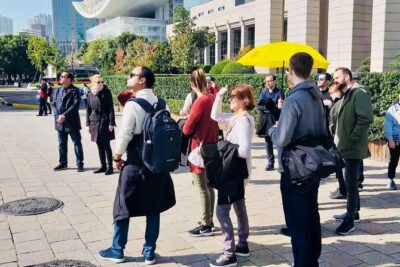 ★ 5.0Shanghai City Guided Walking Tour | China’s 1st and Best RatedFrom $5285 reviews
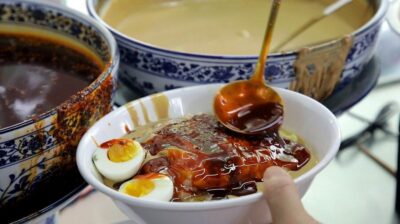 ★ 5.0Beijing: Hutong Culinary Walking Tour with 15+ TastingsFrom $76162 reviews
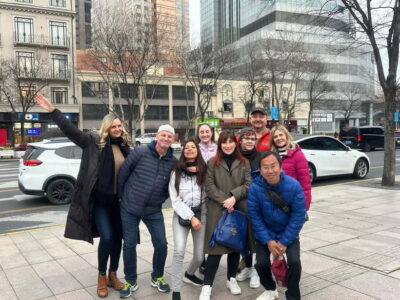 ★ 4.9Shanghai Highlights Walking Tour With A Real LocalFrom $34153 reviews
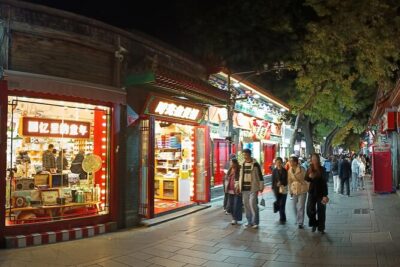 ★ 5.0Beijing City Walk: Explore Hutongs Life and Old BeijingFrom $15146 reviews
Browse the lists this tour appears in