
REVIEW · HISTORICAL TOURS
Private Full Day Tour: Shanghai Colonial History Tour
Shanghai’s colonial past is everywhere. On this private full day Shanghai colonial history tour, you follow the concession story from the 1800s through the big 20th-century disruptions, then to the Shanghai you see now, all in one organized day with hotel pickup, A/C transport, and lunch included. I especially like the hotel pickup that keeps the day painless, and the dumpling lunch that feels local instead of a tourist shortcut. One consideration: a stop like Thames Town is newer and themed, so if you only want original colonial-era fabric, keep your expectations realistic.
What makes the day work is the guiding. Guides I’ve seen highlighted for this style of tour include Peggy, Troy, Cathy, and Céline, and the common theme is calm professionalism, good English, and flexibility when your group has questions or slower walking needs. You also get a true private setting, so the pace stays focused on what you want to see, and a mobile ticket makes check-in straightforward.
In This Review
- Key things I’d plan for on this tour
- Why Shanghai’s concessions still shape your walk today
- Private guide, hotel pickup, and an 8-hour plan that won’t exhaust you
- Former French Concession: architecture, street mood, and the “east meets west” feel
- Tian Zi Fang: Shikumen lanes, cafés, and people-watching with context
- Thames Town near Songjiang: the British-themed detour that changes the mood
- The Bund and the waterfront picture of trade power
- Shanghai Municipal Archives: the paper trail behind the city
- Lunch that tastes like Shanghai, including a vegetarian option
- Price and value: what you get for $175 per person
- How the guides shape the experience (Peggy, Troy, Cathy, and Céline)
- Practical tips so your day feels easy, not rushed
- Who should book this colonial history tour
- Should you book this tour?
- FAQ
- Is this tour private?
- How long is the Shanghai Colonial History Tour?
- Is hotel pickup and dropoff included?
- What’s included in the price?
- Is lunch vegetarian-friendly?
- Are admission tickets required for the stops?
- Are tips included?
- What if I need to cancel?
Key things I’d plan for on this tour
- French Concession atmosphere with architecture and street energy tied to Shanghai’s concession era
- Tian Zi Fang’s Shikumen maze that’s part shopping, part people-watching, part history lesson
- Thames Town as a contrast stop that helps you picture the British flavor in a modern setting
- The Bund waterfront context for European and American banking and consular presence
- Shanghai Municipal Archives on the Bund as a modern anchor for old settlement papers
Other Shanghai trips our reviewers kept returning to
- Zhujiajiao Water Town and Shanghai City Private Day Tour★ 5.0 · 1,016 reviews
- Private Shanghai Full Day City Tour with Old and New Highlights★ 5.0 · 995 reviews
- Shanghai Private Tour: Zhujiajiao Water Town and Boat Ride★ 5.0 · 661 reviews
- Shanghai: Zhujiajiao Private Tour w/ Boat Ride & Garden★ 5.0 · 460 reviews
Why Shanghai’s concessions still shape your walk today
Shanghai can feel like a city of eras stacked on top of each other. The concession system explains why: in the 1800s, foreign powers carved out special zones, with their own rules, buildings, schools, and commercial habits. Those decisions left physical traces you can still read in the street layout and architecture, and they also shaped the city’s attitudes about trade, modernity, and identity.
This tour is built around that idea: you’re not just collecting viewpoints. You’re learning how each place functioned, what changed through wars and political shifts, and why parts of the city look the way they do today. I like tours that connect the dots like this because you start seeing patterns fast, instead of treating the sights as separate photos.
Private guide, hotel pickup, and an 8-hour plan that won’t exhaust you
This is a private, full day format, about 8 hours total, and it’s designed to run smoothly. The big practical win is hotel pickup and dropoff. Shanghai traffic can be unpredictable, and having someone manage the routing means you spend more time watching streets and fewer minutes figuring out transportation.
You’ll also ride in an air-conditioned vehicle, which matters if you’re visiting in warm weather. One person noted it was 34 degrees during their day, and the car plus planned stops helped them stay comfortable enough to keep going. If you’re the kind of traveler who likes to enjoy things instead of surviving them, this setup helps.
Former French Concession: architecture, street mood, and the “east meets west” feel
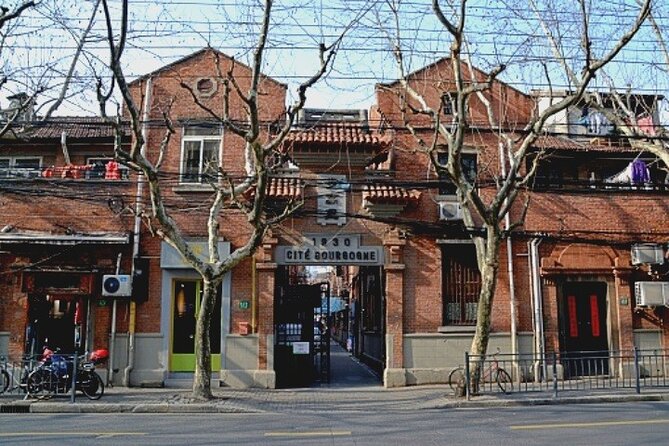
Your day starts in the Former French Concession, a neighborhood known for that old Shanghai mix of local life and foreign planning. Here, the street feel and building styles do the teaching. You get time to wander at a relaxed pace and notice how the concession period influenced how spaces were designed and used.
Why this stop matters is simple. Even if you don’t memorize dates, you learn to recognize the concession imprint: street scale, façade styles, and how the area works as a lived-in district, not just a preserved set. Many people think of colonial history as museums only. This one puts it on the sidewalk.
A drawback to consider is that the French Concession is also a popular area today. You might find it busy depending on when you go, so if you prefer quiet photo walking, start with a little patience and let your guide set the rhythm.
Tian Zi Fang: Shikumen lanes, cafés, and people-watching with context
Next up is Tian Zi Fang, a maze of small lanes that’s famous for shops and cafés, plus the distinctive Shikumen architecture. This is where the history lesson gets more playful. The narrow walkways and little courtyards create that sense of old Shanghai still being present, even as modern commerce fills many storefronts.
What I like here is that you’re not forced into a single “look only” experience. You can pause, watch the flow of people, and connect what you see to how the area developed during and after concession influence. It’s also a good way to break up the day before the more formal history stops.
The only caution is pace. This is the kind of place where you can wander off-plan if you’re not paying attention. Your best move is to stick with your route at first, then take your time for photos where your guide suggests.
Other Shanghai trips our reviewers kept returning to
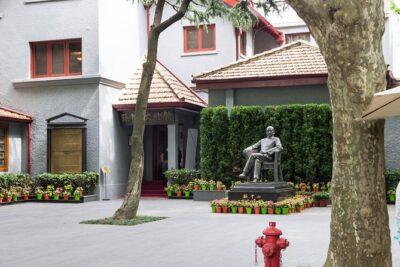
Thames Town near Songjiang: the British-themed detour that changes the mood
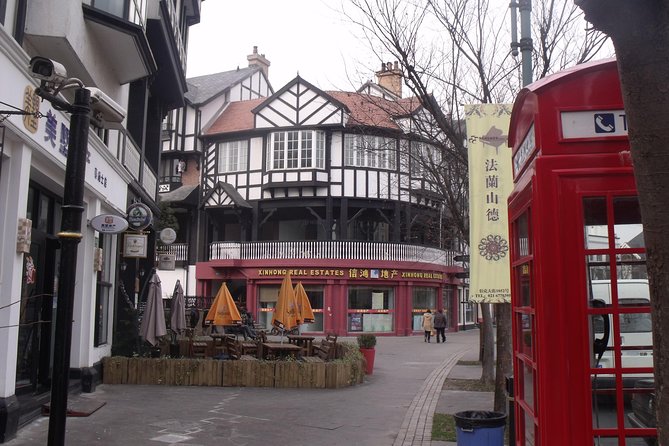
Then comes Thames Town in Songjiang District, roughly 30 kilometers from central Shanghai. This stop is themed around classic British market town styles, so it feels different from the older concession neighborhoods. It’s less about reading original colonial details and more about using a contrast point to understand foreign town planning ideas.
Why it’s worth it: it gives you a visual reference for the British influence conceptually. Even if the environment is newer, you can still compare atmosphere, street character, and building style to what you saw in the French Concession and around the Bund. That comparison sticks, and it helps the overall concession story click.
Possible drawback: if you’re hoping for only authentic, century-old layers, Thames Town may feel like a modern reinterpretation. Think of it as a perspective stop, not the center of the day.
The Bund and the waterfront picture of trade power
You’ll spend time at The Bund (Wai Tan) along the Huangpu River, one of Shanghai’s most recognizable history stages. This stretch lines up dozens of historical buildings tied to trading houses, banks, and consulates from Europe, Asia, and the United States. In other words, this is where you can see how foreign presence translated into money, paperwork, and architecture.
What I like about pairing the Bund with the rest of this itinerary is that it turns a postcard into a story. Earlier stops help you understand neighborhood life and concession planning. The Bund shifts the focus to commercial power, international presence, and the institutions that shaped Shanghai’s role in global trade.
Give yourself a moment to slow down near the river viewpoints. Even if you’re not focused on photography, the scale of the buildings and the waterfront layout help you understand why Shanghai became such a magnet for foreign business.
Shanghai Municipal Archives: the paper trail behind the city
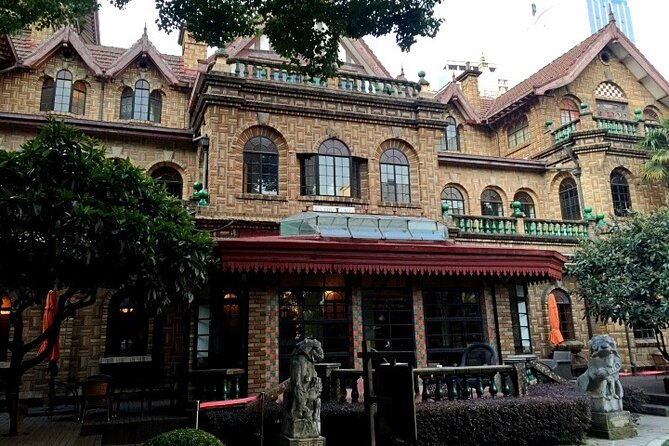
From the waterfront you go to the Shanghai Municipal Archives, a modern facility located on the Bund. This matters because the concession story isn’t only about buildings. It’s also about documents, records, and governance.
This archive holds a large portion of the materials connected to previous foreign settlements, as well as papers from the republican-era period. That makes it a strong “anchor stop” if you want more than visual impressions. It’s a chance to see how the city’s colonial era lives on in administrative memory.
The practical consideration is that museum style time can feel different from walking neighborhoods. If your group likes stories you can see right away on the street, you may want to bring your curiosity for how archives work. A good guide helps here, since they can point out what to focus on so you don’t get lost in walls of information.
Lunch that tastes like Shanghai, including a vegetarian option
Between history stops, you get an authentic dumpling lunch, with vegetarian available. Lunch is included in the tour price, and that’s a real value factor because it reduces decision fatigue. Instead of spending time hunting for food, you’re back to learning and moving with the group.
One detail that stood out in the experiences I’ve read: people mentioned juicy jianbo as a favorite. That’s exactly the kind of meal that makes a history day feel grounded, not academic. If you’re vegetarian, make sure you communicate your preference clearly at the start of the day.
Also, dumpling lunches can be filling, so plan to eat at an unhurried pace. You still have several sightseeing blocks after lunch, so don’t overstuff if you know you’re sensitive to walking after a heavy meal.
Price and value: what you get for $175 per person
At $175 per person, this tour sits in the “pay for convenience” category. The value isn’t just the guide. It’s the combination:
- Private group format
- Hotel pickup and dropoff
- A/C vehicle
- Lunch included
- Stops that list free admission for the areas you visit
- A day that runs about 8 hours, so it’s not a quick taste
If you’re comparing this to DIY travel, the math usually depends on your time. If you have a short visit and you hate wasting hours on logistics, $175 can be reasonable because it buys you flow and context. If you’re traveling with someone who loves history but needs help turning sights into meaning, a private guide becomes even more worth it.
One more cost reality: tips for the guide and driver are recommended. That is normal in this kind of tour, but it affects your final total.
How the guides shape the experience (Peggy, Troy, Cathy, and Céline)
The strongest common thread across the guide feedback is not just language skill, it’s how they manage the day. Names you may hear for this tour include Peggy, Troy, Cathy, and Céline. People praised them for being attentive, professional, and flexible, which is what you want on a walking-heavy history day.
A good guide also helps you avoid a common trap: reading about concessions online and then feeling overwhelmed by what you see in person. With the right guide, you start noticing the right details, you understand why each place matters, and you know what to do with the time you have.
Practical tips so your day feels easy, not rushed
You’ll be walking, including through narrow lanes in areas like Tian Zi Fang. Wear comfortable shoes and expect lots of stop-and-start time, even though each stop is scheduled for about an hour.
It’s also smart to plan for weather. Even people who went in summer-like heat appreciated having the A/C car to reset between blocks. Bring water, and consider a hat and sunscreen if you’re going during bright afternoons.
If you want the most from the archive and Bund segments, ask your guide questions like:
- What changed most during the big 20th-century disruptions?
- How do the concessions show up in street planning?
- Which details here are the easiest to misread as just architecture?
That kind of conversation turns a good day into a memorable one.
Who should book this colonial history tour
You’ll likely enjoy this if you:
- Want a full-day framework for Shanghai’s foreign concessions and how they evolved
- Like guides who connect streets and buildings to historical change
- Prefer hotel pickup and dropoff instead of handling transit all day
- Enjoy both walking neighborhoods and structured history stops
You might not be the best fit if you only want the oldest preserved colonial structures with no modern reinterpretations. Thames Town may not satisfy that goal. But if you’re open to contrast and you want the bigger story, it still has a purpose in the day.
Should you book this tour?
If you want Shanghai’s colonial past explained in a way that feels practical and visual, I’d say yes. The strongest case is the combination of pickup, A/C transport, lunch, and a tight route that spans concessions, everyday Shikumen areas, waterfront institutions, and the archive that holds the records.
Choose this especially if you’re short on time or you don’t want to spend your day piecing together transportation between neighborhoods. The only reason to hesitate is if you’re extremely strict about seeing only the very oldest original concession fabric. For most travelers, the balance of walking, context, and comfort makes the $175 price feel like money well spent.
FAQ
Is this tour private?
Yes. It’s listed as a private tour/activity, meaning only your group will participate.
How long is the Shanghai Colonial History Tour?
The duration is about 8 hours.
Is hotel pickup and dropoff included?
Yes. The guide will meet you at your centrally located hotel and return you after the tour.
What’s included in the price?
The tour includes an air-conditioned vehicle and lunch (with vegetarian available).
Is lunch vegetarian-friendly?
Yes. Vegetarian dumpling lunch is available.
Are admission tickets required for the stops?
The stops listed show free admission.
Are tips included?
No. Tips for the guide and driver are recommended.
What if I need to cancel?
You can cancel for a full refund if you cancel up to 24 hours before the experience’s start time.
More Private in Shanghai




More Tours in Shanghai


More Tour Reviews in Shanghai

Shanghai, reviewed one booking at a time
- Zhujiajiao Water Town and Shanghai City Highlights Private Day Tour
★ 5.0 · 3 reviews - Zhujiajiao Water Town Private Tour with Local Farm Visit and Fruit Picking
★ 5.0 · 3 reviews - Tongli Water Town Self-Guided Tour with Private Transfer from Shanghai
★ 5.0 · 3 reviews - Shanghai by Night with Fine Local Dinner and VIP River Cruise Experiences
★ 5.0 · 3 reviews - Shanghai Acrobatic Show Tickets
★ 5.0 · 3 reviews - Private Shanghai Layover Tour to Zhaojialou Water Town with Lunch or Dinner
★ 5.0 · 3 reviews
Historical Tours, compared.
 ★ 4.0Beijing Historical Tour II including Summer Palace, Lama Temple & Panda GardenFrom $93187 reviews
 ★ 4.0Beijing Historical Tour I – Forbidden City, Tiananmen Square & Temple of HeavenFrom $93120 reviews
 ★ 5.0Tour of Jewish Shanghai led by a Jewish History ExpertFrom $96106 reviews
 ★ 5.0Beijing Historic City Guided Walking Tour + Calligraphy CreationFrom $559 reviews
 ★ 5.0Beijing Culture: Tea Ceremony, Heritage Instrument & CalligraphyFrom $7857 reviews
 ★ 5.0All inclusive Two-Day Xi’an private Heritage TourFrom $25033 reviews
 ★ 5.02-Hour Beijing Private Forbidden City Tour: History & HighlightsFrom $8028 reviews
 ★ 4.5Xi’an Full Day Sightseeing Tour – Shaanxi History Museum, Big Wild Goose Pagoda, Ancient City WallFrom $21926 reviews
Browse the lists this tour appears in