
REVIEW · SHANGHAI FRENCH CONCESSION WALKS
Shanghai: Xintiandi, CCP Museum and French Concession Tour
Shanghai gets political in the best way. This 3-hour, small-group tour strings together Tianzifang, the Former French Concession, and Xintiandi, with guides like Roy or Tom putting the stories into plain words and fluent English.
I love how the route turns streets into a timeline, so you understand what happened without needing to memorize dates. I also like the mix of architecture and inside-the-story stops, from Sinan Mansions to Dr Sun Yat-Sen’s home, which makes the lessons feel real. The main drawback is that it packs a lot of CCP and colonial-era context into a short walk, so if you want long wandering and frequent café stops, you may feel a bit rushed.
In This Review
- Quick hits before you walk
- Where you meet and what sets the pace
- Tianzifang first, for street-level Shanghai context
- Former French Concession, and the story of mixed power
- Sinan Mansions: villas, restrictions, and visible control
- Zhou Enlai’s former residence, where politics met daily life
- Dr Sun Yat-Sen’s residence, a different kind of revolutionary influence
- Xintiandi: where the CCP was formed
- Price, time, and whether $60 is fair value
- Should you book this Shanghai Xintiandi and French Concession tour?
- FAQ
- How long is the tour?
- What is the meeting point?
- Is hotel pickup included?
- How big is the group?
- What should I bring?
- What’s included in the price?
Quick hits before you walk
- Start at Tianzifang, then transition fast from creative lanes into Shanghai’s colonial-era power structures.
- Former French Concession court sites get explained with stories about UK, US, and France and how justice worked there.
- Sinan Mansions has built-in context, since it’s tied to Western villas and controlled development in the past.
- You’ll see major political homes in close proximity, including the residence area tied to Zhou Enlai.
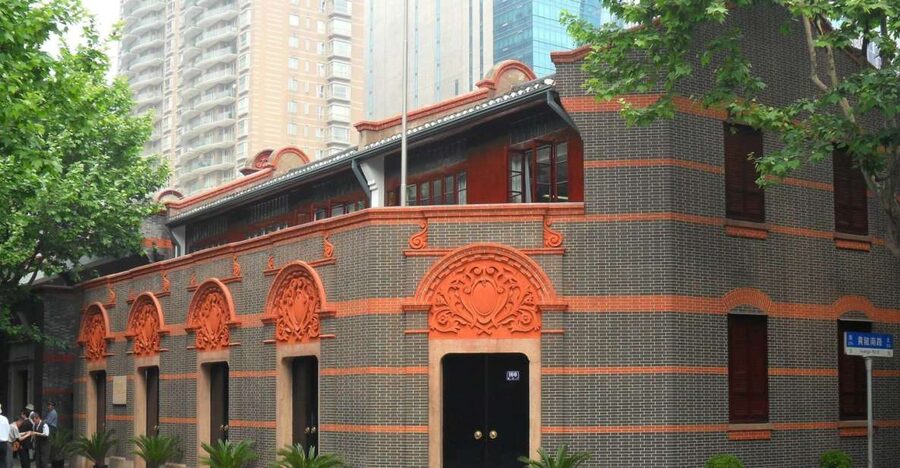
- Xintiandi ends the story at the CCP origin point, where the first National Congress is part of the visit.
- Small group size (up to 10) plus a guide who can answer questions makes it feel like a conversation, not a lecture.
Plane trees and lane houses, more walks
- Late Night Food Tour in the Shanghai’s French Concession★ 5.0 · 260 reviews
- Shanghai Breakfast Walking Tour of Former French Concession★ 5.0 · 139 reviews
- French Concession Guided Walking Tour | China’s 1st & Best Rated★ 5.0 · 91 reviews
- Private Walking Tour in the Former French Concession★ 5.0 · 67 reviews
Where you meet and what sets the pace
You’ll meet at Tianzifang, specifically in front of entrance number 3 of Tianzifang (田子坊3号门) station. The guide will be holding a GetYourGuide logo, and you’ll want to arrive about 15 minutes early so the group doesn’t start late.
This is a 3-hour walk-style experience with up to 10 people. If you’re the type who likes to ask follow-up questions, this group size matters, because you can actually keep up and still get answers.
You’ll also get a clear focus from the first minutes. The day is designed to move from creative street life to institutions and residences tied to modern Chinese political history. Wear comfortable shoes because you’ll be on your feet for most of the time.
Tianzifang first, for street-level Shanghai context
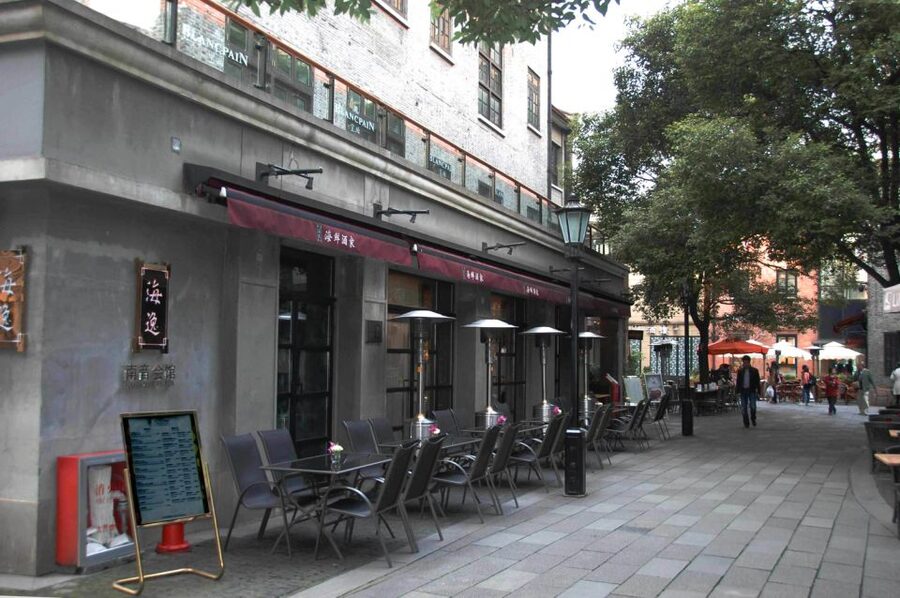
The tour begins at Tianzifang, a cozy neighborhood known for creative businesses. Even before you hit the bigger historical sites, this stop is useful, because it helps you understand the texture of Shanghai at street level.
You’ll see the kind of shop-and-street setup that makes Tianzifang feel like a maze of small lanes. It’s not about one single landmark. It’s about how a neighborhood works, where people gather, and how Shanghai blends old spaces with newer uses.
Practical tip: start here with your senses turned on. Look at how buildings are repurposed, notice the foot traffic patterns, and pay attention to how the streets tighten and widen. When you move into the Former French Concession area afterward, those same cues help you orient faster.
If you’re thinking this will be a heavy museum march right away, Tianzifang is a good on-ramp. It gives you a human scale before the tour shifts to courts, villas, and political residences.
Former French Concession, and the story of mixed power
Next comes the Former French Concession, also known as the FFC. This is one of the most important parts of Shanghai to understand, because the city’s foreign presence shaped everything from streets to institutions.
Your guide walks you to the Shanghai Associated House Common Pleas, then explains how the UK, US, and France ran courts in Shanghai. That detail matters because it explains why Shanghai’s legal and administrative landscape could feel complicated, even to people living there.
This stop is where the tour earns its name. You’re not just seeing an old building. You’re learning how power operated through everyday institutions, including the court system.
You’ll want to bring patience for the explanations here. The history is specific, and the guide will connect the dots between the architecture and the governance. If you like cause-and-effect stories, you’ll probably find this part the most satisfying, because the scene is physical and the context is clear.
Also, keep your questions ready. Guides who have strong command of English, like Roy and Tom as highlighted in past experiences, can usually handle rapid-fire follow-ups.
Sinan Mansions: villas, restrictions, and visible control
From the French Concession court area, you move into Sinan Mansions. This district stands out because it’s linked to a particular rule set: only Western villas were allowed to be built there.
That detail is more than trivia. It helps you picture how segregation and control were built into the urban design. Instead of abstract politics, you get a street grid that reflects who was allowed to build, and what kind of society the area was meant to support.
You’ll also visit a former residence tied to Zhou Enlai. The tour describes it as a beautiful French-style building that was used as the Shanghai office of the Delegates of the Communist Party of China.
That’s the interesting contrast. You’re in a space shaped by Western residential rules, and yet it later connects to the Communist Party’s organizational presence in Shanghai. The tour uses these juxtapositions in a smart way, so the city starts to feel like one continuous storyline, not separate chapters.
Photo tip: French-style facades tend to reward clean angles and slow walking. Take your time here. People often rush, then miss the best perspective from the street.
The one consideration: French-style buildings and residential compounds can mean tighter viewpoints depending on what’s accessible. Since your guide is coordinating the flow, follow along, and don’t get stuck trying to force every angle.
Other Shanghai trips our reviewers kept returning to



Zhou Enlai’s former residence, where politics met daily life
Zhou Enlai’s former residence is one of the key stops in the middle of the tour. The way this is presented makes it more than a name on a plaque.
The tour frames the building as both a French-style residence and a place tied to CCP delegates in Shanghai. That dual identity helps you understand a major theme of modern history in Shanghai: new political movements did not grow in a vacuum. They operated in a city already shaped by foreign influence, complex systems, and built infrastructure.
When the guide explains the building’s past uses, focus on the logic. Why would a Communist Party office function in a Western-style building? What does that suggest about Shanghai as a practical base?
This is also a great moment to ask a question if you’re curious about the broader timeline. Guides who speak Chinese and English can adapt, and that flexibility is one reason the experience gets strong praise.
If you’re expecting a quiet contemplative stop, you might be surprised by how much spoken context you’ll get. The value here is the story attached to the setting.
Dr Sun Yat-Sen’s residence, a different kind of revolutionary influence
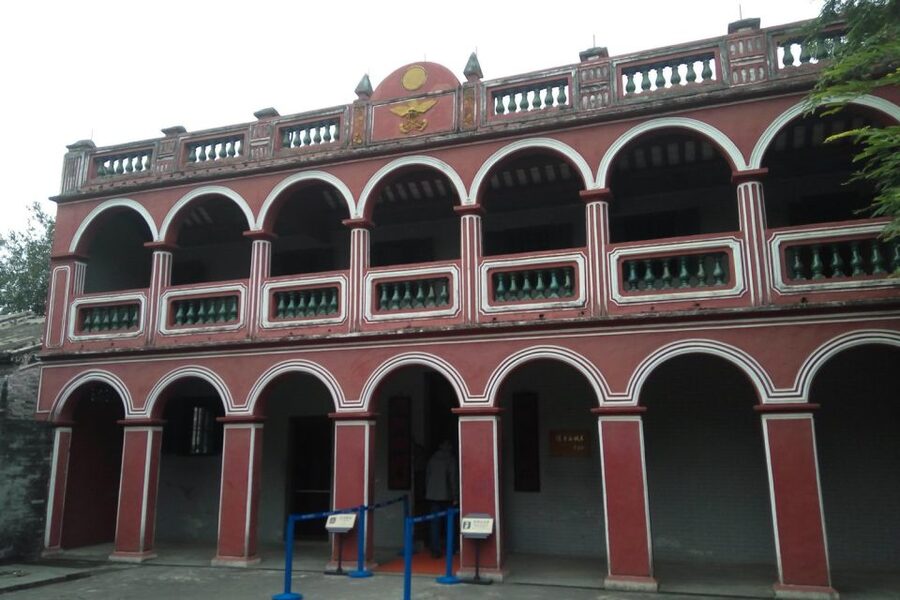
After the Zhou Enlai stop, you visit Dr Sun Yat-Sen’s former residence. The tour notes that most of the elements remain untouched, which is a big deal for anyone who likes seeing how historical figures lived, not just reading about them.
The guide also explains how Sun Yat-Sen influenced the revolution in China, and why he remains one of the most renowned figures in Chinese society. This is where the tour balances CCP-focused material with the broader revolutionary context that shaped the era.
What I like about including Sun Yat-Sen right before Xintiandi is the continuity. You’re moving through different stages of political change in the same general area, rather than jumping to a completely separate museum or neighborhood where the story breaks.
A practical note: when sites say elements remain untouched, it usually means you’ll want to observe respectfully and follow your guide’s directions. Don’t expect a lot of interactive exhibits. Instead, treat it like a carefully narrated walk through preserved space.
If you like history that connects people to place, this stop can land really well. And if you don’t love politics, the architecture and preservation alone can still make it worthwhile.
Xintiandi: where the CCP was formed
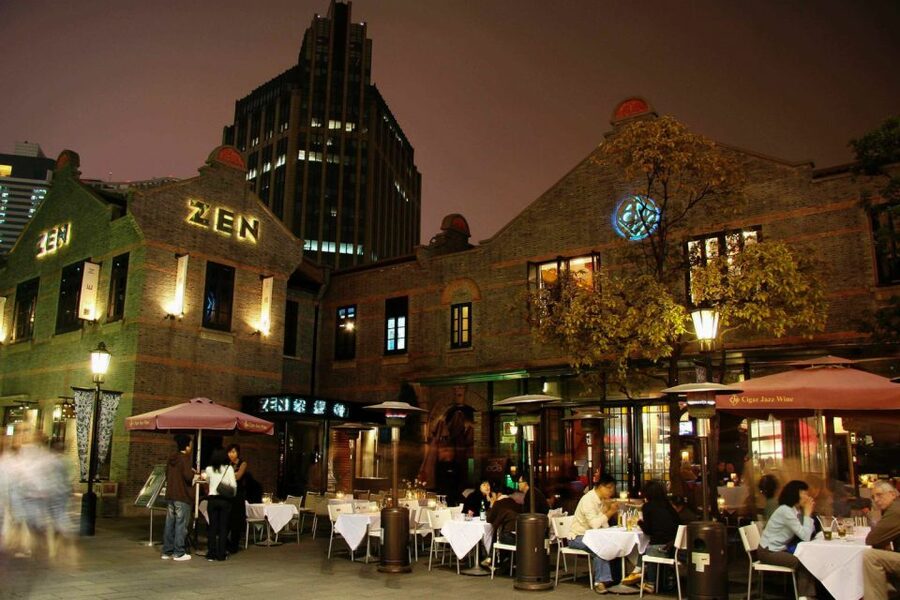
The final stop is Xintiandi, described as the area where the CCP was formed. This is the tour’s payoff moment, because it ties the earlier stops together into one geographic story.
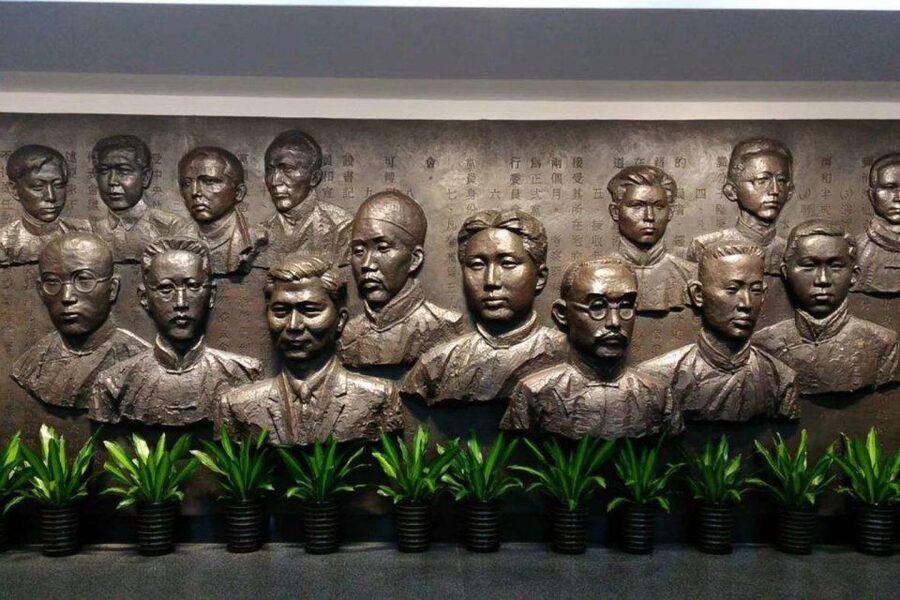
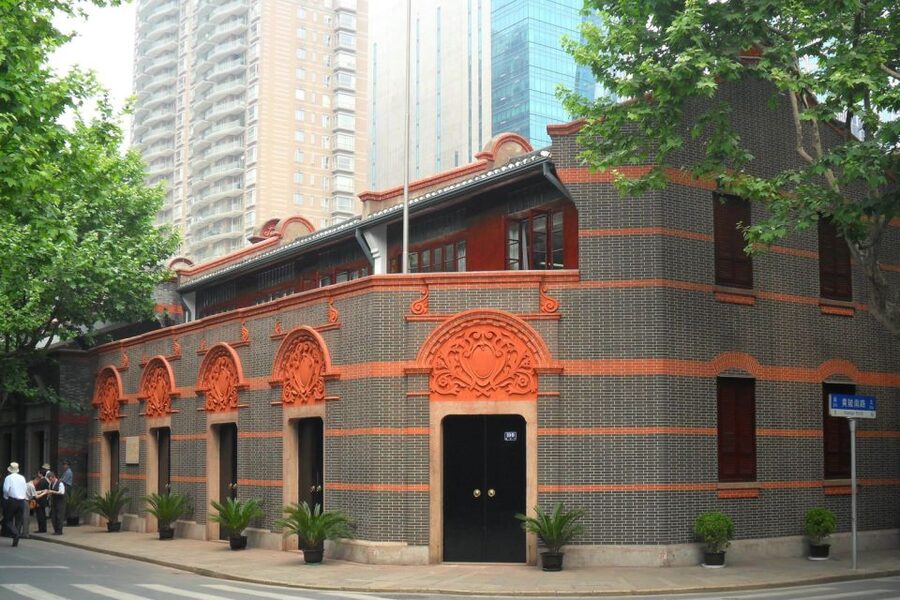
You’ll visit the site of the first National Congress of the CCP. That’s the moment where your walk shifts from explaining “how Shanghai was run” to explaining “how the CCP took shape and gained momentum.”
Even if you already know the broad outline, Xintiandi helps you picture the setting in modern terms. You finish in an area that’s easy to walk through and easy to connect to daily Shanghai life, so the history doesn’t feel frozen in the past.
Another nice touch: your guide will end with recommendations for eateries or bars around Xintiandi. That’s not just a courtesy. It helps you transition from structured history time into free time without wasting energy figuring out where to go next.
One more practical thought: Xintiandi is popular. Plan your post-tour browsing accordingly. If you want quieter photos, give yourself a few minutes to settle in before you start exploring on your own.
Price, time, and whether $60 is fair value
The price is $60 per person for a 3-hour experience. That includes a professional English-speaking guide, plus hotel pickup if you choose the pickup option.
Is it a bargain? It’s fair for what you get, especially because the tour is structured around multiple important stops in a compact area. In other words, you’re paying for someone to connect the architecture and sites into a clear story, rather than paying for transportation across the whole city.
The tradeoff is that you’re working within a short time window. You’ll see key places, but this is not a day-long deep study with lots of free time. The best value comes if you like walking, listening, and asking questions.
Not included are food and drinks, and hotel drop-off is not included. So build that into your plan. Budget a meal after the tour, or snack during breaks if the guide’s pacing allows.
Group size matters for value too. Since it’s limited to 10 participants, you’re less likely to get stuck behind a larger herd. Past groups have praised guides like Roy and Tom for being fluent in English and able to talk in depth, which is exactly what you want from a short guided window.
Who this tour suits best:
- You want Shanghai history tied to specific places, not just a lecture.
- You like architecture with political context.
- You prefer a guided route that ends with practical neighborhood advice.
Who should think twice:
- You’re sensitive to heavy political material in a short time.
- You want lots of independent exploring and long photo stops.
- You’re hoping for a food-first afternoon. This is a history walk, not a tasting tour.
Should you book this Shanghai Xintiandi and French Concession tour?
If your goal is to understand Shanghai through two major threads, foreign presence and CCP origins, I’d book it. The route is efficient, the sites are meaningful, and the guide quality seems to be a major strength, especially with fluent English and the ability to answer questions.
Also, the Tianzifang-to-Xintiandi flow works well. You start with creative street atmosphere, then move into institutions and political residences, and end right where the CCP story is tied to the area. That arc helps you remember what you saw, instead of leaving with a list of buildings.
Just know what you’re signing up for: 3 hours means you’ll learn a lot fast. Bring comfy shoes, arrive on time, and keep an open mind. If you do that, you’ll walk away with Shanghai that finally makes sense in one connected story.
FAQ
How long is the tour?
The tour lasts 3 hours.
What is the meeting point?
Meet in front of entrance number 3 of Tianzifang (田子坊3号门) station. Your guide will be holding a GetYourGuide logo, and the address in local language is 泰康路248弄田子坊3号门.
Is hotel pickup included?
Hotel pickup is included if you select the hotel pickup option. Hotel drop-off is not included.
How big is the group?
The tour is limited to a small group of up to 10 participants.
What should I bring?
Bring your passport or ID card, wear comfortable shoes, and consider bringing a face mask or protective covering.
What’s included in the price?
The price includes a professional English-speaking guide, and hotel pickup if you choose that option. Food and drinks are not included.
More Tours in Shanghai



More Tour Reviews in Shanghai

Lane By Lane In The French Concession



Shanghai, reviewed one booking at a time
- Zhujiajiao Water Town and Shanghai City Highlights Private Day Tour
★ 5.0 · 3 reviews - Zhujiajiao Water Town Private Tour with Local Farm Visit and Fruit Picking
★ 5.0 · 3 reviews - Tongli Water Town Self-Guided Tour with Private Transfer from Shanghai
★ 5.0 · 3 reviews - Shanghai by Night with Fine Local Dinner and VIP River Cruise Experiences
★ 5.0 · 3 reviews - Shanghai Acrobatic Show Tickets
★ 5.0 · 3 reviews - Private Shanghai Layover Tour to Zhaojialou Water Town with Lunch or Dinner
★ 5.0 · 3 reviews
Shanghai French Concession Walks, compared.
 ★ 5.0Eat Like a Local Through Shanghai’s French ConcessionFrom $75353 reviews
 ★ 5.0Late Night Food Tour in the Shanghai’s French ConcessionFrom $89260 reviews
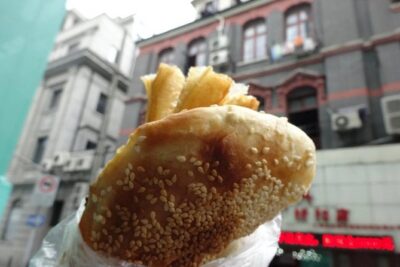 ★ 5.0Shanghai Breakfast Walking Tour of Former French ConcessionFrom $77139 reviews
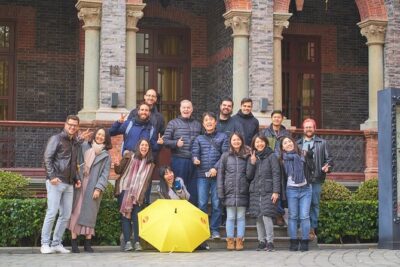 ★ 5.0French Concession Guided Walking Tour | China’s 1st & Best RatedFrom $591 reviews
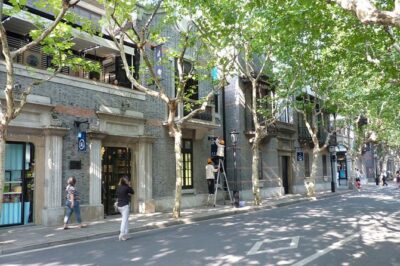 ★ 5.0Private Walking Tour in the Former French ConcessionFrom $9567 reviews
 ★ 5.0Private Yu Garden, The Bund, French Concession, Pudong Half-Day TourFrom $12051 reviews
 ★ 5.0Shanghai bar hopping tour in the former french concessionFrom $2943 reviews
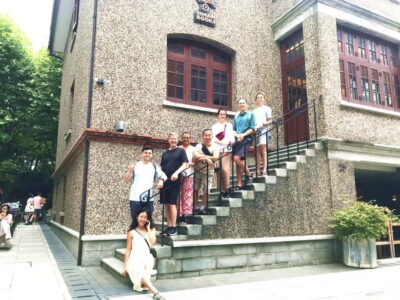 ★ 5.0French Concession Walking Tour with Real LocalFrom $3440 reviews
Browse the lists this tour appears in