
REVIEW · CHINESE TEA HOUSE EXPERIENCES
Traditional Chinese Tea Ceremony Experience
Tea time turns into a real lesson. In Beijing, a short ceremony can teach you how Chinese tea culture works, not just what it tastes like. I love how the session is built around careful technique and a calm, respectful pace. You will also taste multiple styles, including Oolong and Pu-erh, so you can actually notice the differences.
The staff friendliness is another big win. In one of the highlights people remember, Richard and the tea master show up with genuine warmth and clear explanations. One thing to keep in mind: it is only about 30 minutes, so it is best if you want a focused introduction, not an all-afternoon deep study.
In This Review
- Key highlights you should care about
- A 30-minute ritual built for real tea technique
- Where you start near Jian Nei Da Jie and Chang An Grand Theater
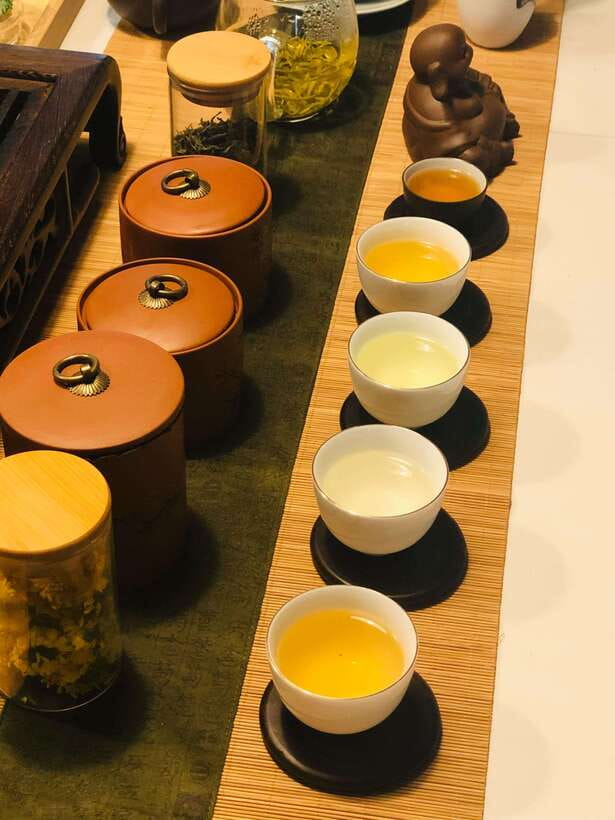
- What you actually taste: the lineup of 5 mini cups
- The ceremony steps that make tea taste better
- Friendly guidance, including Richard and the tea master
- Chang An Grand Theater as a convenient base for a culture stop
- Value check: $9.90 for five tastings and a guided ritual
- Who this is best for (and who might want something longer)
- Optional tea shopping after the ceremony, without pressure
- Booking, timing, and how to make the most of the 30 minutes
- Should you book the Traditional Chinese Tea Ceremony?
- FAQ
- How long is the tea ceremony experience?
- What is included in the price?
- Is a tour guide included?
- What kinds of tea will I taste?
- Where does the activity start and end?
- What is the cancellation policy?
Key highlights you should care about
- 5 mini cups make it easy to compare teas without committing to a full order
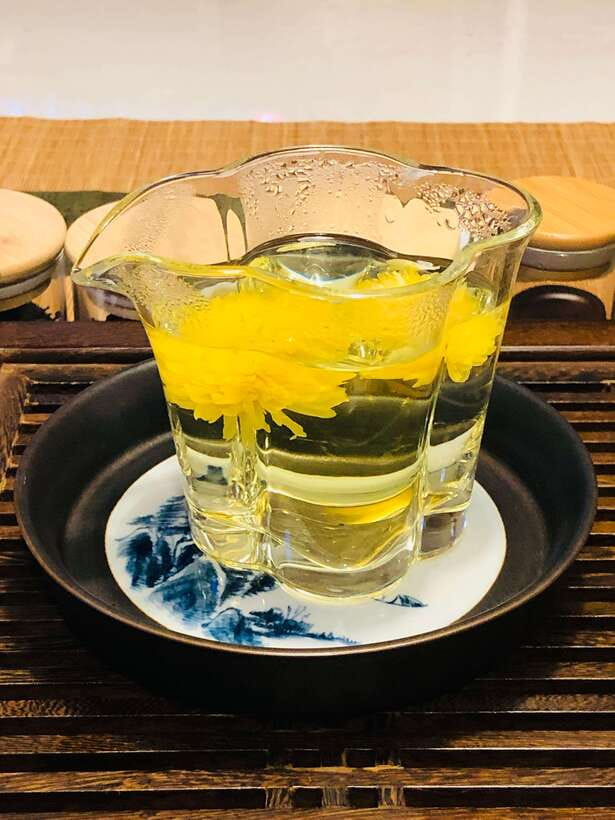
- Oolong, Pu-erh, green, jasmine, and flower tea cover the main flavor worlds
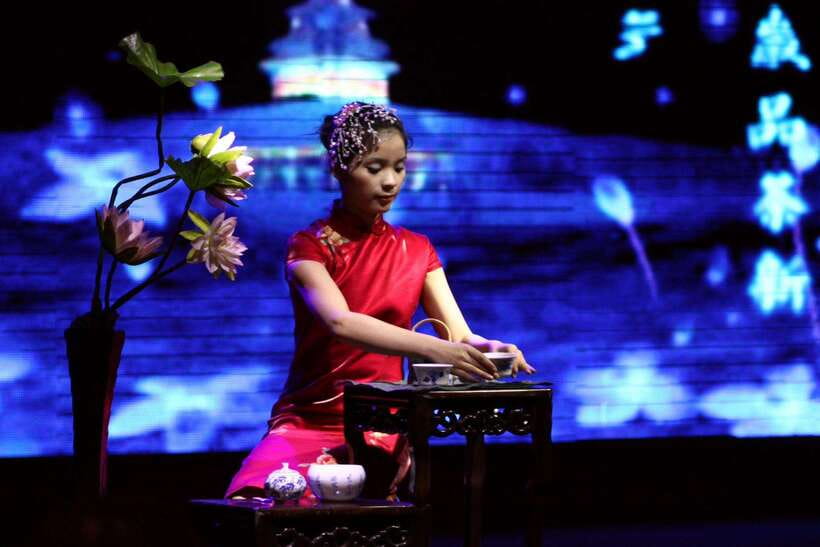
- Intention in every step (warming the teapot, pouring, serving) turns tea into a small ritual
- Friendly hosts, small group size (max 15) help you feel comfortable asking questions
- Optional tea shopping right after, if you want to take flavors home
- Walk-back support to the meeting point or Jianguomen Subway station after the ceremony
More tea, poured properly
- Traditional Chinese Tea Ceremony Experience★ 4.7 · 74 reviews
- Beijing Culture: Tea Ceremony, Heritage Instrument & Calligraphy★ 5.0 · 57 reviews
- Chinese Tea ceremony in Beijing Hutong courtyard★ 4.7 · 26 reviews
- Private Beijing Markets Tour with Tea Tasting at Hongqiao Pearl Market★ 5.0 · 18 reviews
A 30-minute ritual built for real tea technique
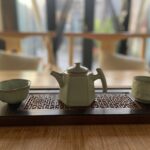
This is one of those Beijing experiences that proves short can still be meaningful. You get a structured tea ceremony that is meant to be practiced, not just watched. The core idea is simple: tea is not only a drink. It is a sequence of respectful actions that affects aroma, temperature, and taste.
What I like for you is the “repeatable” nature of it. You will see how a tea master handles the teapot and the cups, how tea is poured, and how the order of actions changes what you experience. It is the kind of know-how you can carry home, even if you do not have the same equipment.
The ceremony also follows a mindset. The process is designed around respect, harmony, and mindfulness, not performance. That makes the experience feel welcoming for adults and kids, since you are not dealing with pressure or complex rules. You are learning a way of paying attention.
Possible drawback, again: 30 minutes passes fast. If you are the type who wants to sit, sip, and talk for an hour or two, you might feel the session ends before your brain fully catches up. Still, for an affordable cultural stop, it is a smart length.
Where you start near Jian Nei Da Jie and Chang An Grand Theater
Your day begins at Jiannei Avenue, specifically on Jian Nei Da Jie in Dong Cheng Qu. One listed starting point is the Chang An Grand Theater area. This matters because it tells you the ceremony is set up where you can reach it without a long taxi ride.
It is also helpful that the activity is near public transportation. If you are doing Beijing on foot, by subway, or with short rides between sights, this ceremony fits cleanly into a day without turning into a logistics project.
After the tea session, you do not get left hanging. A tea master manager walks you back either to the meeting point or to Jianguomen Subway station. That is a practical detail, especially if you are new to the city and you are trying to keep your route simple.
One small caution: this is a mobile ticket experience. That means you will want your phone ready with your ticket info so you can check in smoothly.
What you actually taste: the lineup of 5 mini cups
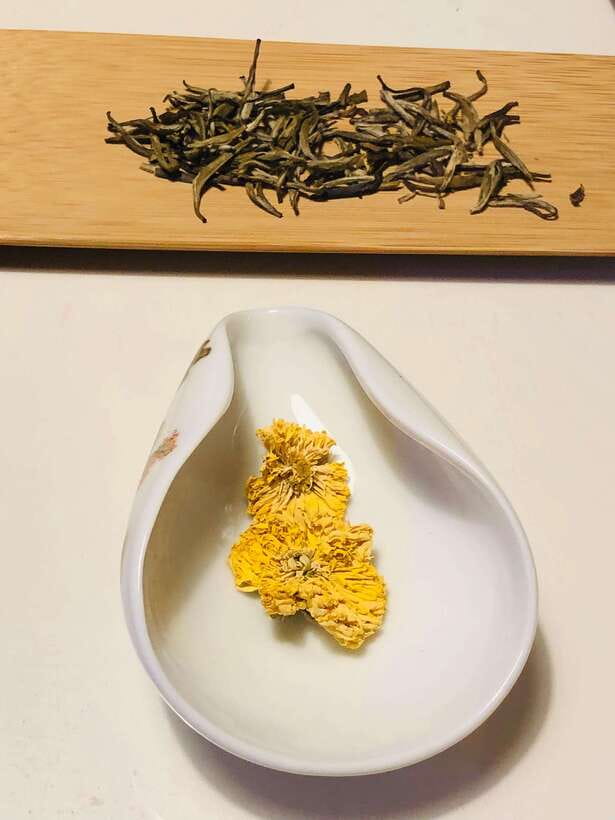
The included tasting is one of the best value parts of the experience. You get tea ceremony time plus 5 mini cups of tea, so you can sample without overspending on full servings.
Here is the tea lineup you can expect:
- Oolong
- Pu-erh
- Green tea
- Jasmine tea
- Flower tea
Why that set is smart: it gives you a quick map of different tea styles. You are not only tasting “tea.” You are tasting different approaches to flavor.
- Oolong often feels balanced, with a scent you can notice even before the sip.
- Pu-erh tends to feel deeper and more earthy, a different experience from the lighter green notes.
- Green tea usually brings a clearer, fresher feel.
- Jasmine tea shifts the focus toward aroma, that floral character that rises as you breathe in.
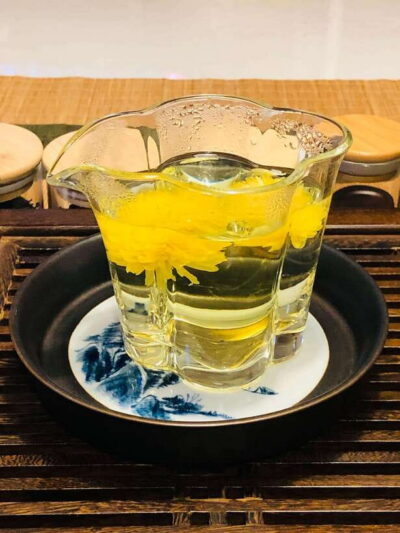
- Flower tea rounds out the set with its own softer, fragrant profile.
The point is not that you must become an expert. The point is that you train your senses. You will start thinking about tea like aroma, temperature, and how you pour and taste. That is the difference between “I drank tea” and “I understood tea.”
The ceremony steps that make tea taste better
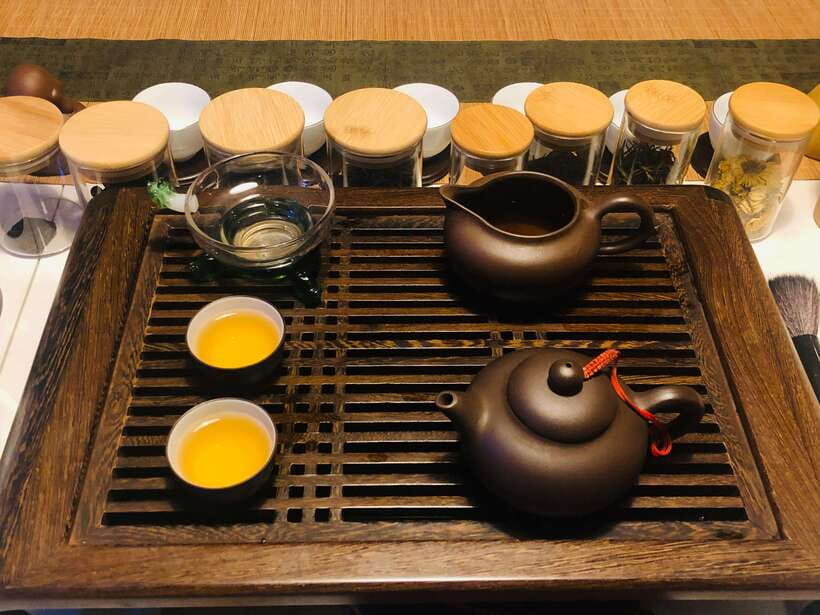
A tea ceremony can easily become a boring show if the explanation is vague. Here, the whole flow is presented as a ritual with a purpose. The tea master demonstrates precise techniques, and the session is built around each step being done with intention.
You can expect the sequence to cover:
- warming the teapot
- pouring the tea
- serving in a way that supports aroma and flavor
You also experience the tea through multiple senses. Sight matters, because you are watching color and movement. Smell matters, because tea aroma is part of the flavor. Taste matters, because each tea type responds differently to temperature and preparation.
If you are bringing kids, this is one reason it works. Kids can follow the motion and the “rules” of the ritual. Adults like it for the same reason. You are guided into paying attention instead of multitasking.
Also, this is not framed as a strict test of etiquette where you might feel awkward. The vibe is respectful and approachable. The goal is understanding, not perfection.
And yes, this experience includes a friendly welcome. You will meet a tea master on arrival, and the ceremony is presented as a heritage ritual. That “welcoming first minute” matters more than it sounds. It sets the tone so you do not feel rushed or confused.

Friendly guidance, including Richard and the tea master
One of the most repeated strengths of this experience is the people running it. In the reviews, the names Richard and the tea master come up with praise for being lovely and friendly.
That matters because tea ceremonies can be intimidating if you assume you have to know the right way to hold a cup or when to comment. When the hosts are warm and clear, you can focus on tasting and learning. You can also ask questions without fear of slowing things down.
Another practical note: the experience explicitly does not include a tour guide. So your “guide” is the tea master and the team managing the session. That is not a problem, as long as you are comfortable with the idea that explanations may be centered on tea culture rather than broader Beijing sightseeing.
If you want a quick cultural intro with direct teaching, this setup makes sense.
Chang An Grand Theater as a convenient base for a culture stop
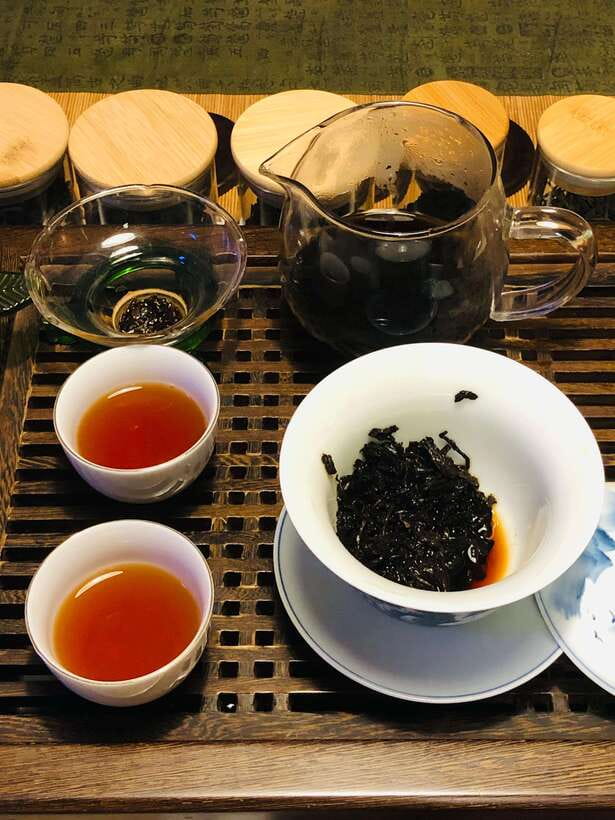
The ceremony has a listed stop near Chang An Grand Theater. That is useful for you because it means the session is located in a part of Beijing where you can plan around other activities.
Think of it like a mini cultural reset between busier sights. You start in a transit-friendly zone, you do a short ritual, and you are guided back to where you can continue exploring.
The downside, if you can call it that, is that there is not an extended sightseeing component built in. This is the tea ceremony, not a combined city tour.
Value check: $9.90 for five tastings and a guided ritual
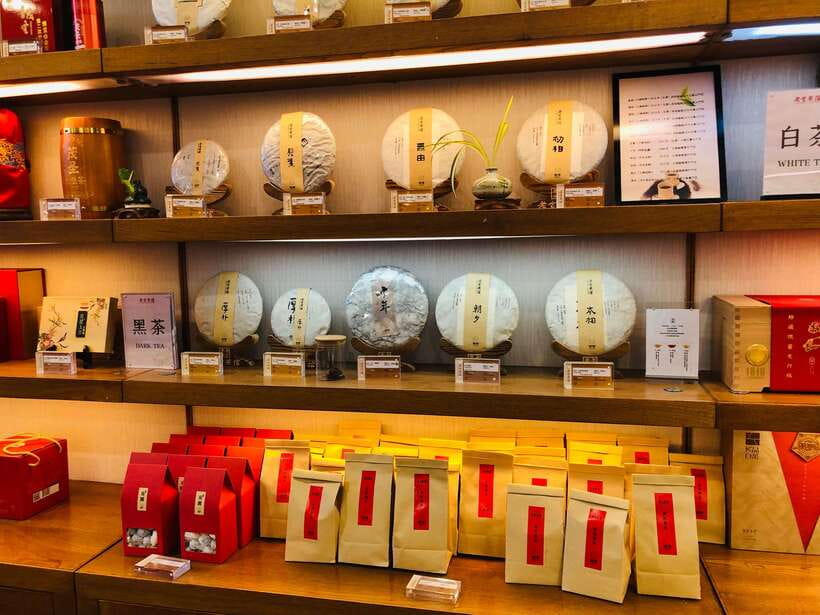
At $9.90 per person for roughly 30 minutes, this is priced like a budget-friendly “taste of culture” rather than a luxury workshop. The value comes from what is included: tea ceremony time and 5 mini cups.
You should also consider the alternatives. If you try to learn tea culture on your own, you can end up paying more for tasting sets that come without a guided explanation of technique. Here, you get both tasting and teaching, and you do not need to plan equipment or language-heavy research.
Keep in mind what is not included. Shopping expenses are not included, so if you decide to buy take-home tea, that cost is on you.
Still, the offer is optional. You can simply enjoy the tasting and leave with the experience, not a shopping decision.
Who this is best for (and who might want something longer)
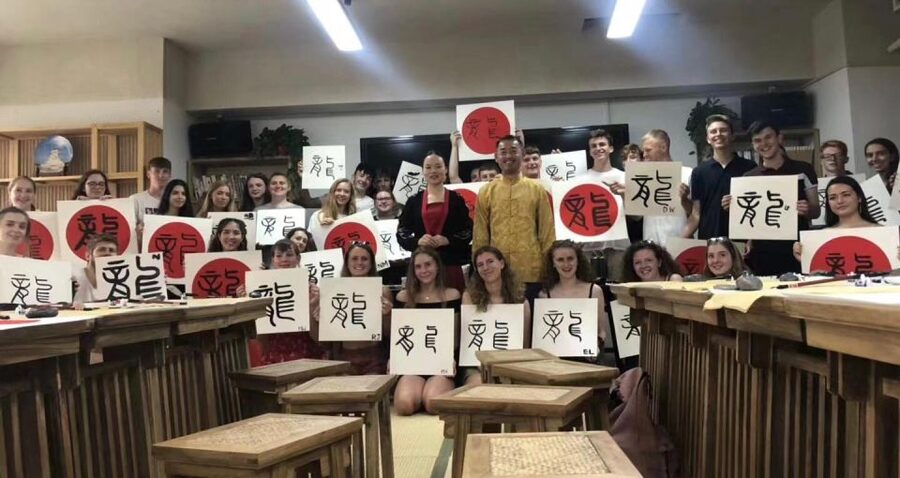
This works especially well if you:
- want a short, meaningful cultural activity in Beijing
- enjoy food and sensory experiences
- like gentle structure and clear step-by-step instruction
- are traveling with kids who can handle 30 minutes of guided participation
- prefer smaller groups (max 15) over large, fast-moving tours
It may be less ideal if you:
- expect a long, deep workshop
- want a comprehensive, multi-hour tea education session
- need a broader guided Beijing narrative beyond tea culture
Optional tea shopping after the ceremony, without pressure
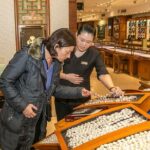
After the ceremony, you have the option to purchase exquisite tea to take home, but it is at your own expense. That means you can treat the shopping moment like a bonus rather than a mandatory part of the experience.
If you do decide to buy tea, go in with a simple plan:
- buy what you enjoyed most during your five mini tastings
- ask questions about how to enjoy it at home if your hosts explain it during the process
- set a budget before you reach the purchasing stage
Because the ceremony focuses on technique and aroma, tea you buy should make sense with what you tasted, not just what looks pretty.
Booking, timing, and how to make the most of the 30 minutes
This experience is commonly booked about 33 days in advance, which is a hint that spots can fill during busy travel windows. If you are planning around a tight Beijing schedule, lock it in early so you are not searching for a last-minute tea option.
Also, you get confirmation at booking time. That helps you reduce uncertainty about your start.
Since it is near public transportation, you can pair it with another nearby activity. Just avoid stacking so many stops that you arrive flustered. With a short ceremony, calm arrival helps you actually enjoy the steps.
Should you book the Traditional Chinese Tea Ceremony?
If you want a friendly, affordable way to understand Chinese tea culture in Beijing, I think this is a strong yes. You get a real ritual format, a tasting lineup of five tea types, and teaching centered on technique rather than just sightseeing.
Book it if you value:
- hands-on guidance from the tea master
- a clear, sensory tasting experience
- a small group format (max 15)
- a short duration that fits into a busy itinerary
Skip it only if you are chasing a long, intensive tea course. If you want that kind of depth, you would probably look for a longer workshop style experience instead. For most people, though, this is an easy, memorable cultural stop.
FAQ
How long is the tea ceremony experience?
It lasts about 30 minutes.
What is included in the price?
The price includes the tea ceremony and 5 mini cups of tea.
Is a tour guide included?
No tour guide is included.
What kinds of tea will I taste?
You will taste Oolong, Pu-erh, green tea, jasmine tea, and flower tea.
Where does the activity start and end?
It starts at Jian Nei Da Jie, Dong Cheng Qu (Jiannei Avenue area, near Chang An Grand Theater) and ends back at the meeting point. You may also be walked back to the meeting point or Jianguomen Subway station.
What is the cancellation policy?
Free cancellation is available up to 24 hours before the start time for a full refund. If you cancel less than 24 hours before, you will not get a refund.
More Tour Reviews in Beijing



More Tea, Poured Properly
Beijing, reviewed one booking at a time
- Xian: Must see Eternal Love or Camel Bell Legend show Ticket
★ 5.0 · 3 reviews - One day tour to downtown Tianjin from Beijing by high speed train
★ 5.0 · 3 reviews - Ming Tombs Sacred Way & Underground Palace & Water Wall P Tour
★ 5.0 · 3 reviews - Beijing Mutianyu Great Wall Small Group Tour
★ 4.5 · 3 reviews - Return Bus to Badaling Great Wall
★ 3.0 · 3 reviews - Private Tour to Lama Temple, Tian’anmen Square and Forbidden City
★ 5.0 · 3 reviews
Chinese Tea House Experiences, compared.
 ★ 5.0One-Day Hangzhou Dragon Well Tea Culture & West Lake Private TourFrom $27098 reviews
 ★ 4.7Traditional Chinese Tea Ceremony ExperienceFrom $974 reviews
 ★ 4.7Beijing: Dumpling Making Workshop with Meal and TeaFrom $3569 reviews
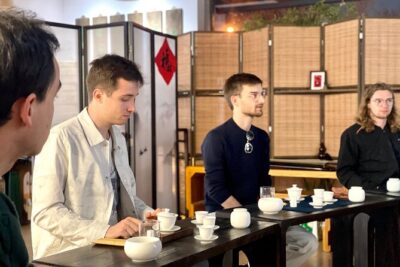 ★ 5.0Beijing Culture: Tea Ceremony, Heritage Instrument & CalligraphyFrom $7857 reviews
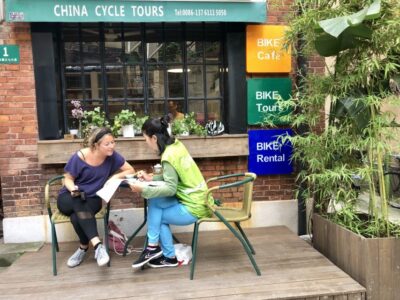 ★ 4.5Biking Real Shanghai& Tea Tasting ExperienceFrom $8845 reviews
 ★ 5.0Tea Village in lost Town and Buddha 1 day tourFrom $16932 reviews
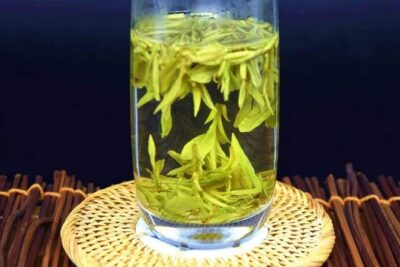 ★ 5.0Authentic Hangzhou Longjing Tea Culture Experience TourFrom $5232 reviews
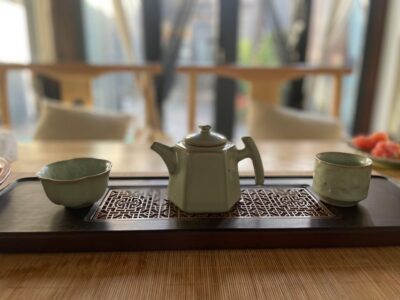 ★ 4.7Chinese Tea ceremony in Beijing Hutong courtyardFrom $3126 reviews
Browse the lists this tour appears in